










Olive oil has long been associated with Mediterranean cooking, but its appeal goes beyond flavour alone. Replacing butter or highly processed fats with olive oil is often described as a small shift that may support broader health goals over time.
Researchers have examined how regular olive oil consumption fits into dietary patterns linked to heart health, inflammation control and overall wellbeing. While no single ingredient works in isolation, the type of fat used in everyday cooking can influence long-term outcomes.
Understanding how olive oil interacts with the body helps put those claims into context. Below is a closer look at what studies suggest and why quality, quantity and overall diet still matter.
This article is provided for general informational purposes only. It is not intended as medical advice. Individual health needs vary, and dietary changes should be discussed with a qualified healthcare professional.
1. Improved Heart Health Over Time
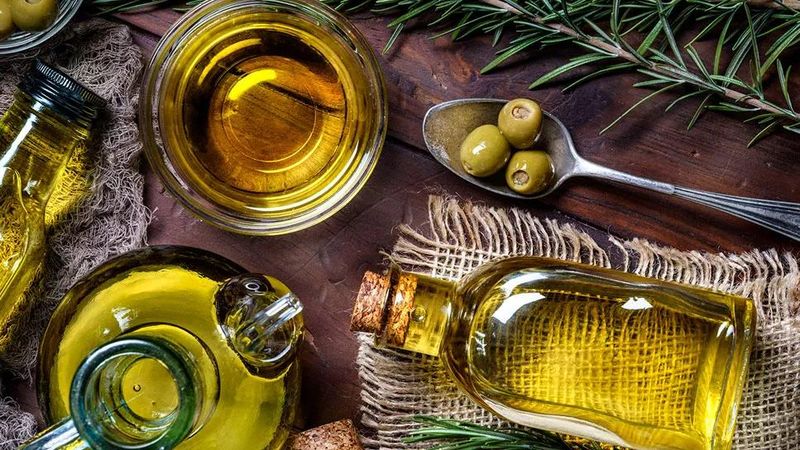
Your ticker will thank you for this one. Olive oil is packed with monounsaturated fats, especially oleic acid, which actively works to lower LDL cholesterol, the troublemaker that clogs arteries.
Regular use can genuinely reduce your risk of heart disease over the years.
Think of it as giving your cardiovascular system a daily tune-up. The polyphenols in extra virgin varieties provide extra protection against oxidative damage.
It's not magic, just good old-fashioned nutrition doing its job properly.
2. Lower Levels Of Harmful Inflammation
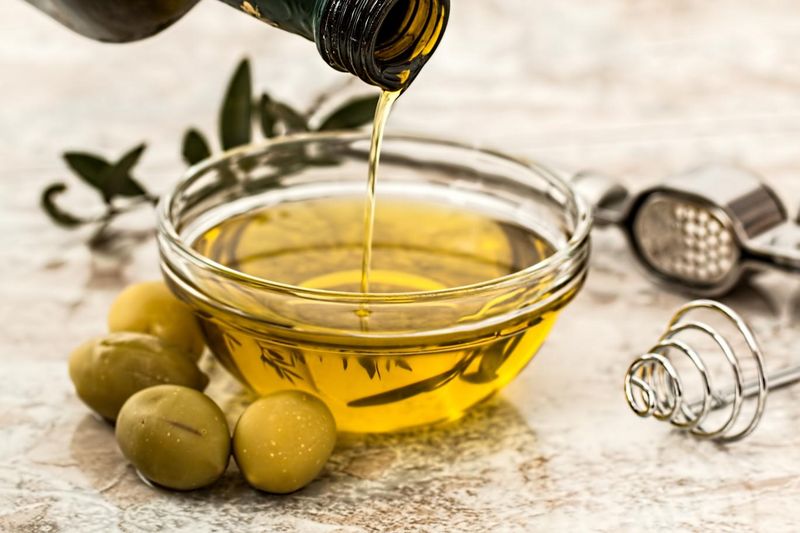
Chronic inflammation is behind loads of health issues, from arthritis to more serious conditions. Olive oil contains oleocanthal, a compound that works similarly to ibuprofen in fighting inflammation.
You won't feel an immediate effect like popping a pill, but consistent use matters.
Research shows that people who cook with olive oil regularly have lower inflammatory markers in their blood. Your joints, tissues, and organs all benefit from this gentle, ongoing protection that builds up meal by meal.
3. Better Cholesterol Balance
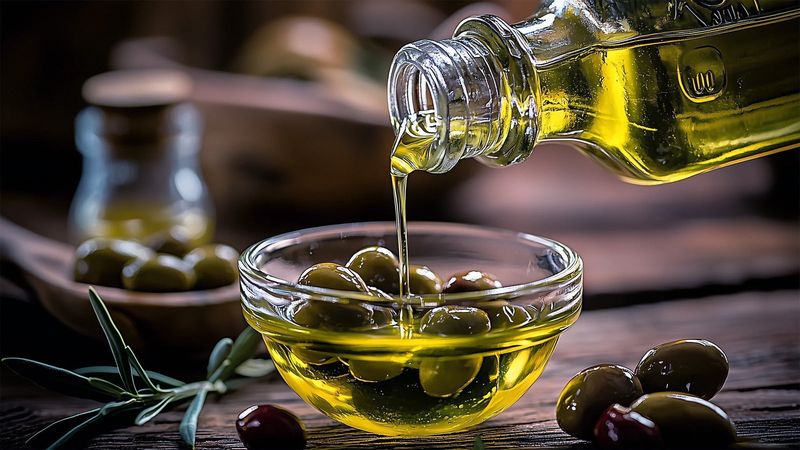
Cholesterol isn't entirely villainous; you need the right balance between HDL (the helpful kind) and LDL (the problematic type). Olive oil doesn't just lower the bad stuff; it actually helps maintain or even boost your HDL levels.
That's a proper two-for-one deal.
The monounsaturated fats work differently than saturated fats from butter or lard. They keep your blood vessels cleaner and more flexible.
Switching to olive oil for everyday cooking creates measurable improvements in your lipid profile within weeks.
4. Support For Brain Function
Your brain runs on fat, so feeding it quality fats makes genuine sense. The antioxidants and healthy fats in olive oil protect brain cells from oxidative stress and inflammation, both linked to cognitive decline.
Mediterranean populations who use olive oil liberally show lower rates of dementia.
Those same polyphenols that help your heart also cross the blood-brain barrier. They support memory, focus, and overall mental sharpness as you age.
Consider it brain food that actually tastes brilliant on everything.
5. Enhanced Nutrient Absorption
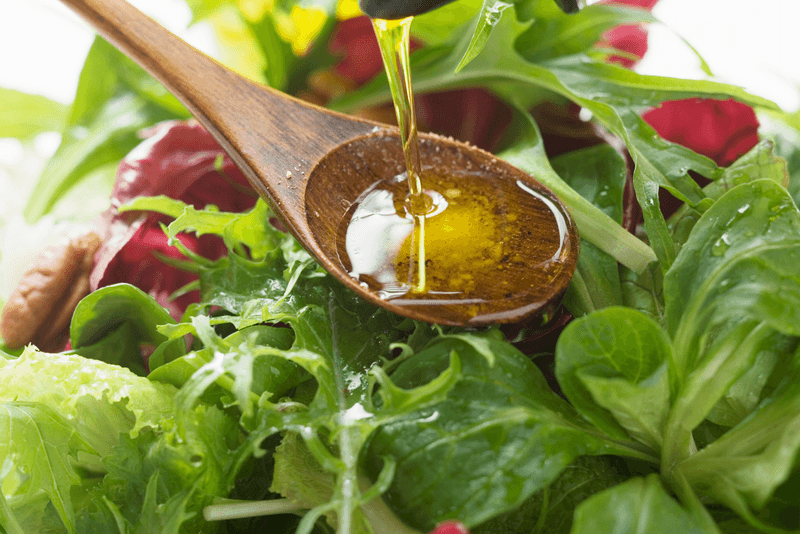
Here's something clever: certain vitamins only dissolve in fat, meaning you need dietary fat to absorb them properly. Vitamins A, D, E, and K are all fat-soluble, so that olive oil on your salad isn't just for flavour.
It's actually helping your body grab those nutrients.
Carotenoids from tomatoes and carrots absorb better with olive oil present too. You're essentially making your vegetables work harder for you.
A simple drizzle transforms a healthy meal into one that delivers maximum nutritional bang.
6. More Stable Blood Sugar Levels

Blood sugar spikes and crashes leave you knackered and reaching for snacks. Olive oil helps slow down how quickly glucose enters your bloodstream after eating, creating a gentler, more sustained energy release.
This matters whether you're managing diabetes or just avoiding that mid-afternoon slump.
The monounsaturated fats improve insulin sensitivity over time too. Your cells become better at using the insulin your pancreas produces.
Drizzling olive oil over meals becomes a simple strategy for keeping your energy steady throughout the day.
7. Healthier Skin From Within

Fancy skincare products are all well and good, but what you eat matters just as much. The vitamin E and polyphenols in olive oil fight free radicals that age your skin prematurely.
These antioxidants help maintain elasticity and that healthy glow people spend fortunes trying to achieve.
The healthy fats also support your skin's lipid barrier, keeping moisture in and irritants out. Using olive oil regularly in cooking nourishes your skin from the inside, complementing whatever you're slathering on the outside.
8. Support For Digestive Health
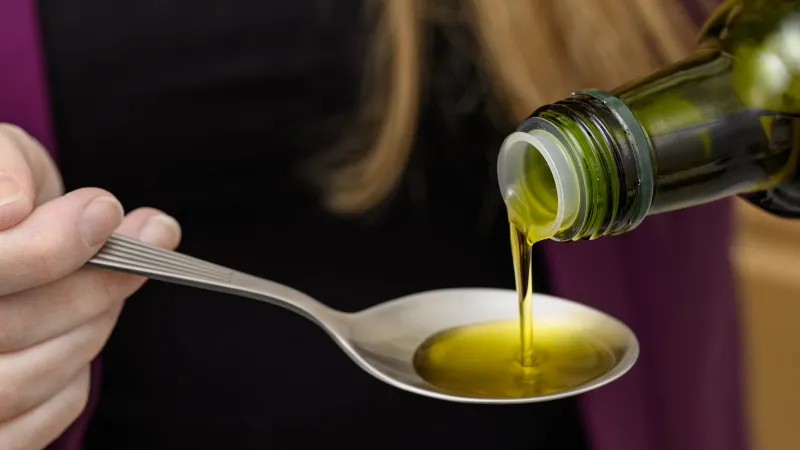
Digestion doesn't always get the attention it deserves until something goes wrong. Olive oil stimulates bile production, which your gallbladder releases to break down fats and absorb nutrients efficiently.
It keeps things moving smoothly through your digestive tract without being harsh or irritating.
Some studies suggest olive oil may even support a healthier gut microbiome. The polyphenols act as prebiotics, feeding the beneficial bacteria in your intestines.
Better digestion means better nutrient absorption and often fewer uncomfortable digestive complaints overall.
9. Possible Reduction In Stroke Risk
Strokes happen when blood flow to the brain gets interrupted, often due to clots or narrowed vessels. Studies tracking Mediterranean populations found that people who use olive oil as their primary fat have notably lower stroke rates.
The connection appears linked to olive oil's effects on blood pressure and cholesterol.
The anti-inflammatory properties and antioxidants work together to keep blood vessels healthier and more flexible. Whilst olive oil isn't a guarantee against stroke, it's a meaningful protective factor you can easily incorporate daily.
10. A Helpful Swap For Less Healthy Fats
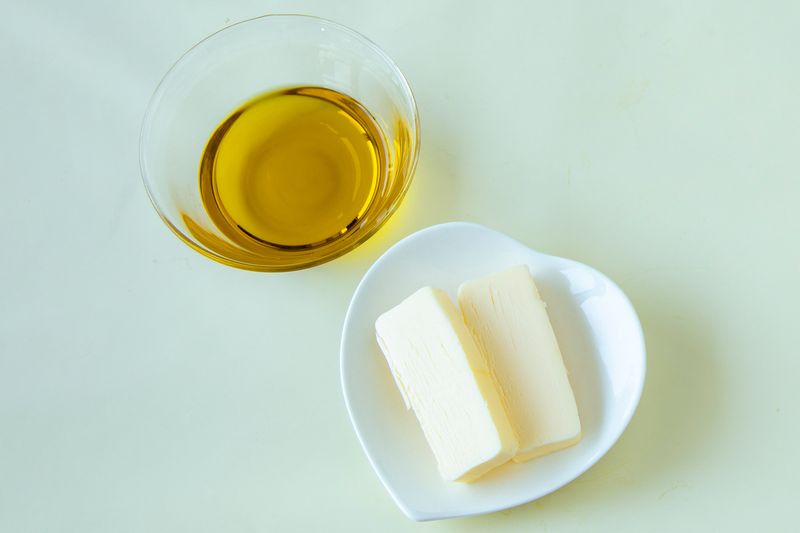
Replacing butter, margarine, or vegetable oils with olive oil might seem small, but these swaps accumulate. Saturated fats and trans fats contribute to inflammation and cardiovascular problems, whilst olive oil actively works against those issues.
You're not just removing something harmful; you're adding something beneficial.
Start with easy switches: olive oil for sautéing instead of butter, or drizzled on bread rather than spreading margarine. Your taste buds adjust quickly, and your body reaps rewards with every meal you prepare this way.