











Daily meals often focus on flavour and convenience while vital nutrients quietly slip under the radar. Minerals play an important role in supporting energy, bone strength, and overall body function.
Busy routines and modern eating habits sometimes make it challenging to maintain a balanced nutrient intake. Many people remain unaware that small dietary gaps can gradually influence wellbeing.
Learning about commonly overlooked minerals can help encourage more thoughtful food choices.
Nutrient needs vary based on age, health status, and lifestyle factors. This content is provided for general informational purposes and should not replace advice from qualified healthcare professionals.
1. Magnesium
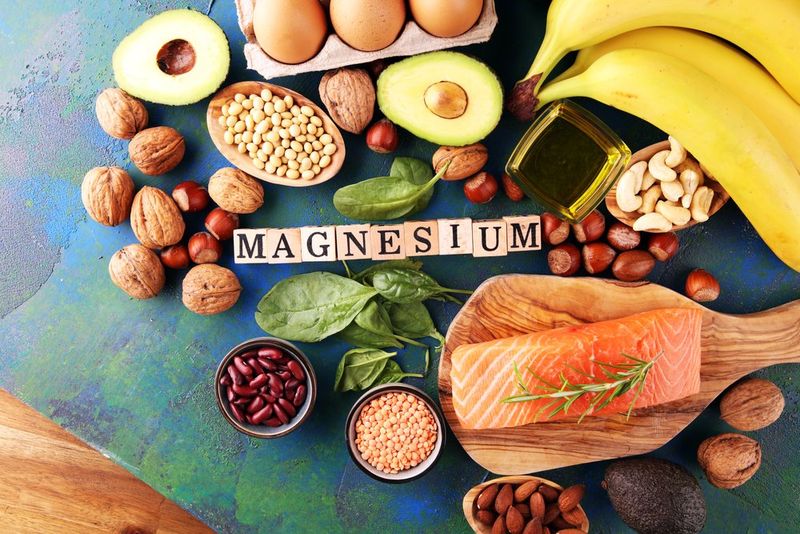
Your muscles, nerves, and heart all depend on magnesium to function properly. Without enough, you might experience cramps, fatigue, or even trouble sleeping.
Leafy greens, nuts, seeds, and whole grains are brilliant sources. Many Britons don't eat enough of these foods regularly, making magnesium one of the most commonly missed minerals.
Adding a handful of almonds or spinach to your daily meals can make a real difference.
2. Iron
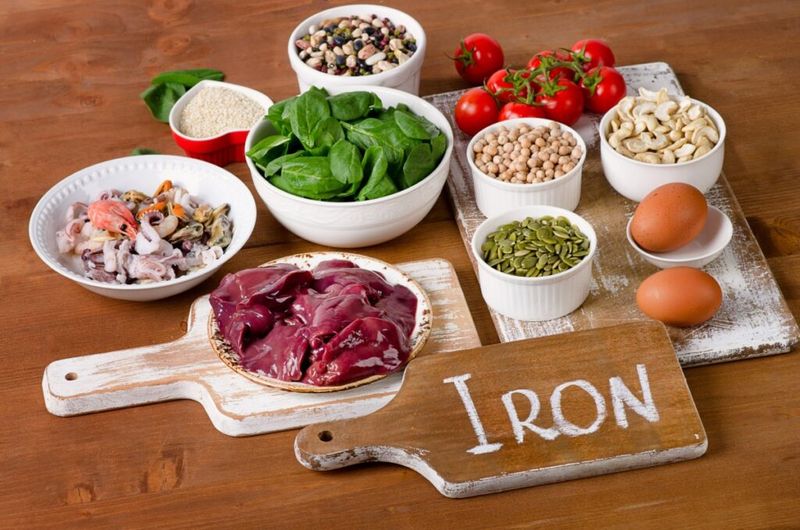
Feeling exhausted all the time? Iron deficiency might be to blame.
This mineral carries oxygen throughout your body, keeping your energy levels steady and your brain sharp.
Red meat, beans, lentils, and fortified cereals are packed with iron. Women and teenagers especially need to watch their intake, as they're most at risk of falling short.
Pairing iron-rich foods with vitamin C helps your body absorb it better.
3. Calcium
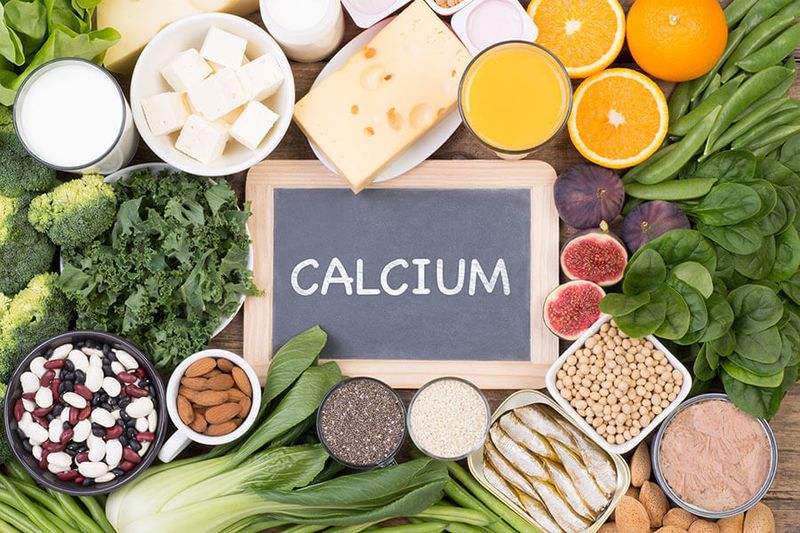
Strong bones and teeth aren't just for kids—adults need calcium throughout their lives to prevent brittle bones later on. Your heart, muscles, and nerves also rely on this hardworking mineral to keep everything running smoothly.
Dairy products are the obvious choice, but leafy greens, fortified plant milks, and tinned fish with bones work brilliantly too. Skipping breakfast or avoiding dairy without replacing it can leave you short.
4. Potassium
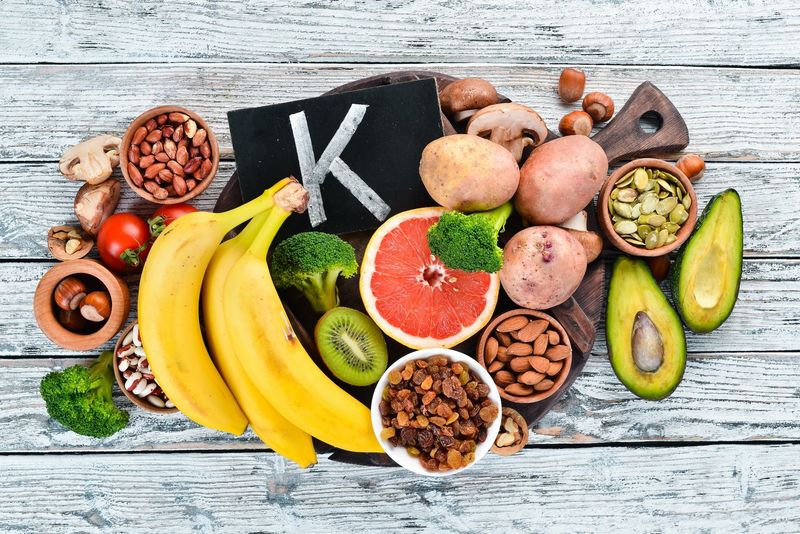
Potassium works behind the scenes to regulate your blood pressure, support muscle function, and keep your heart beating steadily. Most Britons consume far less than the recommended amount, often because we don't eat enough fruits and vegetables.
Bananas are famous for it, but potatoes, spinach, beans, and oranges are equally fantastic sources. Making half your plate vegetables at each meal helps boost your intake naturally.
5. Zinc
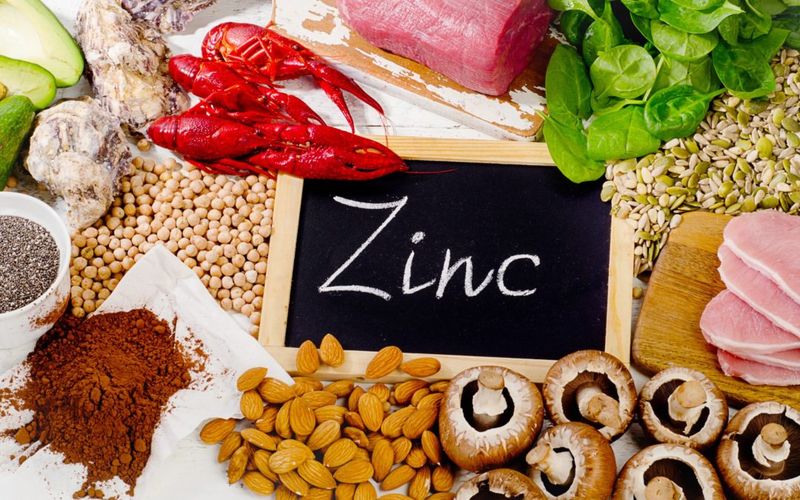
Your immune system relies heavily on zinc to fight off infections and heal wounds quickly. It also plays a crucial role in taste, smell, and even DNA production within your cells.
Meat, shellfish, seeds, and nuts are your best bets for getting enough zinc. Vegetarians and vegans need to pay extra attention, as plant-based sources aren't absorbed quite as easily.
Pumpkin seeds make a tasty, zinc-packed snack.
6. Iodine
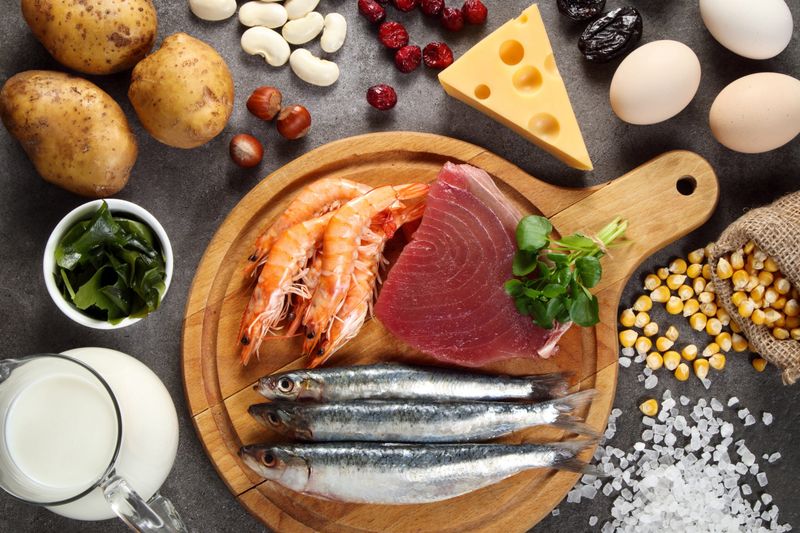
Iodine keeps your thyroid gland functioning properly, which controls your metabolism and energy levels. Without enough, you might feel sluggish, gain weight unexpectedly, or struggle with concentration.
Fish, dairy, eggs, and iodised salt are the main sources in British diets. However, many people now use sea salt or Himalayan salt instead, which contain virtually no iodine.
Eating fish twice weekly helps maintain healthy levels easily.
7. Selenium
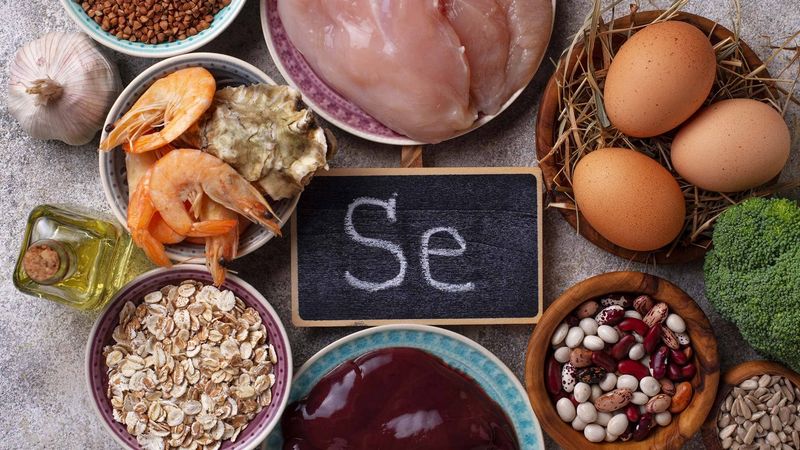
Small amounts of selenium play an important role in supporting immune function and helping the body manage oxidative stress. Brazil nuts are famously rich in this mineral, while fish, eggs, meat, and whole grains also contribute useful amounts.
The level of selenium found in foods can vary depending on soil conditions and farming practices across different regions. Including a variety of selenium-containing foods helps support balanced intake through everyday meals.
Paying attention to portion size is helpful, as very large amounts of selenium are not recommended.
8. Copper
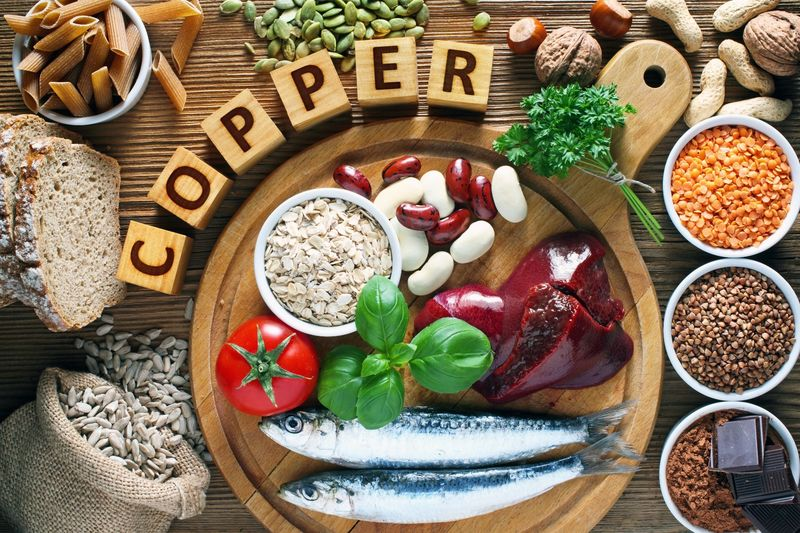
Copper works alongside iron to create red blood cells and maintain healthy bones and nerves. Though deficiency is rare, not getting enough can lead to anaemia and weakened immunity over time.
Shellfish, nuts, seeds, and organ meats contain the most copper. Whole grains and dark chocolate offer decent amounts too.
Most people can easily meet their needs through a varied, balanced diet without much effort.
9. Phosphorus
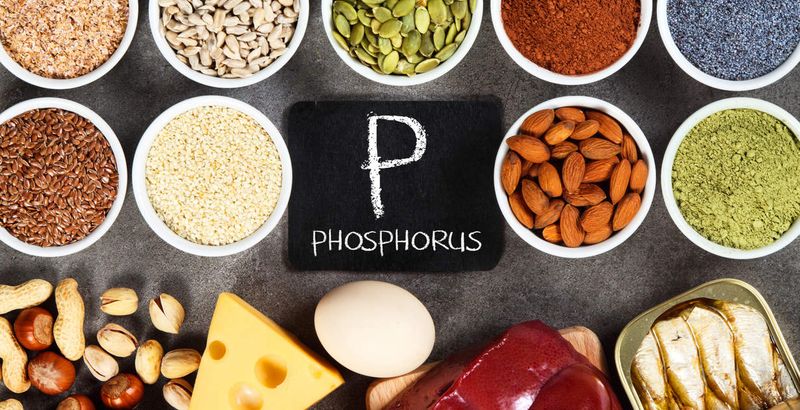
Working hand-in-hand with calcium, phosphorus builds strong bones and teeth whilst helping your body produce energy from food. It's found in nearly all foods, particularly protein-rich ones like meat, fish, dairy, and beans.
Deficiency is extremely uncommon in Britain, as most people consume plenty through their regular diet. However, some health conditions or medications can interfere with absorption, making supplementation occasionally necessary.
10. Manganese
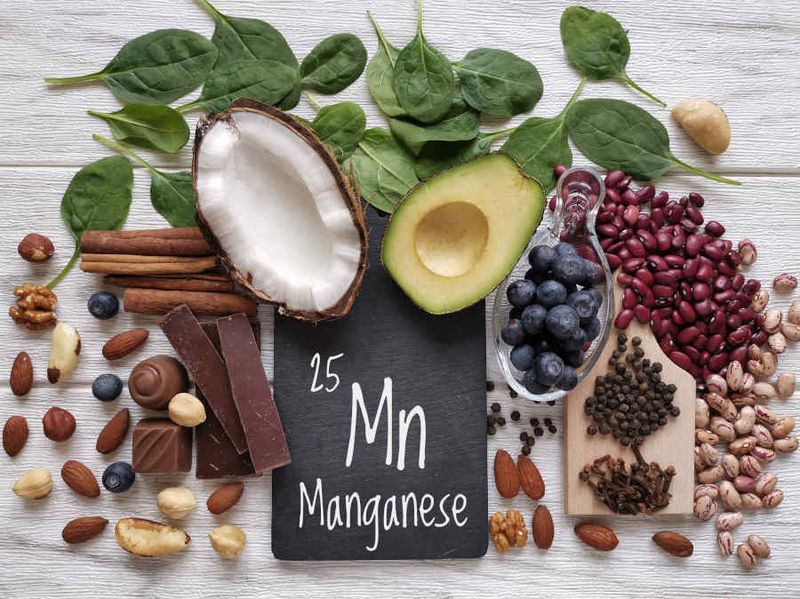
Manganese might not be as famous as calcium or iron, but it's equally important for bone health, wound healing, and processing carbohydrates. Your body also needs it to produce powerful antioxidants that protect against cell damage.
Whole grains, nuts, leafy vegetables, and tea are fantastic sources. Most Britons get adequate amounts, though heavily processed diets lacking whole foods can leave some people short on this vital mineral.