













Pancakes are loved all around the world, but not every culture makes them with regular wheat flour. From rice and corn to lentils and cassava, different regions have found creative ways to make their own versions of this beloved dish.
These unique pancakes tell the story of local ingredients, traditions, and flavors passed down through generations. Get ready to discover 15 amazing pancakes from around the globe that prove you don't need wheat flour to make something truly delicious.
1. Dosa (India) - Rice and Lentil Crepe
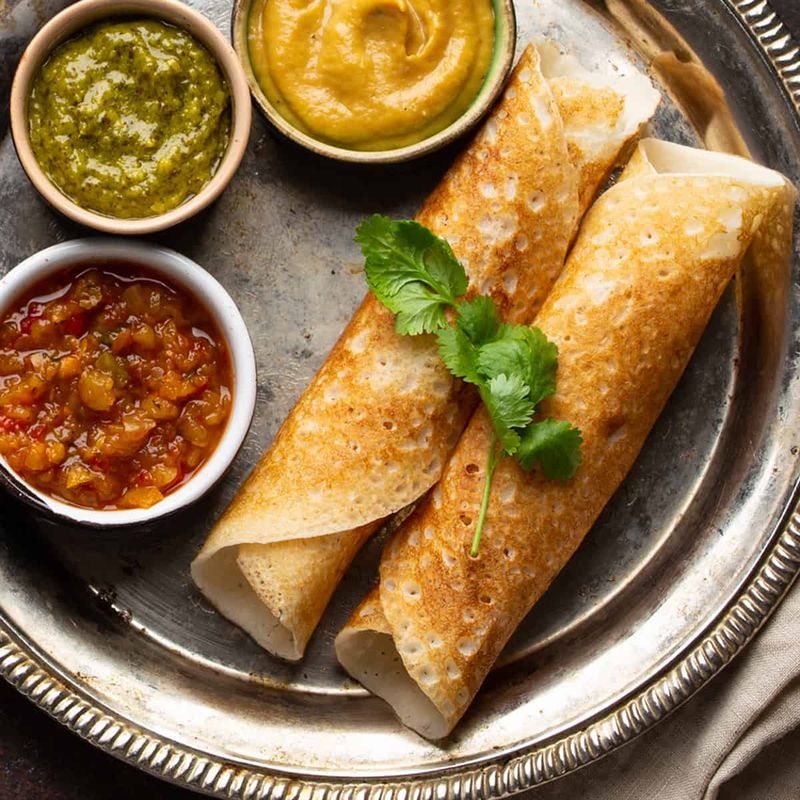
Crispy on the edges and paper-thin in the middle, the dosa is one of South India's most iconic foods. Made from a fermented batter of rice and black lentils, it develops a slightly tangy flavor that's hard to forget.
The fermentation process also makes it easier to digest.
Dosas are usually served with coconut chutney and sambar, a spiced lentil soup. Street vendors across Tamil Nadu and Karnataka make hundreds of these daily, rolling them out on giant flat griddles with impressive speed.
2. Injera (Ethiopia) - Teff Flatbread Pancake
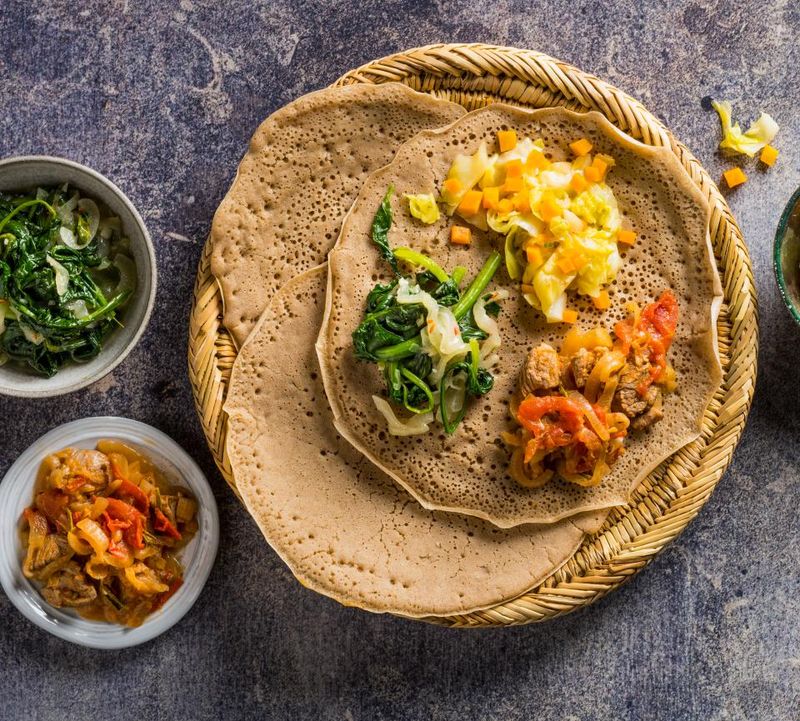
Spongy, slightly sour, and absolutely essential to Ethiopian cuisine, injera is made from teff, a tiny ancient grain native to the Horn of Africa. The batter ferments for several days, giving injera its signature tangy taste and bubbly surface texture.
Injera acts as both a plate and a utensil. Stews and salads are piled right on top, and diners tear off pieces to scoop up their food.
It's a hands-on, communal eating experience that brings people together around one big shared platter.
3. Baghrir (Morocco) - Semolina Honeycomb Pancake
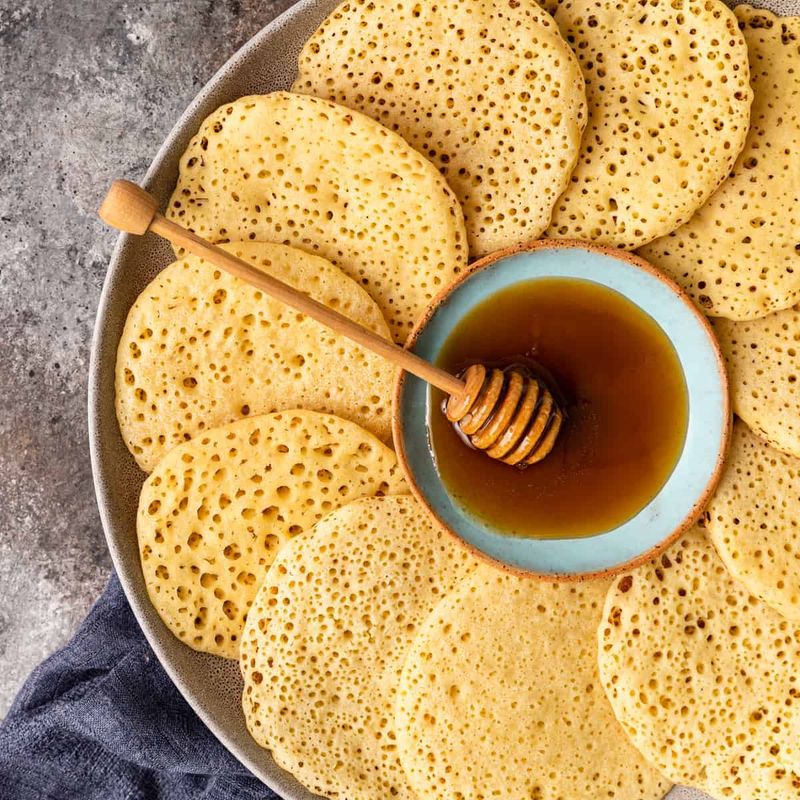
Known as the "thousand-hole pancake," baghrir gets its magical appearance from semolina flour and yeast working together during fermentation. When poured onto a hot pan, hundreds of tiny bubbles rise and pop, leaving behind a lacy, sponge-like surface perfect for soaking up toppings.
Moroccans traditionally serve baghrir drizzled with warm honey and argan or regular butter. Unlike most pancakes, baghrir is only cooked on one side, keeping the top soft and absorbent.
It's a popular breakfast treat during Ramadan and family gatherings.
4. Okonomiyaki (Japan) - Cabbage and Yam Pancake
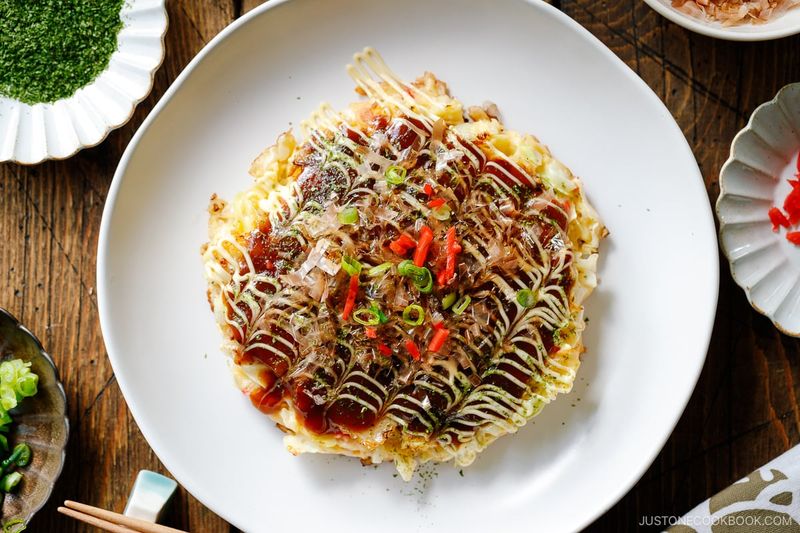
Okonomiyaki roughly translates to "cook what you like," and that freedom is exactly what makes it so fun. This savory Japanese pancake uses grated mountain yam and cabbage as its base instead of wheat, giving it a uniquely fluffy yet hearty texture.
Toppings vary wildly by region and personal taste, from shrimp and pork belly to cheese and kimchi. Osaka and Hiroshima each claim their own distinct style of making it.
Smothered in tangy sauce and creamy mayo, every bite is a flavor adventure.
5. Arepas (Colombia and Venezuela) - Cornmeal Pancake
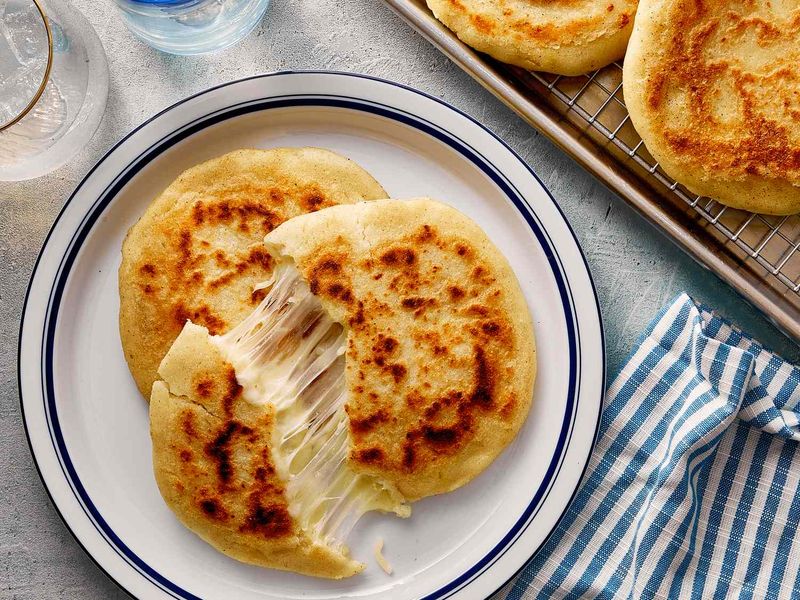
Arepas have been a staple food in Colombia and Venezuela for thousands of years, long before Spanish explorers arrived. Made from precooked white or yellow cornmeal, these thick round cakes are griddled, baked, or fried until they develop a satisfying golden crust.
The real magic happens when you split one open and stuff it. Cheese, black beans, shredded chicken, avocado - the filling options are nearly endless.
Every Colombian and Venezuelan family has their own favorite way to prepare and enjoy this beloved everyday food.
6. Serabi (Indonesia) - Rice Flour Coconut Pancake
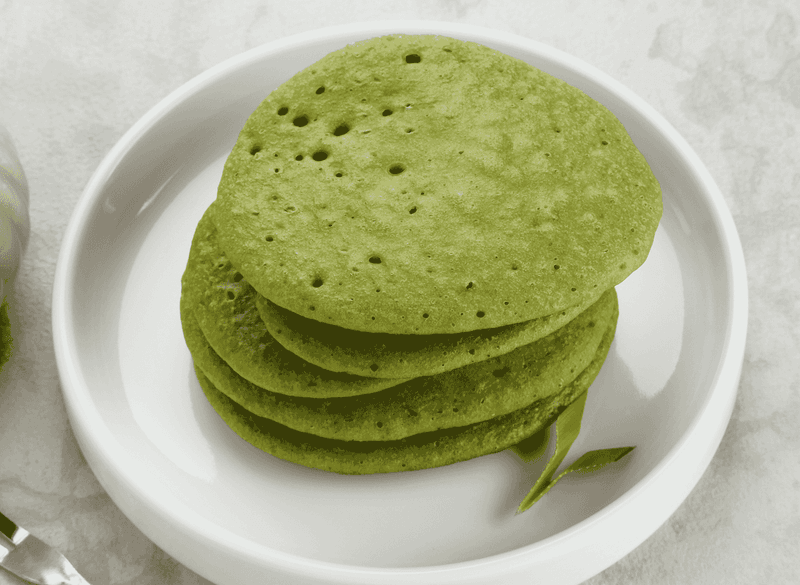
Serabi has been made in Indonesia for centuries, cooked in small clay molds over charcoal fires in a process that feels more like an art form than cooking. The batter blends rice flour with coconut milk, creating a pancake that's crispy around the rim and cloud-soft in the center.
The pandan leaf gives many serabi their beautiful green color and sweet, floral aroma. In Solo and Bandung, local variations differ in toppings and sweetness levels.
Finding a street vendor making fresh serabi in the early morning is one of Indonesia's simple joys.
7. Akara (West Africa) - Black-Eyed Pea Fritter Pancake
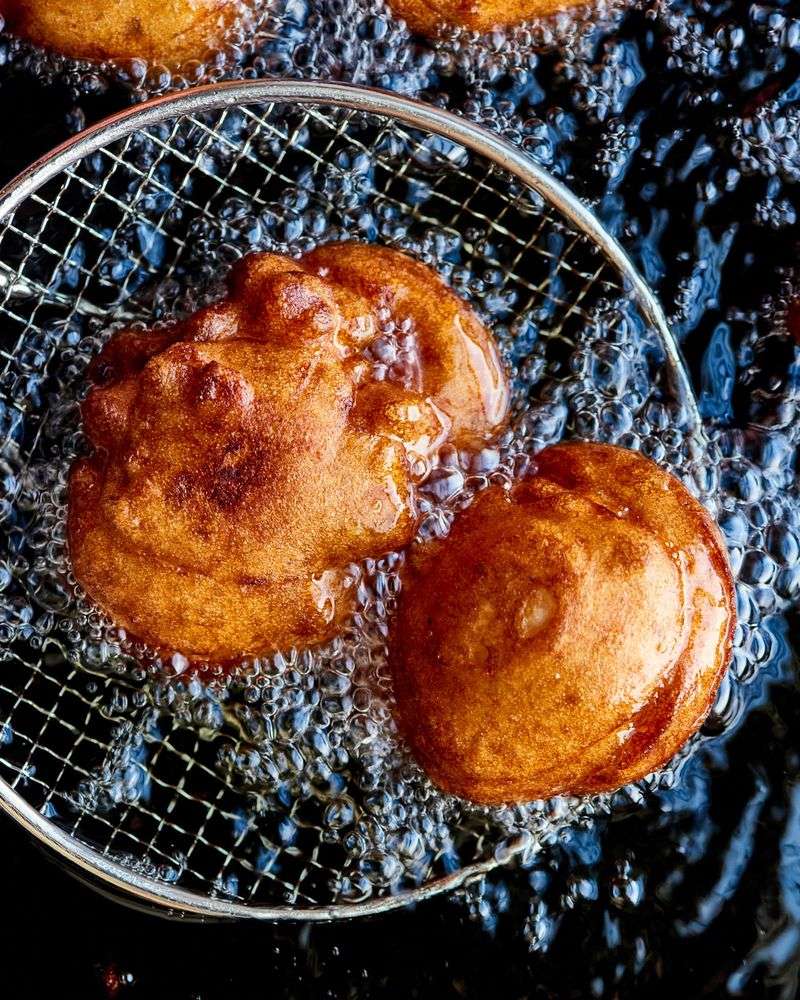
Akara looks like a fritter but functions much like a pancake in West African breakfast culture. Ground black-eyed peas are soaked, peeled, blended with onions and peppers, then fried into puffy, protein-rich golden balls that are crispy outside and pillowy inside.
Popular across Nigeria, Ghana, and Benin, akara is often eaten alongside ogi, a porridge made from fermented corn. Street vendors start frying before sunrise so commuters can grab a hot batch on their way to work.
The smell alone is enough to stop you in your tracks.
8. Cachapas (Venezuela) - Fresh Corn Pancake
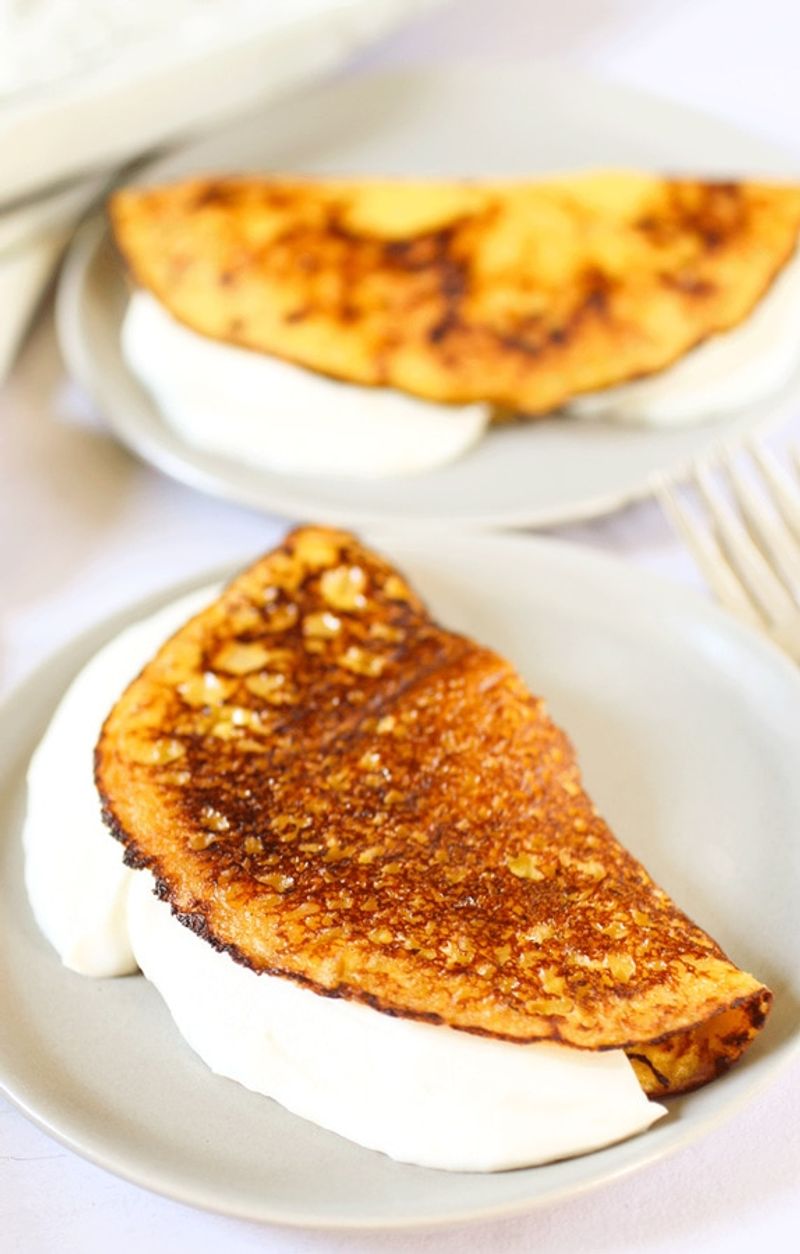
Cachapas are the sweeter, juicier cousin of the arepa, made from freshly ground corn kernels rather than dried cornmeal. The natural sugars in the fresh corn give cachapas a gentle sweetness that pairs beautifully with salty, melted hand cheese called queso de mano.
Roadside cachapa stands are a beloved sight along Venezuelan highways, especially in the countryside. They're cooked on a budare, a flat clay or iron griddle, until golden and slightly charred.
Eating one hot off the griddle, stuffed with gooey cheese, is a purely joyful experience.
9. Blini (Russia) - Buckwheat Pancake
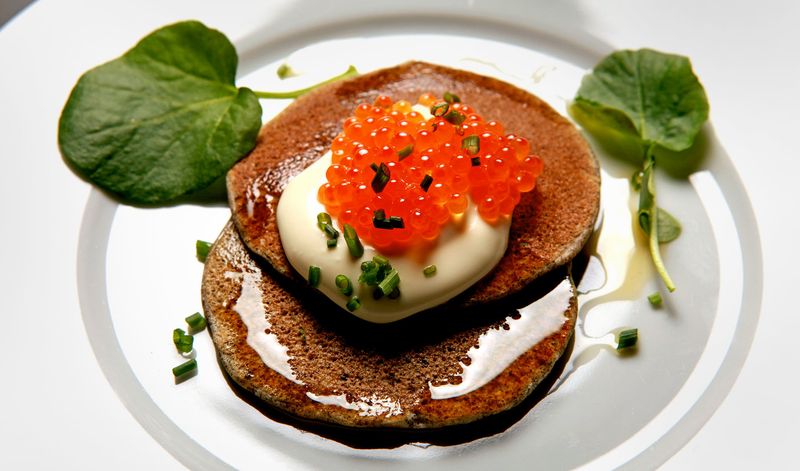
Long before wheat flour became common in Russia, buckwheat was the grain of the people. Traditional Russian blini made with buckwheat flour have a slightly nutty, earthy flavor that plain flour versions simply can't replicate.
They're thin like crepes but carry a deeper, more complex taste.
During Maslenitsa, the Russian pancake week, families make blini every single day. Toppings range from sour cream and jam to smoked salmon or caviar for special occasions.
The round shape symbolizes the sun, welcoming spring after a long, cold winter.
10. Hoppers (Sri Lanka) - Rice Flour Bowl Pancake
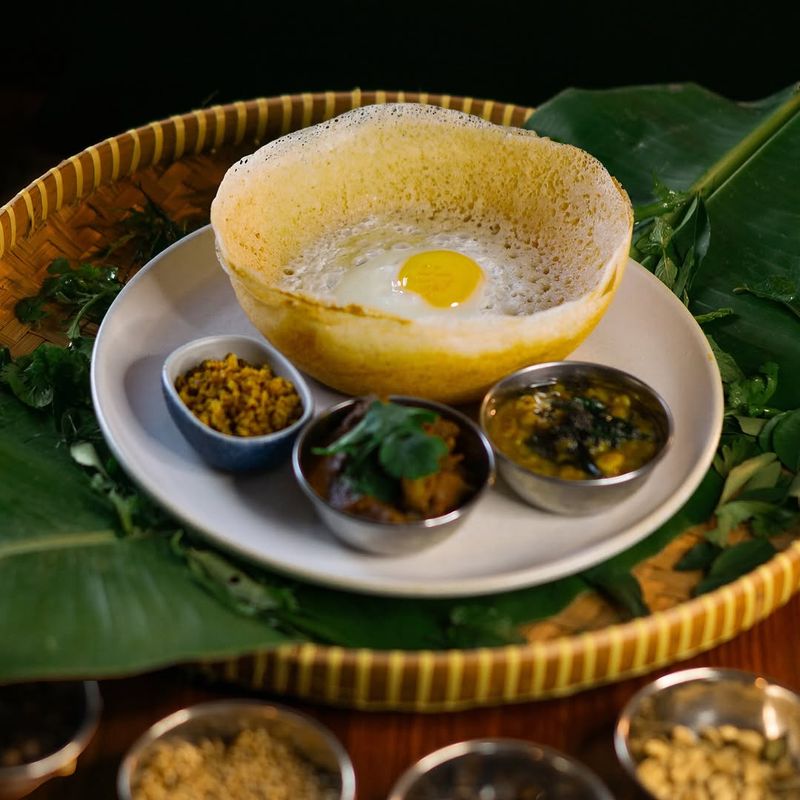
Sri Lankan hoppers are cooked in a small wok-shaped pan, which gives them their distinctive bowl form. The batter, made from fermented rice flour and coconut milk, creates a lacy, crispy rim while the center stays soft and slightly chewy.
An egg cracked into the middle while cooking makes it even heartier.
Hoppers are a traditional breakfast food, often served with pol sambol, a spicy coconut relish, and dhal curry. The fermentation step is key to developing their mild tang and airy texture.
Watching a skilled cook flip and shape them is genuinely mesmerizing.
11. Tamagoyaki-Style Oat Pancake (Korea) - Jeon
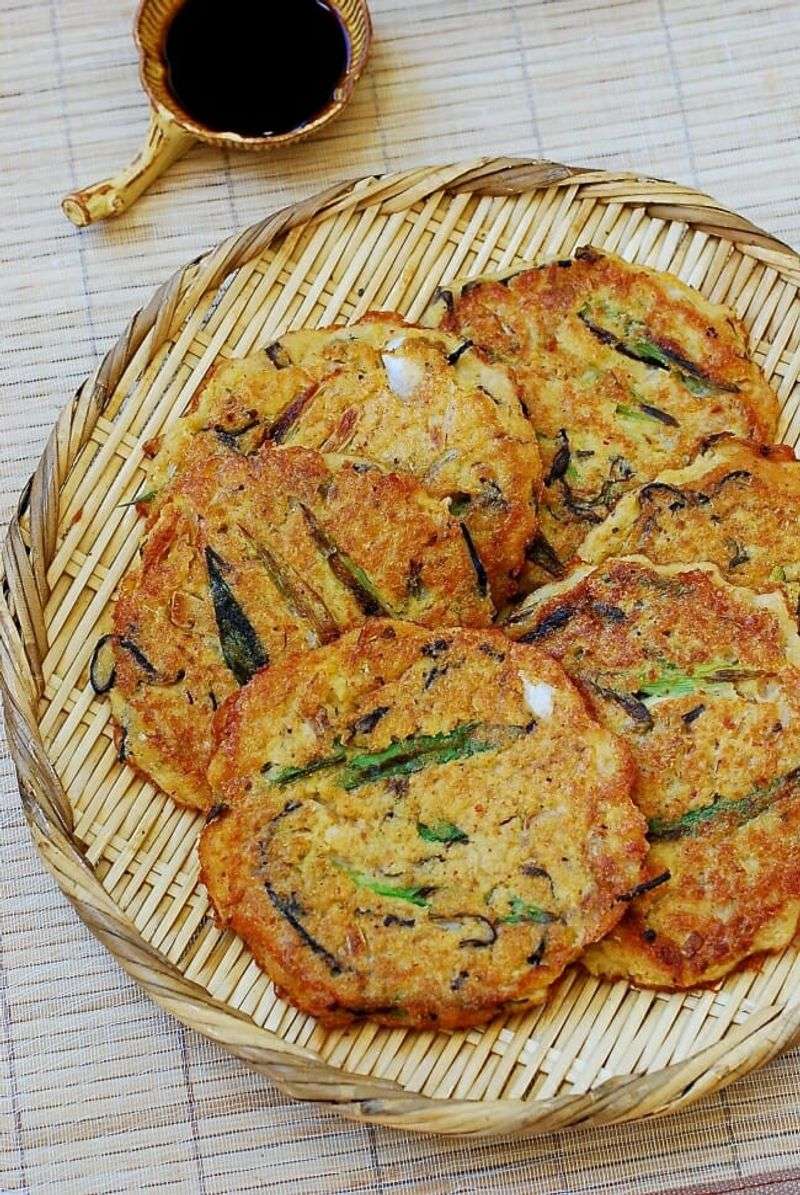
Korean jeon pancakes skip wheat flour entirely in their most traditional forms, relying on mung bean or rice flour for structure and body. Bindaetteok, the mung bean version, has a crispy exterior with a dense, savory filling of pork, kimchi, and scallions packed into every bite.
Jeon holds a special place in Korean culture - it's a must-have during Chuseok and Lunar New Year celebrations. The sizzling sound of jeon hitting a hot oiled pan is so iconic that Koreans joke rainy days make them crave it automatically.
The dipping sauce of soy and vinegar ties everything together.
12. Fufu Pancake (Ghana) - Cassava and Plantain Pancake
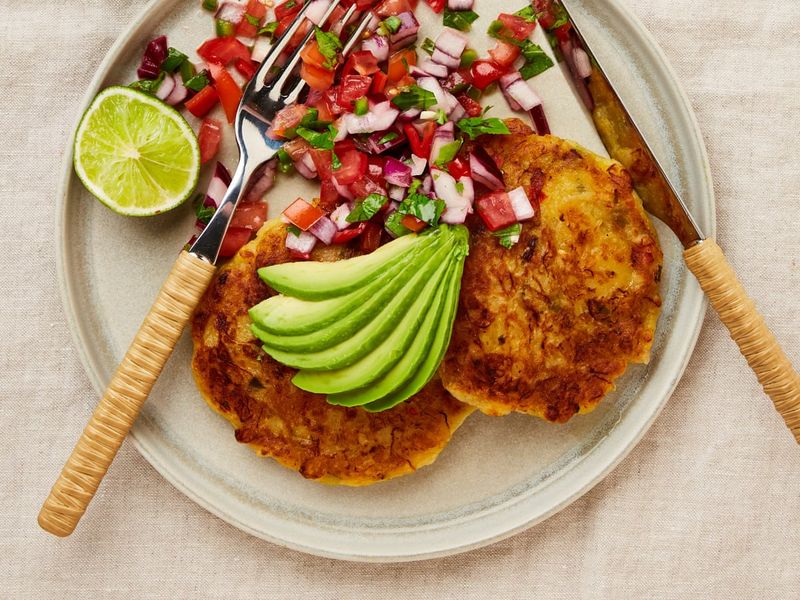
Cassava and green plantain are pounded together in traditional Ghanaian cooking to make fufu, but a flattened, pan-fried version works beautifully as a pancake. The natural starchiness of cassava binds the batter together without any wheat, while plantain adds a subtle sweetness and density.
This style of pancake is hearty enough to fuel a full morning of work. It pairs naturally with spicy tomato-based sauces or fresh pepper relish.
Across West Africa, cassava-based foods represent resilience and resourcefulness, turning a humble root vegetable into something truly satisfying and nourishing.
13. Paniyaram (South India) - Fermented Rice Ball Pancake
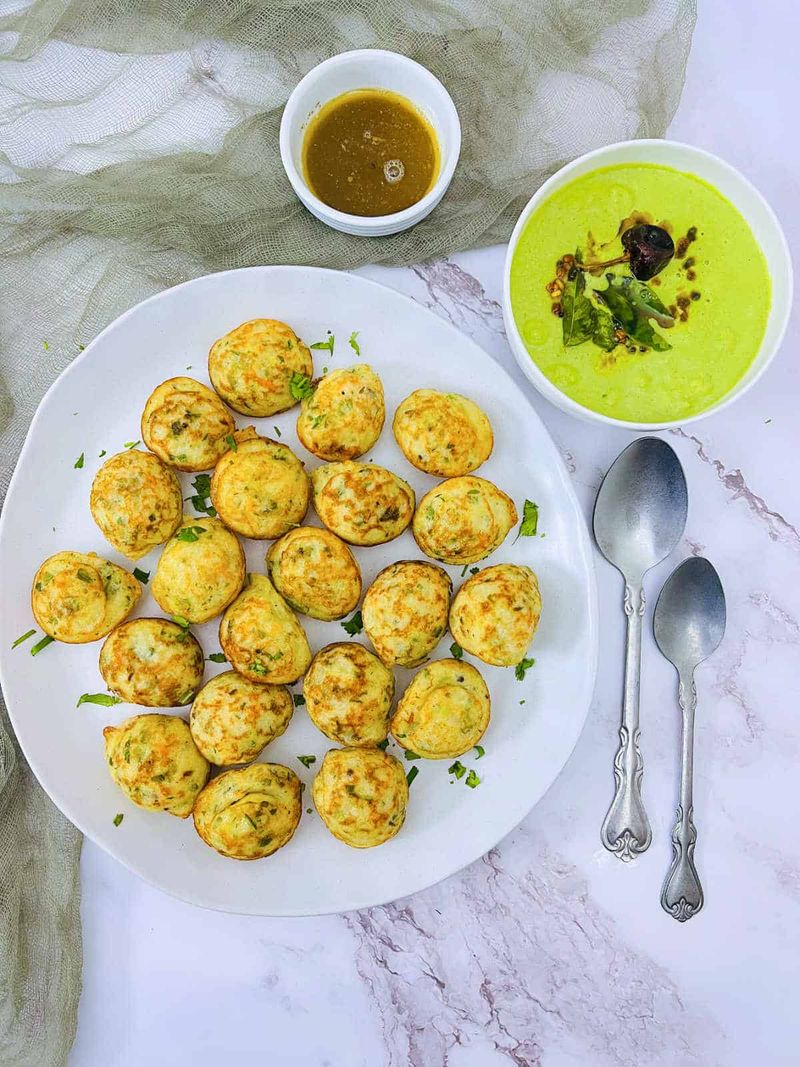
Paniyaram might be the most fun pancake on this list to cook. The batter, made from the same fermented rice and lentil mix used for dosas, gets poured into a special cast iron pan with round molds, creating little domed pancake balls that are crispy outside and fluffy inside.
Sweet versions are made with coconut and jaggery, while savory ones include mustard seeds, curry leaves, and chili. They're popular as a quick breakfast or teatime snack across Tamil Nadu and Karnataka.
Kids especially love their bite-sized, poppable shape.
14. Mille Crepes-Style Chestnut Pancake (France) - Galette de Sarrasin
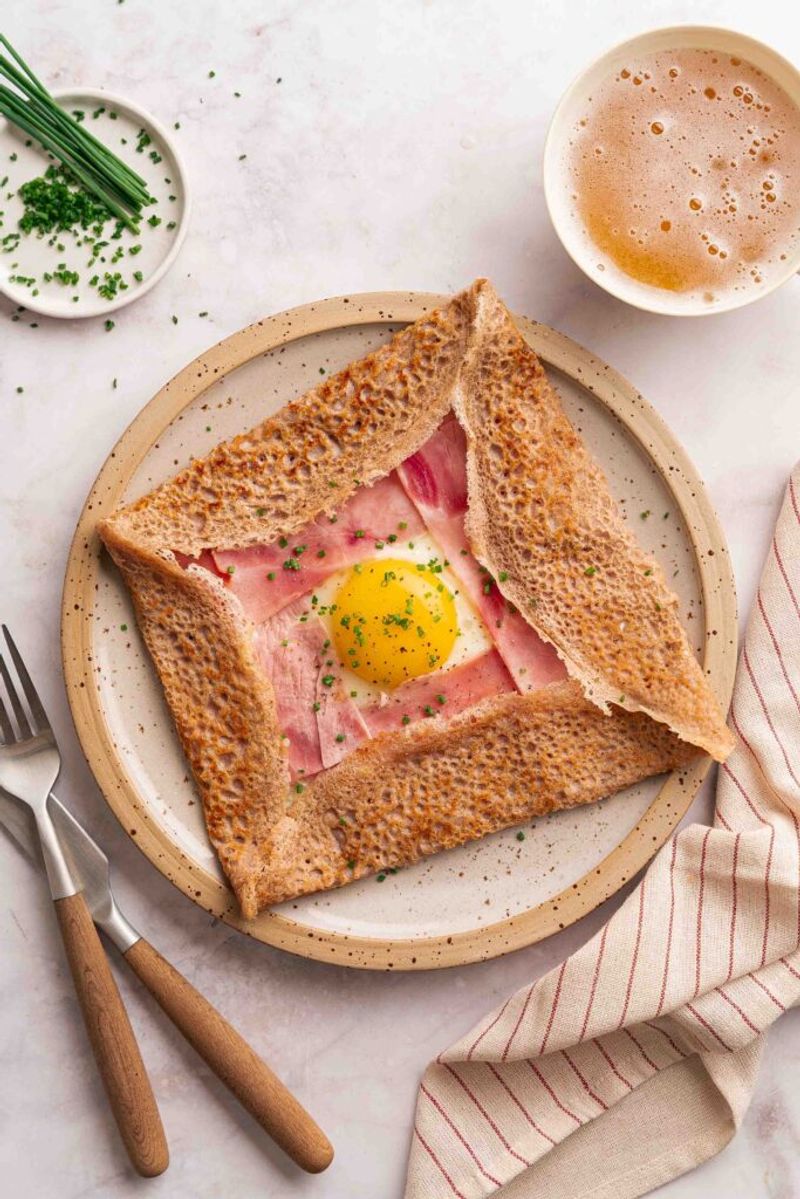
In the Brittany region of northwestern France, buckwheat flour has been used to make savory crepes called galettes for hundreds of years. Unlike sweet dessert crepes, galettes have a robust, earthy flavor that holds up well to hearty fillings like ham, egg, and melted Gruyere cheese.
Buckwheat thrived in Brittany's rocky soil where wheat struggled to grow, making it a practical choice for generations of farmers. Today, galetteries line the streets of Rennes and Quimper, serving these folded beauties to locals and tourists alike.
Pairing one with hard Breton cider is a true regional tradition.
15. Tigernut Pancake (West Africa/Spain) - Horchata-Based Pancake
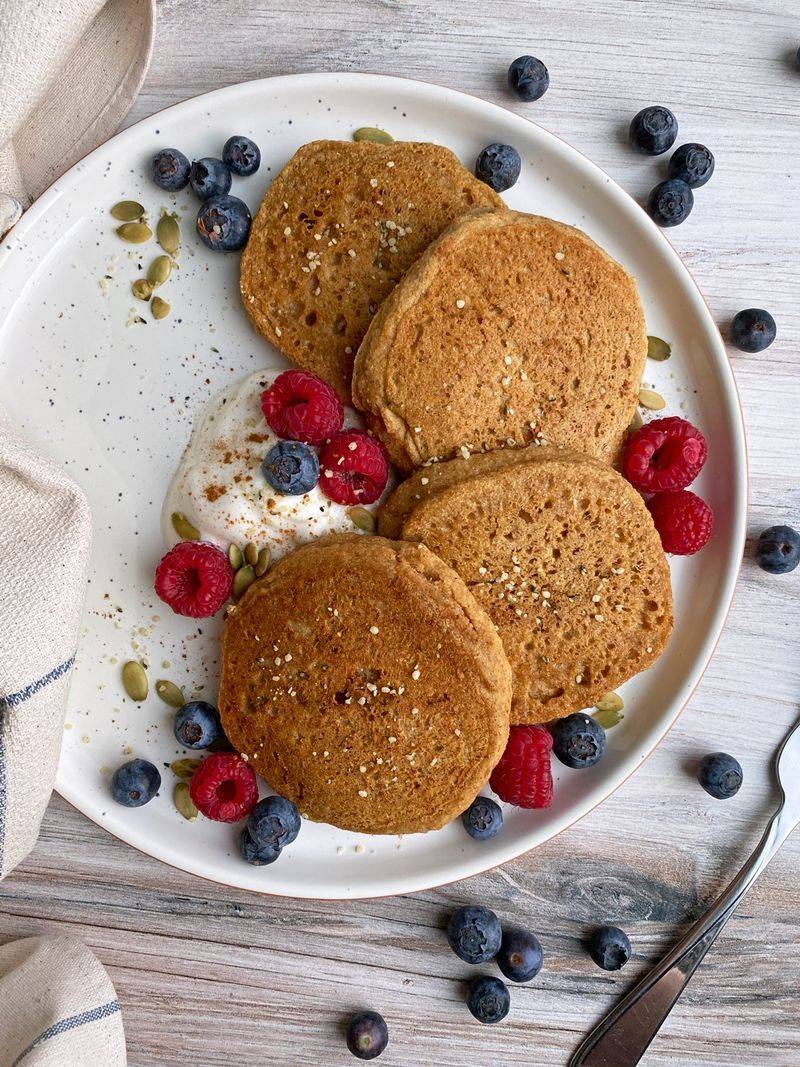
Tigernuts are not actually nuts - they're small root vegetables with a naturally sweet, slightly vanilla-like flavor. Ground into flour, they make wonderfully moist pancakes that are naturally gluten-free and packed with fiber.
This ingredient has been used in West Africa and parts of Spain for over a thousand years.
In Valencia, Spain, tigernuts are famous for making the drink horchata, but the flour works just as brilliantly in pancake batter. The subtle sweetness means less added sugar is needed.
Dusted with cinnamon, tigernut pancakes taste like a warm hug on a cool morning.




Comments
No Comments