











Some foods have names so bizarre that you might do a double-take when you first hear them. From sticky puddings to savory stews, regional dishes around the world carry titles that range from silly to downright absurd.
But behind every funny name is a real story, a real place, and a really delicious bite. Get ready to meet 15 foods that prove menus can be just as entertaining as the meals themselves.
1. Spotted Dick
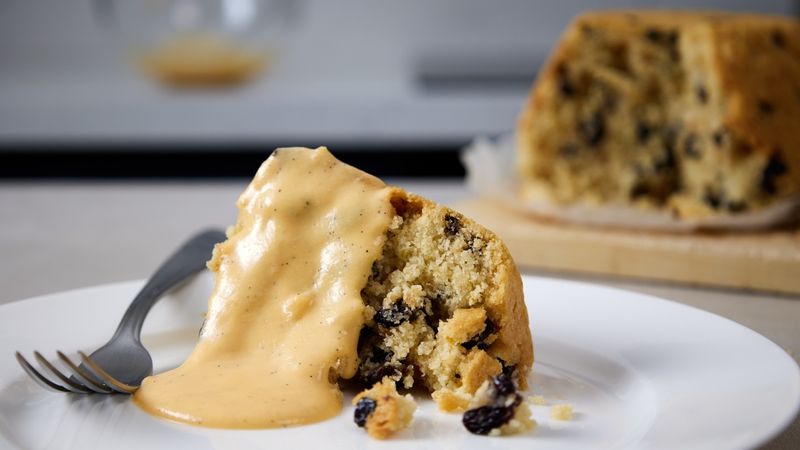
Britain's most giggle-worthy dessert has been making people snicker for centuries. Spotted Dick is a traditional British steamed pudding filled with dried fruit, usually currants or raisins, which are the "spots." The word "dick" likely comes from an old English term for dough or pudding.
You can find it in pubs and school cafeterias across England. It is usually served warm with a generous pour of custard on top.
Funny name, genuinely comforting dessert.
2. Toad in the Hole
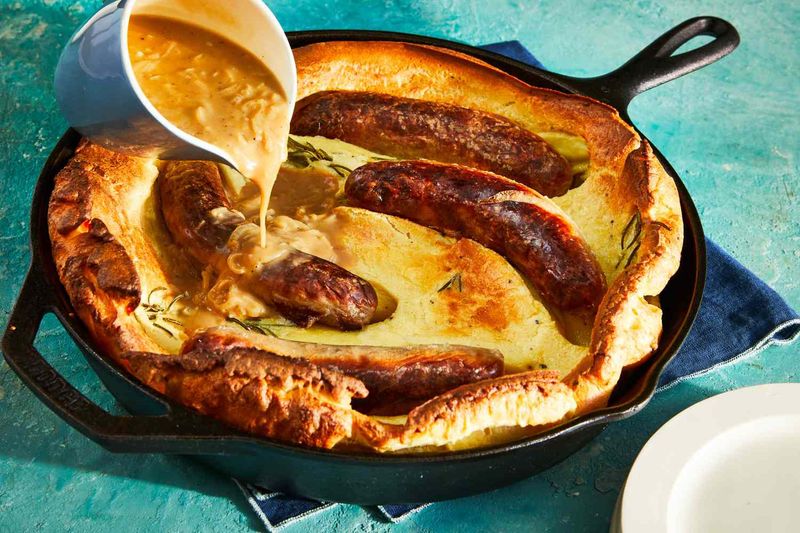
No actual toads were harmed in the making of this dish. Toad in the Hole is a beloved British classic made by baking pork sausages inside a puffy Yorkshire pudding batter.
The sausages peek out of the batter like little creatures poking their heads up from a pond.
Food historians think the name comes from how frogs sit with their heads above muddy water. Whatever the origin, it is hearty, filling, and wonderfully odd to say out loud.
3. Clootie Dumpling
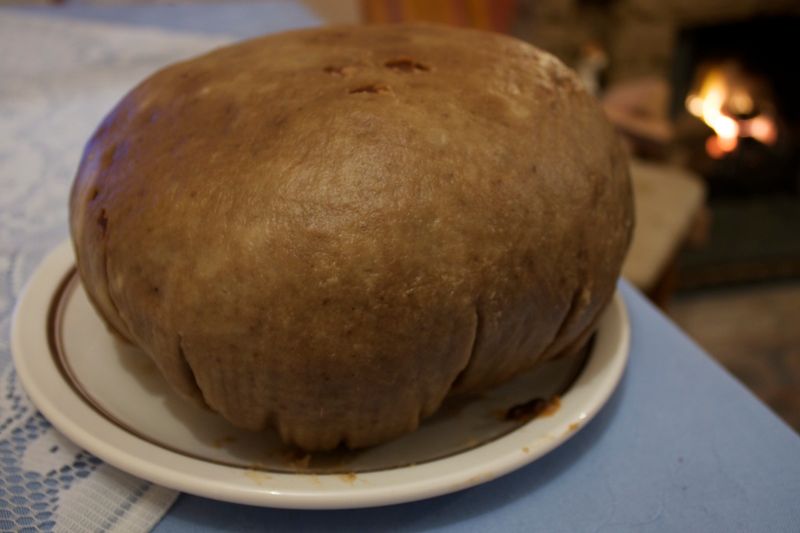
Scotland's answer to a festive pudding comes with one of the most endearing food names around. A Clootie Dumpling is a spiced fruit pudding that is boiled inside a cloth called a "cloot" in Scottish Gaelic.
The cloth gives it a distinctive wrinkled skin that locals actually love.
Traditionally served at Christmas and New Year celebrations, it is packed with currants, sultanas, and warming spices. Some families even hide coins inside for good luck.
Quirky tradition, delicious result.
4. Slippery Dumplings
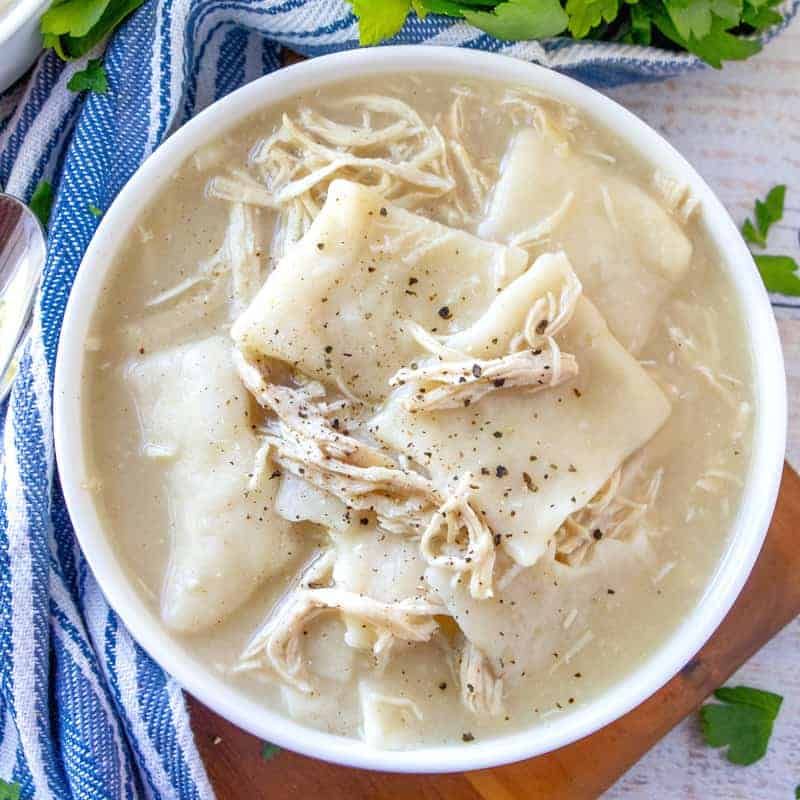
Appalachian comfort food has a wonderfully honest name with this one. Slippery Dumplings are a staple of Pennsylvania Dutch and Southern Appalachian cooking, made from flat, thick squares of dough cooked directly in chicken broth until they become soft and, well, slippery.
Unlike fluffy drop dumplings, these slide right off your spoon, hence the perfectly accurate name. Grandmothers across the region have been making them for generations.
Simple ingredients, maximum coziness, and a name that describes exactly what you are eating.
5. Piggy Pudding
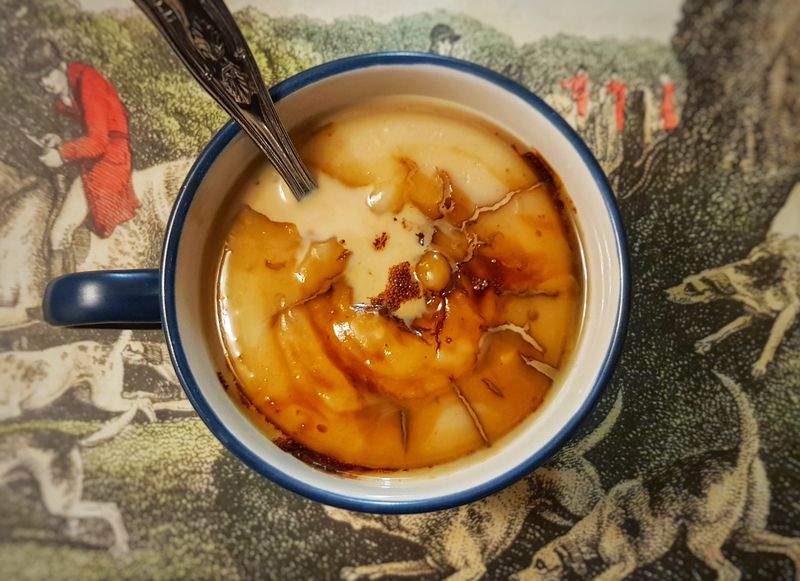
Before you picture a cartoon pig sitting in a bowl, know that this pudding is purely plant and grain based. Piggy Pudding is a traditional English dish, sometimes made with oatmeal, fat, and sweeteners, historically served to farm workers as a filling, affordable meal.
The name likely referred to its thick, heavy texture rather than any actual pork content. Regional recipes vary wildly across Northern England.
It is the kind of old-fashioned comfort food that makes you want to sit by a fireplace and not move for hours.
6. Bubble and Squeak
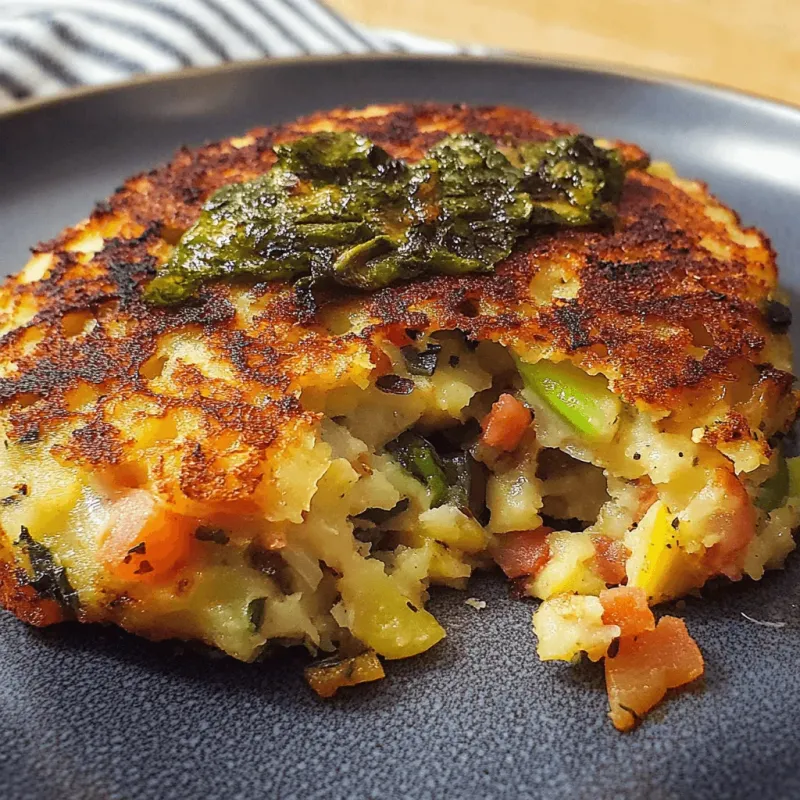
The name sounds like a cartoon sound effect, but this dish is 100 percent real and delicious. Bubble and Squeak is a British pan-fried cake made from leftover mashed potatoes and cabbage, pressed together and cooked until golden and crispy on both sides.
The name comes from the sounds the vegetables make while frying in the pan. It is the perfect use for holiday leftovers and a Monday morning staple in many British homes.
Noisy to cook, satisfying to eat.
7. Hoppin' John
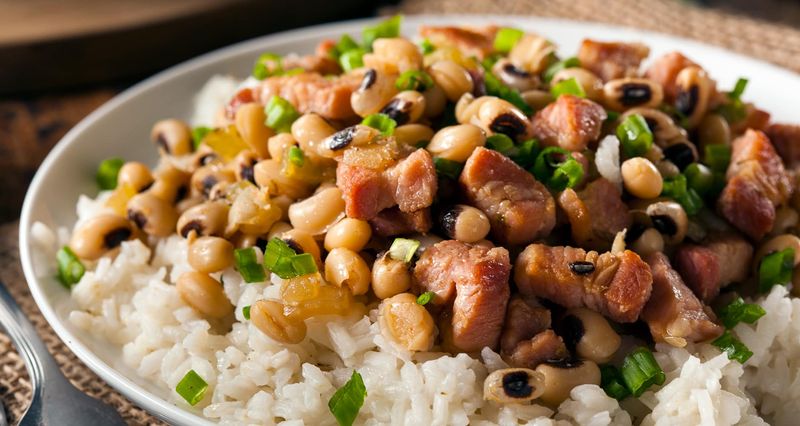
This Southern classic has a name that sounds like a square dance move, but it is actually a dish full of history and meaning. Hoppin' John is a traditional African American dish made from black-eyed peas, rice, and smoked pork, eaten across the American South on New Year's Day for good luck.
Food historians trace its roots back to West African rice-and-bean cooking traditions brought over during the era of slavery. Every bite carries cultural pride and a whole lot of flavor.
8. Flummery
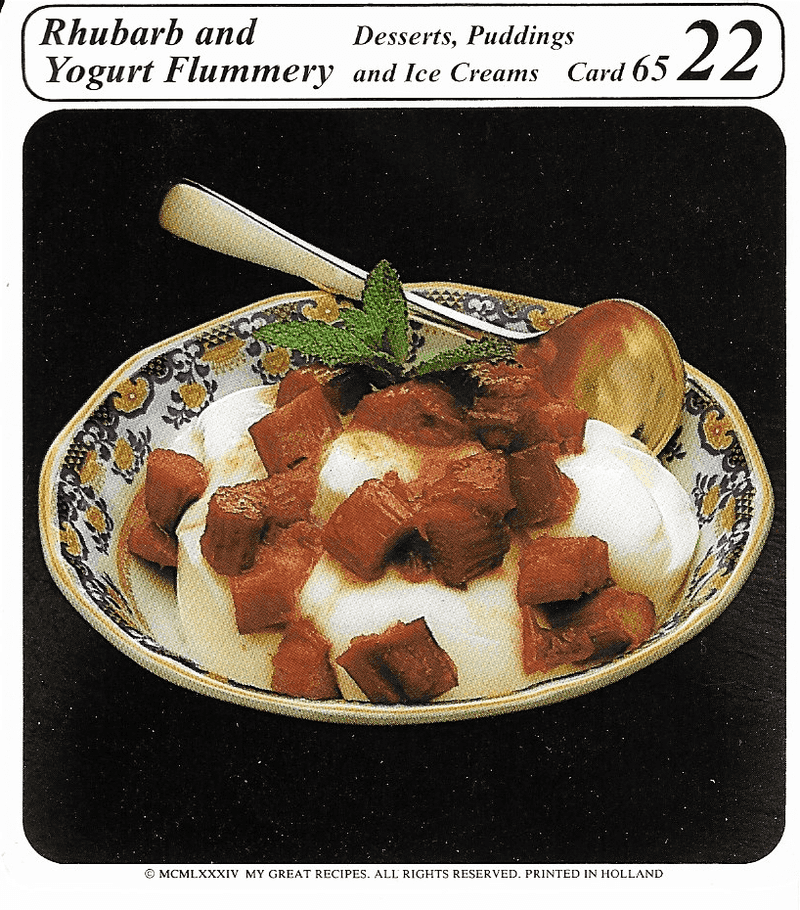
Even the word itself sounds like something made up. Flummery is a wobbly, gelatinous dessert with roots in both British and Welsh cuisine, traditionally made from oatmeal soaked in water until fermented, then boiled until thick and set into a mold.
Over time, sweeter versions using cream, almonds, and sugar became popular across colonial America and Australia too. The name possibly comes from a Welsh word meaning sour oatmeal.
It may sound like nonsense, but flummery has a genuinely rich culinary history.
9. Muktuk
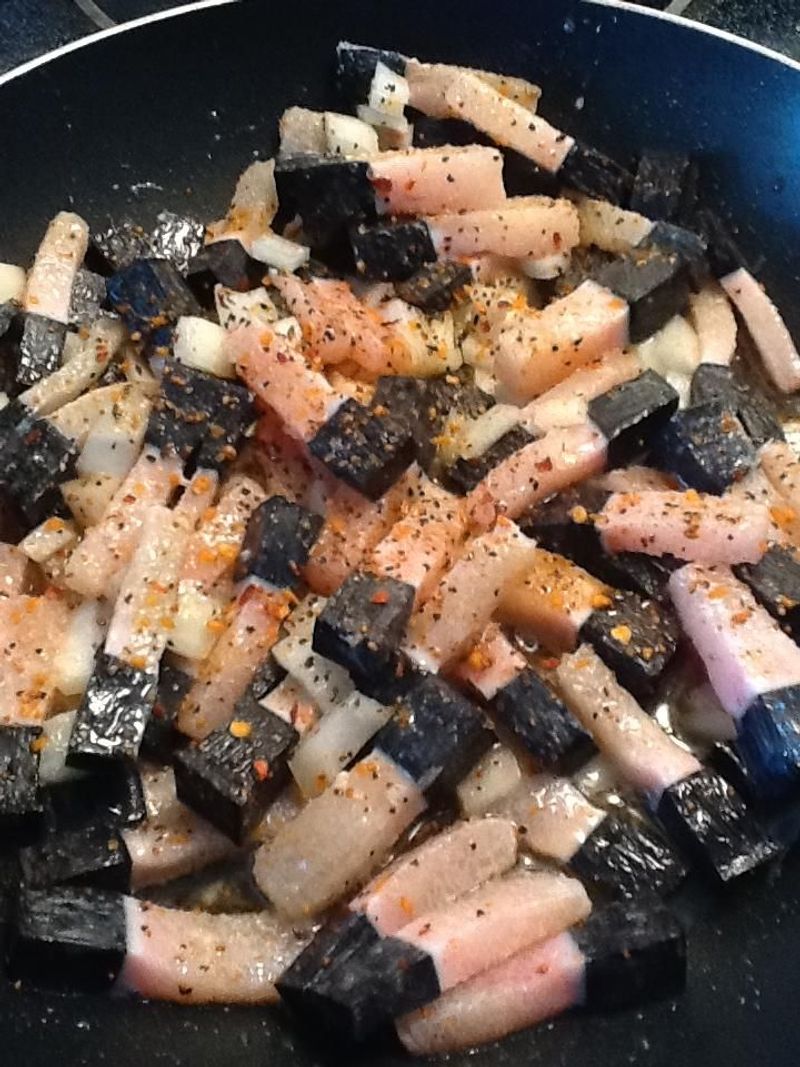
Up in the Arctic, this dish is as traditional and respected as any gourmet meal in a five-star restaurant. Muktuk is a staple food of Inuit and other indigenous Arctic peoples, made from frozen or raw whale skin and blubber, typically from bowhead, beluga, or narwhal whales.
It is eaten as a source of essential vitamins and fats in a region where fresh produce is nearly impossible to grow. The chewy texture and rich flavor are an acquired taste, but for many communities, muktuk is a cultural treasure.
10. Wow Wow Sauce
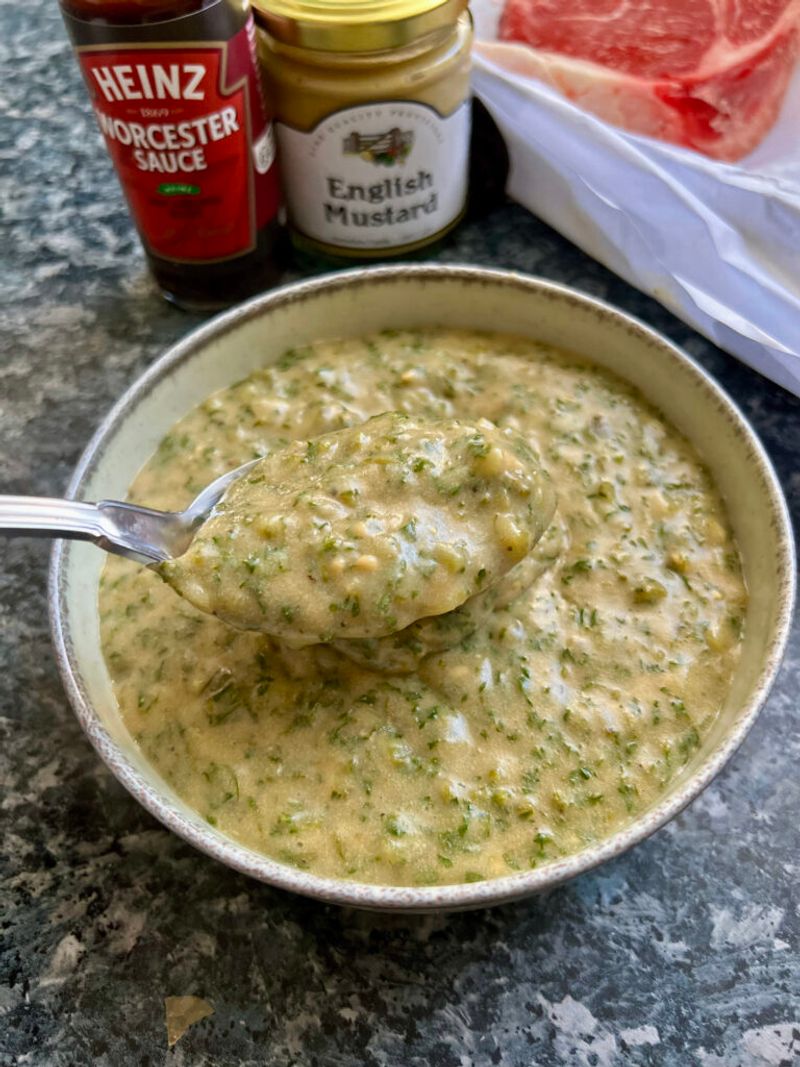
Say it three times fast and try not to grin. Wow Wow Sauce is a real British condiment from the early 1800s, created by cookbook author William Kitchiner and served alongside boiled or roasted beef.
The sauce combined vinegar, mustard, capers, and herbs into a bold, tangy topping.
Kitchiner named it enthusiastically, suggesting the flavor would make you exclaim "wow wow" in delight. It eventually fell out of fashion but remains a fun footnote in British food history.
The name alone earns it a spot on this list.
11. Stinky Tofu
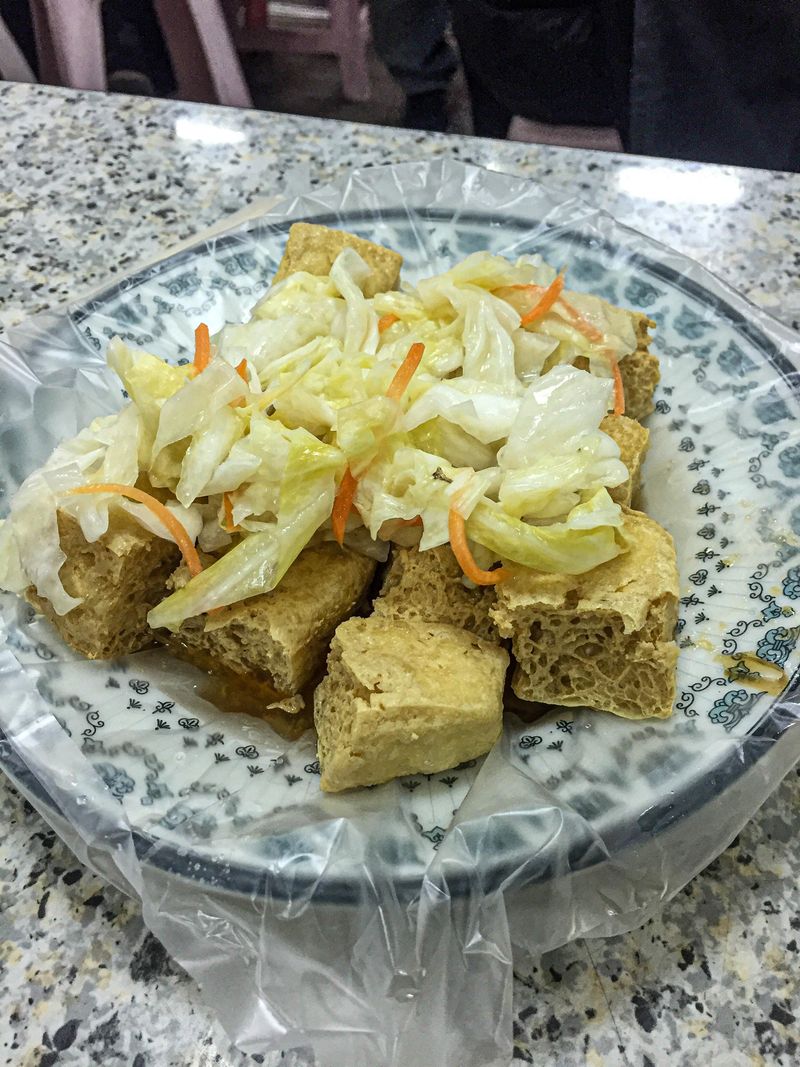
The name is not trying to sell you anything, and that honesty is kind of refreshing. Stinky Tofu is a beloved street food across Taiwan, China, and parts of Southeast Asia, made by fermenting tofu in a brine of vegetables, shrimp, and herbs for weeks or even months.
The smell is famously powerful, often compared to blue cheese or old socks. But fans swear the flavor is rich, complex, and completely addictive.
Street markets across Taiwan are known for the cloud of aroma surrounding stinky tofu stalls.
12. Poutine
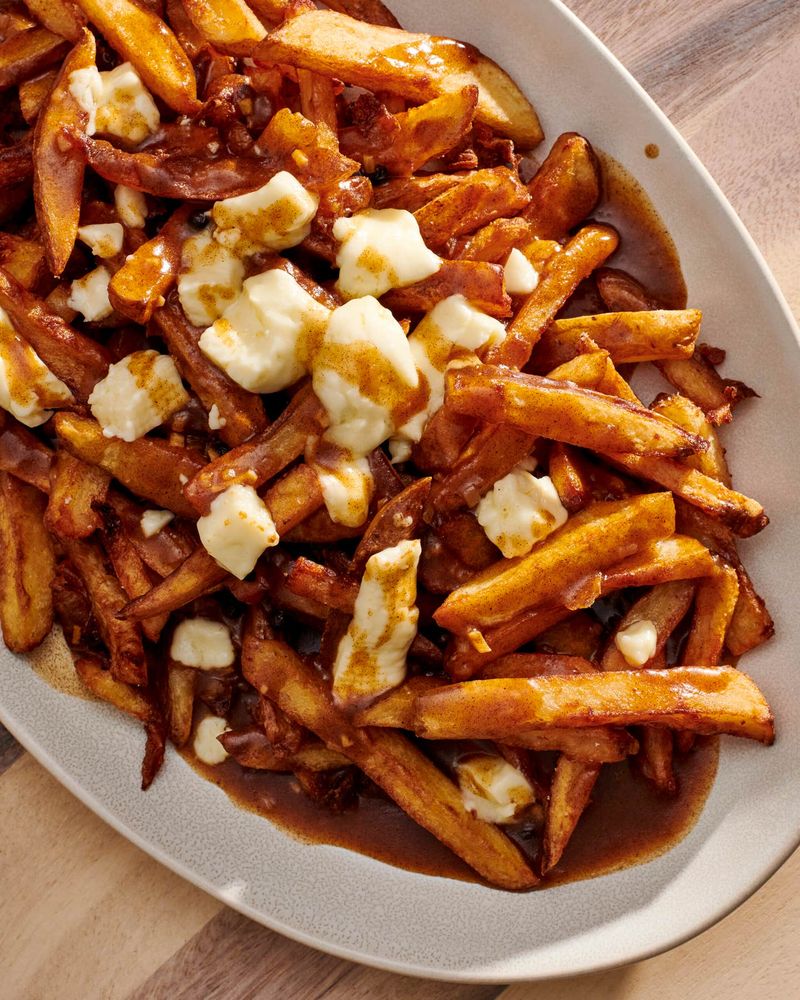
Quebec's most famous export sounds like something you might call a grumpy toddler, but it is actually one of the most satisfying comfort foods on the planet. Poutine is a Canadian dish made from crispy french fries topped with fresh cheese curds and smothered in hot brown gravy.
The heat from the gravy slightly melts the curds, creating a glorious, gooey mess. Born in rural Quebec in the 1950s, poutine has since conquered Canada and spread to menus worldwide.
Weird name, legendary status.
13. Smut
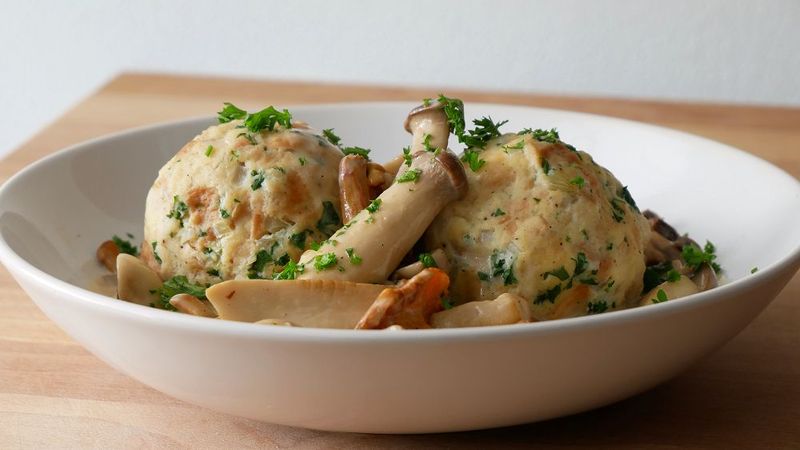
In the Czech Republic, ordering Smut at a restaurant is completely normal and not even slightly embarrassing. Smut is a traditional Bohemian dish made from sauteed mushrooms, onions, and cream, often served over bread dumplings or noodles.
The name simply means "mixture" or "blend" in Czech.
It is a hearty, earthy dish popular in the forested regions of Central Europe where wild mushrooms are plentiful. The flavor is deep and savory, the texture is rich, and the name will absolutely make English-speaking tourists do a double-take.
14. Son-of-a-Bitch Stew

Cowboys on the American frontier were not known for polite table manners, and this dish's name proves it. Son-of-a-Bitch Stew was a real trail-drive staple made from beef organ meats including heart, liver, tongue, and intestines, all cooked together in a pot over an open fire.
Ranch cooks used every part of a freshly slaughtered calf, wasting nothing. The stew was rich, gamey, and intensely filling.
Today it is mostly a piece of culinary folklore, but it was once a serious cowboy meal with a seriously unfiltered name.
15. Nun's Farts
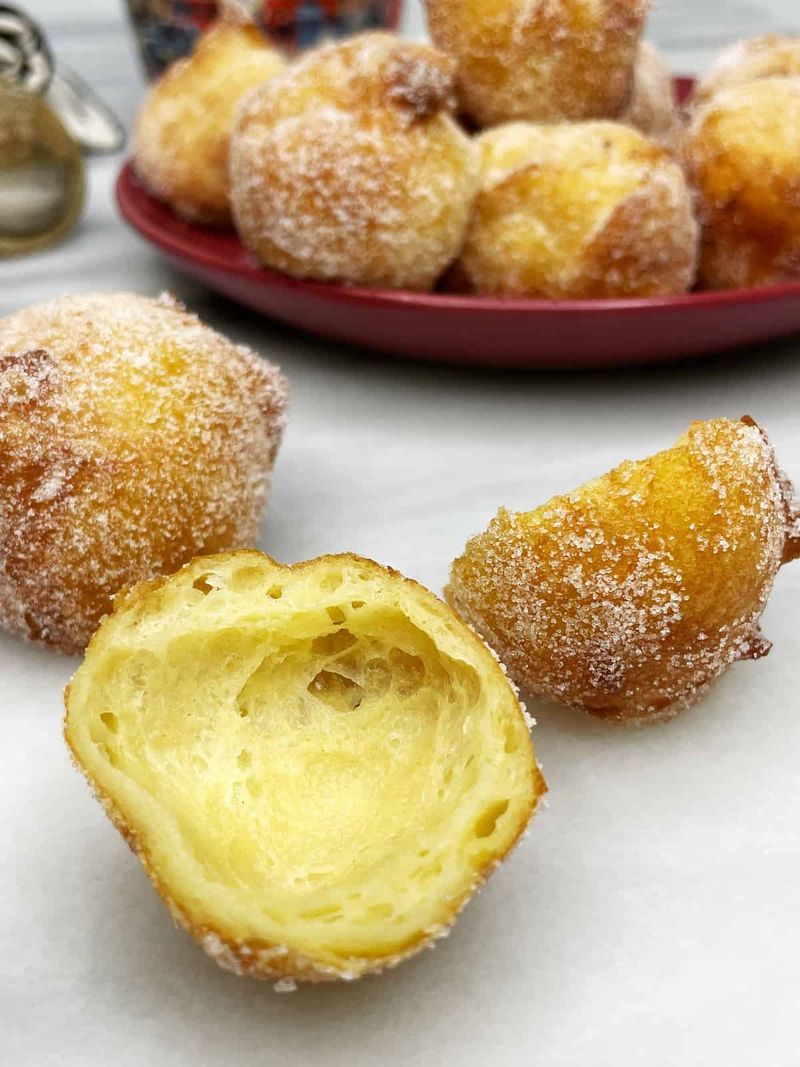
France gave the world croissants, crepes, and apparently also this magnificently named pastry. Pets de Nonne, which translates directly to "Nun's Farts," are light, airy choux pastry fritters fried until golden and puffed, then dusted with powdered sugar.
They originated in French convents, according to culinary legend.
One story claims a nun accidentally dropped dough into hot oil and the result was so unexpectedly perfect that the name stuck. They are crispy on the outside, soft inside, and absolutely delightful despite the name.
Comments
No Comments