













Iron is one of those nutrients that quietly keeps your body running. It helps carry oxygen in your blood, fuels your energy, and supports a healthy immune system.
Yet many people in Britain are not getting enough of it, often without even realising. The good news is that plenty of everyday and easy-to-find foods are packed with iron, and most of them are probably not on your regular shopping list yet.
1. Lentils
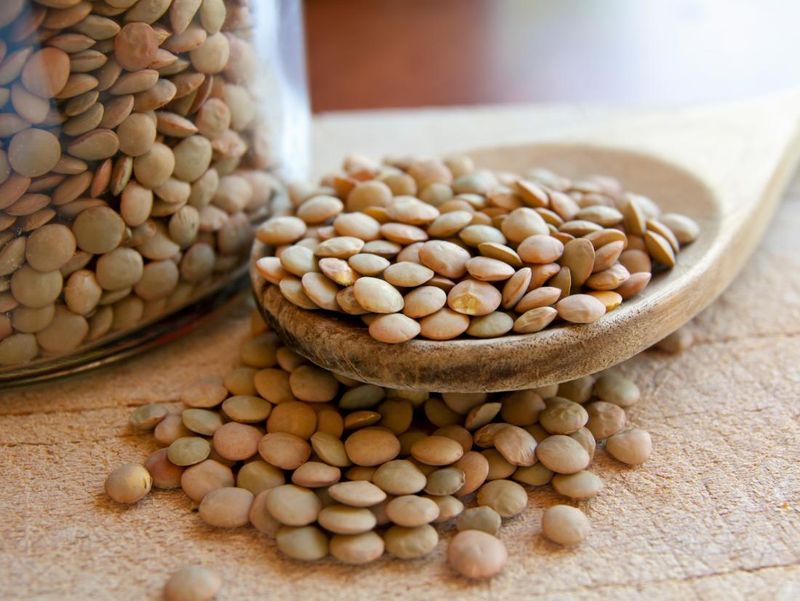
Lentils are one of the most affordable and iron-packed foods you can buy, yet they rarely make it into a British shopping trolley. Just one cup of cooked lentils provides around 6.6mg of iron.
That is a seriously impressive number for such a humble ingredient.
Add them to soups, stews, or even a simple salad. They cook quickly, absorb flavour beautifully, and keep you full for hours.
A lentil curry might just become your new weekly staple.
2. Pumpkin Seeds
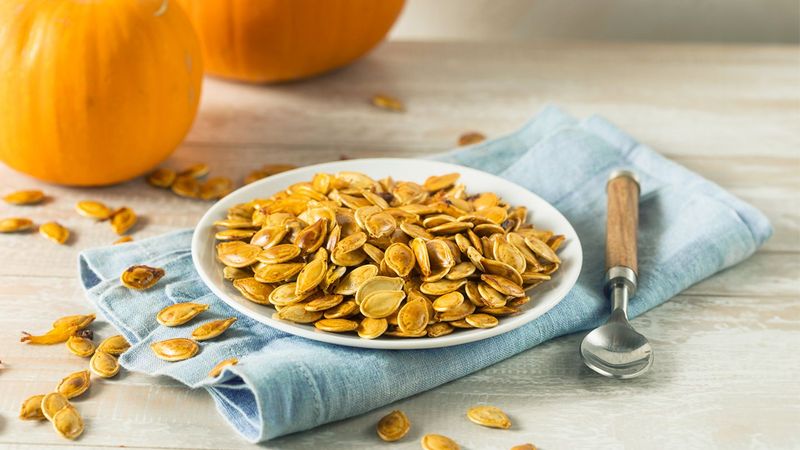
Tiny but mighty, pumpkin seeds deliver a surprising iron punch. A 28g handful contains around 2.5mg of iron, making them one of the best plant-based snack options available.
Most people walk right past them in the supermarket without a second glance.
Sprinkle them over porridge, toss them into a salad, or eat them straight from the bag. Roasting them with a little sea salt brings out a nutty, satisfying crunch that is genuinely hard to resist.
3. Blackstrap Molasses
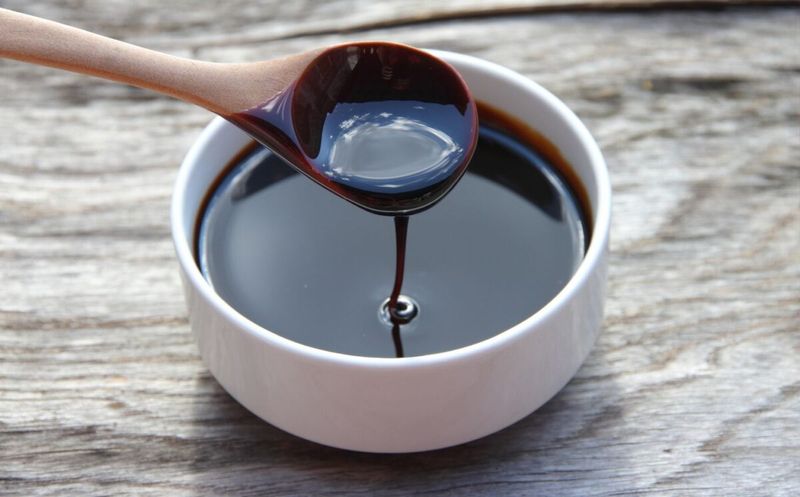
Here is a fun fact: one tablespoon of blackstrap molasses contains around 3.5mg of iron. That is more than many cuts of meat.
Despite being a byproduct of sugar refining, it is packed with minerals and has a rich, bittersweet flavour.
Stir it into warm milk, drizzle it over oats, or use it in baking for a deep, caramel-like sweetness. It is an old-fashioned pantry staple that deserves a serious comeback in British kitchens.
4. Quinoa
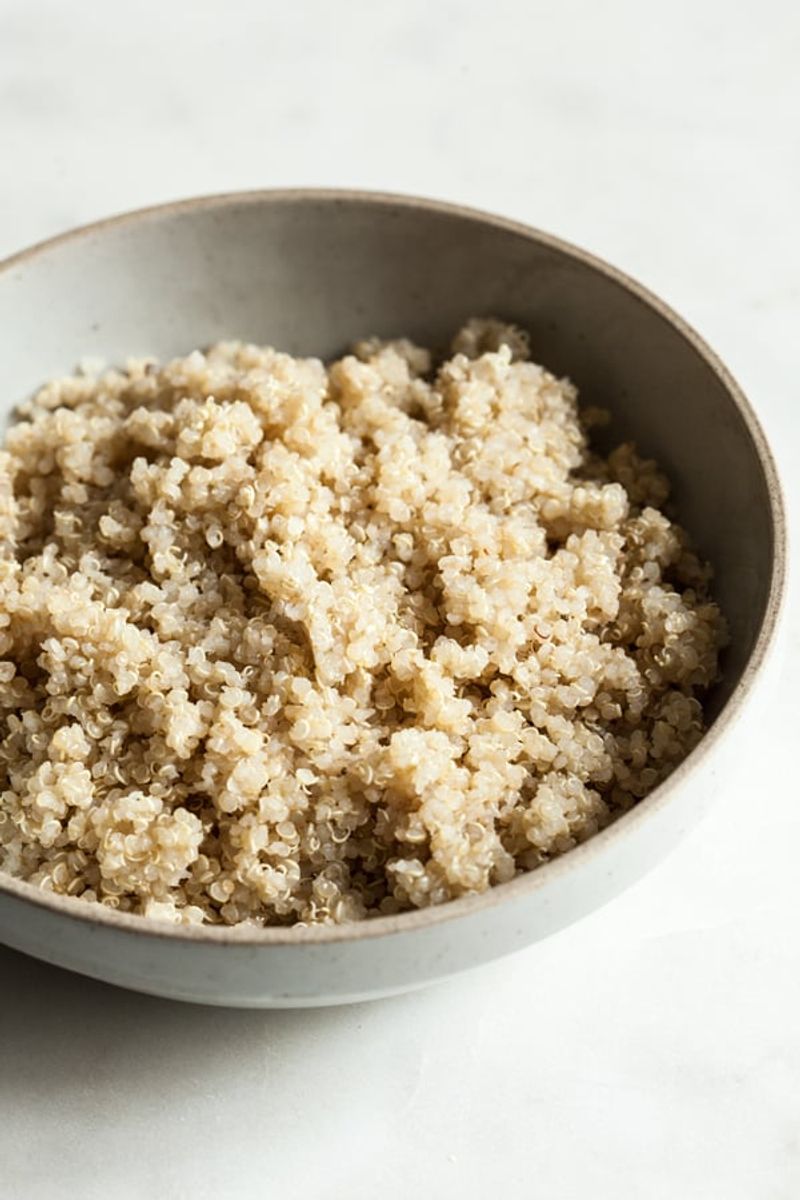
Quinoa gets talked about a lot, but most people do not actually cook with it regularly. That is a shame, because one cooked cup offers around 2.8mg of iron alongside a complete amino acid profile.
It is one of the few plant foods that ticks both protein and iron boxes at once.
Use it as a rice substitute, mix it into a grain bowl, or serve it warm with roasted vegetables. It has a subtle nutty taste and a satisfying texture that pairs well with almost anything.
5. Tofu
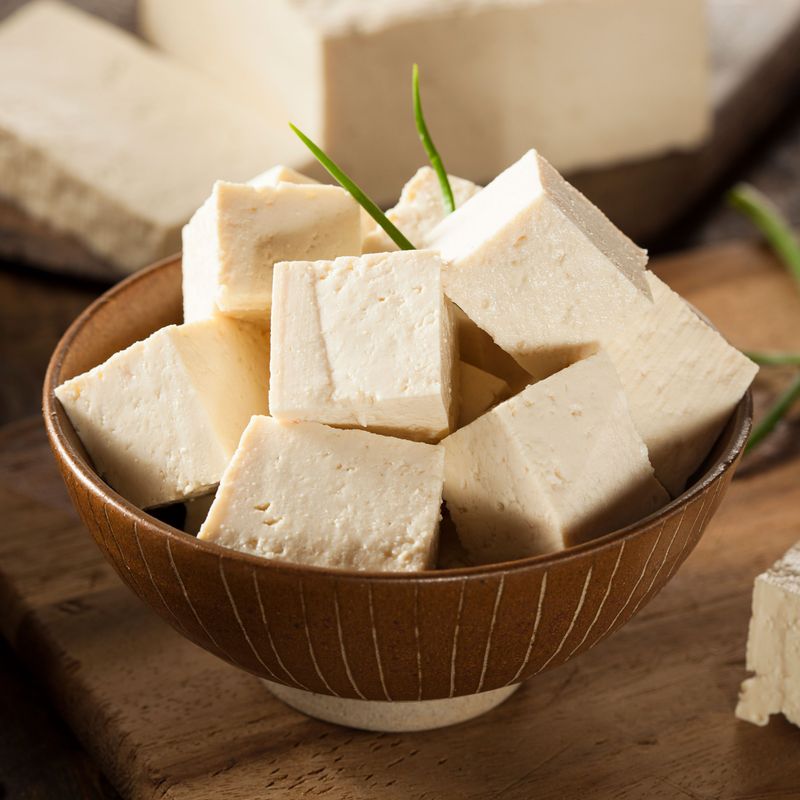
Tofu might seem like a food only for vegetarians, but it is genuinely worth trying regardless of your diet. A 100g serving of firm tofu contains around 2.7mg of iron, and it soaks up marinades and sauces like a sponge.
Pan-fry it until golden and crispy, crumble it into scrambled eggs, or cube it into a stir-fry. Once you master cooking tofu properly, it becomes one of the most versatile ingredients in your kitchen repertoire.
6. Dried Apricots
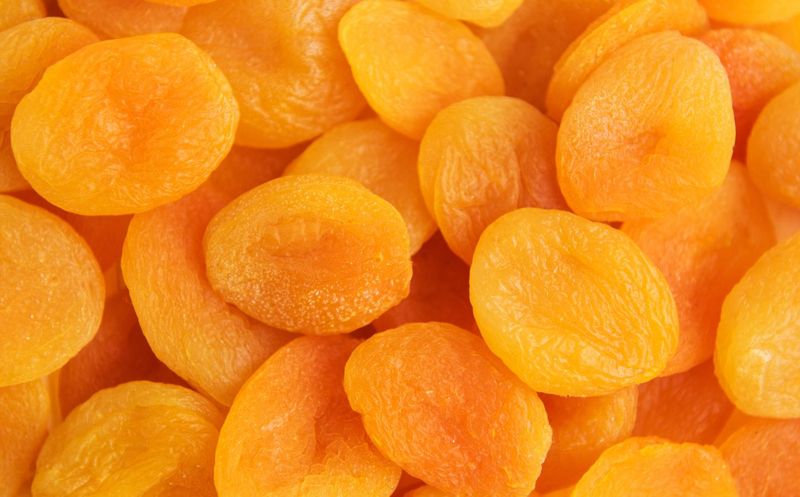
Dried apricots are a sweet, chewy snack that many Britons associate only with Christmas baking. But they deserve year-round attention.
Just 100g provides around 2.7mg of iron, plus a decent dose of fibre and vitamin A.
Keep a small bag in your desk drawer or school bag for an easy afternoon snack. They also work wonderfully chopped into porridge or mixed into a homemade trail mix with nuts and dark chocolate.
Tasty, convenient, and genuinely nutritious.
7. Chickpeas
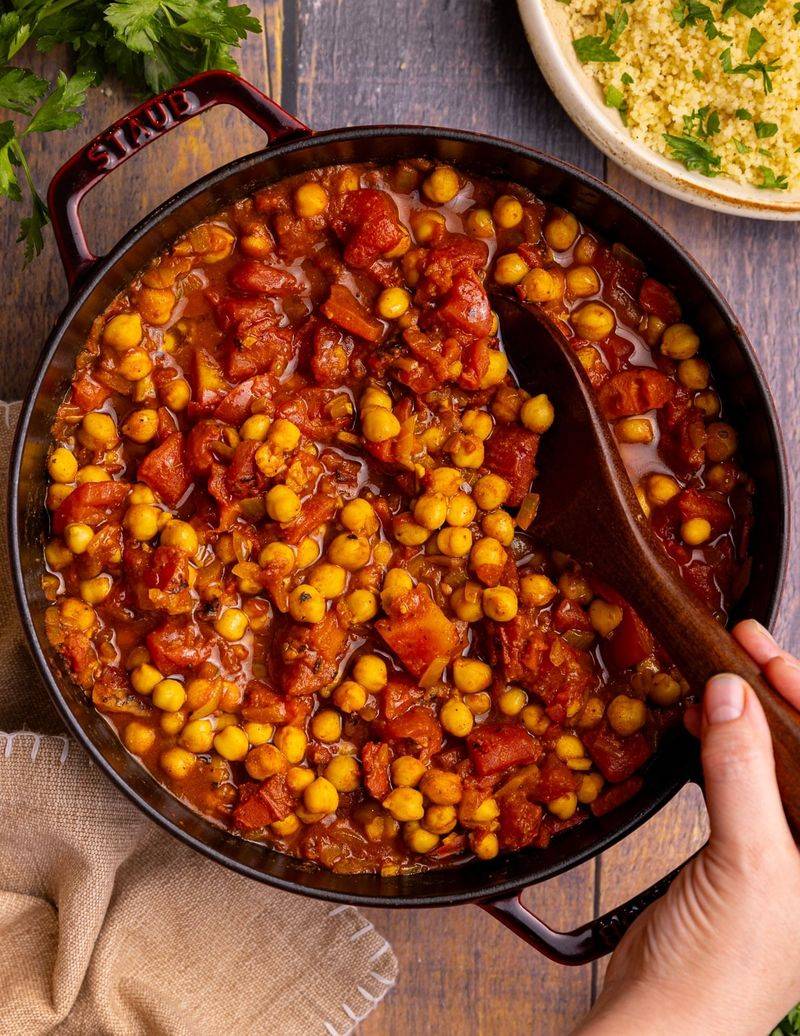
Chickpeas are arguably the most underused iron source in British cooking. A 100g serving of cooked chickpeas contains around 2.9mg of iron, and they are incredibly easy to prepare.
Most households have a tin sitting at the back of the cupboard right now.
Roast them with spices for a crunchy snack, blend them into hummus, or throw them into a warming tagine. The variety of ways to enjoy chickpeas means there is really no excuse not to eat them more often.
8. Edamame
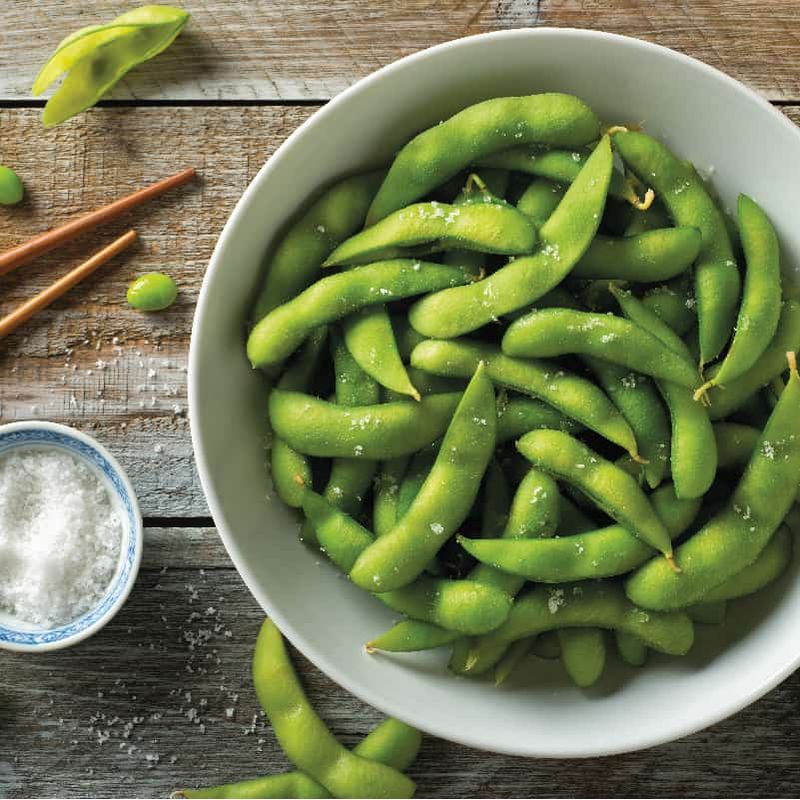
Edamame beans have become more popular thanks to sushi restaurants, but few people think to cook them at home. A 100g serving offers around 2.3mg of iron along with impressive amounts of protein and folate.
They are also one of the most fun foods to eat.
Buy them frozen from most large supermarkets, steam them for five minutes, and sprinkle with sea salt. They make an addictive snack or a colourful addition to grain bowls, pasta dishes, and Asian-inspired salads.
9. Spirulina
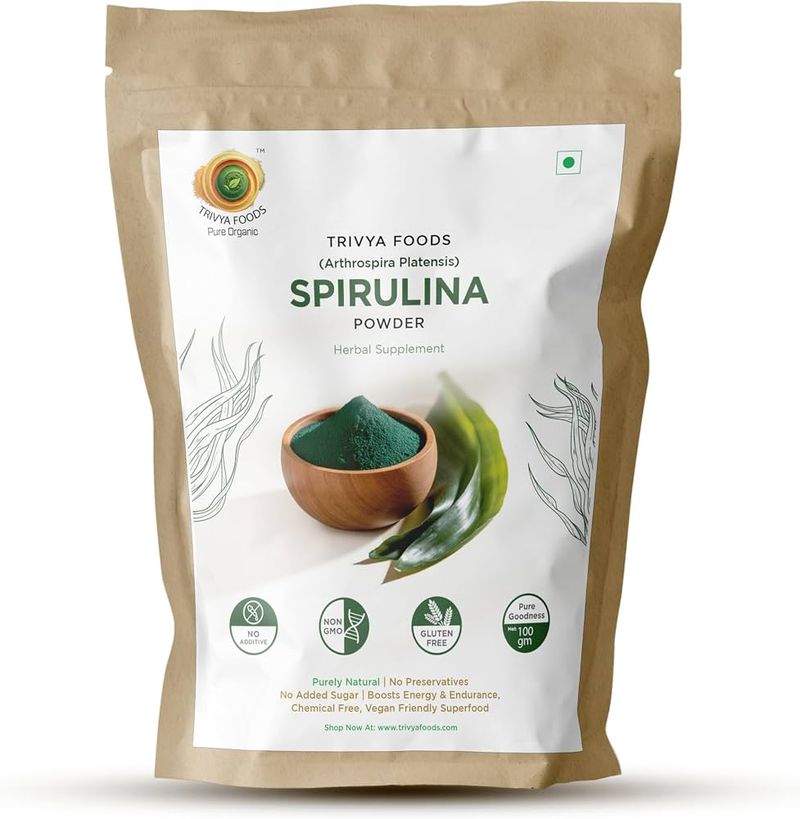
Spirulina sounds exotic, but it is simply a type of blue-green algae sold as a powder or in tablets. Just one tablespoon contains around 2mg of iron, and it is one of the most nutrient-dense foods on the planet.
A small amount goes a surprisingly long way.
Blend it into a morning smoothie with banana and spinach to mask its earthy taste. It turns your drink a vivid green colour, which is either exciting or off-putting depending on your personality.
10. Fortified Breakfast Cereals
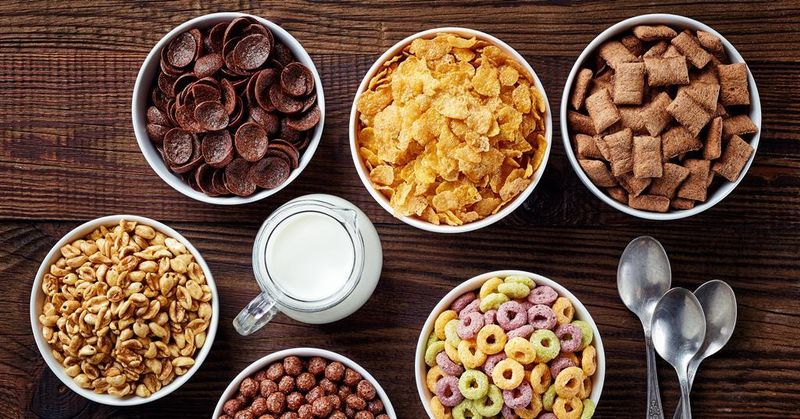
Many breakfast cereals sold in British supermarkets are fortified with iron, yet people rarely check the label to appreciate just how much they are getting. Some varieties provide up to 8mg of iron per serving, which is more than half the daily recommended amount for adults.
Choosing a low-sugar fortified cereal in the morning is one of the simplest ways to boost your iron intake without changing your routine at all. Pair it with a glass of orange juice to help your body absorb the iron more effectively.
11. White Beans
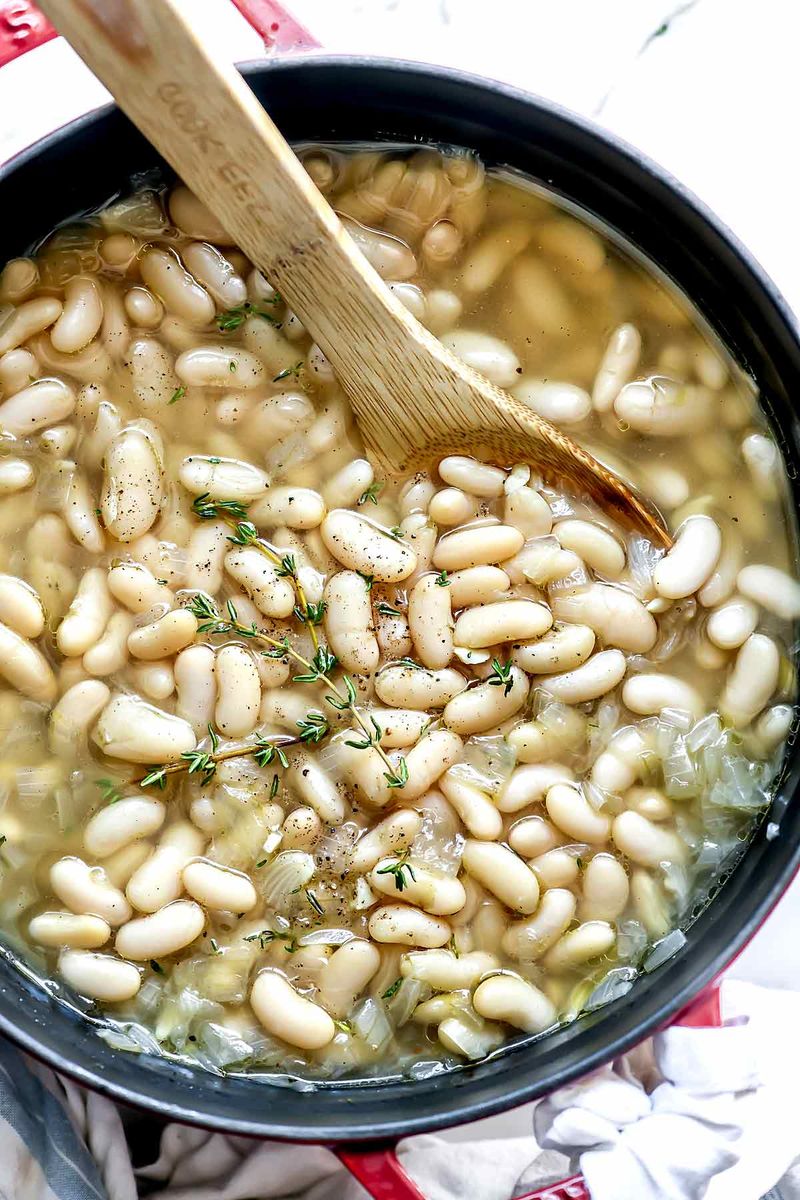
White beans, including cannellini and haricot varieties, are iron powerhouses hiding in plain sight. A single cup of cooked white beans delivers an incredible 8mg of iron, making them one of the richest plant-based sources available anywhere.
Mash them onto toast with olive oil and garlic for a quick lunch, stir them into soups, or use them as the base for a hearty Italian-style stew. They are creamy, filling, and surprisingly easy to love once you give them a proper chance.
12. Dark Chocolate
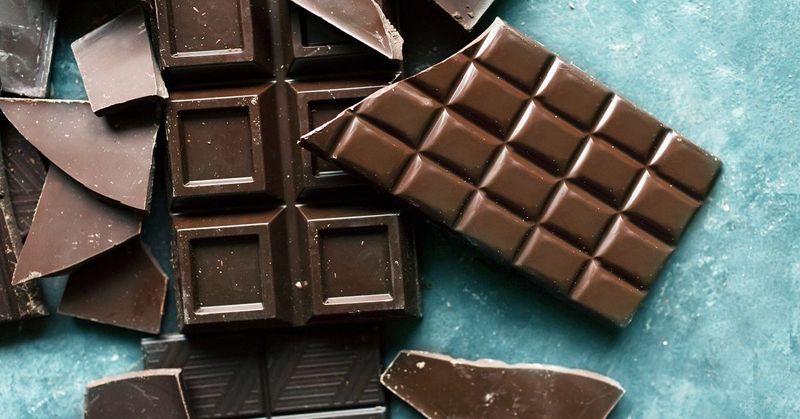
Dark chocolate is perhaps the most cheerful item on this list. A 28g square of 70 percent or higher dark chocolate contains around 3.4mg of iron.
That means eating chocolate can genuinely contribute to your daily iron intake, which feels like a win.
Choose bars with at least 70 percent cocoa for the best nutritional benefit. Beyond iron, dark chocolate also contains magnesium and antioxidants.
Enjoy a couple of squares after dinner as a guilt-free treat that your body will actually thank you for.
13. Sesame Seeds
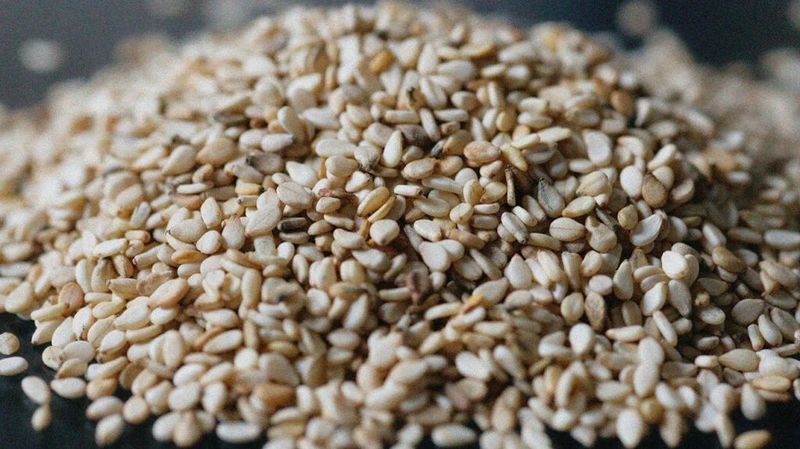
Sesame seeds are sprinkled on burger buns and sushi rolls, but most people never think about them as a nutritional ingredient. Three tablespoons of sesame seeds provide around 4mg of iron, which is quietly remarkable for something so tiny.
Toast them in a dry pan and scatter them over stir-fries, salads, or roasted vegetables. You can also blend them into tahini paste, which is the key ingredient in hummus.
A small jar of sesame seeds in your cupboard goes a very long way.
14. Spinach
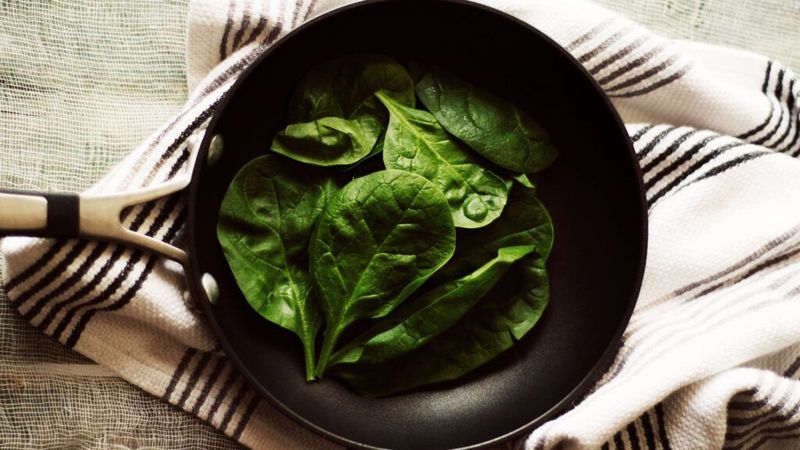
Popeye was onto something. Spinach is one of the most iron-rich vegetables available, with around 2.7mg per 100g of cooked spinach.
Many Britons eat it occasionally in salads but rarely cook with it regularly enough to benefit fully from its iron content.
Cooking spinach actually increases the amount of iron your body can absorb from it. Wilt a large handful into scrambled eggs, pasta sauces, or curries.
It shrinks down dramatically when cooked, so you can easily eat a surprisingly large amount in one meal.
15. Tempeh
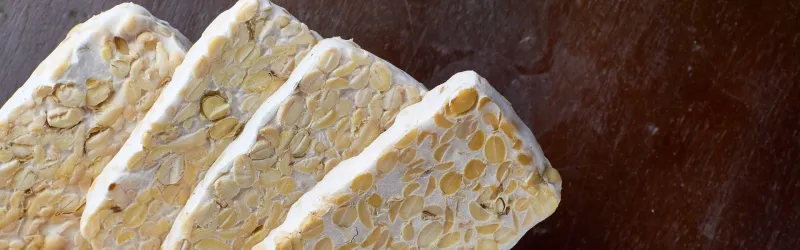
Tempeh is tofu's fermented cousin, and it deserves far more attention in British kitchens. Made from fermented soybeans, it contains around 2.7mg of iron per 100g and has a firmer, chewier texture with a nutty, earthy flavour that many people actually prefer to tofu.
Slice it thin and pan-fry it with soy sauce and garlic until caramelised and golden. It works brilliantly in sandwiches, grain bowls, or as a protein-rich topping for noodle dishes.
Once you try it, you will wonder why it took so long.

Comments
No Comments