













Butter has long been a kitchen favorite for adding richness and a smooth, creamy texture to all kinds of dishes. But what if you want that same silky, melt-in-your-mouth feel without reaching for the butter dish?
Whether you are dairy-free, health-conscious, or just out of butter, there are plenty of amazing ingredients that can do the job just as well. Get ready to discover 15 surprisingly effective substitutes that bring that luscious, buttery goodness to your cooking and baking.
1. Avocado
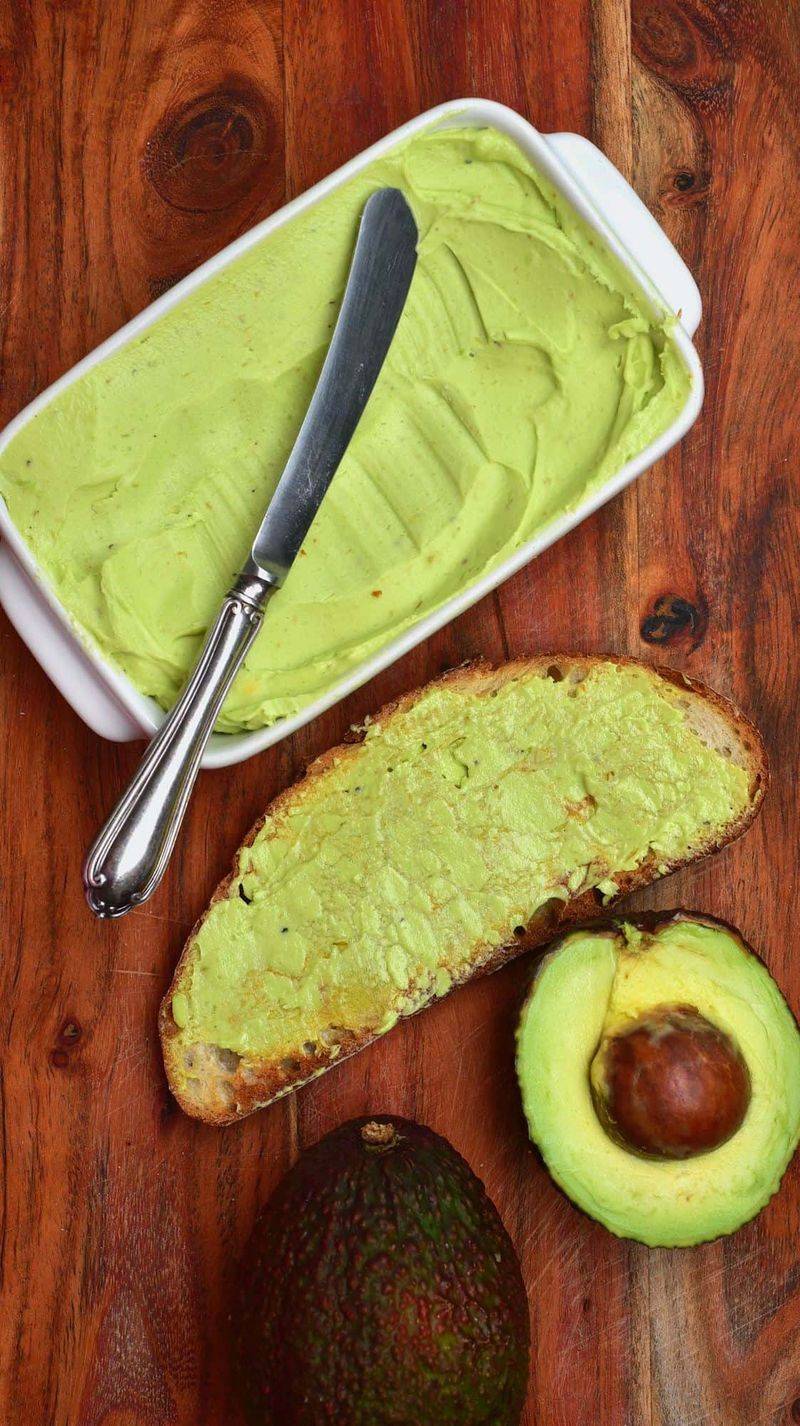
Creamy, rich, and full of healthy fats, avocado is one of nature's most impressive butter stand-ins. When mashed, it creates a silky smooth texture that works beautifully in baked goods like brownies, muffins, and even frosting.
Swap butter for avocado in a 1:1 ratio and watch your recipes transform into something surprisingly indulgent. The mild flavor blends easily without overpowering other ingredients.
Plus, you get a boost of vitamins and good fats in every bite.
2. Coconut Oil
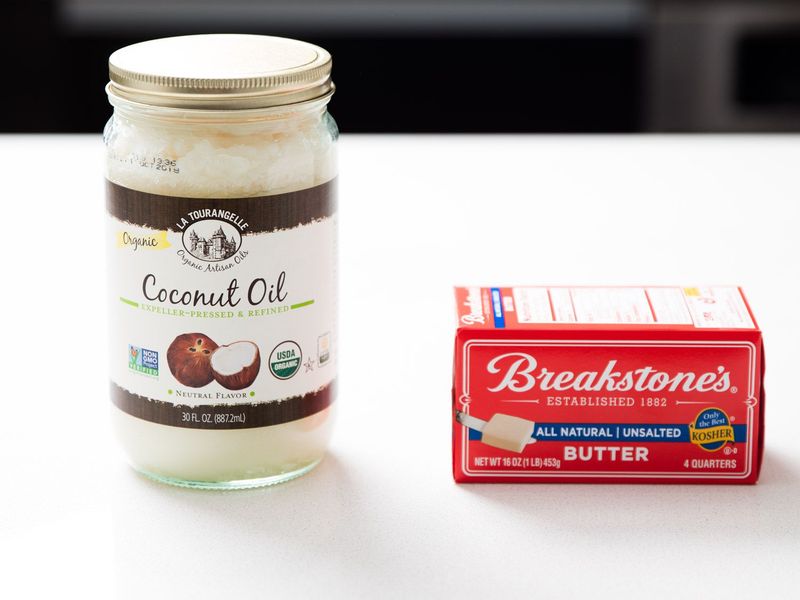
Coconut oil is the rockstar of butter substitutes, and for good reason. At room temperature it is solid and creamy, much like butter itself, which makes it incredibly easy to swap into recipes without changing the texture dramatically.
It melts smoothly when heated, coating ingredients with a rich, glossy finish. Refined coconut oil has a neutral taste, while unrefined adds a light tropical hint.
Use it in cookies, pie crusts, or sauteed vegetables for a wonderfully smooth result.
3. Cashew Cream
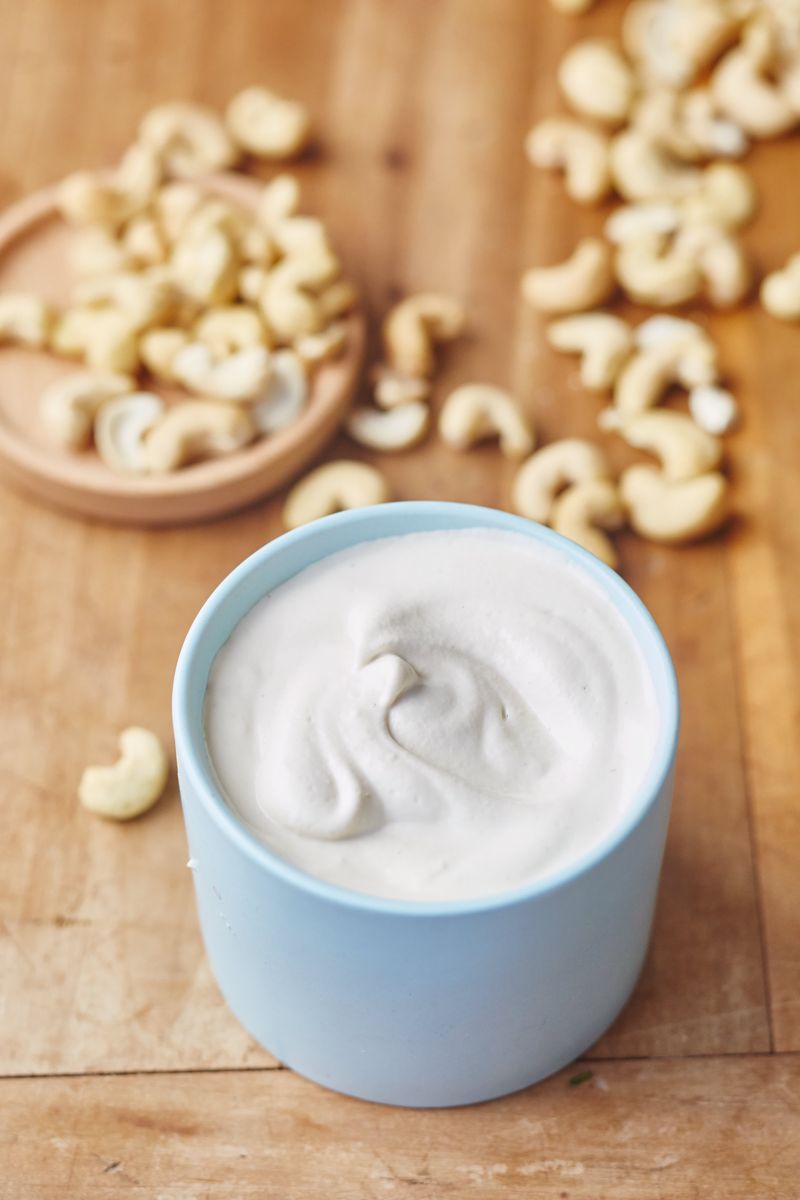
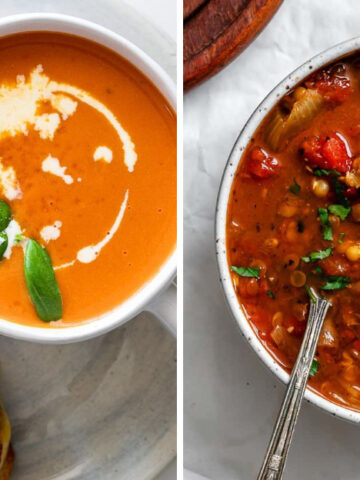
Soak a handful of cashews overnight, blend them up, and you have one of the most luxuriously creamy sauces imaginable. Cashew cream has a naturally buttery, velvety quality that makes it perfect for pasta sauces, soups, and even desserts.
It thickens beautifully when heated and clings to noodles the way a rich cream sauce would. The subtle sweetness of cashews adds depth without being overpowering.
Many people are shocked to learn there is no dairy involved at all.
4. Olive Oil
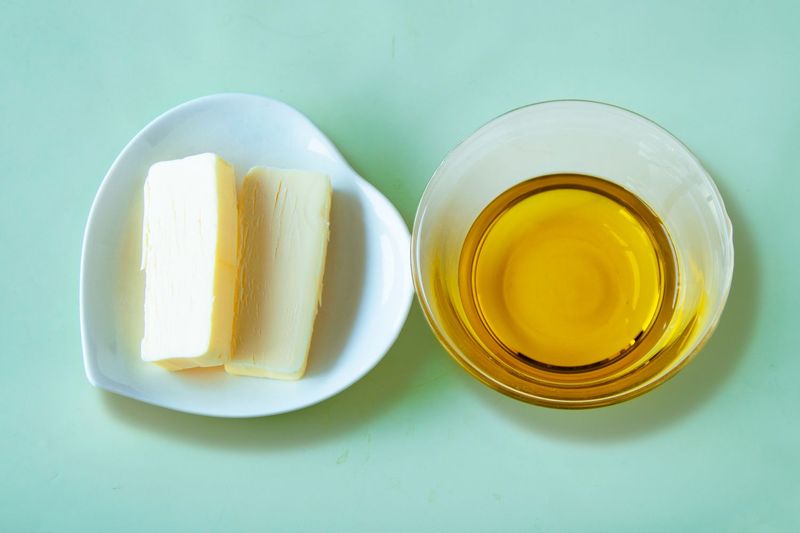
Olive oil has been a kitchen staple for thousands of years, and its ability to add richness and moisture to food is truly impressive. In baking, it creates a tender, moist crumb that keeps cakes and breads soft for days longer than butter sometimes does.
It works especially well in savory dishes, lending a smooth, coating quality to roasted vegetables and pasta. Use about three-quarters the amount of olive oil compared to butter called for in a recipe.
The flavor is earthy and pleasant.
5. Tahini
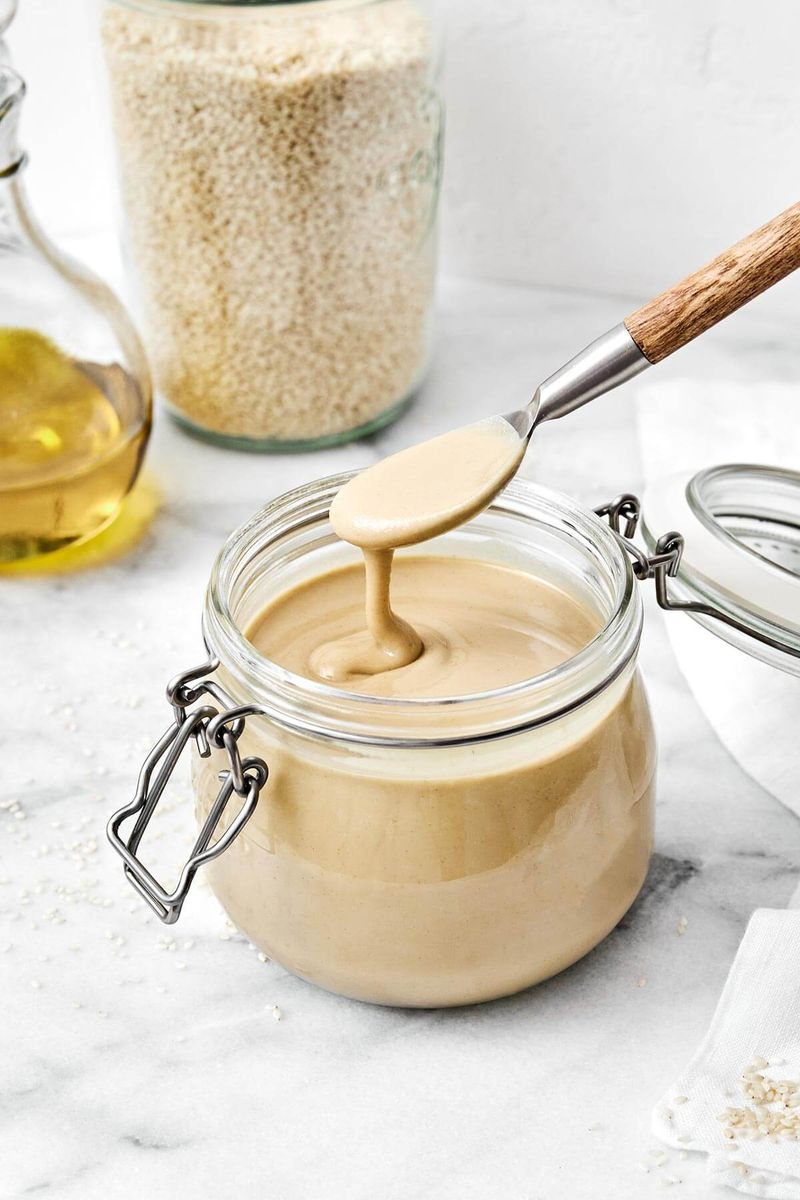
Made from ground sesame seeds, tahini is thick, smooth, and surprisingly buttery in texture. It has been a staple in Middle Eastern cooking for centuries, adding depth and creaminess to everything from hummus to salad dressings.
In baking, tahini brings a nutty richness that pairs beautifully with chocolate, honey, and citrus. Stir it into cookie dough or drizzle it over roasted sweet potatoes for an instant upgrade.
The slightly bitter edge actually balances sweetness in a really satisfying way.
6. Nut Butters
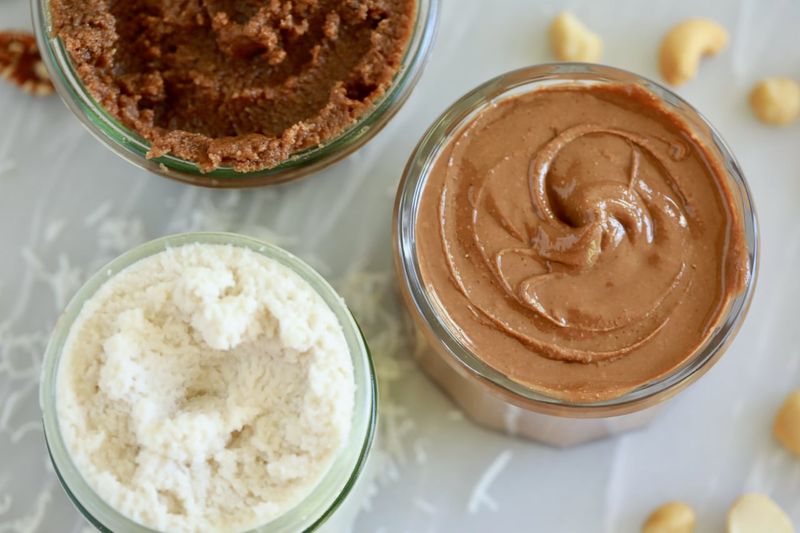
Almond butter, peanut butter, sunflower seed butter - the world of nut and seed butters is wide, delicious, and wonderfully buttery. These spreads are packed with natural oils that mimic the fat content of butter, giving baked goods and sauces a rich, hearty texture.
They work particularly well in cookies, energy bars, and thick sauces. The key is choosing a natural variety with no added sugars or oils for the cleanest swap.
Even a spoonful stirred into oatmeal makes it taste impossibly creamy.
7. Full-Fat Coconut Milk
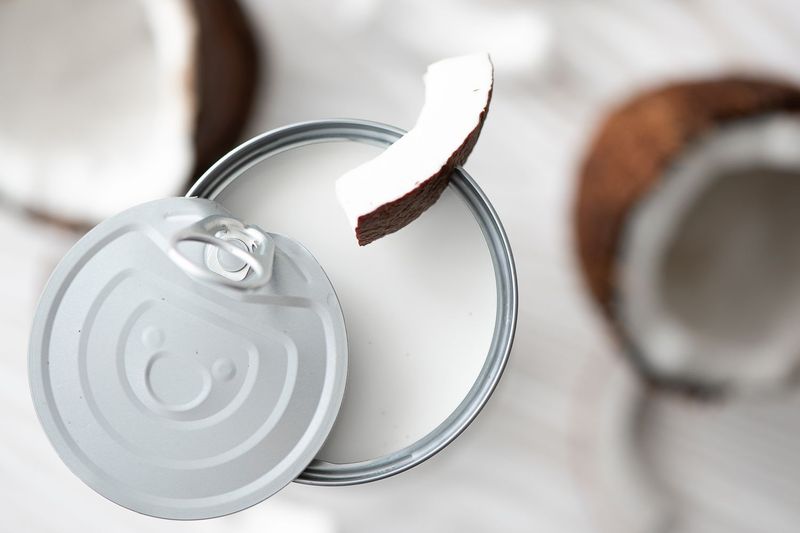
When you open a can of full-fat coconut milk and scoop out the thick cream that floats to the top, you have something truly special in your hands. That rich, dense coconut cream can replace butter in soups, curries, and even whipped toppings with impressive results.
It adds a smooth, coating quality to sauces and a tender crumb to baked goods. The coconut flavor is present but not overwhelming, especially when paired with bold spices or chocolate.
It is a pantry staple worth keeping stocked.
8. Silken Tofu
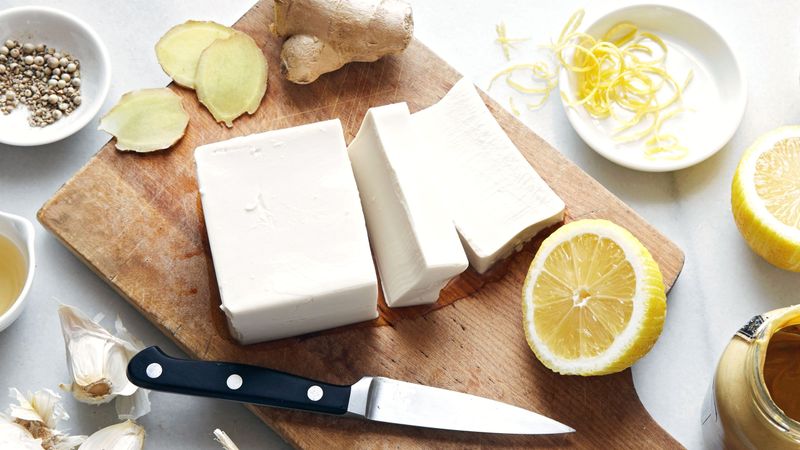
Silken tofu might not be the first thing that comes to mind when you think buttery texture, but blend it up and you will be genuinely surprised. Its ultra-smooth consistency makes it a fantastic base for creamy sauces, dips, and even cheesecake-style desserts.
It absorbs surrounding flavors easily, so it takes on whatever seasoning you give it. In baked goods, it adds moisture and a tender, almost melt-in-your-mouth quality.
A quarter cup of blended silken tofu can replace the same amount of butter in many recipes.
9. Ghee
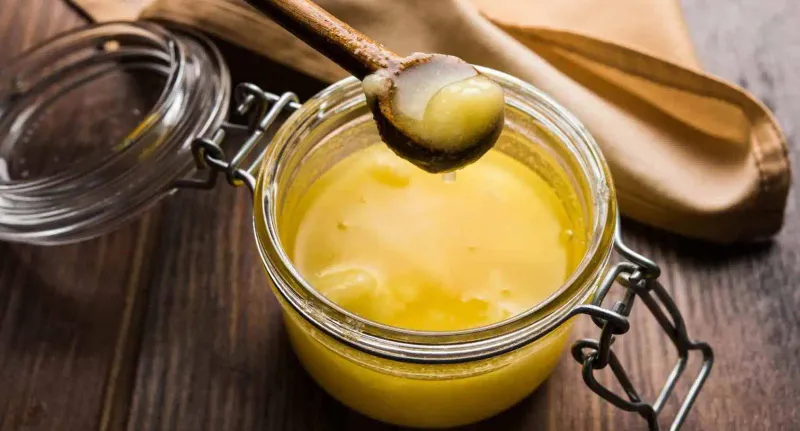
Ghee is butter that has had its milk solids removed, leaving behind pure golden fat with a rich, nutty aroma. It actually has a more intense buttery flavor than regular butter, which means a little goes a long way in adding that signature richness to dishes.
Since it is dairy-free in the sense that lactose and casein are removed, many people with mild dairy sensitivities tolerate it well. It has a high smoke point too, making it excellent for sauteing and roasting.
The flavor is truly unforgettable.
10. Applesauce
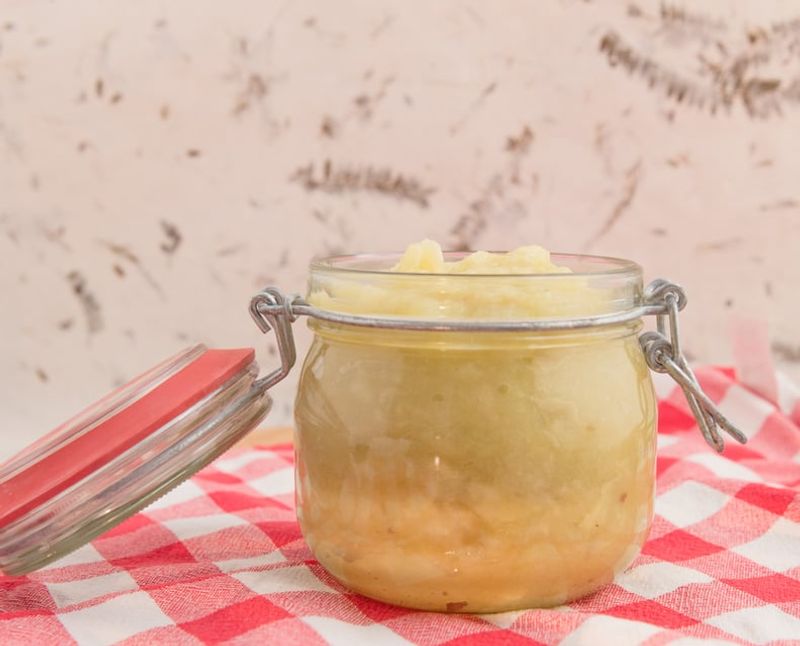
Applesauce might seem like an unlikely hero in the butter-substitute lineup, but it has earned its spot on this list. Its natural moisture and mild sweetness make it a go-to replacement in muffins, quick breads, and cakes, keeping them tender and soft without any added fat.
Use unsweetened applesauce in a 1:1 ratio for butter to cut calories while maintaining a pleasant, moist crumb. The apple flavor is subtle enough to blend into most recipes seamlessly.
Banana puree works similarly if you want a fruitier twist.
11. Greek Yogurt
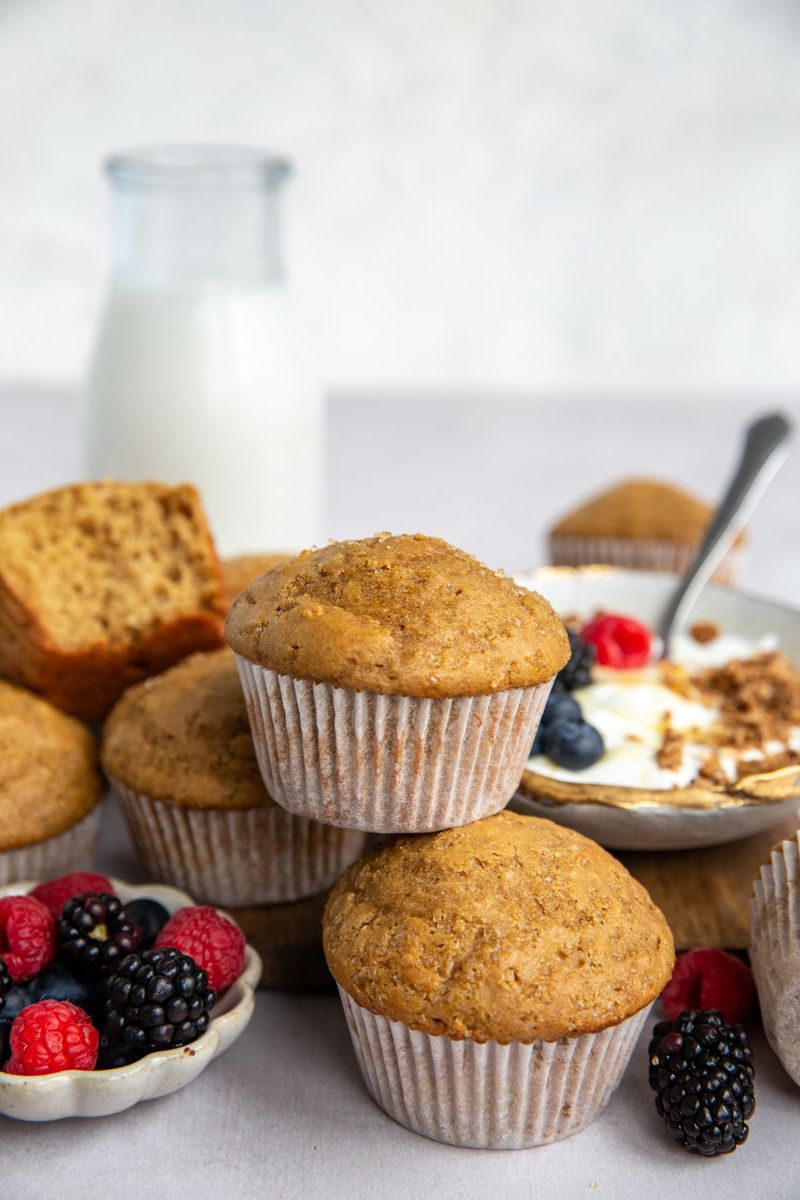
Greek yogurt brings a tangy creaminess to baked goods and sauces that is hard to match. Its thick consistency replaces the fat and moisture that butter provides, resulting in a soft, tender texture that holds together beautifully.
In muffins and cakes, it creates an almost cake-shop quality crumb that stays moist for days. It also works in savory applications like creamy dressings or dips.
Use full-fat Greek yogurt for the richest result, and replace butter at about a three-quarter ratio for best texture.
12. Mashed Banana
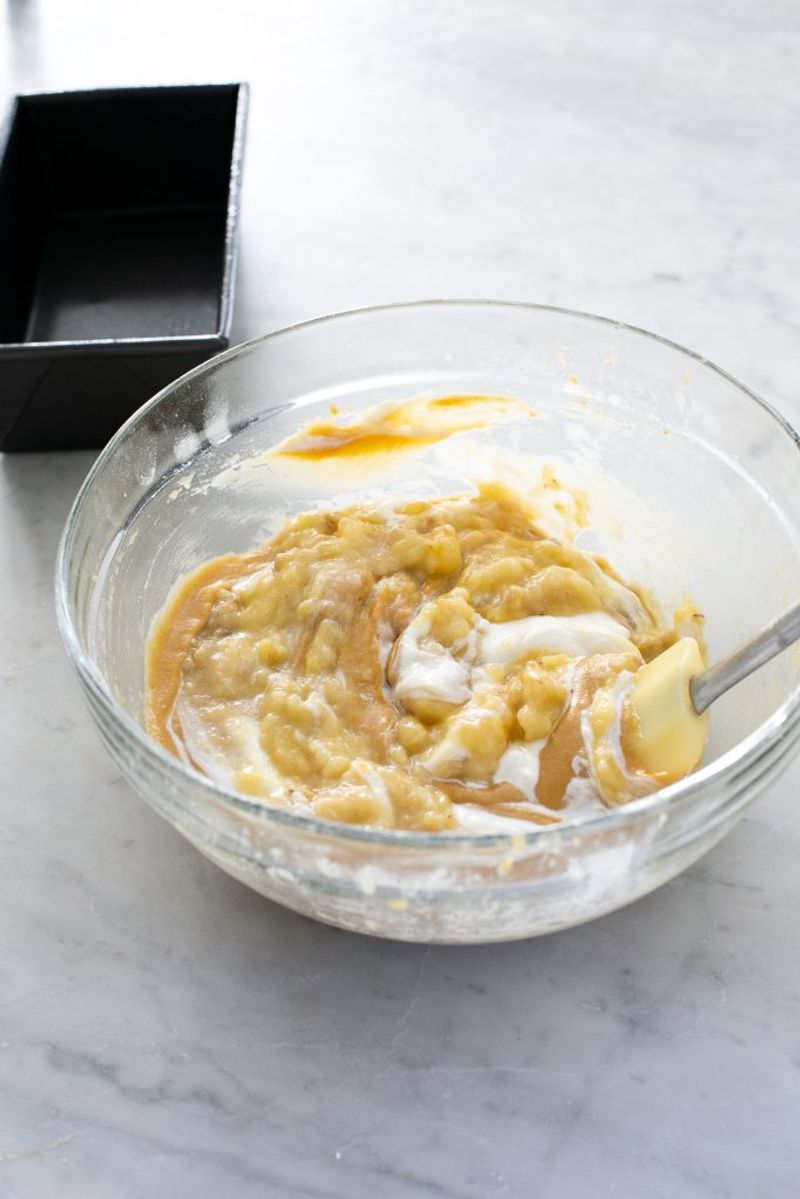
Few things in a baker's pantry are as useful as an overripe banana. When mashed, it becomes a naturally sweet, creamy paste that adds moisture, body, and a subtle richness to baked goods.
Banana bread is the obvious example, but it works in pancakes, cookies, and energy balls too.
Replace butter with mashed banana in a 1:1 ratio for recipes where a slight banana flavor is welcome. The natural sugars also mean you can often reduce added sugar in the recipe.
It is practically free if you have bananas going brown on the counter.
13. Sunflower Seed Butter
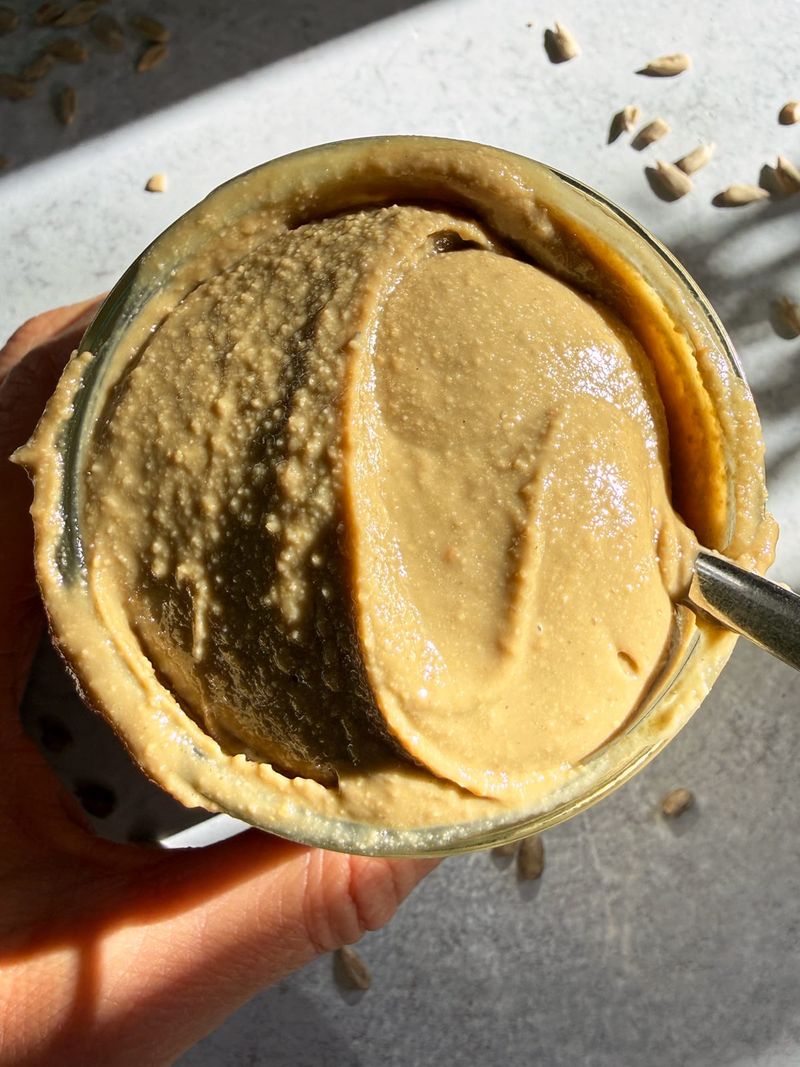
For anyone dealing with tree nut allergies, sunflower seed butter is a total game-changer. Made from ground roasted sunflower seeds, it has a thick, creamy consistency and a mildly nutty flavor that works in both sweet and savory recipes.
It spreads like butter, bakes like nut butter, and adds a satisfying richness to sauces and dressings. One fun quirk is that it can turn baked goods slightly green due to a natural reaction with baking soda, which is harmless and kind of fascinating.
Totally safe to eat.
14. Mayonnaise
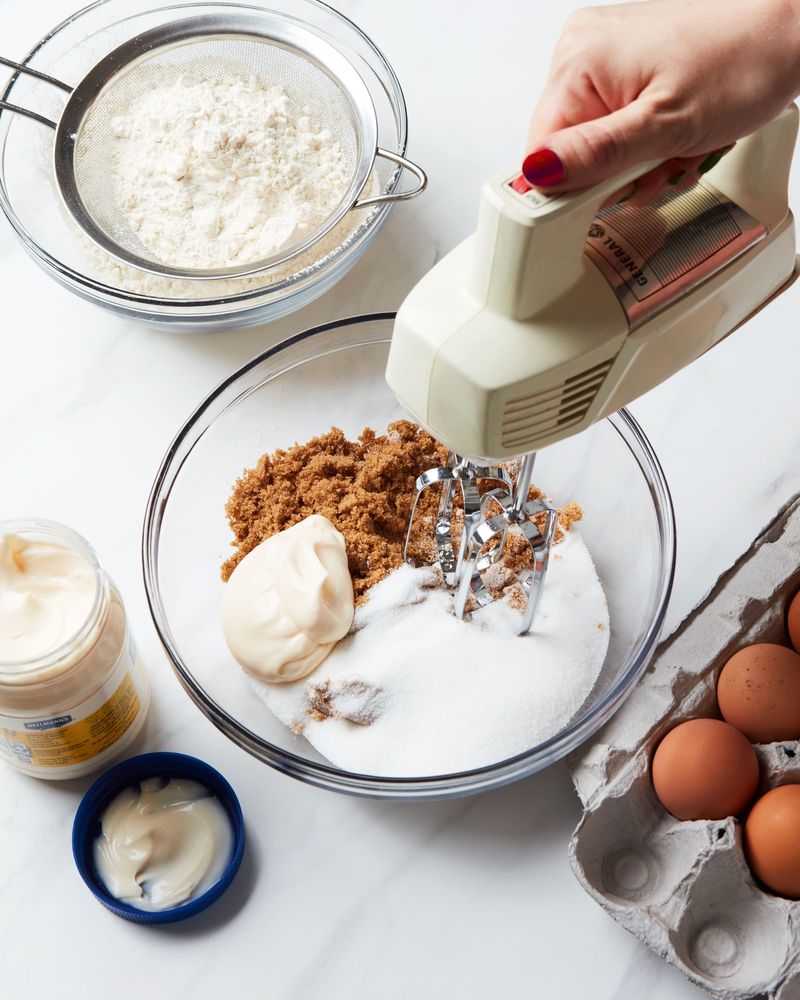
Mayonnaise is basically an emulsion of oil and egg yolks, which means it is already doing a lot of the same work that butter does in terms of adding fat, moisture, and richness. Using it in baked goods sounds unconventional, but the results are genuinely impressive.
Cakes made with mayo tend to be incredibly moist and tender, almost foolproof in their texture. It works especially well in chocolate cake, where the richness deepens the flavor.
Just swap it in at a 1:1 ratio and prepare to be pleasantly surprised by the outcome.
15. Vegetable Shortening
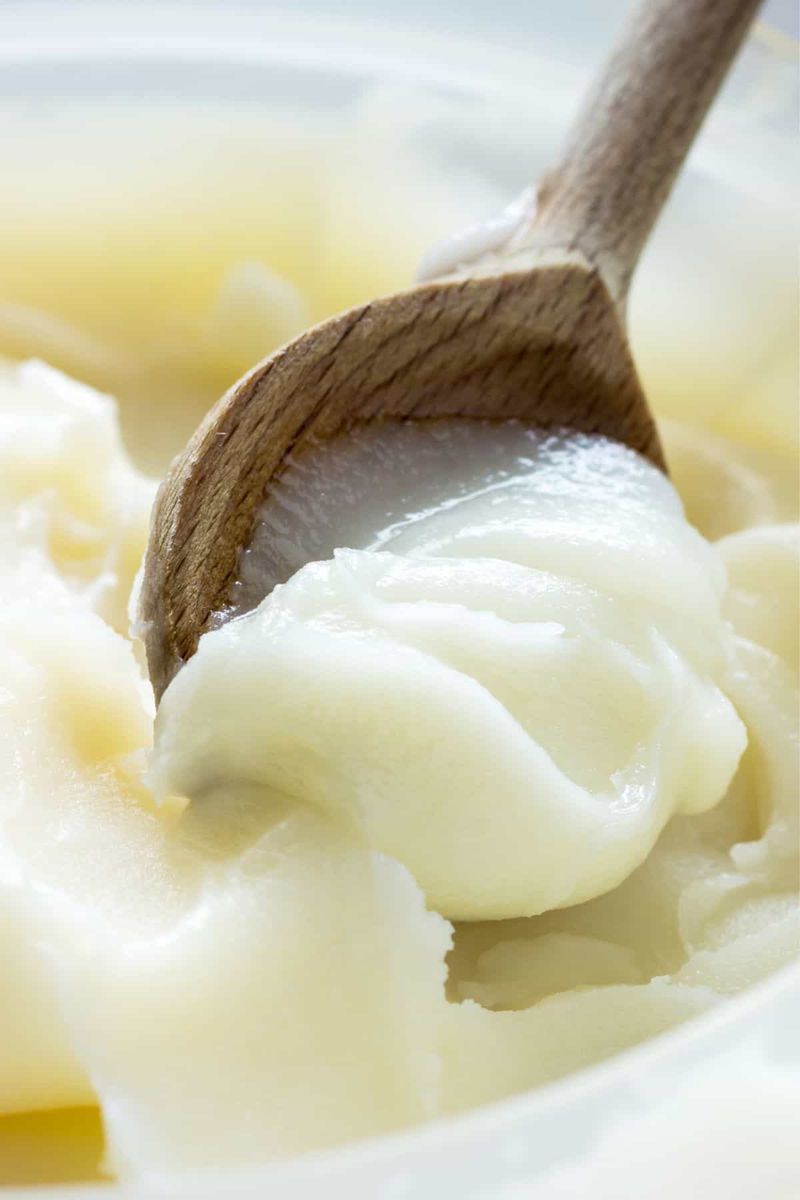
Vegetable shortening has been a baking staple for over a century, and its ability to mimic butter's role in creating flaky, tender textures is well established. Made from hydrogenated plant oils, it is solid at room temperature and melts in a way that creates beautiful layers in pie crusts and biscuits.
It has virtually no flavor on its own, so it lets other ingredients shine. Many professional bakers prefer it for frosting because it holds its shape better than butter in warm conditions.
It is a reliable, time-tested option worth having around.

Comments
No Comments