













Staying hydrated doesn't have to mean drinking glass after glass of plain water all day long. Many delicious fruits are packed with water content, making them a tasty and refreshing way to keep your body fueled and hydrated.
Whether you're looking for an afternoon snack or something to munch on after a workout, these fruits are both satisfying and good for you. Get ready to discover some naturally juicy options that will change the way you think about healthy eating.
1. Watermelon
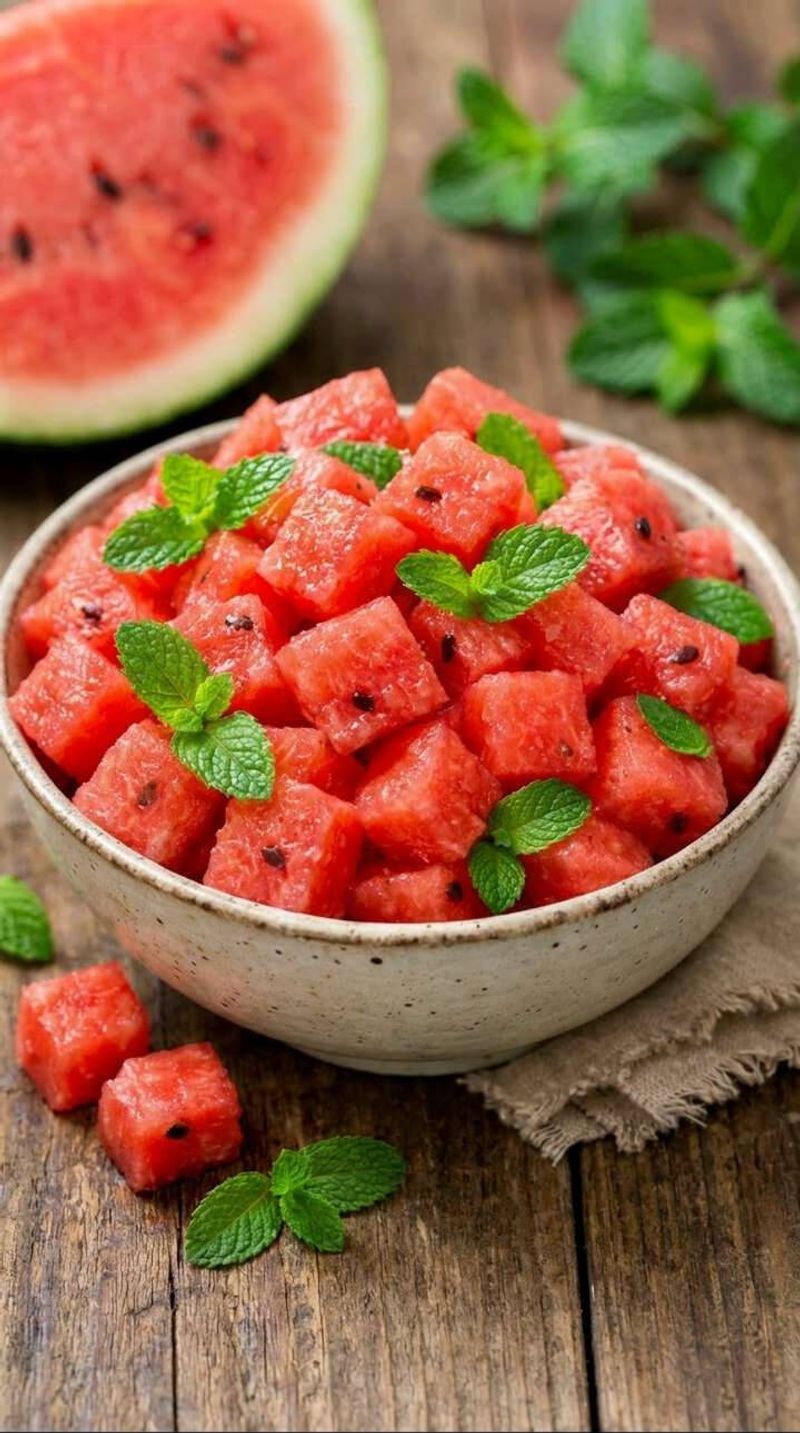
Nothing screams summer quite like biting into a cold, dripping slice of watermelon. With about 92% water content, it is one of the most hydrating fruits you can find.
It also contains vitamins A and C, which help keep your skin glowing.
Watermelon is incredibly easy to enjoy — just slice it up and eat it as is. You can also blend it into a refreshing drink or toss it into a fruit salad for extra color and sweetness.
2. Strawberries
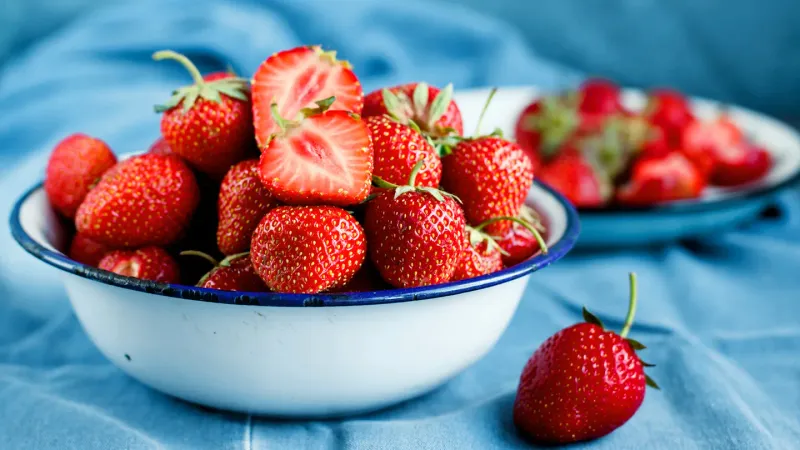
Strawberries are basically nature's candy — sweet, bright red, and incredibly satisfying. They hold about 91% water, making them a top-tier hydrating snack that also happens to be loaded with vitamin C and antioxidants.
One cup of strawberries gives you more vitamin C than an orange! They taste amazing on their own, but also pair well with yogurt, oatmeal, or even a drizzle of dark chocolate for a fun treat.
3. Cantaloupe
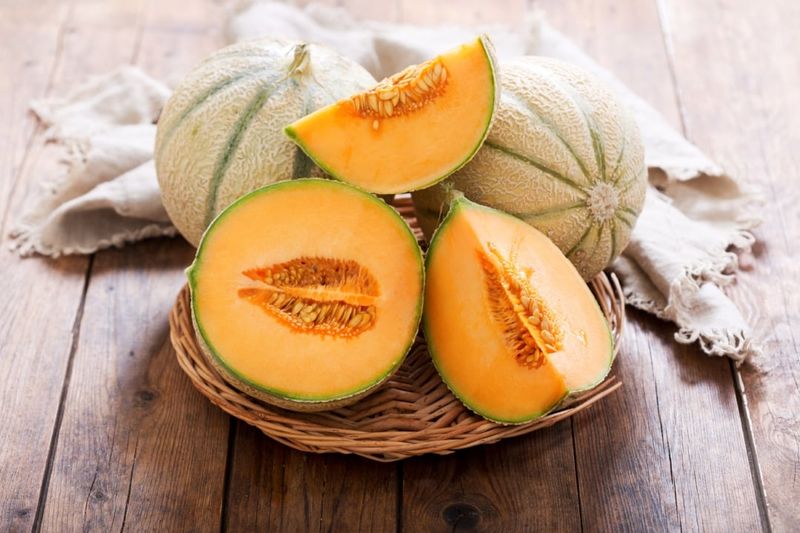
Cantaloupe has a soft, melt-in-your-mouth texture and a naturally sweet flavor that makes it hard to stop eating. Sitting at about 90% water content, it keeps you hydrated while delivering a solid dose of potassium and beta-carotene.
Beta-carotene is what gives cantaloupe its vibrant orange color, and your body converts it into vitamin A. Try scooping cantaloupe balls into a fruit cup or wrapping slices in prosciutto for a surprisingly delicious combo.
4. Peaches
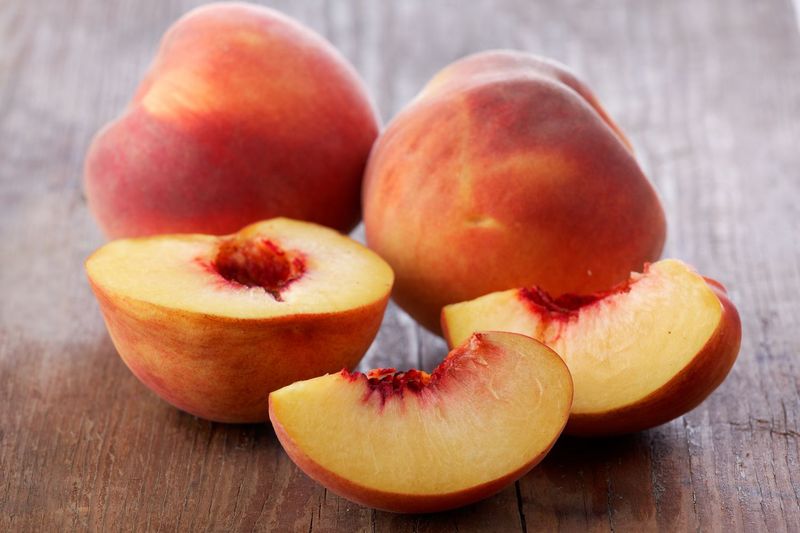
Biting into a perfectly ripe peach and feeling the juice run down your chin is one of summer's greatest pleasures. Peaches are about 89% water and are rich in fiber, which helps your digestive system run smoothly.
They also contain vitamins C and A, supporting both your immune system and eye health. Fresh peaches are wonderful on their own, but you can also grill them lightly for a warm, caramelized treat that pairs beautifully with a scoop of vanilla yogurt.
5. Oranges
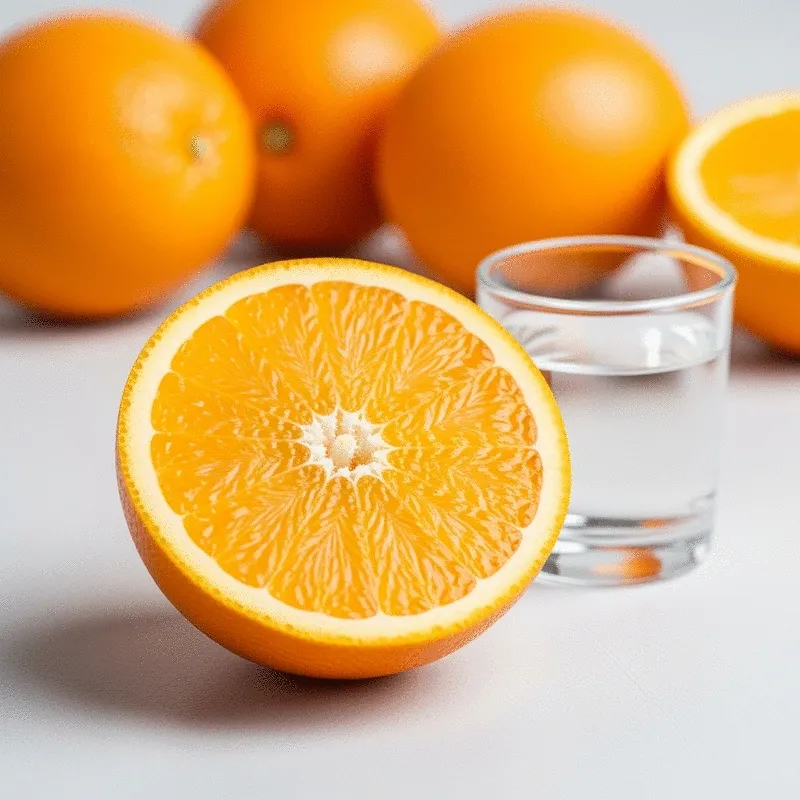
Oranges are practically famous for their vitamin C content, but here is a fun bonus — they are also about 87% water. That means every juicy segment you eat is helping to keep your body hydrated while boosting your immune system at the same time.
Peeling an orange also takes just enough effort to slow you down and enjoy the snack. Eat them as segments, squeeze them into fresh juice, or toss them into a salad with almonds and spinach for something unexpected.
6. Pineapple
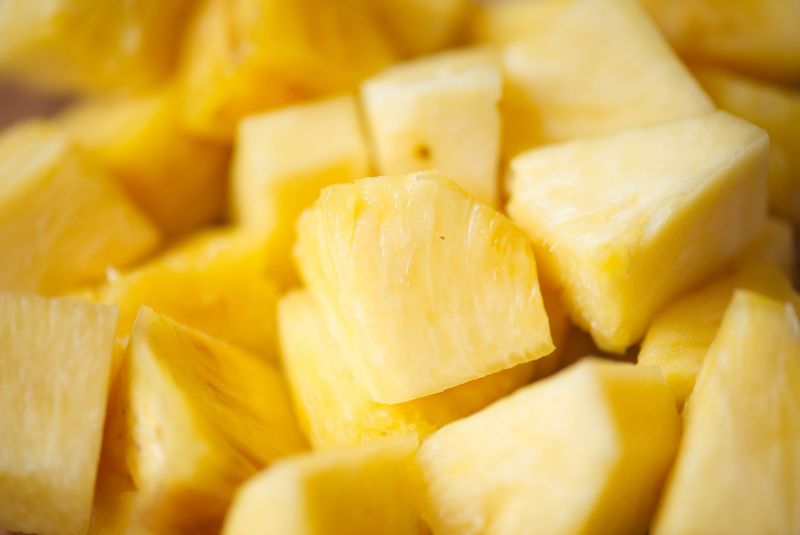
Pineapple brings serious tropical energy to your snack game, and it is about 86% water, making it more hydrating than many people realize. It contains an enzyme called bromelain, which is known for helping with digestion and reducing inflammation in the body.
Did you know bromelain is so powerful that pineapple can actually tenderize meat? Beyond its science-class credentials, pineapple tastes amazing blended into smoothies, layered on skewers, or eaten straight from the can if fresh is not available.
7. Cucumber (Technically a Fruit!)
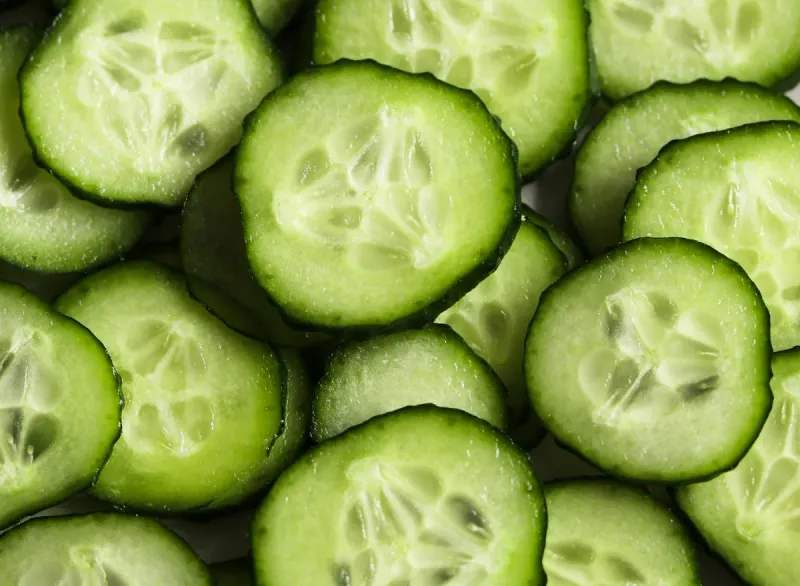
Surprise — cucumbers are actually fruits, not vegetables, and they are one of the most water-dense foods on the planet at about 96% water. That cool, crisp crunch is practically a drink in solid form, making cucumbers an ideal snack on a hot day.
They are incredibly low in calories but still manage to feel filling and refreshing. Try dipping cucumber slices in hummus, layering them on sandwiches, or adding them to a glass of water for an instantly elevated drink.
8. Grapes
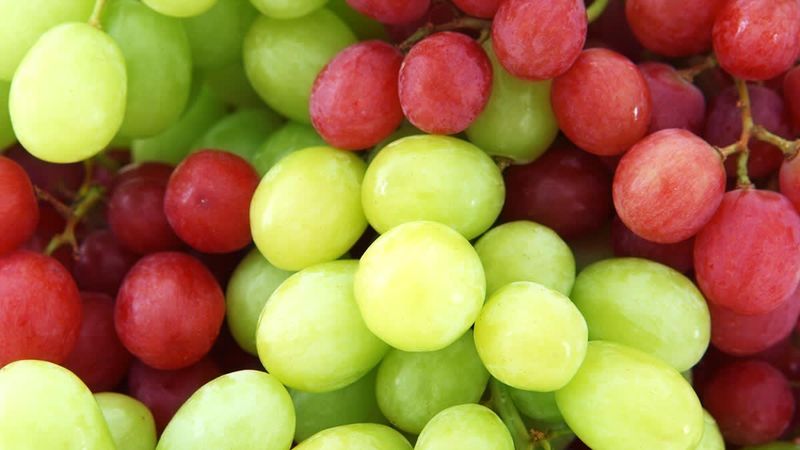
Grapes are the ultimate grab-and-go snack — no peeling, no slicing, just pop one in your mouth and enjoy. At roughly 81% water content, they keep you nicely hydrated while also providing antioxidants like resveratrol, which is known to support heart health.
Frozen grapes are a next-level snack hack that turns them into tiny, icy bites — almost like candy. Keep a bag of washed grapes in the fridge for easy snacking throughout the week, and you will never reach for chips again.
9. Raspberries
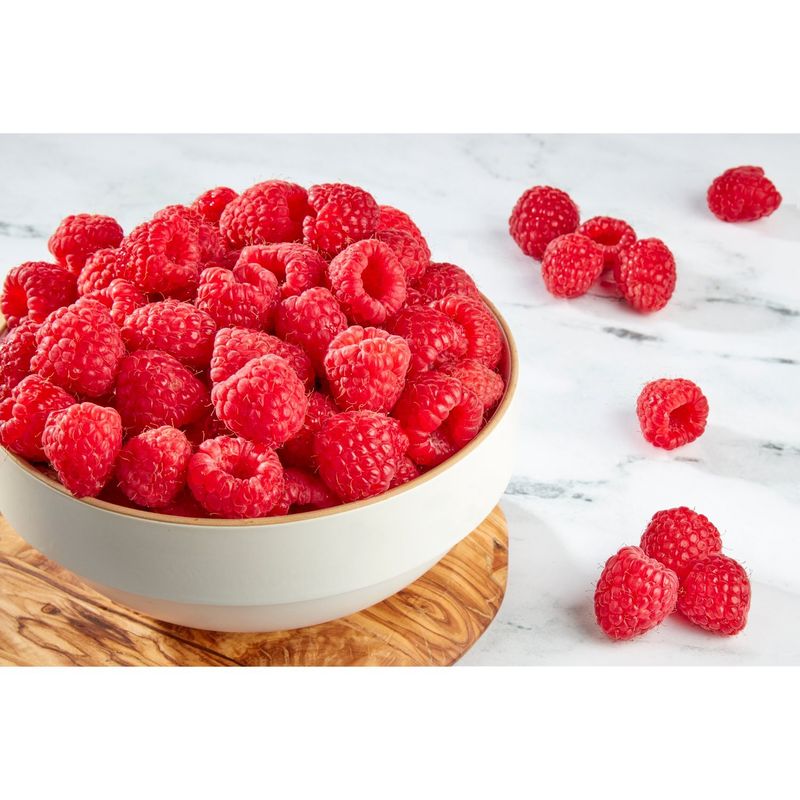
Raspberries pack a serious punch for something so tiny. Each delicate little berry is made up of about 85% water and is loaded with fiber — in fact, one cup contains around 8 grams of it, which is great for keeping you full longer.
Their tart-sweet flavor makes them endlessly versatile. Sprinkle them over cereal, swirl them into plain yogurt, or just eat a handful straight from the container.
Their bright red color also makes any snack plate look like it belongs in a magazine.
10. Blueberries
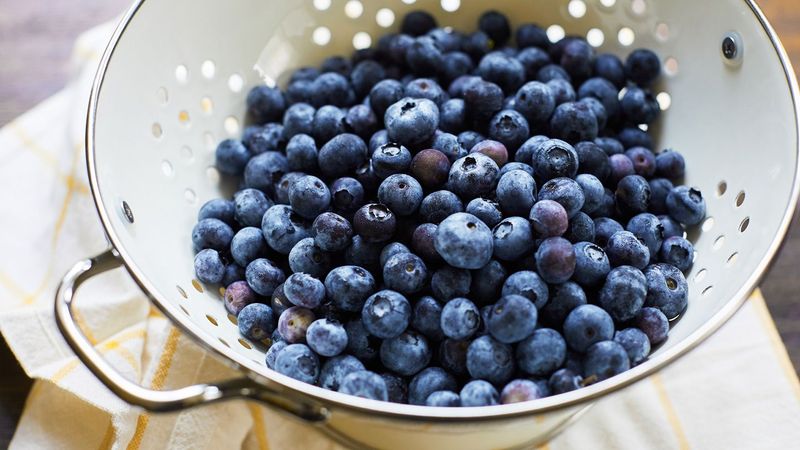
Small but mighty, blueberries have earned a reputation as one of the best superfoods around. They are about 84% water and are bursting with antioxidants that help protect your cells from damage and support brain health over time.
Studies suggest that eating blueberries regularly may help improve memory and focus — which is great news for students. Toss them into a smoothie, mix them into pancake batter, or just snack on them by the handful for a quick, brain-boosting energy boost between classes.
11. Mango
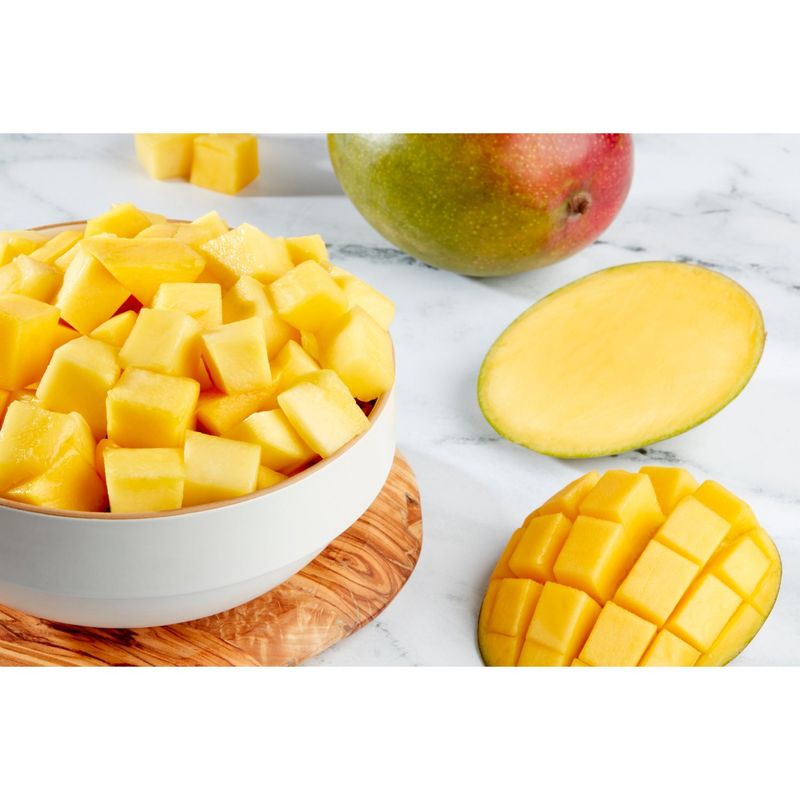
Mangoes are often called the king of fruits, and honestly, the title feels well-earned. With about 83% water content and a flavor that is both sweet and slightly tangy, they are one of the most enjoyable hydrating fruits to eat.
They are also rich in vitamins A and C, folate, and fiber. Mango chunks are fantastic in fruit salads, blended into lassi (a yogurt-based drink), or frozen and blended into a creamy dairy-free sorbet that feels like pure sunshine in a bowl.
12. Kiwi
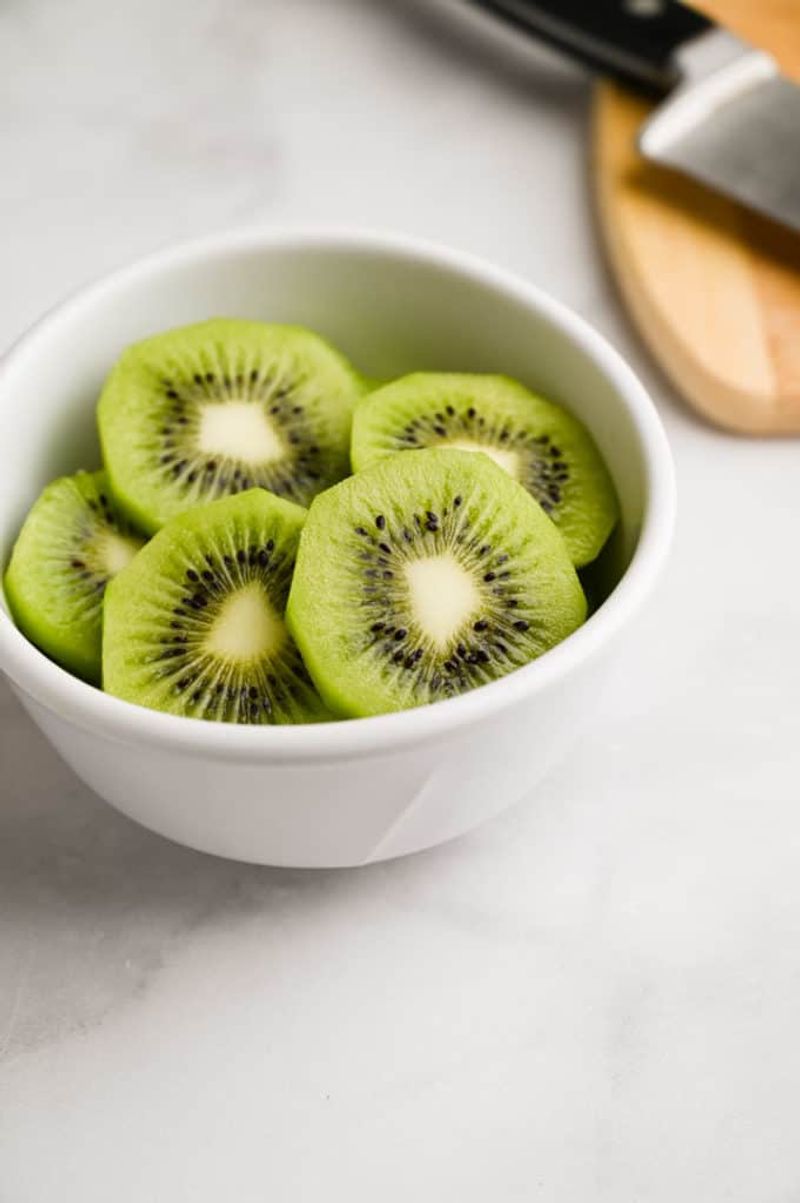
Kiwi is one of those fruits that looks almost too cool to eat — that bright green flesh with tiny black seeds is almost artistic. Beyond its good looks, kiwi is about 83% water and contains more vitamin C per ounce than an orange, which is a pretty impressive feat for such a small fruit.
Eating the skin is actually totally safe and adds extra fiber to your snack. Slice kiwi over oatmeal, blend it into a green smoothie, or eat it straight with a spoon like a tiny edible bowl.
13. Grapefruit
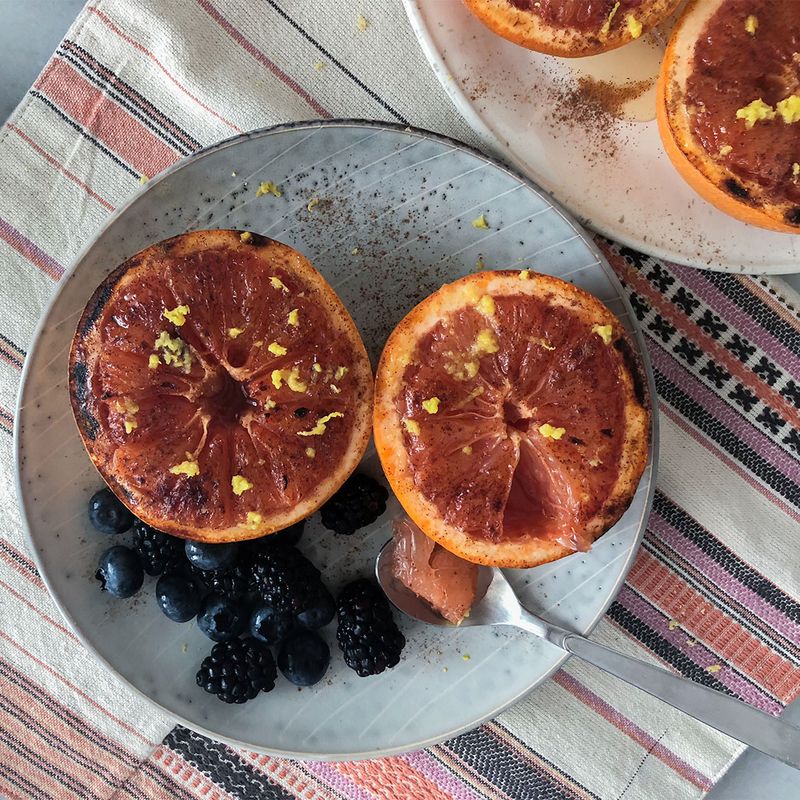
Grapefruit has a bold, slightly bitter flavor that is not for everyone — but those who love it are seriously devoted fans. At about 88% water, it is one of the most hydrating citrus fruits available, and it is known to support metabolism and help with blood sugar balance.
Some research suggests grapefruit may also help reduce appetite before meals, making it a smart pre-lunch snack. Sprinkle a little honey on a halved grapefruit and broil it for two minutes to transform it into a warm, caramelized treat worth waking up for.
14. Papaya
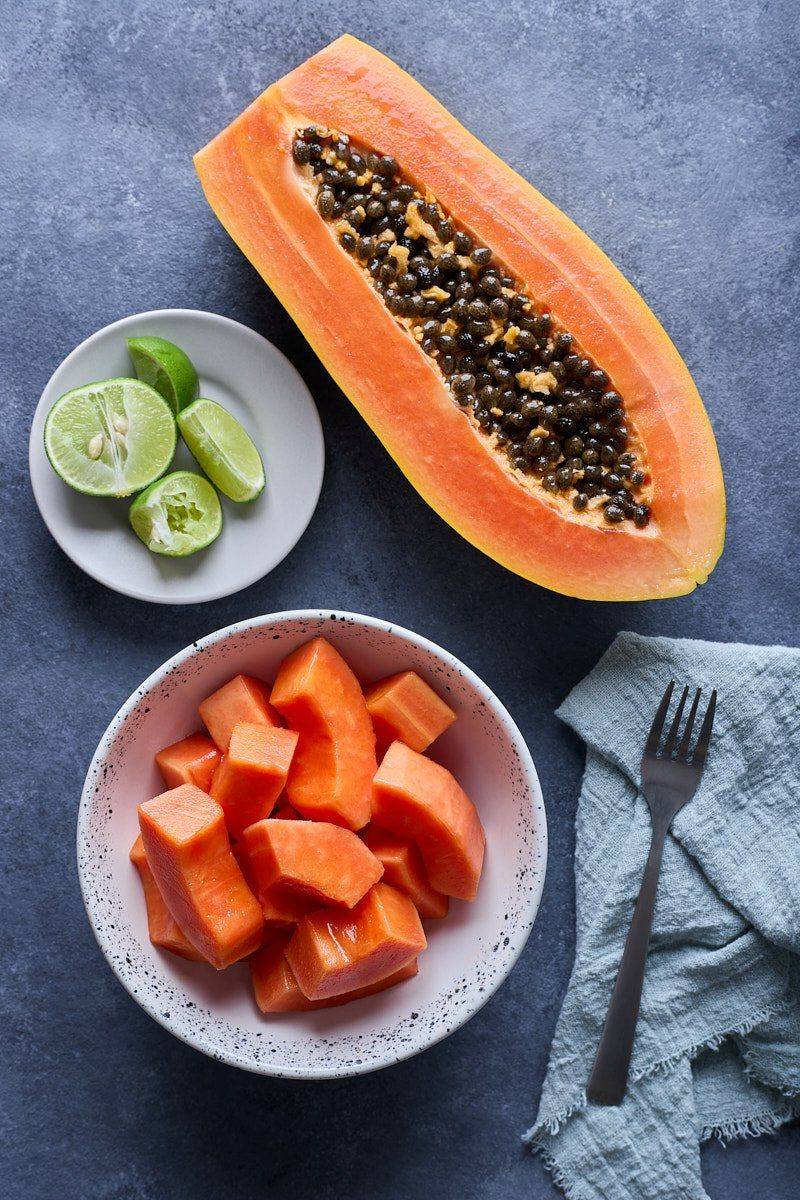
Papaya is a tropical gem that often gets overlooked, but it deserves way more attention. It is about 88% water and contains an enzyme called papain, which aids digestion and helps break down proteins more efficiently — great news for anyone who struggles with bloating after meals.
Papaya is also rich in vitamin C, folate, and potassium. Scoop out the seeds, squeeze a little lime juice over the flesh, and eat it right from the skin for a quick, mess-free tropical snack that feels like a mini vacation.
15. Pears
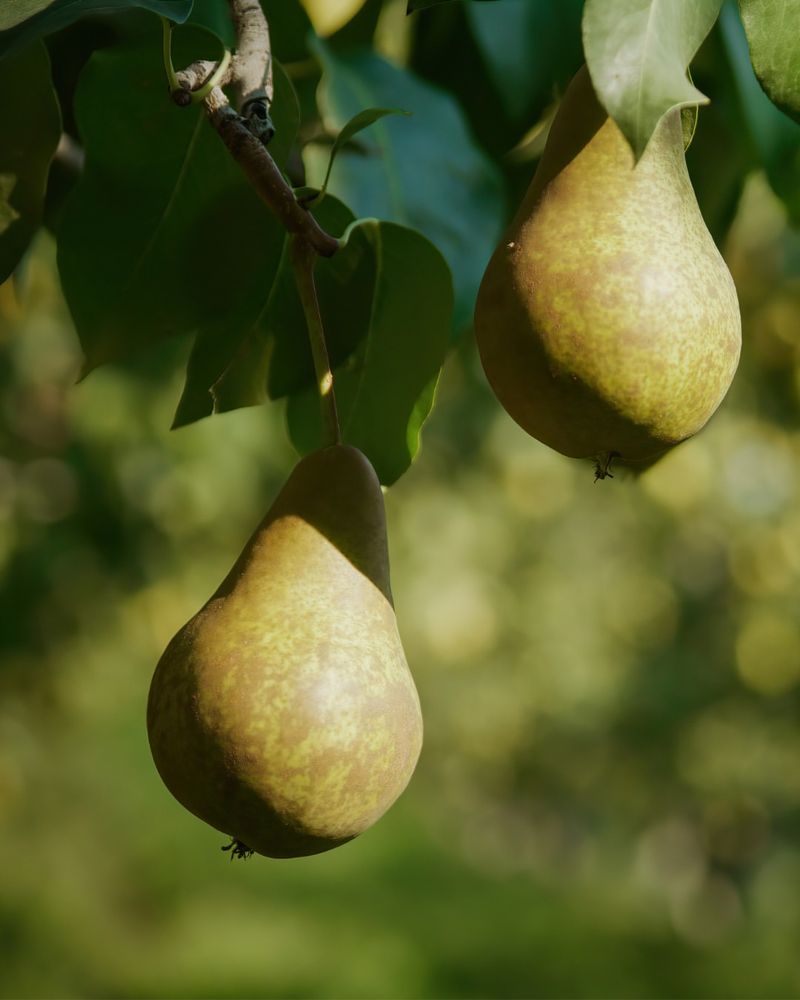
Pears are one of those quietly underrated fruits that never get the hype they deserve. They are about 84% water and are one of the best fruit sources of fiber, which keeps your digestive system happy and helps you feel full without overeating.
Their mild sweetness and soft texture make them easy to enjoy at any time of day. Slice pears over a bowl of cottage cheese, pair them with almond butter for a protein-rich snack, or bake them with a sprinkle of cinnamon for a cozy, warming treat.




Comments
No Comments