













Summer is the perfect time to explore the world of fresh herbs. Whether you grow them in your backyard, on a balcony, or even on a sunny windowsill, herbs can completely transform the way you cook, feel, and live.
From adding bold flavor to your meals to soothing a sunburn, these plants are incredibly useful. Get ready to meet 15 amazing herbs that deserve a spot in your summer routine.
1. Basil
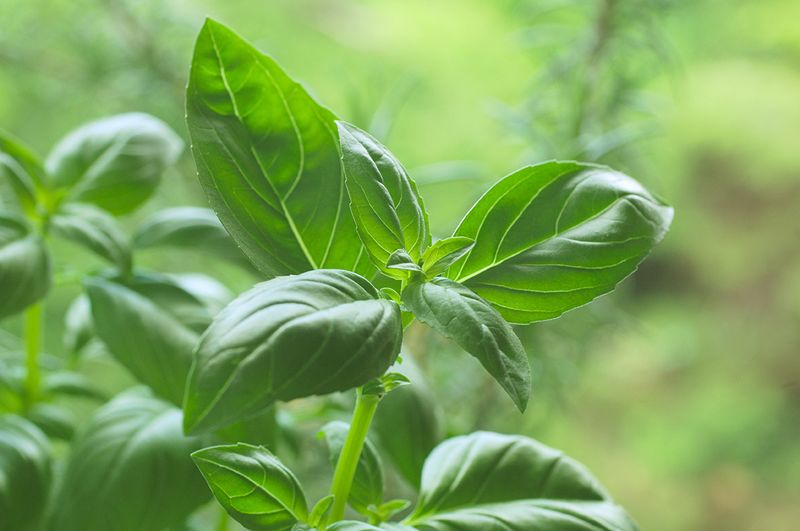
Few smells say "summer" quite like fresh basil. This classic herb is a staple in Italian cooking, but it works beautifully in everything from salads to smoothies.
Tear a few leaves over sliced tomatoes with olive oil and you have an instant summer dish.
Basil grows fast in warm weather and loves full sun. Keep it watered and pinch off the flowers to help it grow bushier.
Growing your own means endless fresh flavor all season long.
2. Mint
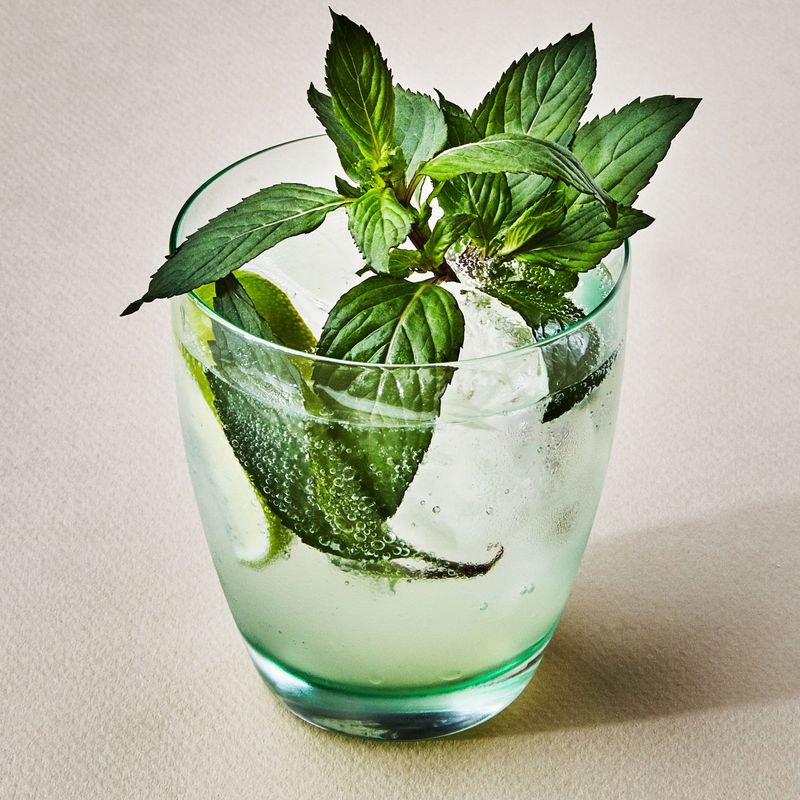
Mint is basically summer in plant form. Drop a few sprigs into lemonade, iced tea, or water for an instantly refreshing drink on a hot day.
It also pairs surprisingly well with fruit salads and grilled meats.
One heads-up: mint spreads like crazy, so plant it in a pot to keep it from taking over your garden. The good news?
It grows with almost no effort. Harvest often and it just keeps coming back stronger.
3. Rosemary
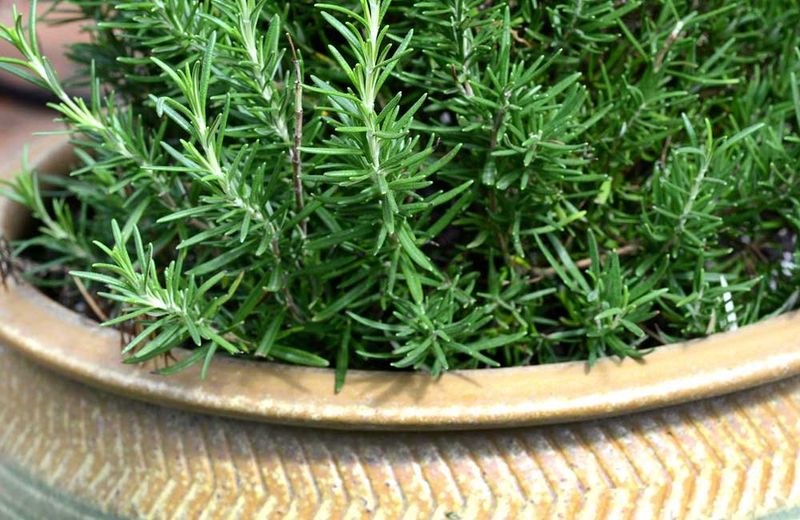
Rosemary has been used since ancient times, and once you smell it, you will understand why people kept it around for thousands of years. Its piney, woody aroma is unlike anything else in the herb garden.
Toss a few sprigs onto grilled chicken, potatoes, or even focaccia bread for incredible flavor. Rosemary also loves hot, dry weather, making it one of the easiest summer herbs to grow.
It practically thrives on neglect, which is great news for busy gardeners.
4. Lavender
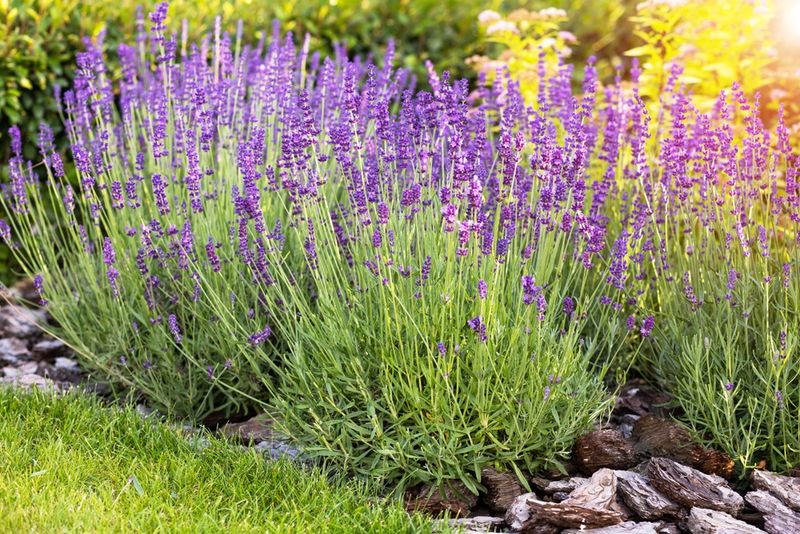
Most people think of lavender as just a pretty flower, but it is actually a remarkably useful herb. Ancient Romans added it to their baths, and today it is loved for its calming scent and surprising culinary uses.
Try adding dried lavender to lemonade, honey, or baked goods for a floral, slightly sweet flavor. It also works as a natural bug repellent when rubbed on skin.
Plant it in a sunny spot and watch bees and butterflies flock to your garden all summer.
5. Cilantro
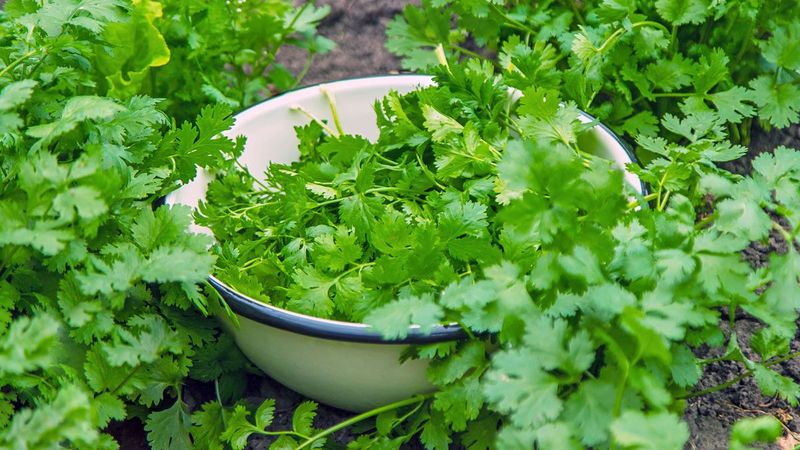
People either love cilantro or strongly dislike it, and science actually explains why: some people have a gene that makes it taste like soap. If you are on the loving side, lucky you, because this herb is incredibly versatile.
Cilantro brightens up salsas, tacos, curries, and rice dishes with a fresh, citrusy punch. It prefers cooler mornings and afternoon shade in hot climates, so plant it early in summer.
Harvest the leaves often to keep the plant producing longer.
6. Lemon Balm
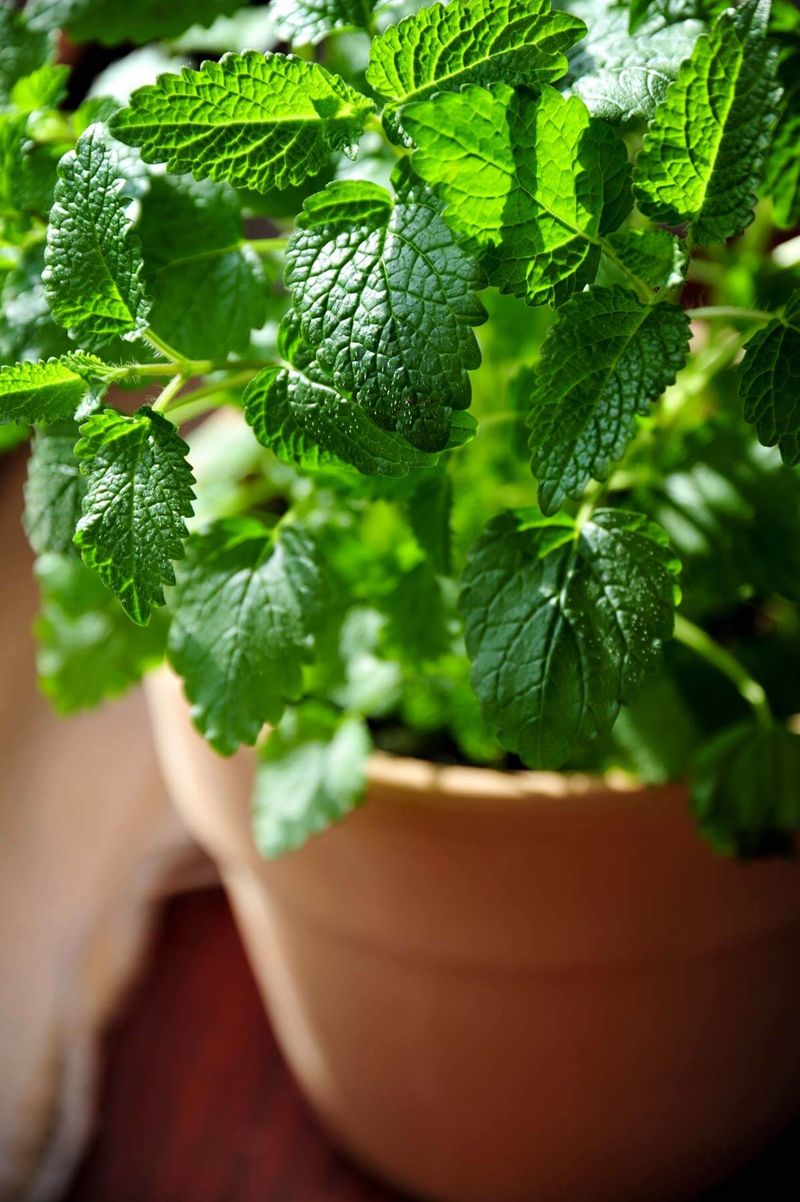
Lemon balm smells like someone crossed lemon candy with fresh mint, and that alone makes it worth growing. It belongs to the mint family, so it spreads eagerly and grows with very little fuss in summer gardens.
Steep the leaves in hot water for a calming tea that many people use to ease stress and improve sleep. You can also muddle it into cocktails or mocktails for a citrusy twist.
Rub a leaf on a bug bite and feel the cooling relief almost immediately.
7. Thyme
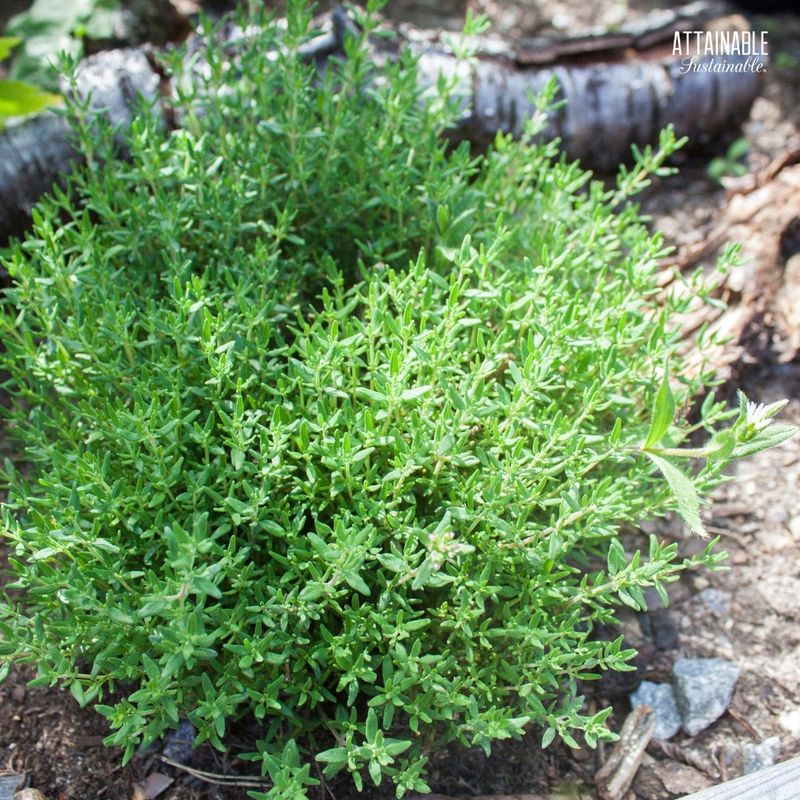
Thyme is one of those herbs that quietly makes everything taste better without stealing the spotlight. Its earthy, slightly floral flavor works in marinades, roasted vegetables, soups, and even butter spread on warm bread.
Ancient Egyptians used thyme in their embalming process, and Greek warriors bathed in thyme-infused water for courage. Today, it is far more commonly found in kitchens.
It is drought-tolerant and loves full sun, so summer is basically its happy place. Even a small pot on a patio will reward you generously.
8. Chives
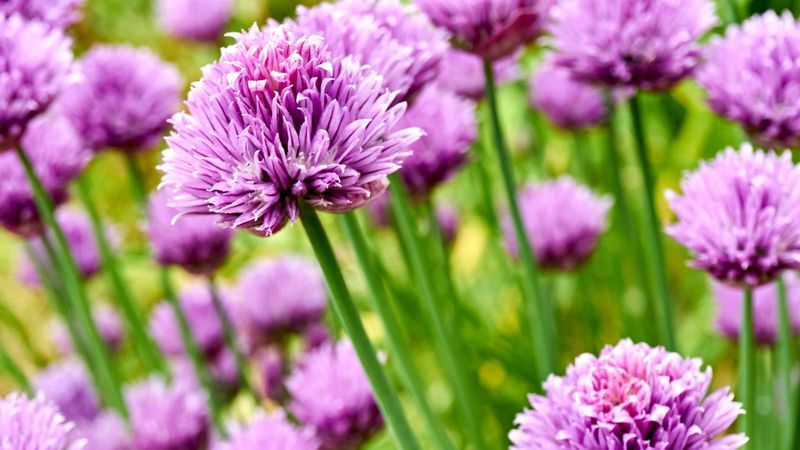
Chives are the low-maintenance overachievers of the herb world. Snip them with scissors right over your food and you instantly have a fresh, mild onion flavor without any chopping or tears.
They are perfect on baked potatoes, scrambled eggs, and cream cheese.
They grow in clumps and come back year after year, making them a smart investment for any herb garden. In summer, they sprout adorable purple flowers that are completely edible.
Sprinkle those blooms on salads for a beautiful and tasty finishing touch.
9. Parsley
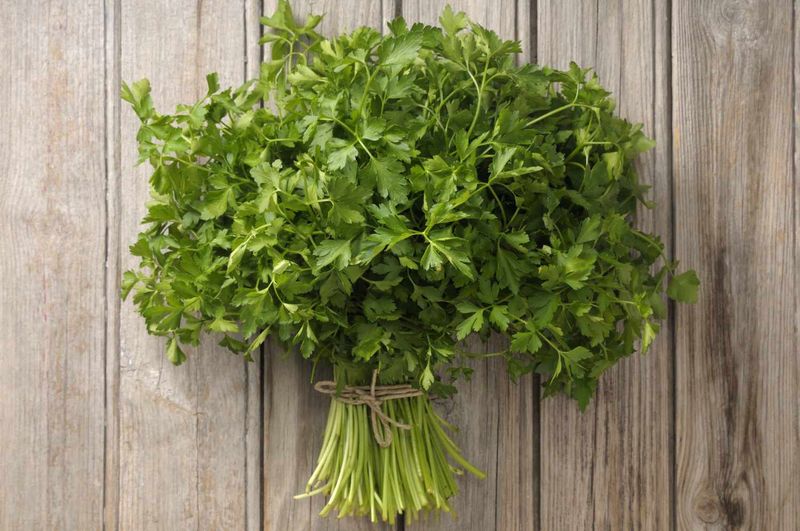
Parsley often gets treated like a garnish that people push to the side of their plate, but that is a huge mistake. This herb is loaded with vitamins C and K, and its fresh, clean flavor can liven up almost any dish you make.
Flat-leaf Italian parsley has a stronger taste and works better for cooking, while curly parsley looks great as a garnish. Toss a handful into pasta, grain bowls, or chimichurri sauce.
It grows reliably in summer with regular watering and partial shade in hotter climates.
10. Dill
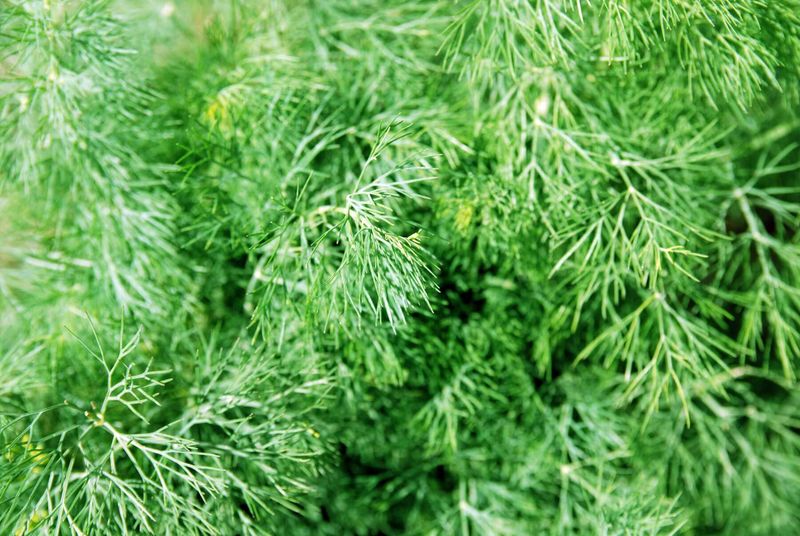
There is something almost magical about the feathery, wispy look of dill swaying in a summer breeze. Its flavor is bright, tangy, and slightly grassy, making it a natural match for fish, cucumbers, yogurt dips, and pickles.
Did you know dill was once believed to ward off witches in medieval Europe? While that trick has not been verified, its flavor magic in the kitchen is very real.
Dill grows tall quickly in warm weather, so give it space and full sun for the best results.
11. Oregano
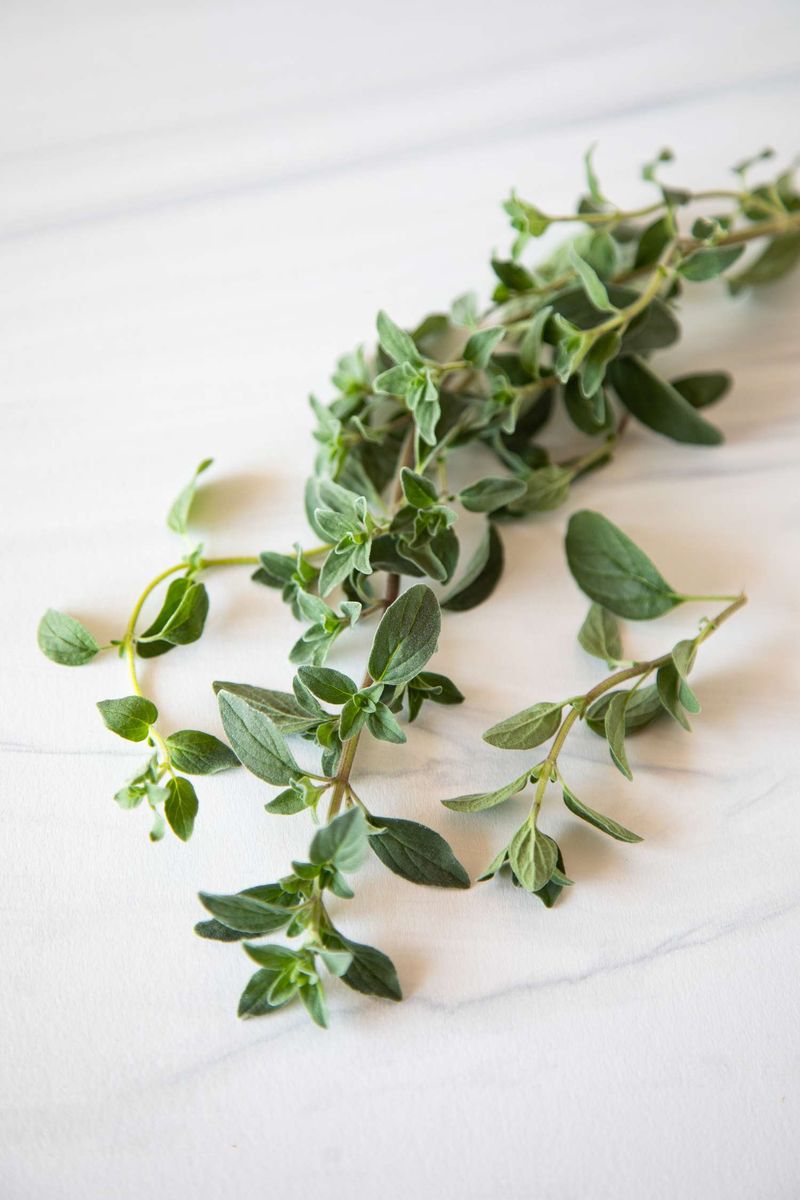
Oregano is basically the backbone of Mediterranean cooking, and growing your own means you will never run out mid-recipe again. Its bold, peppery flavor intensifies when dried, but fresh oregano has a brighter, more complex taste that store-bought jars simply cannot match.
Sprinkle it on homemade pizza, stir it into tomato sauce, or blend it into a Greek-style salad dressing. Oregano thrives in hot, dry summer conditions and actually produces more flavor when the soil is a little lean.
The less you fuss over it, the better it tastes.
12. Sage
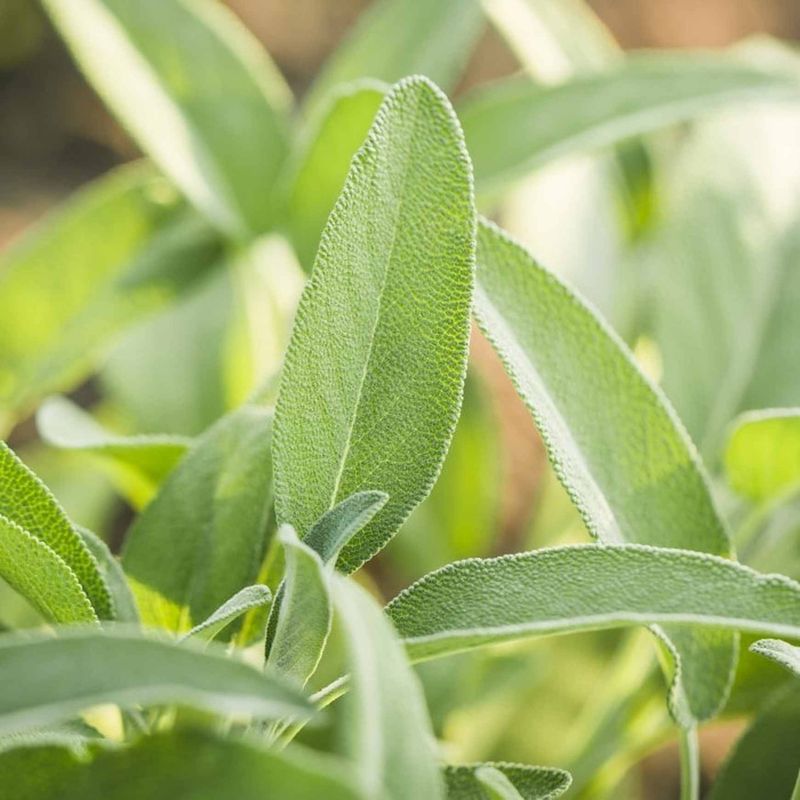
Sage has a rich, savory flavor with a slightly peppery edge that feels almost cozy, which makes it surprising that it shines so brightly in summer cooking. Fry a few leaves in butter until crispy and drizzle them over pasta or roasted squash for something truly special.
Native American traditions have long used sage in cleansing ceremonies, recognizing its powerful aromatic properties. It loves hot, sunny spots and well-drained soil.
Once established, sage is incredibly hardy and can handle summer heat without much extra care from you.
13. Tarragon
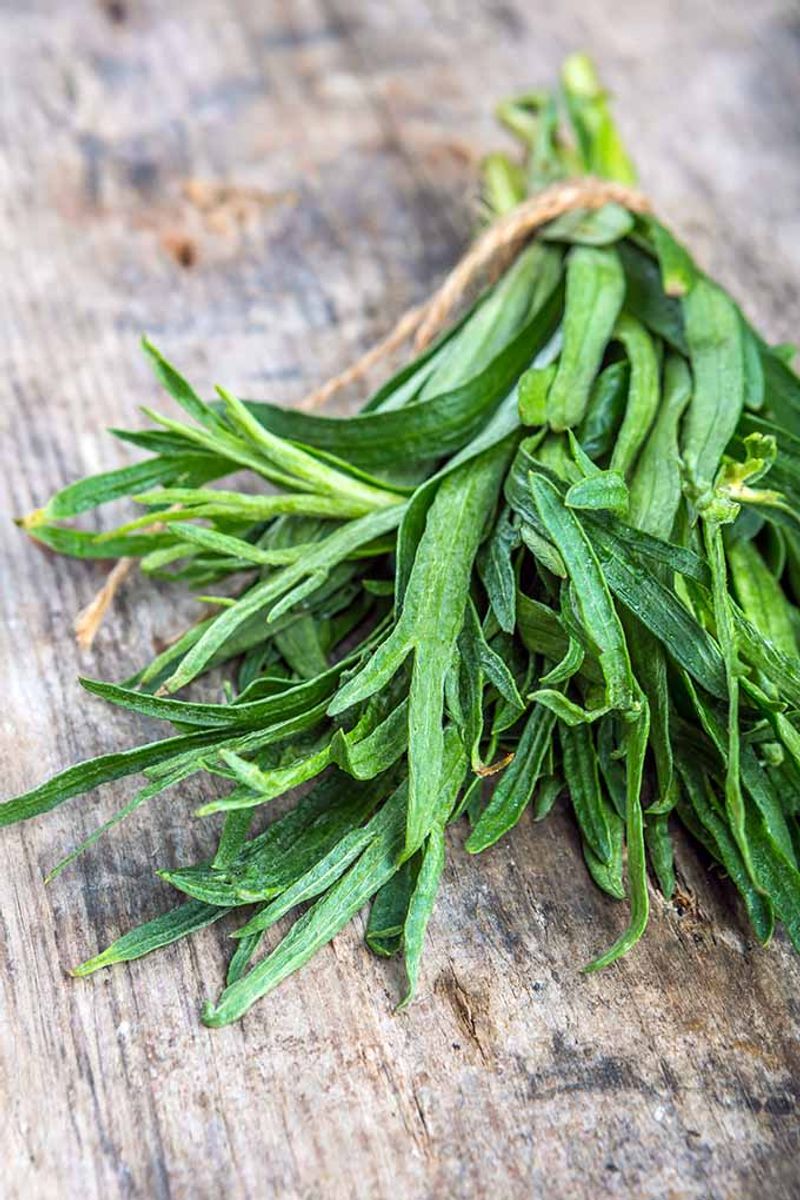
Tarragon is one of the most underrated herbs you can grow, and most home cooks have never even tried it fresh. Its flavor is anise-like and slightly sweet, making it a surprisingly good match for chicken, eggs, and creamy sauces.
French tarragon is considered the gold standard and cannot be grown from seed, so look for a starter plant at your local nursery. It loves warm weather but prefers some afternoon shade in intense summer heat.
Once you taste fresh tarragon in a homemade vinaigrette, you will wonder where it has been all your life.
14. Lemongrass
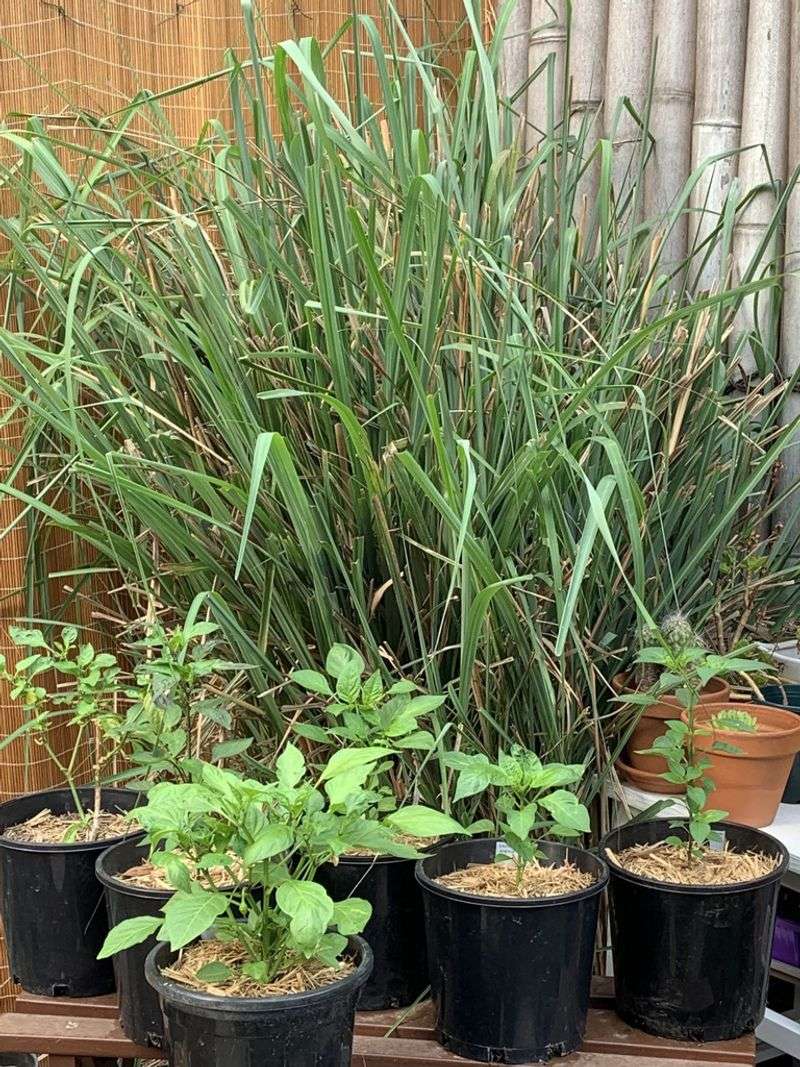
Lemongrass looks like a tall, dramatic grass, but it packs a citrusy, floral punch that transforms soups, curries, and marinades into something extraordinary. It is a staple in Thai and Vietnamese cooking, and growing it at home is easier than most people expect.
Plant it in a large pot with full sun and keep it well-watered during hot months. The stalks can be bruised and added to broths or teas for a refreshing, lemony depth.
As a bonus, its strong scent naturally repels mosquitoes, making it a smart addition to any summer patio.
15. Chamomile
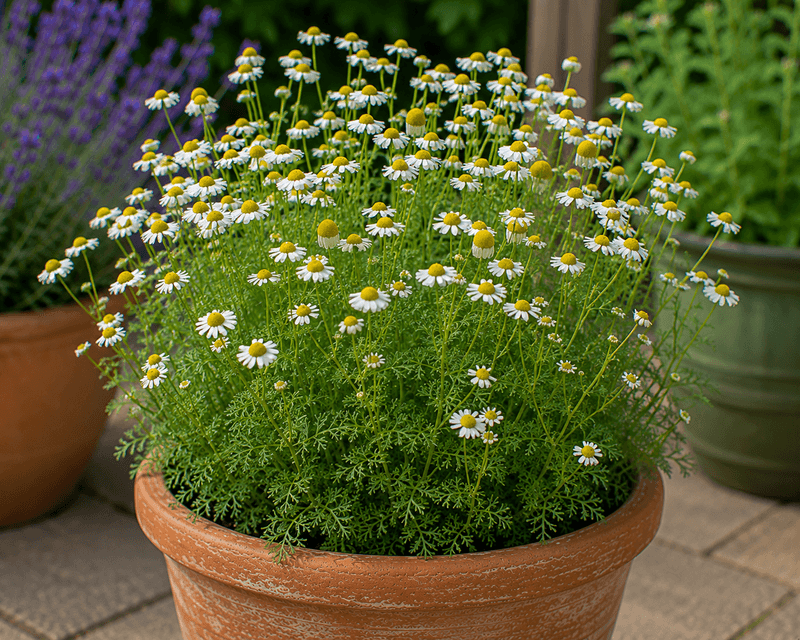
Chamomile looks like tiny cheerful daisies scattered across your garden, and it is just as delightful to use as it is to look at. The flowers are most famous for making a soothing bedtime tea that helps calm the mind after a long, hot summer day.
Beyond tea, chamomile can be used in facial rinses, hair lightening treatments, and even as a mild antiseptic for skin irritations. It self-seeds readily, meaning once you plant it, it tends to come back on its own every year.
Truly one of summer's most charming and hardworking herbs.




Comments
No Comments