













What you eat every day has a huge impact on how you feel, how much energy you have, and even how long you live. Some foods that seem totally normal or even tasty can quietly work against your health over time.
Making small changes to your diet can lead to big improvements in how you look and feel. Here are 15 foods worth reconsidering the next time you reach for a snack or plan a meal.
1. Sugary Sodas
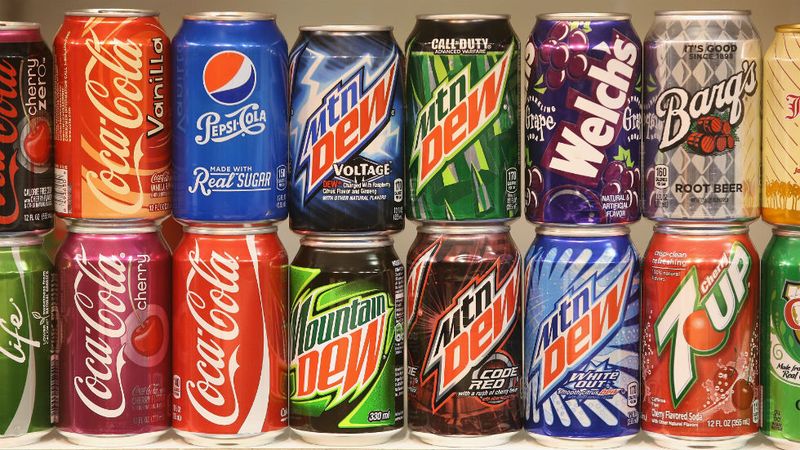
Every can of soda is basically a sugar bomb in disguise. A single 12-ounce can can contain up to 10 teaspoons of added sugar, way more than what your body needs in a day.
Regular soda consumption has been linked to weight gain, type 2 diabetes, and tooth decay. Swapping soda for water, sparkling water, or herbal tea is one of the easiest and most impactful changes you can make for your health.
2. White Bread

White bread might be soft and familiar, but it is made from heavily processed flour that has been stripped of most of its nutrients and fiber. Without fiber, it digests quickly and causes blood sugar to spike rapidly.
Those spikes lead to crashes that leave you feeling tired and hungry again soon after eating. Switching to whole grain or whole wheat bread gives your body more fiber, vitamins, and lasting energy throughout the day.
3. Processed Meats

Hot dogs, deli meats, and sausages might be convenient, but they come loaded with sodium, preservatives, and artificial additives. The World Health Organization has classified processed meats as a Group 1 carcinogen, meaning there is strong evidence they can increase cancer risk.
Eating them occasionally is one thing, but making them a daily staple is risky. Try replacing them with grilled chicken, turkey slices, or plant-based proteins for a healthier option.
4. Margarine
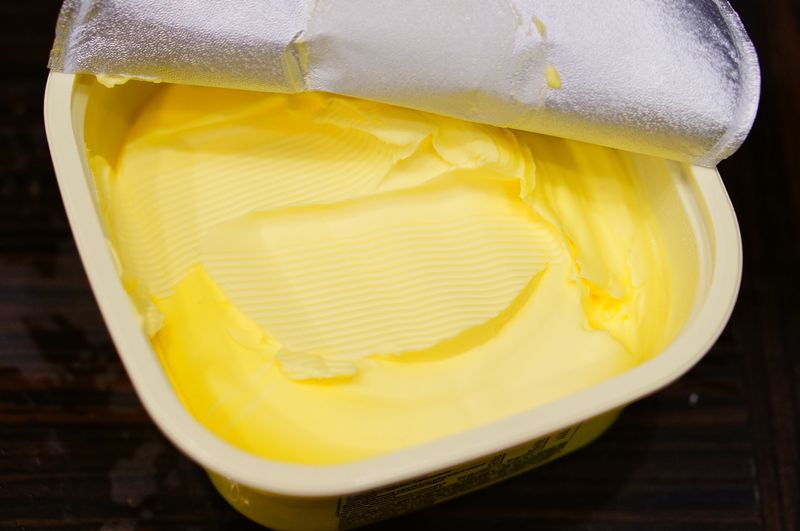
For years, margarine was marketed as a healthier alternative to butter, but that story has changed dramatically. Many older margarines contained trans fats, one of the most harmful types of fat for your heart.
Even newer versions often contain highly processed vegetable oils that can cause inflammation over time. Real butter used in moderation, or better yet, avocado or olive oil, are far better choices for your cardiovascular health and overall wellbeing.
5. Candy and Gummy Snacks
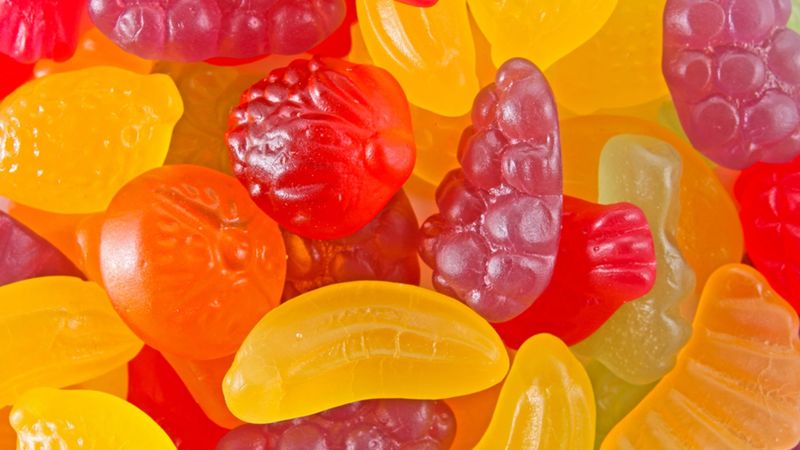
Candy is basically pure sugar with very little nutritional value to back it up. Gummies, hard candies, and chewy sweets spike your blood sugar fast, giving you a short burst of energy followed by a crash that leaves you feeling sluggish.
Frequent candy consumption also feeds harmful bacteria in your mouth, increasing the risk of cavities. Fresh fruit, dark chocolate, or trail mix can satisfy a sweet craving without the empty calories and sugar overload.
6. Fried Foods

There is something undeniably tempting about crispy, golden fried food, but the cooking process creates some serious health concerns. Deep frying soaks food in oil, dramatically increasing its calorie content while adding unhealthy saturated and trans fats.
Eating fried foods regularly raises the risk of heart disease, obesity, and high blood pressure. Air frying, baking, or grilling can give you that satisfying crunch without the oil-soaked downside that makes fried food so hard on your body.
7. Flavored Yogurt
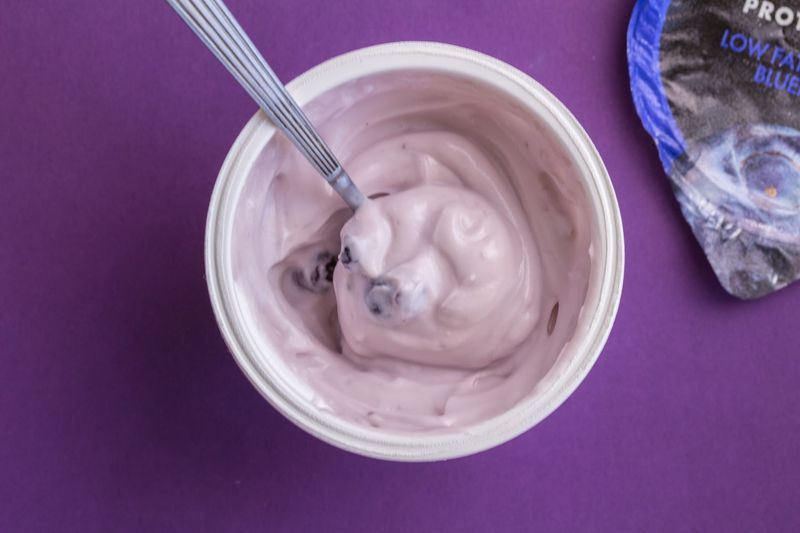
Yogurt sounds like a health food, and plain yogurt certainly can be. But flavored yogurts, especially the ones marketed to kids, are often packed with added sugars that rival a candy bar.
Some popular brands contain 20 or more grams of sugar per small container, which is far more than your body benefits from. Choosing plain Greek yogurt and adding your own fresh fruit or a drizzle of honey gives you all the probiotic benefits without the sugar overload.
8. Microwave Popcorn

Movie nights and microwave popcorn seem like a perfect match, but the bag itself has been a subject of health concern for years. Many microwave popcorn bags are lined with chemicals that can break down into potentially harmful compounds when heated.
On top of that, the artificial butter flavoring and excessive salt add unnecessary calories and sodium. Popping your own kernels on the stovetop with a little olive oil is a tasty and much cleaner alternative.
9. Energy Drinks
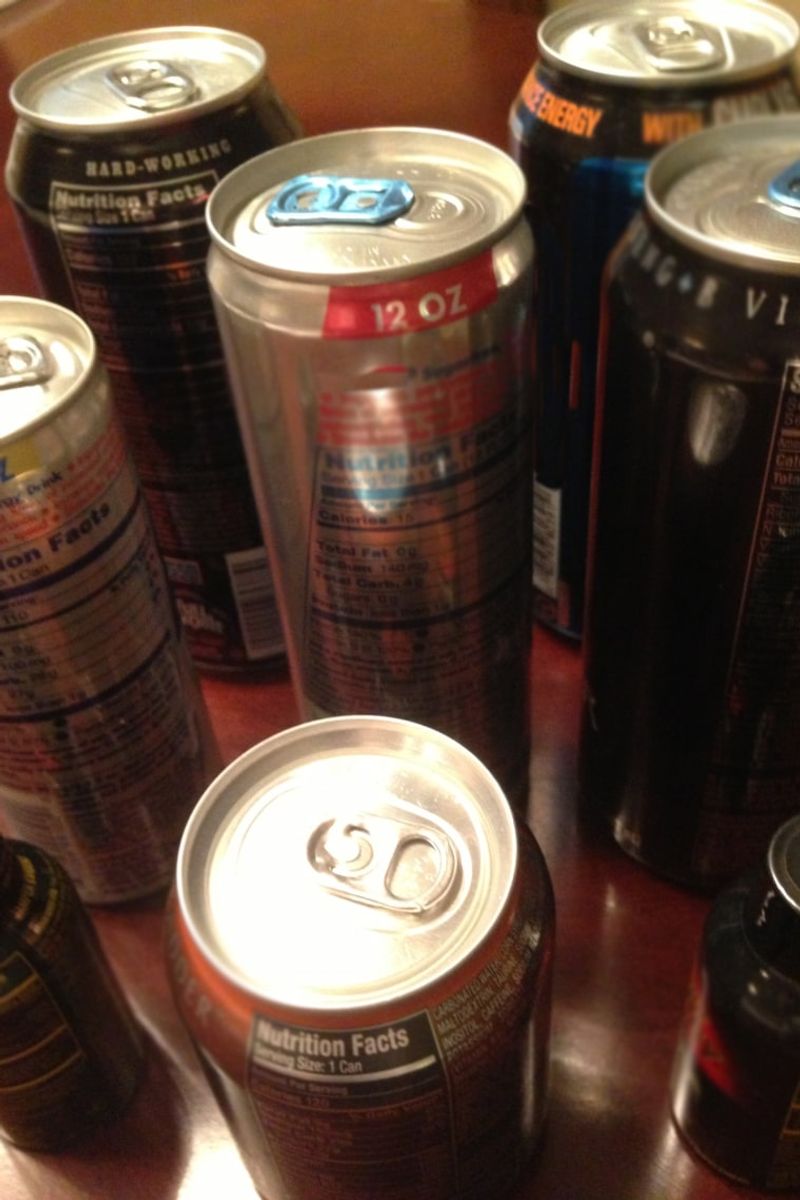
Energy drinks promise a quick boost, but what they deliver is a cocktail of caffeine, sugar, and synthetic stimulants that can seriously stress your heart. Some cans contain as much caffeine as three cups of coffee, which can cause anxiety, rapid heartbeat, and even dangerous spikes in blood pressure.
Young people are especially vulnerable to these effects. Better energy solutions include staying hydrated, getting enough sleep, and eating balanced meals throughout the day.
10. Packaged Cookies and Crackers
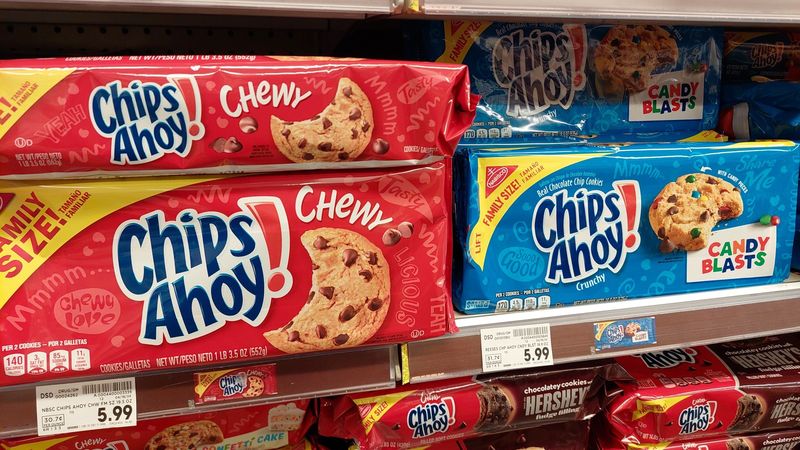
Packaged cookies and crackers are convenient, but they are typically made with refined flour, added sugars, and artificial preservatives to extend their shelf life. Many also contain palm oil or partially hydrogenated oils, which are not kind to your heart.
The combination of low fiber and high refined carbs means they digest quickly, leaving you hungry again within the hour. Snacking on nuts, seeds, or whole grain options with short ingredient lists is a smarter everyday choice.
11. Breakfast Cereals with Added Sugar
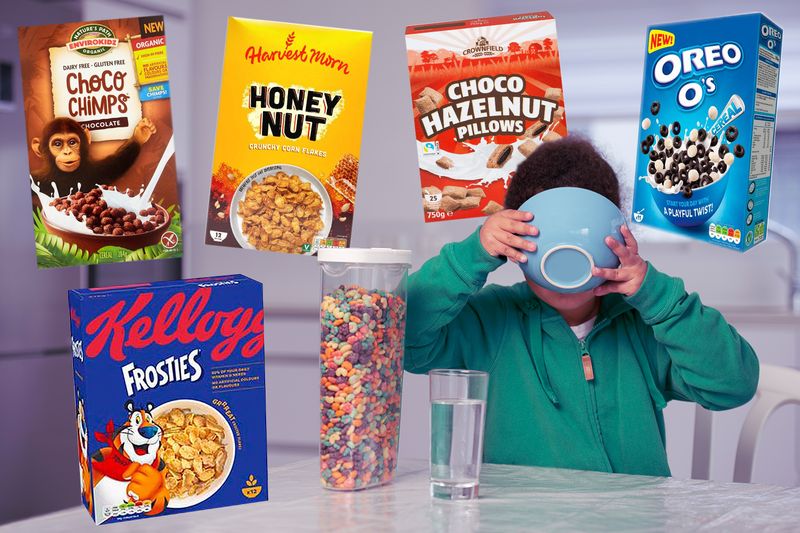
Colorful cereal boxes with cartoon mascots have been a breakfast staple for decades, but many popular cereals are closer to dessert than a nutritious morning meal. Some contain more than 12 grams of sugar per serving, and most people pour more than one serving.
Starting your day with that much sugar sets you up for a mid-morning energy crash. Oatmeal, eggs, or low-sugar whole grain cereals are far better ways to fuel your brain and body in the morning.
12. Fruit Juice
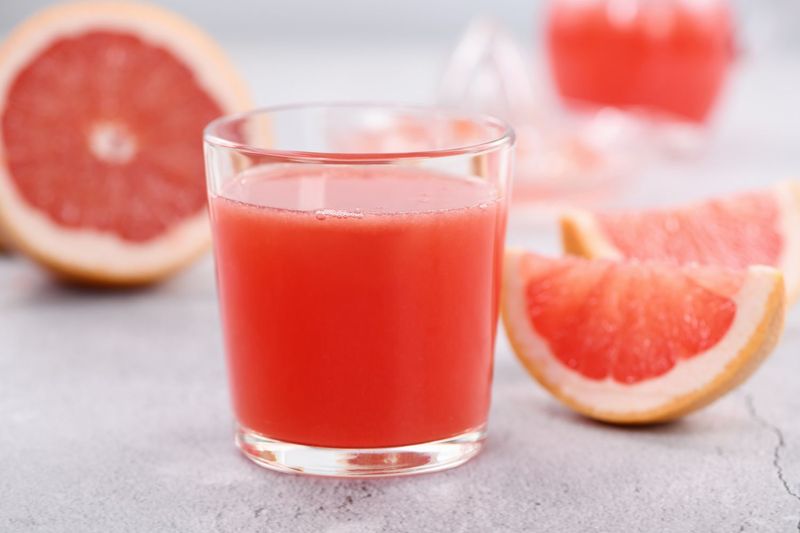
Fruit juice sounds healthy, and many people assume it counts as a serving of fruit. The reality is that most fruit juices, even 100 percent juice, contain very little fiber and a surprising amount of natural sugar concentrated into a small glass.
Without the fiber found in whole fruit, that sugar hits your bloodstream fast. Eating a whole orange or apple is always a better choice than drinking the juice, since you get the fiber and feel fuller longer.
13. Frozen Meals
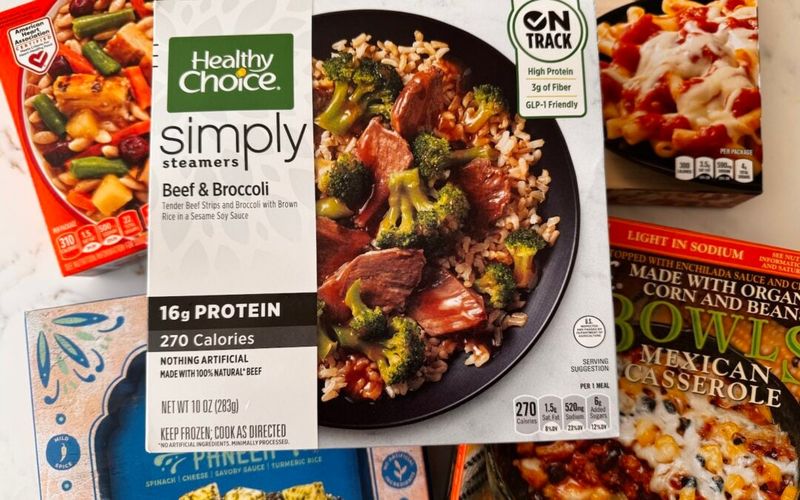
Frozen meals earn points for convenience, but most are loaded with sodium, artificial flavoring, and preservatives to keep them shelf-stable for months. A single frozen dinner can contain over 1,000 milligrams of sodium, which is nearly half of the recommended daily limit.
They are also often low in vegetables and high in refined carbohydrates. Meal prepping on weekends with fresh ingredients is a practical way to enjoy quick weeknight dinners without the hidden sodium and chemical additives.
14. Artificial Sweeteners
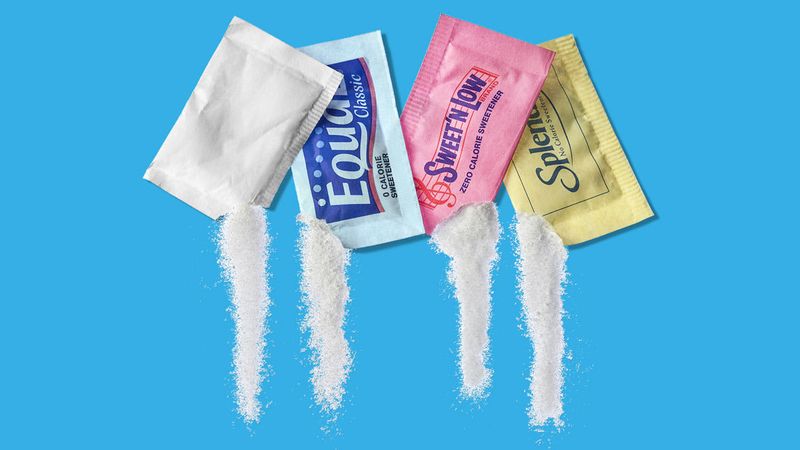
Switching from sugar to artificial sweeteners seems like a smart move, but research suggests it may not be as beneficial as once thought. Some studies have found that artificial sweeteners can alter gut bacteria and may even increase cravings for sweet foods over time.
Certain sweeteners like aspartame have also raised questions about long-term safety. Small amounts of natural sweeteners like honey or pure maple syrup, used sparingly, tend to be gentler choices for most people.
15. Alcohol
Alcohol is widely accepted socially, but its effects on the body are significant and wide-ranging. Regular drinking can damage the liver, disrupt sleep quality, raise blood pressure, and increase the risk of several types of cancer over time.
Even moderate drinking adds empty calories that contribute to weight gain without any nutritional value. Cutting back or eliminating alcohol entirely can lead to better sleep, clearer skin, improved mood, and noticeably more energy within just a few weeks.




Comments
No Comments