













Non-stick pans are a kitchen favorite because they make cooking and cleanup so much easier. But did you know that some foods can actually damage that slippery coating or turn out way worse when cooked in them?
Knowing which foods to keep out of your non-stick pan can save your cookware and even protect your health. Read on to find out which 15 foods belong in a different pan entirely.
1. Steak
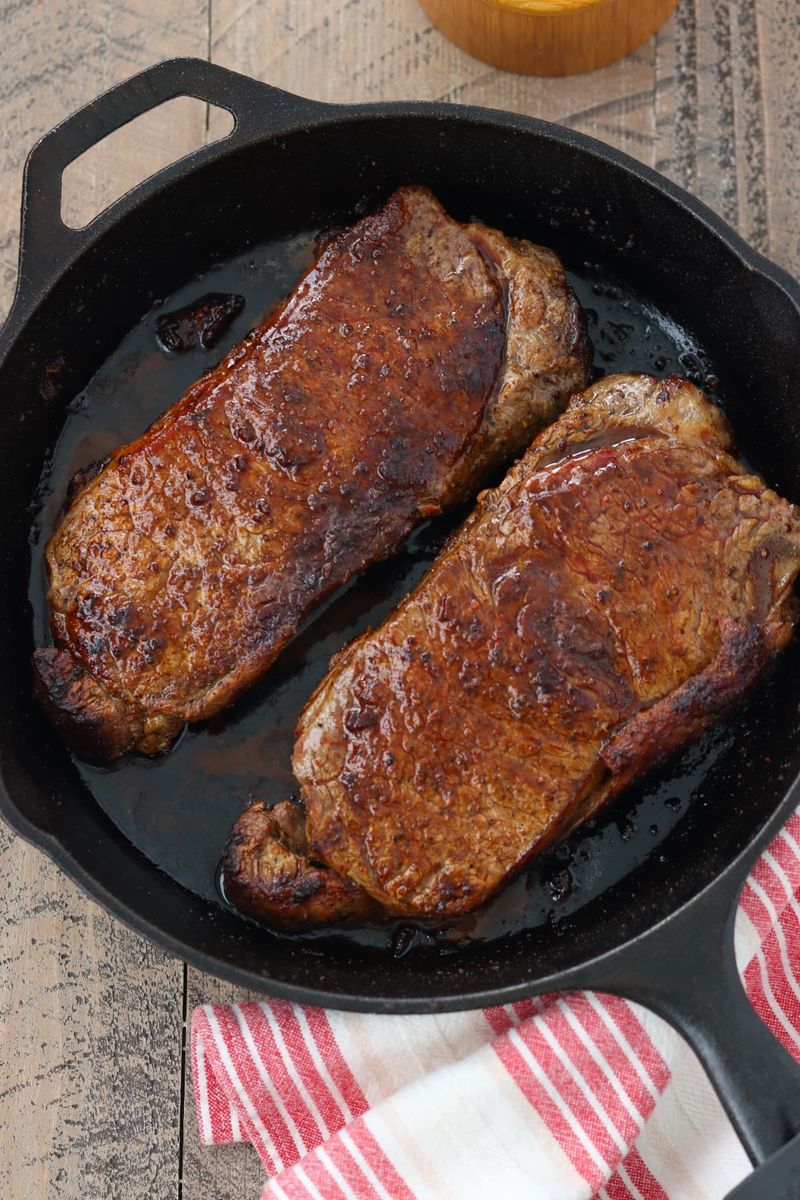
A perfectly seared steak needs serious, screaming-hot heat to build that beautiful brown crust. Non-stick pans simply cannot handle those extreme temperatures safely.
Pushing them past medium heat can cause the coating to break down and release harmful fumes.
Cast iron or stainless steel pans are the real heroes here. They hold high heat evenly and give your steak that restaurant-quality sear.
Stick with the right tool and your steak will thank you.
2. Acidic Tomato Sauce
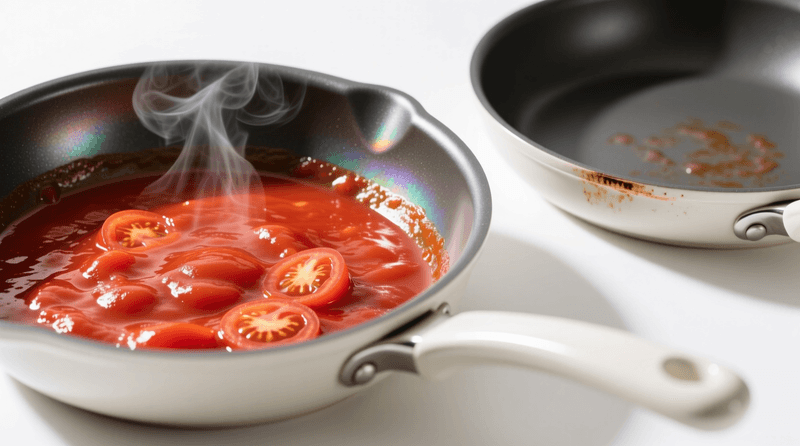
Tomatoes are wonderfully tangy, but that acidity is not so wonderful for non-stick coatings. Cooking acidic foods like tomato sauce for long periods slowly eats away at the pan's surface, weakening it over time.
Even worse, tiny bits of the coating can end up mixed right into your sauce. Stainless steel or enameled cast iron pots handle acidic recipes without any drama.
Save your non-stick pan for gentler tasks and keep your sauce pure.
3. Crispy Bacon
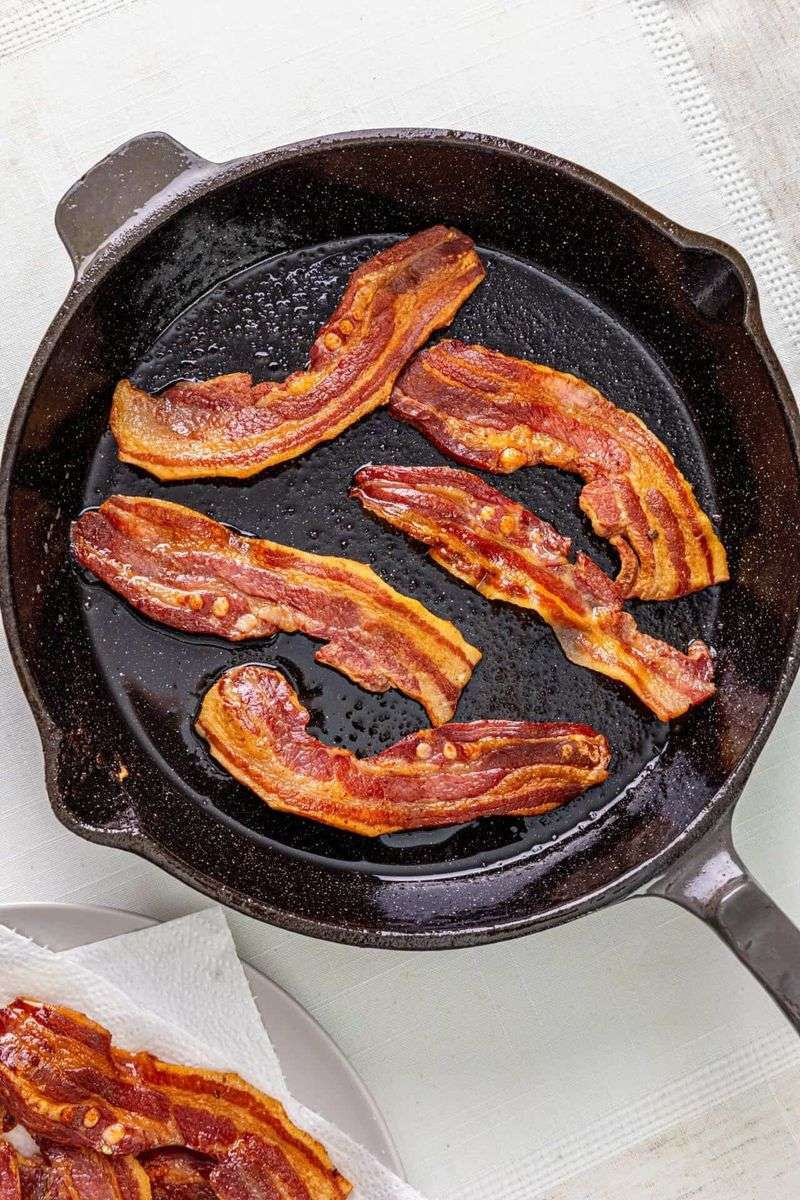
Bacon lovers know the magic happens when those strips hit a screaming-hot pan. Getting bacon truly crispy requires heat levels that push non-stick pans right to their limit.
High heat causes the non-stick coating to degrade faster, shortening your pan's life considerably. Beyond that, bacon releases a lot of fat, which can splatter and bake onto the coating in ways that are tough to clean.
A cast iron skillet makes bacon crispier and lasts practically forever.
4. Bread and Yeast Dough
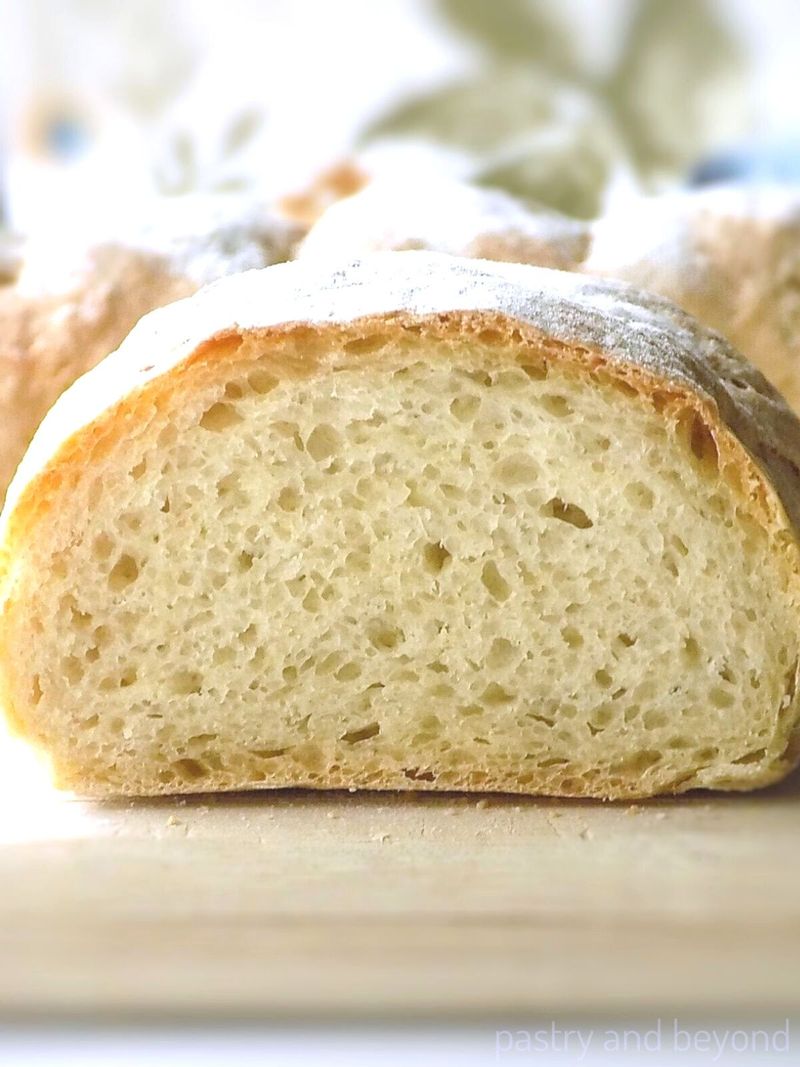
Baking bread is a labor of love, and it deserves the right vessel. Yeast doughs need sustained, even high heat to develop a thick, crackly crust on the outside while staying soft inside.
Non-stick pans do not distribute heat well enough for this job, and the high oven temperatures required can warp or damage the coating over time. A Dutch oven or a heavy baking stone will give your homemade loaf the glory it truly deserves.
5. Caramel
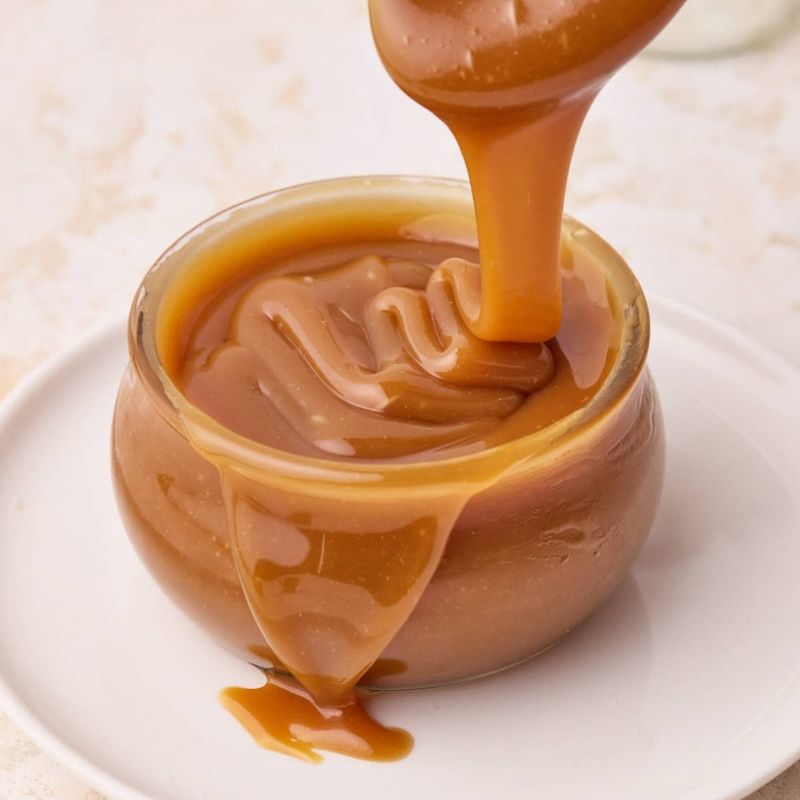
Making caramel is basically controlled chaos in a pan. Sugar needs to reach extremely high temperatures, well above 300 degrees Fahrenheit, to transform into that golden, sticky goodness.
Those temperatures are a nightmare for non-stick coatings, which can start breaking down and releasing chemicals at such heat. A heavy stainless steel or copper saucepan is the classic choice for caramel making.
It handles the heat like a champ and lets you see the color change clearly.
6. Whole Fish
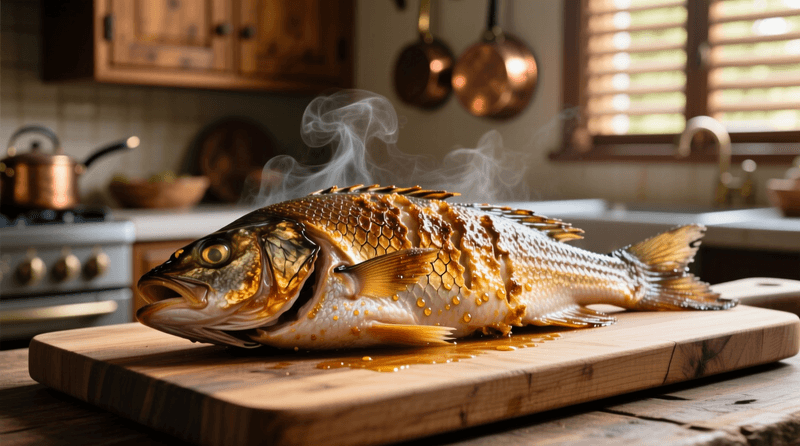
Cooking a whole fish might sound fancy, but it is actually pretty straightforward when you have the right pan. The problem with non-stick cookware is that fish skin needs intense heat to crisp up properly without sticking.
Non-stick pans at high heat risk coating damage, and the delicate surface can actually make it harder to get that satisfying crunch on the skin. A well-seasoned cast iron or stainless steel skillet gives you that golden, crispy result every time.
7. Fried Rice
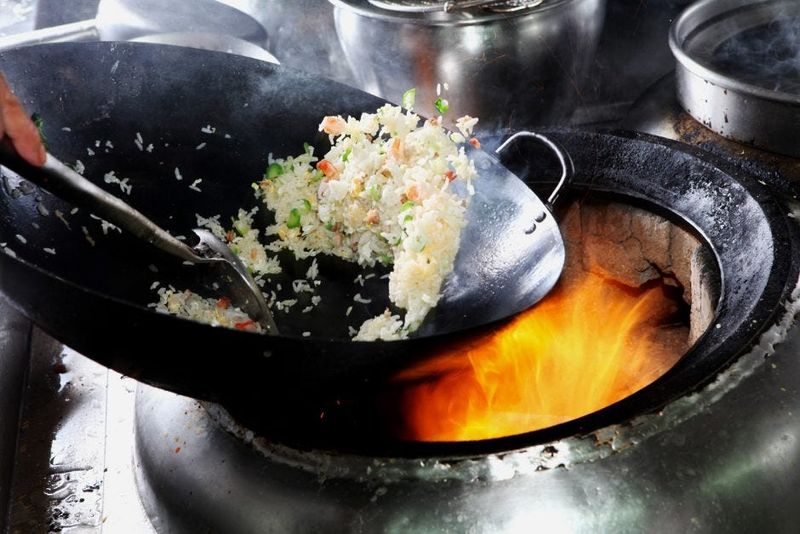
Fried rice has a secret weapon called wok hei, which is that smoky, slightly charred flavor you get from cooking rice over an extremely high flame. You simply cannot achieve that magic in a non-stick pan.
High heat is non-negotiable for proper fried rice, and non-stick pans cannot safely reach those temperatures. A carbon steel wok or a well-seasoned cast iron skillet will give your fried rice that irresistible smoky depth that makes takeout jealous.
8. Cooking Sprays
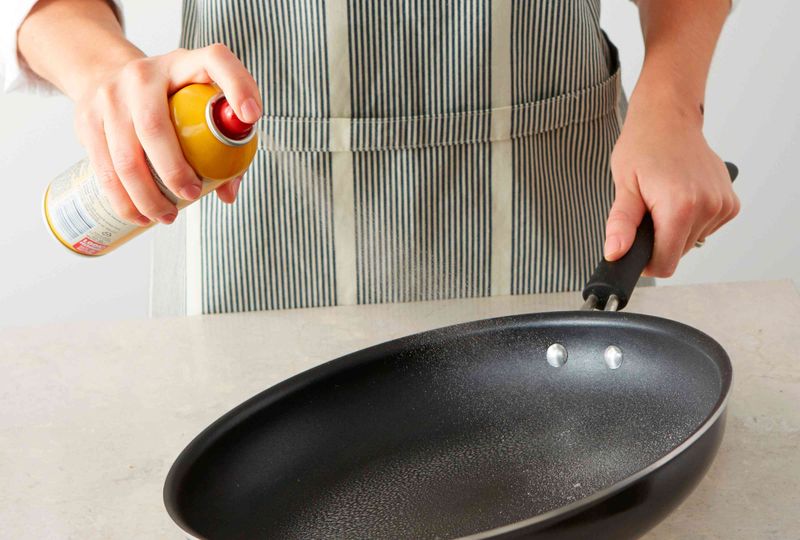
Here is a sneaky one that surprises most home cooks. Aerosol cooking sprays seem like a natural match for non-stick pans, but they are actually one of the worst things you can use on them.
The propellants and additives in cooking sprays build up on the surface over time, creating a sticky, gunky layer that is nearly impossible to remove. That buildup ruins the non-stick coating permanently.
Use a small amount of real butter or oil instead for better results.
9. Eggs with Metal Utensils
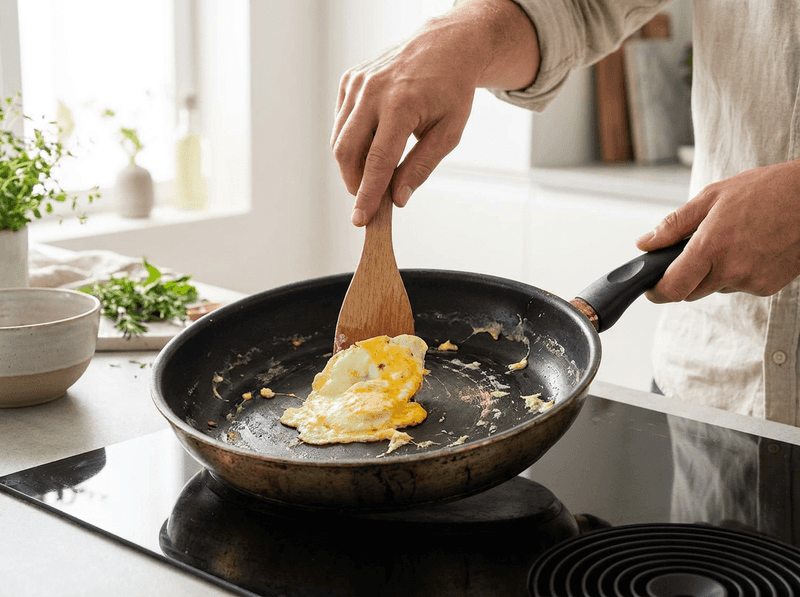
Scrambled eggs are a non-stick pan staple, but the real danger here is not the eggs themselves. It is the metal utensil you might grab without thinking that causes all the trouble.
Metal spatulas, forks, or whisks scratch through the coating quickly, releasing tiny particles into your food. Once scratched, a non-stick pan loses its effectiveness and becomes a health concern.
Always reach for silicone, wood, or plastic utensils when cooking eggs or anything else in your non-stick cookware.
10. Deep-Fried Foods
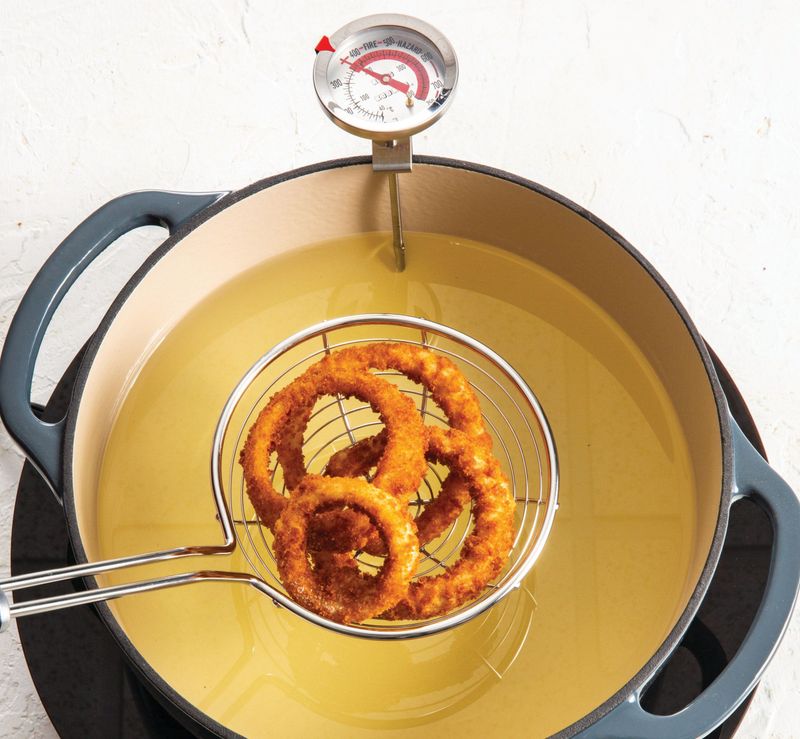
Deep frying means submerging food in oil heated to around 350 to 375 degrees Fahrenheit. That is already pushing the upper limit of what most non-stick pans can safely handle.
Beyond the temperature issue, filling a non-stick pan with a large volume of hot oil is genuinely dangerous. The coating can degrade, and if the pan warps from uneven heat, hot oil could spill.
A heavy Dutch oven or a dedicated deep fryer is the safe, smart choice for frying.
11. Bone-In Chicken
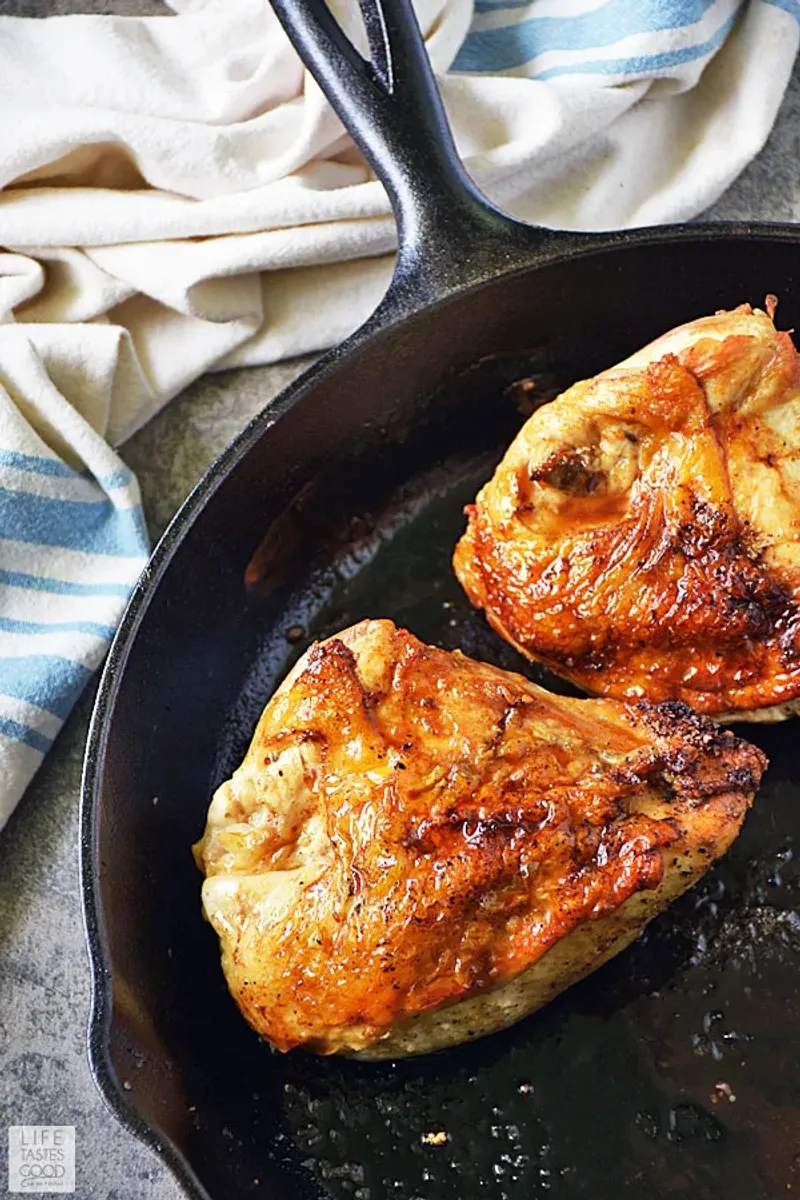
Bone-in chicken pieces need a solid, extended sear to build flavor and then usually finish in a hot oven. That combination of stovetop searing and oven time is exactly where non-stick pans struggle most.
Most non-stick pans are not oven-safe above 400 degrees Fahrenheit, and some cannot handle oven use at all. The bones also make it awkward to get an even sear.
Cast iron moves seamlessly from stovetop to oven, making it the undisputed champion for bone-in chicken.
12. Deglazing Liquids
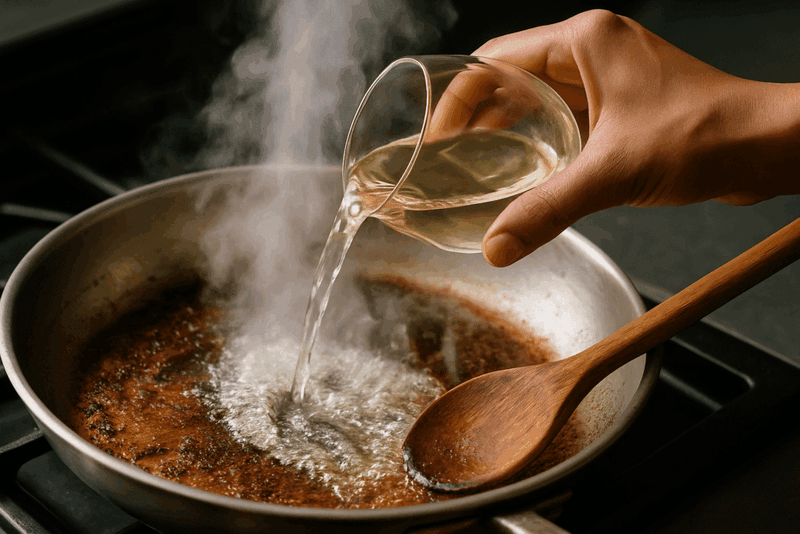
Deglazing is a technique where you pour liquid like wine, broth, or vinegar into a hot pan to lift up all those flavorful browned bits stuck to the bottom. It creates incredible sauces in seconds.
The problem is that non-stick pans do not develop those browned bits the same way, so deglazing them is mostly pointless. Worse, the sudden temperature shock from cold liquid hitting a hot non-stick surface can warp the pan.
Stainless steel is built for this technique.
13. Broiled Foods
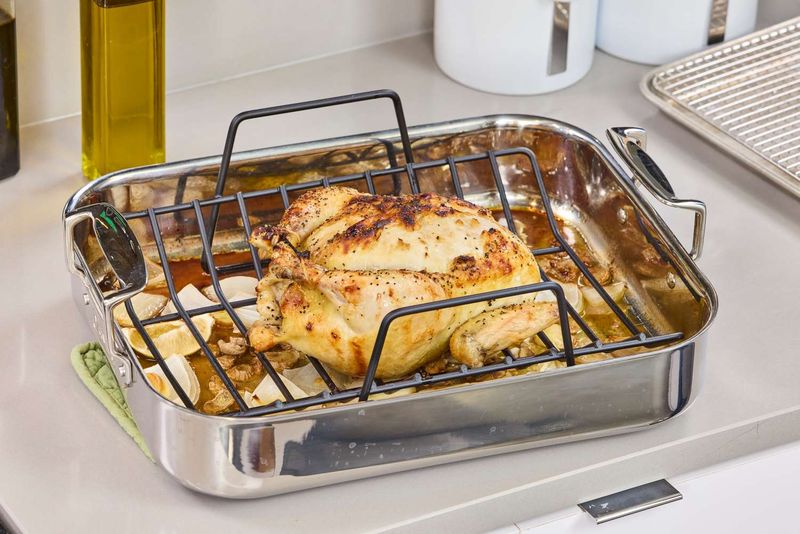
Broiling uses direct, intense heat from above to quickly brown and caramelize the surface of food. It is fast, dramatic, and absolutely delicious when done right.
Non-stick pans and broilers are a dangerous combination. Broiler temperatures can soar above 500 degrees Fahrenheit, which is far beyond what most non-stick coatings can safely endure.
The coating can bubble, flake, or release toxic fumes at those extremes. A heavy stainless steel pan or a cast iron skillet handles broiling without breaking a sweat.
14. Sugar-Based Glazes
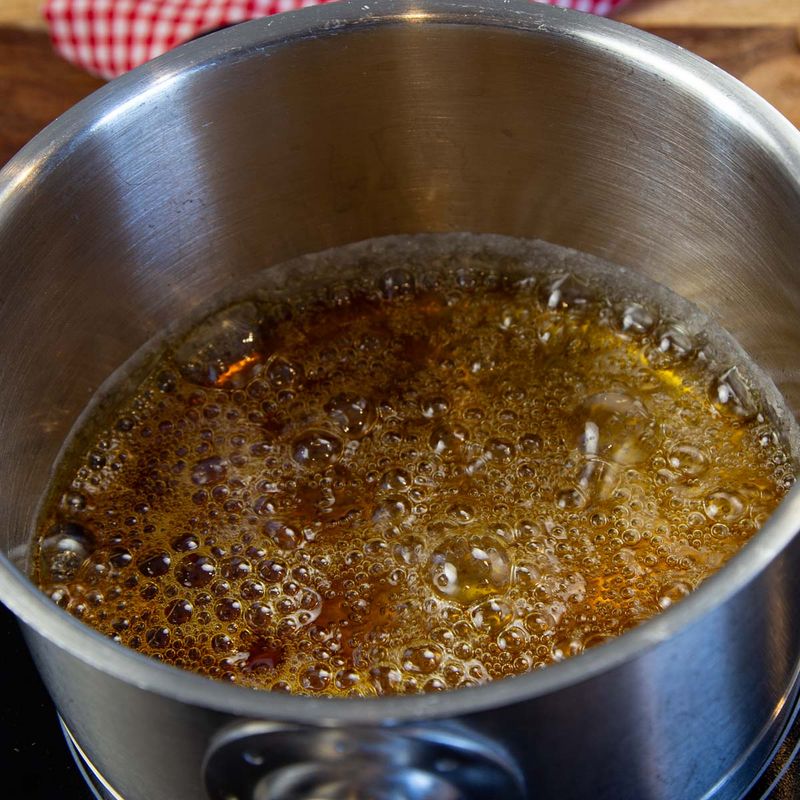
Sweet glazes made from honey, maple syrup, or brown sugar are absolutely mouthwatering, but they require high heat to caramelize properly. That sticky, bubbling sugar clings to everything and can burn fast.
In a non-stick pan, sugar glazes can damage the coating as they reach high temperatures, and cleaning up the burnt, sticky mess often means scrubbing harder than the coating can handle. A stainless steel or cast iron pan lets you glaze boldly without worrying about ruining your cookware.
15. Hard Cheeses
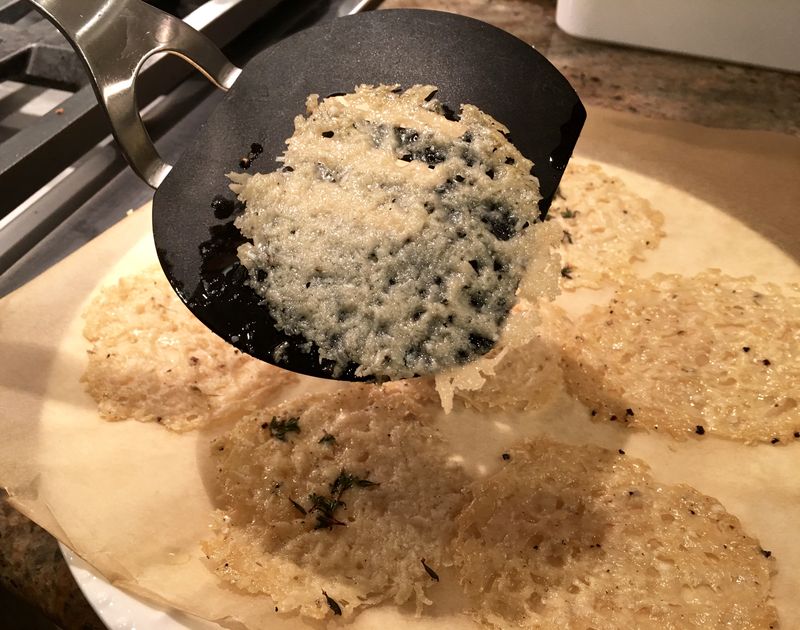
Crisping hard cheeses like parmesan directly in a pan to make frico or cheese crisps is a trendy, irresistible snack technique. The cheese needs very high heat to melt, bubble, and turn golden without burning.
Non-stick pans make it weirdly hard to achieve that perfect crispiness because they do not get hot enough evenly. The melted cheese can also bond with a damaged coating and pull bits of it away.
A dry stainless steel pan gives you flawless, lacy cheese crisps every single time.
Comments
No Comments