













Your joints work hard every single day, helping you walk, bend, reach, and move through life. Over time, they can become stiff, sore, or inflamed, especially as we get older.
The good news is that what you eat can make a real difference in how your joints feel. Certain foods are packed with nutrients that fight inflammation, strengthen cartilage, and keep joints moving smoothly.
1. Fatty Fish

Salmon, mackerel, and sardines are not just delicious — they are powerhouses for your joints. These fish are loaded with omega-3 fatty acids, which are well-known for reducing inflammation in the body.
Less inflammation means less joint pain and stiffness, especially for people with arthritis.
Aim to eat fatty fish at least twice a week. Even canned sardines or tuna count.
Your joints will thank you for making this simple swap.
2. Blueberries

Tiny but mighty, blueberries pack a serious punch when it comes to joint protection. They are bursting with antioxidants called anthocyanins, which give them their deep blue color and help fight inflammation throughout the body.
Some studies suggest these compounds may even slow cartilage damage.
Tossing a handful into yogurt, oatmeal, or a smoothie is an easy daily habit. Fresh or frozen, blueberries deliver the same great benefits for your joints.
3. Broccoli
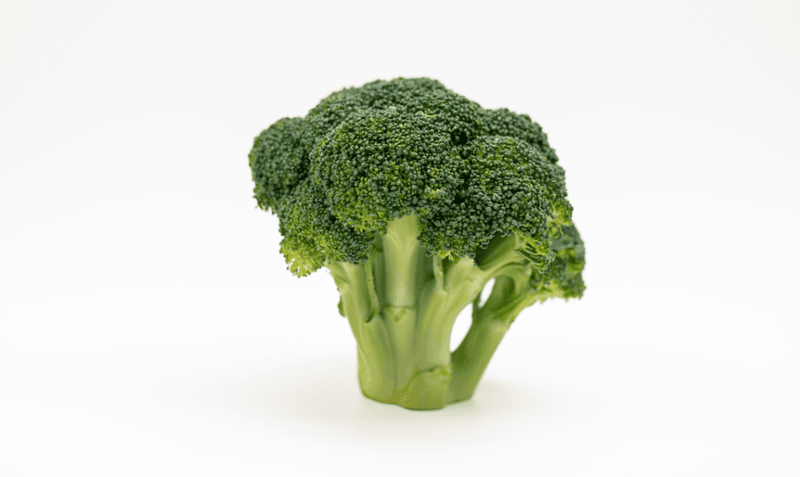
Broccoli contains a compound called sulforaphane, which researchers believe may slow the breakdown of cartilage in joints. That makes it one of the most underrated vegetables for joint health.
It is also rich in vitamin C, which helps the body build collagen — a key protein in healthy cartilage.
Steaming broccoli keeps more of its nutrients intact compared to boiling. Add it to stir-fries, pasta, or eat it with a simple dip for a crunchy, joint-friendly snack.
4. Walnuts
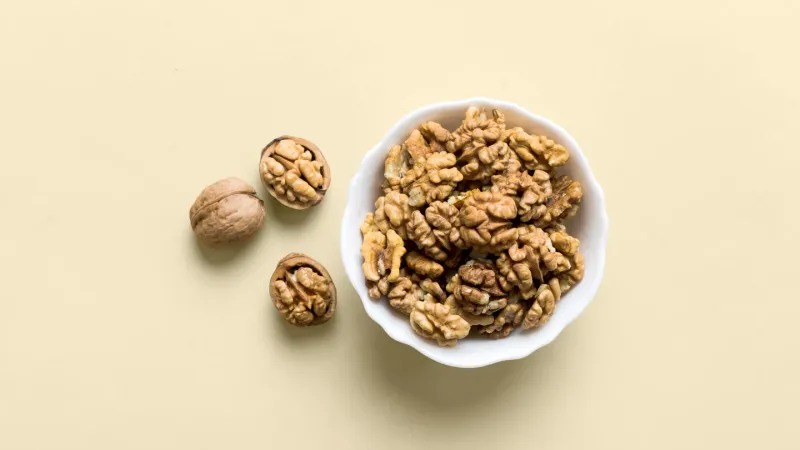
Of all the nuts you can snack on, walnuts stand out for joint health. They contain more omega-3 fatty acids than any other nut, making them a plant-based way to fight inflammation without eating fish.
They also provide magnesium, which supports bone strength around your joints.
A small handful of walnuts makes a satisfying afternoon snack. Sprinkle them over salads or mix them into oatmeal to get their benefits without much effort at all.
5. Turmeric

Turmeric has been used in traditional medicine for thousands of years, and modern science is finally catching up. Its active ingredient, curcumin, is a powerful anti-inflammatory compound that may reduce joint pain almost as effectively as some over-the-counter medications.
That is a bold claim backed by growing research.
Add turmeric to soups, rice, or golden milk. Pairing it with black pepper boosts absorption significantly, so your body gets more of its joint-soothing benefits with every serving.
6. Spinach
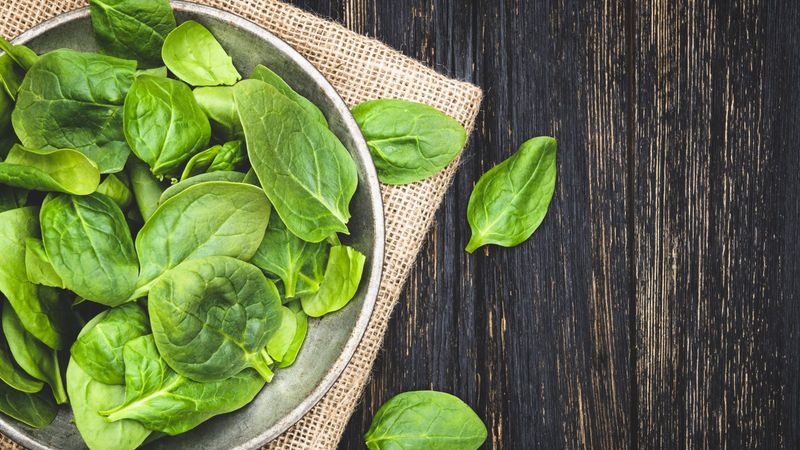
Popeye was onto something. Spinach is loaded with vitamins K and C, both of which play important roles in keeping joints and bones healthy.
Vitamin K helps regulate calcium in the bones, while vitamin C supports collagen production that cushions your joints during movement.
Raw spinach in a salad is great, but lightly sauteed spinach is even easier for your body to absorb. Either way, making it a regular part of meals gives your joints steady nutritional support.
7. Olive Oil
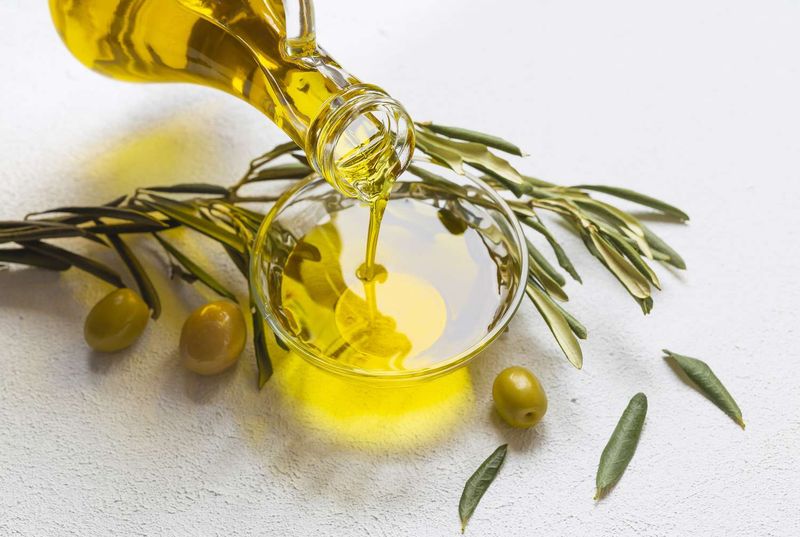
Extra virgin olive oil contains a natural compound called oleocanthal, which works similarly to ibuprofen by blocking inflammatory pathways in the body. Studies have linked regular olive oil consumption to lower rates of rheumatoid arthritis.
That is pretty impressive for something you probably already have in your kitchen.
Use it as your go-to cooking oil or drizzle it over roasted vegetables and salads. Just two tablespoons a day can contribute meaningfully to reduced inflammation and better joint comfort.
8. Ginger

Ginger has a spicy, warming flavor that does more than just taste good. It contains gingerols and shogaols, natural compounds that block certain chemicals in the body responsible for causing inflammation and joint pain.
Some studies show it can reduce knee pain in people with osteoarthritis.
Fresh ginger works well grated into stir-fries, soups, or smoothies. Ginger tea is another easy option.
Even small amounts used regularly can add up to noticeable relief over time.
9. Cherries

Tart cherries have earned a loyal following among athletes and arthritis patients alike. Research shows that tart cherry juice can significantly reduce inflammation markers in the body and even lower uric acid levels, which is especially helpful for people who suffer from gout — a painful type of joint disease.
You can enjoy tart cherries fresh, frozen, or as 100% juice. Even sweet cherries offer antioxidants that support joint health, so either variety is a smart addition to your diet.
10. Green Tea

Sipping green tea is one of the most relaxing things you can do for your joints. It is rich in polyphenols, especially a compound called EGCG, which has been shown to reduce cartilage destruction and inflammation in joint tissue.
Regular green tea drinkers tend to show lower rates of arthritis over time.
Two to three cups a day is a reasonable goal. Choose high-quality loose-leaf or bagged green tea without added sugars to get the cleanest benefits for your joints.
11. Garlic
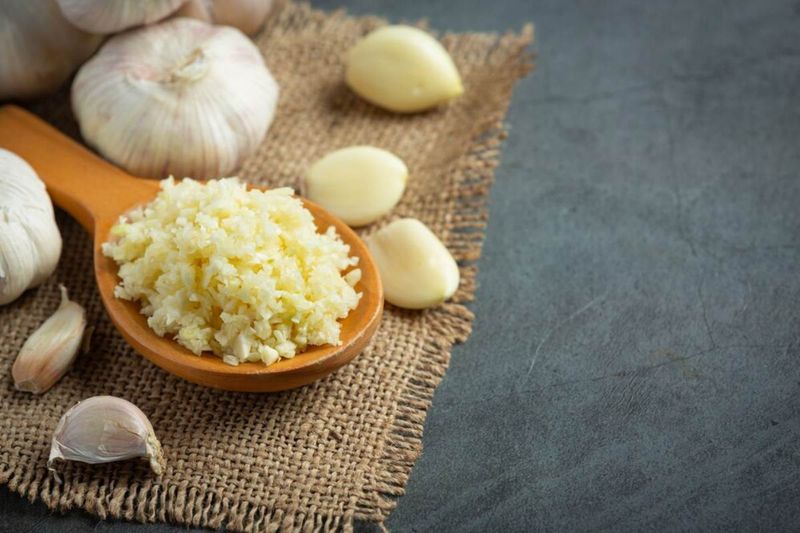
Garlic does more than flavor your food beautifully. It contains a sulfur compound called diallyl disulfide, which may help limit the enzymes that damage cartilage in joints.
Research on twins found that those who ate more garlic had significantly less signs of early hip osteoarthritis than those who ate little of it.
Roasting garlic mellows its flavor while keeping its beneficial compounds mostly intact. Raw garlic, minced into dressings or sauces, delivers the strongest dose of joint-protective nutrients per clove.
12. Oranges

Vitamin C is one of the most important nutrients for joint health, and oranges are one of the best natural sources of it. The body uses vitamin C to produce collagen, the protein that forms the cushioning cartilage between your bones.
Without enough of it, joints can become stiff and more vulnerable to damage.
One medium orange a day covers most adults' vitamin C needs. Grapefruit, kiwi, and bell peppers are other great options if you want to mix things up a bit.
13. Beans and Lentils

Here is something surprising — beans and lentils are among the best plant-based foods for joint health. They are high in fiber, which helps lower C-reactive protein, a key marker of inflammation in the blood.
They also provide zinc, folate, and magnesium, all of which support healthy bone and joint function.
Black beans, chickpeas, and red lentils are all excellent choices. Adding them to soups, salads, or grain bowls a few times a week is an affordable and filling strategy for reducing joint inflammation.
14. Avocado

Avocados are creamy, satisfying, and surprisingly good for your joints. They are rich in healthy monounsaturated fats and vitamin E, both of which have anti-inflammatory properties.
Vitamin E in particular has been linked to lower risk of joint damage and may help protect cartilage from oxidative stress over time.
Spread avocado on toast, slice it into salads, or blend it into smoothies for a velvety texture. Even half an avocado several times a week delivers meaningful benefits for joint comfort.
15. Dairy or Fortified Alternatives

Strong bones support healthy joints, and calcium is one of the most critical nutrients for keeping bones dense and sturdy. Low-fat dairy products like yogurt, milk, and cheese are excellent calcium sources.
They also provide vitamin D, which helps the body actually absorb and use that calcium effectively.
Not a dairy fan? Fortified plant milks made from almonds, oats, or soy deliver similar amounts of calcium and vitamin D.
Check the label to make sure the product is genuinely fortified before buying.




Comments
No Comments