













Citrus fruits are some of nature's most powerful helpers when it comes to keeping your body healthy and strong. Packed with vitamin C, antioxidants, and other nutrients, these bright and zesty fruits can give your immune system the boost it needs to fight off colds and infections.
From sweet oranges to tangy grapefruits, there is a citrus fruit out there for every taste. Get ready to discover 15 amazing citrus fruits that are as delicious as they are good for you.
1. Navel Orange
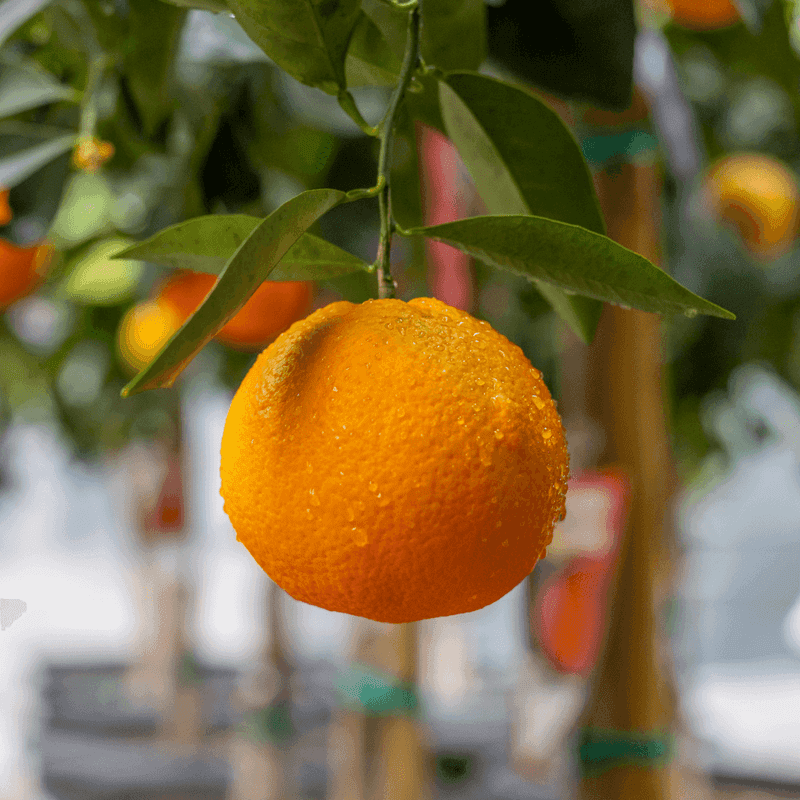
Everyone's favorite lunchbox staple, the navel orange is a vitamin C powerhouse wrapped in easy-to-peel skin. Just one medium navel orange delivers over 80 milligrams of vitamin C, which is more than your daily recommended amount.
Beyond immunity, it also provides folate and potassium to keep your heart happy. Snack on slices, squeeze fresh juice, or toss segments into a salad for a sweet, refreshing immunity boost any time of day.
2. Pink Grapefruit
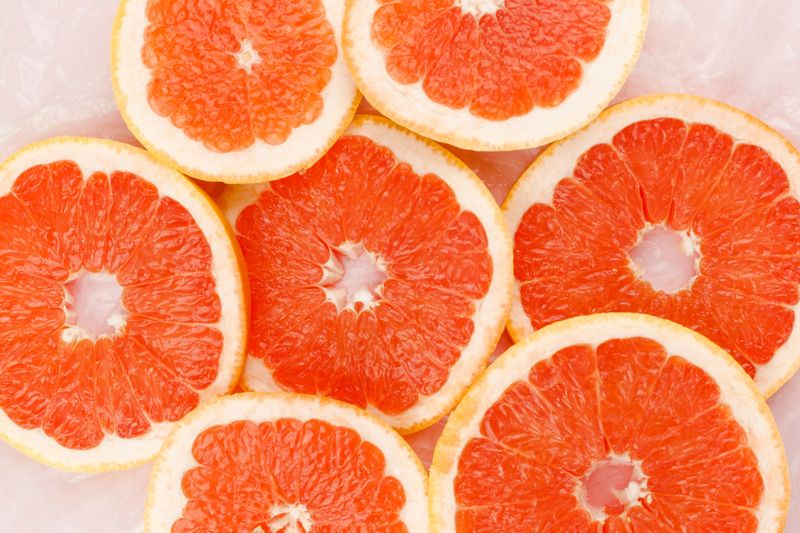
Pink grapefruit carries a bold, slightly bitter flavor that serious citrus lovers absolutely adore. Its rosy flesh gets that gorgeous color from lycopene, an antioxidant linked to reducing inflammation and protecting your cells.
Rich in vitamins A and C, pink grapefruit supports your immune defenses while also promoting healthy skin. Sprinkle a little honey on top to balance the tartness, and enjoy it as a refreshing morning ritual that genuinely sets a healthy tone for your whole day.
3. Meyer Lemon
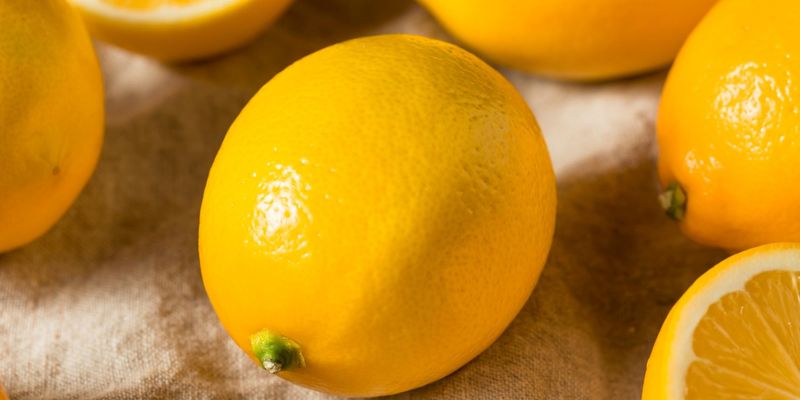
Sweeter and less acidic than regular lemons, Meyer lemons are a delightful hybrid of a lemon and a mandarin orange. Their thin, fragrant skin is edible and loaded with flavonoids that help regulate your immune response.
Squeeze Meyer lemon juice into warm water each morning for a gentle detox ritual that also delivers a solid vitamin C hit. Baking, salad dressings, and marinades all benefit from their floral, mellow citrus flavor that feels almost like sunshine in every bite.
4. Clementine
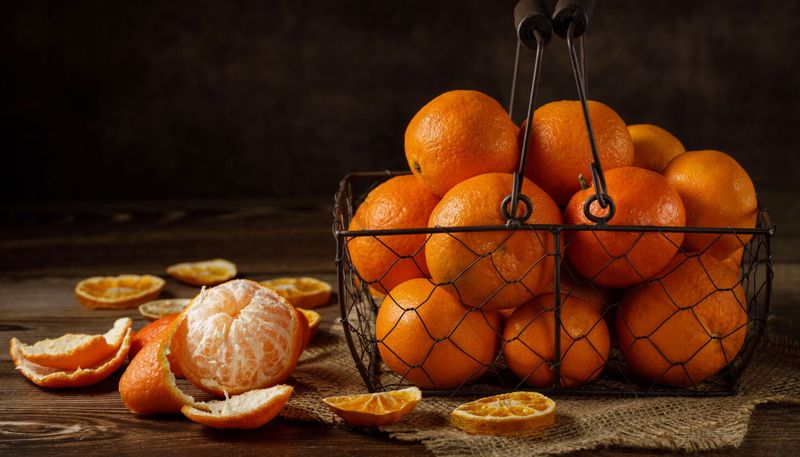
Tiny but mighty, clementines are the snack-sized citrus fruit that kids and adults reach for again and again. They peel effortlessly in seconds, making them the most convenient immune-boosting snack you can carry anywhere.
Each little fruit is seedless, sweet, and bursting with vitamin C and folate. Did you know clementines are actually a hybrid of a sweet orange and a mandarin?
Pop a few segments before school or after a workout to keep your defenses strong and your energy up.
5. Blood Orange
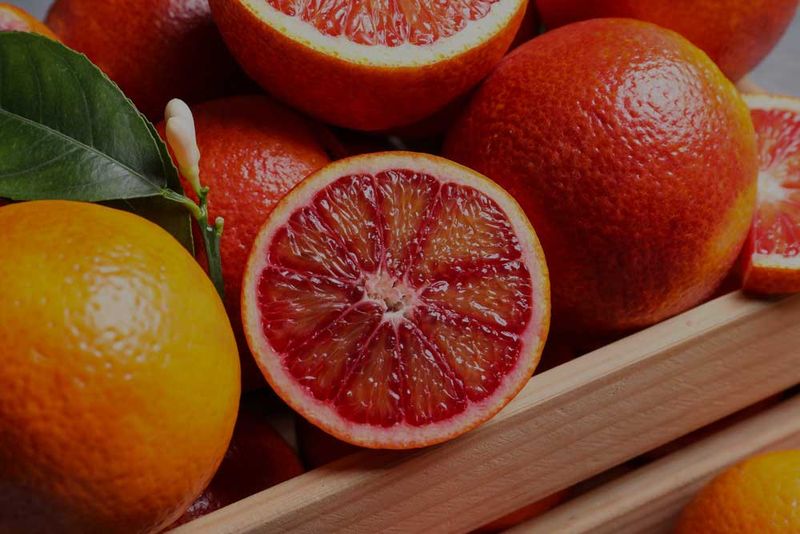
Few citrus fruits are as visually dramatic as the blood orange, with its ruby-red flesh that looks almost too beautiful to eat. That stunning color comes from anthocyanins, powerful antioxidants rarely found in other citrus varieties.
These compounds fight free radicals and reduce inflammation, giving your immune system serious backup. Blood oranges taste like a mix of raspberry and orange, making them exciting in fresh juices, sorbets, or salads.
Their high vitamin C content only adds to their impressive health credentials.
6. Kumquat
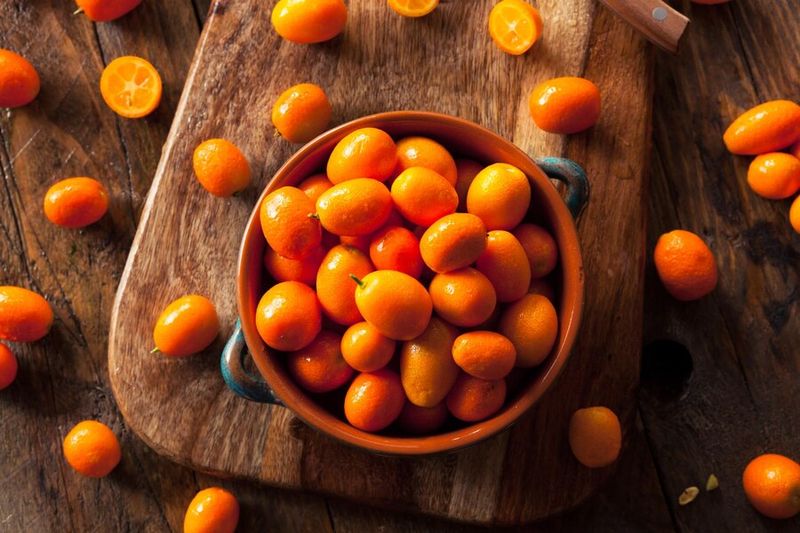
Here is a citrus fruit with a twist: you eat the whole kumquat, skin and all. The peel is sweet while the flesh is tart, creating a flavor combo that surprises first-time tasters in the best possible way.
Kumquats are packed with vitamin C, fiber, and essential oils that support respiratory health and immunity. Because the skin is edible, you also get a concentrated dose of flavonoids with every bite.
Toss them into fruit salads or enjoy them straight off the branch for a fun, bite-sized health boost.
7. Mandarin Orange
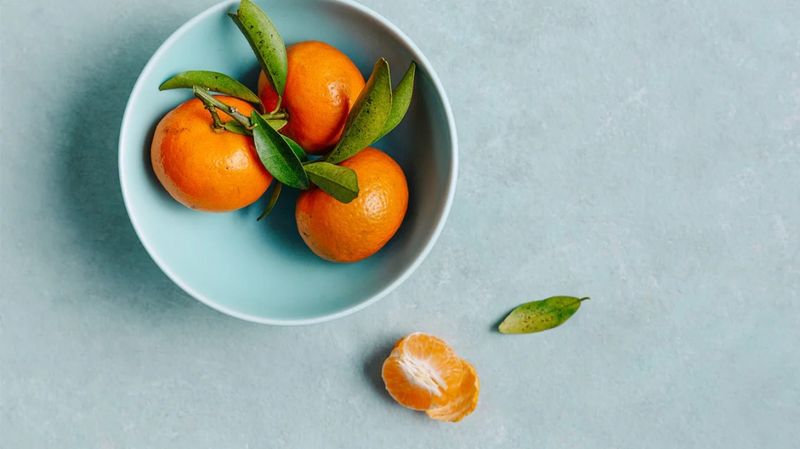
Mandarin oranges have been celebrated in Asian cultures for centuries as symbols of luck, prosperity, and good health. Their naturally sweet flavor and easy-to-separate segments make them one of the most approachable citrus fruits around.
Rich in vitamin C and beta-carotene, mandarins support both your immune system and your eyesight. They also contain synephrine, a natural compound that may help reduce stress on the body.
Enjoy them fresh, add them to stir-fries, or blend them into a smoothie for a cheerful, citrusy health upgrade.
8. Yuzu
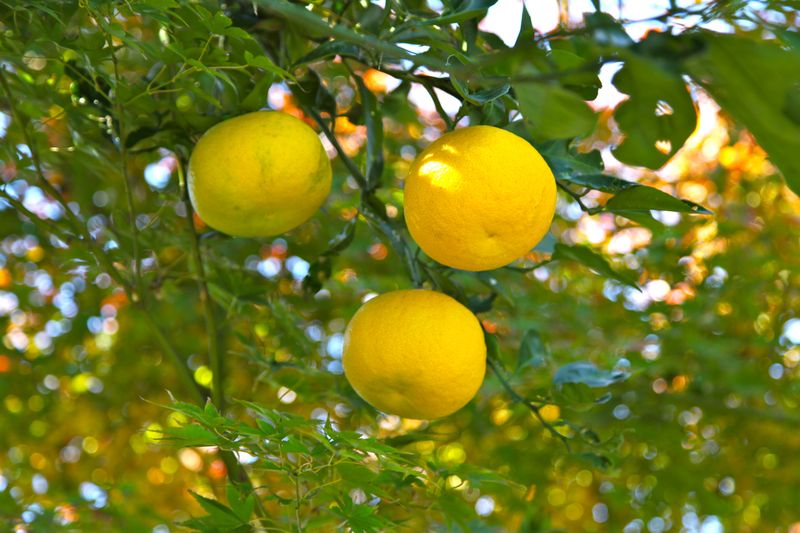
Yuzu is the citrus superstar of Japanese cuisine, treasured for its intensely aromatic zest and complex flavor that blends lemon, grapefruit, and mandarin all at once. Even a tiny amount of yuzu zest transforms a dish with its unmistakable fragrance.
Nutritionally, yuzu is exceptionally rich in vitamin C and contains hesperidin, a flavonoid known for its anti-inflammatory properties. It is widely used in teas, dressings, and desserts.
Adding yuzu to your diet is a flavorful, exotic way to strengthen your immune system.
9. Pomelo
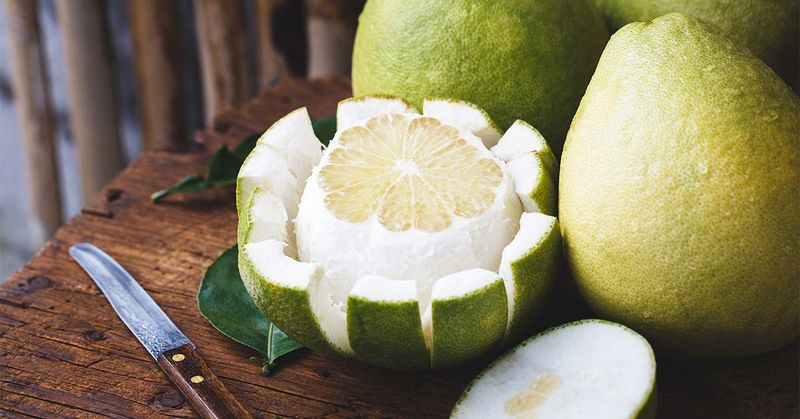
The pomelo is the granddaddy of the citrus family, the largest naturally occurring citrus fruit on earth. Its flavor is milder and less acidic than grapefruit, with a gentle sweetness that makes it easy to enjoy in large amounts.
Pomelos are an excellent source of vitamin C, potassium, and B vitamins, all of which contribute to a well-functioning immune system. Peeling one is a bit of an adventure because of the thick rind, but the reward is absolutely worth it.
Try adding pomelo segments to a Thai-style salad for something truly special.
10. Key Lime
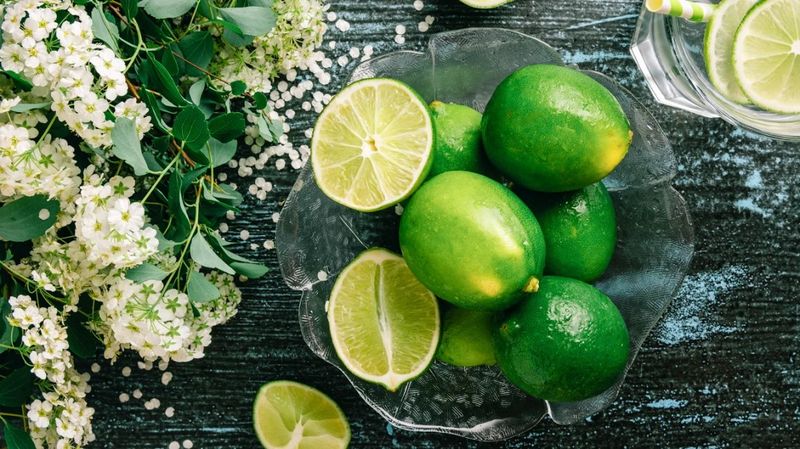
Key limes are smaller, rounder, and more aromatic than the standard Persian limes you see in most grocery stores. Famous for their starring role in Key lime pie, these little citrus gems pack a surprisingly intense punch of flavor and nutrition.
Their juice is loaded with vitamin C and antioxidants that help your body fend off illness. Key lime juice also stimulates digestion and supports liver function, giving your whole system a refresh.
Squeeze some into sparkling water for an effortlessly healthy, tangy drink.
11. Calamansi
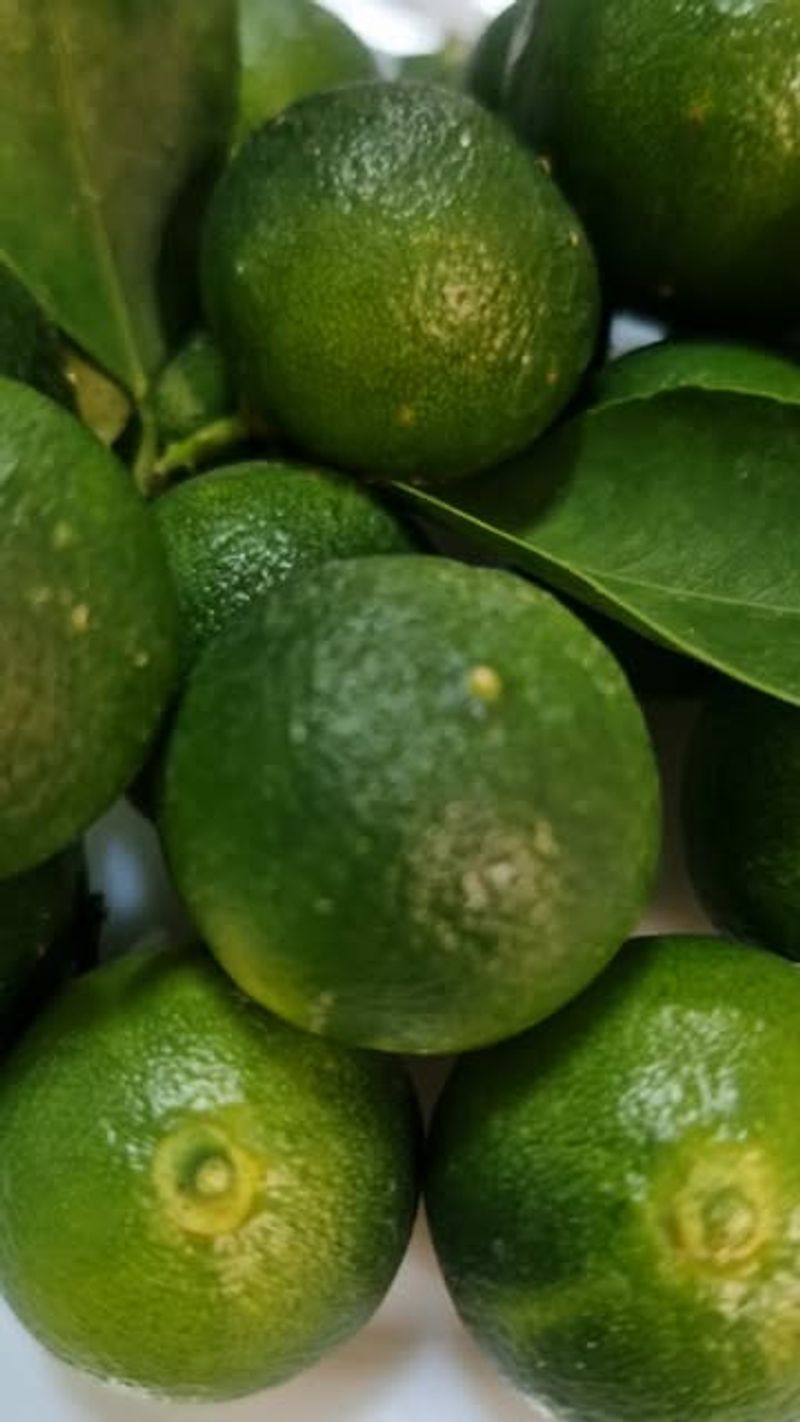
Popular across Southeast Asia and the Philippines, calamansi is a small but fiercely nutritious citrus fruit that punches well above its weight. Its juice is sharply sour with a floral undertone, making it a beloved ingredient in marinades, dipping sauces, and refreshing drinks.
Calamansi is loaded with vitamin C and antioxidants that actively support immune function and skin health. A warm glass of calamansi juice with honey is a traditional home remedy for sore throats and colds.
It is a tiny fruit with enormous benefits worth knowing about.
12. Bergamot Orange
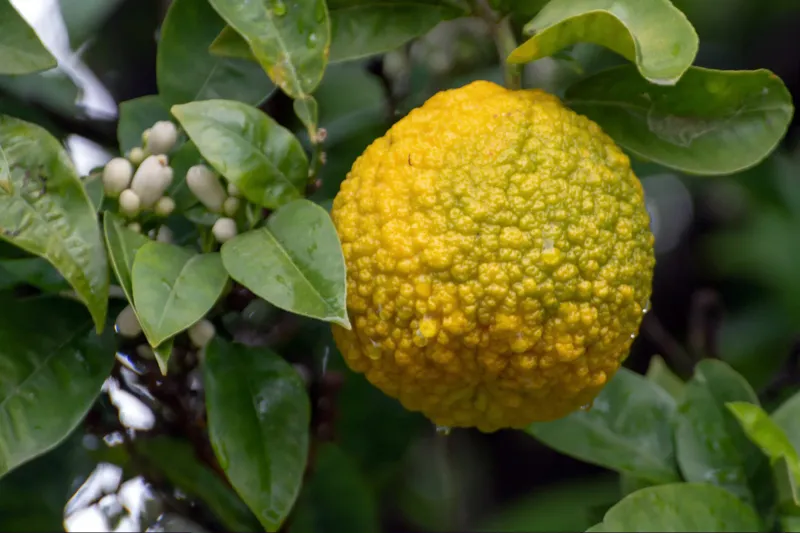
Most people encounter bergamot without realizing it because this distinctive citrus fruit is what gives Earl Grey tea its signature floral, perfumed aroma. Grown primarily in Calabria, Italy, bergamot oranges are rarely eaten fresh but their zest and juice are used widely in food, beverages, and aromatherapy.
Bergamot is rich in flavonoids and polyphenols that support cardiovascular health and immune function. Research suggests bergamot extract may also help lower cholesterol.
Sipping Earl Grey tea is actually a surprisingly pleasant way to work this unique citrus into your wellness routine.
13. Ugli Fruit
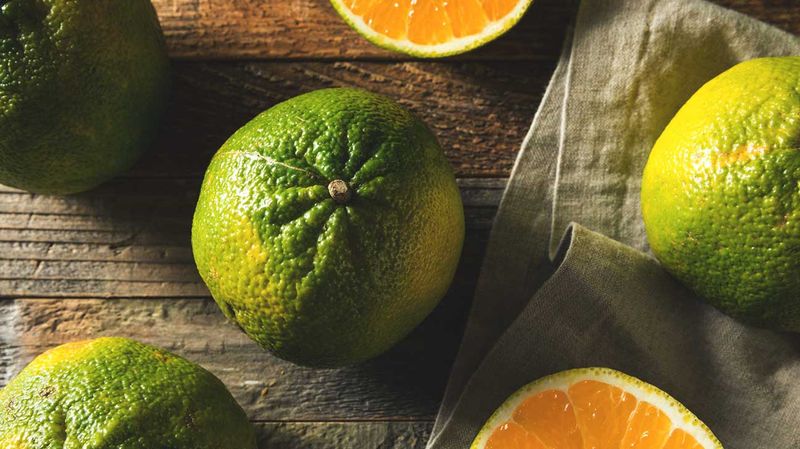
Do not let the name fool you because ugli fruit is one of the most deliciously juicy citrus varieties you will ever taste. This Jamaican hybrid of grapefruit, orange, and tangerine has a lumpy, unattractive exterior that hides incredibly sweet, tender flesh inside.
Ugli fruit is rich in vitamin C and contains naringenin, a flavonoid with notable anti-inflammatory and immune-supporting properties. Its lower acidity compared to grapefruit makes it easier on sensitive stomachs.
Scoop out the segments with a spoon and enjoy one of citrus history's most underrated treasures.
14. Finger Lime

Finger limes are unlike anything else in the citrus world, shaped like small green cylinders and filled with tiny, pearl-like juice vesicles that pop in your mouth like citrus caviar. Native to Australia, they have become a prized ingredient among top chefs worldwide.
Beyond their jaw-dropping appearance, finger limes are rich in vitamin C, folate, and potassium, nutrients essential for a strong immune response. Their unique texture makes them perfect as a garnish on fish, oysters, or even avocado toast.
Eating well has never looked this extraordinary.
15. Satsuma Mandarin
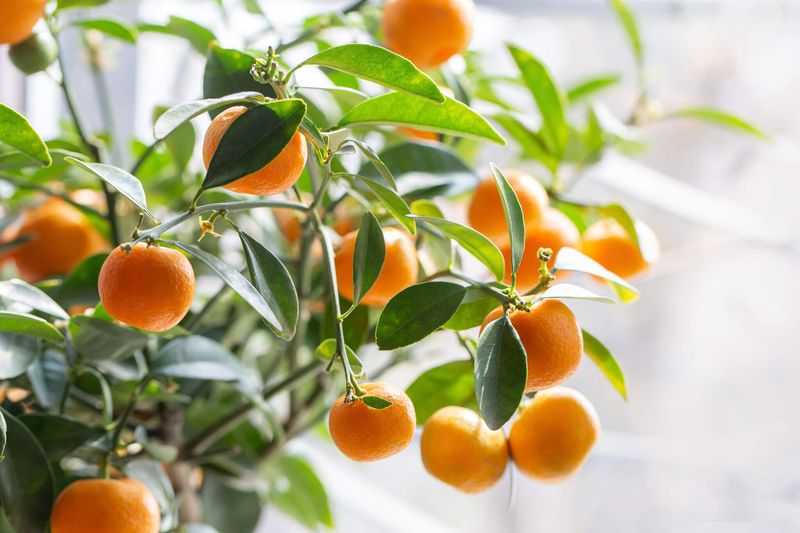
Originally from Japan, the satsuma mandarin is beloved for its exceptionally sweet flavor, seedless segments, and paper-thin skin that practically peels itself. Cold-hardy and harvested in late autumn, satsumas arrive just in time for cold and flu season, which makes their immune-boosting properties especially well-timed.
Packed with vitamin C, nobiletin, and other citrus flavonoids, satsumas actively help reduce inflammation and support white blood cell production. Keep a bowl on the kitchen counter as a grab-and-go snack, and your immune system will thank you all winter long.




Comments
No Comments