













Onions are one of the most used vegetables in kitchens around the world, showing up in soups, stir-fries, sauces, and so much more. But even though they seem simple, a lot of people make small mistakes that can ruin the flavor or texture of their dish.
Learning the right way to handle and cook onions can make a huge difference in how your food tastes. Here are 15 common mistakes to watch out for the next time you reach for an onion.
1. Using the Wrong Type of Onion
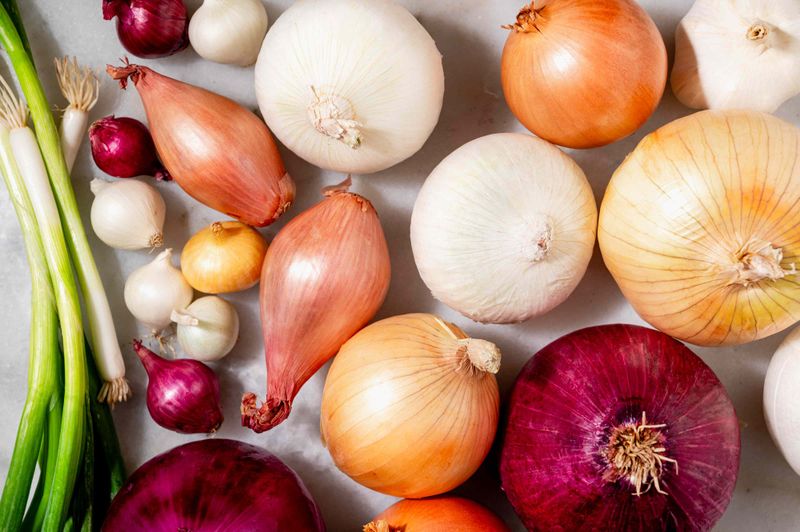
Not all onions are created equal, and grabbing whichever one is closest can quietly sabotage your dish. Yellow onions are best for cooking down into soups and stews.
Red onions shine in raw salads, while sweet onions like Vidalia are great for caramelizing.
White onions work well in Mexican-style dishes with their sharper bite. Matching the right onion to your recipe is a small step that makes a surprisingly big difference in flavor.
2. Not Letting the Pan Get Hot Enough Before Adding Onions
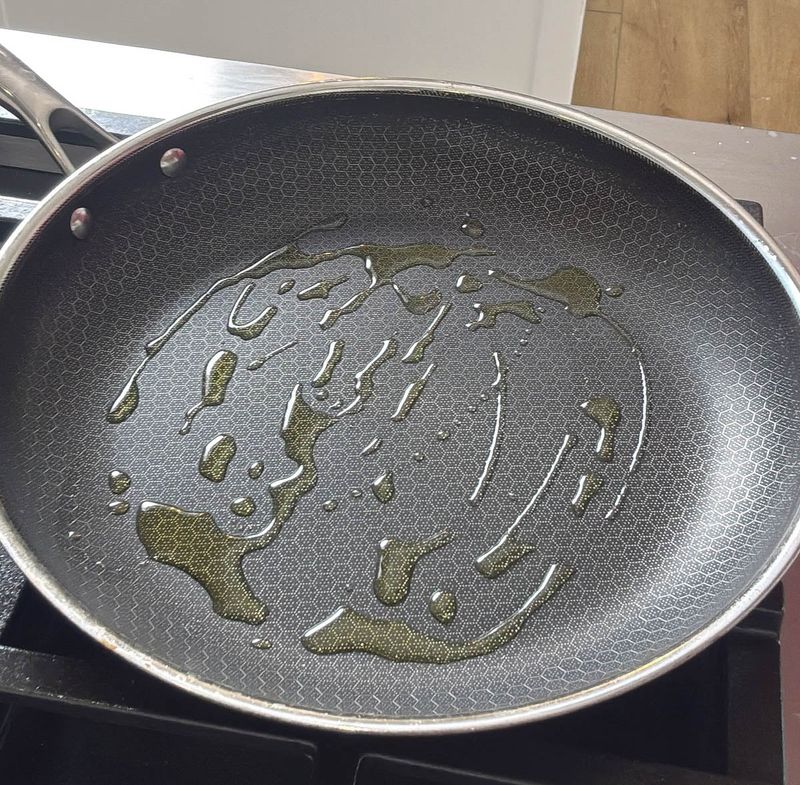
Tossing onions into a cold or barely warm pan is one of the most common rookie mistakes. When the pan is not hot enough, the onions just sit there and steam instead of getting that golden, slightly crispy edge.
A properly preheated pan with a little oil or butter will start cooking the onions right away, helping them develop a rich, savory flavor. Give your pan at least a minute to heat up before anything goes in.
3. Cutting Onions Too Thick or Too Thin
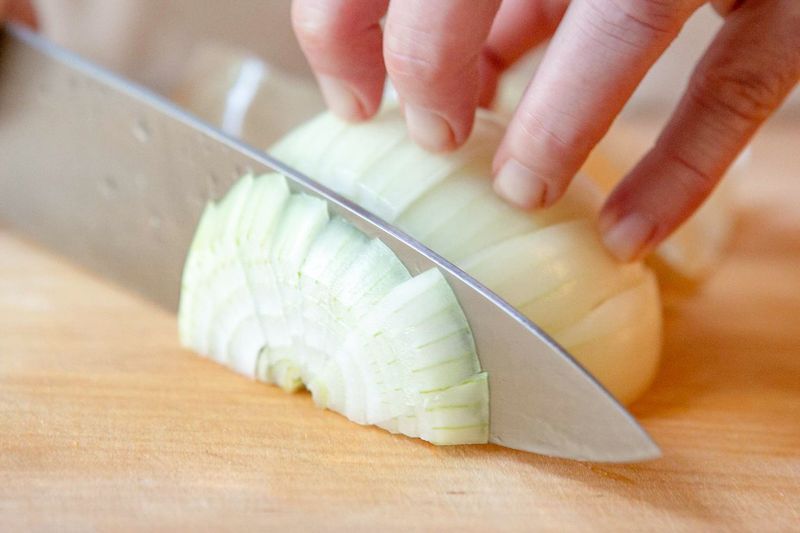
The size of your onion slices actually matters more than most people think. Cut them too thick and they will still be crunchy when the rest of your dish is fully cooked.
Slice them too thin and they can burn before they even soften.
For most recipes, a medium dice or a quarter-inch slice works well. Learning basic knife skills for onions can save you from a lot of uneven, frustrating results at the dinner table.
4. Skipping the Salt When Softening Onions
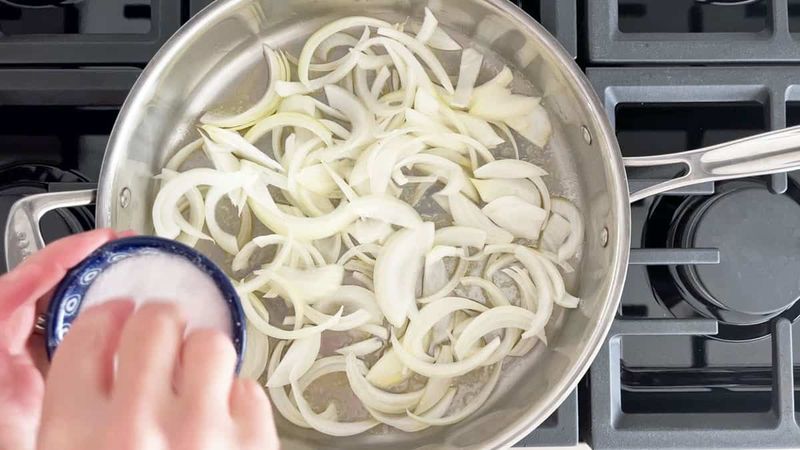
Here is a little trick that many home cooks overlook: adding a pinch of salt to onions as they cook helps draw out their moisture. This speeds up the softening process and prevents them from burning before they are done.
Salt also helps unlock the natural sweetness hiding inside the onion. Without it, you might find yourself stirring the pan for way too long, waiting for onions that just will not cooperate.
A small pinch goes a long way.
5. Turning the Heat Too High When Caramelizing
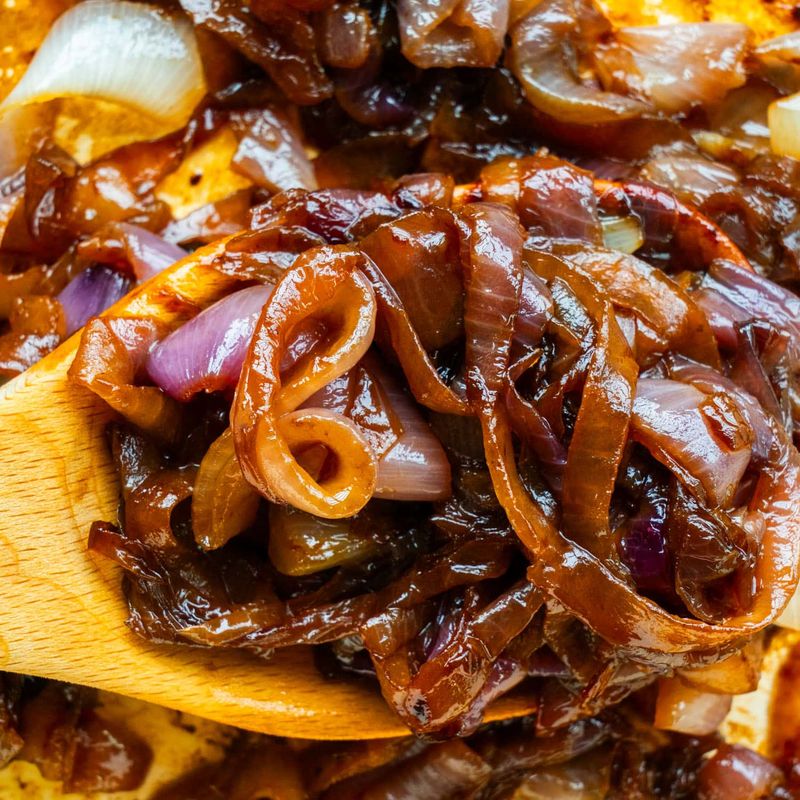
Caramelized onions are absolutely worth the effort, but cranking up the heat to get them done faster is a trap. High heat causes the outside to burn before the sugars inside have a chance to slowly develop that deep, sweet flavor.
True caramelization takes anywhere from 30 to 45 minutes over low to medium-low heat. Patience is the real ingredient here.
Rushing this process gives you sad, bitter, scorched onions instead of the rich, golden topping everyone loves.
6. Not Drying Onions Before Frying Them
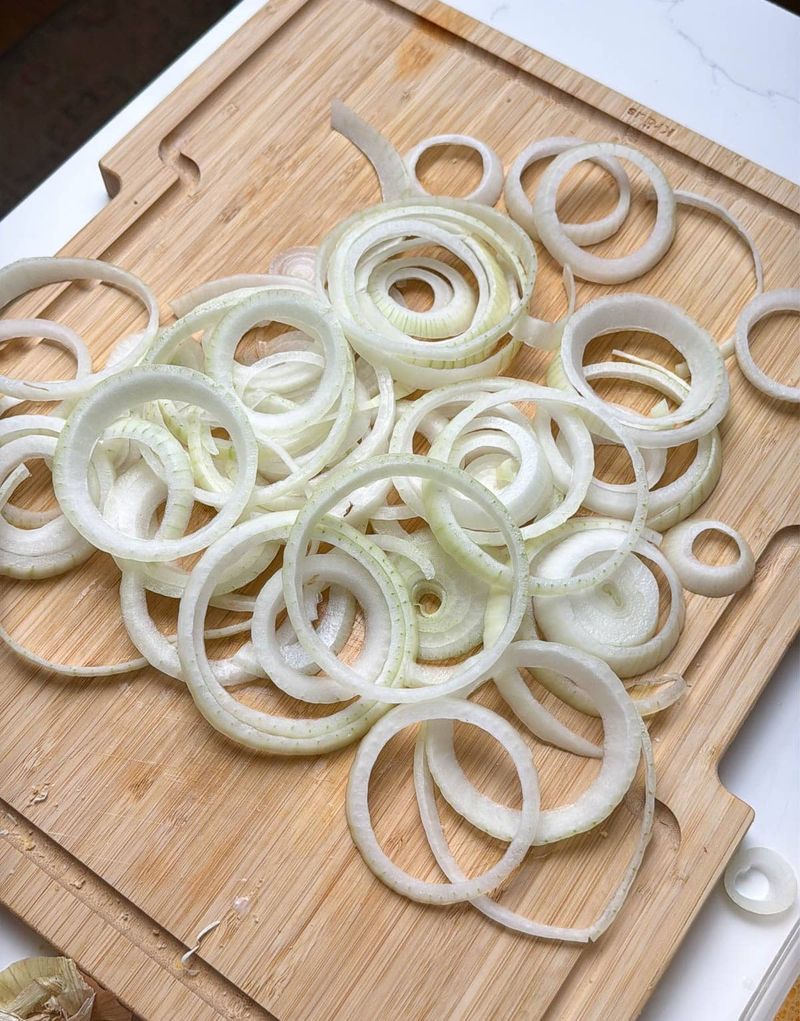
Wet onions and hot oil do not mix well. When you drop moisture-covered onions into a frying pan, the water turns to steam instantly, causing dangerous splattering and lowering the oil temperature.
The result is soggy, greasy onions instead of crispy ones.
Patting your onion slices dry with a paper towel before frying makes a noticeable difference in texture. It only takes a few extra seconds but can completely change the outcome of fried onion rings or toppings.
7. Storing Cut Onions Improperly
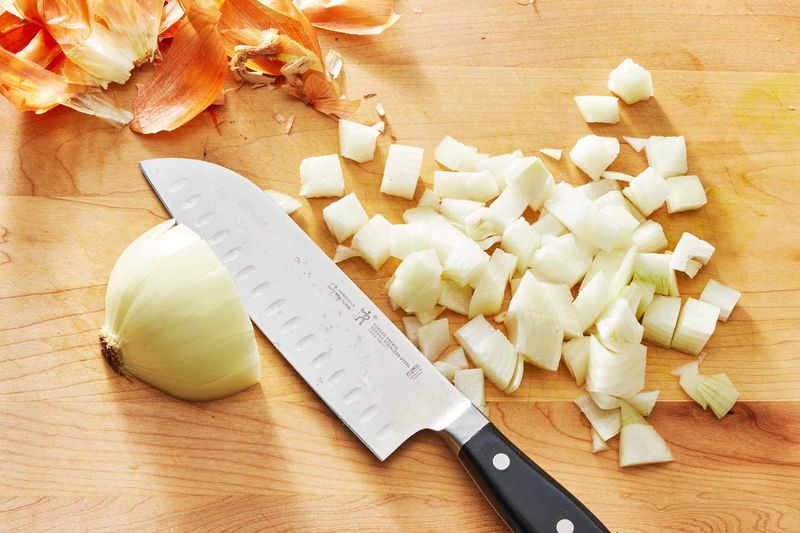
Cut an onion and leave it sitting on the counter or in an open container, and you will quickly notice everything nearby starts smelling like onion. Worse, exposed onions can absorb bacteria from the air and become unsafe to eat within a day or two.
Always wrap cut onions tightly in plastic wrap or store them in a sealed airtight container in the fridge. Used within a day or two, they stay fresh and safe without taking over the smell of your entire refrigerator.
8. Adding Onions and Garlic to the Pan at the Same Time
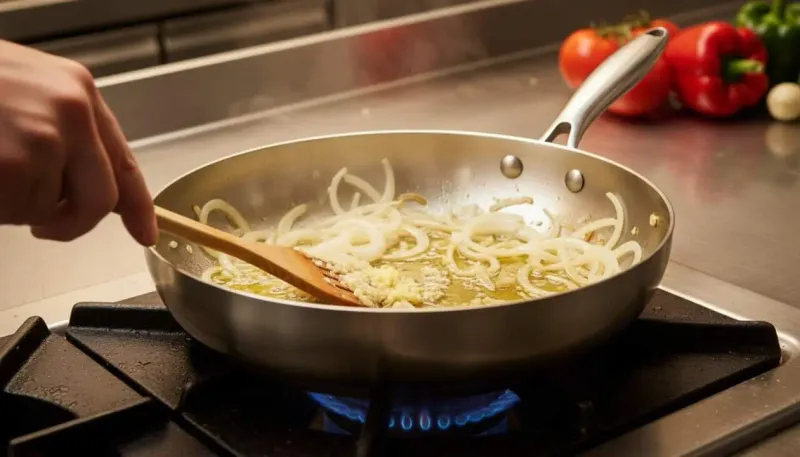
Garlic burns much faster than onions, so tossing them both in at the same time almost guarantees burnt garlic and underdone onions. Burnt garlic turns bitter and can ruin the whole flavor base of your dish.
The fix is simple: cook your onions first until they are softened or golden, then add the garlic for the last one to two minutes. This way, both ingredients cook perfectly without either one overpowering or ruining the other.
9. Using a Dull Knife to Cut Onions
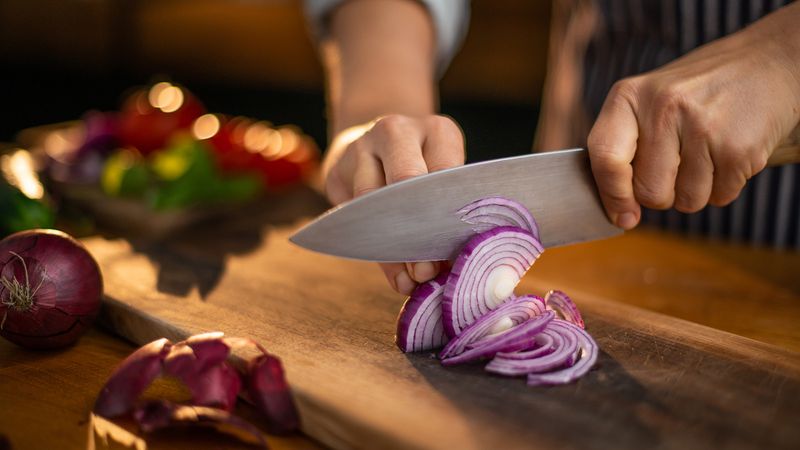
A dull knife does not slice through an onion cleanly. Instead, it crushes the cells, releasing more of those tear-causing compounds into the air and making your eyes water way more than necessary.
It also makes the job harder and more dangerous.
A sharp knife glides through the onion quickly and cleanly, reducing both tears and effort. Sharpening your kitchen knives regularly is one of the easiest upgrades you can make to improve your overall cooking experience significantly.
10. Forgetting to Remove the Papery Outer Layers Fully
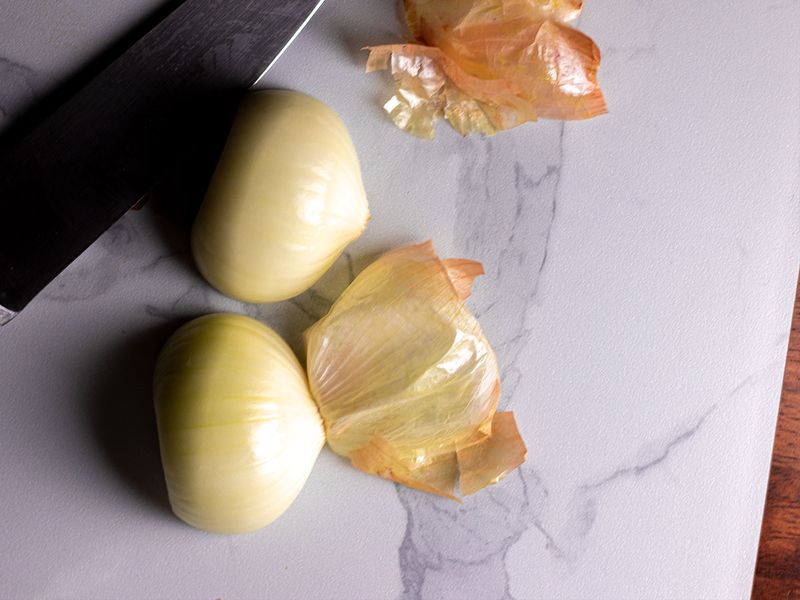
Most people peel back the obvious dry outer skin, but sometimes a few thin, papery layers get left behind and end up in the dish. These layers are tough, flavorless, and unpleasant to bite into.
They do not cook down like the rest of the onion does.
Take an extra few seconds to make sure you have removed all the papery layers before slicing. The onion should look completely smooth and firm on the outside before your knife ever touches it.
11. Overcrowding the Pan With Too Many Onions
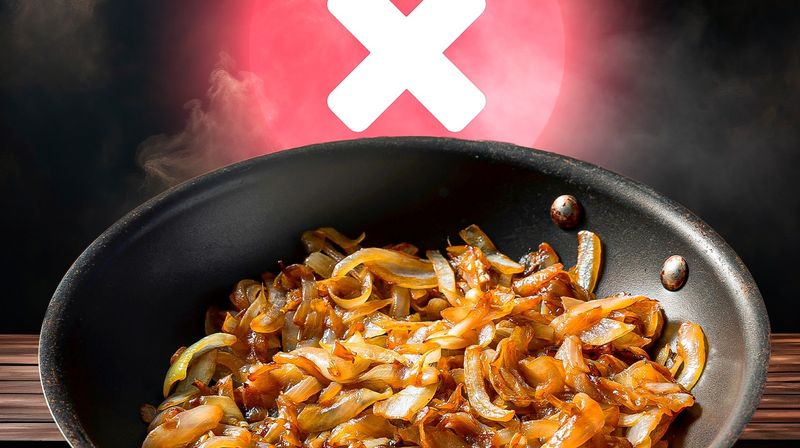
Piling too many onions into a small pan creates a steaming effect rather than a sauteing one. The moisture released by so many onions at once has nowhere to go, so the onions end up soft and pale instead of golden and flavorful.
Always use a pan that gives the onions enough room to spread out in a single or near-single layer. If you have a big batch to cook, work in two rounds for much better results every time.
12. Skipping the Soaking Step for Raw Onions
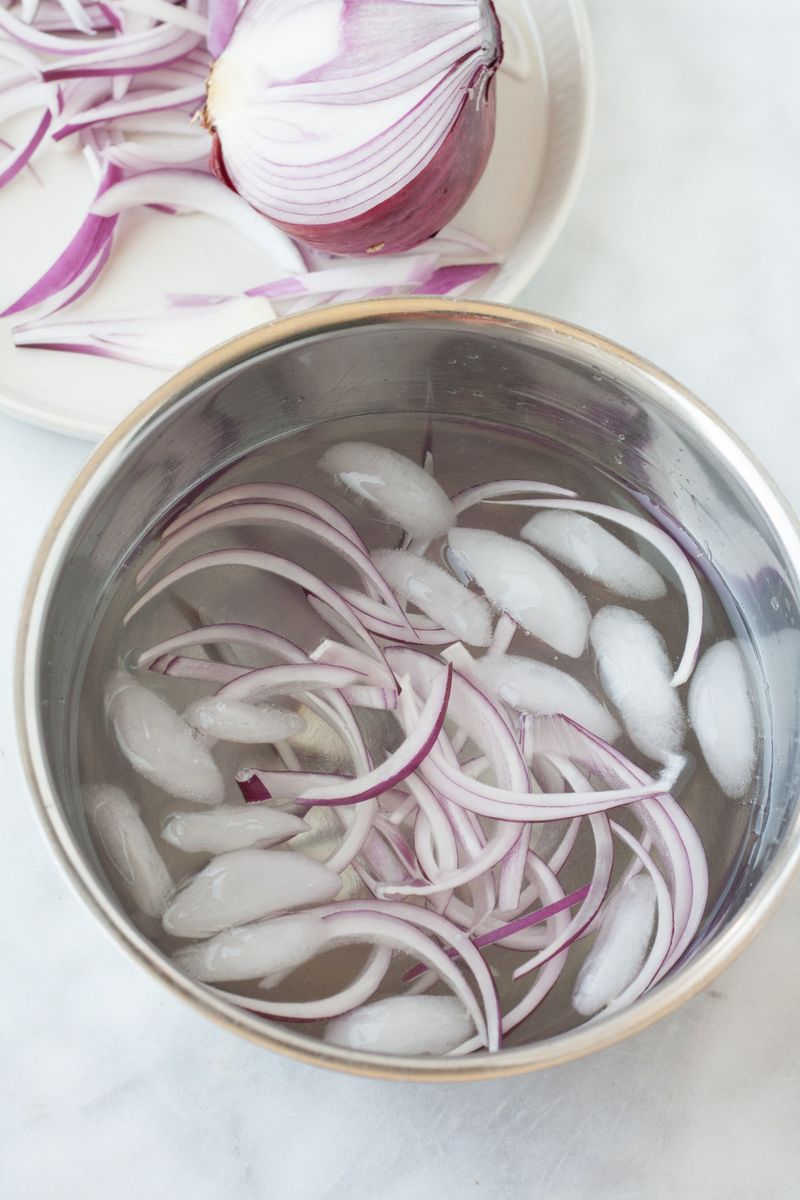
Raw onions can be overwhelmingly sharp and pungent, especially red or white ones. That intense bite can overpower salads, sandwiches, and salsas, making the dish hard to enjoy for people with sensitive palates.
Soaking sliced raw onions in cold water for 10 to 15 minutes tones down the sharpness significantly without removing all the flavor. You can also add a splash of vinegar to the water for a slightly pickled effect that pairs beautifully with fresh, bright dishes.
13. Not Deglazing the Pan After Cooking Onions
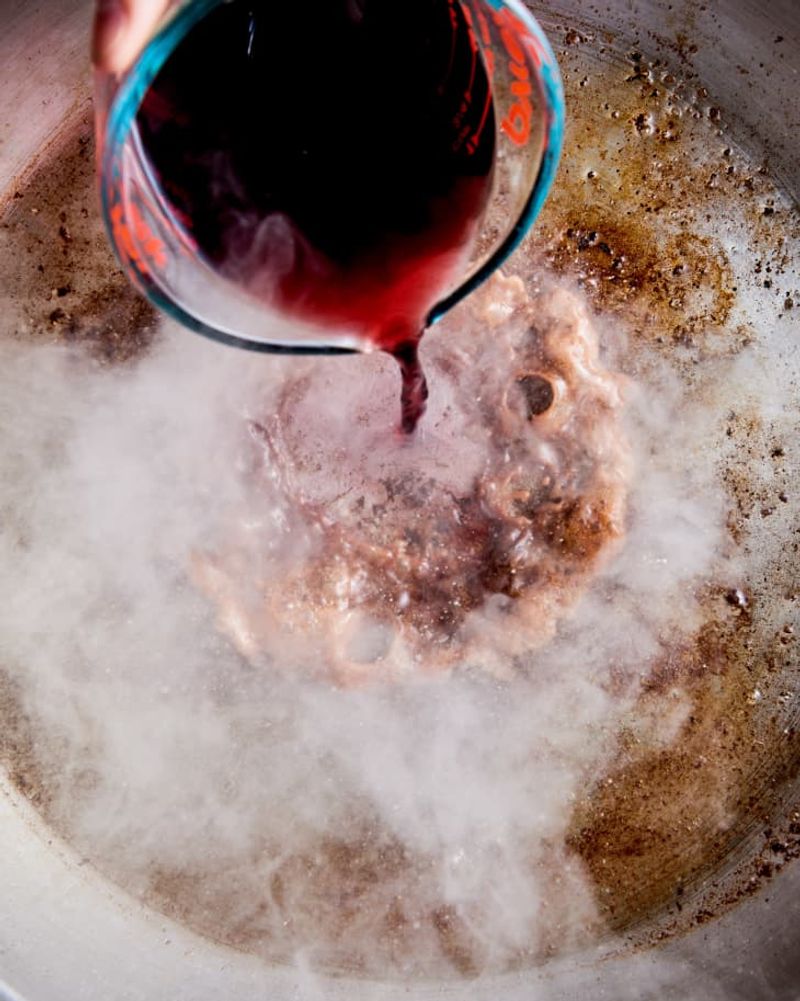
Those browned bits stuck to the bottom of the pan after cooking onions are pure flavor gold. Many home cooks just toss them out or scrub them away, not realizing they are leaving some of the best parts of the dish behind.
Deglazing with a splash of wine, broth, or even water loosens those bits and incorporates them back into your sauce or dish. This technique, called fond, is a chef favorite for building deep, complex flavor with almost no extra effort or ingredients.
14. Storing Whole Onions in the Refrigerator
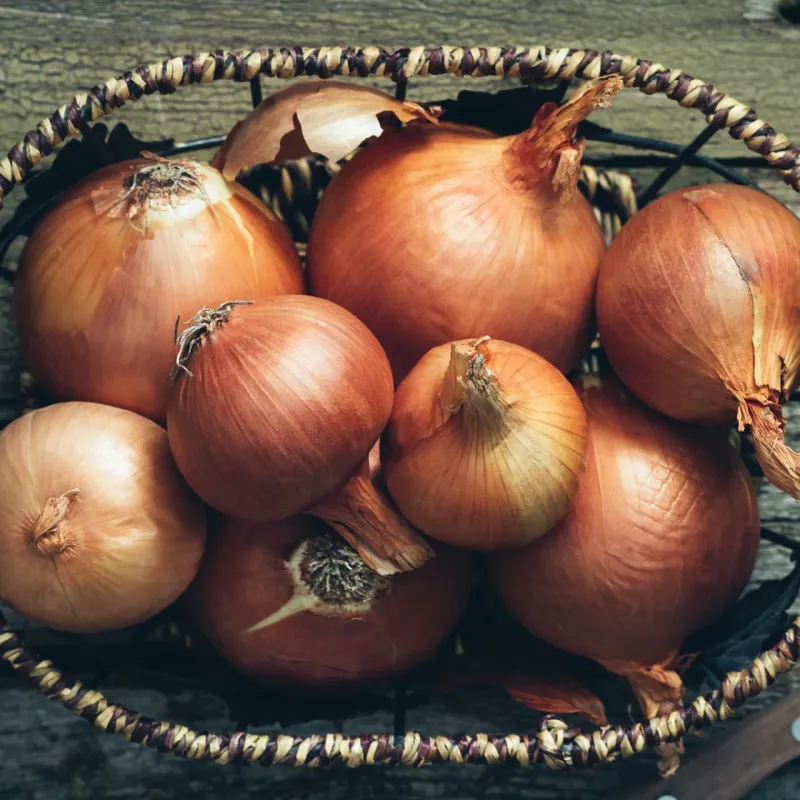
Whole, uncut onions actually prefer cool, dry, and well-ventilated storage rather than the cold and humid environment inside a refrigerator. The cold and moisture in the fridge make whole onions soft, mushy, and prone to mold much faster than normal.
Keep whole onions in a mesh bag or open basket in a pantry or cabinet away from direct sunlight. Stored this way, they can last several weeks.
Save the fridge space for onions that have already been cut or peeled.
15. Ignoring the Root End When Dicing
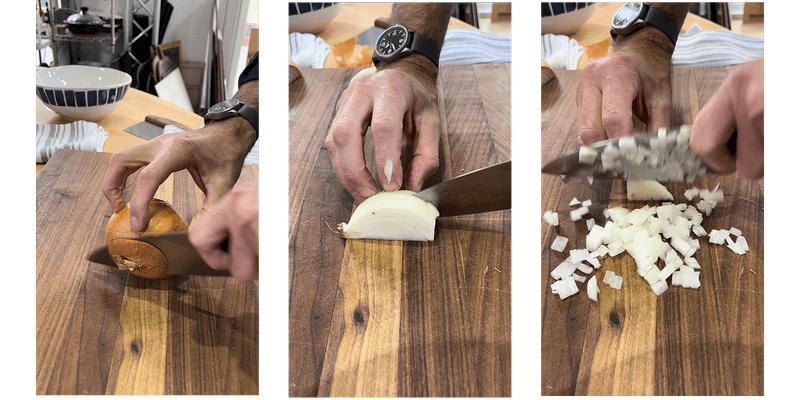
Here is something cooking teachers always mention: never cut off the root end of an onion before you are done dicing it. The root holds all the layers together while you make your cuts, keeping the onion from falling apart into a messy pile.
Make your horizontal and vertical cuts first, then slice down toward the root. Once you have gotten all the usable pieces, discard the root end last.
This simple trick makes dicing onions faster, cleaner, and way less frustrating for beginners.




Comments
No Comments