













Britain has a long and proud history with the sea, and its coastline is packed with incredible shellfish just waiting to be turned into something delicious. Yet so many classic recipes have been quietly forgotten while trendy dishes take the spotlight.
From creamy cockle chowders to buttery crab pasties, these old favorites are full of flavor and surprisingly easy to make. Get ready to rediscover some of the tastiest seafood dishes the British kitchen has ever produced.
1. Potted Shrimps
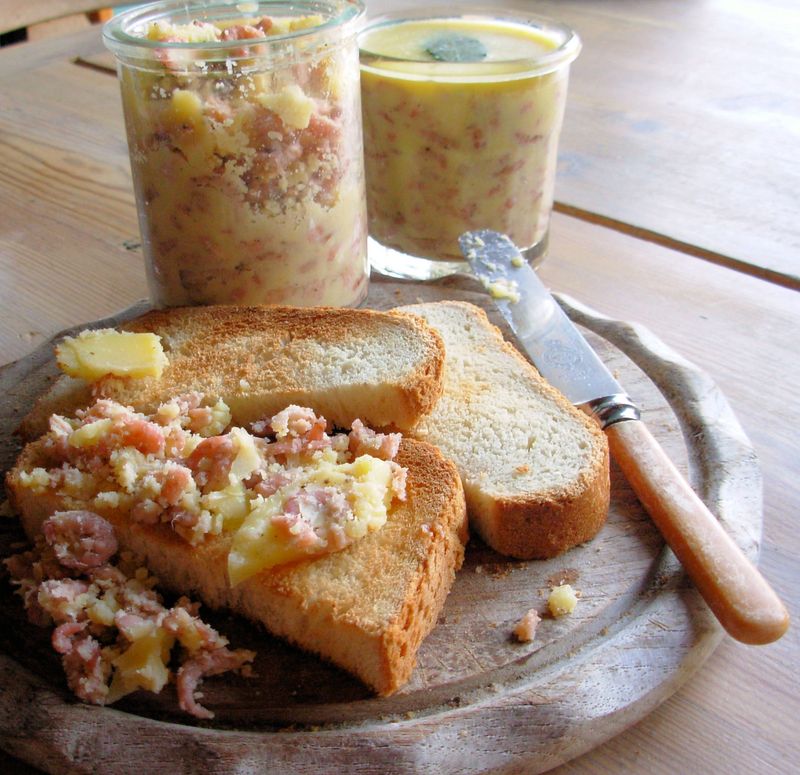
Few things capture the charm of old-school British coastal cooking quite like potted shrimps. Tiny brown shrimps are packed into a pot with golden spiced butter infused with mace, cayenne, and nutmeg, then left to set.
Spread thickly onto hot toast, the butter melts into every crevice for a rich, warming bite. Morecambe Bay in Lancashire is famous for producing these little shrimps.
Try making them at home and you will understand why this recipe has survived for centuries.
2. Cockle and Bacon Chowder
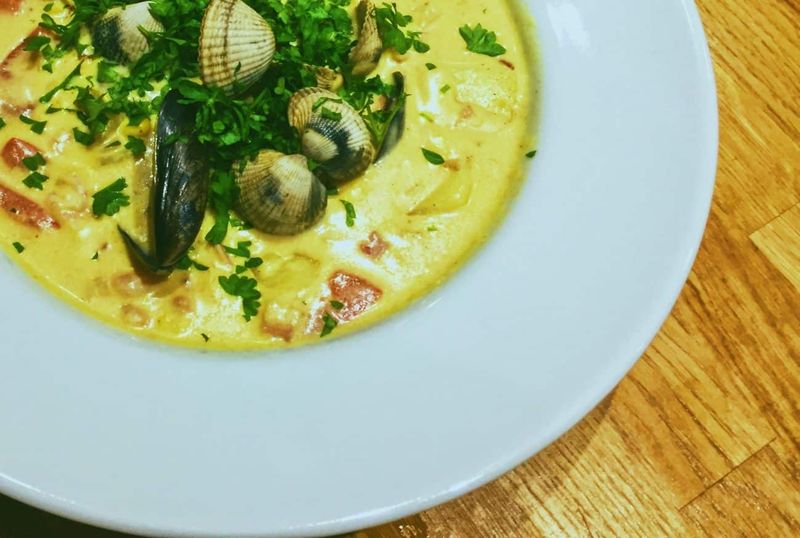
Cockles often get overlooked beyond a paper bag at the seaside, but they shine in a proper chowder. Smoky bacon, soft potato chunks, and plump cockles swim together in a creamy broth that feels like a warm hug on a cold day.
The saltiness of the cockles pairs brilliantly with the smoky bacon, and the whole dish comes together in under 30 minutes. It is the kind of weeknight meal that makes you wonder why you ever forgot about cockles in the first place.
3. Crab Pasty
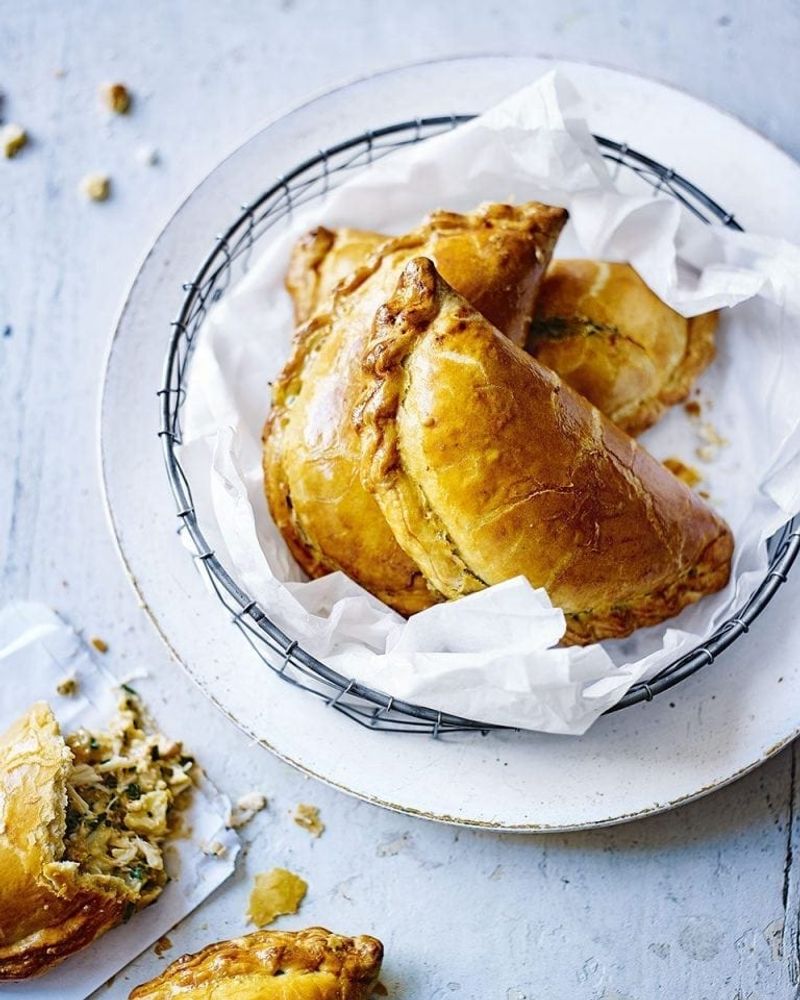
Cornwall gave the world the classic pasty, but not everyone knows that crab fillings were once just as popular as beef. Fresh white crab meat mixed with cream cheese, herbs, and a squeeze of lemon makes a luxurious filling that feels special without being fussy.
Wrapped in buttery shortcrust pastry and baked until golden, the crab pasty is portable, satisfying, and genuinely impressive. Pack one for a beach trip and you will feel like you have stepped back into Victorian seaside Britain.
4. Whelks in Garlic Butter
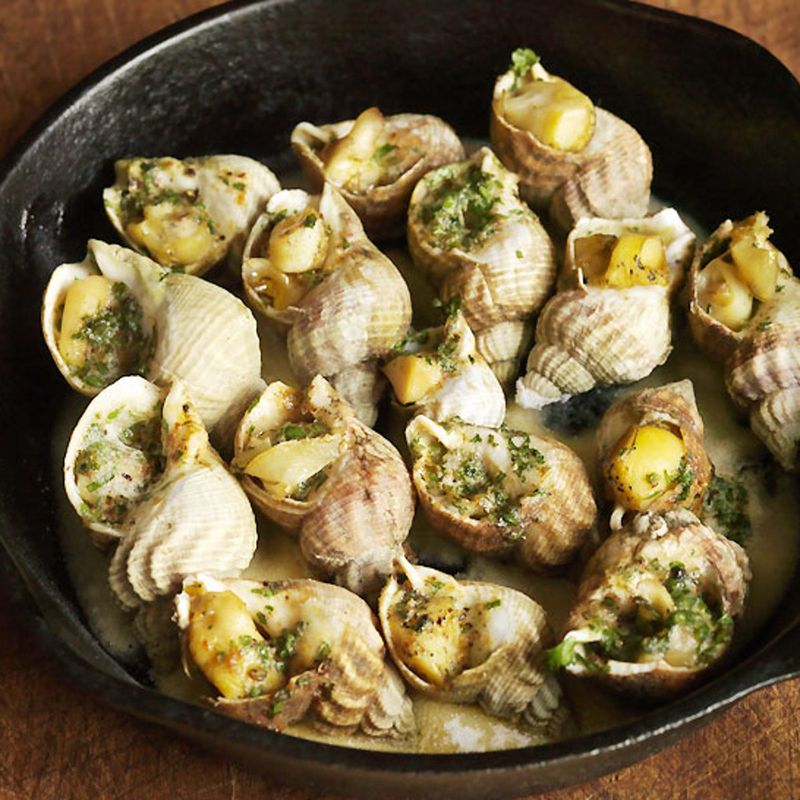
Whelks have a reputation as tough, chewy street food, but cook them right and they become something genuinely worth celebrating. Simmering whelks in seasoned water before finishing them in a pan of sizzling garlic butter transforms their texture completely.
They turn tender and soak up all that garlicky goodness in the best possible way. Historically sold at Victorian street stalls, whelks were once a working-class staple all across Britain.
Give them a second chance and you might just become a true believer.
5. Mussel and Cider Broth
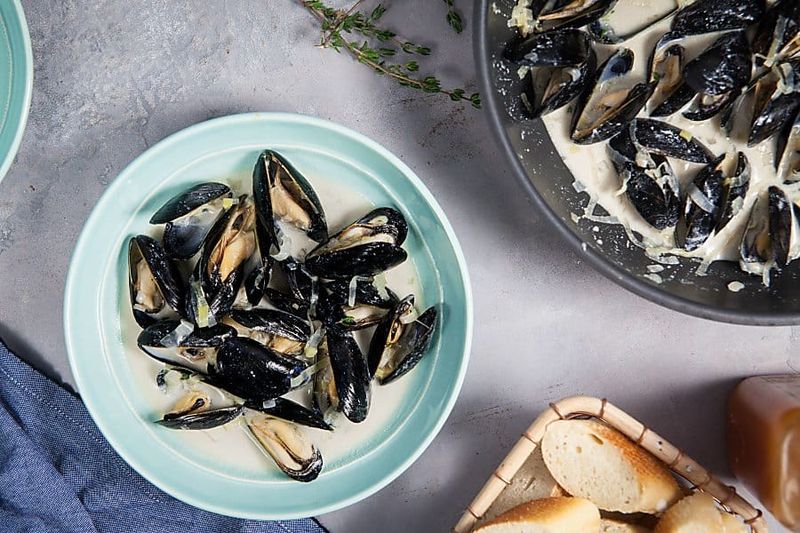
Mussels and French wine are a classic combination, but swap that wine for a good British dry cider and you get something altogether more interesting. The slight sweetness of the cider cuts through the brininess of the mussels in a way that feels uniquely satisfying.
Shallots, thyme, and a splash of cream round out the broth into something you will want to mop up with a thick slice of bread. British cider country, especially Somerset and Devon, inspired this pairing, and it has never really gotten the fame it deserves.
6. Dressed Crab on Toast
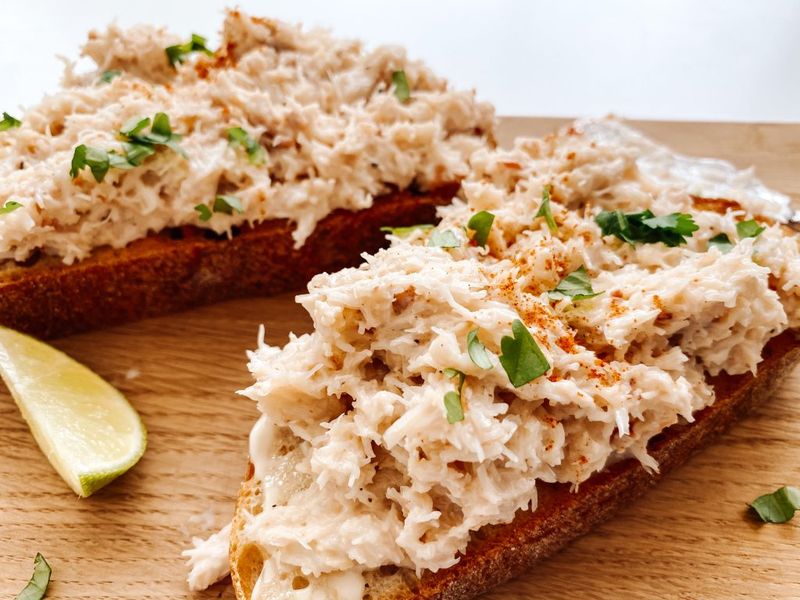
Dressed crab is one of those dishes that looks like you spent hours in the kitchen when the reality is far simpler. A freshly cooked crab, carefully picked and seasoned with lemon juice, mustard, and a pinch of cayenne, is all you need to create something extraordinary.
Pile it generously onto thick toasted sourdough and you have a lunch that feels both elegant and deeply satisfying. Brown crab meat carries a rich, almost nutty flavor that many people never get to try because they stick to the white meat only.
7. Scallop and Black Pudding
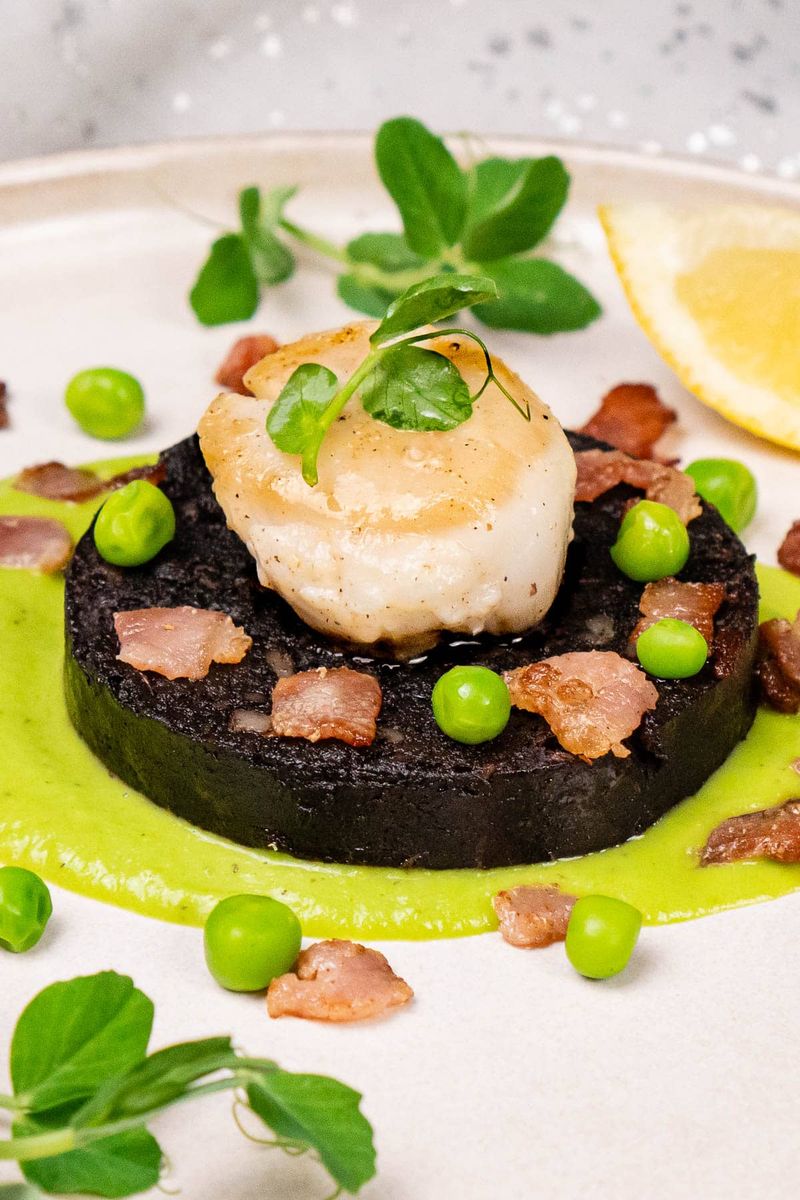
This combination sounds unusual until you taste it, and then it makes perfect sense. The sweetness of a perfectly seared scallop against the rich, earthy depth of black pudding creates a contrast that is nothing short of brilliant.
A smooth pea puree adds color and a gentle sweetness that ties everything together. This dish became trendy in British restaurants during the early 2000s, but its roots go back to traditional pork and seafood pairings found across coastal Britain.
Simple ingredients, stunning results.
8. Prawn and Watercress Tart
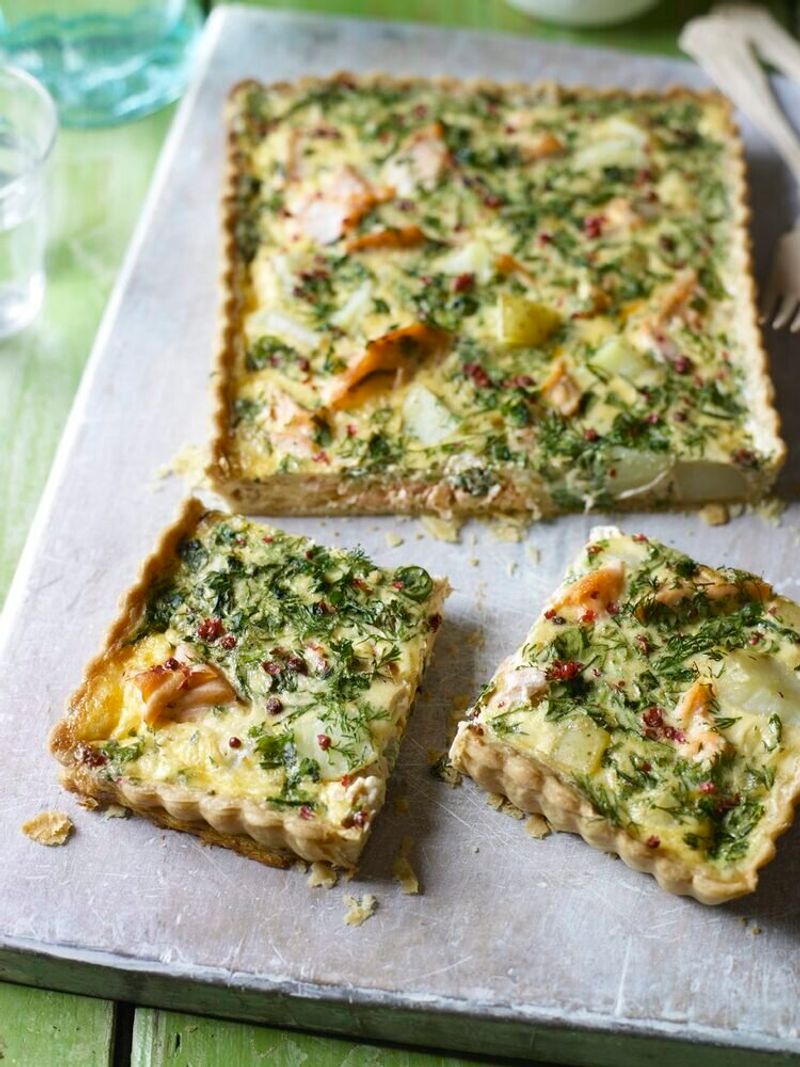
Watercress has been grown in British chalk streams for centuries, and its peppery bite makes it a natural partner for sweet, pink prawns. Together they fill a creamy egg custard tart that is perfect for a light lunch or a posh picnic spread.
The key is not to overcook the prawns inside the tart or they will turn rubbery. Pull it from the oven while the center still has a slight wobble and let it set as it cools.
Elegant, old-fashioned, and completely delicious.
9. Lobster Thermidor with British Lobster
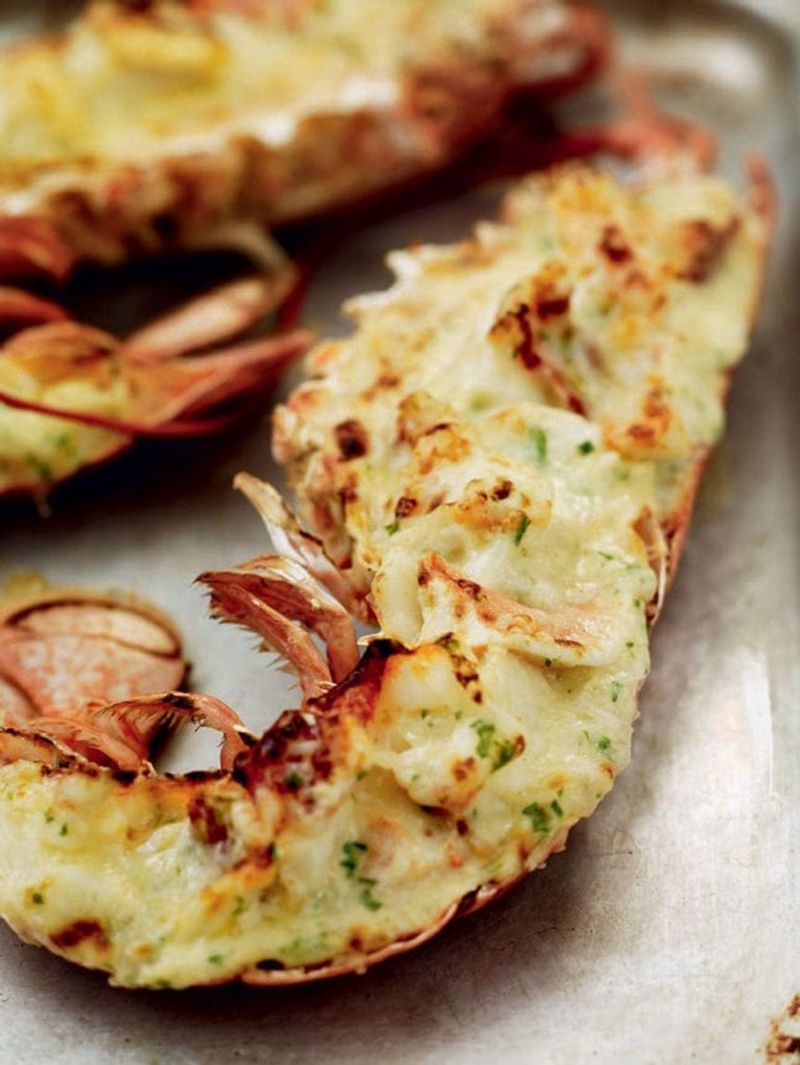
Lobster Thermidor might sound like a French dish, but British waters produce some of the finest lobster in the world, especially off the coasts of Scotland and Cornwall. Using locally caught lobster makes this classic recipe feel genuinely homegrown.
The creamy mustard and Gruyere sauce, bubbled golden under the grill, clings to the sweet lobster meat in the most indulgent way. It is a dish for celebrations, for slowing down, and for truly appreciating what the British coastline has to offer.
10. Oyster and Guinness Soup
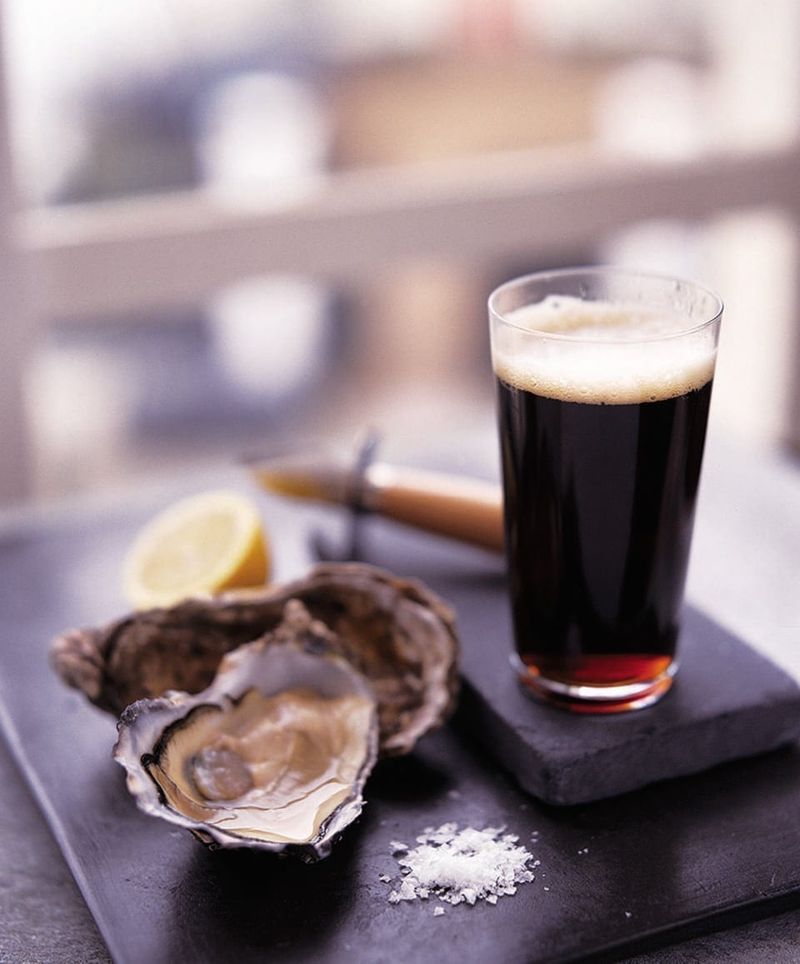
Oysters and stout have been paired together in Britain since at least the 1700s, when both were cheap enough to be everyday food for ordinary people. Combining them in a smooth, velvety soup brings that historic partnership to the table in a completely new way.
The bitterness of the Guinness balances the briny, ocean flavor of the oysters beautifully. A swirl of cream softens everything and adds richness.
This is the kind of recipe that tells a story about British food history with every single spoonful.
11. Crayfish Tail Sandwich with Marie Rose
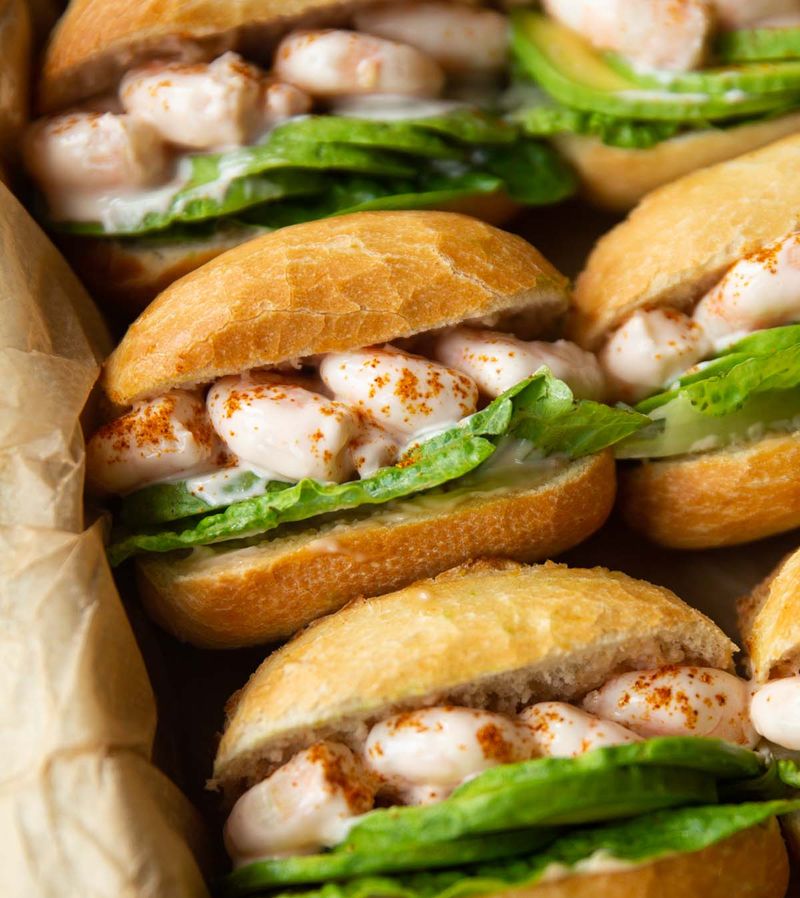
Signal crayfish have actually become an invasive species in British rivers, which makes eating them not just delicious but genuinely helpful for the environment. Their sweet, firm tail meat works brilliantly in a classic Marie Rose sauce made with mayo, ketchup, and a dash of Worcestershire sauce.
Piled into a thick white bread sandwich with crisp iceberg lettuce, this is seaside nostalgia at its finest. It is simple, satisfying, and a clever way to enjoy a very British ingredient.
12. Smoked Oyster and Cream Cheese Blinis
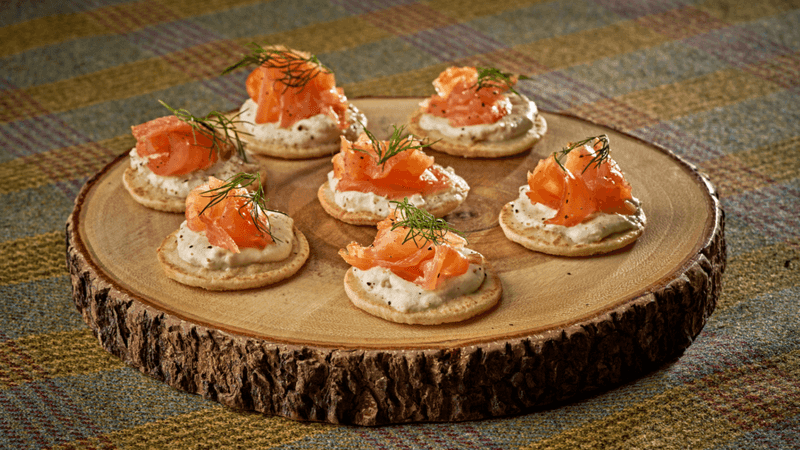
Smoked oysters have been a British pantry staple for generations, often found in tins tucked away for special occasions. Pairing them with a cool, tangy cream cheese on a warm blini creates a canapé that feels far more sophisticated than the effort required to make it.
A tiny sprig of dill and a drop of hot sauce on top makes them look almost too good to eat. Almost.
These are ideal for dinner parties when you want to impress without spending hours in the kitchen.
13. Cockle Vinaigrette Salad
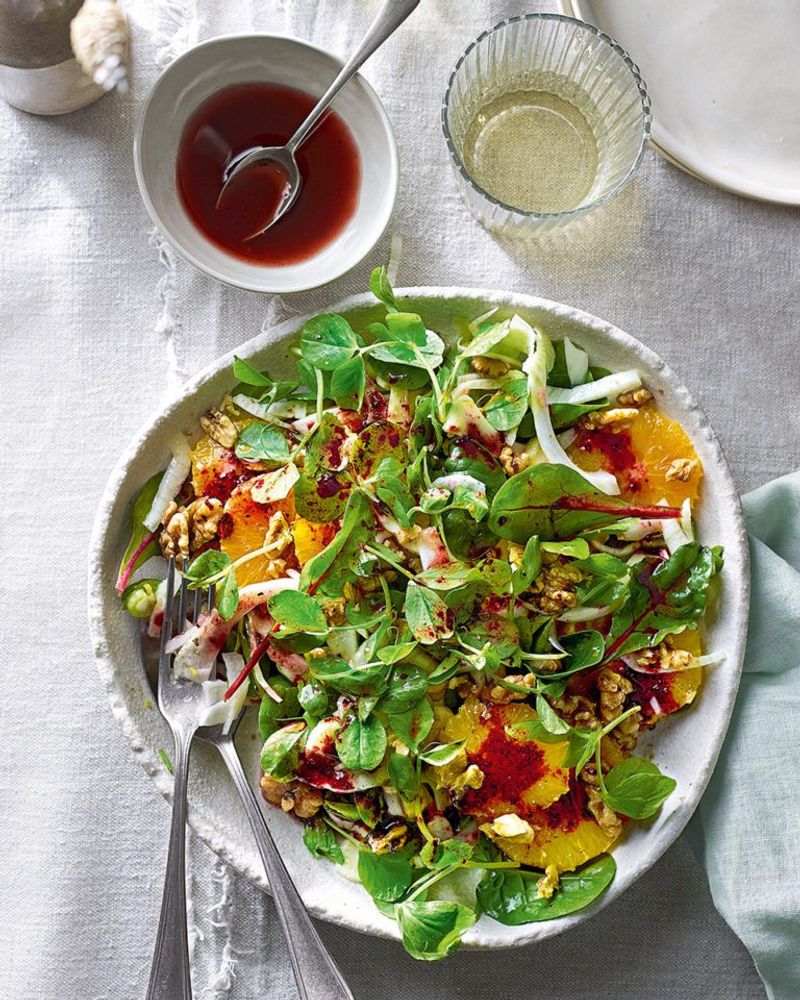
Most people only ever eat cockles doused in malt vinegar from a plastic tub, but a proper cockle vinaigrette salad is a completely different experience. Lightly cooked cockles tossed with shaved fennel, peppery watercress, and a sharp shallot dressing create something light, fresh, and genuinely exciting.
The aniseed notes in the fennel complement the natural saltiness of the cockles in a way that feels almost surprising. This salad is proof that humble ingredients, treated with a little care, can deliver something truly memorable.
14. Brown Shrimp Omelette
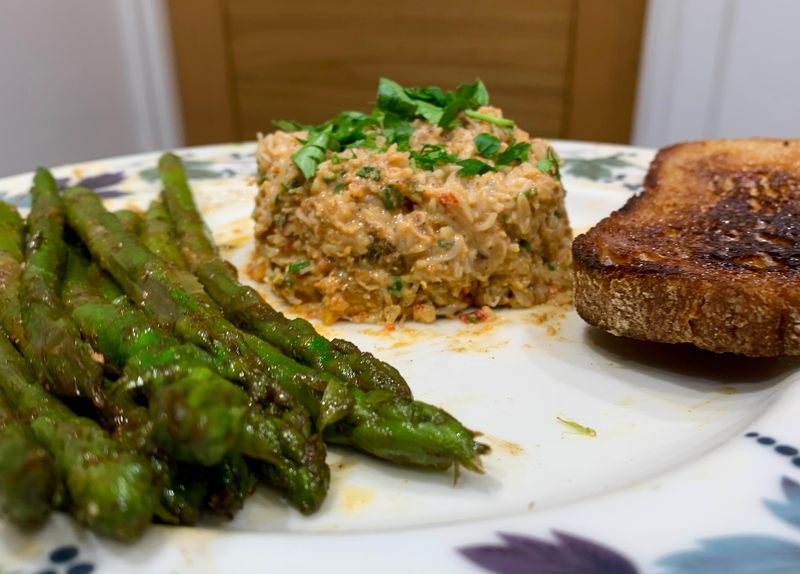
Brown shrimps from Morecambe Bay are one of Britain's most treasured ingredients, and tucking them into a buttery omelette is one of the simplest ways to honor them. Their sweet, slightly spiced flavor from the traditional potting spices comes through beautifully against the soft, eggy base.
A handful of fresh chives and a squeeze of lemon are all the extras you need. Ready in under ten minutes, this omelette works equally well as a speedy weeknight supper or a lazy weekend brunch.
15. Langoustine Bisque

Scottish langoustines, also called Dublin Bay prawns or Norway lobster, are among the finest shellfish in the world, yet most British home cooks have never attempted a bisque with them. The shells alone, roasted and simmered with tomato paste, brandy, and aromatics, create a stock of extraordinary depth.
Blended smooth and finished with cream, the result is a silky, intensely flavored soup that feels like pure luxury. It takes a little patience, but every spoonful of this deeply British bisque is absolutely worth the effort.

Comments
No Comments