













Coconut oil isn't just another trendy ingredient - it's a versatile kitchen staple with remarkable health benefits. This tropical oil offers a unique combination of flavour and nutritional properties that can transform your cooking.
Whether you're a seasoned chef or kitchen novice, incorporating coconut oil into your daily meals might be one of the simplest ways to boost your health while enhancing your culinary creations.
1. Rich In Healthy Fats
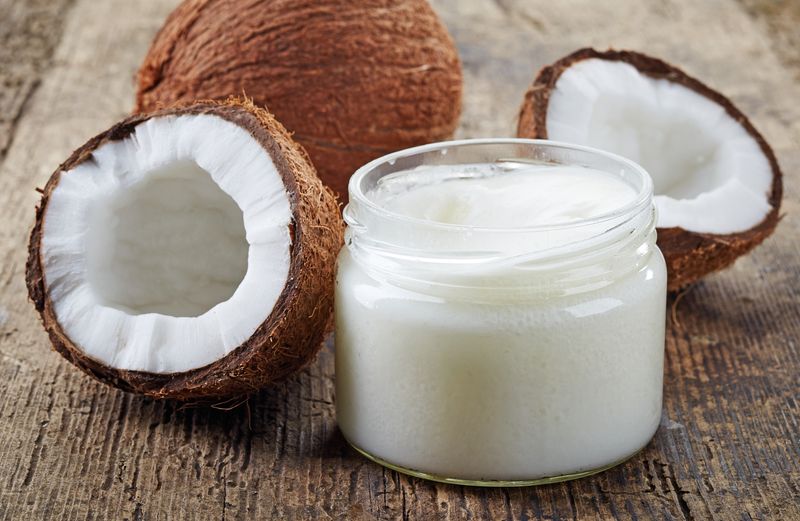
Coconut oil contains medium-chain triglycerides (MCTs) that your body absorbs differently than other fats. Unlike long-chain fatty acids, MCTs travel directly to your liver where they're quickly converted into energy rather than stored as fat.
According to nutritionist Dr. Mary Newport, these MCTs provide a quick source of fuel that can help power both your body and brain throughout the day.
2. Supports Heart Health
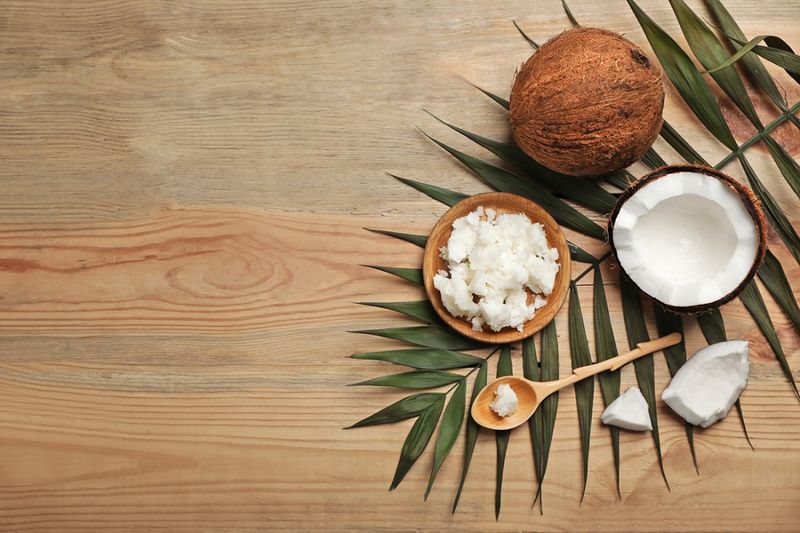
Contrary to outdated beliefs about saturated fats, coconut oil might actually benefit your cardiovascular system. Research published in the British Medical Journal found that coconut oil consumption raises beneficial HDL cholesterol levels.
The lauric acid in coconut oil helps maintain healthy cholesterol ratios by increasing good cholesterol while not significantly affecting harmful LDL levels.
3. Boosts Metabolism
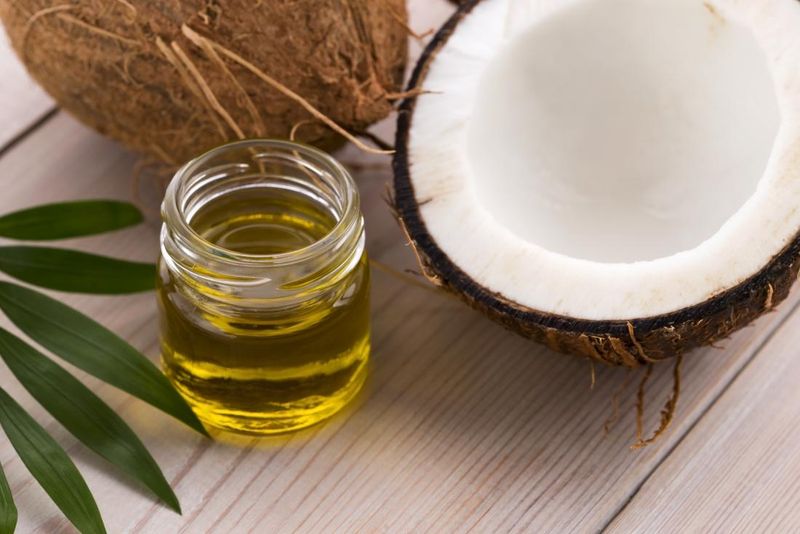
Want to give your metabolism a natural kick? The MCTs in coconut oil might help. A study in the European Journal of Clinical Nutrition found that consuming MCTs increased energy expenditure by about 5% over 24 hours.
Your body processes these fats differently, using them for immediate energy rather than storage. This thermogenic effect can support weight management efforts when combined with proper diet and exercise.
4. Perfect For High-Temperature Cooking
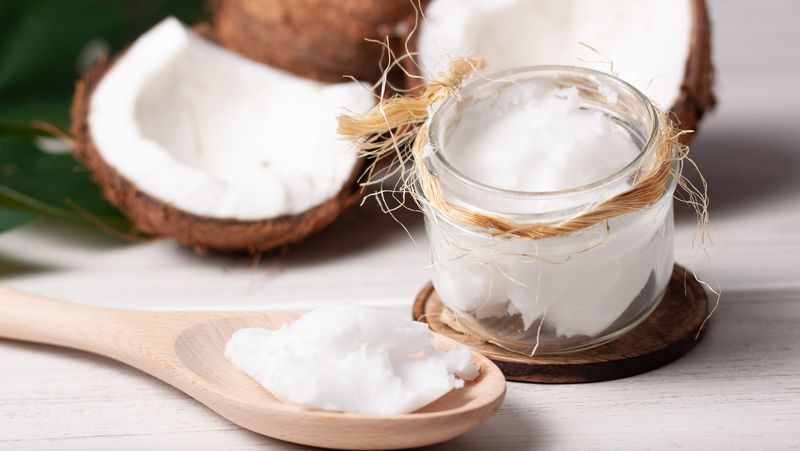
Many cooking oils break down when heated, creating harmful compounds. Coconut oil remains stable at temperatures up to 177°C (350°F), making it brilliant for sautéing, stir-frying and baking.
The saturated fat structure resists oxidation even at high heat. Chef Jamie Oliver recommends it for creating crispy roasted vegetables and perfectly seared meats without the worry of toxic byproducts.
5. Packed With Antioxidants

Coconut oil contains impressive levels of natural polyphenols and flavonoids that combat oxidative stress in your body. These compounds help neutralise harmful free radicals that contribute to aging and disease.
A 2018 study in the International Journal of Food Science found virgin coconut oil has stronger antioxidant properties than refined versions. The less processed your coconut oil, the more protective compounds it retains.
6. Nurtures Skin From Within
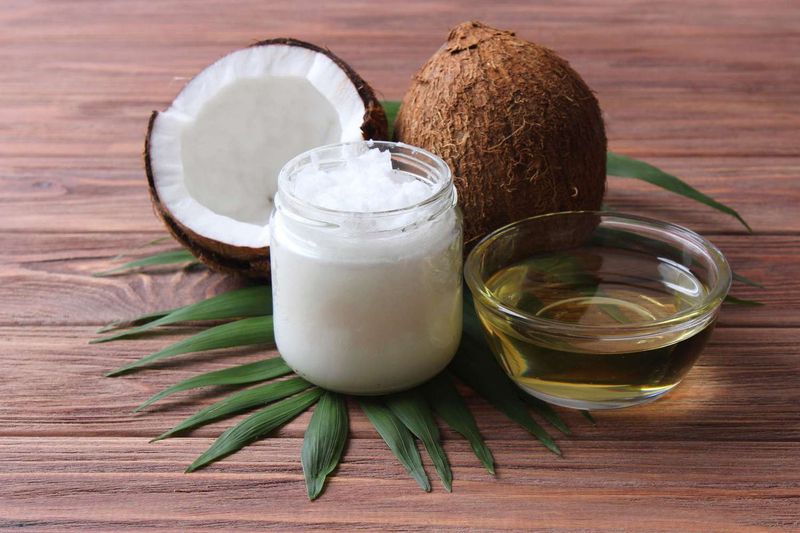
Beautiful skin starts in the kitchen! The fatty acids in coconut oil support cell membrane health, helping your skin retain moisture and maintain elasticity.
Dermatologist Dr. Sarah Williams explains that consuming coconut oil provides essential building blocks for collagen production. The antioxidants also protect skin cells from environmental damage, potentially slowing visible signs of aging while promoting a natural, healthy glow.
7. Improves Digestive Health
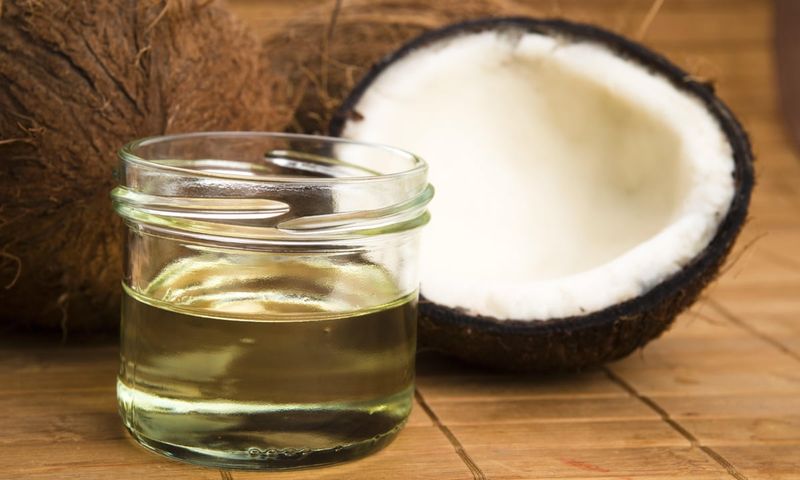
Struggling with digestive issues? Coconut oil might offer relief. Its medium-chain fatty acids are easier to digest than other fats, making them gentle on your digestive system.
Research from the Journal of Medicinal Food suggests coconut oil has anti-inflammatory properties that may soothe intestinal inflammation. Many nutritionists recommend starting with small amounts—just a teaspoon in morning porridge - to allow your system to adjust gradually.
8. Natural Antimicrobial Properties
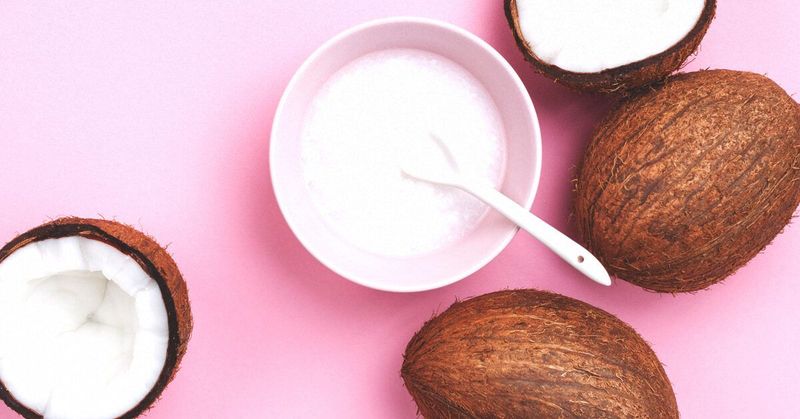
Coconut oil contains lauric acid, a powerful compound that transforms in your body into monolaurin. Both substances have impressive antimicrobial properties that combat harmful bacteria, viruses, and fungi.
Microbiologist Dr. Mary Enig's research shows these compounds can disrupt the lipid membranes of pathogens. Adding coconut oil to your diet may help strengthen your body's natural defenses against common infections.
9. Increases Feeling Of Fullness

Struggling with between-meal hunger? Coconut oil might be your secret weapon. The MCTs in coconut oil have been shown to increase feelings of fullness compared to other fats.
A study published in the Journal of Nutrition found participants who consumed MCTs ate significantly fewer calories at subsequent meals. Try adding a teaspoon to your morning coffee or breakfast to help manage hunger throughout the day.
10. Enhances Food Flavours

Coconut oil brings a subtle tropical sweetness that transforms ordinary dishes into extraordinary ones. Unlike refined oils with neutral profiles, virgin coconut oil adds complexity without overpowering other ingredients.
Food scientist Harold McGee notes its unique flavour compounds complement both sweet and savoury foods. Try it with Thai curries, roasted sweet potatoes, or chocolate desserts where the gentle coconut notes enhance the overall taste experience.
11. Revolutionises Baking Results

Coconut oil creates incredibly moist, tender baked goods with a perfect crumb structure. Its solid-at-room-temperature nature makes it an excellent butter substitute, producing crisp cookies and flaky pastries.
Baking expert Mary Berry recommends using it in a 1:1 ratio for butter in most recipes. The subtle flavour works brilliantly in chocolate cakes, banana bread, and tropical-inspired desserts where it enhances rather than competes with other ingredients.
12. Promotes Oral Wellness
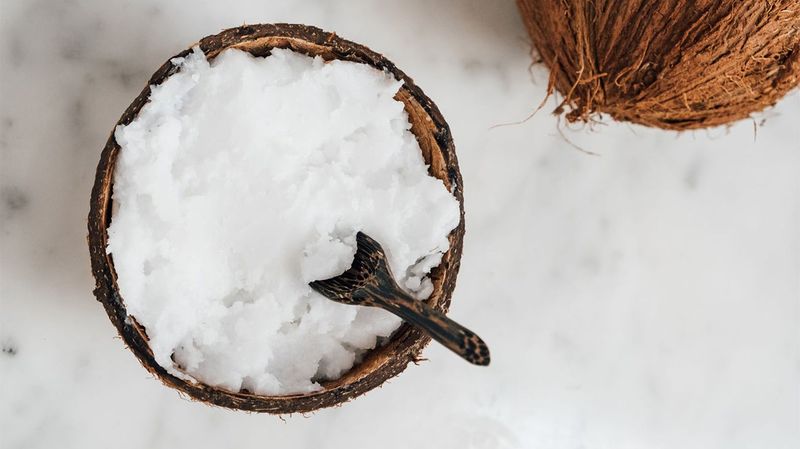
Cooking with coconut oil benefits more than just your meals—it supports your oral health too! The antimicrobial properties of lauric acid help reduce harmful bacteria in your mouth.
Dentist Dr. Jessica Martin points to research showing regular coconut oil consumption may decrease plaque formation and gingivitis. The oil's ability to penetrate biofilms makes it particularly effective against the bacteria that cause tooth decay and gum disease.
13. Perfect For Plant-Based Cooking

Coconut oil serves as an exceptional alternative to animal fats in vegan cooking. Its solid texture at room temperature mimics butter in pastries and provides that satisfying mouthfeel often missing in plant-based dishes.
Chef Ottolenghi uses it to create rich, creamy plant-based curries and decadent vegan desserts. The oil's unique properties allow it to emulsify and bind ingredients, resulting in velvety sauces and dressings without dairy.
14. Helps Balance Blood Sugar
Emerging research suggests coconut oil may help maintain healthy blood glucose levels. Unlike carbohydrates, the MCTs in coconut oil don't trigger insulin spikes, providing steady energy without the crash.
A study in the Journal of Diabetes Research found that coconut oil consumption improved insulin sensitivity in participants. Nutritionist Dr. Sarah Brewer recommends incorporating small amounts into meals containing carbohydrates to help moderate their glycemic impact.
15. Simple Daily Integration Methods

Incorporating coconut oil into your routine doesn't require culinary expertise. Start by replacing your current cooking oil in familiar recipes - scrambled eggs, sautéed vegetables, or pan-fried fish develop wonderful flavour with just a teaspoon.
Morning coffee becomes creamy and satisfying when blended with a small amount. Nutritionist Michael Mosley suggests beginning with just 1-2 teaspoons daily, gradually increasing as your palate and digestion adjust to this nourishing addition.



