













We’ve all done it - dropped food on the floor, glanced around, and decided it was probably fine to eat.
The so-called five second rule has been passed down like playground wisdom, but science had a few things to say about that confidence.
What researchers discovered might just make you think twice before rescuing that fallen biscuit.
All information is provided for general interest only and should not replace professional health or hygiene advice. Consult a qualified expert for guidance on food safety and contamination.
Food Isn't Safe For Five Seconds - Germs Transfer Immediately
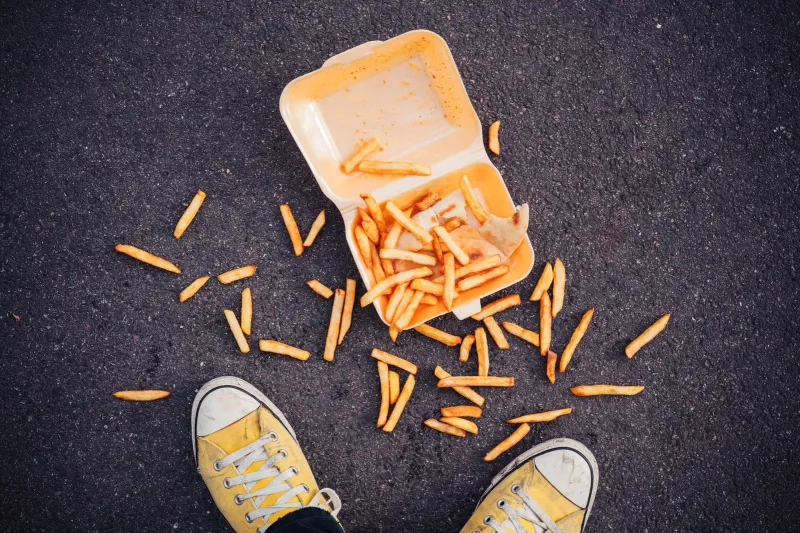
Researchers have actually tested the idea behind the five second rule, and the results are pretty clear: in many cases, bacteria transfer to fallen food in less than a second.
That means the idea that food could remain safe for a few extra moments just isn't supported by science.
It doesn't matter if the food is dry or moist - contamination can happen almost instantly depending on conditions.
So grabbing your snack quickly doesn't guarantee it's safe from bacteria.
In fact, several studies conclude that the five second rule is a big oversimplification of what actually happens with bacteria on surfaces.
Surface Type And Food Moisture Really Matter More Than Timing
Scientists found that whether food picks up bacteria depends heavily on what it lands on - tile, wood, carpet, stainless steel - and how moist the food is.
Moist, juicy foods like fruit or buttered bread attract bacteria far more readily than dry items.
Interestingly, carpet tends to transfer fewer bacteria than smooth surfaces such as tile or stainless steel, though it's still not guaranteed safe.
That suggests a dingy kitchen floor spells trouble no matter how quickly you pick up that dropped snack.
So it's not really about how quickly, more about what you dropped and where.
Longer Contact Means More Germs - But Instant Contact Is Enough
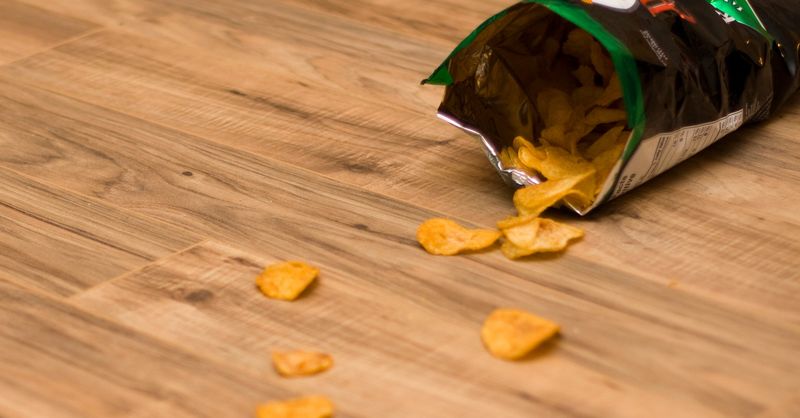
The longer food stays on the floor, the more bacteria tend to accumulate - which makes sense.
However, experiments show that even a fraction of a second is enough for germs to move from surface to food.
That means five seconds doesn't offer any real safe window.
The danger starts as soon as the food touches the floor.
Studies have found contamination on food dropped for one, five, and even thirty seconds - showing it's less about timing and more about exposure.
What Surfaces And Foods Were Used In The Research - And Why It Matters
One big study used different foods - wet like watermelon or buttered bread, dry like plain bread or candy - and dropped them onto surfaces contaminated with real bacteria.
They tried surfaces like ceramic tile, stainless steel, wood, and carpet - a decent cross-section of what you might find in everyday kitchens and homes.
By using real pathogens (not just harmless bacteria), researchers got a realistic measure of contamination risk.
That means the findings aren't just academic - they're relevant if you drop food at home, in a café, or pretty much anywhere.
Even Clean Floors Can Harbour Hidden Germs - So Looks Are Misleading
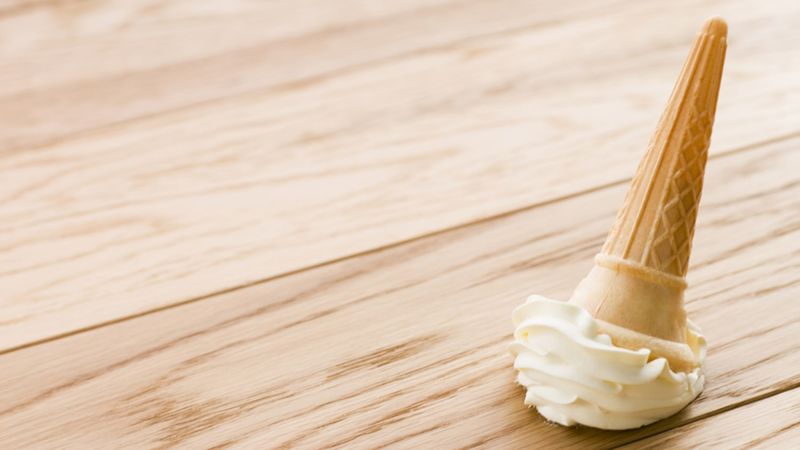
One of the key problems is that just because a floor looks clean doesn't mean it's actually free of germs.
Bacteria and other microbes are often invisible to the naked eye but cling to surfaces - shoes, pets, foot traffic, and dust all carry microbes.
Once food lands there, especially moist food, germs can cling to it immediately.
That means your clean kitchen floor might be a bacteria minefield if you drop food.
So visual cleanliness isn't a reliable guide to food safety - microscopic contamination has no warning sign.
Bottom Line: The Five Second Rule Is More Myth Than Safe Practice - Use Caution
Based on the weight of scientific evidence, the five second rule cannot be trusted as a safety guarantee - it's a myth, at least when it comes to avoiding bacteria.
Whether you pick food up in half a second or five seconds, germs can already have made themselves at home.
If the surface may be contaminated - the first thing any dropped food touched is now contaminated too.
For especially vulnerable people - kids, older adults, people with weak immune systems - it's really risky to gamble on the five second rule.
When in doubt, tossing the dropped food is probably the safer move - better safe than sorry.



Comments
No Comments