













Food brings people together, but how we eat varies wildly across cultures. From slurping noodles to communal platters, dining customs reflect centuries of tradition and social values.
These fascinating practices might seem strange to outsiders but make perfect sense within their cultural context. Join me on a mouth-watering journey through some of the world's most intriguing table manners!
1. Slurping Noodles In Japan
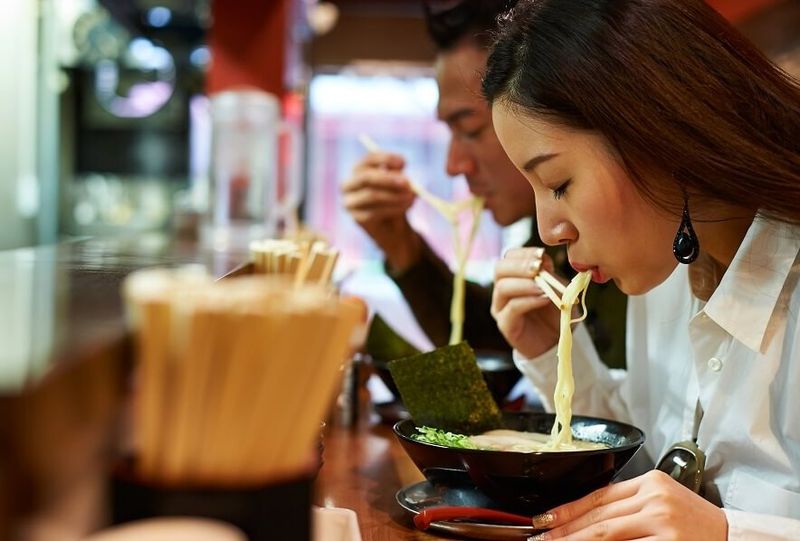
Japanese diners enthusiastically slurp their noodles, creating what foreigners might consider 'noise pollution' at the dinner table. This isn't rude—it's a compliment to the chef!
Slurping actually enhances flavour by aerating the noodles and cooling them slightly. It also shows you're enjoying the meal. So abandon your quiet eating habits when visiting a ramen shop in Tokyo.
2. Hand-Feeding In Ethiopia
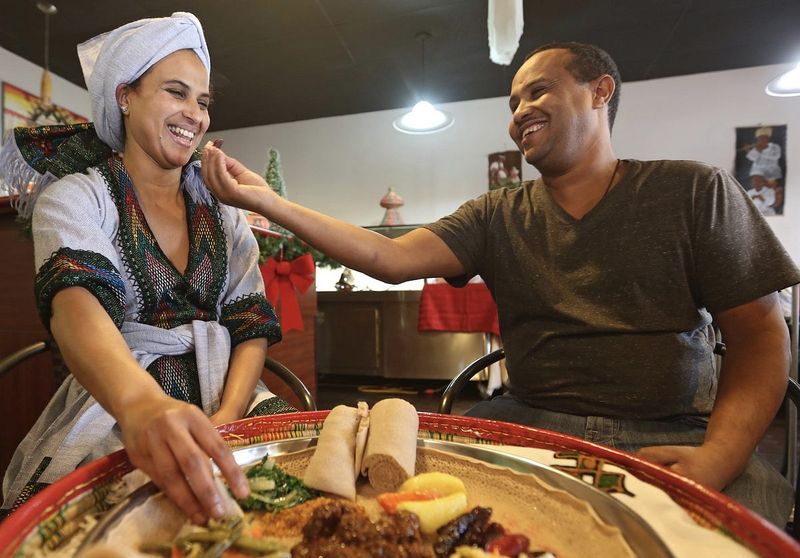
Gursha, the practice of hand-feeding others, creates bonds between Ethiopian diners. A host or loved one will roll the perfect bite of injera bread with stew and place it directly into your mouth.
The larger the gursha, the greater the honour. Refusing this intimate gesture would cause genuine offence. This beautiful tradition transforms meals into expressions of care and connection beyond simple nourishment.
3. Table-Tapping In Spain
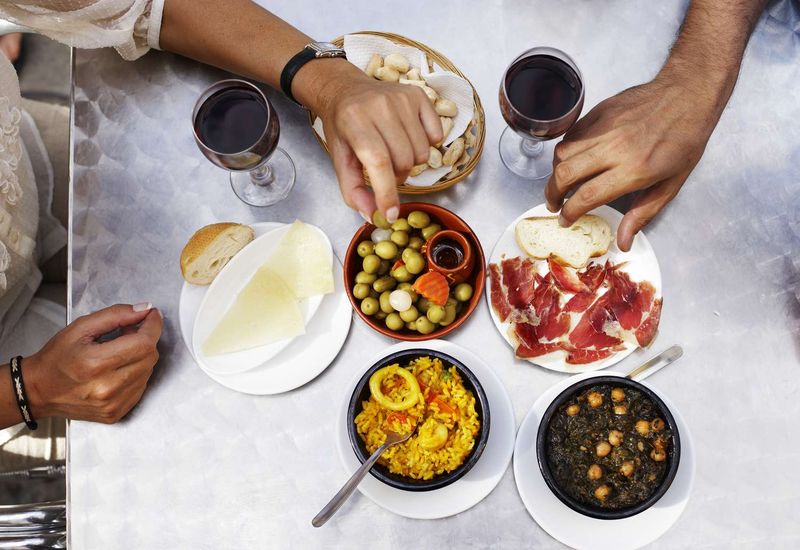
Spanish diners often knock on wooden tables after raising glasses in a toast. This curious habit stems from ancient superstitions about warding off evil spirits.
Some say it originated with university students tapping tables to acknowledge professors entering taverns. Others claim it represents solidarity with miners who communicated underground by knocking. Whatever its origin, this subtle gesture remains ingrained in Spanish drinking culture.
4. Age-Based Serving Order In Korea
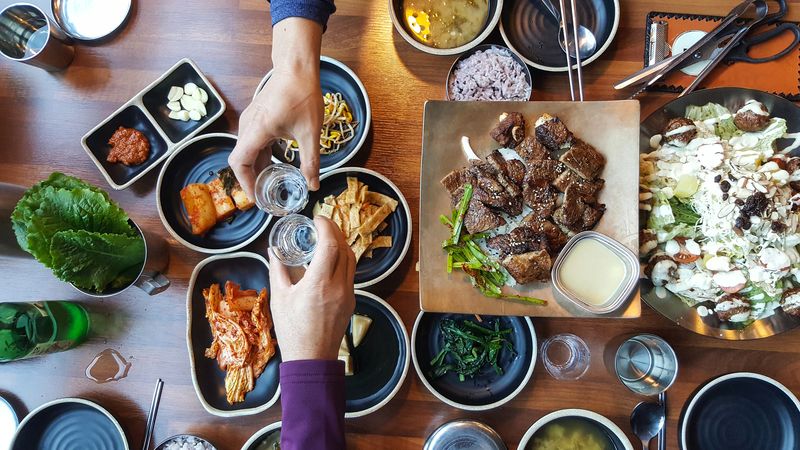
Korean meals follow strict hierarchical rules where elders always receive their food first. Younger diners must wait until seniors begin eating before lifting their chopsticks.
Even pouring drinks follows protocol—hold the bottle with two hands when serving elders. These customs reflect Confucian values of respect for age and wisdom. Breaking these rules isn't just impolite; it shows fundamental disrespect for cultural foundations.
5. Bread As Utensil In France
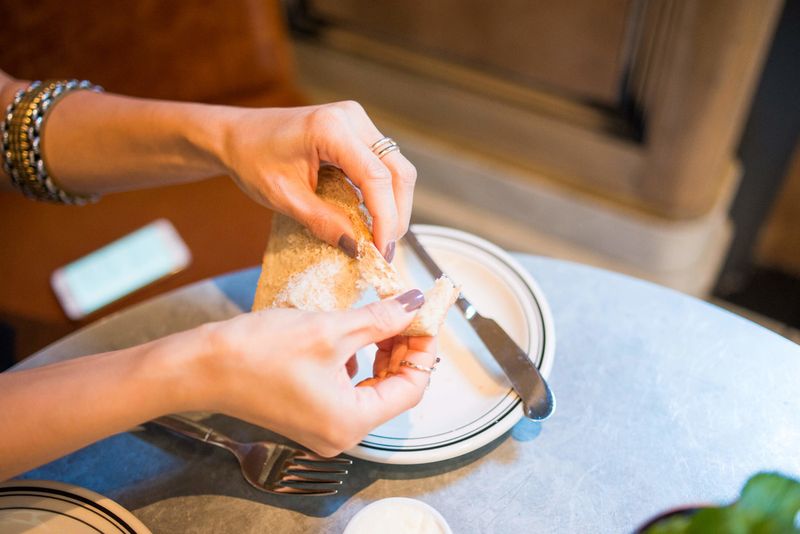
French diners employ bread as a practical tool for pushing food onto forks or sopping up delicious sauces. Unlike many cultures, the French place bread directly on the tablecloth, not on plates.
Breaking—never cutting—bread into bite-sized morsels prevents waste of precious crumbs. This custom dates back centuries when bread was the primary eating implement before widespread utensil adoption. The practice continues as both practical technique and gastronomic tradition.
6. Fingerprints In Indian Cuisine
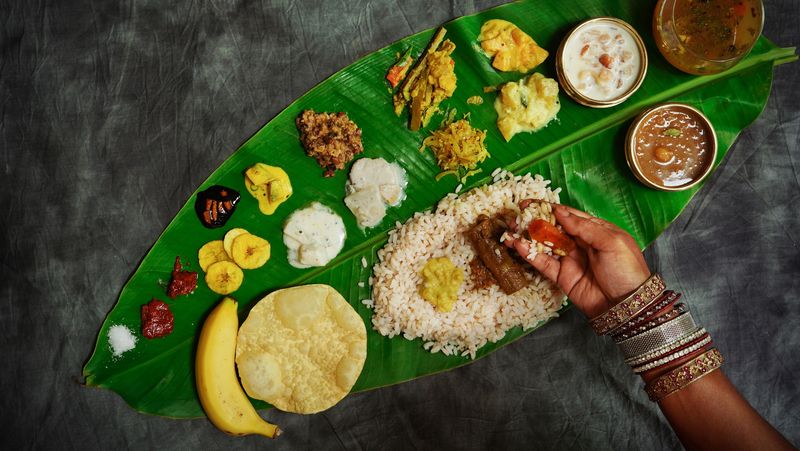
Many Indians eat without cutlery, using just their right hand to mix rice with curries and scoop up food. Traditional belief holds that touching food creates a sensory connection that enhances the dining experience.
Ayurvedic philosophy suggests each finger connects to an element—fire, air, space, earth and water—balancing the meal's energy. The practice requires skill to keep food from dripping down your wrist while maintaining clean fingernails!
7. Swedish Fika Culture
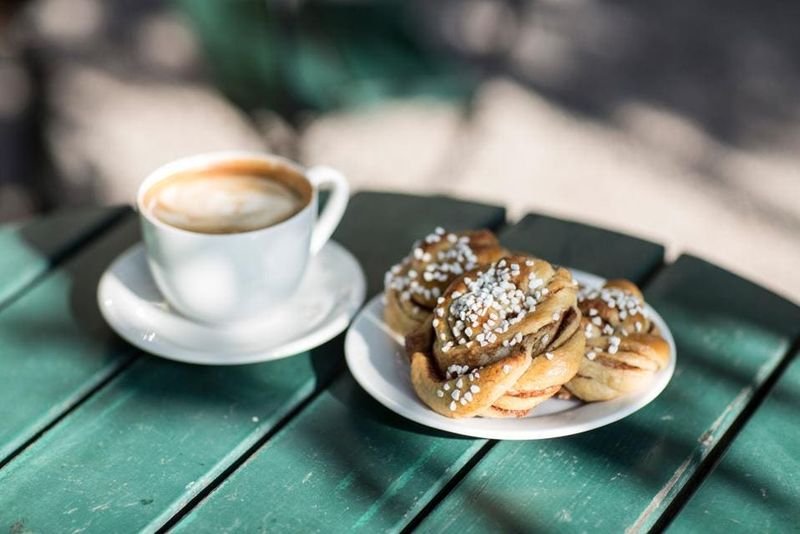
Fika transcends simple coffee breaks—it's a sacred Swedish institution. Colleagues, friends and families gather daily for coffee accompanied by cinnamon buns or other sweet treats.
Unlike rushed caffeine hits, fika demands you slow down and connect with others. Many Swedish companies mandate fika breaks, recognizing their value for workplace harmony. This delightful custom explains why Sweden ranks among the world's highest coffee consumers per capita.
8. Russian Vodka Protocols
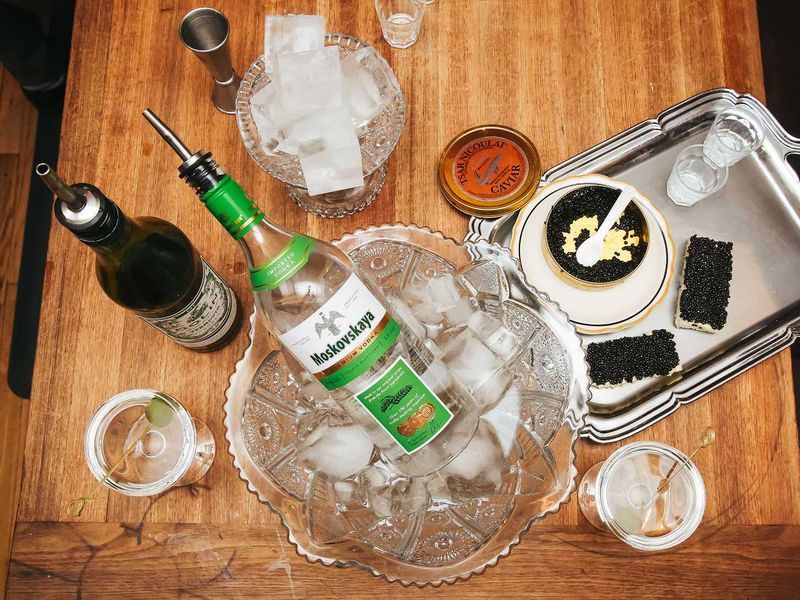
Vodka drinking in Russia follows elaborate social codes. Bottles must be emptied once opened, and toasts precede each round—increasingly heartfelt as the evening progresses.
Russians consider drinking alone deeply suspicious; sharing vodka creates bonds of trust. After each toast, glasses are emptied completely, never sipped. Food accompanies every drink, with pickles, black bread and herring being traditional zakuski (small bites) that help absorb the alcohol.
9. No Salt Shakers In Turkey
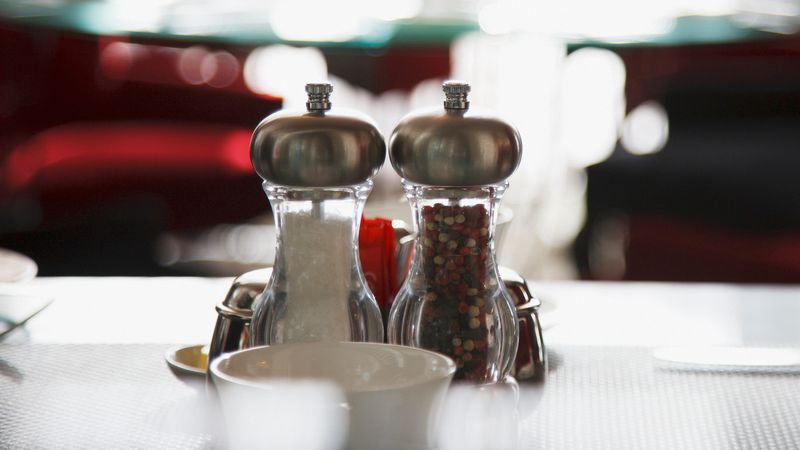
Turkish hosts consider it deeply offensive when guests reach for salt before tasting their food. This implies the cook hasn't seasoned properly—an insult to their culinary skills.
Professional chefs take particular pride in perfect seasoning. If you absolutely must add salt, do so discreetly after sampling the dish first. This custom reflects broader Mediterranean values where food preparation represents care and hospitality rather than mere sustenance.
10. Moroccan Communal Platters
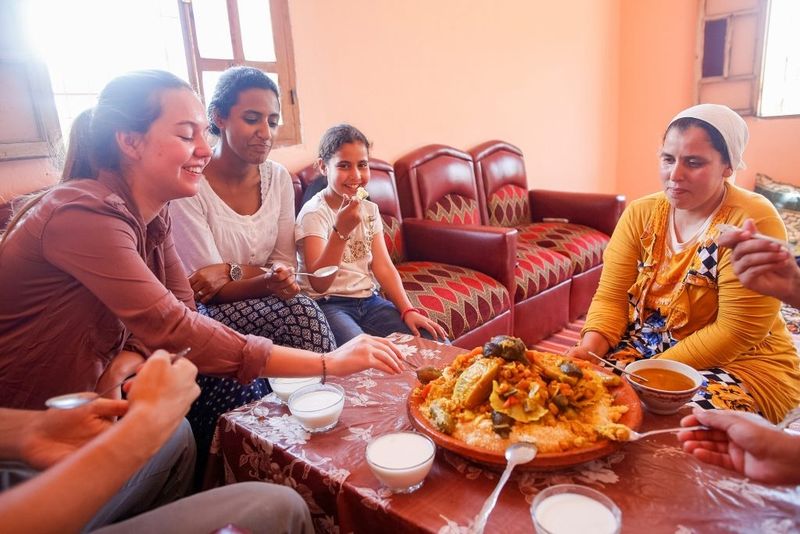
Moroccan families gather around a single large dish called a tajine, named after the conical clay pot in which food is cooked. Everyone eats from their 'territory'—the section directly in front of them.
Bread serves as both utensil and plate, with diners tearing pieces to scoop up meat and vegetables. This intimate sharing style strengthens community bonds. Washing hands before and after meals is essential, with scented water often ceremonially poured over guests' hands.
11. Thai Rice Bowl Positioning
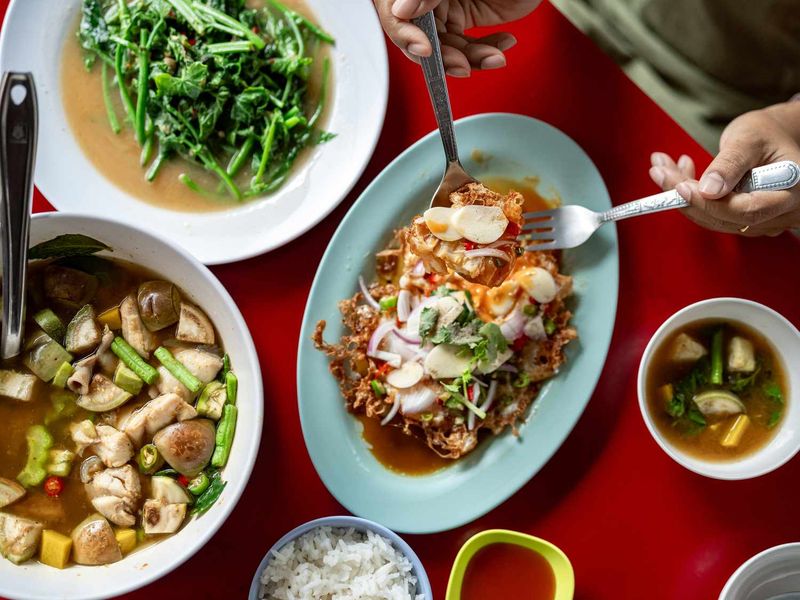
Thai dining etiquette places rice bowls on the left side with curry dishes on the right. Unlike Chinese or Japanese customs, Thais use spoons as primary utensils, with forks pushing food onto spoons.
Rice symbolizes prosperity, so wasting even a single grain brings bad luck. Never stick chopsticks vertically into rice - this resembles incense offerings to the dead! These seemingly small details carry significant cultural weight in Thai dining rooms.
12. Italian Cheese Restrictions
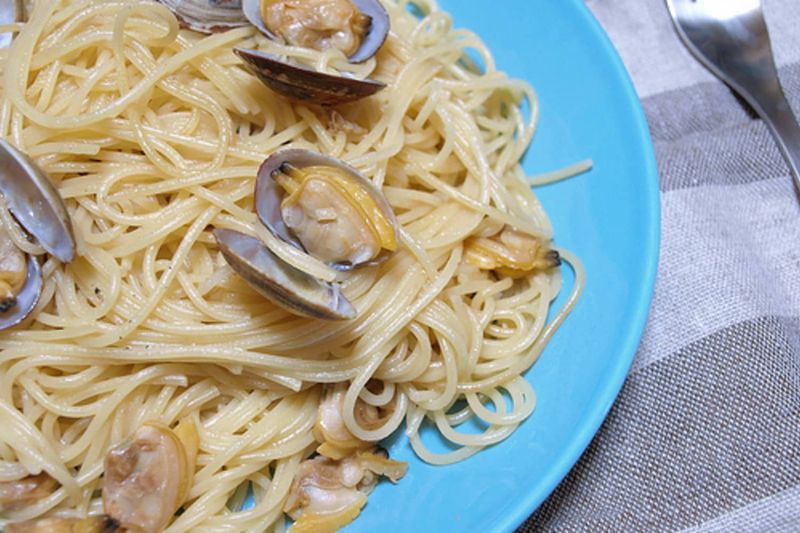
Italians recoil at the thought of sprinkling parmesan on seafood pasta. This culinary rule dates back centuries when cheese was used to mask the taste of spoiled fish in inland regions.
Today, chefs consider it sacrilege to mix dairy with delicate seafood flavours. Restaurants may actually refuse if you request cheese with your linguine alle vongole! This principle reflects Italian cooking's fundamental philosophy: quality ingredients should shine without unnecessary additions.
13. Mexican Taco Technique
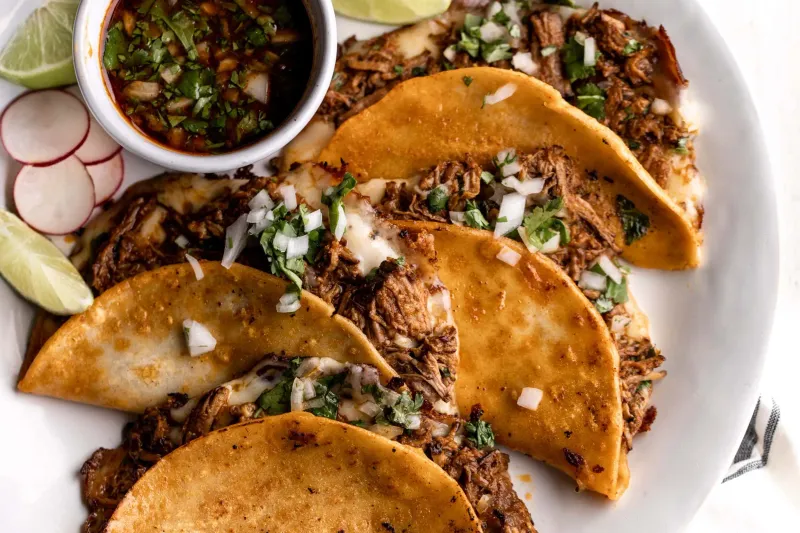
Authentic Mexican tacos require specific handling—slightly tilted to prevent fillings from escaping while eating from one end to the other. Cutlery is considered unnecessary and even inappropriate.
Locals often use a thumb-and-pinky grip to minimize spillage. Street vendors provide small lime wedges to squeeze over fillings, enhancing flavours and cutting through richness. This hands-on approach connects diners directly with their food in a visceral, enjoyable way.
14. Right-Hand Rule In Middle East
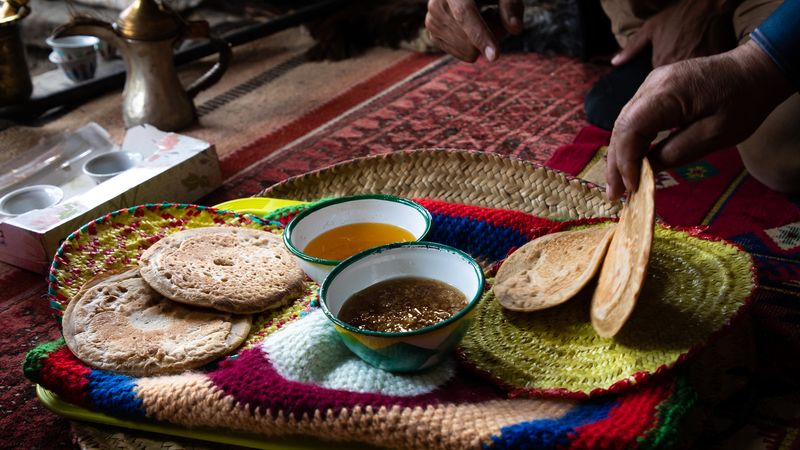
Across Middle Eastern cultures, the left hand is traditionally associated with bathroom hygiene, making it inappropriate for eating or passing food. Only the right hand should touch communal dishes or bread.
This custom predates modern plumbing when cleanliness distinctions were crucial for health. Even left-handed people must adapt to this cultural expectation. The rule extends beyond eating—offering items with your left hand can be considered disrespectful in formal settings.
15. Finnish Silent Suppers
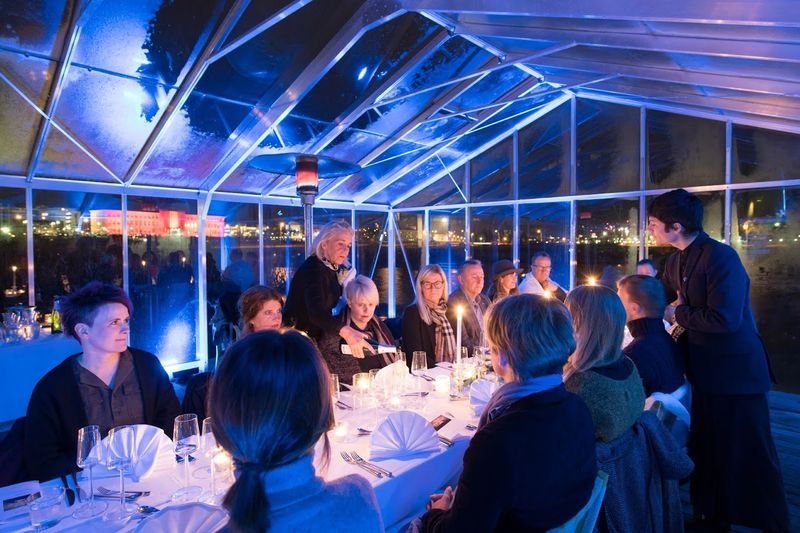
Finnish meals often progress with minimal conversation—not from rudeness but deep cultural appreciation for comfortable silence. Words are used sparingly, with meaningful purpose rather than social filler.
This practice stems from agricultural traditions where exhausted farmers needed to focus on replenishing energy. Complimenting the cook happens through clean plates rather than excessive praise. Foreigners often misinterpret this quietude as coldness when it actually represents thoughtful enjoyment.
16. Greek Bread Sharing Ritual
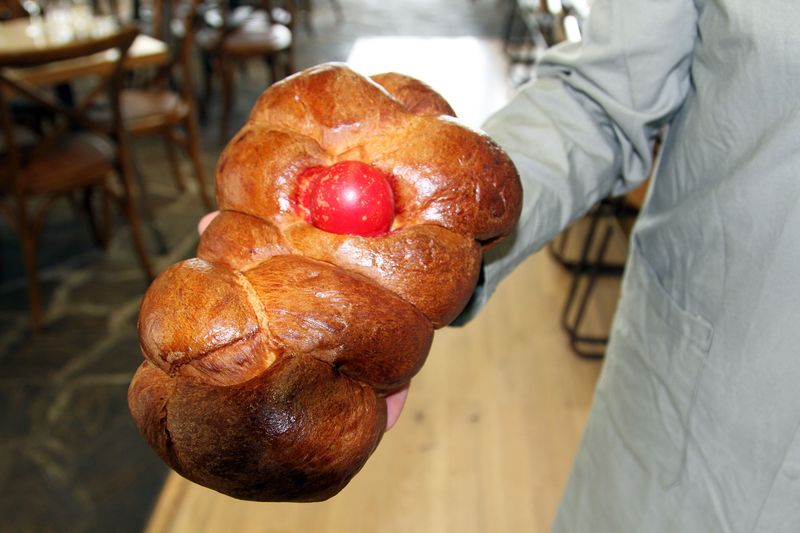
The oldest person at Greek gatherings traditionally breaks bread for everyone present. This ancient custom symbolizes abundance and connection, dating back to early Christian traditions.
Breaking rather than cutting preserves the bread's natural texture and prevents precise, stingy portions. The host tears generous pieces, demonstrating hospitality through abundance. This ritual creates immediate community among diners, even strangers, through the shared experience of eating from the same loaf.
17. Vietnamese Phở Precision
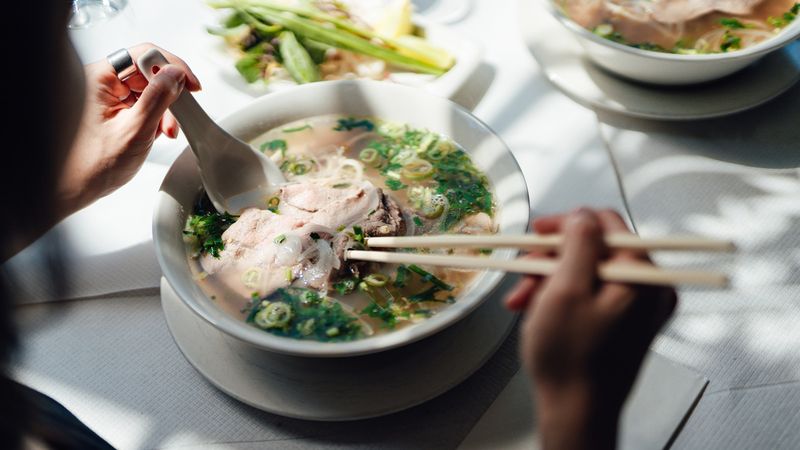
Vietnamese diners approach phở with methodical precision. Herbs are torn rather than cut, preserving aromatic oils. Bean sprouts remain separate until the last moment to maintain crispness.
Chopsticks hold noodles while the ceramic spoon samples broth. Slurping is acceptable but less pronounced than in Japan. The ritual continues with progressive seasoning—first tasting the pure broth before adjusting with lime, chili and fish sauce according to personal preference.
18. Filipino Kamayan Feasts
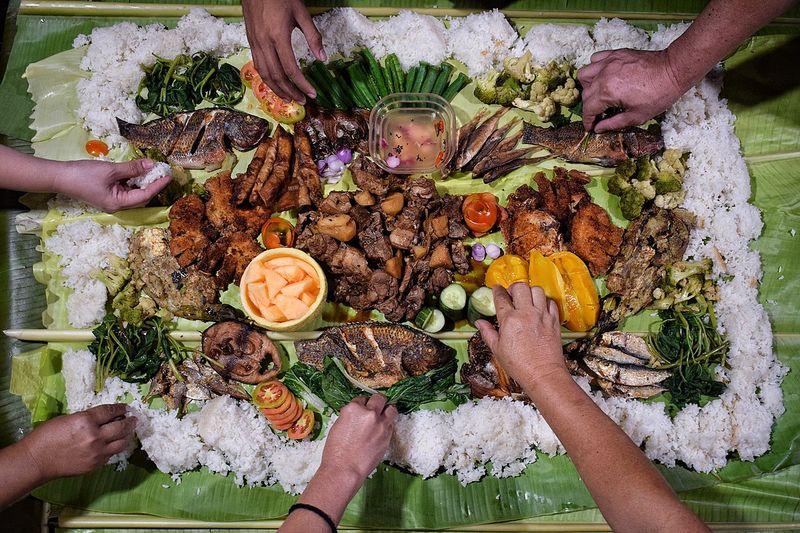
Kamayan—eating with bare hands directly from banana leaves—celebrates Filipino food culture in its most primal form. Rice, grilled meats and seafood are arranged in artistic displays across long tables lined with leaves.
The practice creates equality among diners by removing utensil barriers. Modern Filipino restaurants worldwide now offer kamayan nights where diners remove shoes, roll up sleeves and connect through this tactile dining experience. The slightly sweet banana leaves impart subtle flavour to everything placed upon them.
19. Danish Hygge Dining
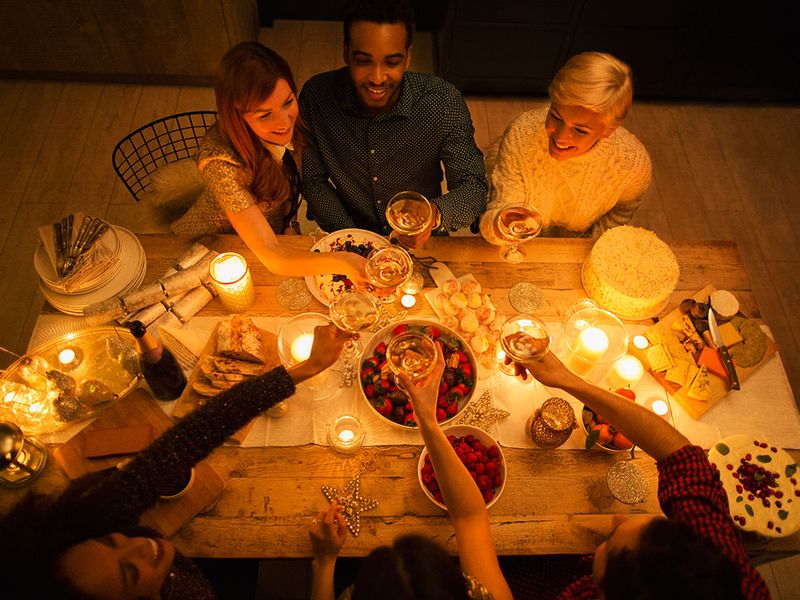
Danish meals embody hygge—that untranslatable concept of cosy contentment. Candles illuminate tables regardless of season or occasion, creating warm, flattering light that encourages relaxed conversation.
Dining extends for hours with multiple small courses rather than one large serving. No one rushes to clear plates between courses. This unhurried approach prioritizes connection over consumption, explaining why Danes consistently rank among the world's happiest populations despite their long, dark winters.
20. Peruvian Pisco Ceremony
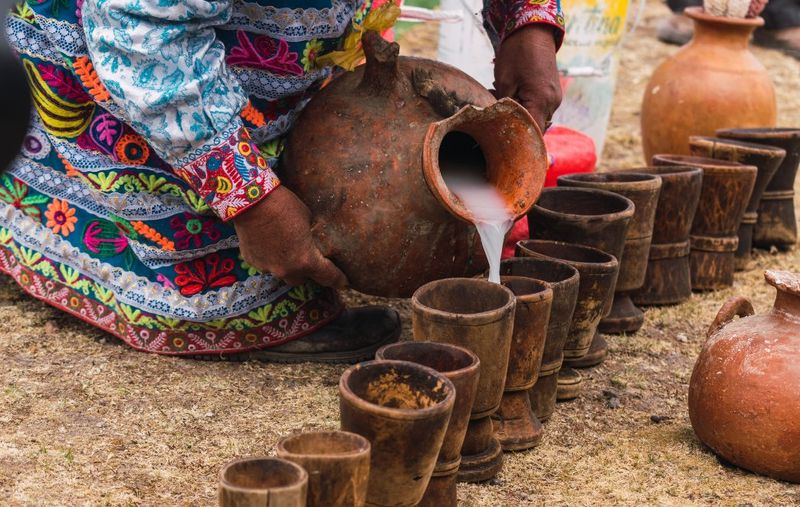
Sharing pisco in Peru follows ceremonial steps that honour both the spirit and the social connection. Before drinking, someone spills a few drops onto the ground as an offering to Pachamama (Mother Earth).
The same glass often circulates among friends rather than individual servings. Before sipping, participants clink glasses with each person individually while maintaining eye contact. Failing to meet eyes during a toast supposedly results in seven years of bad luck!



