










Curry pastes bring bold flavours and aromatic spices to the kitchen, forming the base for many Asian dishes.
They allow home cooks to recreate authentic flavours quickly, from fiery Thai curries to the milder comfort of Japanese versions. Knowing the differences between these pastes can help you choose the right one for your next meal.
This article is for general information only. Recipes, ingredients, and availability may vary by region. Photos are illustrative and may not reflect exact outcomes.
1. Thai Red Curry Paste
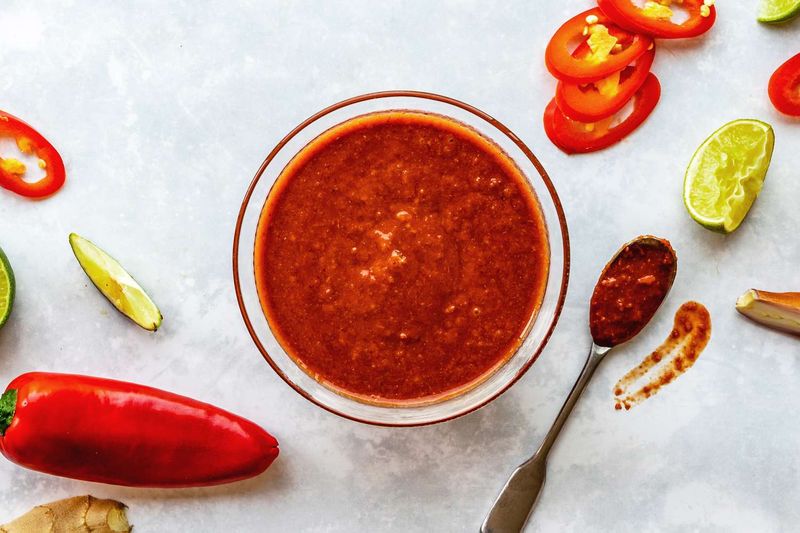
Made with dried red chillies, galangal, lemongrass, and shrimp paste, this paste is known for its heat and colour.
It is most often used in red curries with coconut milk, chicken, beef, or vegetables. Start with a small amount, mixing it into coconut milk before adding other ingredients.
2. Thai Green Curry Paste
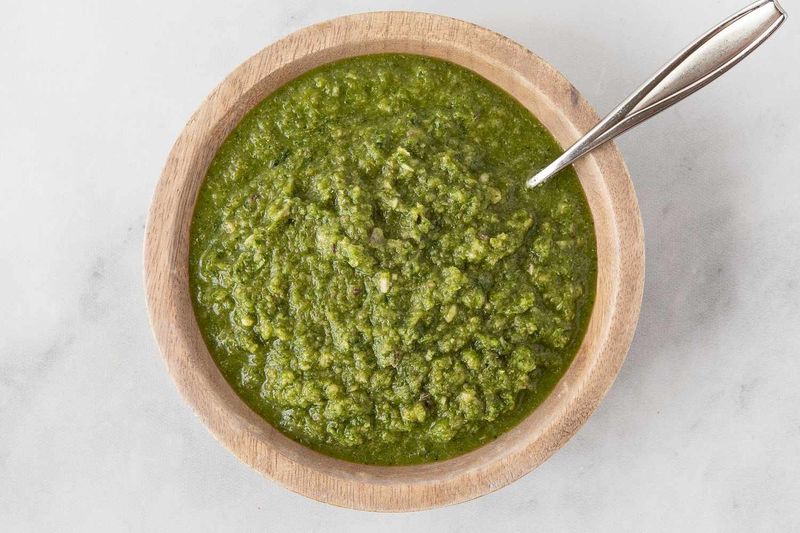
Fresh green chillies, coriander root, kaffir lime, and Thai basil give this paste its colour and strong flavour. It works particularly well with seafood or chicken in a coconut-based curry.
Use sparingly, as green curry paste is often hotter than red.
3. Thai Yellow Curry Paste
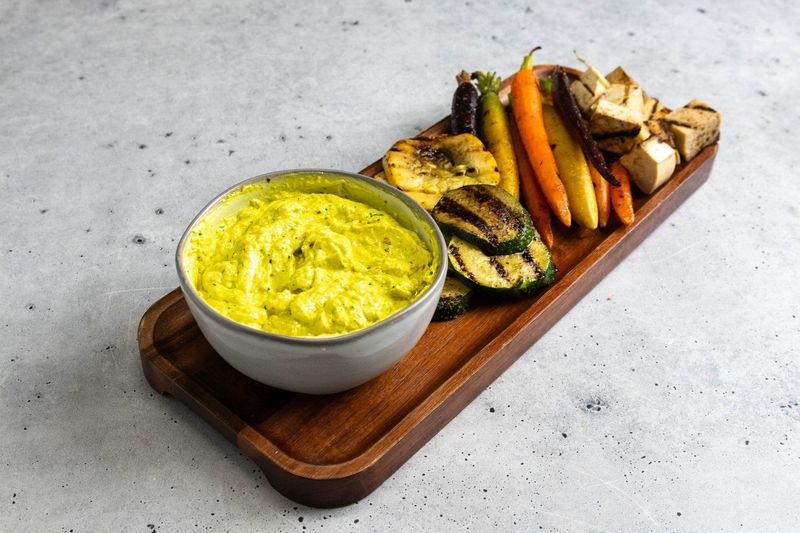
Turmeric gives yellow curry paste its golden colour and earthy flavour. It is milder than red or green and often cooked with potatoes, chicken, and vegetables. The gentle spice makes it suitable for family meals.
4. Japanese Curry Paste
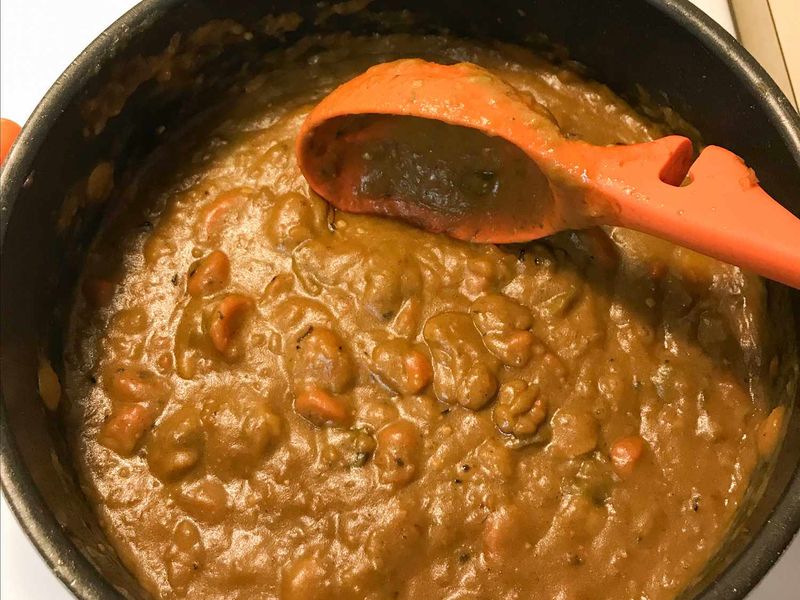
Japanese curry paste is mild and slightly sweet, often made with apple and honey. It is best known in Japanese curry rice dishes, served with breaded pork or vegetables.
Mixed with stock, it produces a thick, stew-like consistency.
5. Indian Tikka Masala Paste
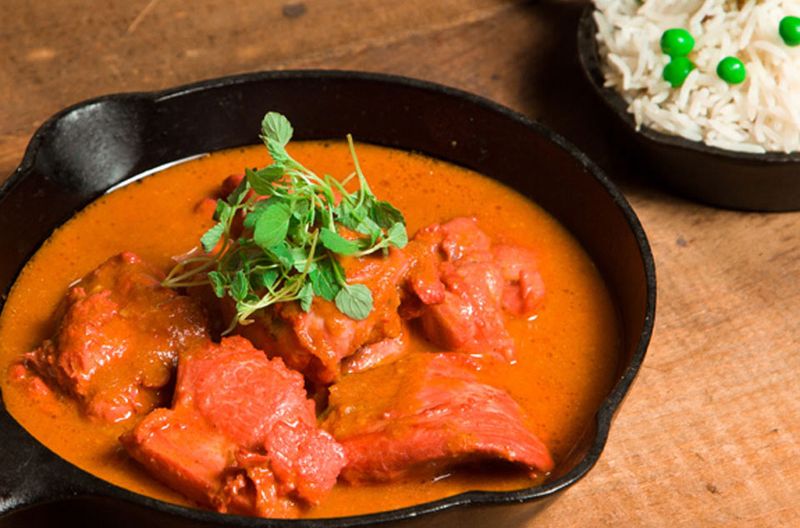
A tomato-based paste combined with garlic, ginger, and garam masala. It is used in chicken tikka masala but also pairs well with paneer or vegetables.
Cream or coconut milk is usually added to create a rich, orange sauce.
6. Indian Madras Curry Paste
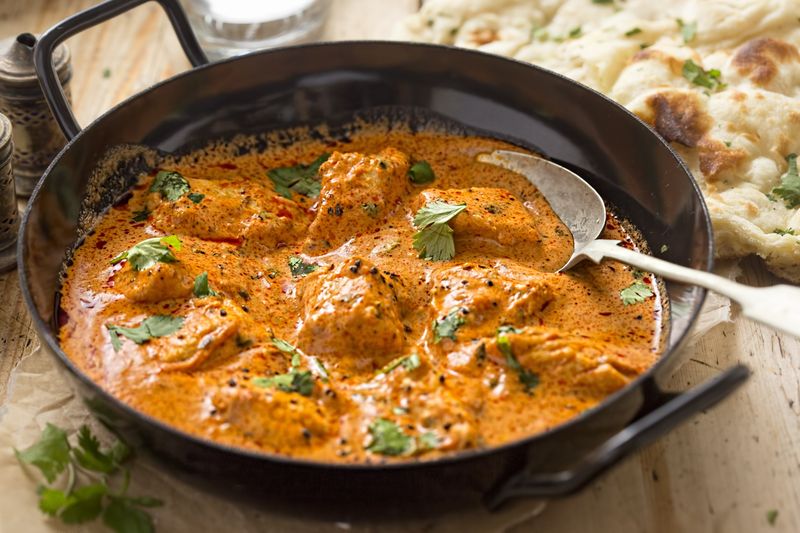
Known for its strong heat, this southern Indian paste uses mustard seeds, curry leaves, and chillies. It is often paired with lamb or beef, which hold up well to its intensity.
Coconut milk can be added to soften the spice without losing flavour.
7. Thai Massaman Curry Paste
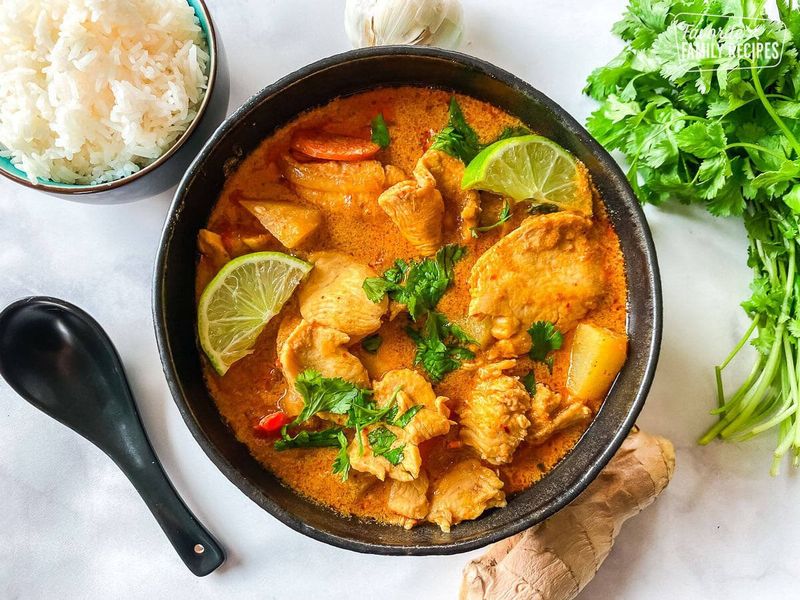
Massaman paste blends Thai and Persian influences, with cinnamon, cardamom, tamarind, and palm sugar.
It is commonly used in beef or lamb curries with potatoes and peanuts. Slow cooking brings out its full depth of flavour.
8. Korean Gochujang Paste
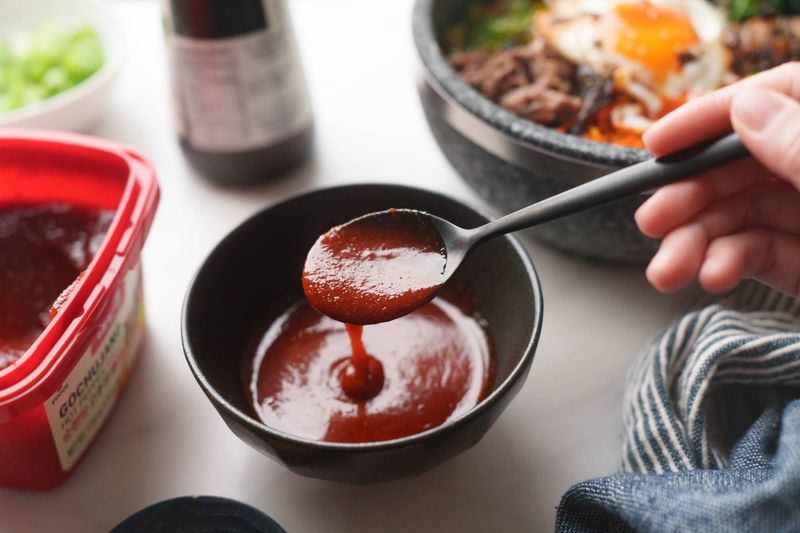
A fermented paste of soybeans and red pepper flakes that delivers heat and savoury depth.
Used in bibimbap, stir-fries, and marinades, it also works well in sauces when mixed with sesame oil and vinegar. Store in the fridge, where it keeps for months.
9. Indonesian Rendang Paste
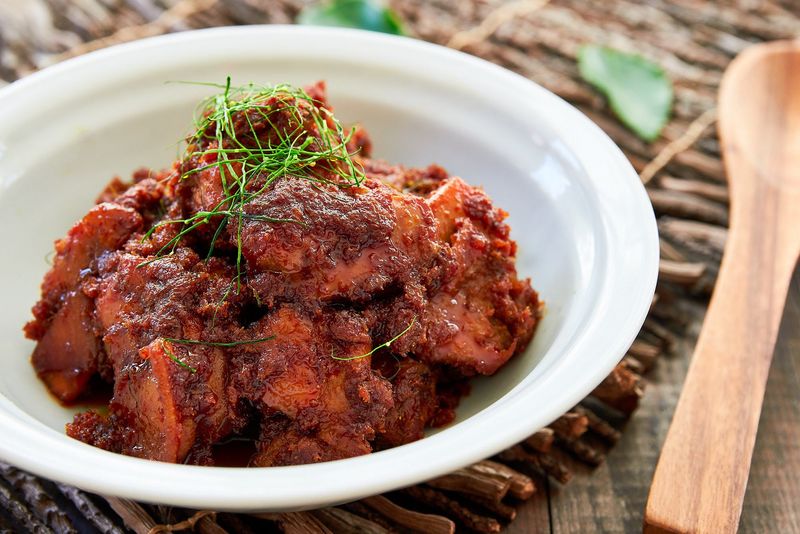
This paste uses coconut, lemongrass, and galangal to create the base for rendang. Traditionally, beef is slow-cooked until tender, though chicken or vegetables can also be used.
Long cooking reduces the coconut milk to a rich, dark sauce.
10. Malaysian Laksa Paste

Made with dried shrimp and candlenuts, laksa paste forms the base of Malaysia’s famous noodle soup.
Combined with coconut milk and stock, it creates a rich broth served with prawns, bean sprouts, and fresh herbs.
11. Burmese Curry Paste
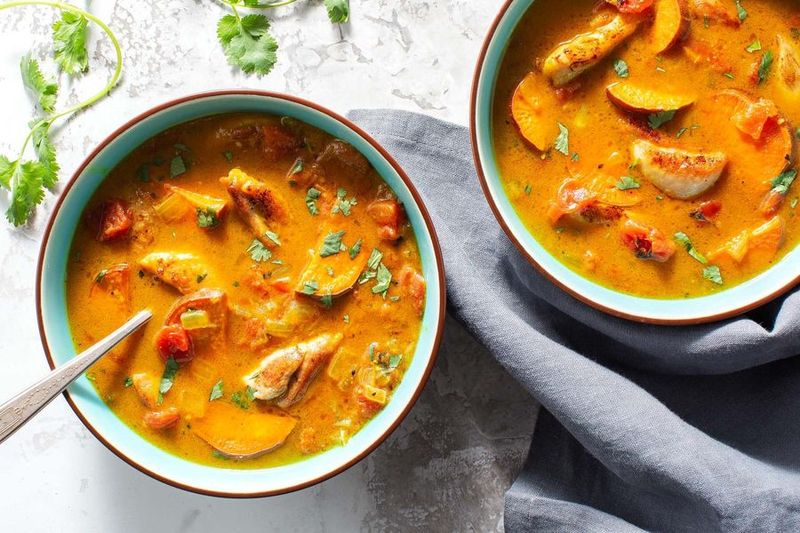
Turmeric and shallots dominate this paste from Myanmar. Curries are often drier, with plenty of onions and less liquid. Frying the paste in oil before adding other ingredients develops the authentic flavour.
12. Vietnamese Curry Paste
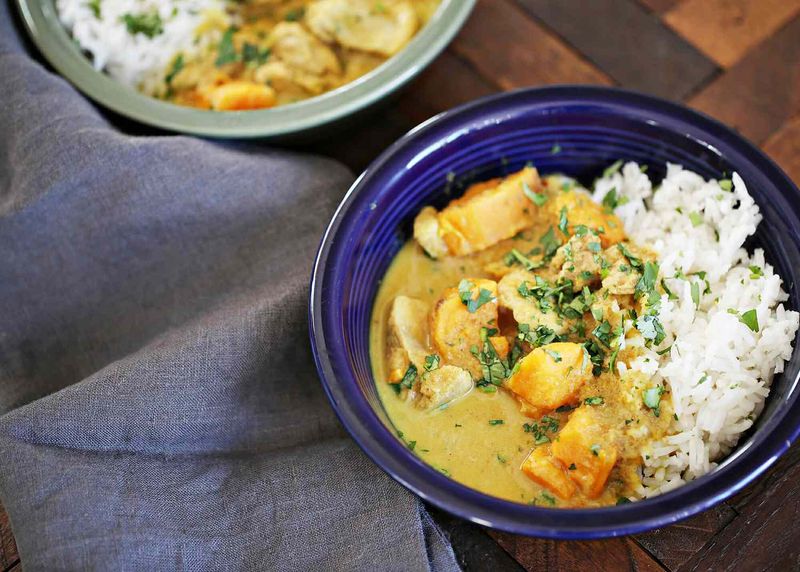
Vietnamese curry paste blends lemongrass and fish sauce with French-influenced cooking methods. Often used in chicken curry served with rice noodles or baguette, it produces a lighter, broth-like consistency.
Fresh herbs such as Vietnamese mint and coriander finish the dish.