Ever wondered if you can freeze cheese to make it last longer? Good news - you absolutely can! Freezing cheese is a brilliant way to reduce food waste and save money.
The trick is knowing which types freeze well and how to properly store them to maintain their flavour and texture after thawing.
Choose The Right Cheese Types
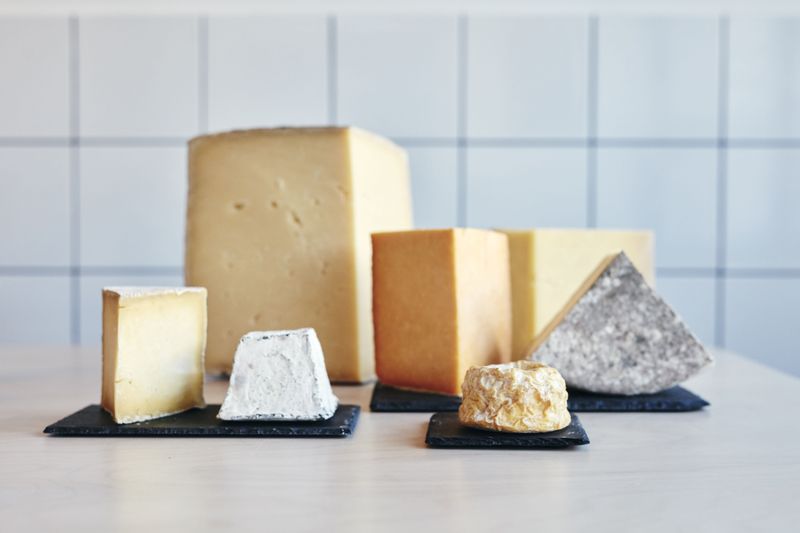
Hard and semi-hard varieties are your freezer-friendly champions. Cheddar, Gouda, Swiss, Parmesan and Monterey Jack maintain their integrity when frozen due to lower moisture content.
Soft cheeses like Brie and ricotta tend to become grainy after thawing. When selecting cheese for freezing, focus on firmer options for best results.
Portion Before Freezing
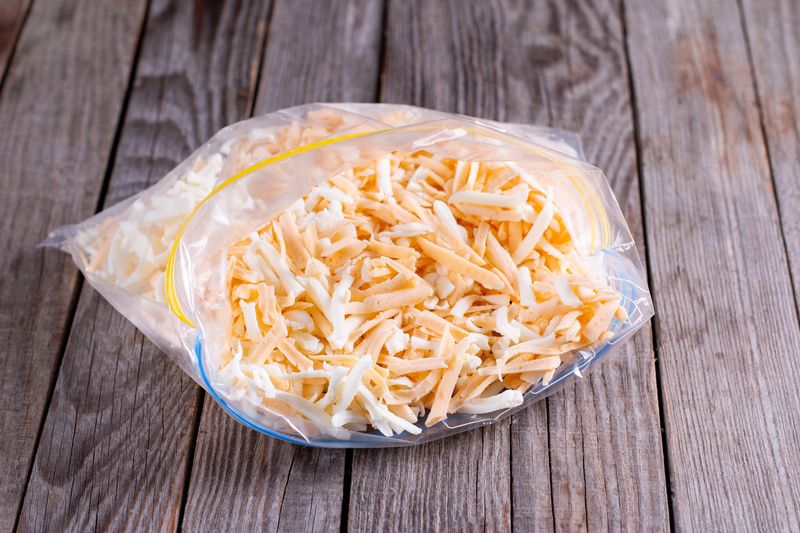
Smart portioning saves you hassle later. Cut cheese into the amounts you typically use in recipes to avoid repeatedly thawing and refreezing.
Consider how you'll use the cheese - grate some for pasta dishes, slice some for sandwiches. Match portions to your cooking habits for maximum convenience.
Wrap Cheese Properly
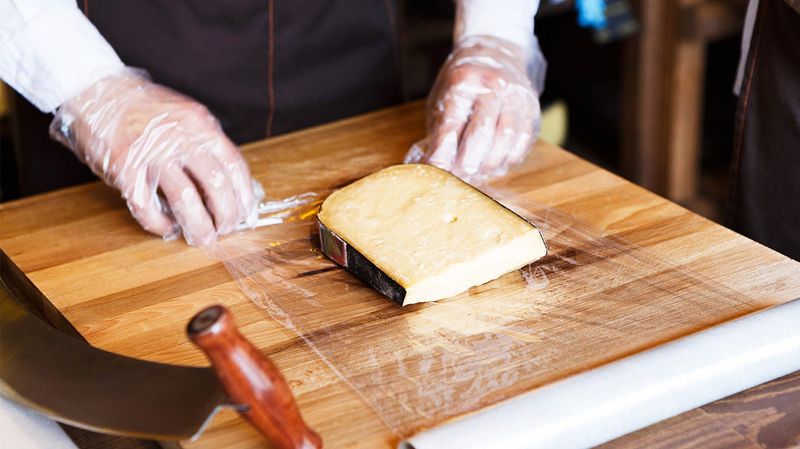
Protection is paramount when freezing cheese. First, wrap tightly in cling film or aluminium foil to create an airtight seal around each piece.
For extra security, place wrapped portions inside freezer bags, removing excess air before sealing. This double-barrier method prevents freezer burn and preserves flavour.
Label And Date Packages
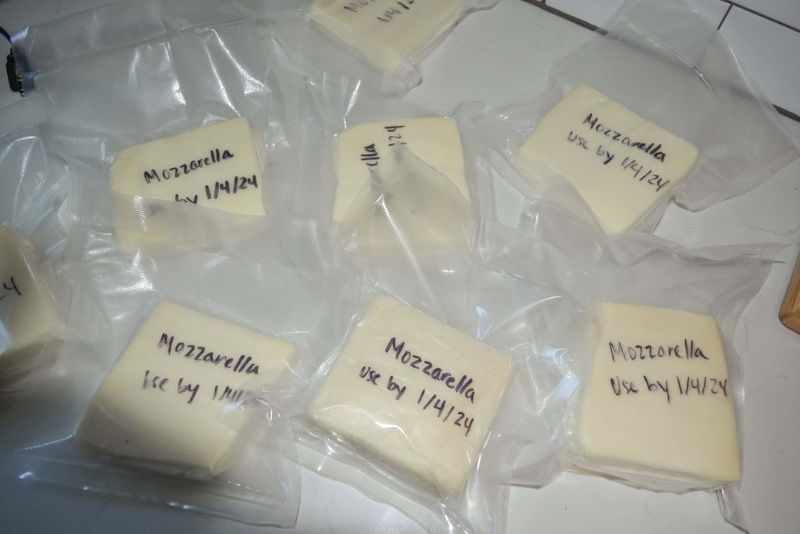
Memory fails us all sometimes. Write the cheese type and freezing date clearly on each package using a permanent marker or adhesive label.
This simple step eliminates guesswork and helps you follow the first-in, first-out principle. No more mystery cheese blocks lurking in freezer corners for years!
Freeze Quickly At Coldest Temperature
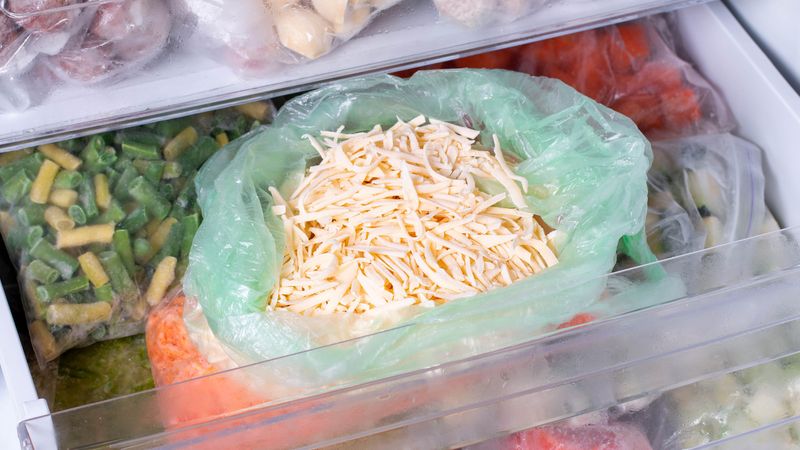
Rapid freezing preserves cheese quality. Place newly wrapped cheese at the back of your freezer where it's coldest, not in the door where temperatures fluctuate.
Consider setting your freezer to its coldest setting temporarily when adding fresh cheese. The faster ice crystals form, the less damage they cause to the cheese's structure.
Respect Storage Time Limits
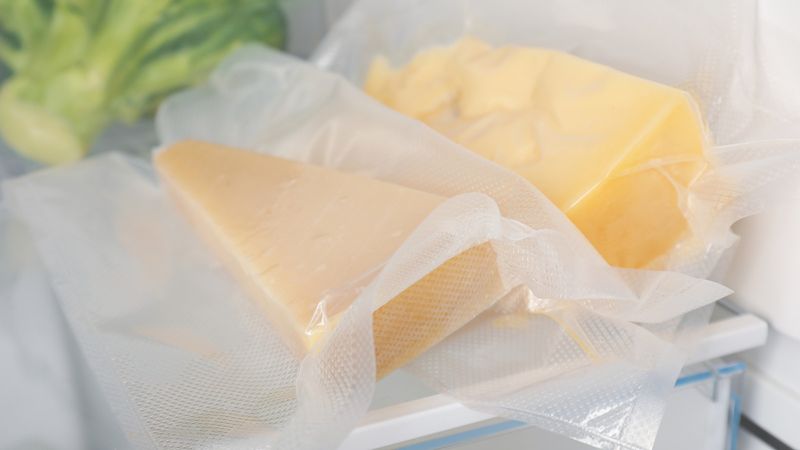
Even frozen, cheese has a shelf life. Hard varieties like Parmesan remain at peak quality for up to six months, while semi-hard types like Gouda should be used within three months.
While technically safe beyond these periods, flavour and texture gradually deteriorate. Regular freezer inventory checks help maintain quality control.
Master The Thawing Process
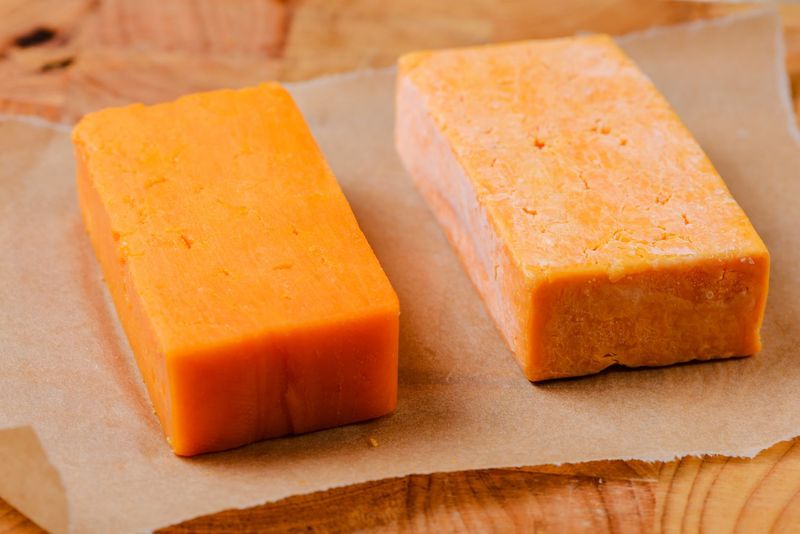
Patience yields the best results when defrosting cheese. Transfer frozen cheese to your refrigerator and allow approximately 24 hours per pound to thaw gradually.
Resist the temptation to use the microwave or room temperature for speed. Slow thawing in the fridge helps maintain the cheese's original texture as much as possible.
Cook With Thawed Cheese
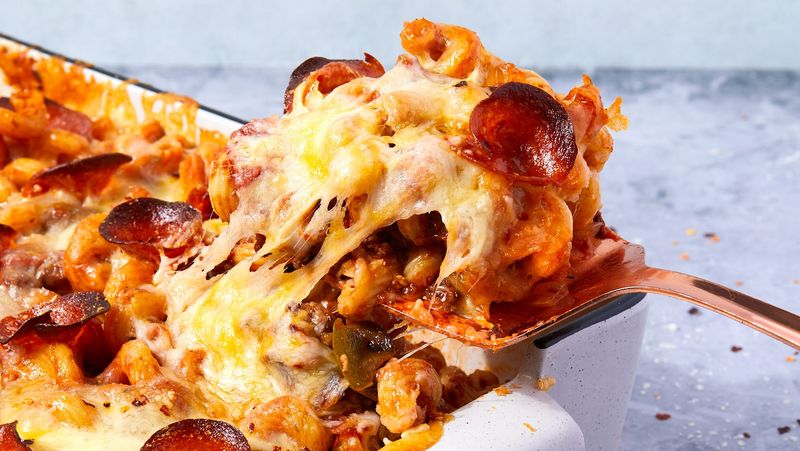
Melting is magic for previously frozen cheese. Use thawed varieties in cooked applications like pasta bakes, pizza toppings, soups, or grilled sandwiches where texture changes become unnoticeable.
Reserve fresh, never-frozen cheese for cheese boards and cold sandwiches where texture matters most. Your guests won't spot the difference in hot dishes!
Freeze Shredded Cheese With Ease
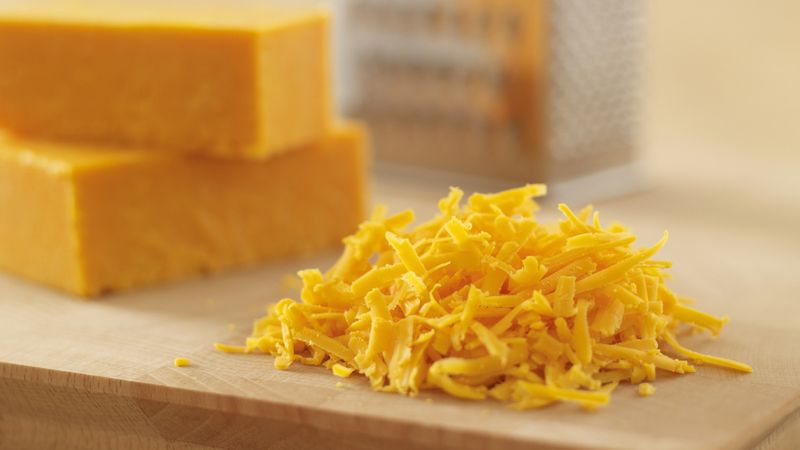
Pre-shredded cheese freezes brilliantly and saves preparation time. Toss freshly grated cheese with a teaspoon of cornstarch before freezing to prevent clumping.
Store in flat layers in freezer bags for easy breaking apart when needed. The beauty of frozen shredded cheese? You can often use it directly in cooking without thawing first!
Avoid Freezing Delicate Cheeses
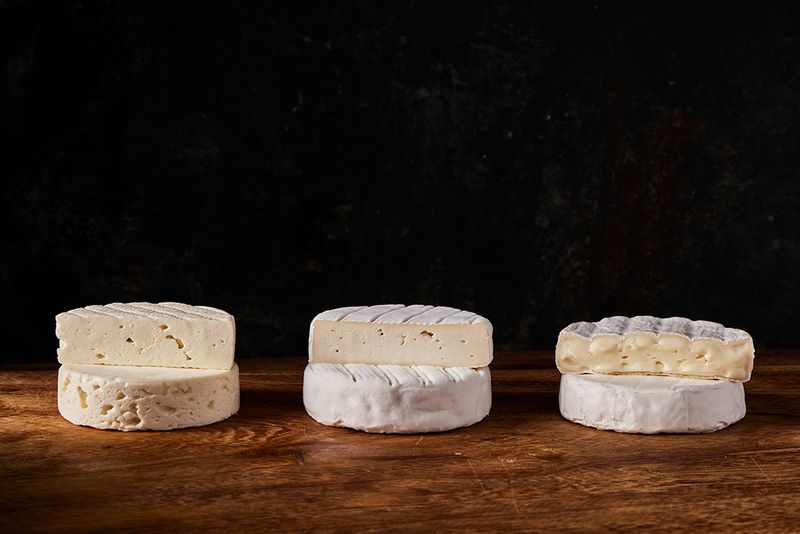
Some varieties simply won't survive the freezer. Soft, creamy cheeses with natural rinds like Brie, Camembert and fresh mozzarella become watery and grainy when frozen.
Cream cheese and cottage cheese also suffer textural damage. For these delicate options, enjoy them fresh or look for specially-prepared frozen versions from manufacturers.