










Ever wondered if that fancy olive oil or expensive honey in your kitchen is the real deal? Food fraud is a massive global problem, with dishonest suppliers swapping premium ingredients for cheaper alternatives to boost profits.
From your morning coffee to your evening glass of wine, these are the ingredients most likely to be fake on your shopping list.
1. Olive Oil
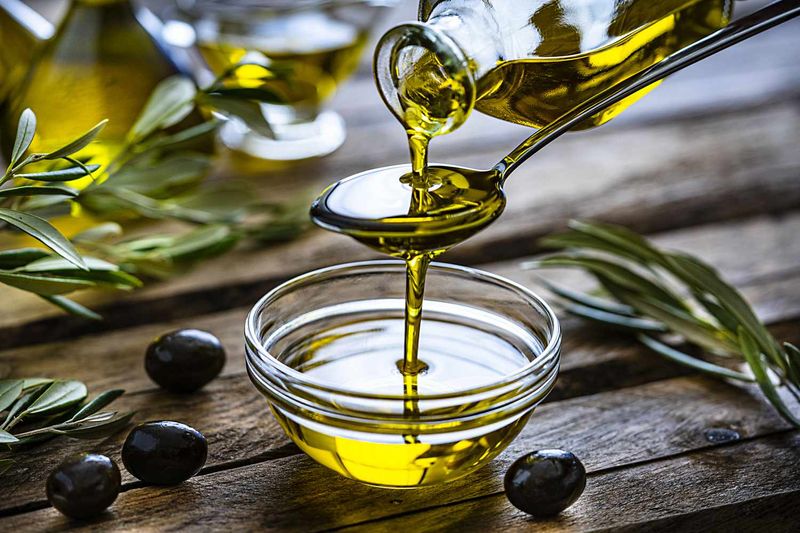
The Mediterranean's finest export often isn't what it claims to be. Studies show up to 80% of Italian olive oil sold abroad doesn't meet 'extra virgin' standards. Fraudsters mix it with cheaper oils like soybean or canola, or dilute high-quality oil with lower grades.
True extra virgin olive oil should taste peppery and slightly bitter. If your bargain bottle tastes bland or smooth, you're likely getting duped by clever counterfeiters who've mastered the art of olive oil fakery.
2. Honey
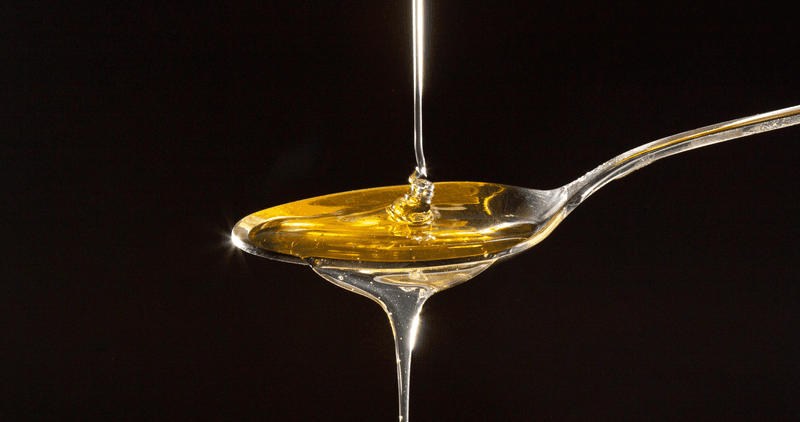
Golden and delicious, honey ranks second on our counterfeit list. Fraudsters dilute real honey with corn syrup, rice syrup or sugar solutions that are virtually undetectable to the average consumer.
China dominates this sticky business, flooding markets with ultra-filtered 'funny honey' that's stripped of all identifying pollen. The practice is so common that more honey is sold globally than bees actually produce!
3. Truffles
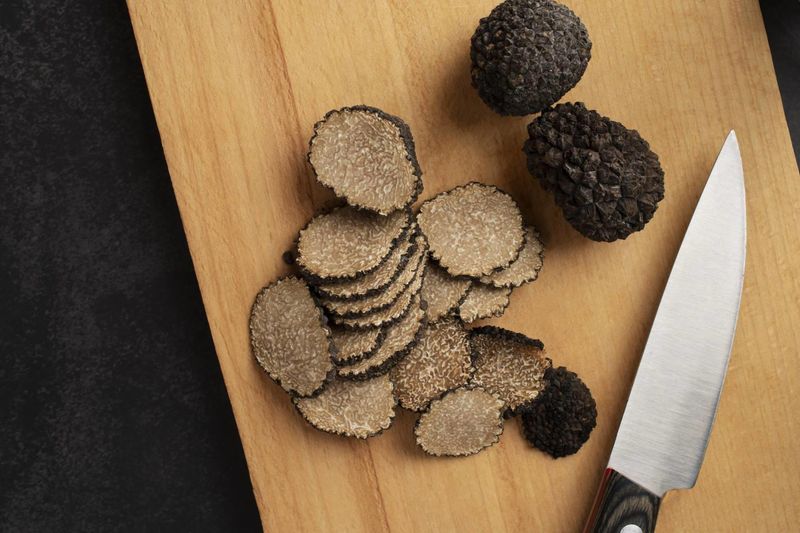
Those exorbitantly priced fungal treasures on your pasta might be nothing more than clever chemistry. Synthetic truffle oil rarely contains any actual truffle, instead using 2,4-dithiapentane to mimic the aroma.
Even whole truffles aren't safe from forgery. Chinese black truffles, worth pennies compared to their European cousins, are often dyed, scented, and passed off as premium Périgord varieties.
4. Vanilla
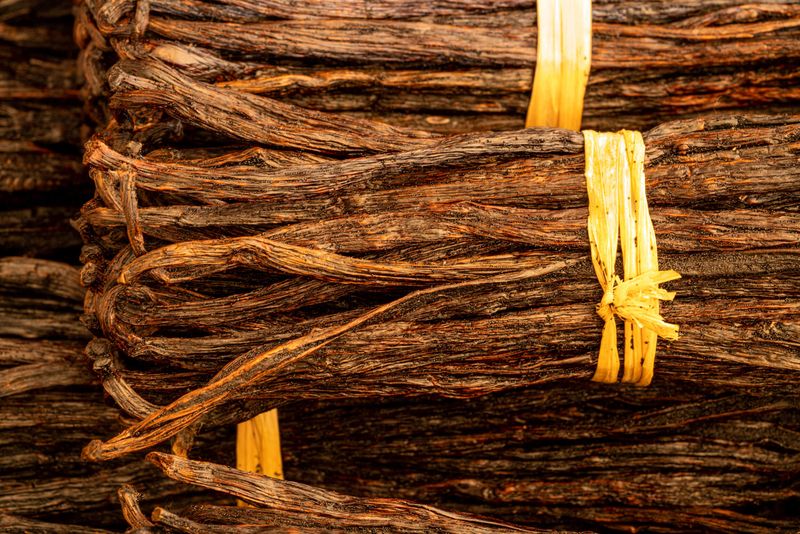
Real vanilla comes from orchid pods hand-pollinated in places like Madagascar. But 99% of 'vanilla' products contain synthetic vanillin derived from wood pulp or petroleum byproducts - at a fraction of the cost.
The genuine beans cost upwards of £400 per kilogram, explaining why fraudsters flood markets with imitations. Even 'vanilla extract' often contains minimal real vanilla, supplemented with tonka bean, which contains coumarin - a blood-thinning compound banned in some countries.
5. Parmigiano-Reggiano
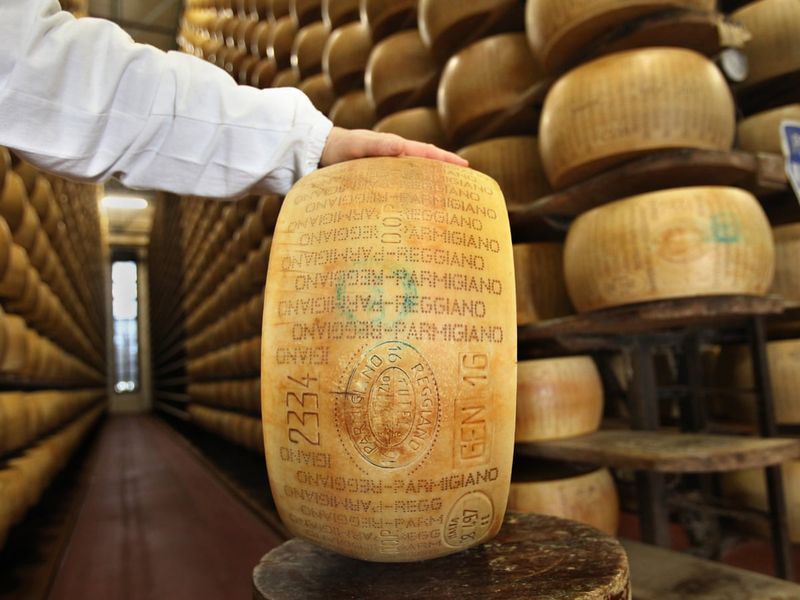
The king of Italian cheeses faces rampant impersonation. Authentic Parmigiano-Reggiano comes exclusively from specific provinces in Italy, aged at least 12 months, with distinctive pin-dots on its rind.
Counterfeiters sell 'parmesan' made anywhere, using inferior methods and sometimes cellulose fillers. The fraud is so widespread that Italy's Parmigiano Consortium employs cheese detectives with special hammers who tap wheels to identify phonies by sound alone!
6. Coffee
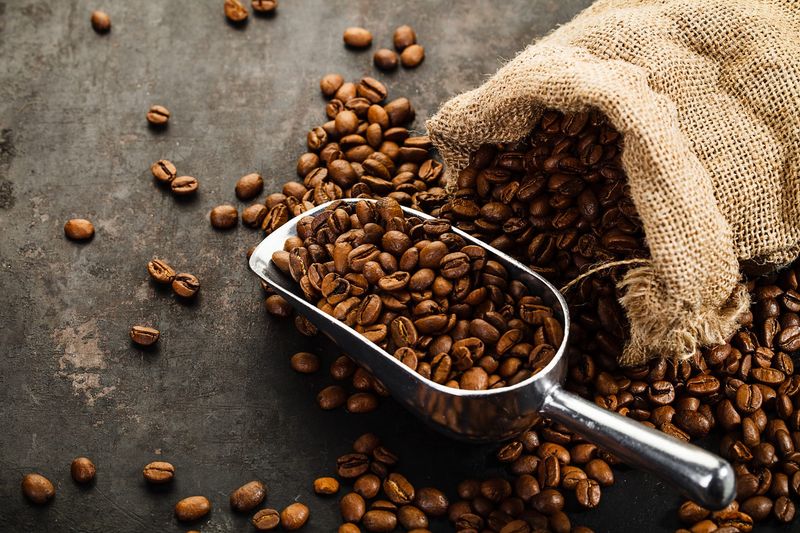
Your morning cuppa might harbour unwelcome fillers. Unscrupulous producers bulk up ground coffee with roasted corn, barley, and even sawdust or burnt sugar to stretch profits. Premium beans face the worst fraud.
'Kopi Luwak', famously harvested from civet droppings and selling for £500 per kilogram, is estimated to be 80% counterfeit. Researchers found many samples contain zero civet-processed beans, just clever marketing and astronomical markup.
7. Wine
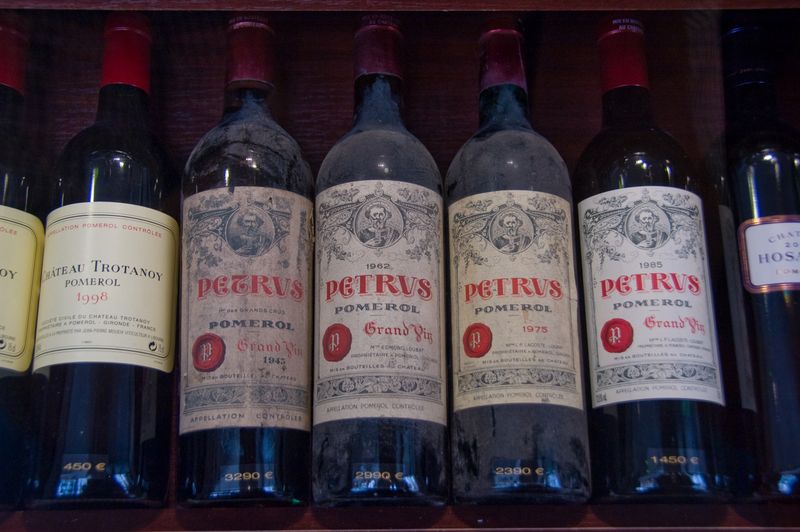
The wine world's dirty secret? That £5,000 bottle might be filled with £10 plonk. High-end forgeries involve refilling empty bottles from prestigious châteaux with inferior wine, using sophisticated techniques to age corks and create fake patina.
One notorious fraudster, Rudy Kurniawan, sold millions in counterfeit wine before his arrest. He mixed cheap Californian wines in his kitchen sink, repackaging them as rare Burgundies that fooled even expert sommeliers and wealthy collectors.
8. Saffron
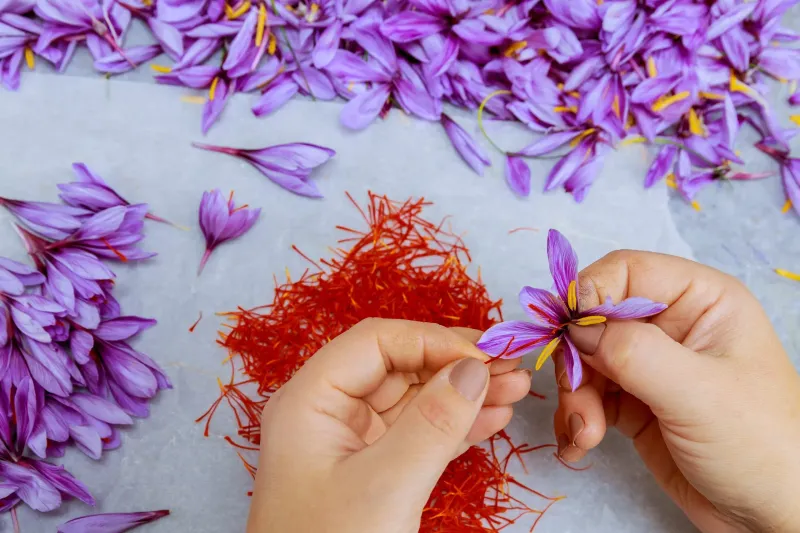
The world's most expensive spice costs more than gold by weight, making it prime for forgery. Genuine saffron comes from the stigmas of crocus flowers, with each flower yielding just three tiny threads. Fraudsters dye corn silk, safflower, or marigold petals to mimic saffron's distinctive red colour.
Some even create synthetic threads from gelatin mixed with colourants. Spanish researchers found nearly 90% of 'saffron' samples contained unauthorized additives or cheaper substitutes.
9. Caviar
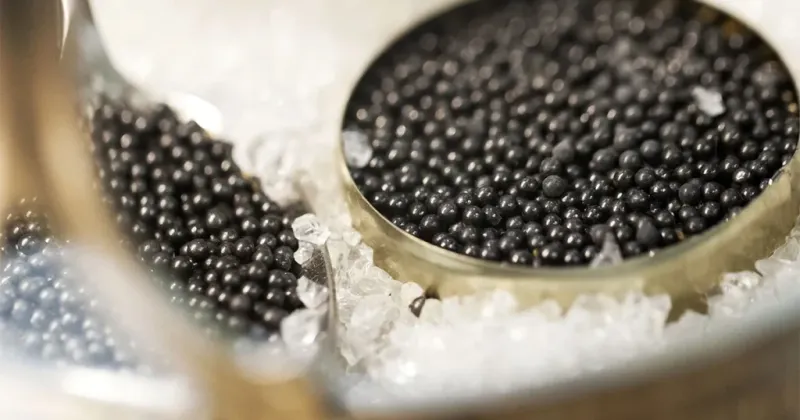
The epitome of gastronomic luxury faces widespread impersonation. True caviar comes solely from sturgeon eggs, but cheaper fish roe from herring or lumpfish is regularly dyed black and mislabelled. Modern technology has even created convincing 'synthetic caviar' using sodium alginate and calcium.
The Russian Caviar House estimates 70% of caviar sold globally is counterfeit. Even experts can struggle to identify fakes without laboratory testing.
10. Maple Syrup
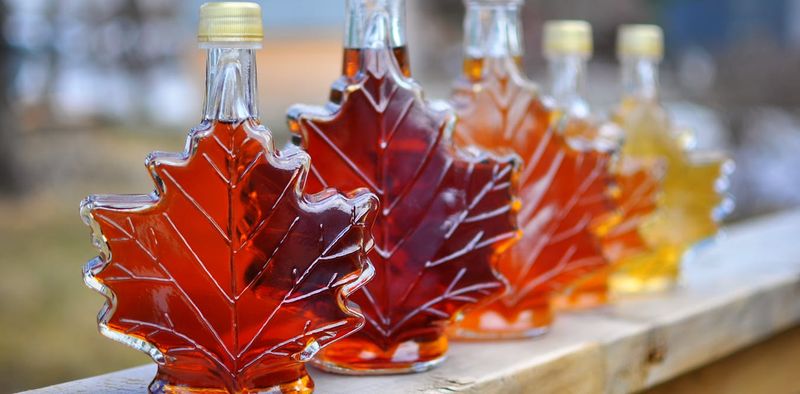
Canada's liquid treasure requires 40 litres of sap to produce just one litre of syrup, explaining why fraudsters seek shortcuts. Many 'maple-flavoured' products contain zero maple, using corn syrup with artificial flavouring instead.
Even bottles labelled 'pure maple syrup' might be diluted with cheaper sweeteners. The problem became so severe that Canada created a Strategic Maple Syrup Reserve and special police unit dedicated to investigating syrup crimes!
11. Tuna
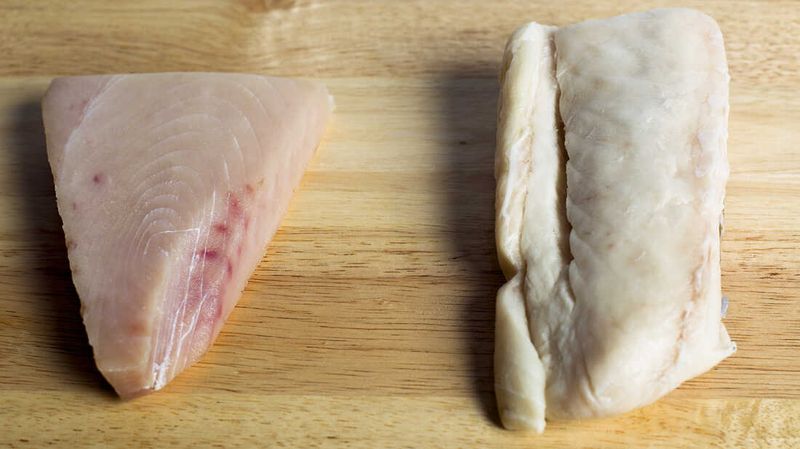
That 'fresh tuna' might be escolar, known as the 'ex-lax fish' for its digestive effects. DNA testing by Oceana found 59% of tuna in restaurants was completely mislabelled, making it the most commonly misrepresented seafood.
The fraud extends beyond species substitution. 'Fresh' fish might be previously frozen, 'wild-caught' might be farmed, and 'local' might have travelled continents. Red snapper shows 87% fraud rates, with cheaper tilapia commonly dyed to mimic its distinctive colour.
12. Balsamic Vinegar
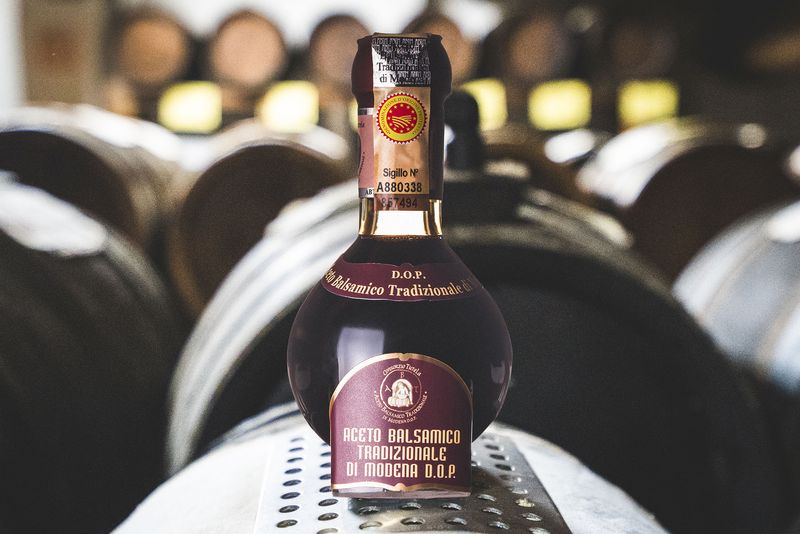
True 'Aceto Balsamico Tradizionale' from Modena must age 12-25 years in specific wood barrels, costing hundreds per bottle. What fills supermarket shelves is typically wine vinegar with caramel colour and sweeteners.
The Italian government created a special classification system to combat rampant fraud. Authentic traditional balsamic comes in a distinctive bulb-shaped bottle with official consortium seals. If your balsamic cost under £50 and contains ingredients beyond grape must, you're experiencing vinegar forgery.