













Sweet pastries are one of the most delicious ways to explore different cultures without ever leaving your kitchen. Every country has its own special recipe, passed down through generations, filled with unique flavors and techniques.
From flaky layers of buttery dough to syrup-soaked treats packed with nuts and spices, the world of pastries is incredibly exciting. Get ready to discover 25 amazing sweet pastries that will make your mouth water and inspire your next baking adventure.
Croissant (France)
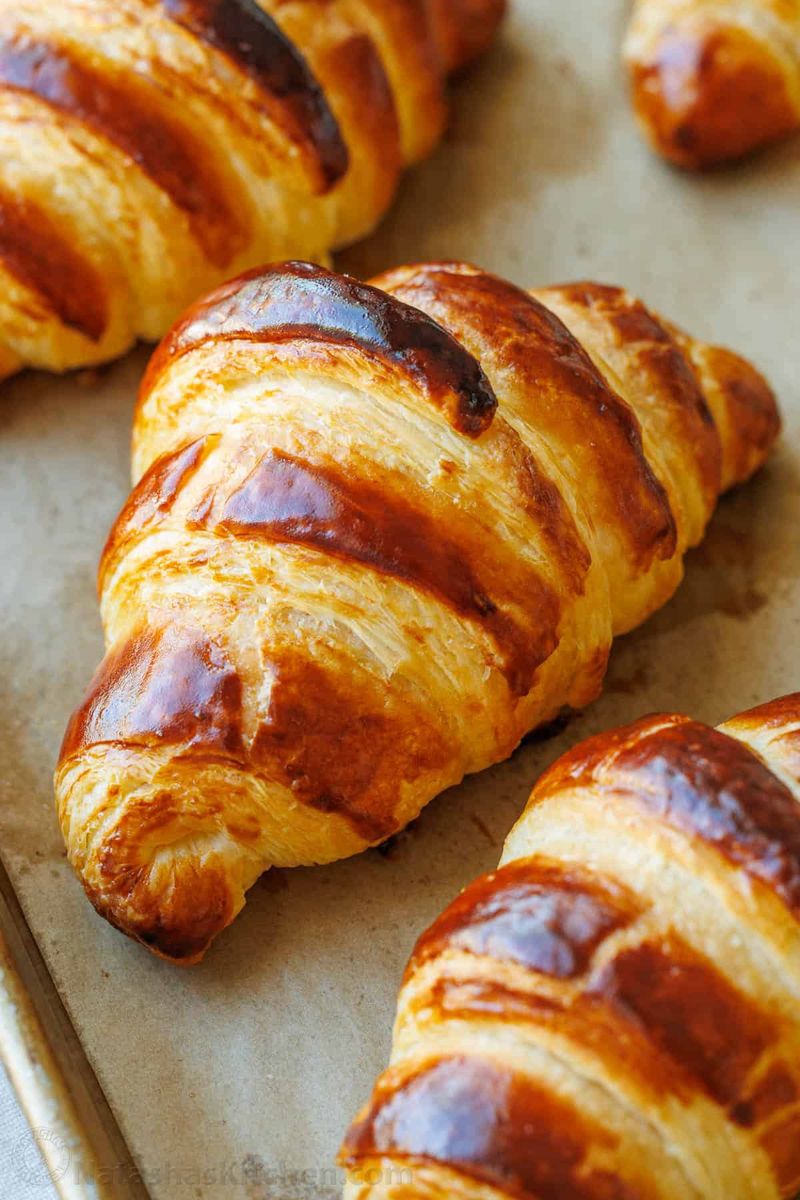
Buttery, flaky, and perfectly crescent-shaped, the French croissant is one of the most recognized pastries on the planet. Bakers fold and roll the dough dozens of times to create those signature thin, crispy layers.
Interestingly, the croissant actually has Austrian roots before France made it famous. Whether enjoyed plain or filled with chocolate or almond cream, every bite feels like a small luxury worth savoring.
Baklava (Turkey/Greece)
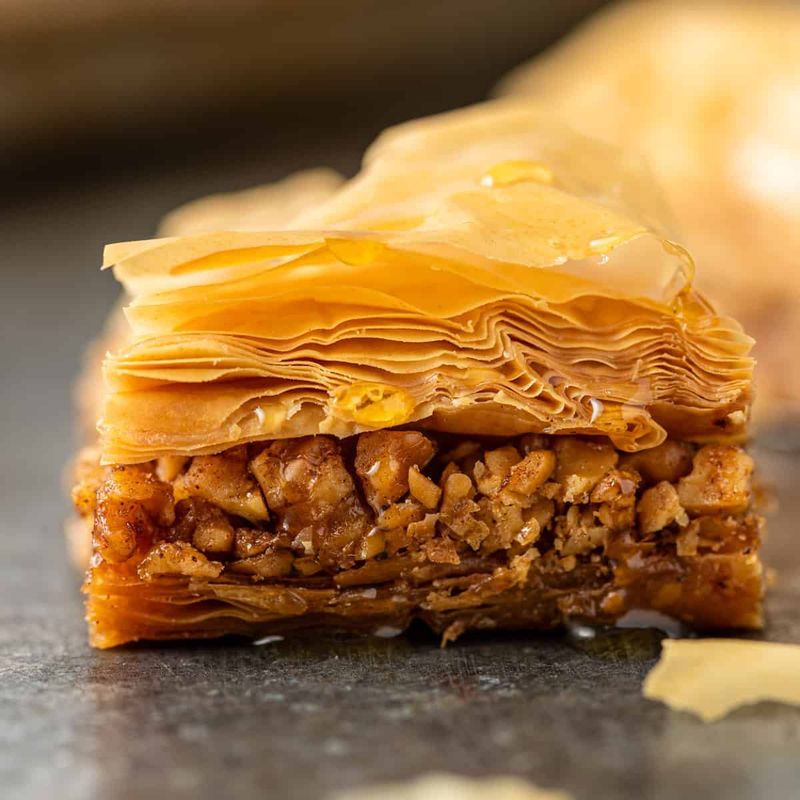
Few pastries in the world can match the sticky, syrupy magic of baklava. Layers of paper-thin phyllo dough are stacked with crushed walnuts or pistachios, then soaked in honey or rose-scented syrup after baking.
Both Turkey and Greece claim ownership of this legendary treat, but honestly, every version deserves celebration. The satisfying crunch followed by a sweet, nutty chew makes baklava completely irresistible to anyone who tries it.
Cannoli (Italy)
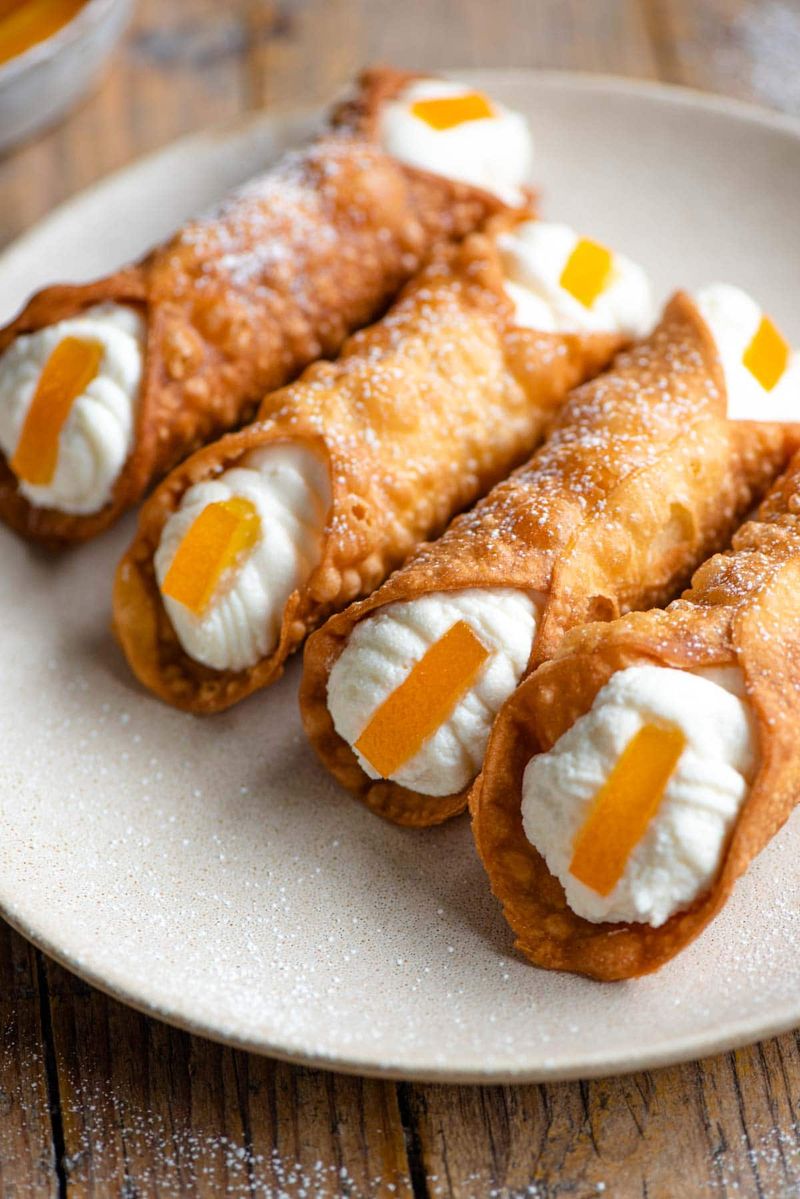
Originating from Sicily, cannoli are crispy fried pastry tubes stuffed with sweetened ricotta cheese and often dotted with chocolate chips or candied fruit. The contrast between the crunchy shell and the creamy filling is absolutely wonderful.
Legend says Sicilian nuns first created cannoli during Carnival season centuries ago. Today, cannoli shops across Italy and the world sell thousands daily.
Once you taste a freshly filled one, store-bought versions will never feel the same.
Churros (Spain)
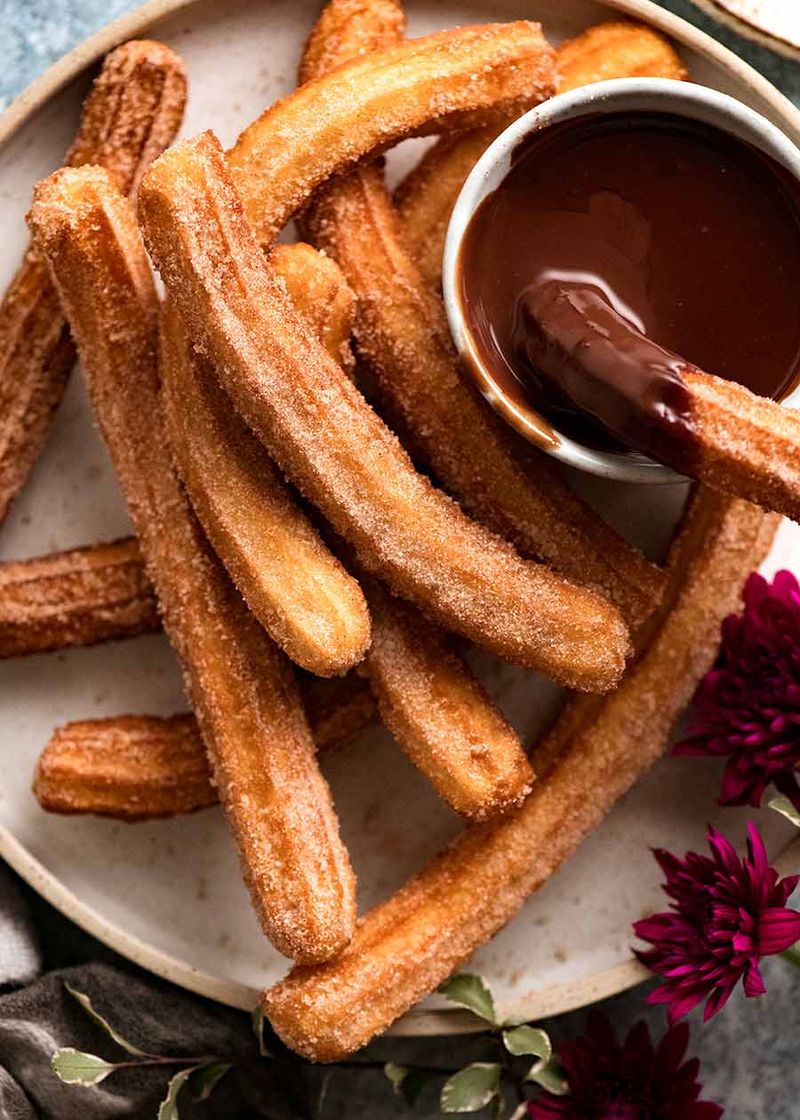
Crispy on the outside, soft and doughy on the inside, churros are Spain's most beloved fried pastry snack. Made from a simple choux-style dough piped through a star-shaped tip and deep-fried to golden perfection, they are pure comfort food.
Dipping them into thick hot chocolate is a Spanish tradition that dates back centuries. Street vendors across Spain and Latin America sell churros daily, filling the air with the irresistible scent of cinnamon and fried dough.
Mochi (Japan)
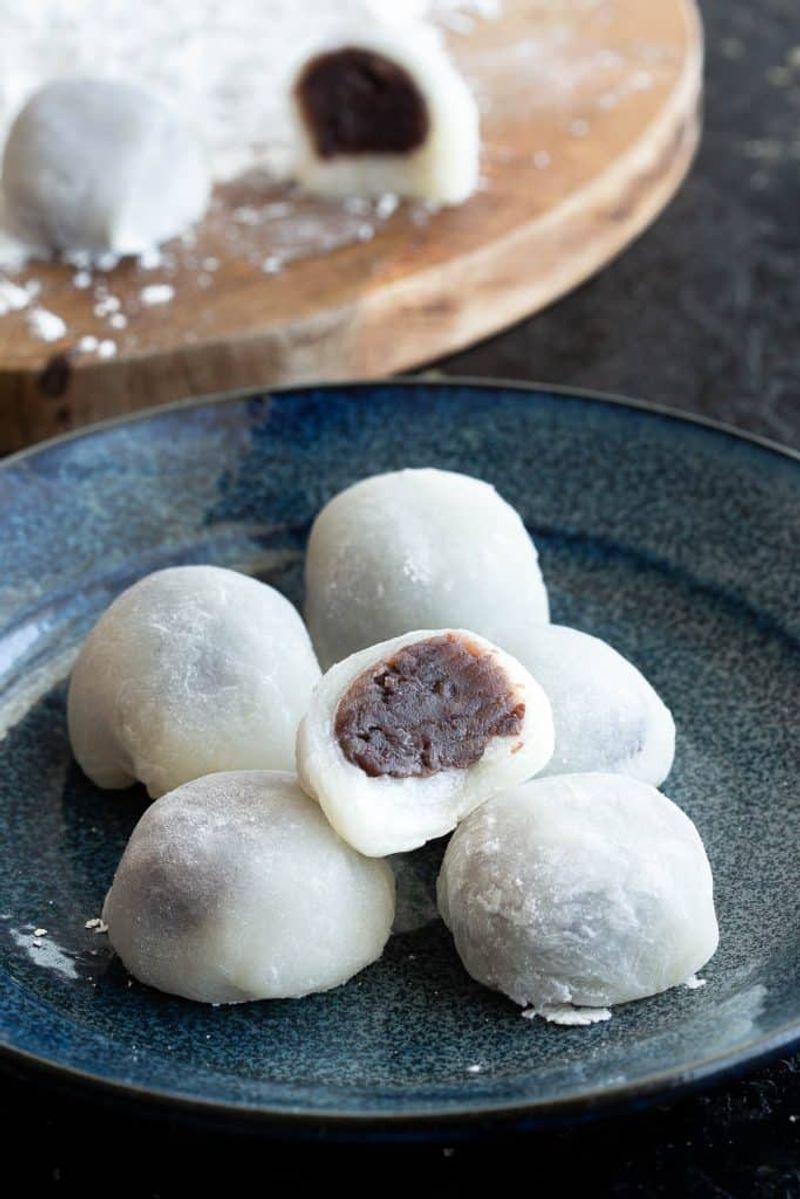
Soft, chewy, and endlessly customizable, mochi is a Japanese sweet made from pounded glutinous rice. The dough can be wrapped around fillings like red bean paste, ice cream, or fresh strawberries to create a truly unique treat.
Mochi has been part of Japanese culture for over a thousand years, often appearing during New Year celebrations. Its pillowy texture is unlike anything else in the pastry world, making it a favorite for anyone seeking something genuinely different and delightful.
Pastel de Nata (Portugal)
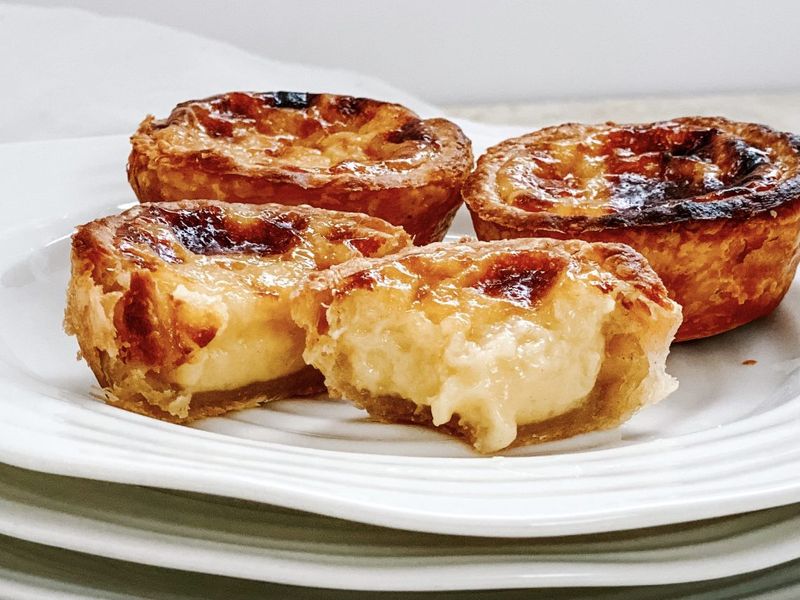
Walk into any Portuguese bakery and the warm, caramelized scent of pastel de nata will stop you in your tracks. These small custard tarts feature a crispy, flaky pastry shell filled with a rich egg custard that gets slightly charred on top during baking.
Monks in Lisbon created the original recipe in the 18th century. Today, the famous Pasteis de Belem bakery in Lisbon still uses the secret original recipe, selling thousands of these golden beauties every single day.
Strudel (Austria)
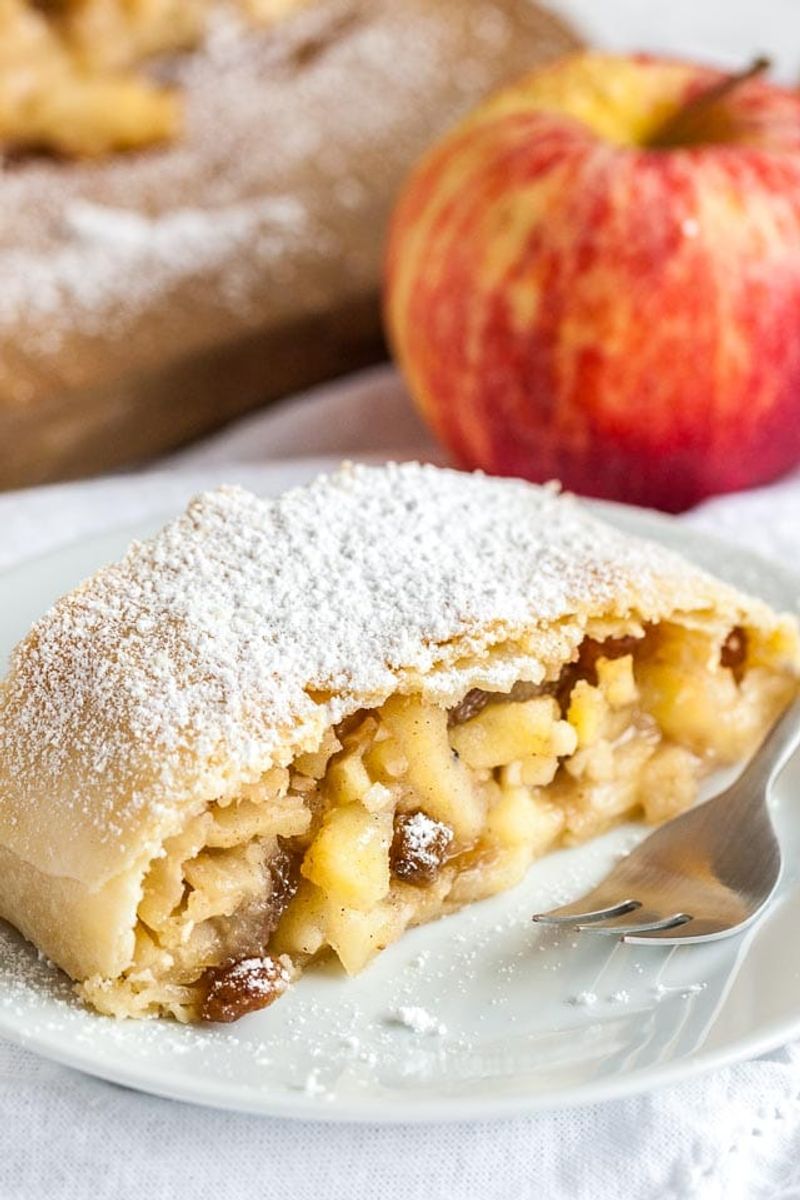
Apple strudel is Austria's most iconic pastry, beloved across Central Europe for centuries. Skilled bakers stretch the dough so thin you can supposedly read a newspaper through it before rolling it around a spiced apple and raisin filling.
The result is a pastry with incredibly delicate, flaky layers surrounding a warm, fragrant center. Served with a spoonful of vanilla cream or a scoop of ice cream, strudel transforms a simple dessert into something truly memorable and comforting.
Kouign-Amann (France)
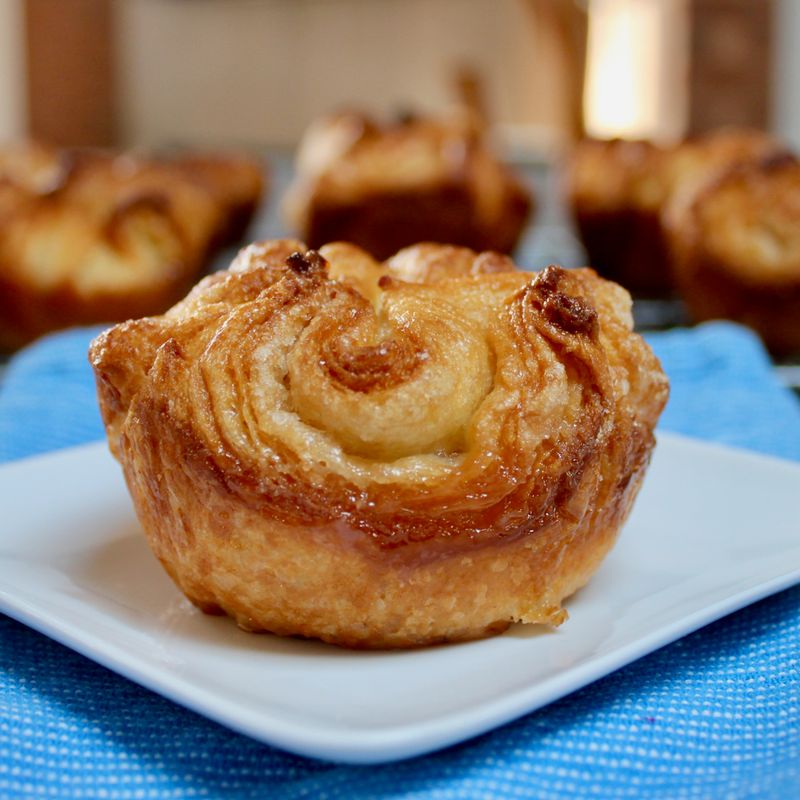
Pronounced "KWEEN ah-MAHN," this Breton pastry from the Brittany region of France is one of the most underrated treats in the world. Layers of buttery yeast dough are folded with generous amounts of sugar and salt, then baked until the outside caramelizes into a gloriously crunchy, toffee-like crust.
A baker named Yves-Rene Scordia accidentally invented it in 1860. That happy accident gave the world one of the richest, most satisfying pastries imaginable.
Gulab Jamun (India)
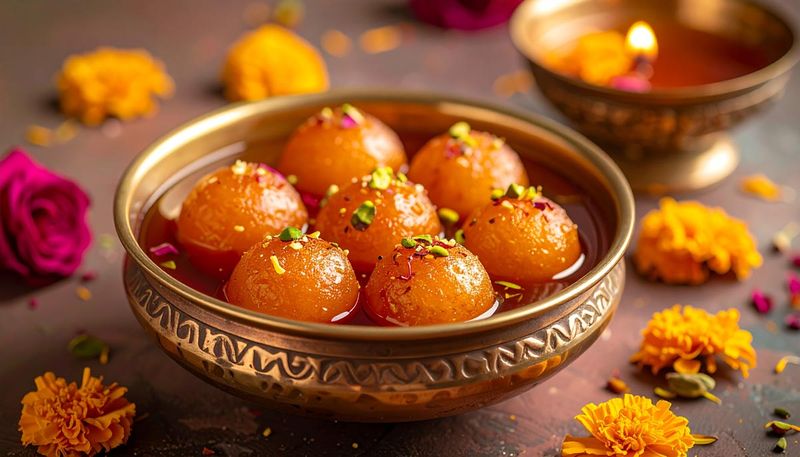
Soft, spongy, and soaked in fragrant rose syrup, gulab jamun is one of India's most cherished festive sweets. These small dumplings are made from milk solids, gently fried until golden, then dropped into warm syrup infused with cardamom and rosewater.
The name literally means "rose water berry" in a mix of Persian and Hindi. Served warm at weddings, festivals, and family gatherings, gulab jamun carries the warmth of celebration in every sticky, syrup-drenched bite.
Profiteroles (France)
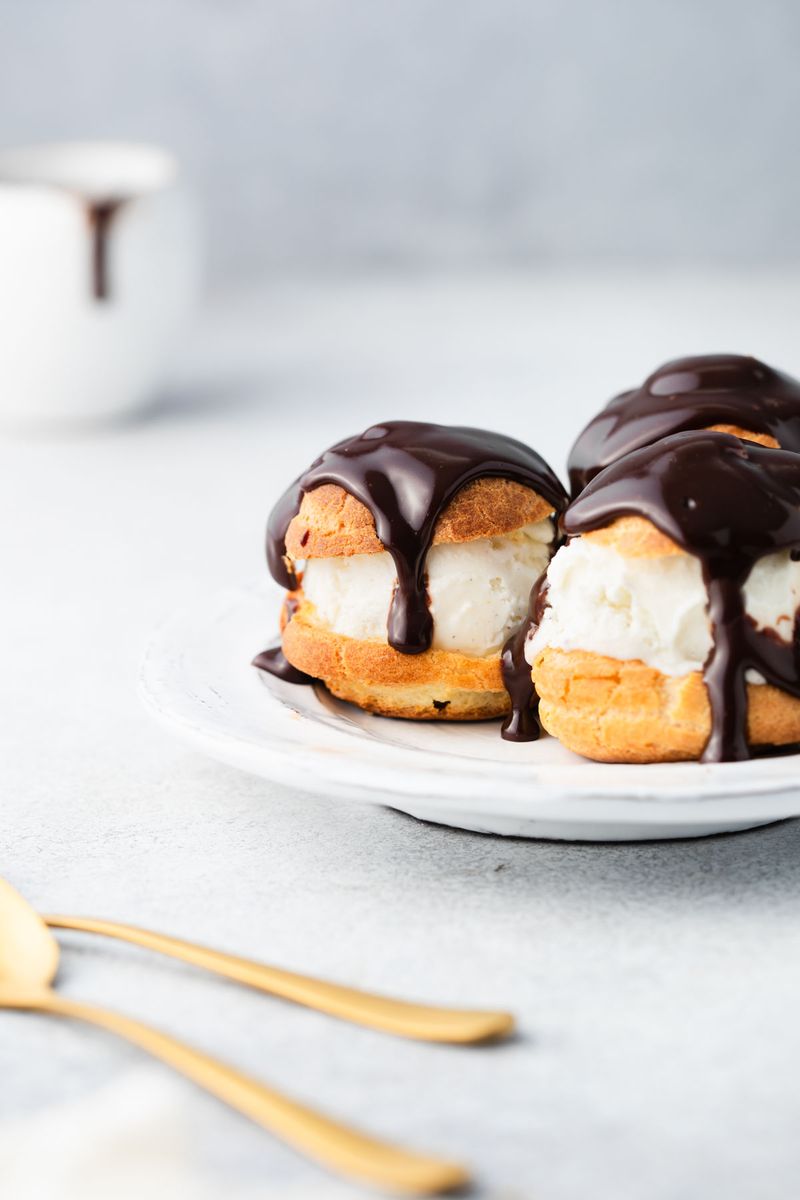
Light as air and endlessly elegant, profiteroles are small choux pastry puffs filled with vanilla cream or ice cream and drizzled with warm chocolate sauce. The choux dough puffs up dramatically in the oven, creating a hollow center perfect for filling.
French patisseries have served profiteroles for centuries, and they remain a staple on dessert menus worldwide. Stacking them into a grand pyramid called a croquembouche turns profiteroles into a spectacular centerpiece at French weddings and celebrations.
Sfogliatelle (Italy)
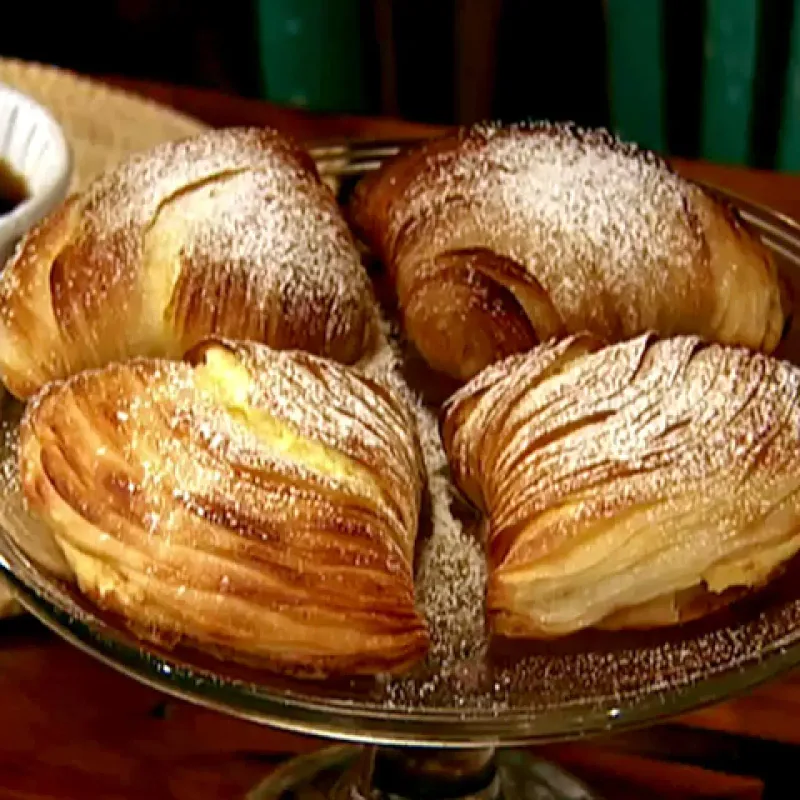
Sfogliatelle look like little lobster tails or seashells, and their many crispy, paper-thin pastry layers are genuinely impressive. Originating from Naples, these pastries are stuffed with a grainy ricotta filling flavored with cinnamon and candied citrus peel.
Biting into one creates a satisfying shattering crunch before you reach the warm, fragrant filling inside. Neapolitan bakers have been perfecting this labor-intensive pastry since the 17th century, and the effort is absolutely worth every delicious, flaky crumb.
Brigadeiro (Brazil)
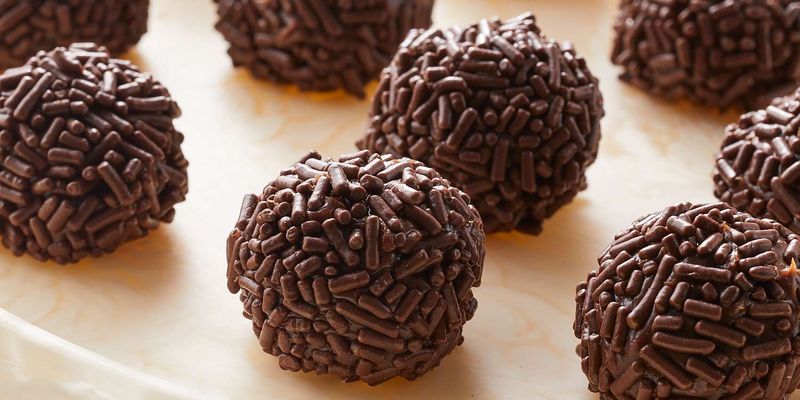
Brazil's most beloved sweet treat, brigadeiro, is technically more of a confection than a traditional pastry, but no list of world sweets is complete without it. Made from condensed milk, cocoa powder, and butter, the mixture is cooked until thick, then rolled into balls and coated in chocolate sprinkles.
Created in the 1940s in honor of a Brazilian politician, brigadeiros are now a staple at every birthday party across Brazil. Their fudgy, truffle-like texture is completely addictive.
Stroopwafel (Netherlands)
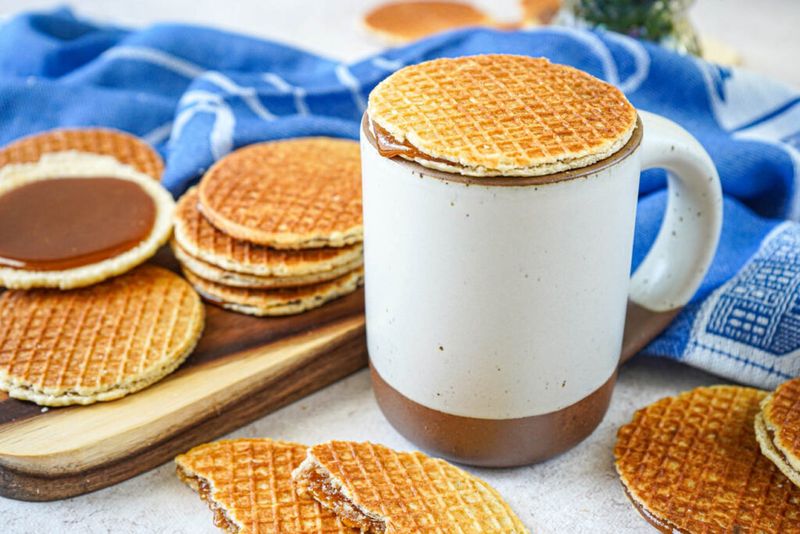
A stroopwafel is two thin, crispy waffle cookies sandwiched together with a layer of warm caramel syrup. The Dutch tradition of placing one on top of a hot mug of coffee or tea softens the caramel center into a gooey, irresistible filling.
A baker in Gouda, Netherlands, invented stroopwafels around 1810 using leftover crumbs and syrup. Today, they are one of Holland's most exported treats, enjoyed by millions worldwide who appreciate that perfect balance of crunch and chew.
Malasada (Portugal/Hawaii)
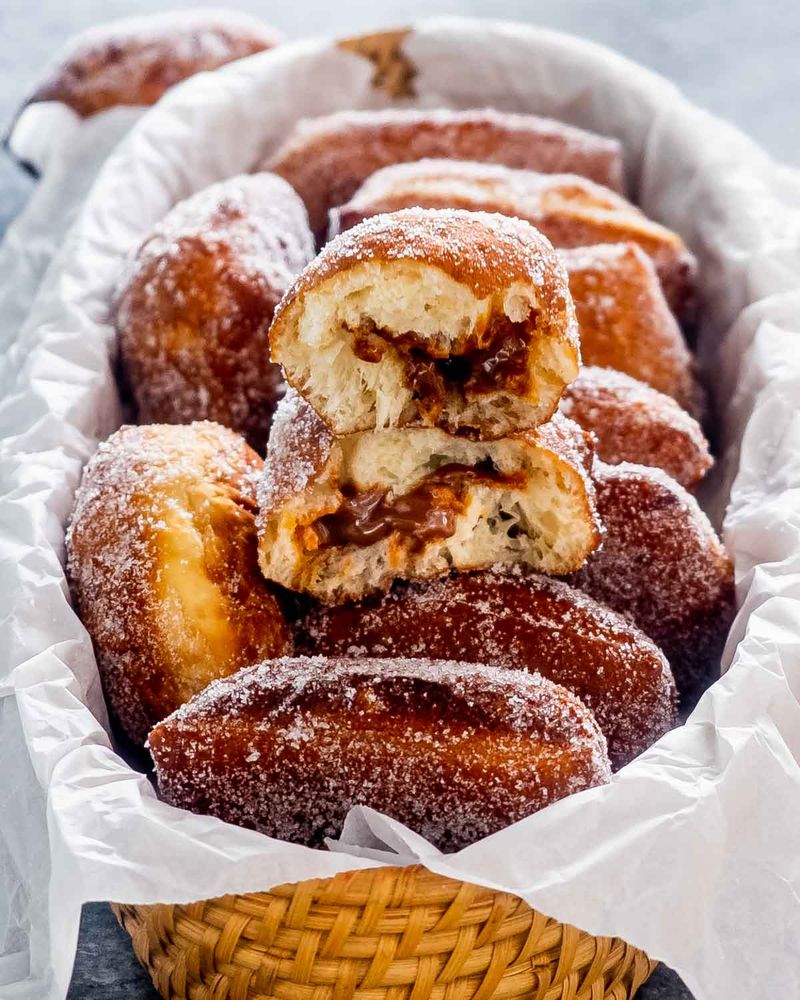
Malasadas are pillowy, deep-fried doughnuts with no hole, rolled generously in sugar while still warm. Portuguese immigrants brought the recipe to Hawaii in the 1800s, and today the islands are absolutely obsessed with them.
Leonard's Bakery in Honolulu has been frying malasadas since 1952 and still draws long lines every morning. Locals fill them with tropical custards like haupia or lilikoi passion fruit cream, giving this simple Portuguese classic a delightful Hawaiian twist that feels fresh and exciting.
Beignet (France/Louisiana)
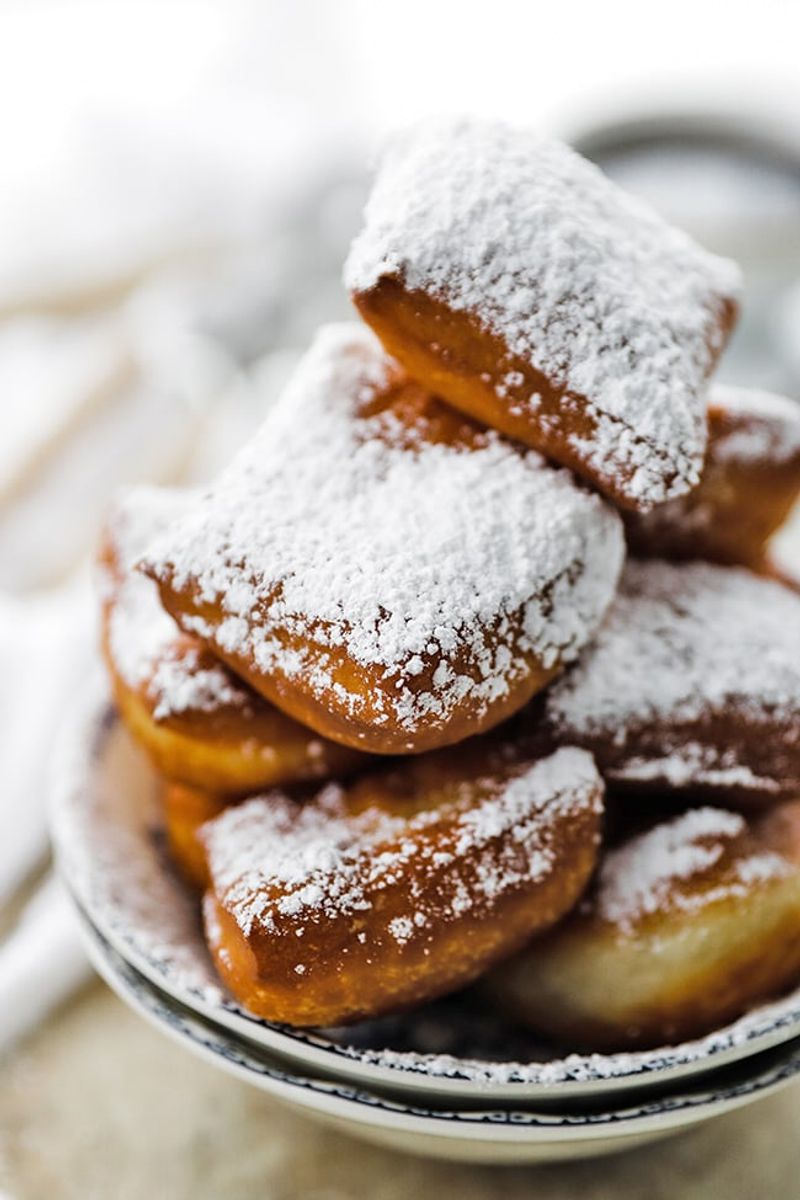
Beignets are square pillows of fried dough buried under so much powdered sugar that your first bite sends a white cloud floating into the air. French colonists brought the recipe to Louisiana, where New Orleans made it a cultural institution.
Cafe Du Monde in New Orleans has served beignets continuously since 1862, making them one of America's most iconic food experiences. The light, airy interior and crispy exterior make beignets wonderfully satisfying, especially paired with a strong cup of chicory coffee.
Knafeh (Middle East)
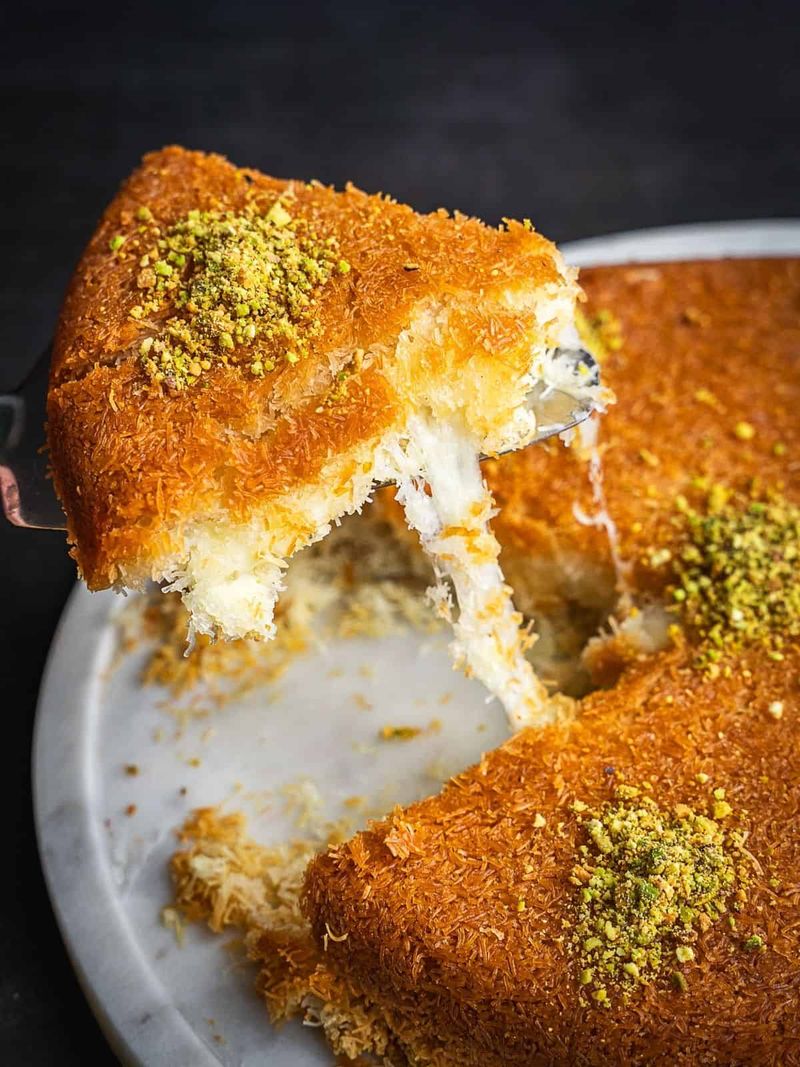
Knafeh is one of the most dramatic desserts you will ever encounter. A base of shredded wheat pastry or semolina is layered over stretchy white cheese, baked until golden, then drenched in fragrant rose or orange blossom syrup.
Popular across Palestine, Lebanon, Jordan, and Syria, knafeh is best eaten fresh and warm when the cheese is still melted and gooey. The combination of sweet syrup with savory, salty cheese sounds unusual but creates a flavor experience that is completely unforgettable.
Tarte Tatin (France)
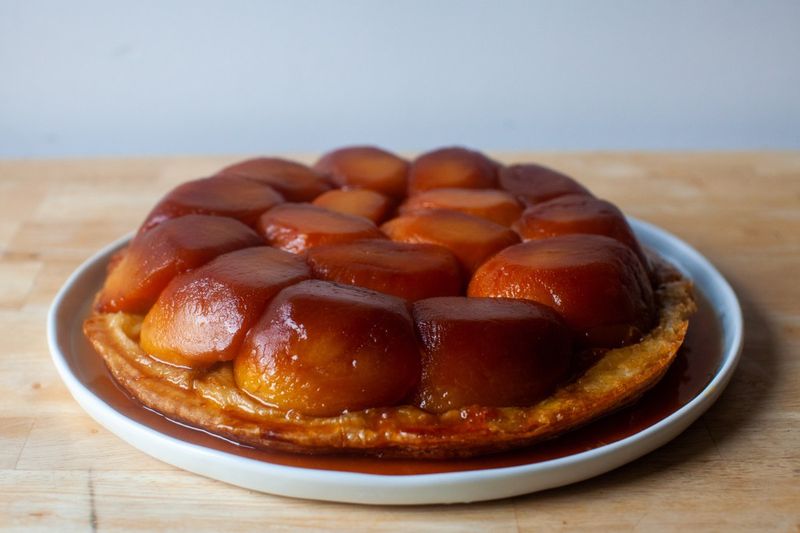
The tarte tatin has one of the best accidental origin stories in culinary history. In the 1880s, French hotelier Stephanie Tatin reportedly placed an apple pie in the oven upside down by mistake, and the caramelized result became a sensation.
Today, this upside-down caramel apple tart is a French classic found in bistros and bakeries worldwide. The buttery pastry base, glossy caramelized apples, and hint of vanilla make every slice feel like a warm, nostalgic hug on a cool afternoon.
Alfajores (Argentina)
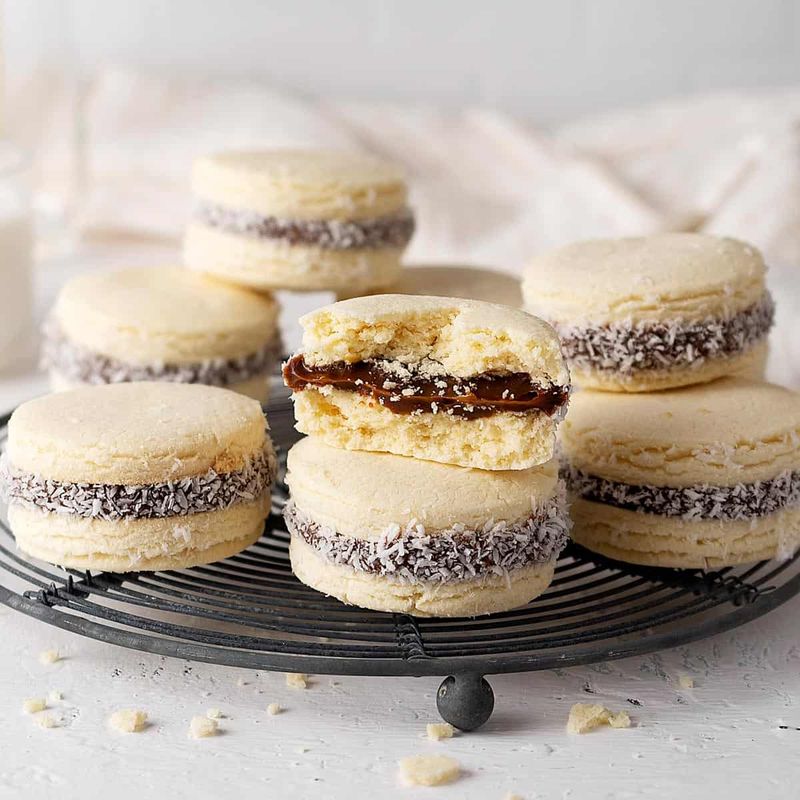
Soft, melt-in-your-mouth shortbread cookies sandwiched with thick dulce de leche and rolled in coconut or dusted with powdered sugar, alfajores are Argentina's national cookie and an absolute treasure. The crumbly, cornstarch-heavy dough practically dissolves on your tongue.
Every South American country has its own version, but Argentina's alfajores are particularly famous for their generous dulce de leche filling. Bakeries and corner stores across Buenos Aires sell them daily, making them a go-to snack for locals of all ages.
Pain au Chocolat (France)
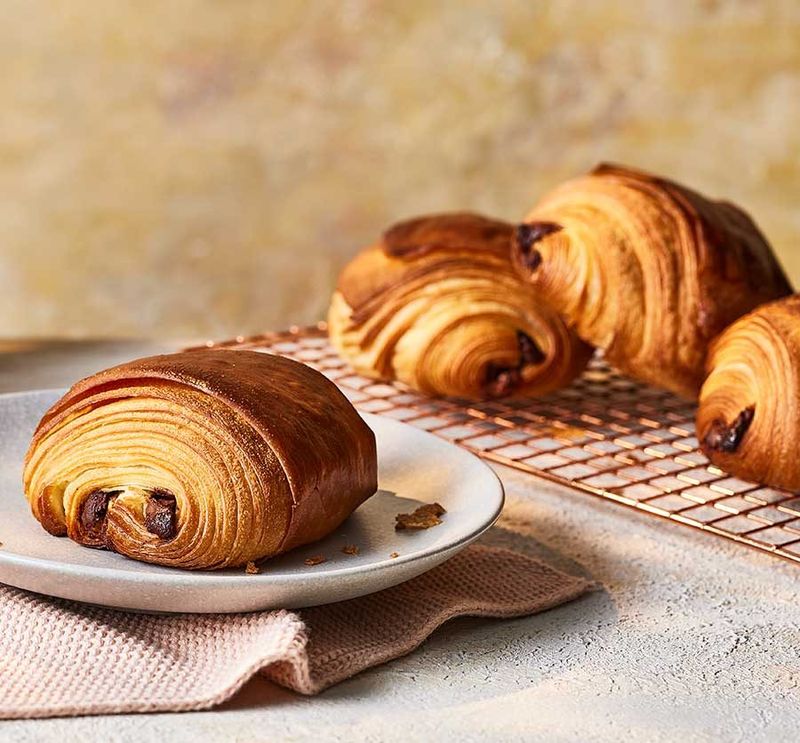
Every French school child knows the joy of biting into a warm pain au chocolat after class, the dark chocolate bar melting into buttery, flaky pastry layers. Made from the same laminated dough as croissants, this rectangular pastry is one of France's most comforting everyday treats.
The debate over what to call it, pain au chocolat in Paris versus chocolatine in the south of France, is a surprisingly passionate ongoing national argument. Either way, the taste is absolutely worth arguing about.
Bibingka (Philippines)
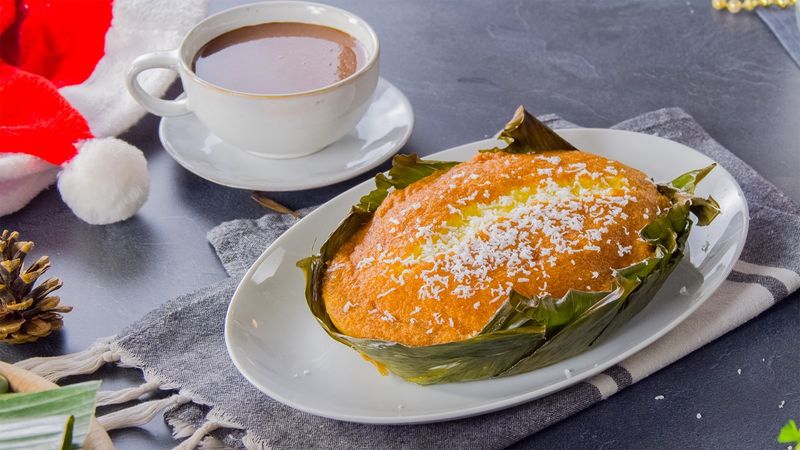
Bibingka is a soft, slightly chewy rice cake traditionally baked in clay pots lined with banana leaves during the Christmas season in the Philippines. The combination of rice flour, coconut milk, and eggs creates a mildly sweet, fragrant cake with a beautifully golden top.
Topped with salted egg, grated coconut, and a pat of butter, bibingka strikes a wonderful balance between sweet and savory. Filipino families gather outside churches before dawn during December to buy freshly baked bibingka from street vendors, making it a deeply beloved holiday tradition.
Eclair (France)
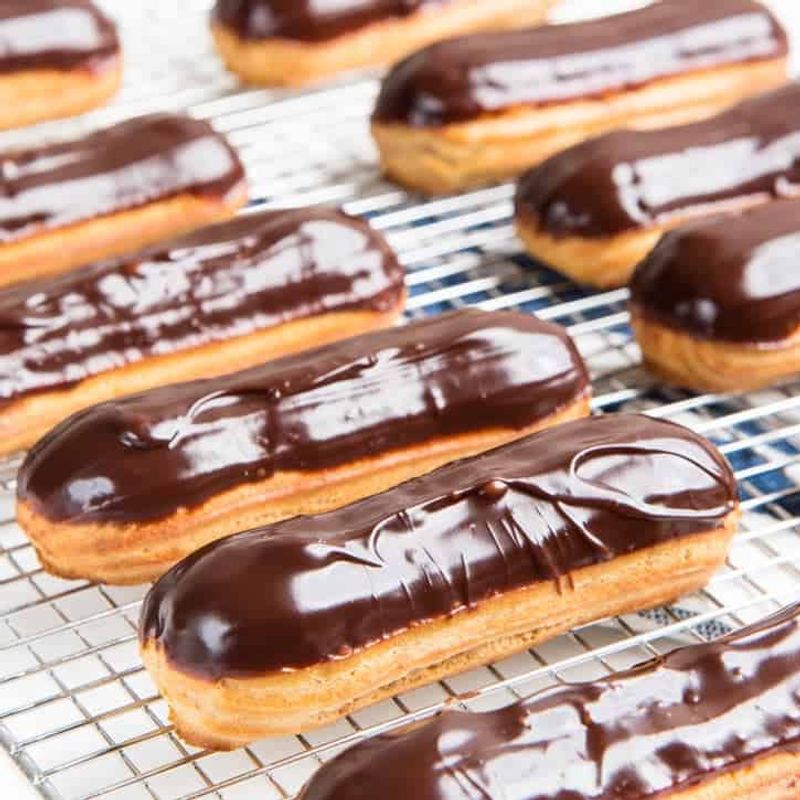
Long, elegant, and filled with silky cream, the eclair is a masterpiece of French pastry engineering. Choux dough is piped into finger-length logs, baked until hollow and golden, then filled with pastry cream and topped with a shiny chocolate glaze.
The name eclair means lightning in French, possibly because people eat them so fast. Modern patisseries have taken the classic to new heights with creative flavors like salted caramel, matcha, and raspberry, turning this timeless treat into edible art.
Halva (Middle East/Mediterranean)
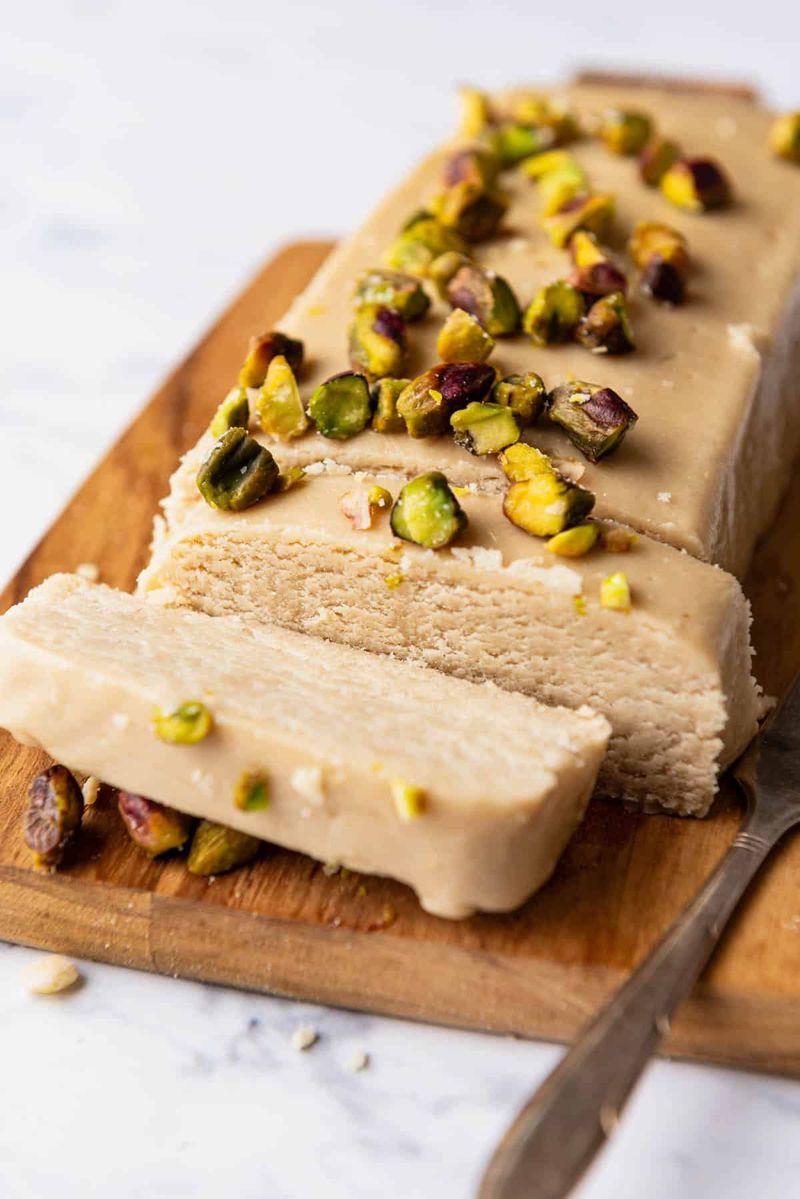
Halva is one of the oldest sweets in the world, enjoyed across the Middle East, Mediterranean, and Central Asia for thousands of years. Made primarily from tahini (sesame paste) and sugar, it has a dense, crumbly, almost sandy texture that is unlike any other pastry.
Flavors range from plain sesame to chocolate, pistachio, and rose. In Israel, halva shops are a cultural institution, and vendors offer dozens of varieties to taste.
Each bite carries centuries of history and a deeply nutty, satisfying richness.
Castella (Japan/Portugal)
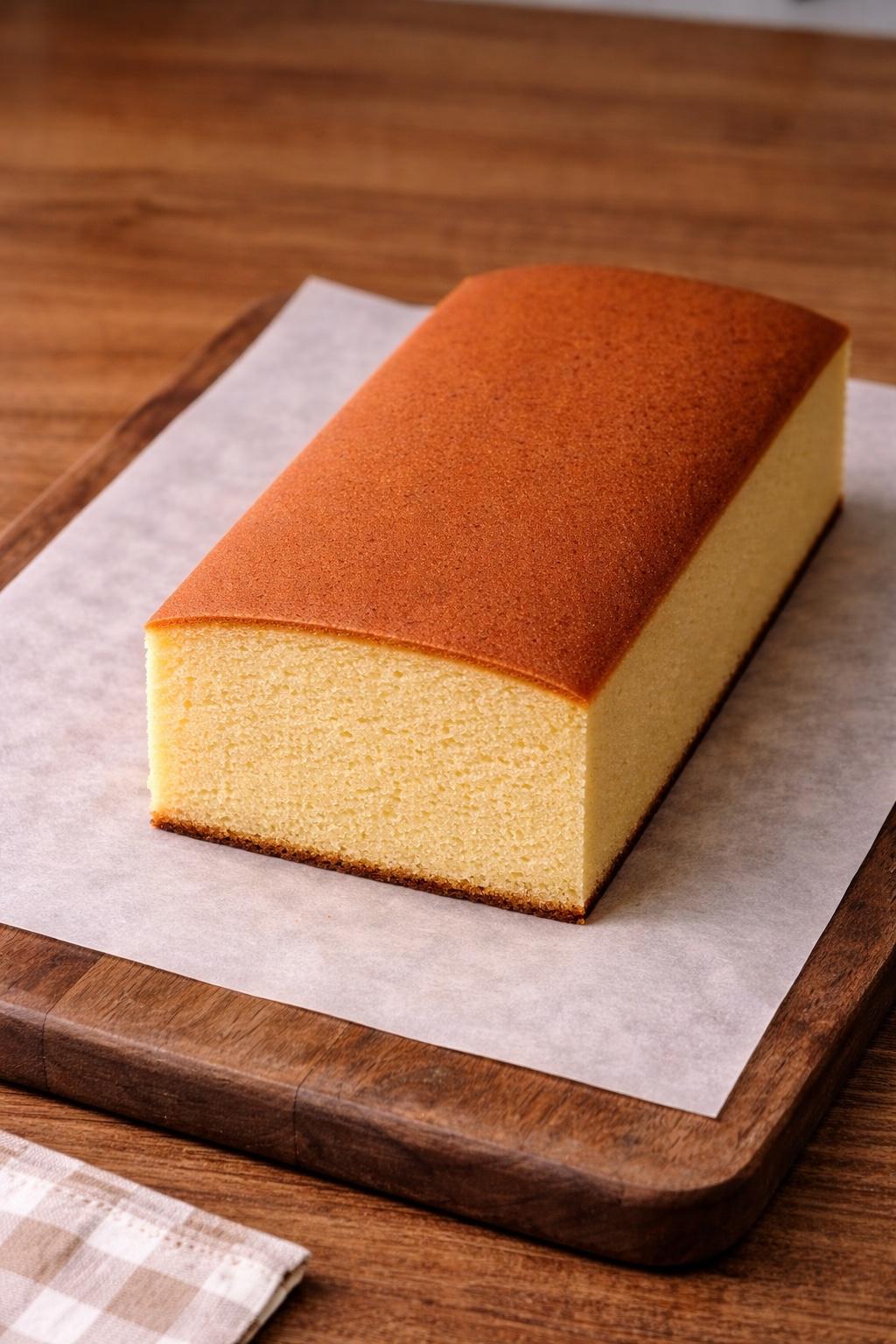
Castella is a beautifully simple honey sponge cake with Portuguese origins that Japan transformed into something uniquely its own. Brought to Japan by Portuguese missionaries in the 16th century, the recipe evolved over generations into an ultra-moist, fine-textured cake with a deep honey flavor.
Nagasaki, Japan, is considered the castella capital of the world, with shops that have been perfecting the recipe for over 400 years. Its gentle sweetness and pillowy softness make it a deeply comforting treat enjoyed by people of all ages.
Rugelach (Israel/Eastern Europe)
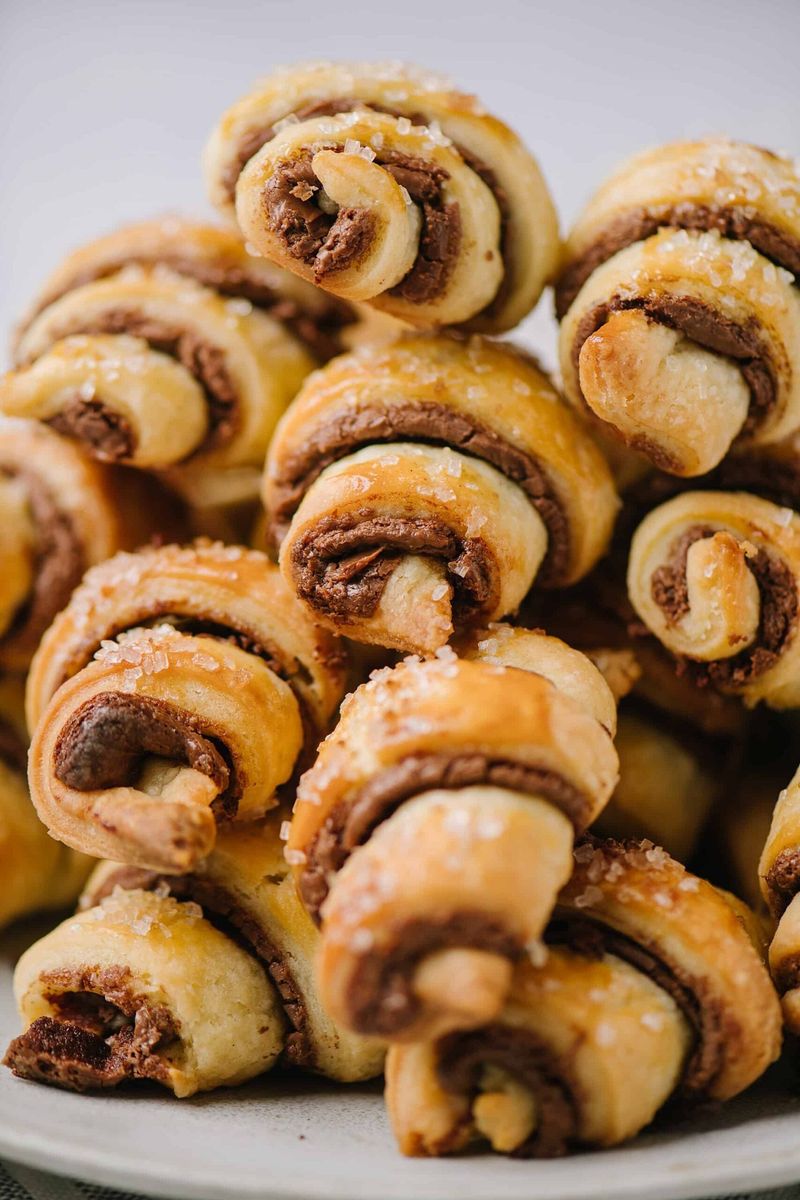
Rugelach are small, crescent-shaped pastries made from a cream cheese dough that bakes up incredibly tender and flaky. The dough is rolled out, spread with jam, cinnamon sugar, chopped nuts, or chocolate, then rolled into tight spirals and curved into little crescents.
A staple in Jewish bakeries across Eastern Europe and Israel, rugelach are especially popular during Hanukkah. Their small size makes them dangerously easy to eat by the handful, and the variety of fillings means there is always a new flavor combination worth exploring.
Pastelitos (Cuba)
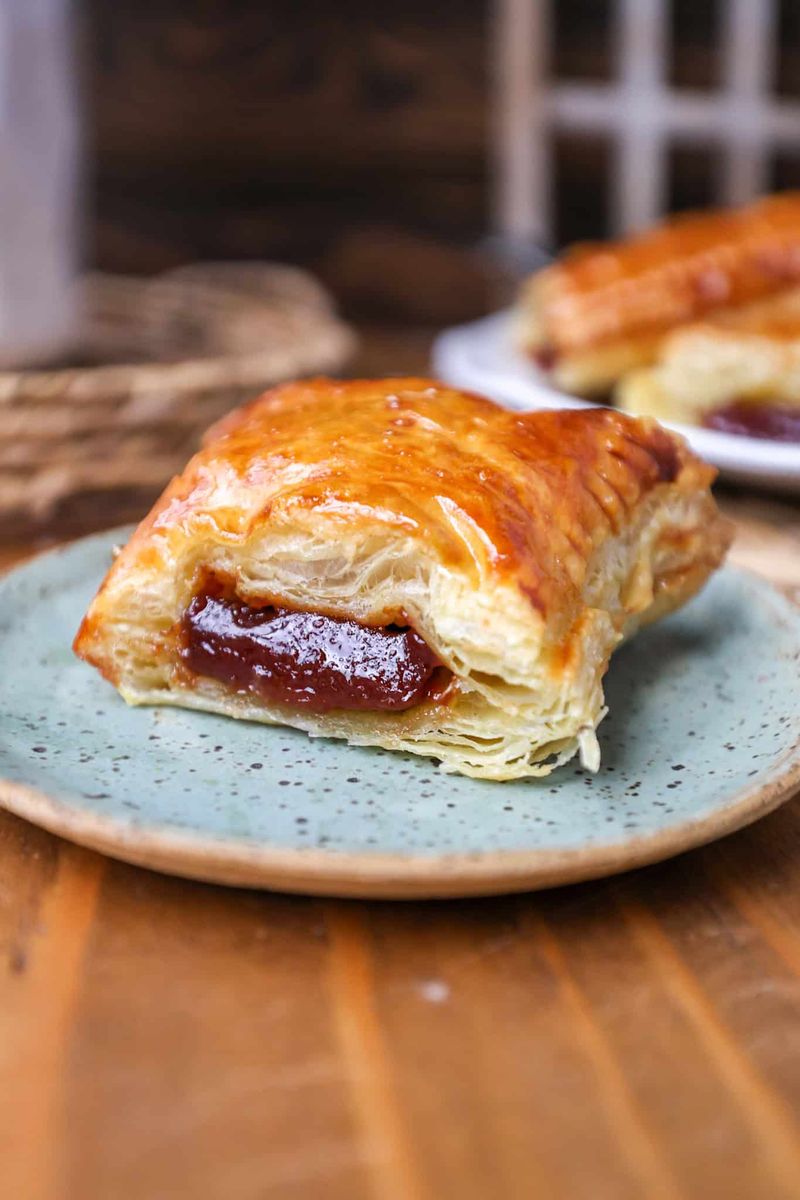
Guava and cream cheese is one of the greatest flavor combinations in pastry history, and Cuban pastelitos prove it perfectly. These small, square or rectangular puff pastry pockets are filled with bright pink guava paste and tangy cream cheese, then baked until golden and glazed with a light sugar wash.
Cuban bakeries in Miami, Havana, and beyond sell pastelitos by the dozens every morning. The tropical sweetness of guava against the creamy, slightly salty cheese wrapped in buttery pastry makes each bite feel like a mini vacation.
Medovik (Russia)
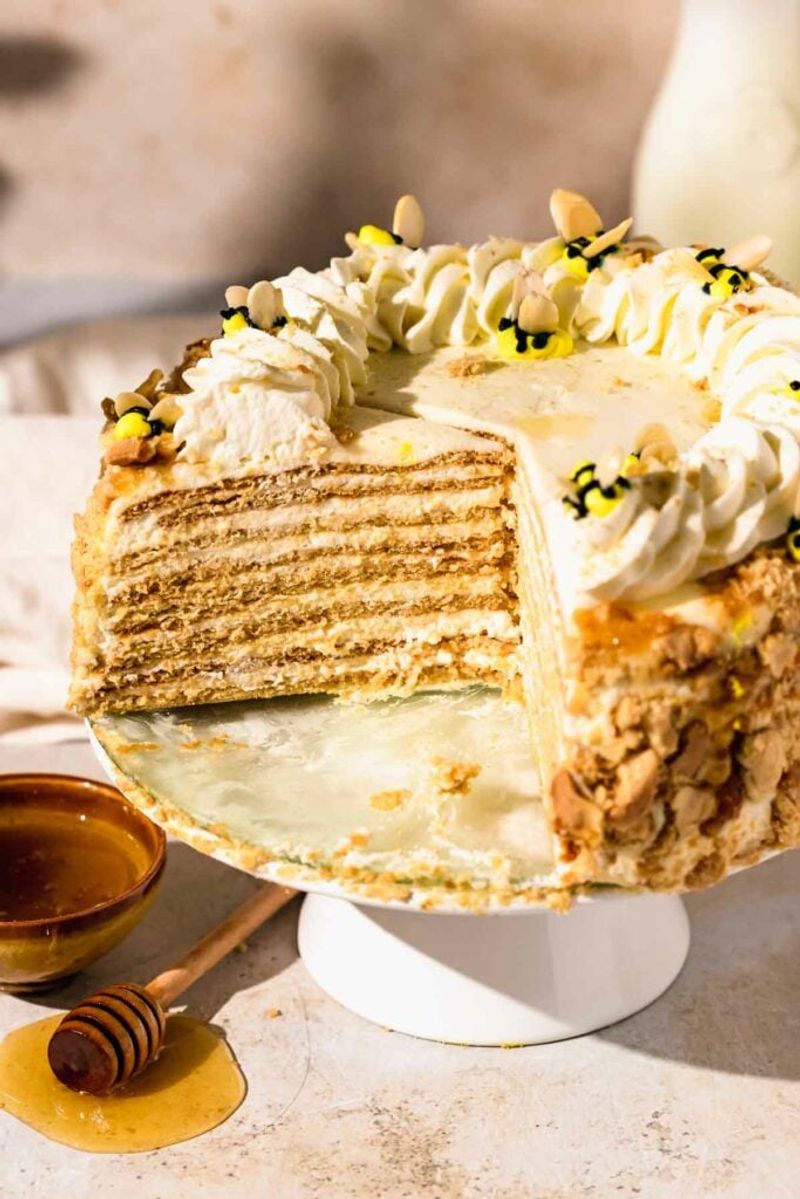
Medovik is Russia's legendary honey cake, made of anywhere from eight to twenty paper-thin honey-flavored sponge layers sandwiched together with a tangy sour cream frosting. The assembled cake rests overnight so the layers absorb the cream and soften into something incredibly tender.
Legend says Empress Elizabeth of Russia tasted the first medovik in the 19th century and immediately demanded more. Today it remains one of the most celebrated cakes at Russian family gatherings, its delicate honey aroma and melt-away texture making it a truly unforgettable experience.

Comments
No Comments