













Europe is home to some of the most delicious and creative sweet pastries in the world. From flaky croissants in France to honey-soaked baklava in Greece, every country has its own special treat with a unique story behind it.
These pastries have been enjoyed for hundreds of years, passed down through families and celebrated at festivals and bakeries. Get ready to take a tasty tour across the continent and discover the sweets that make Europe truly special.
1. Croissant (France)
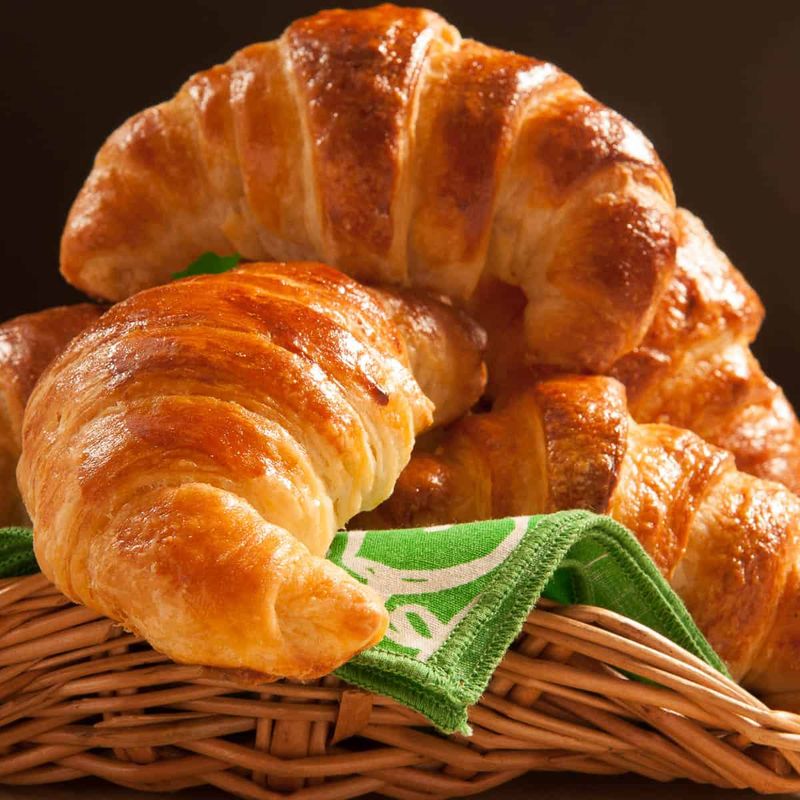
Few things say "good morning" quite like a warm, buttery croissant fresh from a Parisian bakery. This crescent-shaped pastry is made by folding butter into dough dozens of times, creating those iconic flaky layers that shatter with every bite.
Originally inspired by an Austrian pastry called the kipferl, French bakers transformed it into an art form in the 1800s. Pair it with a cafe au lait and you have one of the most beloved breakfast combinations in the world.
2. Stroopwafel (Netherlands)
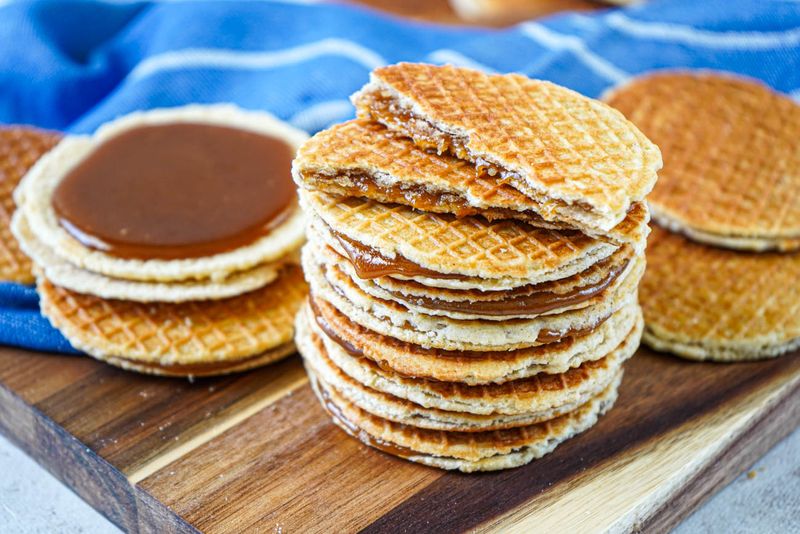
Imagine two thin waffle cookies hugging a gooey caramel center - that is exactly what a stroopwafel delivers. Born in the city of Gouda in the early 1800s, this Dutch treat was originally made from leftover crumbs by baker Gerard Kamphuisen.
The best way to enjoy one is by resting it on top of a hot cup of coffee or tea. The steam softens the caramel filling, making each bite warm, chewy, and absolutely irresistible.
Street markets in Amsterdam sell them fresh and hot.
3. Cannoli (Italy)
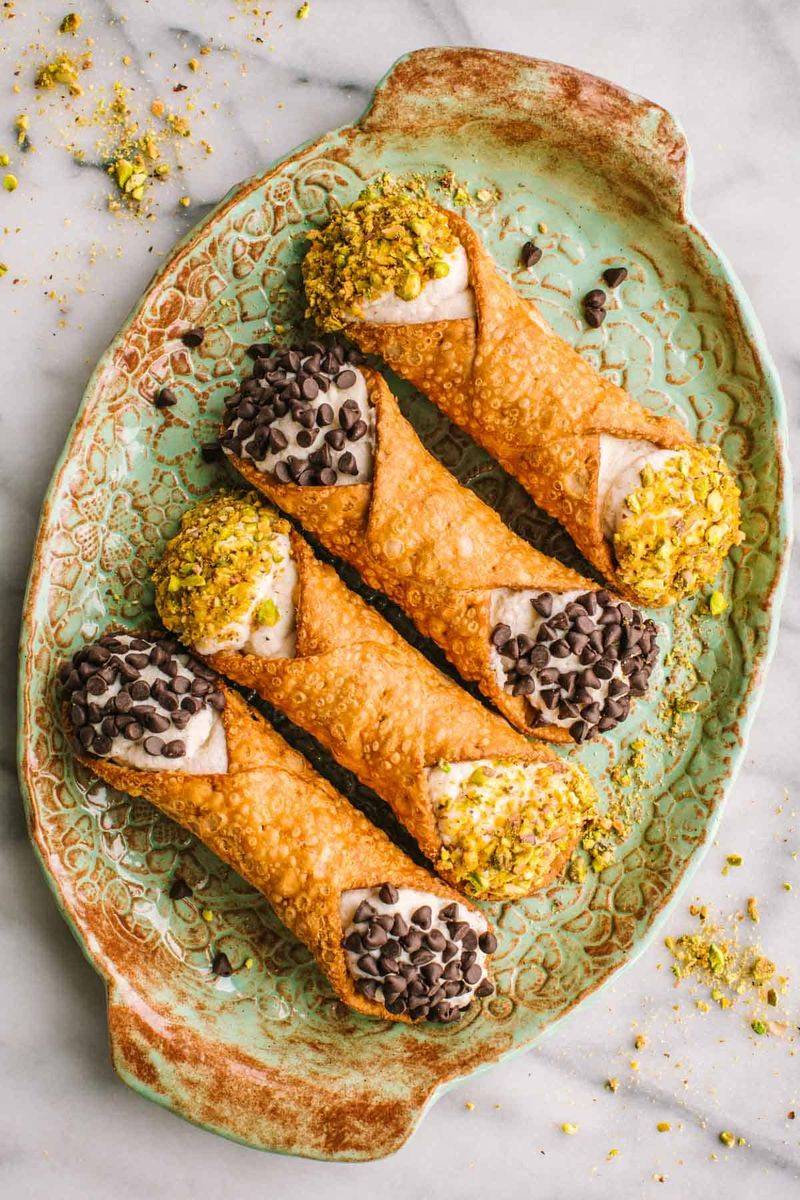
Crunchy on the outside, creamy on the inside - the Sicilian cannoli is a masterpiece of contrasts. The crispy fried pastry shell is stuffed with sweet ricotta cheese, often mixed with chocolate chips, candied fruit, or pistachios.
Cannoli have been part of Sicilian culture for over a thousand years, with roots tracing back to Arab rule on the island. Today they are a symbol of Italian pastry pride.
Fun fact: the word "cannoli" actually means "little tubes" in Sicilian dialect.
4. Baklava (Greece/Turkey)
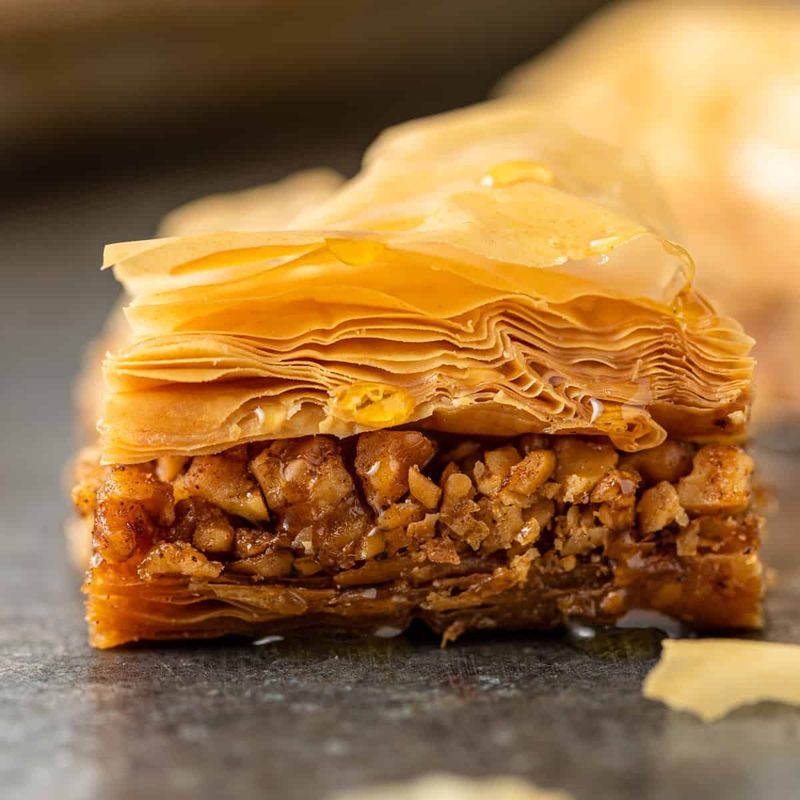
Rich, sticky, and absolutely unforgettable, baklava is a pastry that has been winning hearts across the Mediterranean for centuries. Layers of paper-thin phyllo dough are stacked with crushed nuts, then soaked in honey or sugar syrup after baking.
Both Greece and Turkey proudly claim this treat as their own, and the debate makes it even more fun to enjoy. Each region puts its own spin on the filling - walnuts in Greece, pistachios in Turkey.
Either way, one bite and you will understand the fuss.
5. Eclair (France)
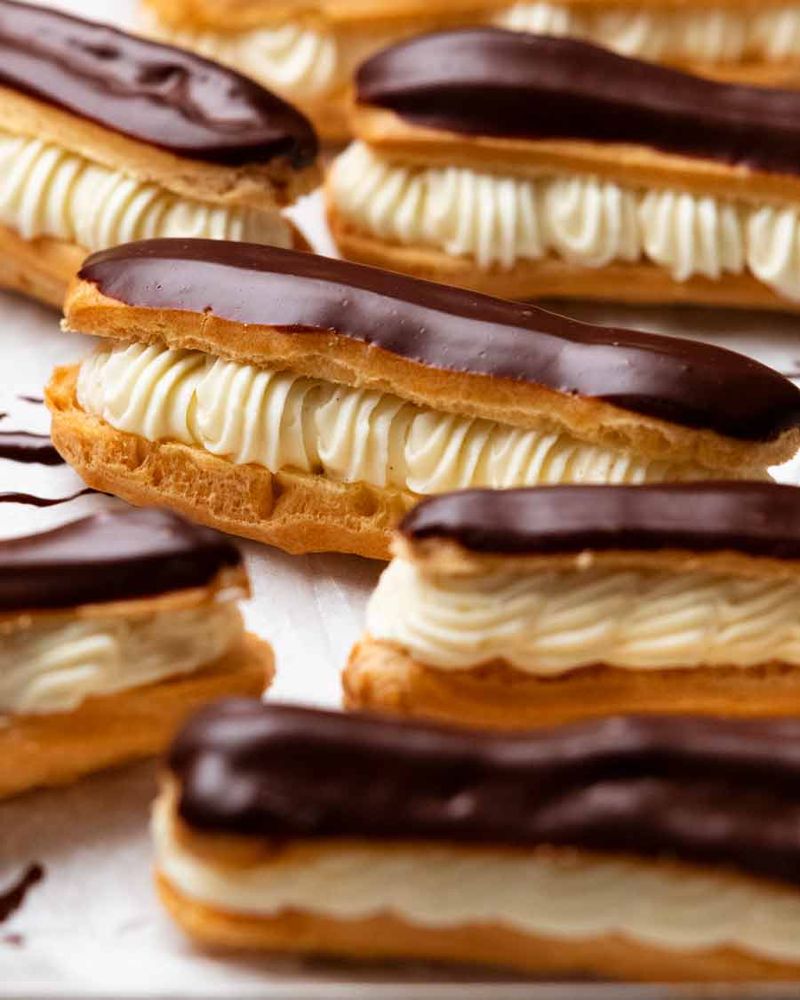
Long, elegant, and filled with luscious cream, the eclair is one of France's most sophisticated pastries. Made from choux pastry dough, it is baked until hollow inside, then piped full of flavored custard and topped with a shiny chocolate or fondant glaze.
The word "eclair" means "flash of lightning" in French - perhaps because they disappear so fast once served! Pastry shops across Paris compete to create the most creative flavors, from salted caramel to raspberry rose.
Classic chocolate remains the all-time favorite.
6. Pastel de Nata (Portugal)
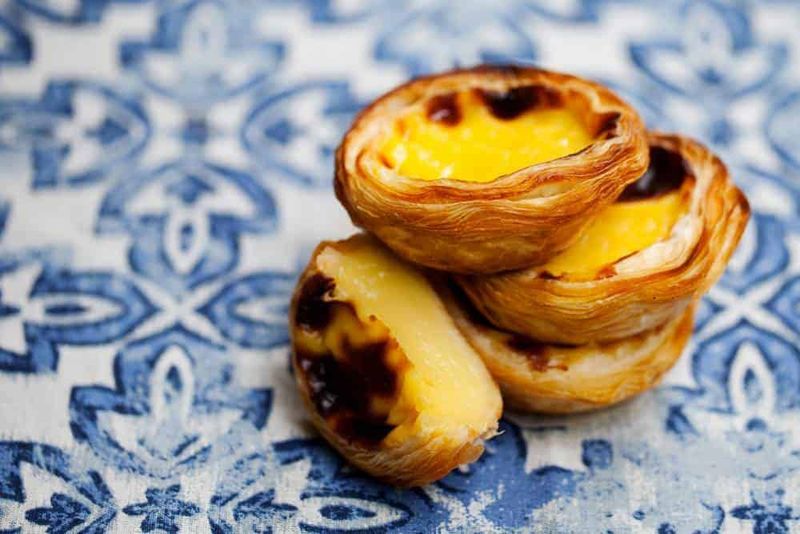
Walk into any bakery in Lisbon and the warm, caramel scent of pastel de nata will pull you straight to the counter. These small egg custard tarts have a crispy, flaky pastry shell and a silky, slightly charred custard filling that is simply magical.
Monks at the Jeronimos Monastery in Belem created the original recipe in the 1800s, and the famous Pasteis de Belem bakery still uses that secret recipe today. A sprinkle of cinnamon on top is the traditional finishing touch.
7. Sachertorte (Austria)
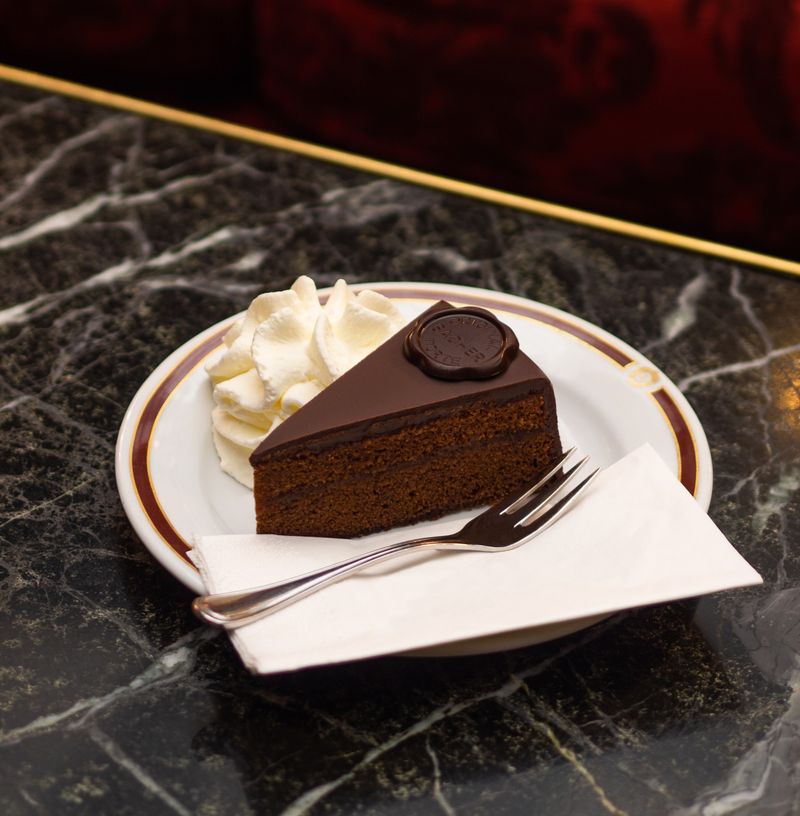
Vienna's most famous cake has a story as rich as its flavor. The Sachertorte was invented in 1832 by 16-year-old apprentice chef Franz Sacher, who was asked to create a special dessert for an important guest when the head chef fell ill.
This dense chocolate cake features a hidden layer of apricot jam beneath a smooth, dark chocolate glaze. It sparked a legal battle between two Viennese hotels over who owned the original recipe.
Today it remains an iconic symbol of Austrian pastry tradition.
8. Kouign-Amann (France)
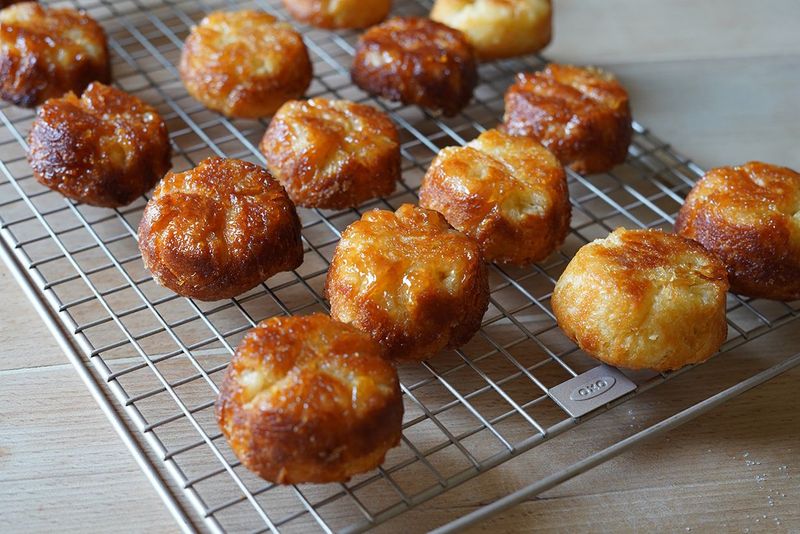
Pronounced "KWEEN ah-MAHN," this Breton pastry from northwestern France is buttery, caramelized, and completely addictive. The name literally means "butter cake" in the Breton language, and it absolutely delivers on that promise.
Created by accident in 1860 when baker Yves-Rene Scordia ran low on ingredients, it became a regional treasure. Sugar is folded into laminated dough, caramelizing during baking to create a crackly, toffee-like crust.
It is crispy on the outside, soft and chewy on the inside - pure Breton magic.
9. Medovik (Russia)
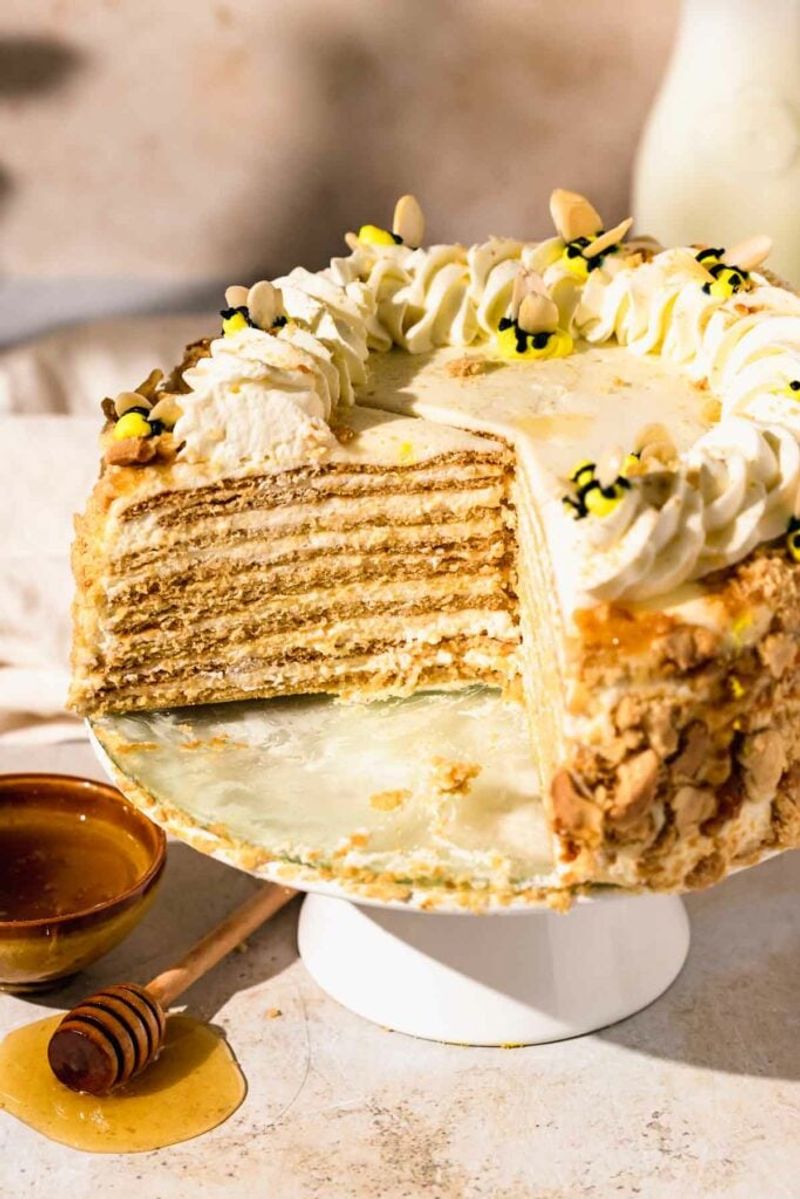
Medovik is the kind of cake that gets better the longer it sits - and in Russia, patience is considered part of the recipe. This beloved honey cake is made from many thin, crispy honey-infused layers held together with sour cream frosting.
Legend says it was created in the 1800s for Empress Elizabeth Alexeievna, who disliked honey but fell in love with this cake without knowing what was in it. After chilling overnight, the layers soften into something incredibly tender and deeply aromatic.
10. Churros (Spain)
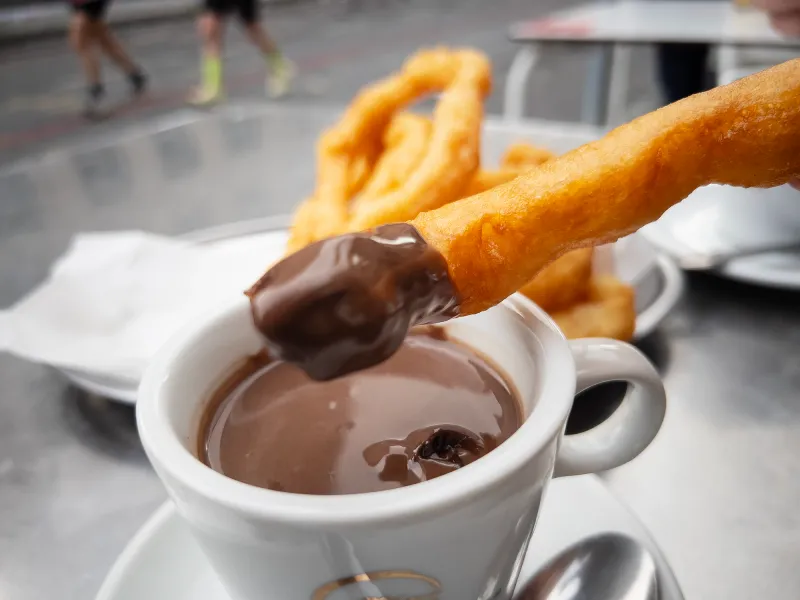
Crispy on the outside, soft and doughy on the inside, churros are Spain's most beloved street snack. These fried dough sticks are rolled in sugar and cinnamon, then dunked into thick, rich hot chocolate - a combination that feels like pure comfort.
Though often associated with Spanish culture, churros are enjoyed across Latin America and beyond. In Spain, they are especially popular at breakfast or late-night after a big celebration.
Churrerias - shops dedicated entirely to churros - are a beloved institution in cities like Madrid and Seville.
11. Prinsesstarta (Sweden)
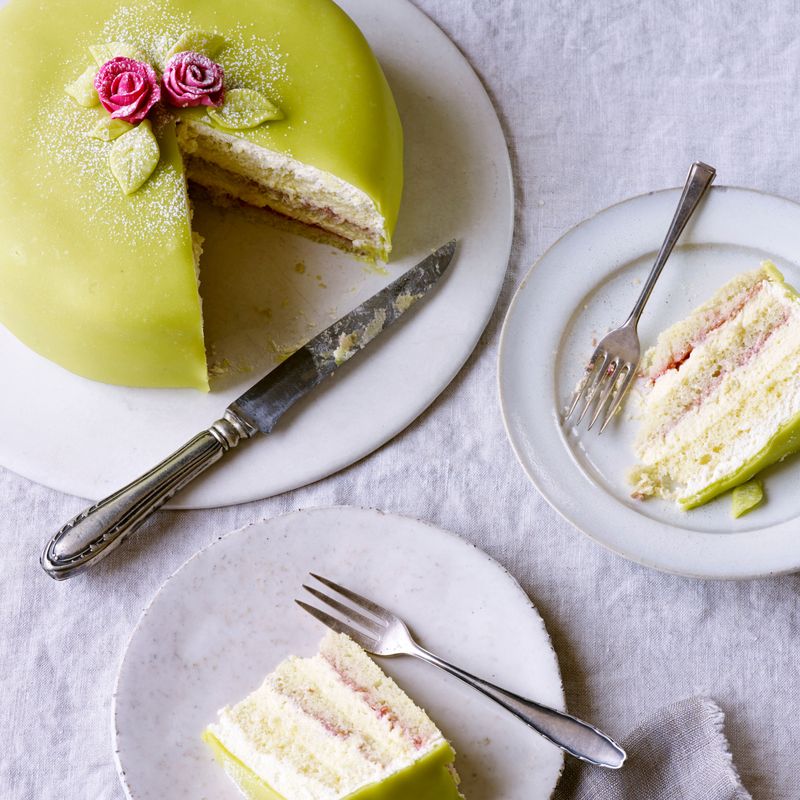
Sweden's prinsesstarta is almost too pretty to eat - almost. This showstopper cake features layers of airy sponge, raspberry jam, vanilla custard, and a thick dome of whipped cream, all wrapped in a smooth green marzipan shell.
The cake was reportedly created in the 1920s for Swedish princesses Margaretha, Martha, and Astrid, who loved it so much it was named in their honor. A delicate pink marzipan rose sits on top as a finishing touch.
Swedish bakeries sell thousands of these every week, especially during birthday season.
12. Baumkuchen (Germany)
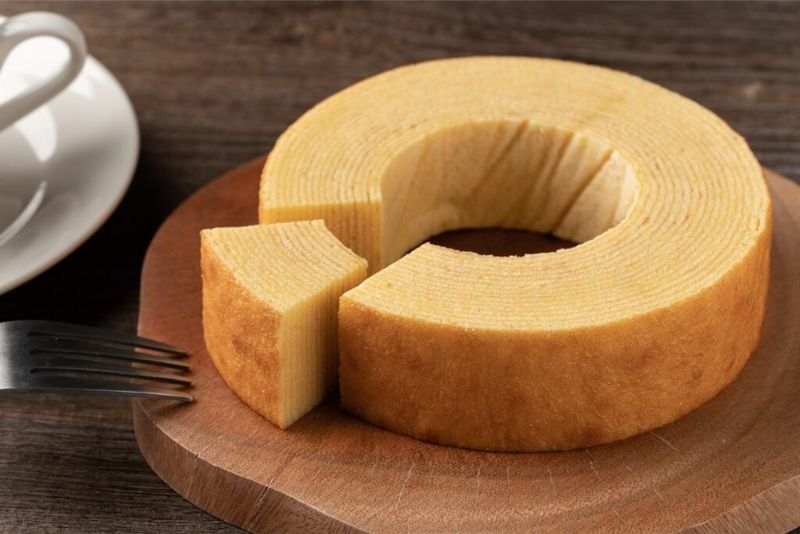
Cut a slice of Baumkuchen and you will see something remarkable - dozens of golden rings inside, just like the rings of a tree trunk. That is exactly why its name means "tree cake" in German.
Each ring is created by brushing thin layers of batter onto a rotating spit over an open flame, building the cake one layer at a time. This labor-intensive process can take hours but produces a uniquely moist, slightly chewy cake with a subtle almond flavor.
It is a true testament to German baking craftsmanship.
13. Sfogliatella (Italy)
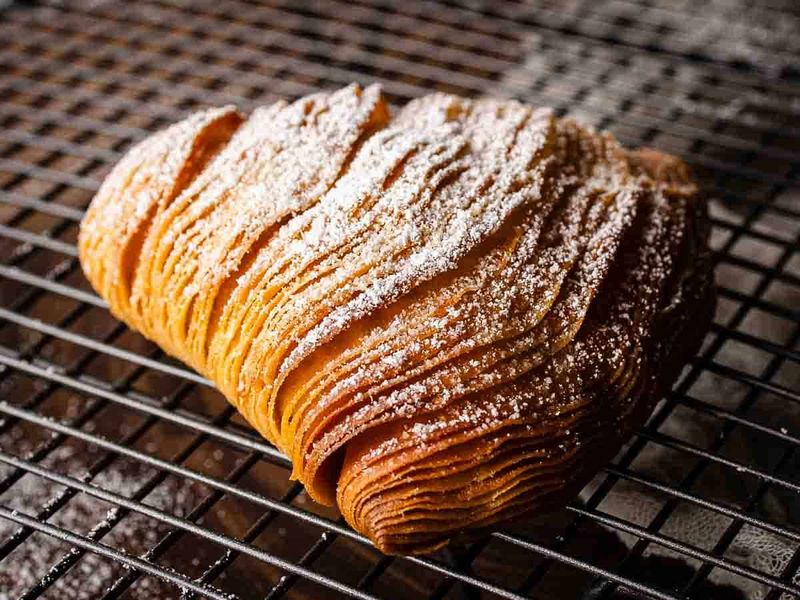
One look at a sfogliatella and you can almost count the layers - hundreds of them, all paper-thin and impossibly crispy. This shell-shaped Neapolitan pastry is a true labor of love, requiring skilled hands to stretch and roll the dough to near-translucent thinness.
Inside hides a fragrant filling of ricotta cheese, semolina, candied orange peel, and cinnamon. Naples has been producing these since the 1700s, and eating one fresh from a street bakery in the city is considered a bucket-list food experience by many travelers.
14. Koeksister (South Africa - Dutch Origin)
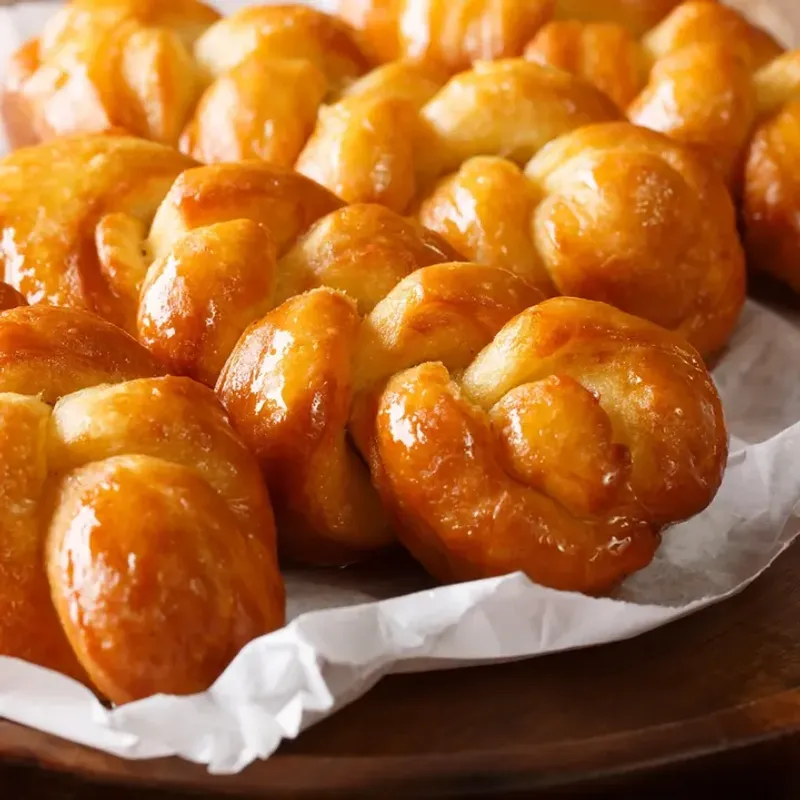
Twisted, golden, and dripping with sweet syrup, the koeksister carries the flavors of South Africa with strong roots in Dutch baking traditions brought by early settlers. The dough is braided, deep-fried until golden, then immediately plunged into ice-cold sugar syrup.
That dramatic hot-to-cold temperature shock is what makes the syrup soak all the way through, creating a pastry that is crunchy outside and sticky-sweet inside. Though South Africa is not European, the koeksister traces directly back to Dutch oliebollen traditions, making it a fascinating piece of pastry history.
15. Malasada (Portugal)
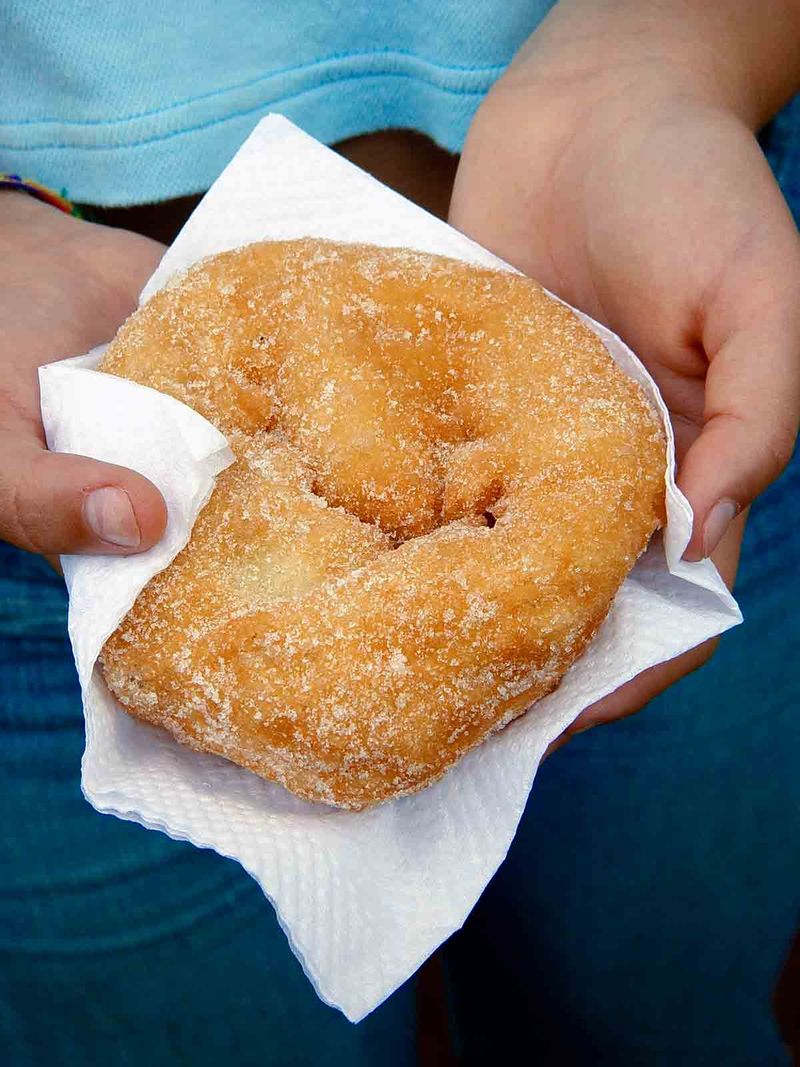
Soft, pillowy, and rolled generously in sugar, malasadas are Portugal's answer to the doughnut - and many would argue they do it better. These deep-fried yeasted pastries come from the Azores islands and are traditionally eaten on Fat Tuesday before Lent begins.
Unlike regular doughnuts, malasadas have no hole and are made with a slightly eggy, enriched dough that gives them a tender, almost custardy texture inside. Portuguese communities around the world, especially in Hawaii, have kept this tradition alive and deliciously popular.
16. Kransekake (Norway)
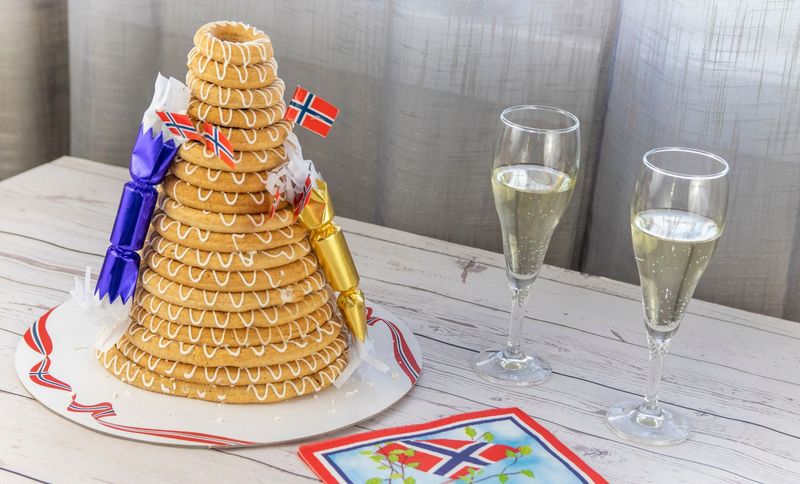
Standing tall like an edible tower, the kransekake is Norway's most festive and dramatic pastry. Made entirely from stacked rings of almond-based dough, it is decorated with white royal icing and tiny flags for weddings, birthdays, and national celebrations.
The rings are made from a simple mixture of almonds, powdered sugar, and egg whites, giving them a chewy, marzipan-like texture. The largest ring forms the base, with each smaller ring balanced on top.
Breaking off a ring to share is part of the tradition - and the fun.
17. Tarte Tatin (France)
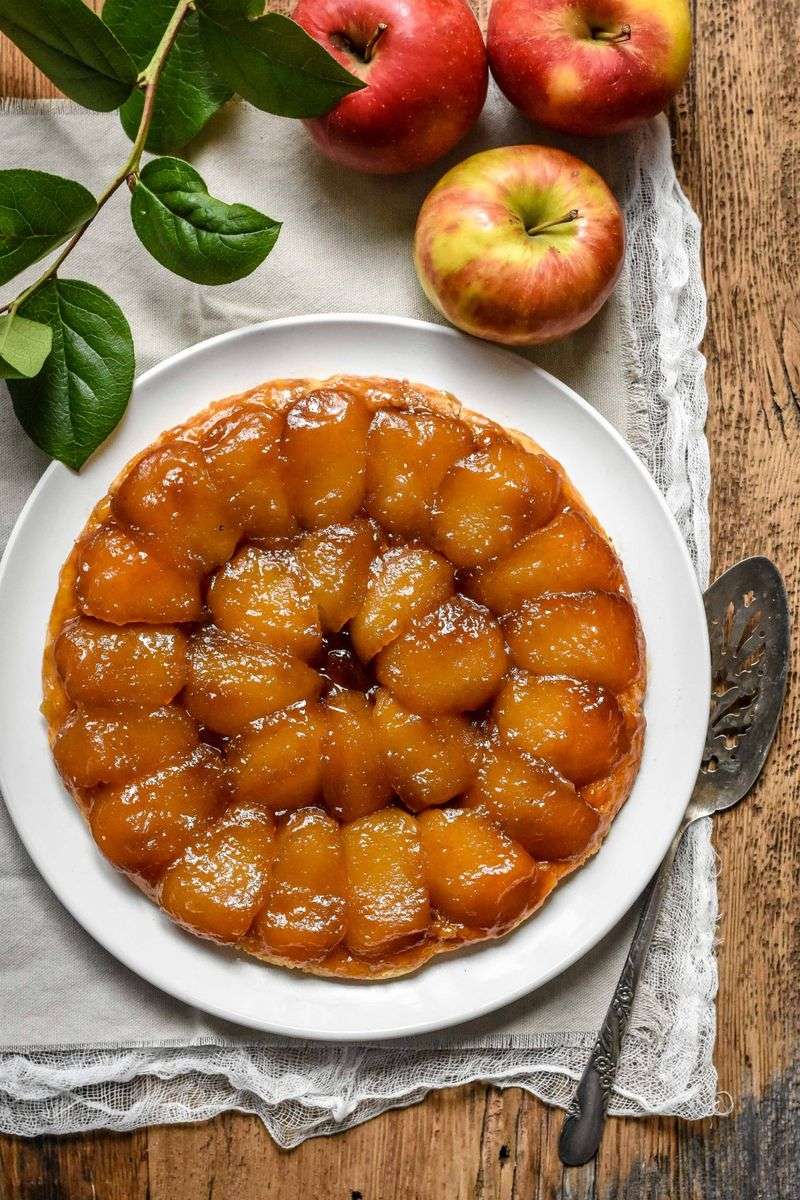
The tarte Tatin has one of the best origin stories in pastry history - it was created entirely by accident. In the 1880s, hotel owner Stephanie Tatin reportedly left apples cooking in butter and sugar too long, then quickly covered them with pastry and flipped the whole thing over to save it.
The result was a gorgeous upside-down caramelized apple tart that became a French classic. The soft, buttery apples sit on top of a crisp pastry base, swimming in deep golden caramel.
Served warm with creme fraiche, it is perfection.
18. Trdelnik (Czech Republic)
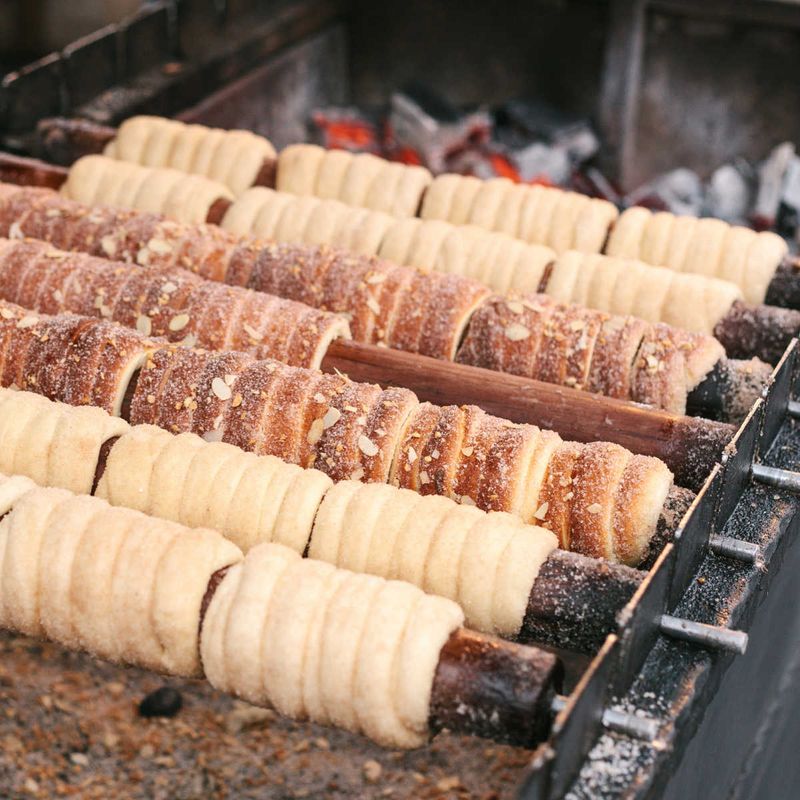
Walking through the cobblestone streets of Prague, the sweet smell of cinnamon and caramelized sugar leads you straight to a trdelnik cart. This hollow cylinder of dough is wrapped around a wooden spit, grilled over hot coals, and rolled in sugar and cinnamon until perfectly golden.
Originally from Slovakia and Hungary, the trdelnik became a street food sensation in Czech cities. Vendors now fill the crispy tube with soft-serve ice cream, Nutella, or fresh strawberries for a modern twist.
It is as fun to watch being made as it is to eat.
19. Berliner (Germany)
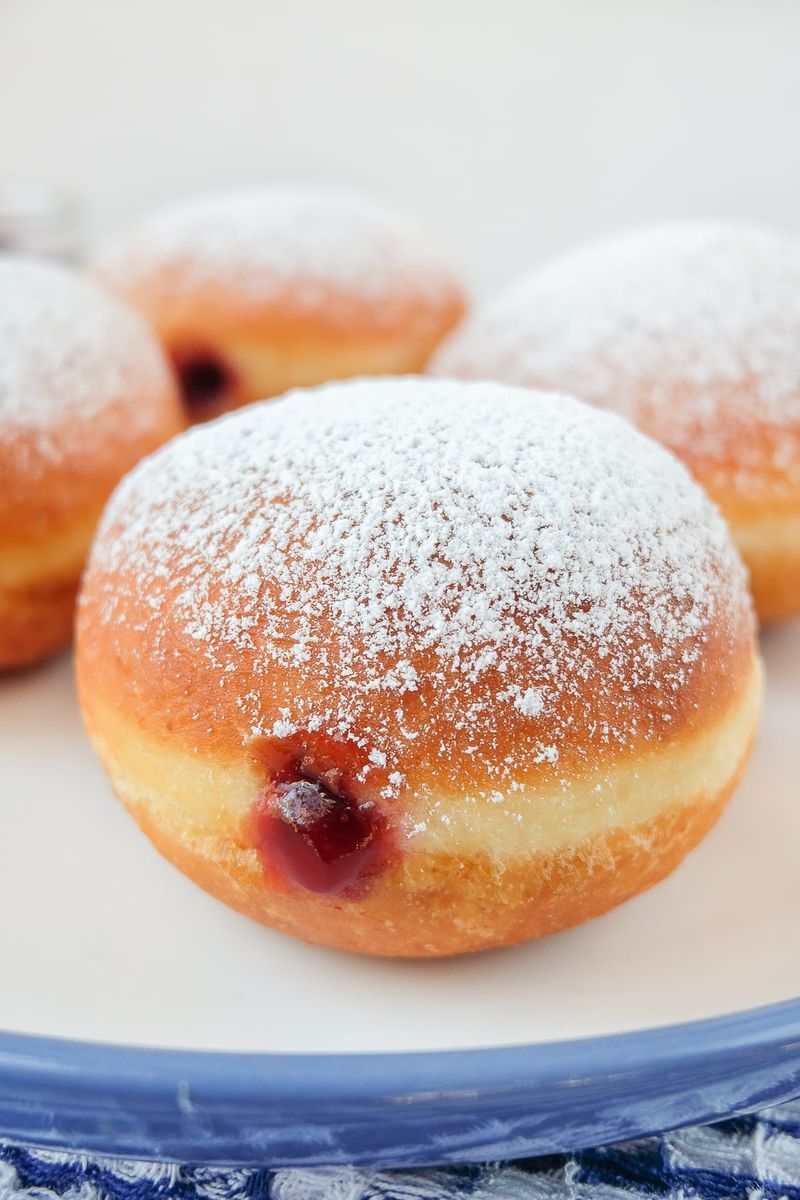
Plump, round, and bursting with jam, the Berliner is Germany's most beloved filled doughnut. These deep-fried pastries are stuffed with raspberry or plum jam, then dusted with powdered sugar or coated in a sweet glaze.
Berliners are especially popular during New Year's Eve and Carnival season, when bakers sometimes hide a mustard-filled one among the jam ones as a prank. In different parts of Germany, they go by different names - Krapfen in Bavaria and Pfannkuchen in Berlin itself, which adds a fun layer of regional identity to every bite.
20. Mille-Feuille (France)
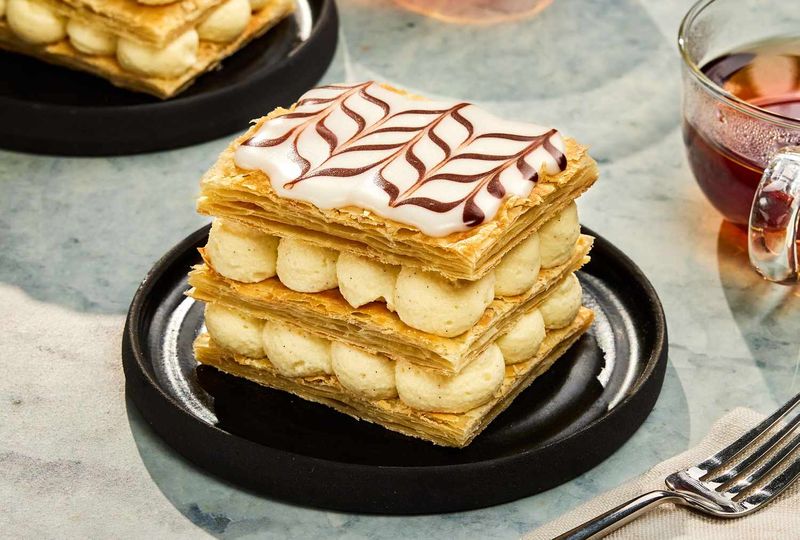
Translating to "a thousand leaves," the mille-feuille earns its poetic name through its countless crispy puff pastry layers. Three rectangles of golden, shatteringly flaky pastry are stacked with thick vanilla custard cream and finished with elegant white fondant and chocolate decorations on top.
Every bite is a beautiful mess - cream squishes out, layers crumble, and you will not care one bit. Also known as the Napoleon outside France, this pastry has been a staple of French patisseries since at least the 17th century.
It is classic French elegance in edible form.

Comments
No Comments