













Ever wondered why one crisp is never enough? That satisfying crunch and perfect blend of salt and fat isn't just delicious - it's scientifically designed to keep you munching.
Our brains are wired to crave these snacks, creating a powerful cycle that's hard to break. Let's explore the fascinating science behind why we simply can't stop at just one crisp.
1. The Perfect Combination Of Salt, Fat, And Crunch
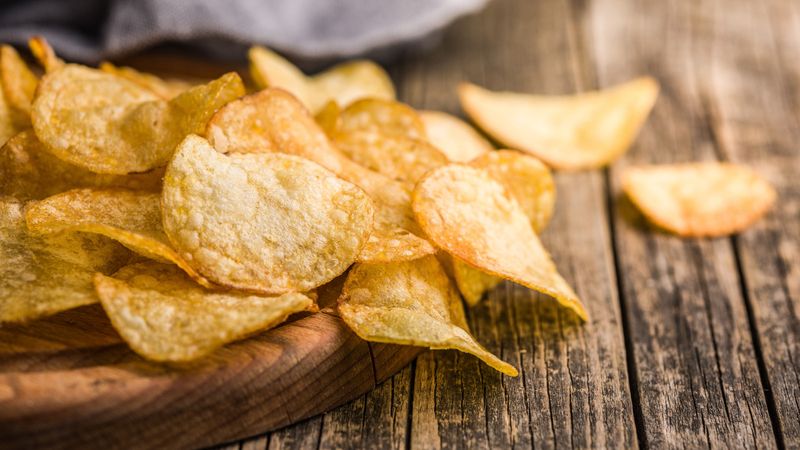
Your brain lights up with pleasure when crisps deliver their magical trio of salt, fat, and satisfying crunch. Each bite stimulates multiple sensory pathways simultaneously.
This sensory symphony triggers reward centers, making it difficult to stop eating. Scientists call this 'sensory-specific satiety' - where your taste buds might tire of one flavour but remain excited by the textural crunch, keeping you reaching for more.
2. The "Bliss Point" Phenomenon
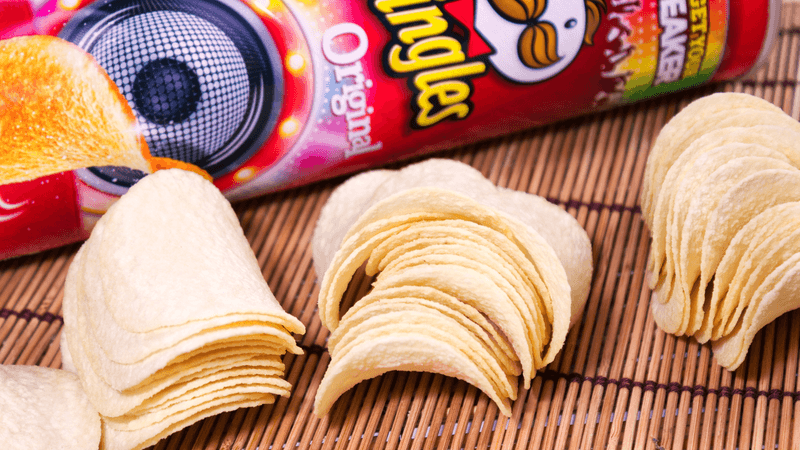
Food scientists like Howard Moskowitz pioneered the concept of the 'bliss point' - that perfect balance of ingredients creating maximum pleasure. Crisp manufacturers meticulously test combinations until they find this sweet spot.
When you hit this perfect balance, your brain floods with dopamine. Remarkably, this neurological response resembles what happens with certain addictive substances, creating a powerful reward cycle that encourages continuous snacking.
3. Engineered For Maximum Consumption
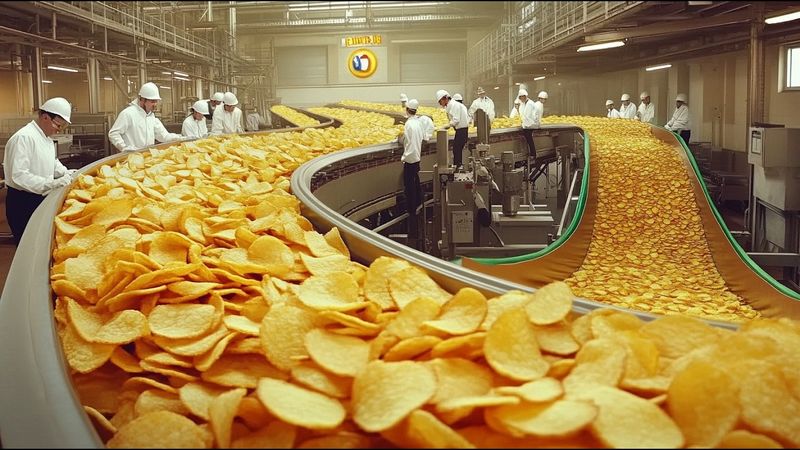
Crisp manufacturers employ teams of food engineers to create the perfect eating experience. They carefully calibrate thickness, oil content, and cooking methods to achieve that signature 'melt-away' quality.
This vanishing caloric density tricks your brain! When food dissolves quickly, your brain doesn't register fullness properly. Some call this the 'vanishing caloric density' - a sneaky tactic that keeps you munching long after you should feel satisfied.
4. Salt's Powerful Pull On Our Brains
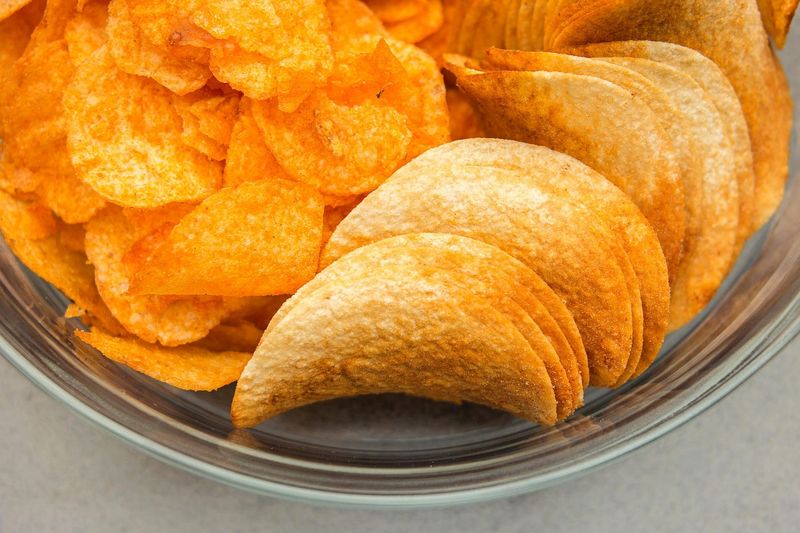
Salt isn't just a flavour enhancer - it's biologically essential. Our ancestors evolved to crave salt because it was scarce yet vital for survival. Modern crisps exploit this ancient wiring.
Neuroscientist Dr. Russell Keast found that salt activates pathways in our brains similar to those triggered by certain drugs. This explains why that salty goodness feels almost irresistible, especially when paired with fat - another historically rare but essential nutrient.
5. Dopamine: The Pleasure Chemical Driving Crisp Cravings
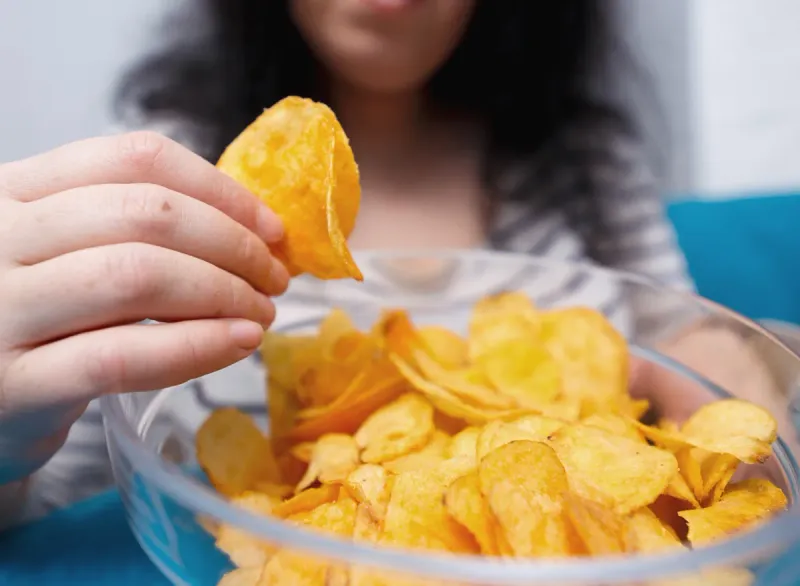
Each crisp triggers a tiny dopamine hit in your brain's reward system. This neurotransmitter creates feelings of pleasure and reinforces behaviour. Neuroscientists' research show that highly palatable foods can hijack these pathways.
Unlike nutritious foods that eventually signal satisfaction, crisps can keep triggering dopamine releases bite after bite. Your brain essentially learns 'crisps equal happiness' and drives you to seek that reward repeatedly.
6. The 'More-ish' Psychology Behind Endless Munching
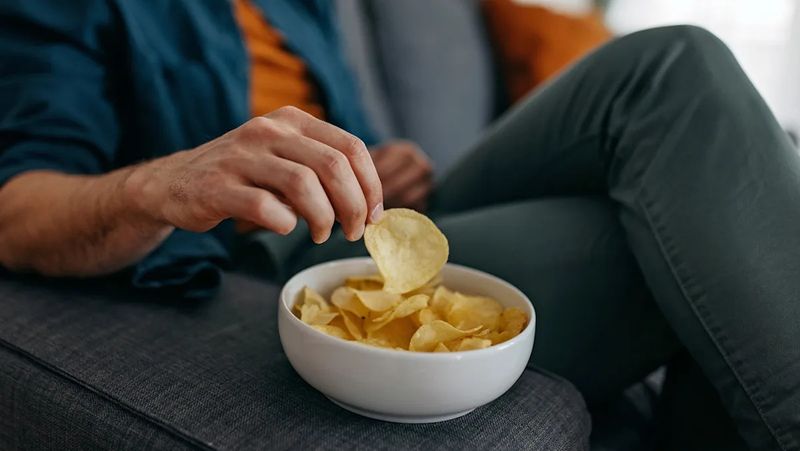
Remember the old Pringles slogan 'Once you pop, you can't stop'? That's not just clever marketing - it's psychological reality. The term 'more-ish' perfectly captures this phenomenon.
Psychologists explain that certain foods create a 'hedonic escalation' where each bite increases our desire for more rather than satisfying it. Crisps create a perfect storm of taste, texture and convenience that bypasses our normal satiety signals, leading to that familiar bottom-of-the-bag surprise.
7. Habit Loops That Keep Us Reaching For Crisps
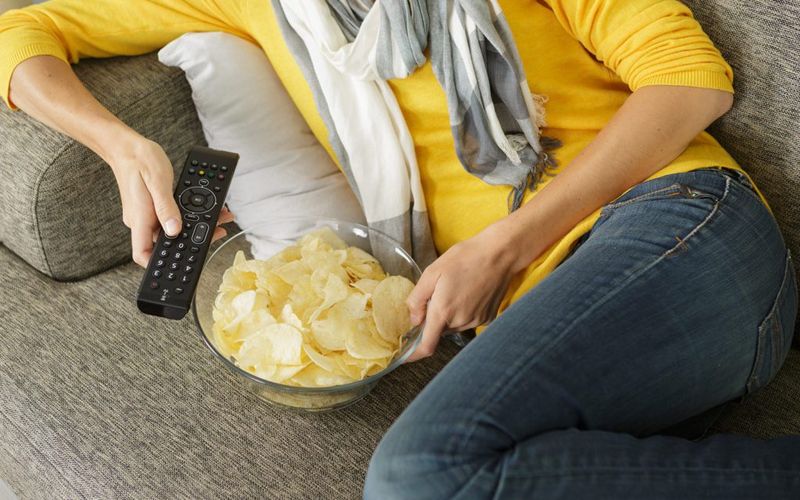
Netflix and crisps? That's a classic habit loop in action. Habits form when our brains link specific cues (starting a film) with rewards (tasty crisps). Neuroscientists discovered that once formed, these pathways become remarkably efficient, requiring little conscious thought.
Your brain essentially runs on autopilot - you reach for crisps without deliberate decision-making. This explains why breaking the crisp habit feels so challenging, especially during familiar activities.
8. Portion Distortion And Package Design
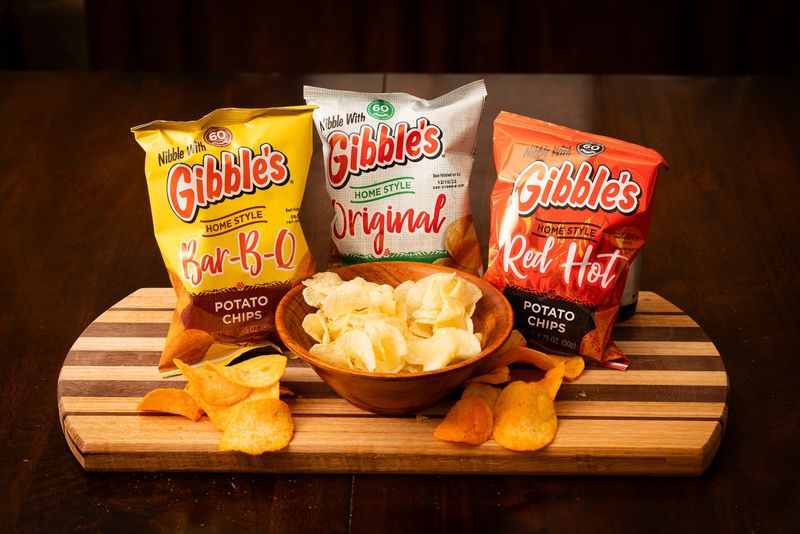
Crisp manufacturers cleverly manipulate packaging to encourage overconsumption. Research by food psychologist Dr. Brian Wansink revealed we eat 20-50% more from larger packages regardless of hunger levels.
The sound of rustling packets adds another dimension - researchers call this 'sonic seasoning.' Studies show we associate certain sounds with freshness and quality. That distinctive crinkle triggers anticipation before you've even tasted anything, priming your brain for pleasure and encouraging continued eating.
9. The Instant Gratification Factor

In our fast-paced world, crisps deliver immediate satisfaction with zero preparation. This instant reward is particularly powerful in our dopamine-driven brains. Behavioural economist Dr. Dan Ariely's research shows we value immediate rewards disproportionately higher than delayed ones.
The instantaneous flavour burst from crisps perfectly exploits this preference. Unlike complex foods that develop flavour gradually, crisps hit all sensory buttons immediately, creating a powerful reinforcement loop.
10. The Low Satiety Trap
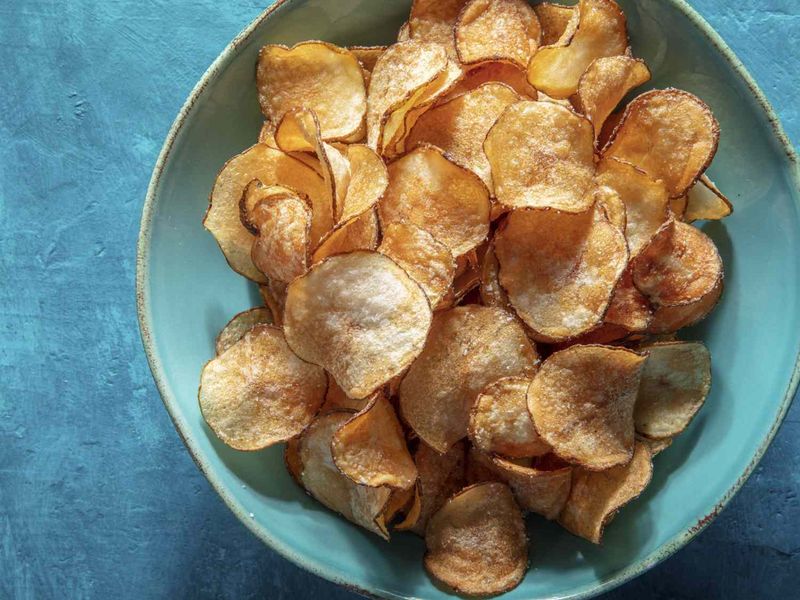
Despite their caloric density, crisps rank remarkably low on the satiety index. Nutrition scientists developed this scale measuring how effectively foods satisfy hunger. Crisps fail spectacularly at creating lasting fullness.
Their processed nature means they're rapidly digested without triggering normal fullness hormones like cholecystokinin and leptin. Additionally, their high glycemic impact causes blood sugar spikes followed by crashes, creating a physiological drive to eat more - a clever biological trap that keeps us reaching into the bag.



