













Vitamin D is crucial for strong bones, a healthy immune system, and overall wellbeing. Yet many people don't get enough of this essential nutrient.
While our bodies can produce vitamin D when exposed to sunlight, certain foods can significantly boost our intake, especially during darker winter months when sunshine is limited.
1. Cod Liver Oil
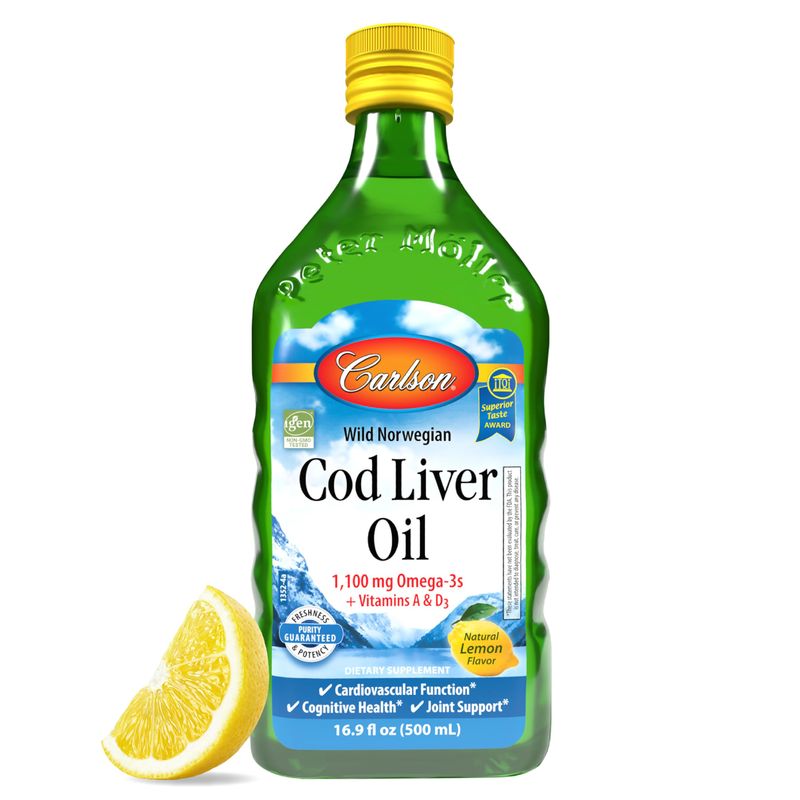
A traditional remedy your grandmother might have sworn by. Just one teaspoon of this golden liquid delivers a whopping 1,360 IU of vitamin D, which is more than twice the recommended daily amount for most adults.
While its strong fishy taste might make you wrinkle your nose, modern versions come in flavoured or capsule forms that make getting your daily dose much more pleasant.
2. Wild-Caught Salmon
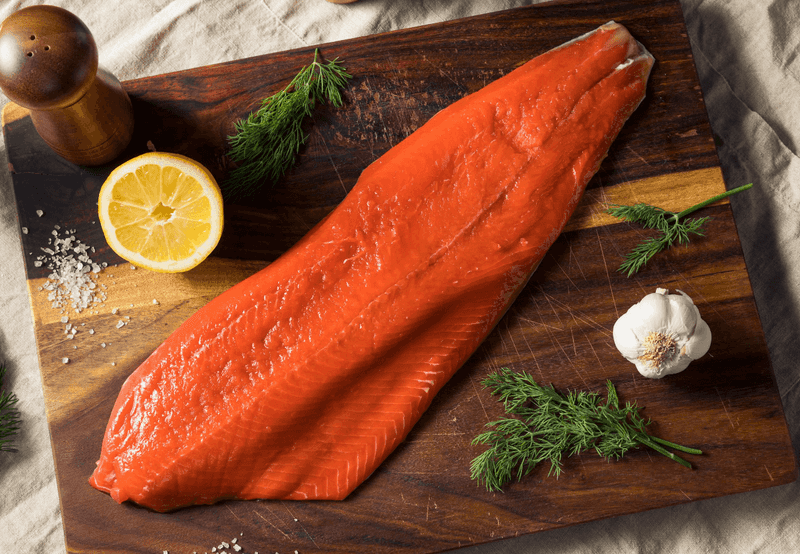
Nothing compares to the vitamin D content in wild salmon caught straight from cold northern waters. A single 100g serving packs about 988 IU of vitamin D, nearly meeting your entire daily requirement.
Farm-raised salmon contains vitamin D too, but typically only about a quarter of the amount found in its wild cousins. The pink flesh also offers heart-healthy omega-3 fatty acids.
3. Herring
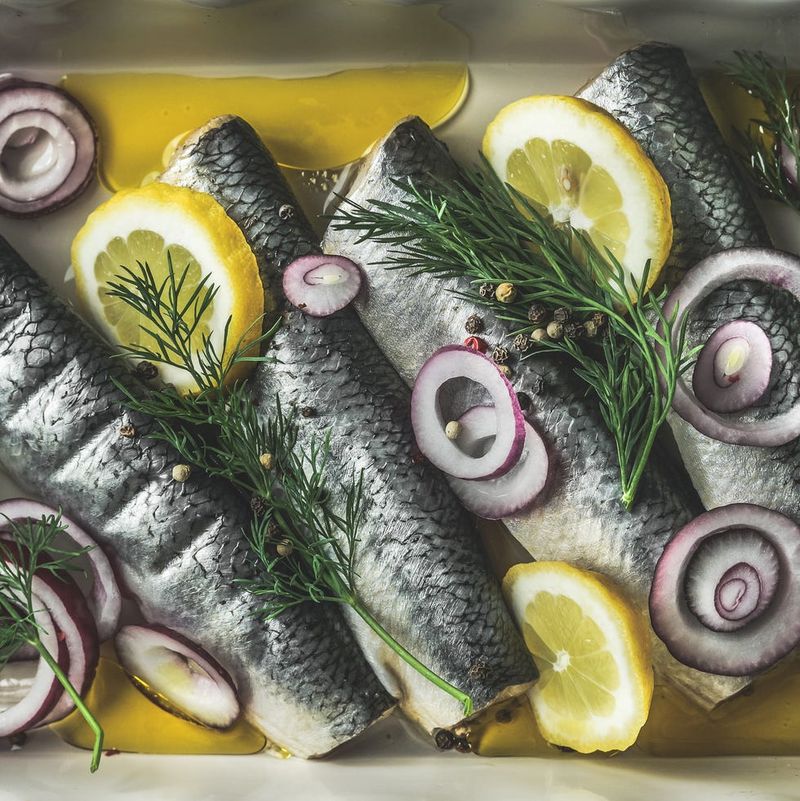
Popular in Scandinavian countries where sunlight is scarce during winter months, herring has been a vitamin D lifesaver for generations. Fresh herring provides about 1,628 IU per 100g serving.
Pickled herring offers a convenient way to enjoy this nutrient-dense fish. The preservation process actually maintains most of the vitamin D content, making it a practical pantry staple.
4. Sardines
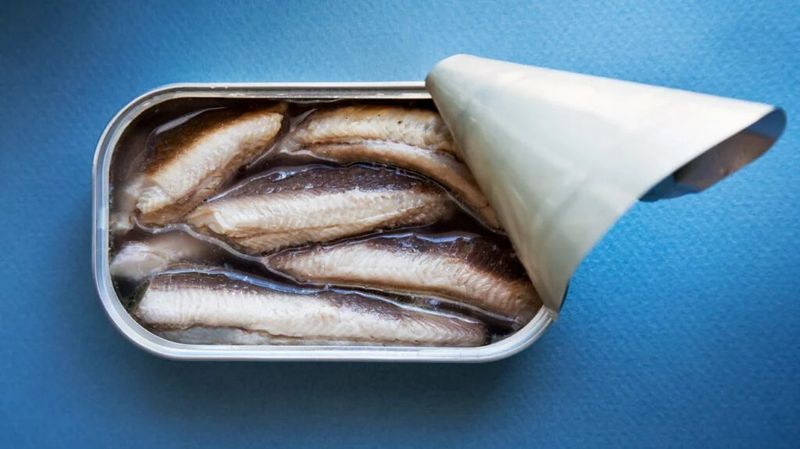
These small, oily fish might be humble, but they're nutritional giants. Canned sardines (with bones) provide about 193 IU of vitamin D per 100g serving.
The beauty of sardines lies in their convenience - no cooking required! Simply open a tin for an instant vitamin D boost. The soft, edible bones also supply calcium, creating a perfect partnership for bone health.
5. Mackerel
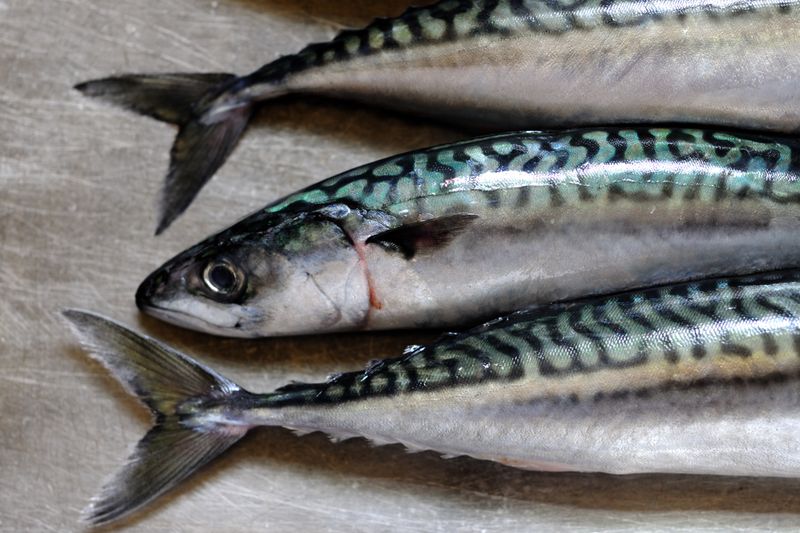
With its rich, distinctive flavour, mackerel stands out among vitamin D superstars. A 100g portion of cooked Atlantic mackerel delivers approximately 345 IU of vitamin D.
Smoked mackerel offers a convenient ready-to-eat option. The smoking process doesn't significantly reduce the vitamin D content, making it perfect for quick meals like pâté or added to a salad.
6. Trout
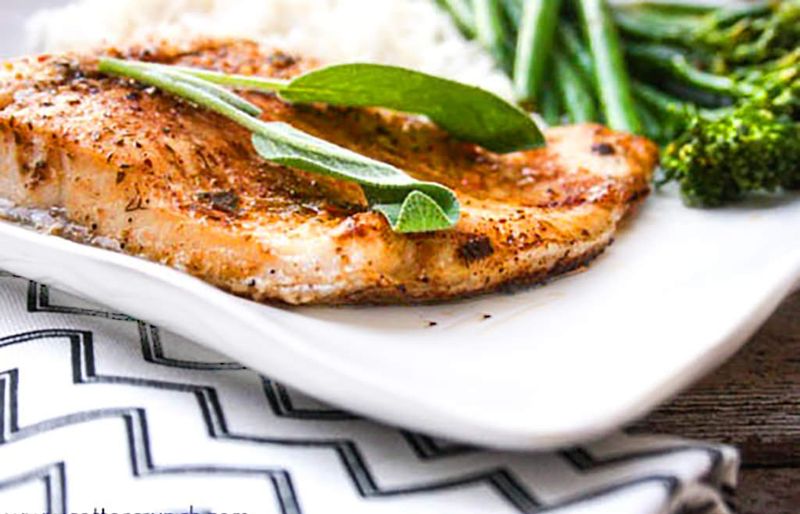
Rainbow trout delivers an impressive vitamin D punch, with about 645 IU per 100g serving. Its delicate flavour makes it appealing even to those who typically shy away from fishier options.
Farmed rainbow trout often contains similar vitamin D levels to wild-caught varieties, unlike salmon. This makes trout a reliable choice when wild-caught options aren't available or are beyond your budget.
7. Canned Tuna
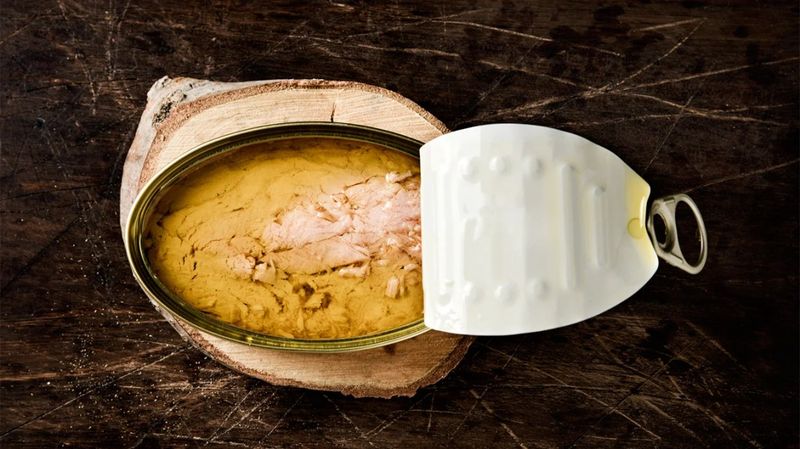
Lurking in most kitchen cupboards, this everyday food harbours a secret vitamin D supply. A 100g serving of canned tuna in water provides about 236 IU of vitamin D.
Light tuna typically contains more vitamin D than white (albacore) varieties. The affordability and long shelf life of canned tuna make it one of the most accessible vitamin D sources for many households.
8. UV-Exposed Mushrooms
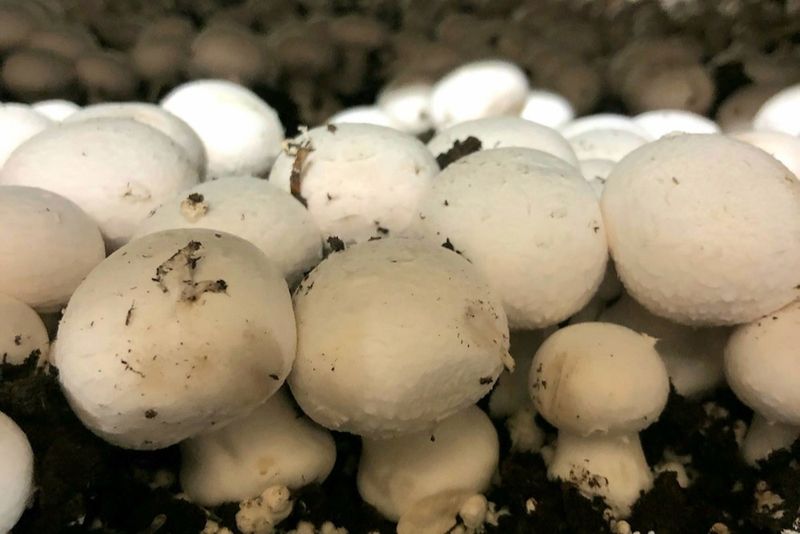
Regular mushrooms contain minimal vitamin D, but something magical happens when they're exposed to ultraviolet light. Research by Dr. Michael Holick showed mushrooms can produce vitamin D2 when their plant sterols are exposed to UV light.
These special fungi can provide 400-700 IU per 100g serving. Look for packages specifically labelled "UV-treated" or "vitamin D-enriched" to ensure you're getting this plant-based vitamin D source.
9. Fortified Milk

Since the 1930s, milk has been fortified with vitamin D to combat rickets in children. A standard 250ml glass provides about 100-130 IU of vitamin D.
Modern plant-based alternatives haven't been left behind. Almond, soy, and oat milks are often fortified with similar or even higher amounts of vitamin D than dairy milk. Always check labels, as fortification levels vary between brands.
10. Fortified Cereals
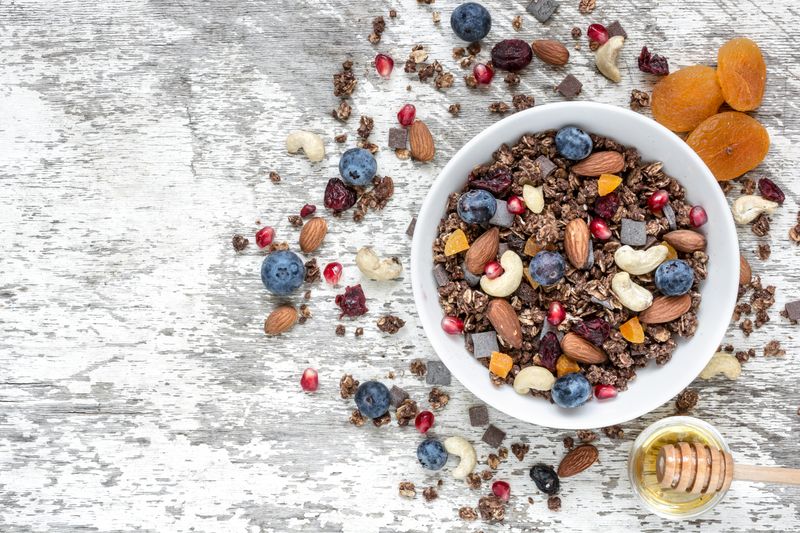
Breakfast cereals often come enhanced with a vitamin cocktail, including vitamin D. A typical fortified cereal provides between 50-100 IU per serving, though some brands offer much more.
The brilliant combination of fortified cereal with fortified milk creates a vitamin D dynamic duo. Together, they can provide up to 25% of your daily vitamin D needs before you've even properly started your day.
11. Egg Yolks
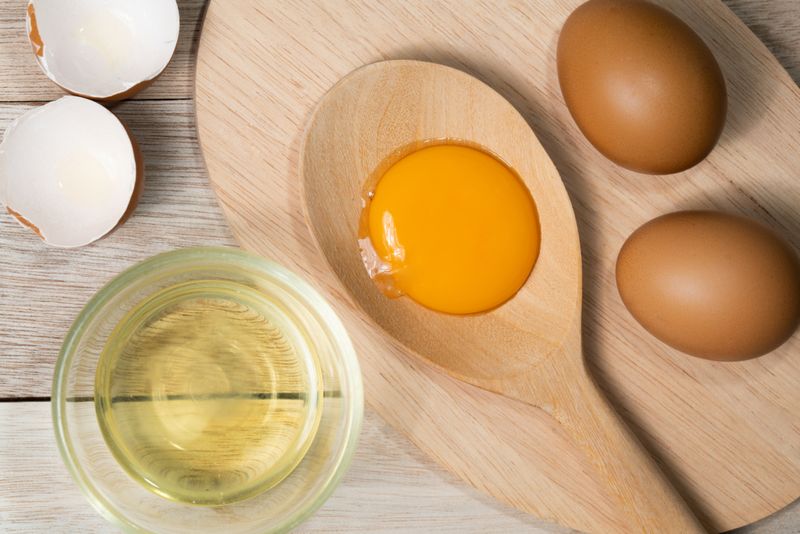
Those vibrant yellow centres hold more than just colour. A typical egg yolk contains about 20-40 IU of vitamin D, but this can vary dramatically based on chicken feed and living conditions.
Eggs from free-range or pasture-raised hens exposed to sunlight can contain 3-4 times more vitamin D than conventional eggs. Studies by Dr. Mattila found that chickens with outdoor access produce eggs with significantly higher vitamin D levels.
12. Beef Liver
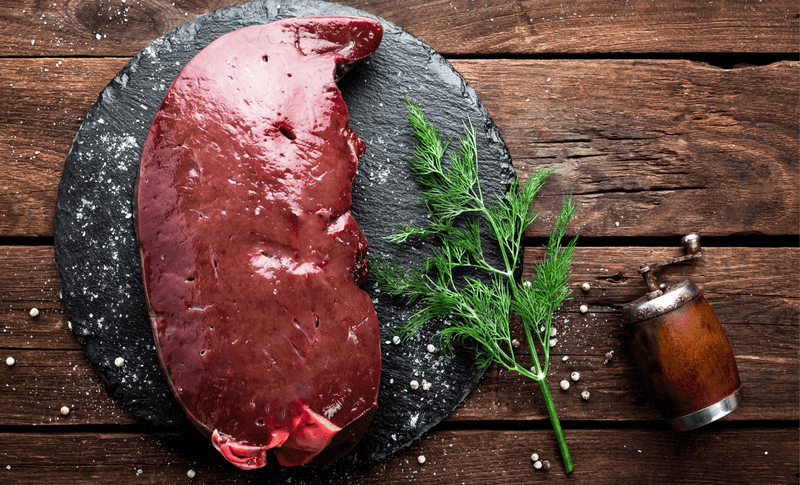
Before modern supplements, liver was prescribed as nature's multivitamin. A 100g serving of cooked beef liver provides about 50 IU of vitamin D, along with an impressive array of other nutrients.
While not everyone fancies its distinctive flavour, beef liver offers one of the most nutrient-dense packages available. Its vitamin D comes paired with iron, vitamin A, B vitamins, and copper - nutrients that often work synergistically.



