













Creating a perfect salad is more art than science. When done right, a salad can be a complete meal that satisfies both your hunger and taste buds.
The following principles will help you transform ordinary ingredients into extraordinary salads that everyone will love.
1. Balance Of Flavours
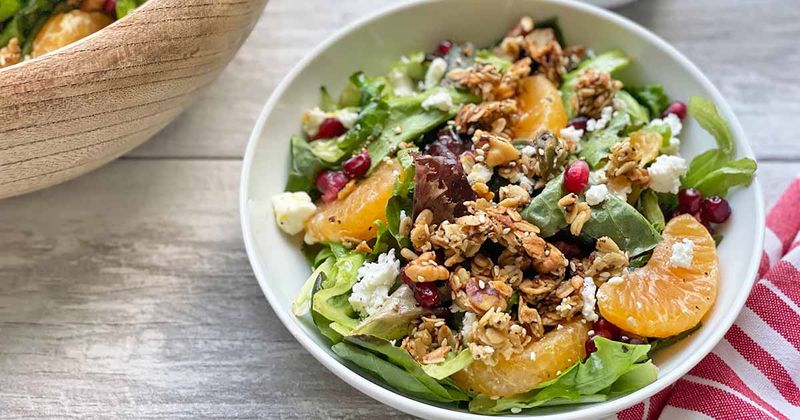
Every memorable salad dances between sweet, sour, salty, and bitter notes. Try pairing peppery arugula with sweet dried cranberries, or tangy goat cheese with honey-roasted nuts.
The magic happens when these contrasting flavours complement rather than compete. Professor Charles Spence of Oxford University found that our brains actually crave this flavour complexity.
2. Variety Of Textures
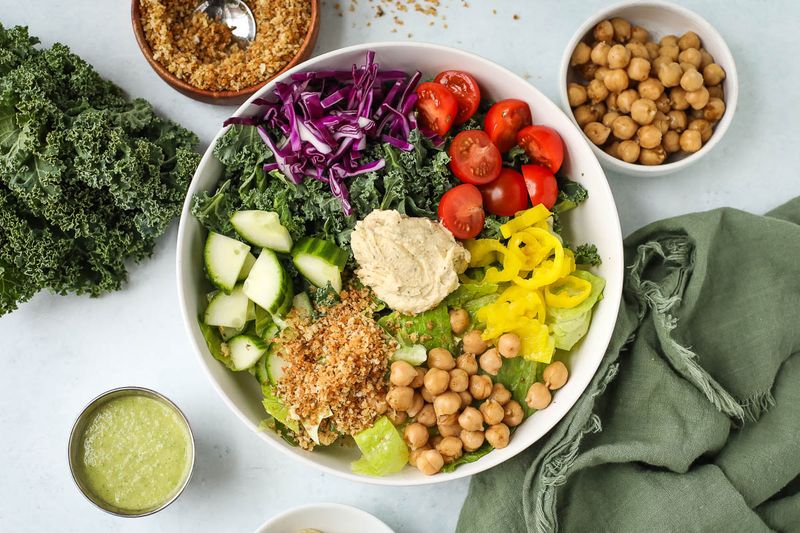
Imagine biting into a salad where everything feels the same - boring! Texture creates excitement in every mouthful. Combine buttery avocado with crispy toasted seeds.
Add crunchy apple slices alongside tender roasted vegetables. The contrast between soft and crunchy elements makes eating more pleasurable and satisfying, turning a simple salad into a multi-sensory experience.
3. Fresh Ingredients
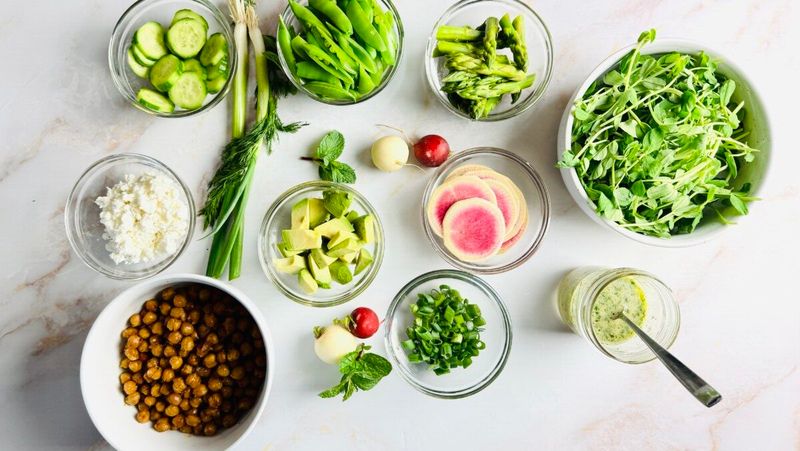
Freshness forms the foundation of exceptional salads. Greens should snap when broken, tomatoes should burst with juice, and herbs should release their aroma when touched.
Food scientist Dr. Elizabeth Pivonka recommends selecting produce that feels heavy for its size. Store leafy greens with paper towels to absorb excess moisture. Remember: ingredients at peak freshness need minimal enhancement to shine.
4. Thoughtful Layering
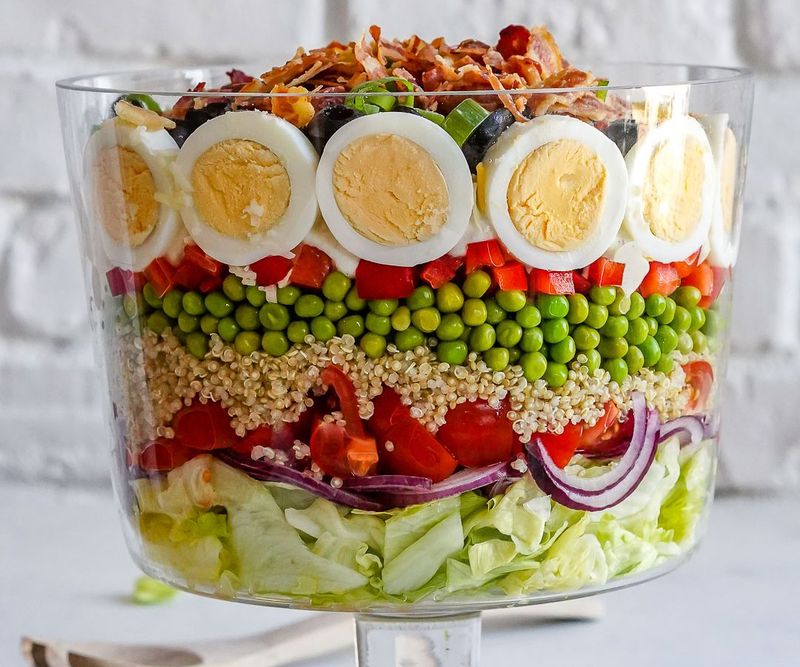
Proper layering transforms a jumble of ingredients into a cohesive creation. Start with sturdy greens that create a supportive base.
Place delicate items like herbs or berries near the top where they won't get crushed. For meal-prep salads, culinary expert Jamie Oliver suggests placing dressing and wet ingredients at the bottom of your container with firmer vegetables as a protective barrier for delicate greens above.
5. Dressing Finesse
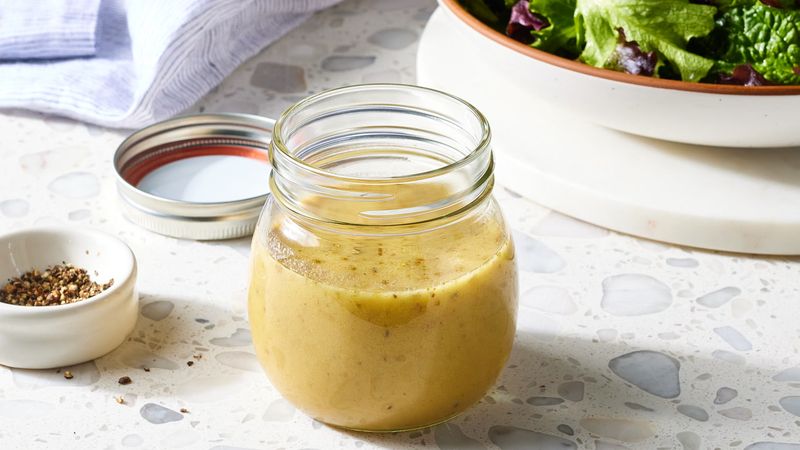
A brilliant dressing ties everything together without drowning your carefully chosen ingredients. The classic ratio for vinaigrettes is one part acid (vinegar or citrus) to three parts oil.
Chef Yotam Ottolenghi recommends adding a touch of sweetness - honey or maple syrup- to balance acidity. Always taste your dressing with an actual salad ingredient, not alone, as leaves and vegetables will change its flavour profile.
6. Protein Power
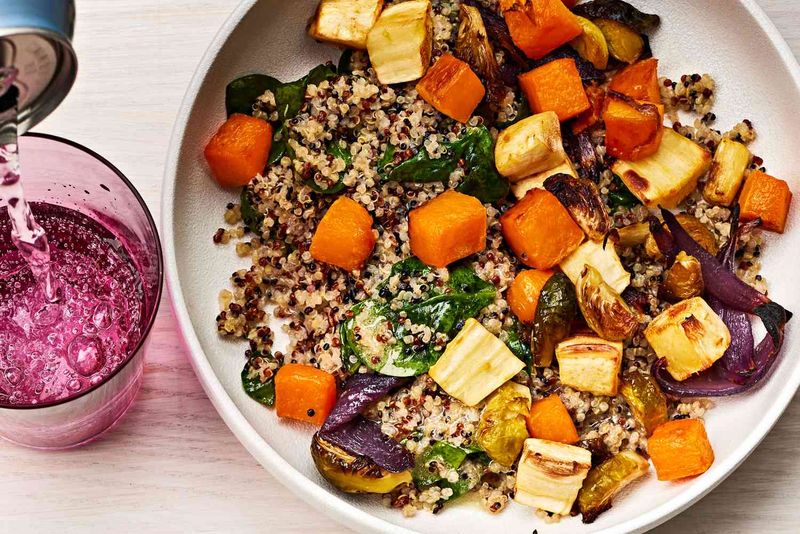
Adding protein transforms a side dish into a satisfying meal. Beyond the obvious chicken or salmon, consider alternatives like marinated tempeh, soft-boiled eggs, or roasted chickpeas tossed with smoked paprika.
Nutritionist Dr. Sarah Schenker notes that combining plant proteins creates complete amino acid profiles. Try quinoa with beans or nuts with cheese for maximum nutritional benefit while maintaining textural interest.
7. Seasoning Savvy
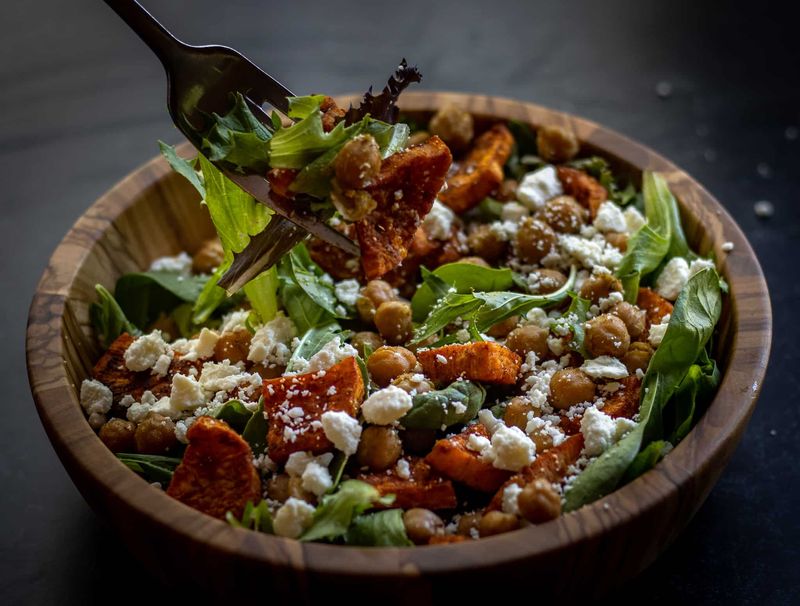
Salt awakens flavours that would otherwise remain dormant. Sprinkle flaky sea salt just before serving rather than mixing it into the dressing for more pronounced impact. Fresh-cracked pepper adds aromatic complexity that pre-ground simply cannot match.
Food chemist Harold McGee explains that salt actually suppresses bitterness while enhancing sweetness, making vegetables taste more like themselves—only better.
8. Seasonal Sensibility
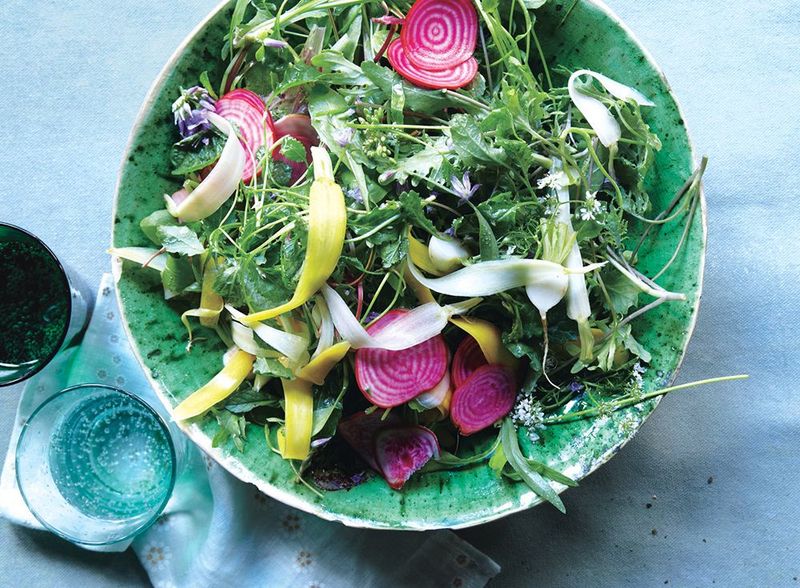
Ripe summer tomatoes burst with sunshine flavour that winter hothouse varieties simply cannot match. Building salads around what's currently thriving creates naturally harmonious combinations. Winter calls for heartier preparations - roasted root vegetables with sturdy kale.
Spring welcomes tender lettuces paired with radishes and peas. Agronomist Dr. Tim Hartz found that produce harvested in season contains significantly higher nutrient levels compared to off-season counterparts.
9. Thoughtful Restraint
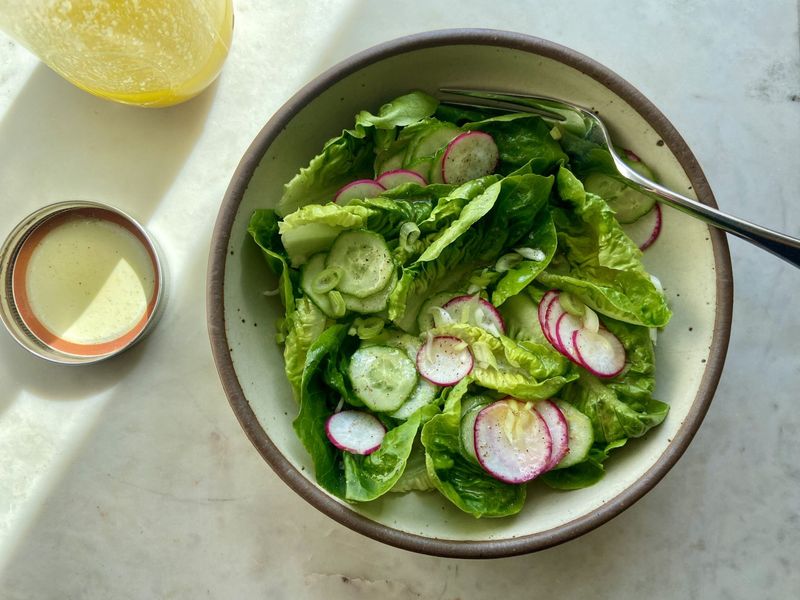
Sometimes less truly is more. A common salad mistake involves cramming too many competing elements into one bowl. Choose a clear theme - Mediterranean, Asian, or harvest—and select ingredients that complement this direction.
Celebrity chef Nigella Lawson advocates for the "rule of five" in salad making: one base, one protein, one crunchy element, one soft ingredient, and one flavour booster like cheese or nuts. This creates harmony without overwhelming complexity.
10. Visual Appeal
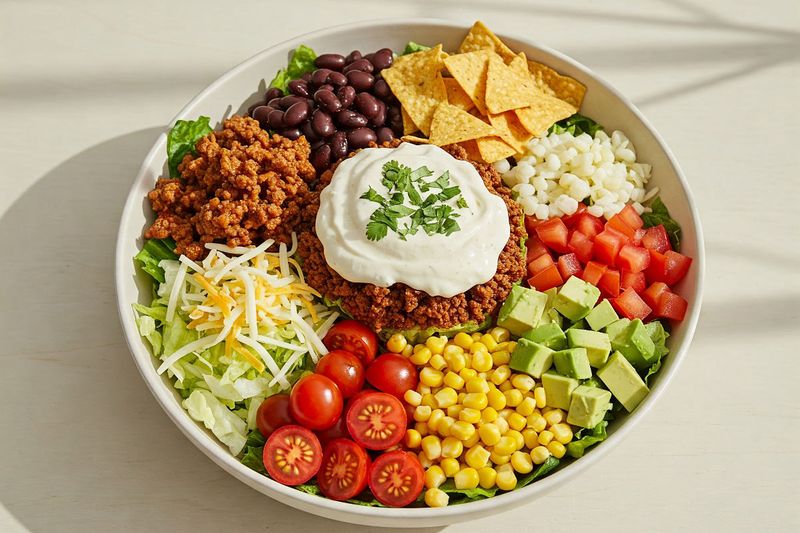
We truly eat with our eyes first. Colour contrasts - dark greens against bright tomatoes or purple cabbage beside golden beets - create visual excitement that primes our palates.
Food psychologist Dr. Charles Michel found that artfully arranged salads were rated as tasting significantly better than the exact same ingredients tossed randomly. Consider serving components separately on a platter, allowing diners to appreciate each element before combining them.



