













Tired of struggling with rock-hard butter when making toast? Most of us automatically store butter in the fridge, but this common habit makes it impossible to spread.
With proper storage techniques, you can keep butter fresh, soft, and ready to use without refrigeration. These methods will transform your morning routine and baking experience forever.
1. Covered Butter Dish Magic
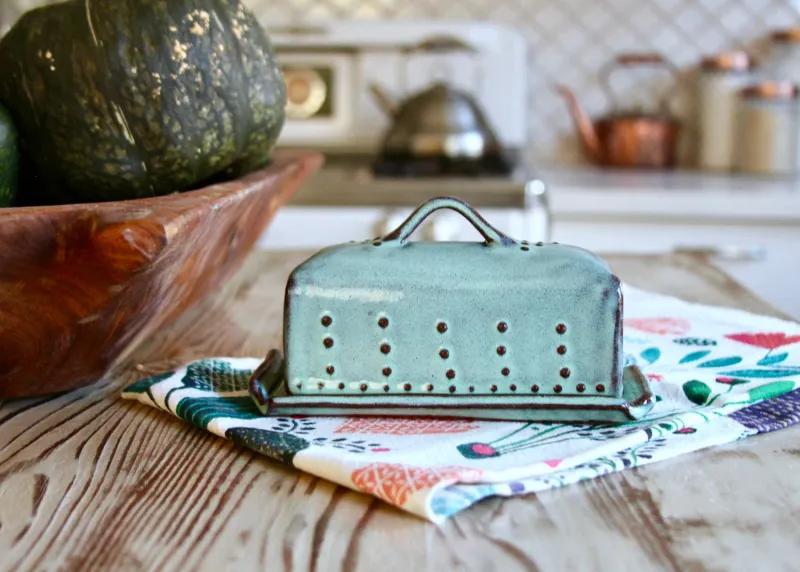
A lidded butter dish or ceramic butter crock creates the perfect environment for spreadable butter. The cover blocks out dust, air, and light - three culprits that speed up spoilage.
Think of it as a little butter sanctuary on your countertop. The right container maintains that perfect consistency without letting butter deteriorate or absorb kitchen odours.
2. Find A Cool, Shaded Spot

Location matters tremendously for counter-stored butter. Keep your butter away from windows where sunlight streams in or near heat sources like radiators.
A pantry shelf or a shaded corner of your kitchen counter works brilliantly. The ideal temperature hovers below 21°C—warm enough for softness but cool enough to prevent melting and bacterial growth.
3. Salted Butter Only Rule

Not all butter is created equal when it comes to room temperature storage. Salt acts as a natural preservative, significantly extending butter's shelf life outside the fridge.
Unsalted varieties lack this protection and spoil much faster. Reserve your counter space exclusively for salted butter and keep those unsalted blocks chilled for your baking needs.
4. Ditch Original Wax Wrappers
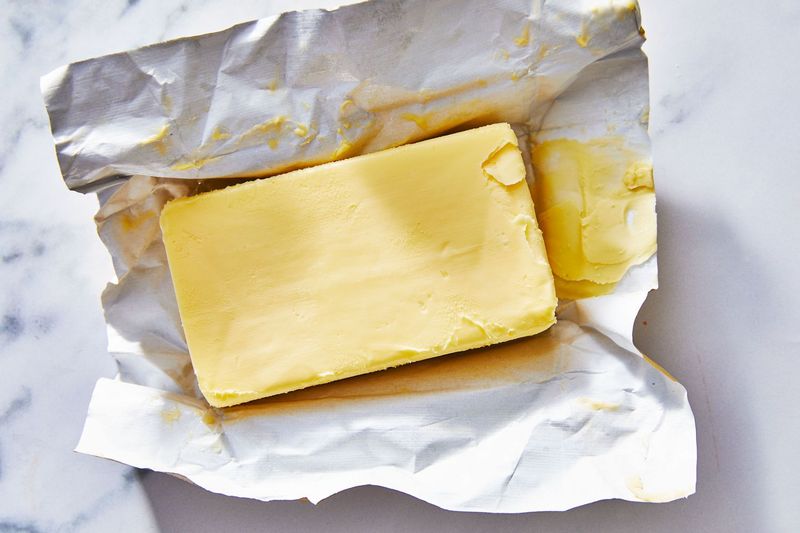
The paper or wax wrapper your butter comes in offers minimal protection once opened. These original coverings allow air to circulate around the butter, accelerating deterioration.
Always unwrap completely and transfer to a proper sealed container. This simple habit prevents butter from absorbing refrigerator odours and extends its usable life considerably.
5. Keep Away From Kitchen Heat
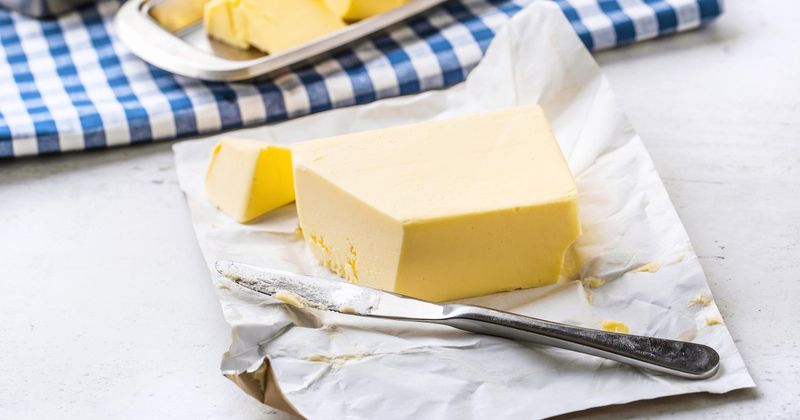
Your stovetop area might seem convenient, but it's a danger zone for butter storage. Proximity to the oven, toaster, or kettle creates temperature fluctuations that wreak havoc on butter's consistency.
These heat sources cause partial melting, which separates butter's components and creates perfect conditions for bacteria. Always position your butter dish at least a meter away from any cooking equipment.
6. Weekly Quality Inspections
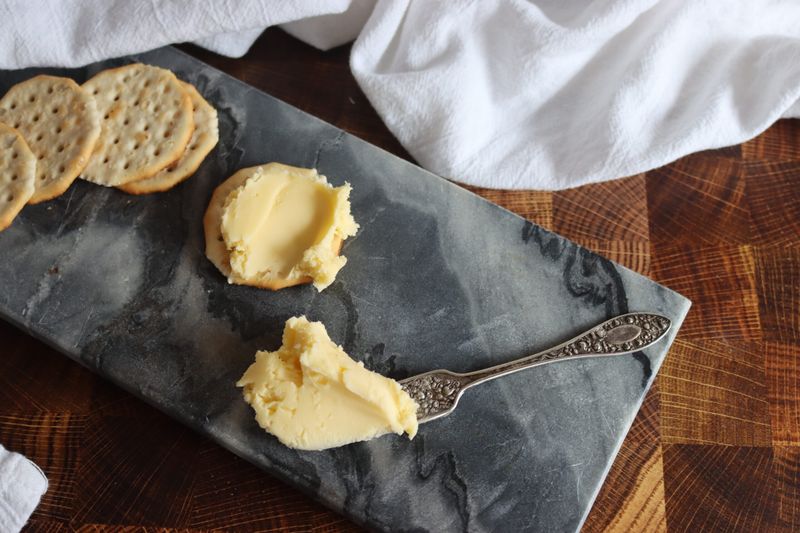
Room-temperature butter requires regular monitoring. Make a habit of checking your butter's condition weekly by noticing changes in appearance, texture, and smell.
Fresh butter maintains a pleasant, mild aroma. If yours develops a sour smell, unusual sliminess, or discoloration, it's time for immediate disposal. Trust your senses—they rarely lead you astray when it comes to food safety.
7. Freezer Storage For Extras
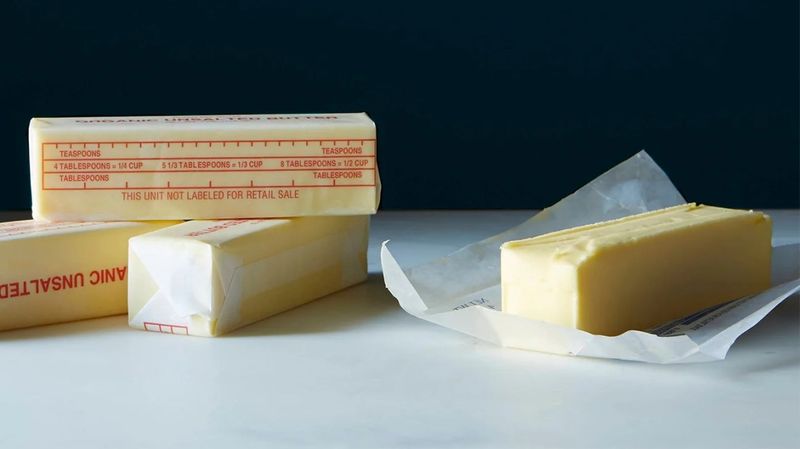
Butter sales are too good to pass up! When you find yourself with surplus, the freezer becomes your best friend. Salted butter maintains quality for up to nine months when properly frozen.
Keep butter in its original wrapper, then add a layer of foil or place in a freezer bag. Label with the date to track freshness. Thaw in the refrigerator overnight before transferring to your butter dish.
8. Room Temperature Portions
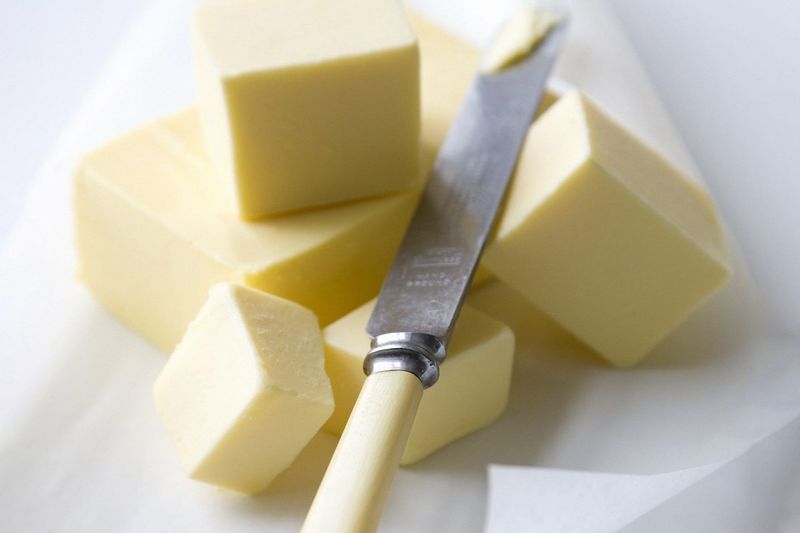
Bakers take note! While unsalted butter belongs in the fridge, you don't have to sacrifice spreadability. Cut small portions from your refrigerated block and keep them in a separate container at room temperature.
This approach gives you the best of both worlds - properly preserved butter for recipes plus ready-to-use soft butter for immediate needs. Just remember to use these smaller portions within a few days.
9. French Butter Crock System
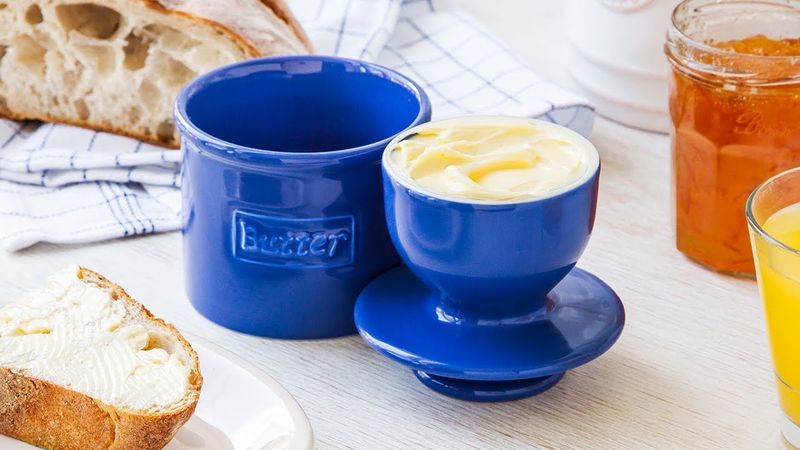
French butter lovers have perfected storage with their ingenious butter crock design. These traditional vessels use water as a natural seal, creating an airtight barrier that keeps butter fresh for weeks.
Fill the base with cool water, pack butter into the bell-shaped lid, then invert it so the butter sits suspended above the water. Change the water every few days to maintain freshness up to 30 days!
10. Smart Refrigerator Portioning
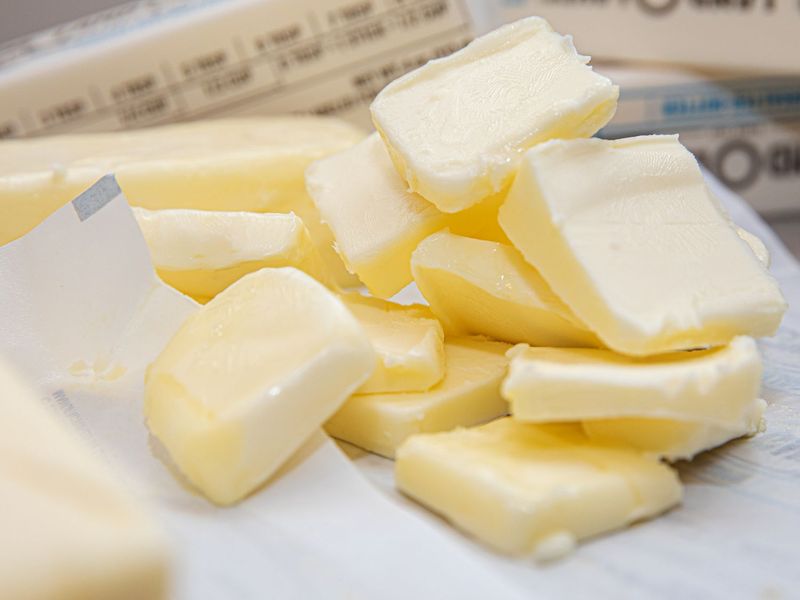
Can't quite break the refrigeration habit? No worries - there's a middle-ground approach. Keep your main butter supply cold but slice off small portions before each use rather than waiting for the entire block to soften. A butter knife can easily cut thin slices from cold butter.
These smaller pieces warm quickly on your plate or bread, giving you spreadable texture in minutes without compromising freshness of your main supply.



