













Making healthier food choices doesn't have to mean a complete diet overhaul or hours spent meal prepping. Sometimes, the simplest changes make the biggest difference to your nutrition.
These easy food swaps can help you cut down on sugar, increase your fibre intake, and boost your overall health without sacrificing taste or convenience.
1. Swap White Bread For Wholegrain Or Rye Bread

Your morning toast can work harder for your health with this simple change. Wholegrain and rye varieties contain the entire grain kernel, keeping all the natural nutrients intact.
The extra fibre helps slow digestion, preventing those mid-morning energy crashes. Nutritionists at King's College London found wholegrain bread significantly improves gut health compared to refined white bread options.
2. Swap Sugary Cereal For Overnight Oats
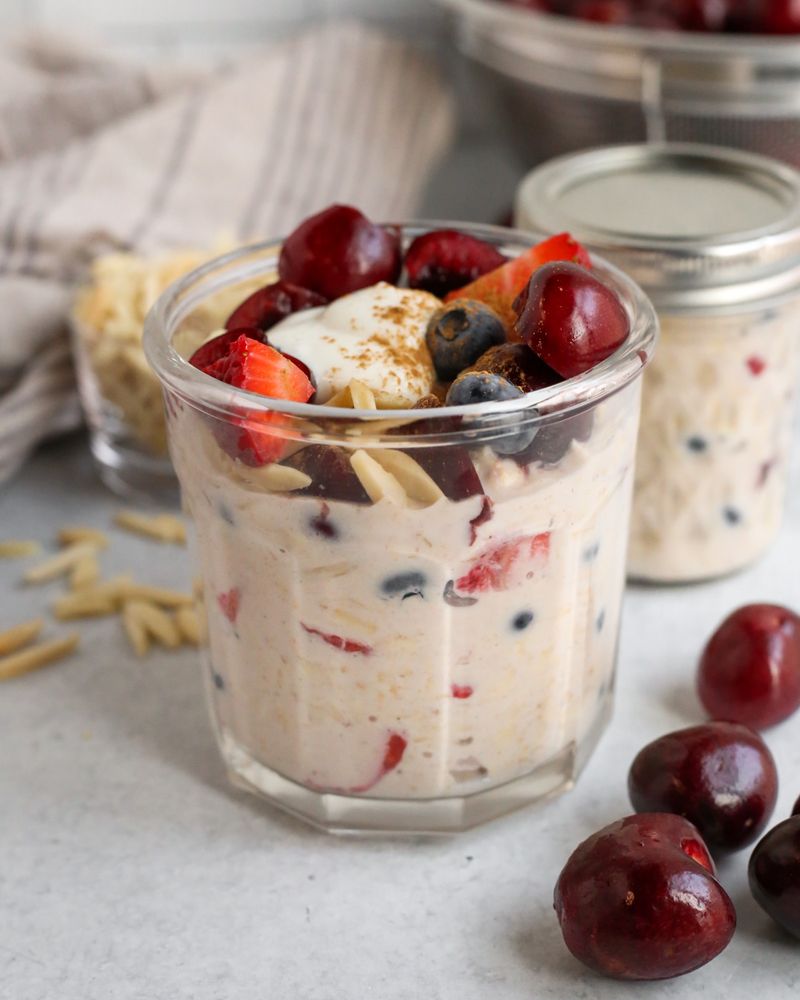
Many breakfast cereals are sugar bombs in disguise. Overnight oats offer a delicious alternative that won't send your blood sugar soaring before 9 AM.
Simply mix rolled oats with milk or yogurt, add chia seeds for omega-3s, and refrigerate overnight. Top with fresh berries instead of the processed sugar found in many cereals. Your morning self will thank you for this steady energy release.
3. Swap Creamy Salad Dressing For Olive Oil And Lemon

Store-bought dressings often hide surprising amounts of sugar, preservatives and unhealthy oils. A simple drizzle of extra virgin olive oil with fresh lemon juice transforms your salad into a heart-healthy powerhouse.
The monounsaturated fats in olive oil help reduce inflammation, according to research from the University of Barcelona. This Mediterranean-inspired dressing enhances rather than masks the natural flavours of your vegetables.
4. Swap Crisps For Roasted Chickpeas
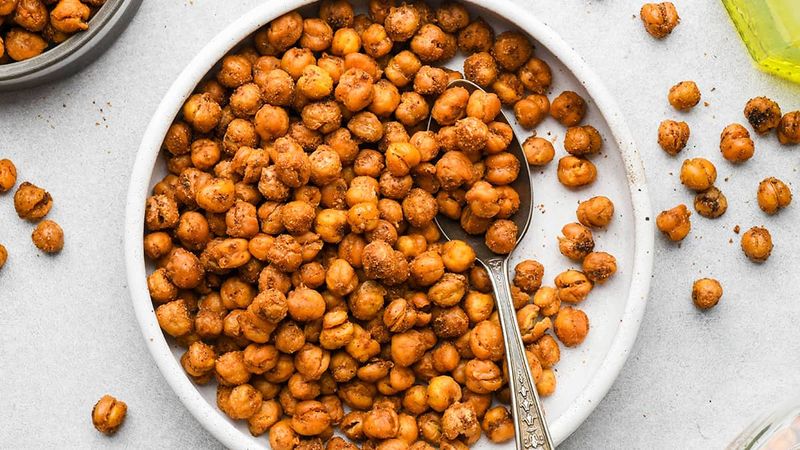
The afternoon snack craving hits, and your hand reaches for crisps. Next time, try roasted chickpeas instead. They deliver that satisfying crunch without the excessive oil and salt.
Toss chickpeas with a bit of olive oil and your favourite spices, then roast until crispy. Each handful provides protein and fibre that keeps hunger at bay. Nutrition researcher Dr. Emma Williams notes they're particularly good for stabilising blood sugar levels.
5. Swap Fruit Juice For Infused Water Or Whole Fruit

That glass of orange juice might seem healthy, but it's essentially concentrated fruit sugar without the beneficial fibre. Eating a whole orange instead gives you all the vitamin C plus the fibre that slows sugar absorption.
For refreshment, try water infused with cucumber, berries, or citrus slices. The British Dietetic Association confirms whole fruits provide greater satiety and nutritional benefits compared to their juiced counterparts.
6. Swap Milk Chocolate For Dark Chocolate (70% Or higher)
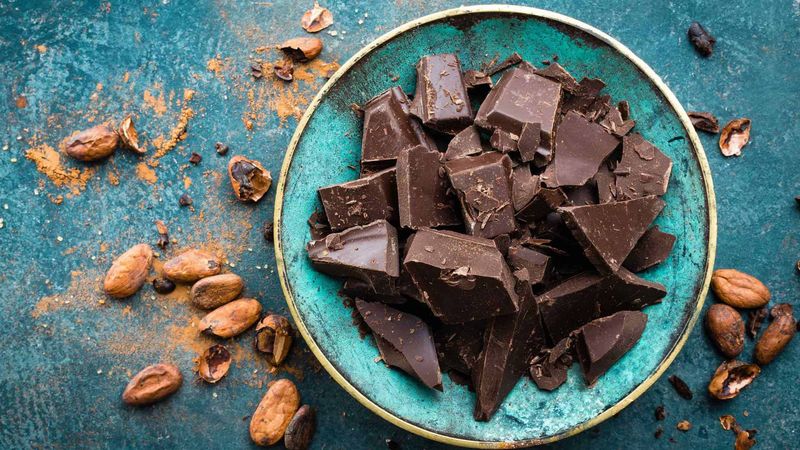
Chocolate cravings needn't derail your healthy eating plans. Dark chocolate with at least 70% cocoa content contains significantly less sugar than milk varieties and packs more antioxidants.
The flavanols in dark chocolate support heart health and may even improve cognitive function. Research from University College London found that moderate dark chocolate consumption can reduce stress hormones. A couple of squares can satisfy your sweet tooth while offering genuine health benefits.
7. Swap Ice Cream For Frozen Banana 'Nice Cream'

Traditional ice cream delivers a double whammy of sugar and saturated fat. Frozen bananas blended to a creamy consistency create a remarkably similar texture without the nutritional drawbacks.
The natural sweetness eliminates the need for added sugar. Nutritionist Sarah Jenkins recommends adding a tablespoon of nut butter for healthy fats and protein. This plant-based treat supports digestive health while satisfying dessert cravings with only natural fruit sugars.
8. Swap White Rice For Quinoa Or Brown Rice
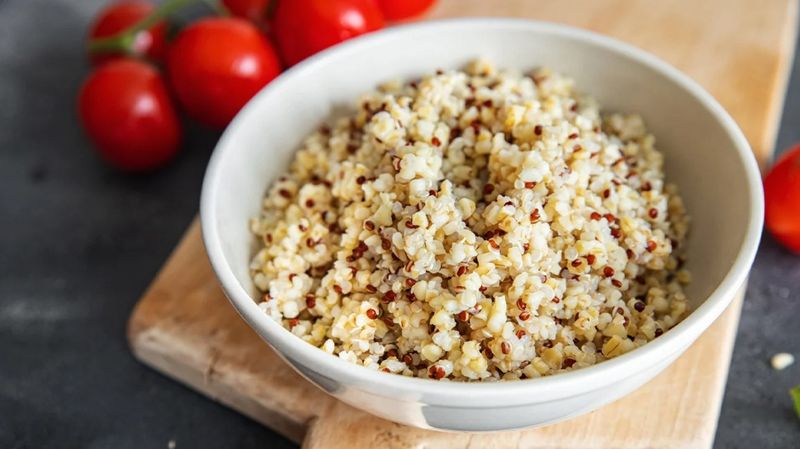
White rice undergoes processing that strips away much of its nutritional value. Brown rice keeps the bran and germ intact, providing essential minerals and fibre that white rice lacks. Quinoa offers an even bigger nutritional punch as a complete protein source.
Studies from Oxford University show these whole grain alternatives help maintain steadier blood glucose levels. Your energy won't crash an hour after eating, making afternoon productivity much more achievable.
9. Swap Sour Cream For Greek Yogurt

Greek yogurt performs culinary magic as a sour cream substitute with half the calories and several times the protein. The tangy flavour profile works brilliantly in dips, dressings, and atop Mexican dishes. The live cultures in Greek yogurt support gut health, something regular sour cream can't claim.
Gastroenterologist Dr. Michael Thompson points to research showing probiotics may improve digestive function and immune response. This simple swap delivers more nutrition with every creamy dollop.
10. Swap Flavoured Yogurt For Plain With Fresh Fruit
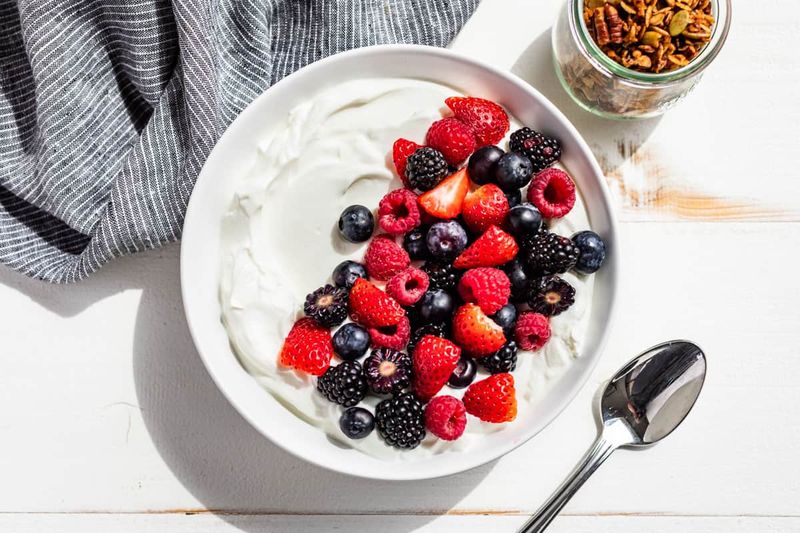
Those fruit-on-the-bottom yogurts often contain more sugar than a chocolate bar! Plain yogurt topped with fresh berries gives you natural sweetness plus extra nutrients and fibre. The antioxidants in berries fight inflammation while the yogurt provides calcium and protein.
Food scientist Dr. Rebecca Moore found commercially flavoured yogurts contain an average of 4-5 teaspoons of added sugar per serving. Your taste buds will adjust to less sweetness over time.
11. Swap Fizzy Drinks For Sparkling Water With Citrus

A typical can of fizzy drink contains about 9 teaspoons of sugar. Sparkling water with fresh citrus gives you the bubbles without the glucose overload. Squeeze in lemon, lime or orange for natural flavour and added vitamin C.
Hydration specialist Dr. James Carter notes that many people mistake thirst for hunger, so staying properly hydrated can prevent unnecessary snacking. This refreshing alternative helps break the sweetened beverage habit.
12. Swap Pasta For Courgetti Or Wholewheat Pasta

Regular pasta spikes blood sugar nearly as quickly as pure glucose. Spiralized courgette provides a fraction of the calories while adding valuable vegetable nutrition to your plate. Not ready for vegetable noodles? Wholewheat pasta offers more fibre and protein than white versions.
Research from Cambridge University indicates higher fibre intake reduces risk of heart disease and type 2 diabetes. Both alternatives help maintain steadier energy levels after meals.
13. Swap Butter For Mashed Avocado On Toast

Butter is primarily saturated fat, while avocado delivers heart-healthy monounsaturated fats along with fibre and potassium. This simple morning switch improves your cardiovascular health profile before you've even left for work.
The creamy texture makes it a perfect spread that won't leave you missing butter. Cardiologist Dr. Helen Richards recommends avocado as part of a heart-protective diet. A sprinkle of chilli flakes or lemon zest adds exciting flavour dimensions.
14. Swap Table Salt For Herbs And Spices
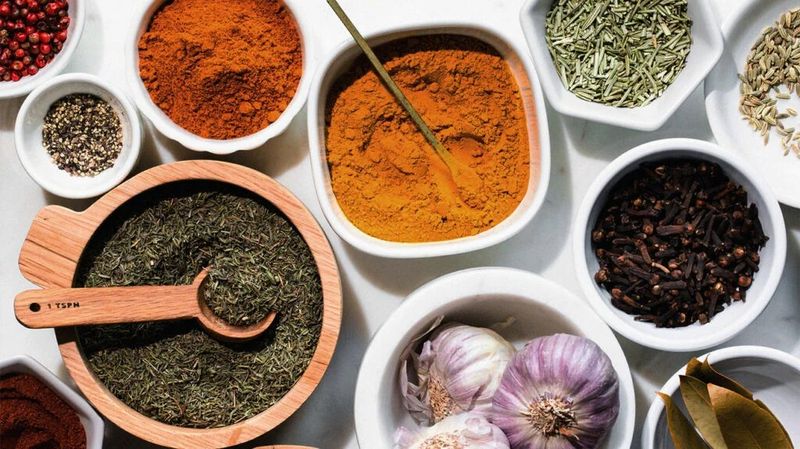
Excessive sodium consumption is linked to high blood pressure and heart problems. Herbs and spices can transform bland foods into flavour sensations without the health risks. Try smoked paprika for depth, fresh basil for brightness, or cumin for earthiness.
The British Heart Foundation recommends gradually reducing salt to allow taste buds to adjust. Many herbs offer additional health benefits, like the anti-inflammatory properties of turmeric or the digestive benefits of ginger.
15. Swap Shop-Bought Granola Bars For Nuts And Fruit
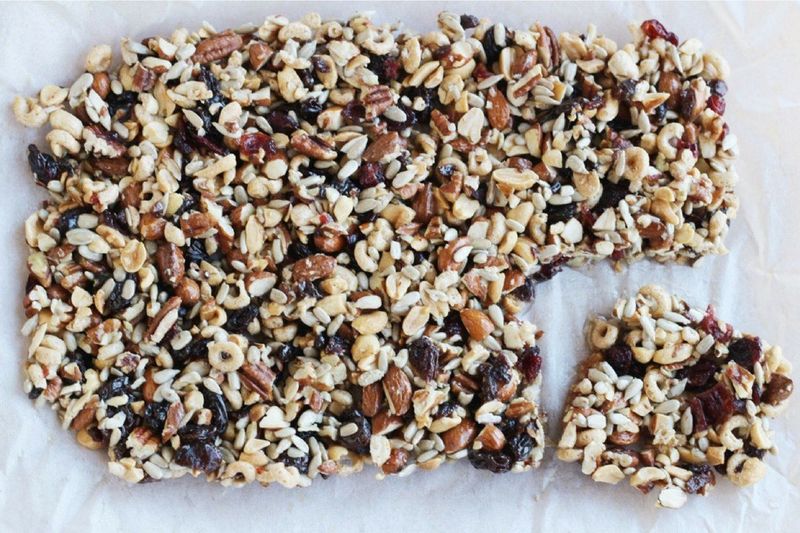
The health halo around granola bars rarely matches their nutritional reality. Most contain surprising amounts of added sugars, oils and preservatives. A handful of almonds with an apple provides protein, healthy fats, and fibre in a completely natural package.
Nutritional biochemist Dr. Sarah Thompson points out that whole food snacks typically contain more micronutrients than processed alternatives. This combo delivers satisfying crunch and natural sweetness in a portable format.



