






Remember those fancy restaurant dishes everyone couldn't stop ordering? Food trends come and go just like fashion.
Yesterday's culinary must-haves often become today's menu relics. Let's take a nostalgic journey through once-popular restaurant dishes that have fallen from grace in today's dining scene.
1. Stuffed Mushrooms
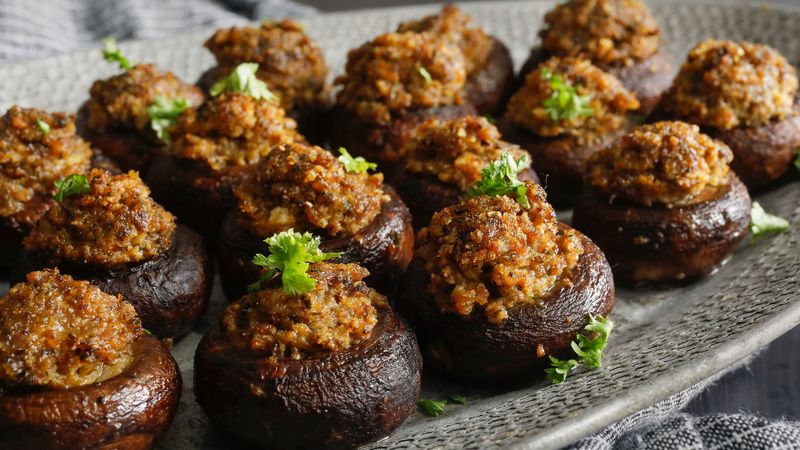
Remember those little fungi filled with breadcrumbs and cheese? These bite-sized appetisers were the toast of dinner parties and restaurant menus throughout the 1980s.
Nowadays, chefs have moved toward lighter, more innovative mushroom preparations. The traditional stuffed version feels heavy and predictably one-dimensional compared to modern techniques that celebrate the mushroom's natural flavour.
2. Shrimp Cocktail
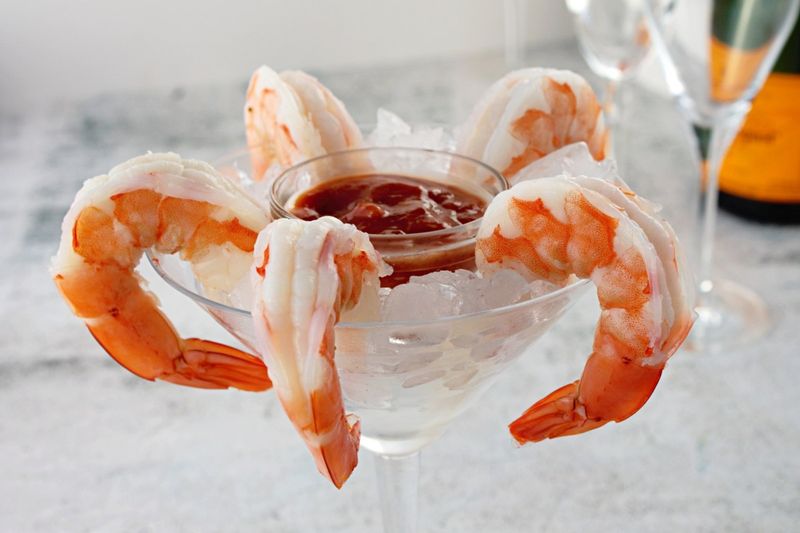
Once the pinnacle of sophistication at upscale establishments, this appetiser featured prawns hanging over a glass with that signature red sauce. The dish screamed luxury in the 1960s and 70s.
Today's seafood starters feature fresher presentations and more complex flavours. Modern chefs consider the classic cocktail sauce too sweet and one-dimensional, preferring zestier, more globally-influenced seafood preparations.
3. Chateaubriand
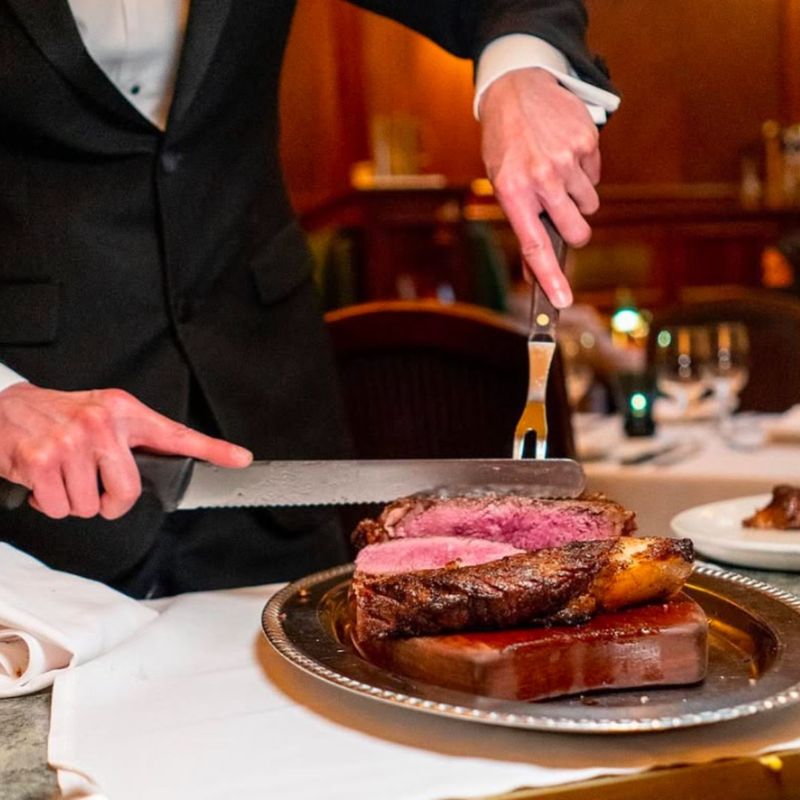
This thick cut from the beef tenderloin once symbolised fine dining luxury. Typically carved tableside with theatrical flair, it represented the height of French culinary indulgence.
Contemporary diners now gravitate toward more sustainable, diverse cuts with bolder flavours. The environmental impact of large-portion beef dishes has also contributed to its decline, with restaurants offering more varied protein options and smaller, more thoughtful meat presentations.
4. Beef Wellington
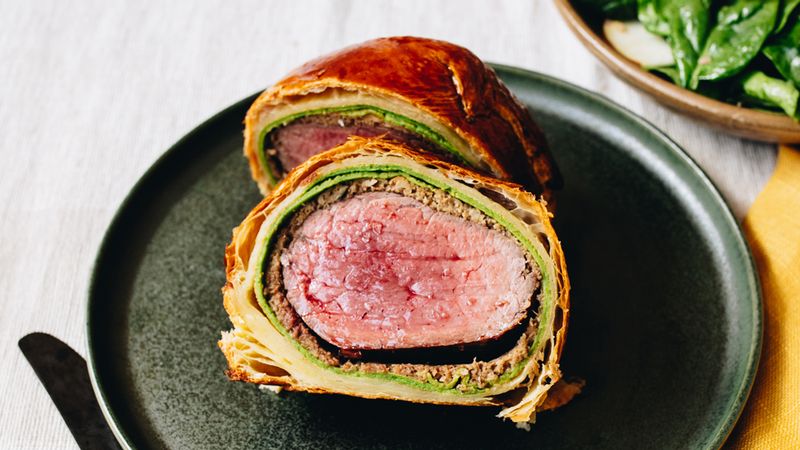
This labour-intensive masterpiece combines tenderloin, mushroom duxelles, and pâté wrapped in flaky pastry. It was the showstopper for special occasions throughout the 1960s.
The dish's lengthy preparation time and heavy ingredients feel at odds with modern dining preferences. Today's chefs prefer showcasing quality ingredients with simpler techniques, though Gordon Ramsay's version occasionally sparks brief revivals of this classic.
5. Fondue
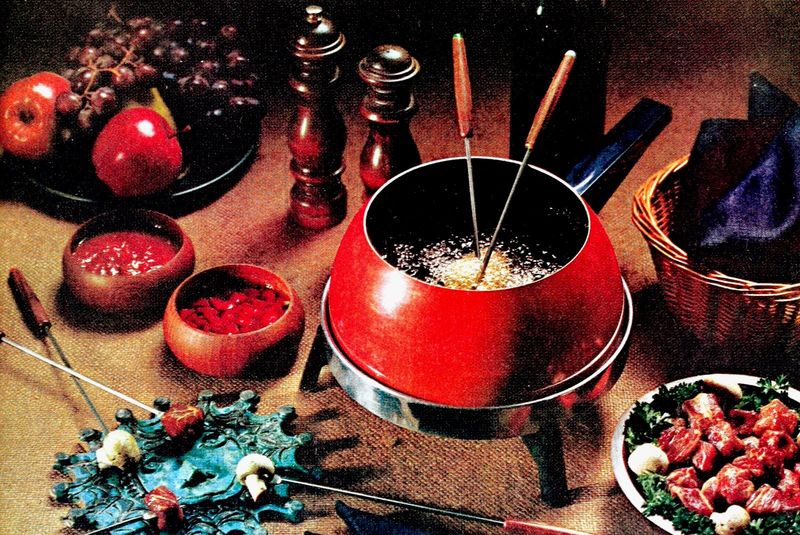
The ultimate social dining experience of the 1970s, fondue brought people together around bubbling pots of cheese or chocolate. No trendy home was complete without a fondue set.
While occasionally enjoying nostalgic comebacks, fondue has largely disappeared from restaurant menus. Its communal nature feels outdated in an era of individual dietary preferences, and the heavy, rich nature of traditional cheese fondue contradicts modern preferences for lighter fare.
6. Lobster Newberg
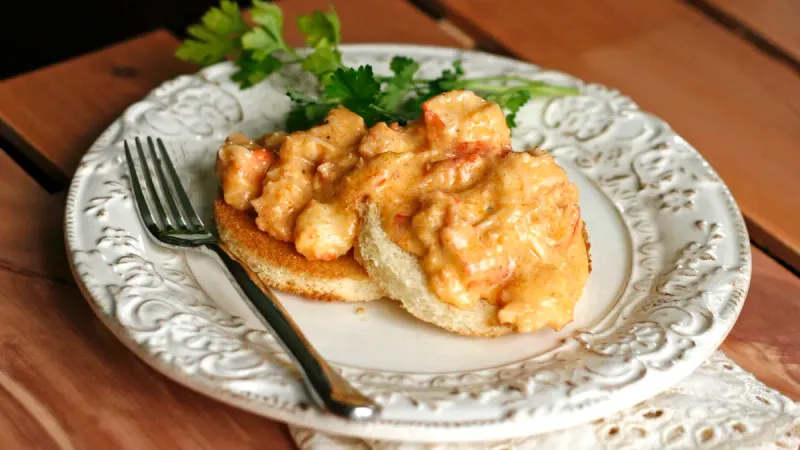
This decadent creation of lobster meat in a rich cognac cream sauce with egg yolks epitomised luxury dining in the early 20th century. First created at Delmonico's in New York, it represented the pinnacle of opulence.
Modern diners typically prefer simpler lobster preparations that highlight the seafood's natural flavours. The heavy cream and egg sauce feels excessively rich by contemporary standards, where seafood purity and sustainability take precedence over elaborate preparations.
7. Cobb Salad
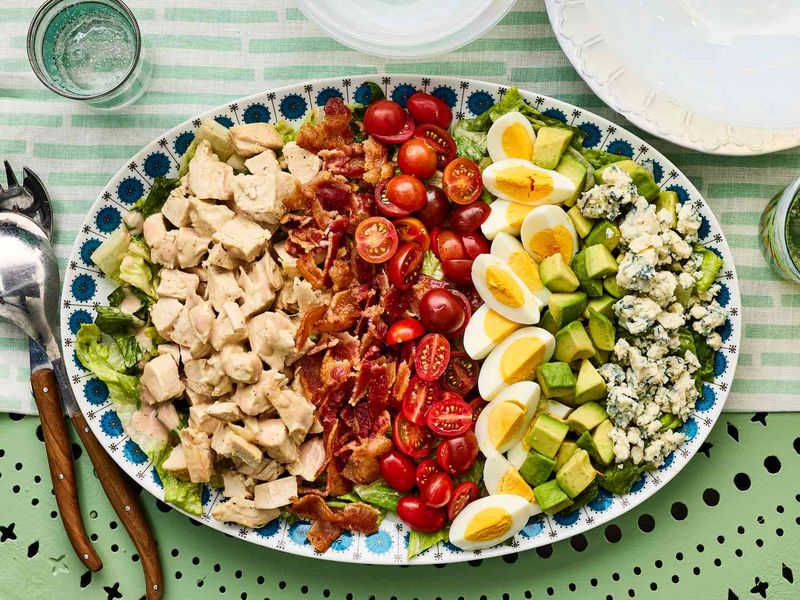
A staple of American restaurant menus since the 1930s, this composed salad with its neat rows of chicken, bacon, egg, avocado, and blue cheese once represented sophistication.
While still available at many establishments, the Cobb has lost its trendy appeal. Modern salads feature more diverse ingredients, global influences, and creative presentations. Contemporary diners often seek plant-forward options with brighter flavours rather than this protein-heavy classic.
8. Escargot
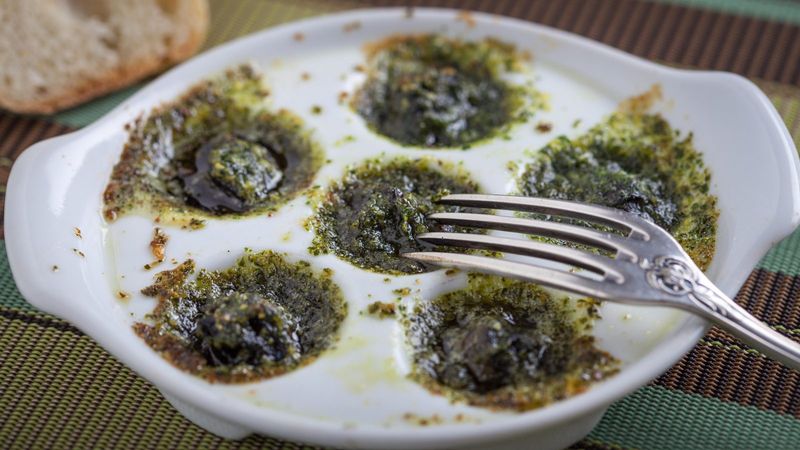
These garlic butter-drenched snails served in their shells represented the height of French culinary sophistication in mid-century fine dining. Ordering them demonstrated one's worldly palate and adventurous eating habits.
Nowadays, escargot appears primarily on traditional French bistro menus rather than contemporary restaurants. Modern diners seeking culinary adventures typically gravitate toward more diverse global cuisines and less intimidating preparations than these butter-soaked molluscs.
9. Surf And Turf
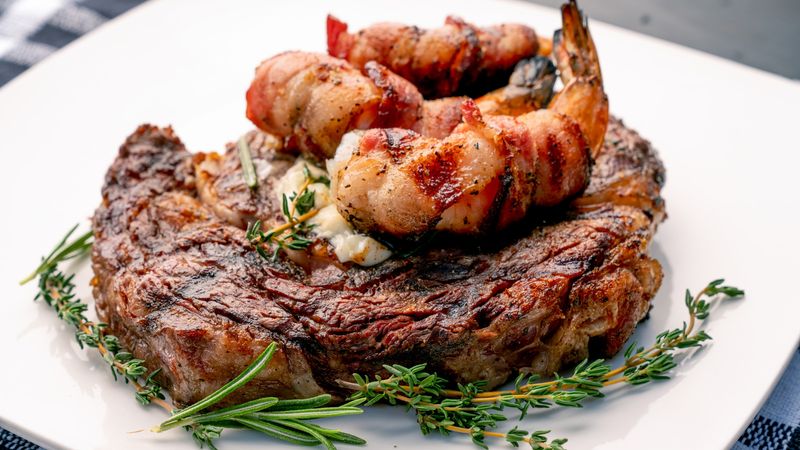
Nothing said 'special occasion' in the 1960s and 70s quite like a massive lobster tail beside a hefty steak. This pairing represented the ultimate indulgence – why choose between land and sea when you could have both?
Environmental concerns and changing tastes have pushed this combination into culinary history. Modern chefs prefer creating thoughtful interactions between seafood and meat rather than simply placing two luxury ingredients side by side in overwhelming portions.
10. Chicken Kiev
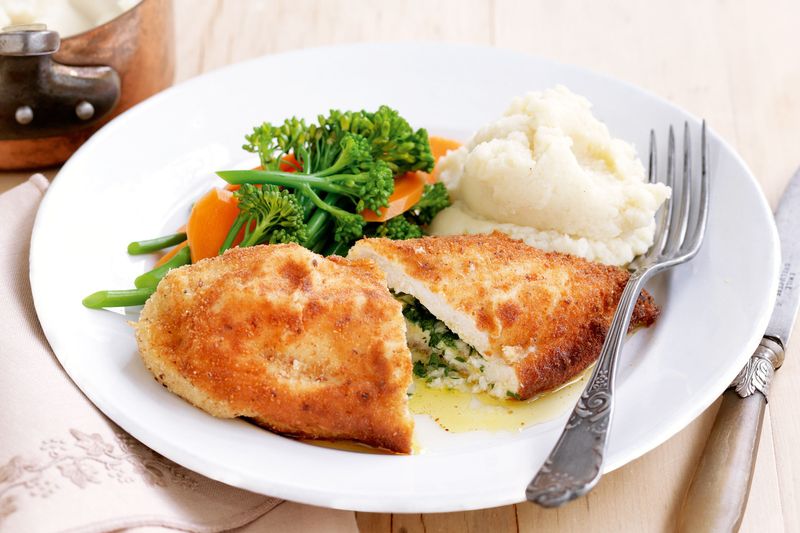
This crispy breaded chicken breast with a pocket of herb-infused butter that dramatically oozes when cut was the height of continental sophistication in the 1970s and 80s.
The dish's theatrical butter explosion no longer impresses modern diners seeking lighter, more diverse flavours. Contemporary chicken preparations typically showcase global influences and more subtle techniques rather than this heavy, butter-laden showstopper that now feels firmly rooted in a bygone culinary era.
11. Jell-O Salads
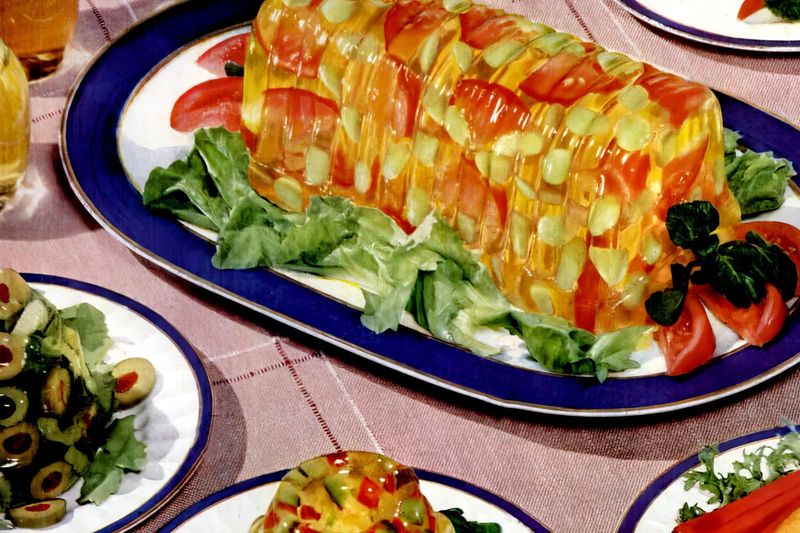
These wobbly creations combining fruit, vegetables, and sometimes even meat suspended in colourful gelatin were the stars of mid-century American dining. No potluck or holiday table was complete without a moulded Jell-O creation.
Today, these concoctions are viewed with a mixture of nostalgia and horror. Modern salads focus on fresh, natural ingredients rather than artificially coloured, highly processed creations that bear little resemblance to actual salad.
12. Quiche Lorraine
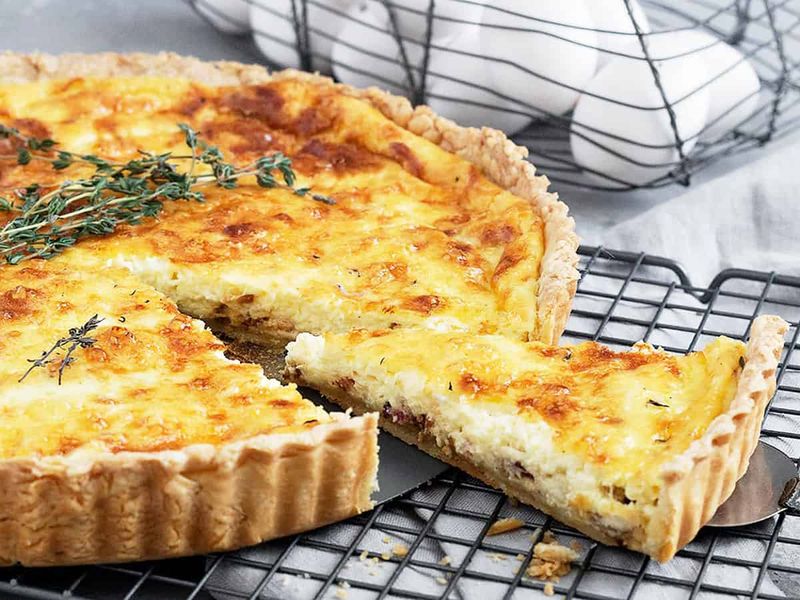
This savory tart filled with bacon, Swiss cheese, and creamy egg custard was the sophisticated brunch staple of the 1970s and 80s. Its French origins gave it an air of continental refinement.
While still occasionally appearing on menus, quiche has lost its trendy status. Modern brunches feature more diverse global influences and lighter options. The heavy cream and bacon combination feels dated compared to contemporary egg dishes that incorporate fresher, more seasonal ingredients.
13. Waldorf Salad
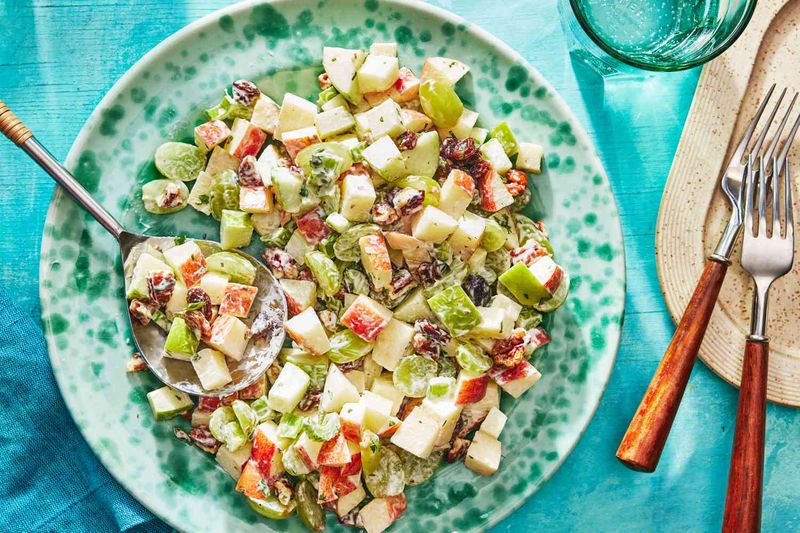
Created at New York's Waldorf-Astoria Hotel in the 1890s, this apple, celery, walnut, and mayonnaise mixture was once the epitome of refined dining. Its presence on a menu signalled upscale intentions.
Contemporary diners typically find the heavy mayonnaise dressing and limited ingredients unappealing. Modern salads emphasize fresher components, brighter dressings, and more diverse textures. The Waldorf now appears primarily on menus aiming for retro appeal rather than culinary innovation.