











Ever wondered why your potatoes sprout or turn green before you've had a chance to use them? Proper storage is the secret to keeping these versatile vegetables fresh for up to six months longer.
When potatoes are exposed to warmth, light, or moisture, they begin sprouting or developing green patches that contain harmful compound.
1. Root Cellars
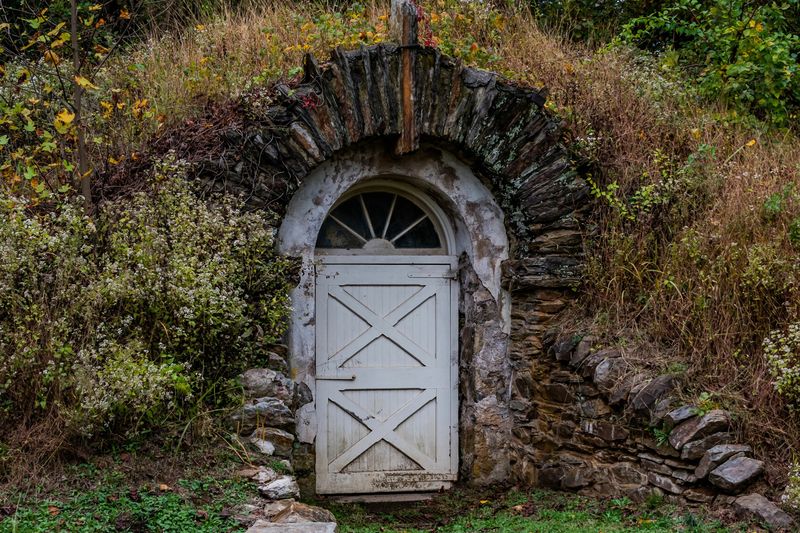
Traditional root cellars provide the perfect environment for long-term potato storage. With naturally cool temperatures hovering between 7-10°C and minimal light exposure, these underground spaces mimic ideal conditions.
Farmers have relied on root cellars for centuries before modern refrigeration. The consistent temperature and humidity levels prevent premature sprouting while allowing potatoes to breathe through their skins.
2. Cardboard Boxes Beat Plastic Containers
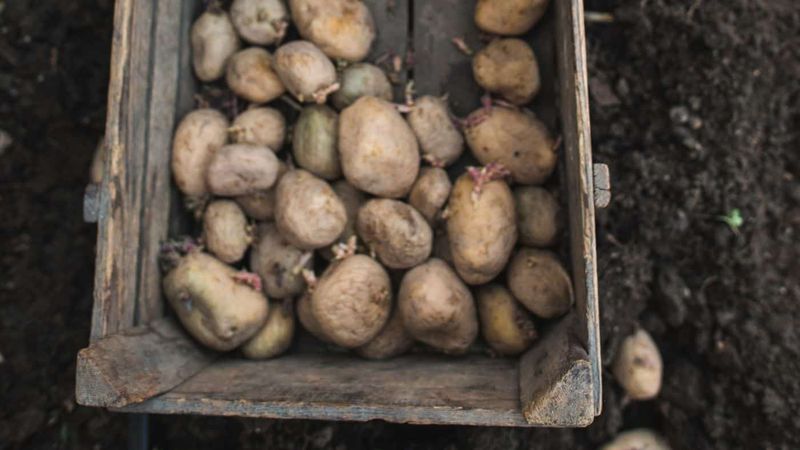
Cardboard offers superior breathability compared to plastic containers. The porous material allows airflow while blocking light, creating a dry environment that discourages sprouting.
Simply place unwashed potatoes in a single layer inside a cardboard box with a few ventilation holes. Cover with newspaper for extra darkness, but never seal the box completely.
3. Paper Bags
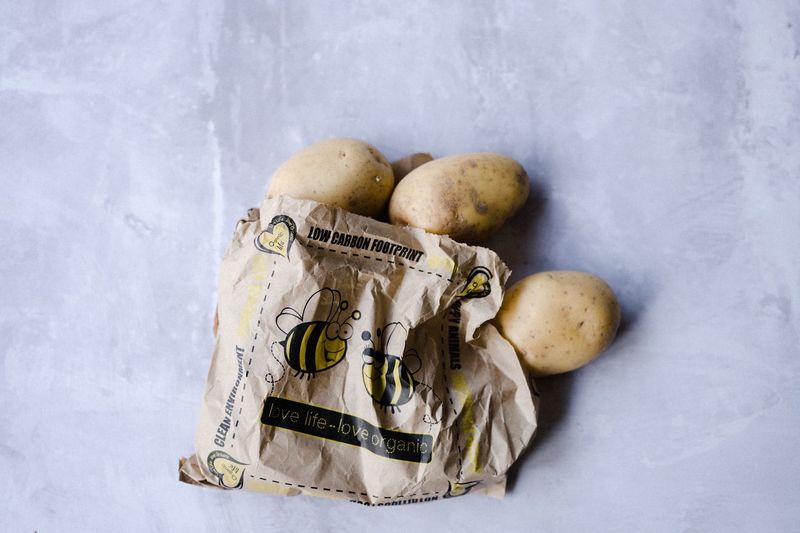
Brown paper bags strike the perfect balance between protection and ventilation. Unlike plastic bags that trap moisture, paper allows potatoes to breathe while shielding them from light.
Leave the top of the bag loosely folded rather than sealed tight. This simple technique can extend potato freshness by several months when combined with proper temperature conditions.
4. Basement Storage
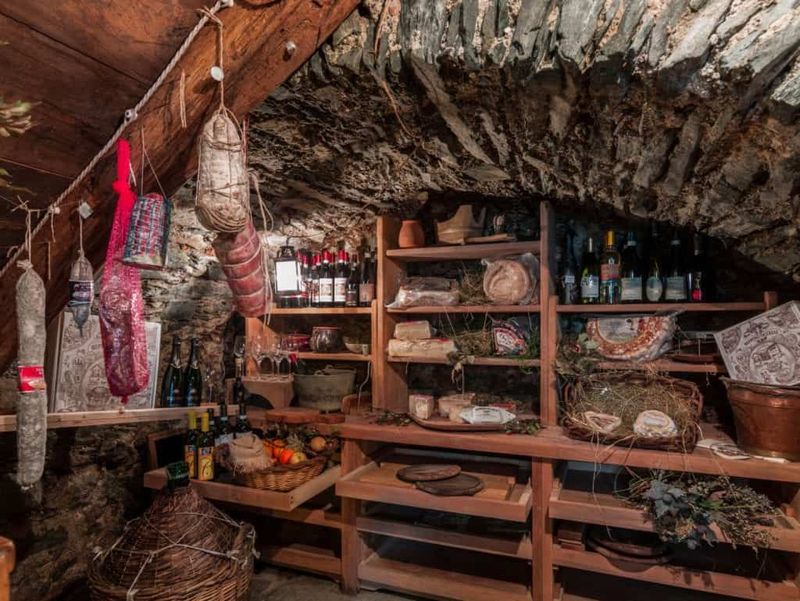
Unfinished basements maintain consistently cool temperatures perfect for potato longevity. The below-ground location naturally stays between 10-15°C year-round in most homes.
Choose a dark corner away from furnaces or water heaters. Place your potato container on a wooden shelf rather than directly on concrete floors, as concrete can transfer moisture and coldness.
5. Mesh Bags Allow Critical Airflow
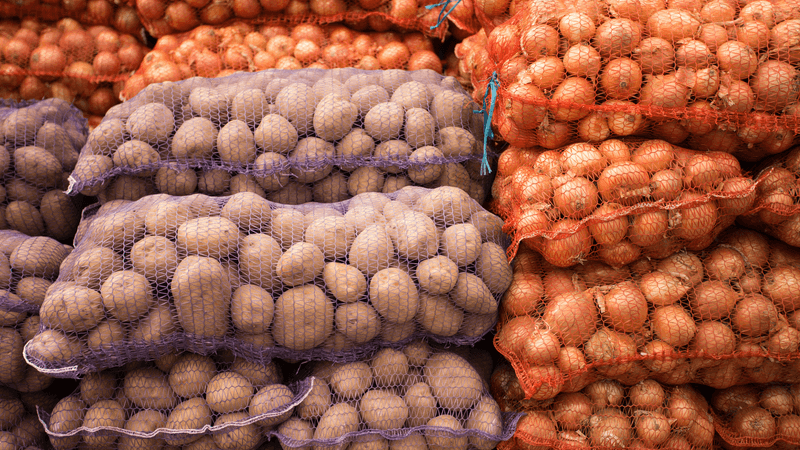
Mesh or netted bags provide superior ventilation compared to solid containers. Air circulates freely around each potato, preventing moisture buildup that leads to rotting.
Hang these bags from hooks in a cool location rather than stacking them. This ensures even airflow around the entire bag and prevents pressure points that could damage potatoes at the bottom.
6. Wooden Crates Provide Perfect Circulation
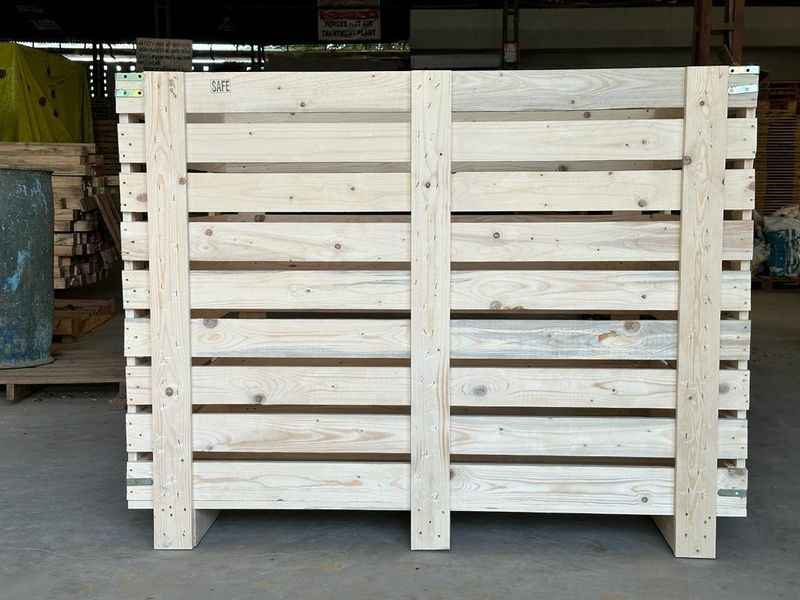
Wooden crates with slated sides create ideal airflow patterns around stored potatoes. The natural material doesn't conduct heat or cold as dramatically as metal or plastic alternatives.
Line the bottom with newspaper to absorb any excess moisture. Stack crates with space between them rather than directly atop one another to maintain proper air circulation throughout your potato storage area.
7. Pantry Shelves Away From Appliances
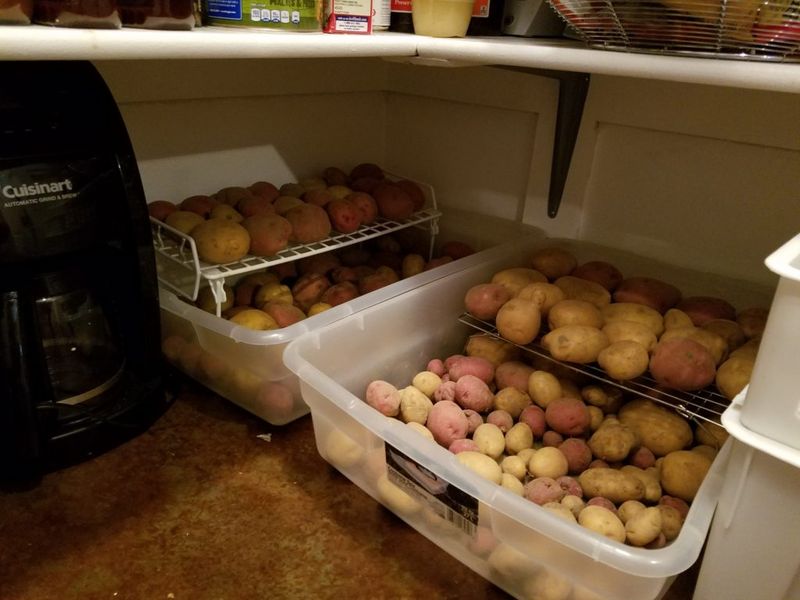
Kitchen pantries can work well if you select the right spot. Choose lower shelves away from heat-generating appliances and water pipes.
The back corners of pantries typically remain darkest and coolest. Place potatoes in ventilated containers at least 30cm away from onions, as the gases onions release accelerate potato sprouting.
8. Garage Storage During Winter Months
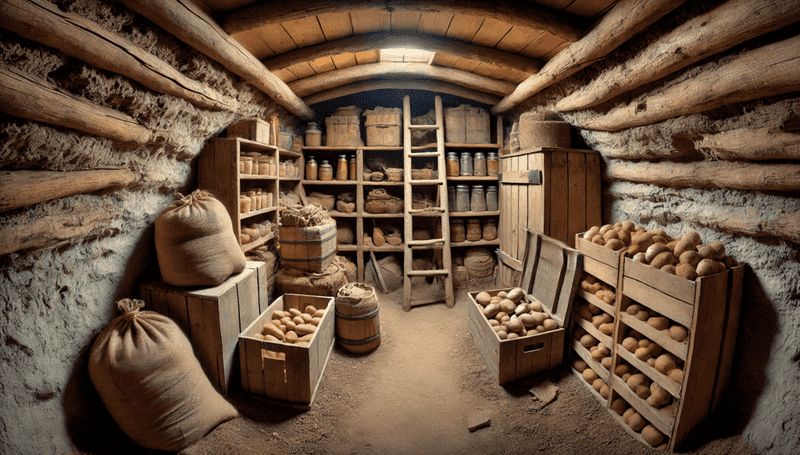
Unheated garages become excellent potato storage locations during winter in cooler climates. The temperature naturally stays in the ideal 7-10°C range without additional climate control.
Place potatoes in insulated containers to protect against freezing on exceptionally cold nights. Ensure they're elevated off concrete floors and away from car exhaust or chemical storage areas.
9. Terracotta Potato Keepers
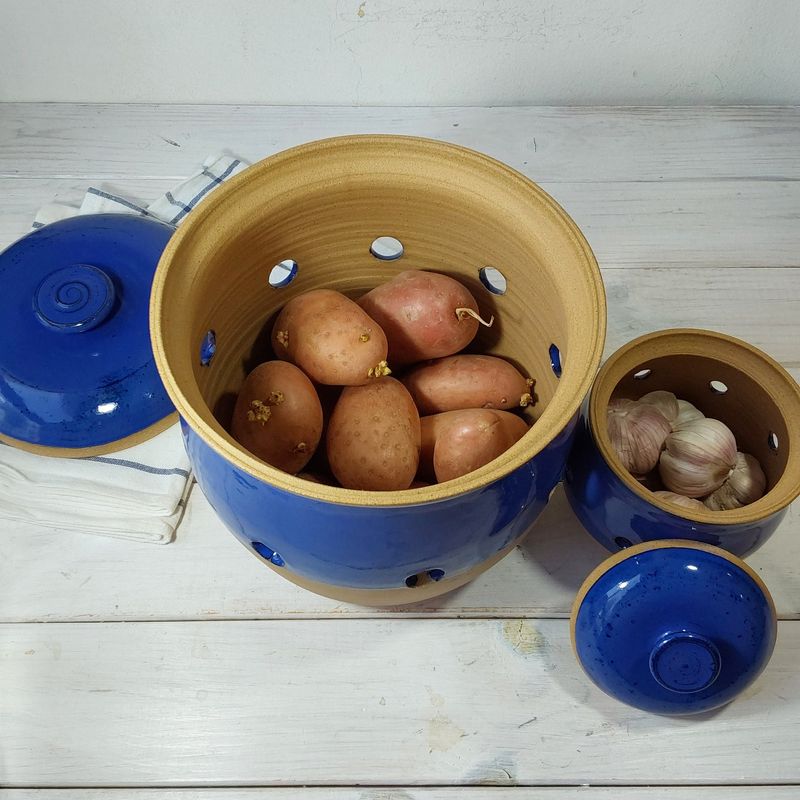
Specialized terracotta potato keepers maintain ideal humidity levels naturally. These containers feature small ventilation holes and often come with lids that block light completely.
The porous clay material absorbs excess moisture while maintaining consistent humidity. Some designs include an inner chamber for water, creating the perfect microclimate around your potatoes without direct contact.
10. Cupboards Under Stairs
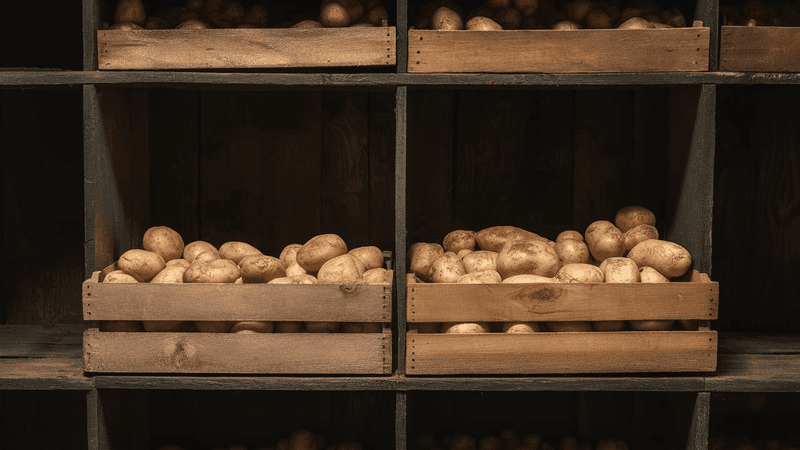
The space beneath staircases often maintains perfect potato storage conditions naturally. These areas tend to stay dark, cool, and undisturbed in most homes.
Install simple shelving to keep potatoes off the floor. The consistent temperature and darkness create an environment where potatoes can remain dormant longer, preventing premature sprouting and extending their useful life.
11. Burlap Sacks
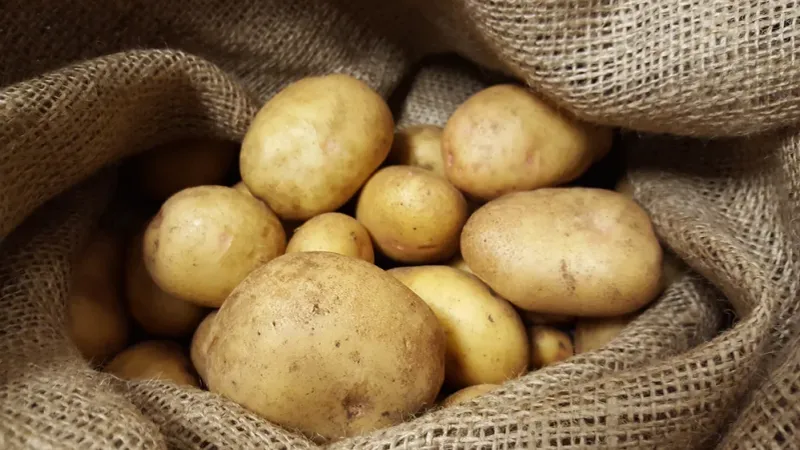
Farmers have relied on burlap sacks for generations to store potato harvests. The natural fibre allows excellent airflow while blocking sufficient light to prevent greening.
Hang sacks from hooks rather than placing them directly on floors. Fill each sack only halfway to prevent potatoes crushing each other, which creates moisture pockets and accelerates spoilage.
12. Clay Pots Buried In Sand
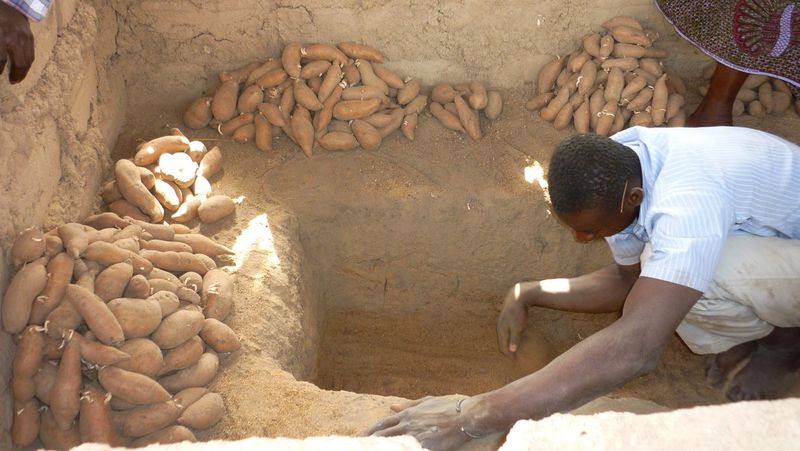
Ancient storage technique involves layering potatoes in clay pots with dry sand. The sand prevents potatoes from touching while absorbing excess moisture.
Place unglazed clay pots in a cool location and fill with alternating layers of clean, dry sand and potatoes. Cover the top with more sand and a breathable cloth. This method has preserved potatoes for centuries in regions without modern refrigeration.