










Onions are kitchen staples that bring flavour to countless dishes, but keeping them fresh can be tricky. Many people don't realize that with proper storage, these versatile vegetables can remain crisp and usable for up to six months!
No more discovering soft, sprouting onions hiding in your kitchen cupboard. Let's explore the best ways to store onions and discover some surprising health benefits they offer.
Keep Them In A Cool, Dry Place
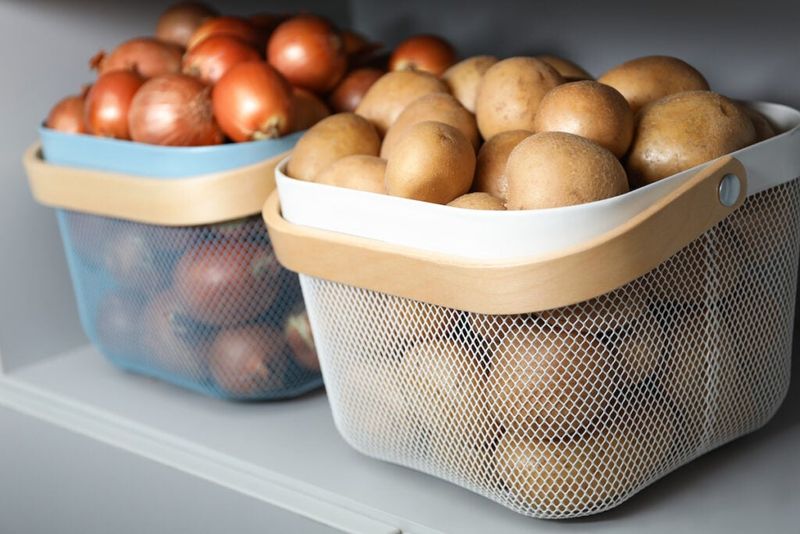
Finding the perfect spot for your onions makes all the difference in their longevity. Aim for temperatures between 4-10°C (40-50°F) for optimal storage. This sweet spot helps prevent sprouting while slowing the natural ageing process.
Your pantry or cellar often provides ideal conditions, away from direct sunlight and moisture that accelerate deterioration. Avoid storing onions near windows or under sinks where dampness lurks. Good air circulation is equally important – don't cram them into tight spaces.
When properly stored in cool, dry conditions, most onion varieties will reward you with months of flavourful cooking potential.
Avoid Refrigeration For Whole Onions
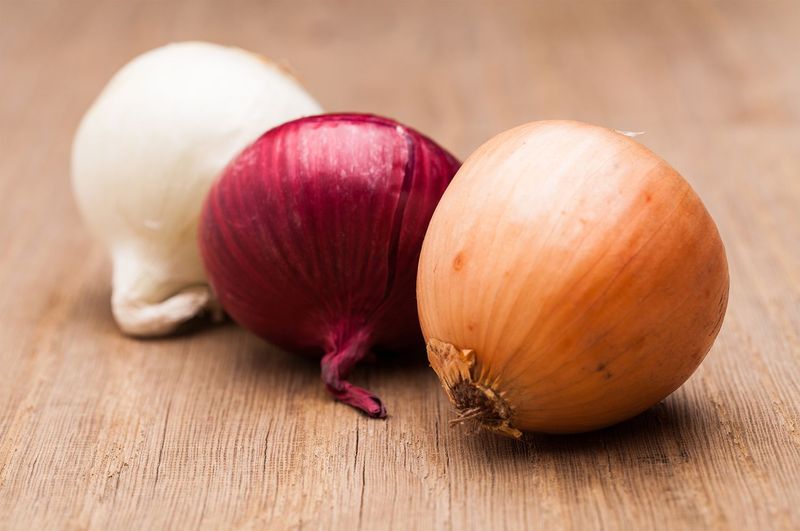
Popping whole onions in the fridge might seem sensible, but it's actually counterproductive. The cold, humid environment inside your refrigerator causes onions to turn soft and mushy much faster than they would elsewhere.
Refrigeration also transfers onion odours to nearby foods – nobody wants milk that tastes faintly of onion! The moisture in fridges encourages mould growth and sprouting, shortening your onions' shelf life considerably.
Save valuable fridge space for items that truly need refrigeration. Your whole, unpeeled onions will thank you by staying firmer and fresher for months when kept in a well-ventilated, room-temperature spot instead.
Cut Onions Should Be Refrigerated
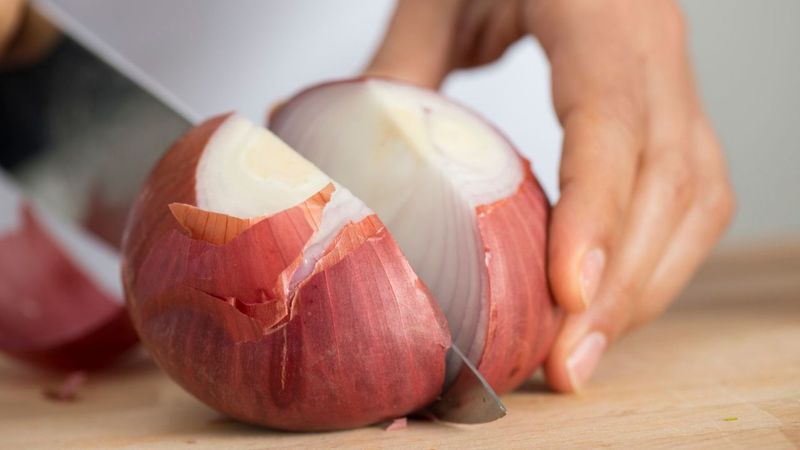
Once you've sliced into an onion, the rules change completely. Cut onions need refrigeration to prevent bacterial growth and maintain freshness. Wrap them tightly in cling film or store in an airtight container to prevent their strong aroma from permeating other foods.
Properly stored cut onions will keep for 7-10 days in the fridge. You'll notice when they're past their prime – they develop a slimy texture and unpleasant smell that's impossible to miss.
For extra convenience, chop onions in bulk during weekend meal prep. Store them in sealed containers in the refrigerator, ready to add to recipes throughout the week without the tears and time of daily chopping.
Use Mesh Bags Or Baskets
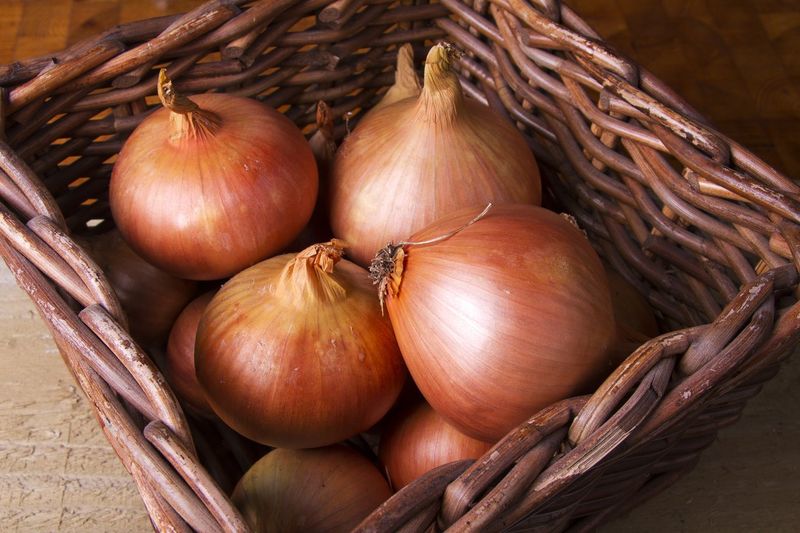
Breathability is crucial for onion storage, making mesh bags or open-weave baskets perfect homes for your bulbs. These containers allow air to circulate freely around each onion, preventing moisture buildup that leads to rotting and sprouting.
Those mesh bags that onions often come in from the shop? They're actually designed specifically for storage – don't be quick to bin them! If using baskets, choose ones with gaps between the weave rather than solid containers.
Hanging mesh bags save valuable counter space while keeping onions perfectly ventilated. A simple hook in your pantry creates an ideal storage spot that keeps onions off surfaces where moisture might collect.
Separate From Potatoes
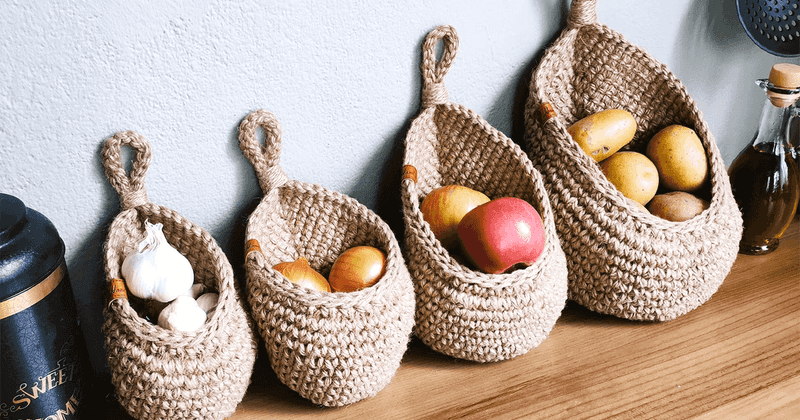
Onions and potatoes might seem like natural pantry neighbours, but they're actually terrible roommates. Onions release ethylene gas as they mature, which causes nearby potatoes to sprout and spoil faster. Similarly, potatoes emit moisture and gases that can make onions soft and develop mould.
The storage needs of these vegetables directly conflict with each other. While both enjoy cool, dark environments, they should be kept in separate baskets or on different shelves entirely.
This simple separation can dramatically extend the life of both kitchen staples. Your potatoes will remain firm without premature eyes, and your onions will stay crisp and usable for their full potential lifespan.
Store In A Dry, Dark Place
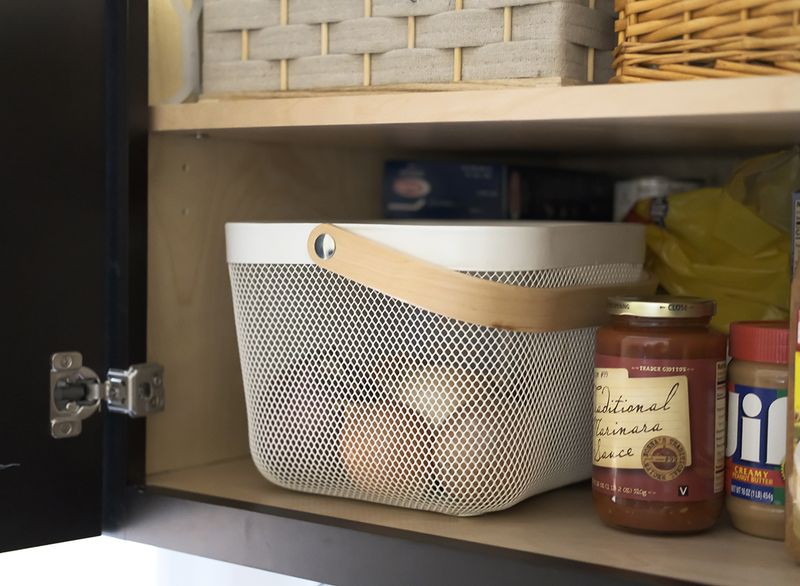
Darkness is an onion's best friend when it comes to long-term storage. Light exposure stimulates onions to begin sprouting, thinking it's time to grow. A dark cupboard, pantry, or cellar provides the perfect environment to extend freshness.
Moisture is the other enemy to avoid. Dampness promotes rot and mould growth, quickly ruining your onion supply. Check your storage area occasionally – if it feels humid, consider adding a small bowl of rice nearby to absorb excess moisture.
Old-fashioned root cellars were designed with these principles in mind. They maintained perfect darkness and controlled humidity, allowing families to store onions and other vegetables throughout winter months before refrigeration existed.
Use A Hanging Basket
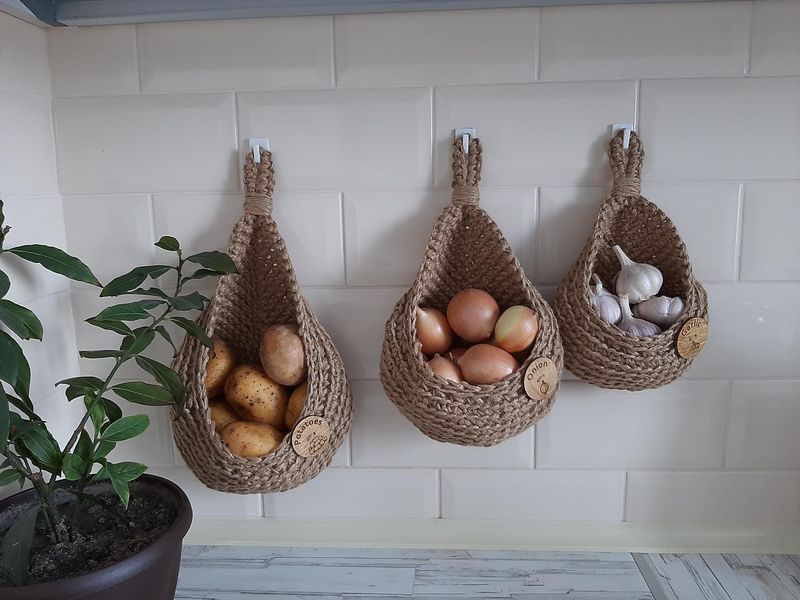
Hanging baskets offer a brilliant storage solution that combines proper ventilation with space efficiency. Suspended storage keeps onions off countertops and away from potential moisture that can collect on surfaces.
Three-tiered hanging baskets work particularly well, allowing you to separate different onion varieties – perhaps red onions on top, yellow in the middle, and shallots on the bottom. The open design promotes excellent air circulation around each onion, crucial for preventing moisture buildup.
Beyond practical benefits, a hanging basket of onions adds a rustic, country-kitchen charm to your space. It's a decorative element that celebrates these humble vegetables while keeping them in peak condition for months.
Rich In Antioxidants
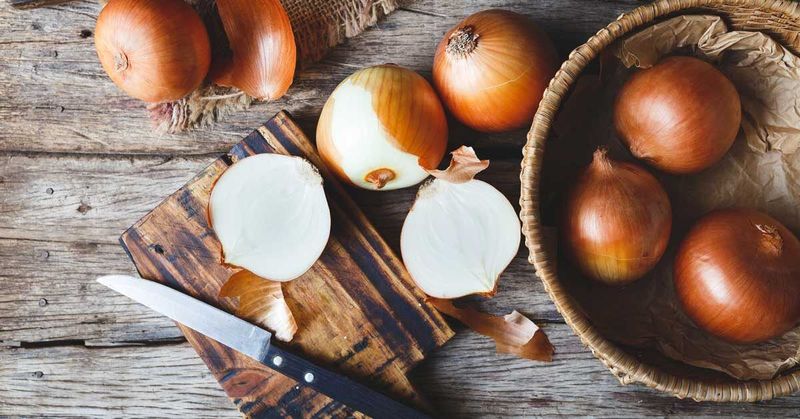
Onions pack a powerful nutritional punch far beyond their role as flavour enhancers. They're loaded with antioxidants, particularly quercetin, which helps fight inflammation and reduce oxidative damage to your cells.
These compounds act like tiny shields, protecting your body from harmful free radicals. Red onions contain the highest levels of these beneficial compounds, followed by yellow and white varieties.
The stronger the onion's flavour, generally the higher its antioxidant content – those tear-inducing varieties are actually doing your body favours!
Proper storage preserves these health-boosting compounds. When onions begin to soften or sprout, they're not just less pleasant to eat – they're also losing their nutritional potency.
Supports Heart Health
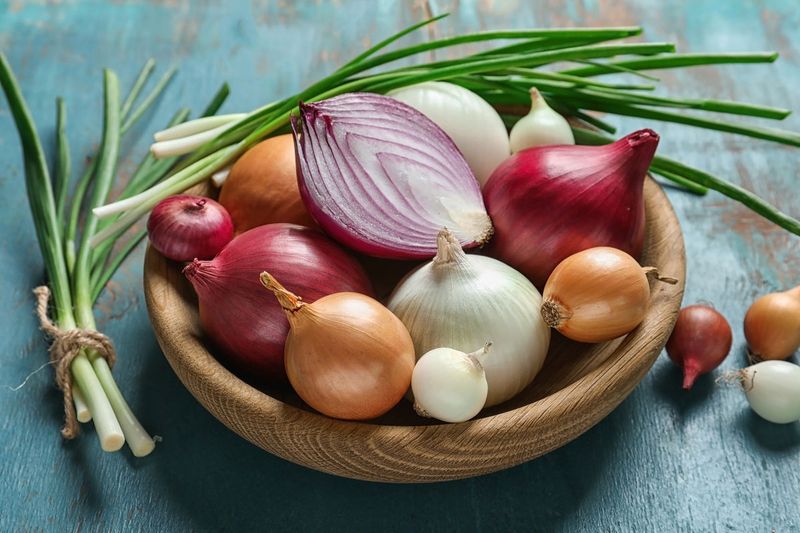
Your heart might just love onions as much as your taste buds do. Regular consumption has been linked to improved cardiovascular health through multiple mechanisms. The organosulfur compounds in onions help reduce cholesterol levels and lower blood pressure – two major factors in heart disease risk.
Studies suggest onions may help prevent blood clots and reduce inflammation in blood vessels. Their high quercetin content supports healthy blood vessel function, improving circulation throughout your body.
Just adding half an onion to your daily meals could make a significant difference to your heart health over time. Properly stored onions ensure you always have this heart-friendly vegetable on hand for cooking, without frequent shopping trips.
Improves Digestion
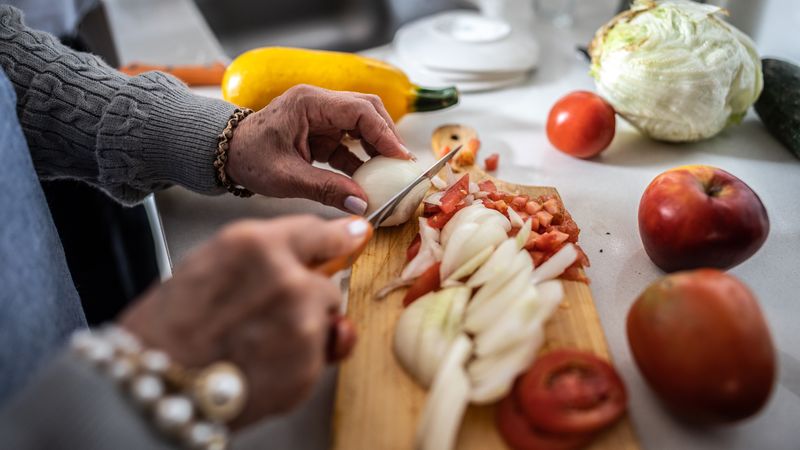
Onions contain prebiotic fibre that acts as food for beneficial gut bacteria, promoting a healthy digestive system. This fibre, called inulin, isn't digested until it reaches your intestines, where it becomes fuel for probiotics that support overall gut health.
The sulfur compounds in onions also stimulate digestive enzyme production. These enzymes help break down food more efficiently, potentially reducing bloating and indigestion after meals. Raw onions offer the highest digestive benefits, but even cooked onions retain significant prebiotic properties.
Having well-stored onions available means you can easily incorporate them into meals regularly, supporting your digestive system year-round.
Boosts Immune System
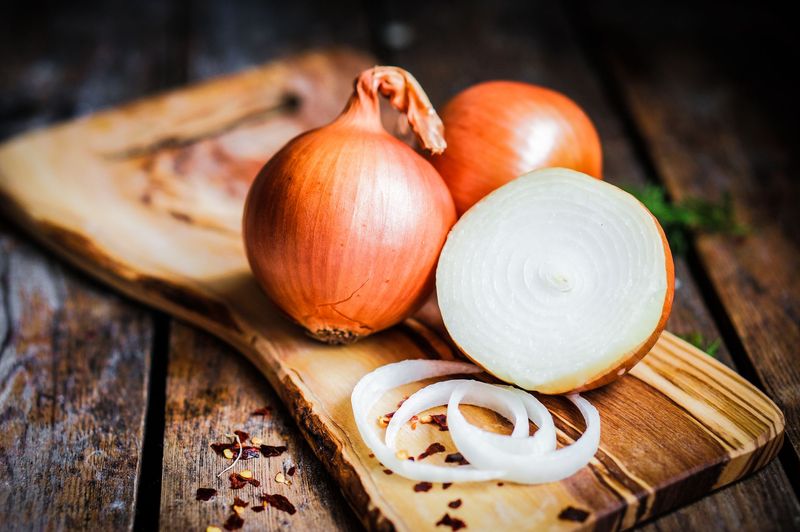
Onions have been used as natural immune boosters for centuries, long before science understood why. Their high vitamin C content supports white blood cell function – your body's first line of defence against infections. Just one medium onion provides about 20% of your daily vitamin C needs.
The sulfur compounds that give onions their distinctive smell also have powerful antimicrobial properties. These natural chemicals can help fight bacteria and certain viruses, giving your immune system valuable support during cold and flu season.
Consuming onions regularly throughout winter months may help reduce the frequency and severity of common illnesses. Properly stored onions ensure you have this immune-supporting food available precisely when you need it most.
Regulates Blood Sugar
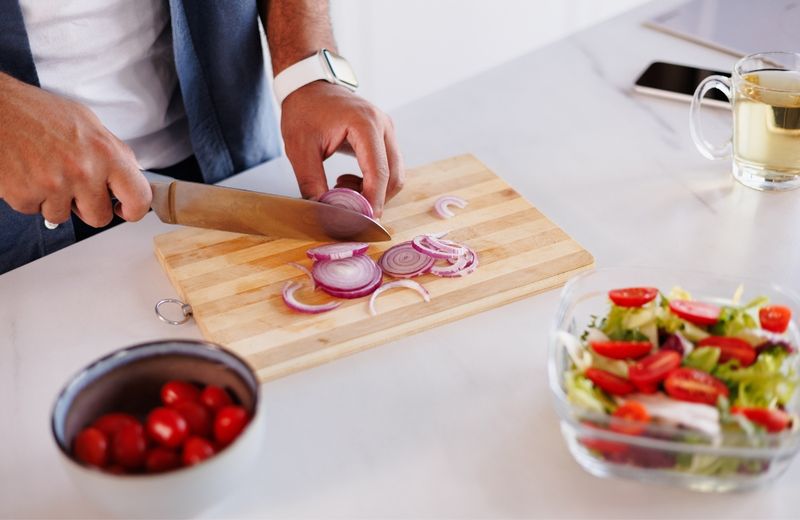
Surprising to many, onions contain compounds that may help manage blood glucose levels. Quercetin and sulfur compounds in onions can influence insulin production and how effectively your body uses glucose, potentially helping to prevent dangerous blood sugar spikes.
Several studies have shown that regular onion consumption may reduce fasting blood glucose levels. This effect appears most pronounced in raw onions, though cooked onions still offer benefits.
For people with diabetes or prediabetes, incorporating onions into meals could be a simple dietary strategy to support blood sugar management. Having properly stored onions that remain fresh for months ensures this health-supporting food is always available for your cooking needs.
Anti-Inflammatory Properties
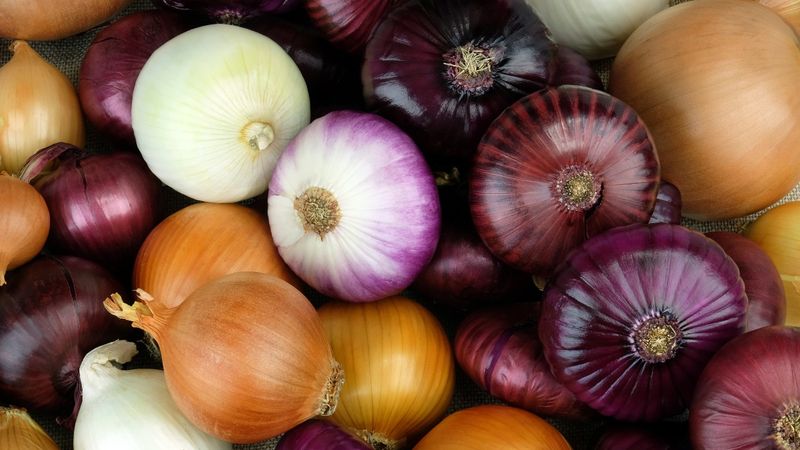
Chronic inflammation underlies many modern health problems, from arthritis to heart disease. Onions contain powerful anti-inflammatory compounds that may help combat this widespread issue.
Quercetin, one of the most studied flavonoids in onions, has been shown to inhibit inflammatory enzymes and reduce inflammation markers in the body.
The sulfur compounds in onions also contribute to their anti-inflammatory effects. These compounds may help reduce the production of prostaglandins, hormone-like substances that trigger inflammation and pain.
Consuming onions regularly provides consistent anti-inflammatory support. Proper storage techniques ensure you have access to these beneficial properties year-round, not just when you've recently shopped.
Promotes Bone Health
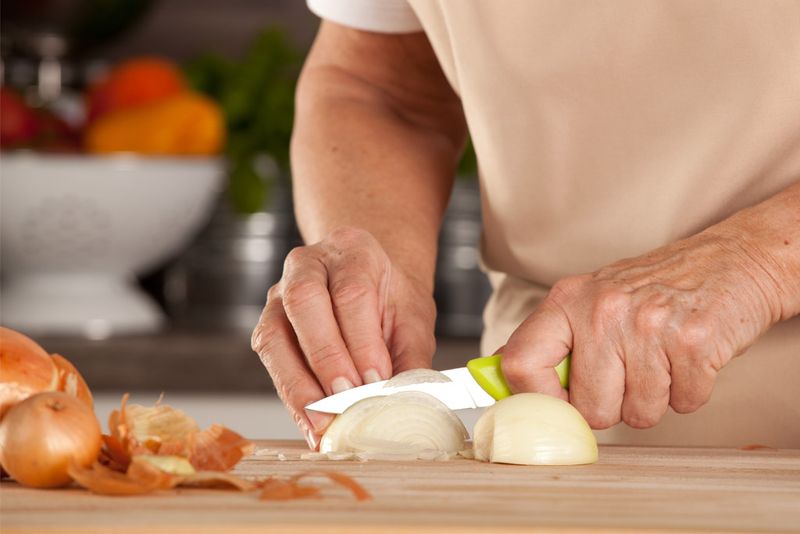
Your skeleton might thank you for eating more onions. Research suggests that onions may help prevent bone deterioration and could potentially increase bone density.
The compound GPCS (gamma-L-glutamyl-trans-S-1-propenyl-L-cysteine sulfoxide) found in onions appears to inhibit osteoclasts – cells that break down bone tissue. Studies have shown that women who consume onions regularly have greater bone density than those who eat them rarely.
This could translate to reduced risk of osteoporosis and fractures, particularly important as we age. The mineral content of onions, including calcium, magnesium and potassium, further supports skeletal health.
Properly stored onions maintain these bone-friendly nutrients, giving you easy access to this health benefit throughout the year.
Improves Skin Health
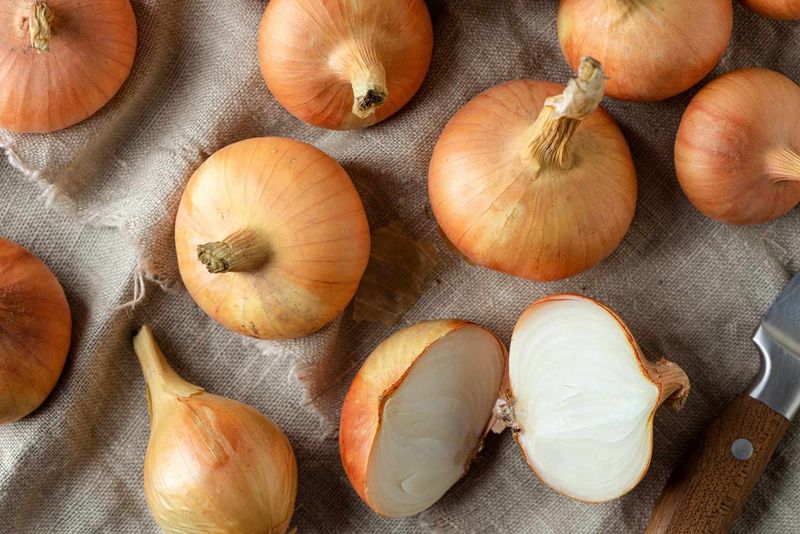
The humble onion offers surprising benefits for your skin. Rich in vitamins A, C, and E, onions provide antioxidants that protect skin cells from damage and support collagen production – essential for maintaining skin elasticity and youthful appearance.
The antibacterial properties of onions may help combat acne-causing bacteria. Some people even apply onion juice directly to scars, as compounds in onions can inhibit fibroblasts – cells that produce scar tissue. While external application has benefits, simply eating onions regularly supports skin health from within.
Having properly stored onions that remain fresh for months ensures you can easily incorporate this skin-friendly vegetable into your meals year-round.