













Food traditions from around the world hold secrets to better health and longer lives. Different cultures have developed unique approaches to eating that keep their people thriving well into old age.
By borrowing these time-tested habits from various corners of the globe, we can transform our own relationship with food and potentially add years to our lives.
1. Eating More Plant-Based Meals (Mediterranean Region)
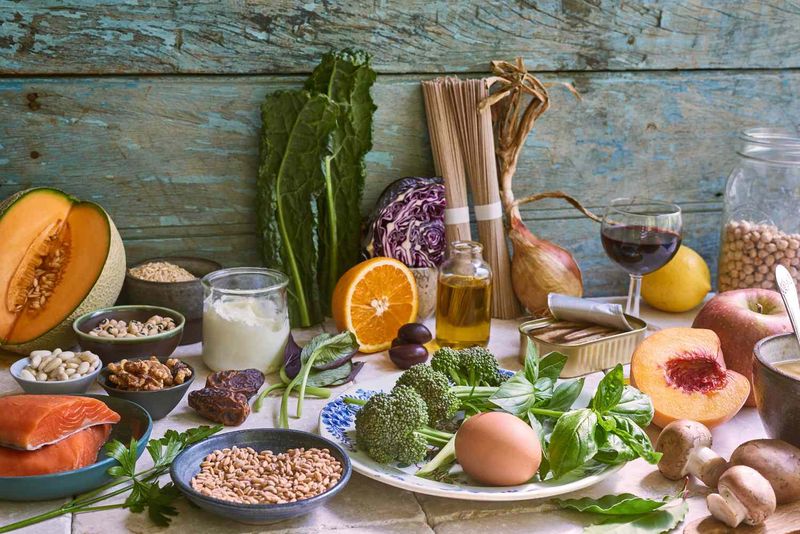
The Mediterranean diet emphasises vegetables, fruits and legumes as the stars of your plate. Research by Dr. Walter Willett of Harvard shows this approach reduces heart disease risk by 30%.
Start by planning two meatless days weekly. When you do eat meat, treat it as a garnish rather than the main attraction. Fill your shopping basket with colourful vegetables and whole grains first.
2. Portion Control (Japan)
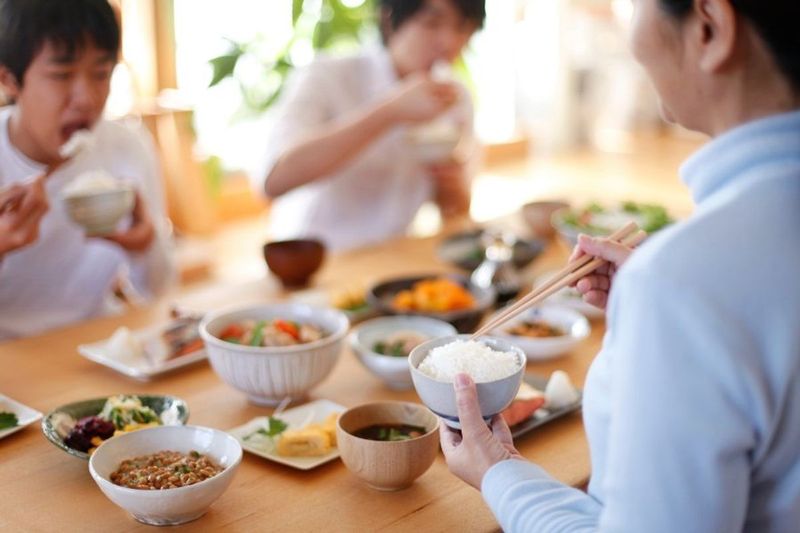
Japanese elders follow 'Hara Hachi Bu'—eating until just 80% full. This mindful approach helps explain why Okinawa boasts some of the world's longest-living people.
Try using smaller dishes at mealtimes. A standard Japanese rice bowl holds just 150ml, naturally limiting portions. Put your utensils down between bites and check in with your hunger signals before reaching for seconds.
3. Eating Slowly And Mindfully (France)

The French rarely rush through meals. They savour each bite, often spending over an hour at lunch. This mindful approach helps with digestion and satisfaction, according to nutritionist Dr. Brian Wansink.
Create a distraction-free zone for eating—no phones or television. Chew each bite thoroughly and notice flavours and textures. Try putting your fork down between bites to naturally slow your pace.
4. Cooking At Home With Fresh Ingredients (Italy)
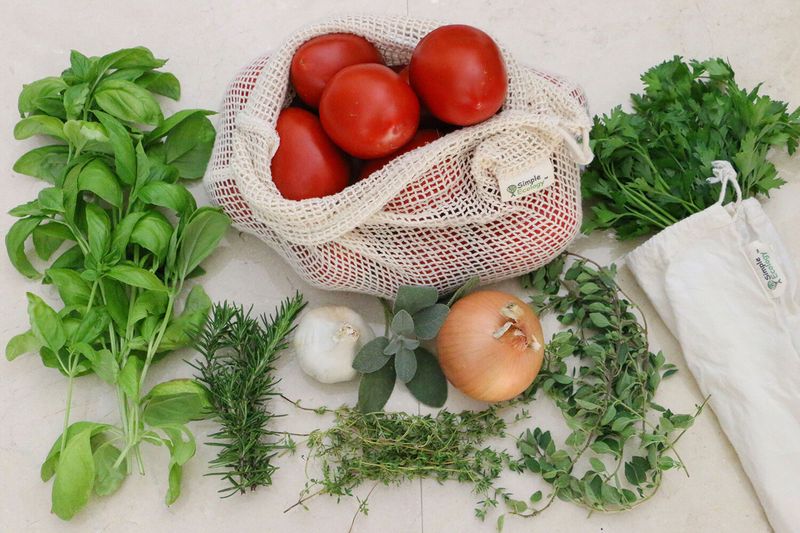
Italian grandmothers know that simple, fresh ingredients make the healthiest meals. Studies by food researcher Michael Pollan confirm home cooking leads to better nutrition and portion awareness.
Start with one extra home-cooked meal each week. Build a small herb garden on your windowsill for instant flavour boosters. Shop the perimeter of supermarkets where fresh foods typically live, avoiding the processed middle aisles.
5. Regularly Eating Fermented Foods (Korea)

Koreans consume fermented foods daily, with kimchi appearing at almost every meal. These probiotic powerhouses support gut health, which microbiome researcher Dr. Rob Knight links to improved immunity and mood.
Begin with small portions of fermented foods like yoghurt or sauerkraut. Add a tablespoon of kimchi to your eggs or sandwich. Experiment with making simple ferments at home—cabbage only needs salt and time.
6. Using Herbs And Spices Instead Of Salt (India)
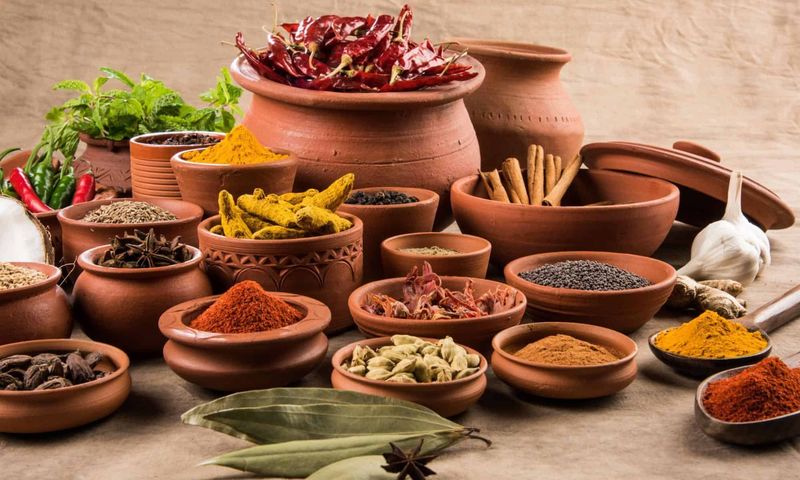
Indian cuisine brilliantly uses spices to create flavour without relying on salt. Turmeric contains curcumin, which Professor Bharat Aggarwal's research shows has powerful anti-inflammatory properties.
Build a basic spice collection with cumin, turmeric, and coriander. Toast whole spices briefly before grinding for maximum flavour. Try sprinkling cinnamon on porridge or adding fresh herbs to salads and eggs as salt alternatives.
7. Embracing Whole Grains (Nordic Countries)
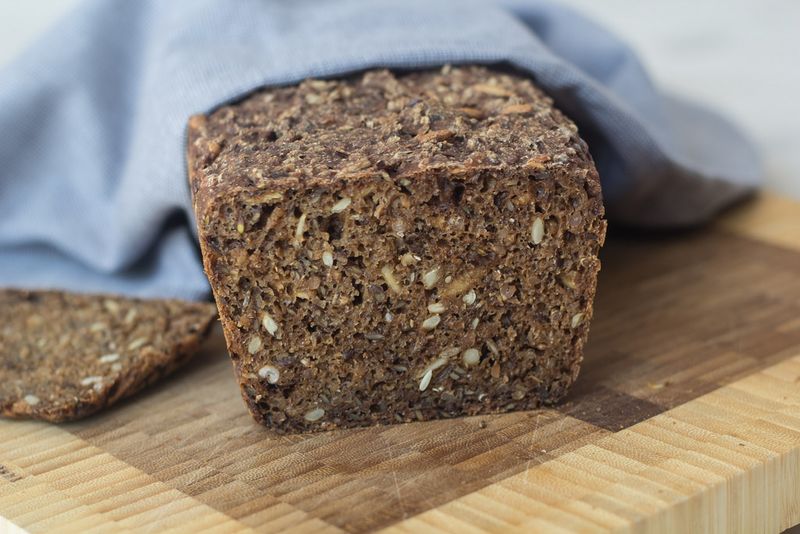
Rye bread, oats, and barley form the foundation of traditional Nordic diets. The Finnish Diabetes Prevention Study found whole grains significantly reduce chronic disease risk.
Replace white bread with dense, seeded varieties or traditional rye crisp breads. Cook a large batch of barley or spelt to add to soups and salads throughout the week. Morning porridge makes a perfect canvas for nutritious toppings like berries and nuts.
8. Eating Seaweed And Algae (Japan And Korea)
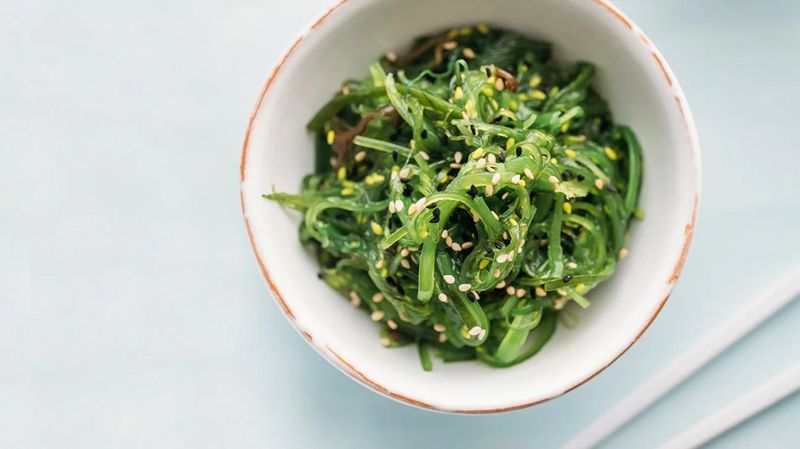
Coastal Asian communities have harvested sea vegetables for centuries. These mineral-rich foods contain unique compounds like fucoidan, which marine biologist Dr. Jane Teas found may have anti-cancer properties.
Begin with nori sheets as snacks or crumbled over rice. Add wakame to miso soup or salads for a mineral boost. Look for dried seaweed snacks as an alternative to crisps, offering iodine and other trace minerals lacking in land vegetables.
9. Drinking Green Or Herbal Teas (China)

Tea ceremonies in China aren't just cultural—they're medicinal. Research by Dr. Zuo Feng Zhang shows green tea's catechins may boost metabolism and fight cellular damage.
Replace one coffee or fizzy drink with green tea daily. Keep a thermos of herbal tea nearby for regular sipping. Experiment with different varieties like jasmine, oolong or caffeine-free options like rooibos and chamomile for evening relaxation.
10. Eating Fresh Fish Several Times A Week (Iceland And Japan)
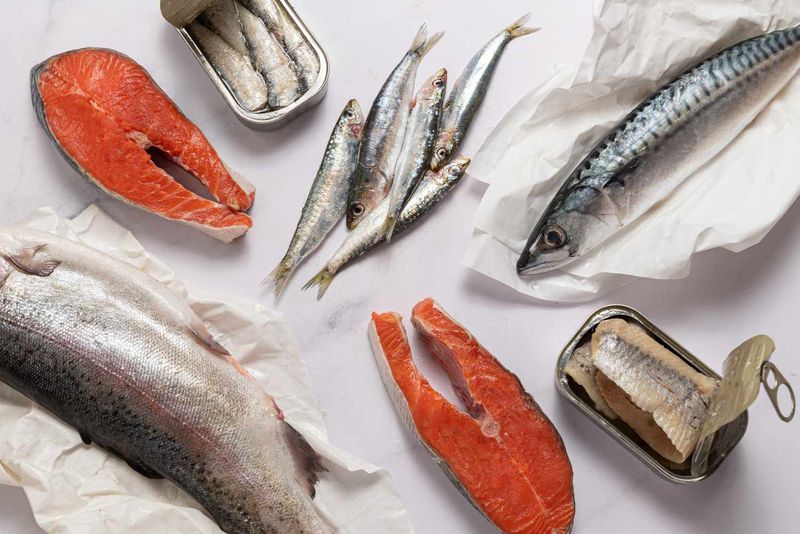
Coastal populations consuming regular fish show remarkably low rates of heart disease. The landmark DART trial by Dr. Michael Burr demonstrated omega-3s from fish significantly reduce cardiovascular mortality.
Start with milder varieties like cod or haddock if you're new to fish. Canned sardines and mackerel offer affordable omega-3 sources. Aim for two to three fish meals weekly, using simple preparations like baking with lemon and herbs.
11. Prioritising Local, Seasonal Produce (Greece And Italy)

Mediterranean cultures build meals around what's currently growing nearby. Nutritionist Jo Robinson's research confirms that locally harvested, in-season fruits and vegetables contain significantly higher nutrients.
Visit farmers' markets and get to know seasonal patterns in your region. Consider joining a community-supported agriculture scheme for weekly local produce. Preserve seasonal bounty through simple freezing or drying for year-round access.
12. Eating Beans And Lentils Daily (Blue Zones Like Costa Rica And Sardinia)
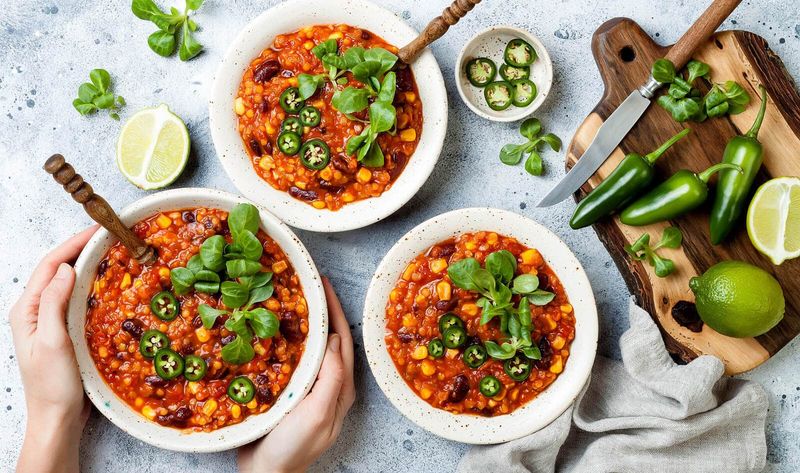
Centenarians in Blue Zones consume beans nearly every day. Researcher Dan Buettner found these fibre-rich foods are the single most important dietary predictor of longevity in these regions.
Blend beans into pasta sauces or soups for picky eaters. Swap meat for lentils in tacos or bolognese once weekly. Keep canned beans on hand for quick meals—just rinse well to reduce sodium content before using.
13. Limiting Processed Sugar (Global Health Advice)

Cultures with traditionally low sugar intake show fewer instances of metabolic diseases. Dr. Robert Lustig's research reveals how excess sugar triggers harmful metabolic changes beyond simple calorie concerns.
Read labels carefully—sugar hides under many names. Gradually reduce sugar in tea or coffee by a quarter teaspoon weekly until you need less. Train your palate to appreciate natural sweetness by enjoying whole fruits when sugar cravings strike.
14. Practising Intermittent Fasting Or Meal Timing (Middle Eastern & Ayurvedic Traditions)

Fasting patterns appear in numerous ancient healing traditions. Modern research by Dr. Valter Longo suggests these eating windows may trigger cellular repair mechanisms and improve metabolic health.
Start gently by extending your overnight fast to 12 hours—for example, finishing dinner by 7pm and eating breakfast at 7am. Ayurvedic wisdom suggests making lunch your largest meal when digestive fire peaks. Experiment with earlier dinners to improve sleep quality.
15. Eating A Variety Of Colourful Foods (Traditional Chinese Medicine & Ayurveda)
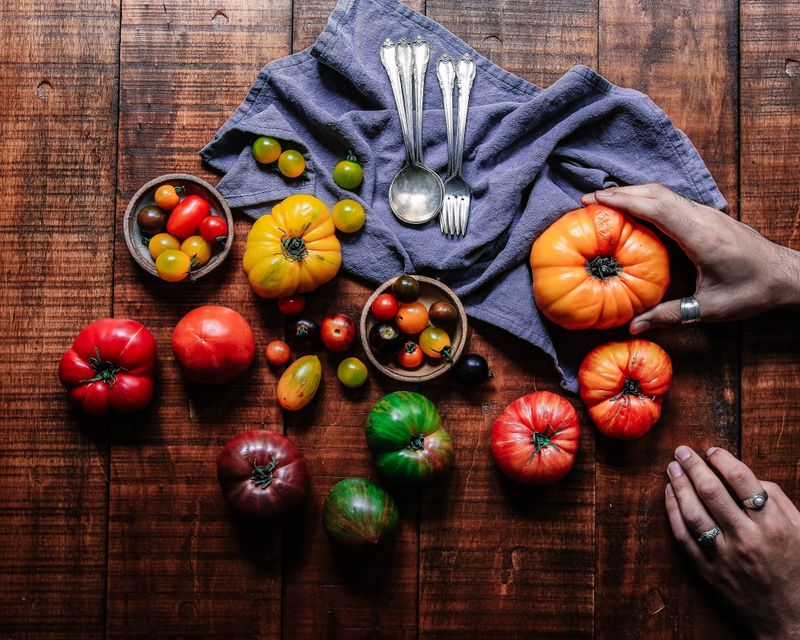
Ancient healing systems recognised the importance of diverse plant pigments long before modern nutrition. Each colour represents different phytonutrients, as research by Dr. David Heber confirms.
Challenge yourself to include five different coloured plant foods daily. Try unfamiliar vegetables from Asian grocers like purple yams or green bitter melon. Create 'rainbow bowls' for lunch with different coloured vegetables arranged by hue.
16. Adding Nuts And Seeds Daily (Global Superfood Trend)
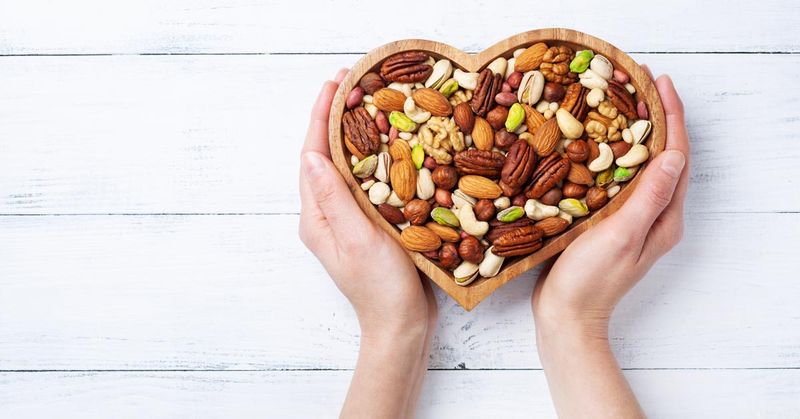
Ancient wisdom about nuts' health benefits has been validated by modern science. The PREDIMED study led by Dr. Emilio Ros found daily nut consumption significantly reduces cardiovascular disease risk.
Keep a small container of mixed nuts and seeds for quick snacking. Sprinkle ground flaxseeds on morning porridge for omega-3s. Add a spoonful of nut butter to smoothies or spread on apple slices for satisfying plant protein.
17. Enjoying Probiotic-Rich Dairy (Balkan And Eastern European Diets)

Bulgarian shepherds who regularly consumed homemade yoghurt were among the first documented centenarians. Microbiologist Dr. Stamen Grigorov identified Lactobacillus bulgaricus, now known to support gut and immune health.
Choose plain, unsweetened yoghurt with live cultures. Experiment with kefir in smoothies or as a buttermilk substitute in baking. Make simple overnight oats with yoghurt for a probiotic-rich breakfast that supports your microbiome.
18. Eating Together As A Social Act (Global, Especially Southern Europe)

Family meals remain sacred in countries like Spain and Italy. Oxford University research shows children who eat with family regularly have better mental health and nutrition outcomes.
Set a regular mealtime when household members can gather, even if just a few times weekly. Turn off screens and focus on connection. Involve everyone in some aspect of the meal—setting the table, preparing food, or cleaning up afterward builds community.
19. Drinking Water With Meals (Global Habit In Health-Focused Cultures)

Water as the primary mealtime beverage appears in most longevity cultures. Hydration researcher Dr. Barbara Rolls found water before and during meals naturally supports portion control.
Keep a water jug on the table during meals. Enhance plain water with cucumber slices, citrus, or herbs for interest without calories. Consider sparkling water with a splash of juice as a transitional beverage when breaking fizzy drink habits.
20. Respecting Food Through Gratitude (Buddhist And Indigenous Cultures)
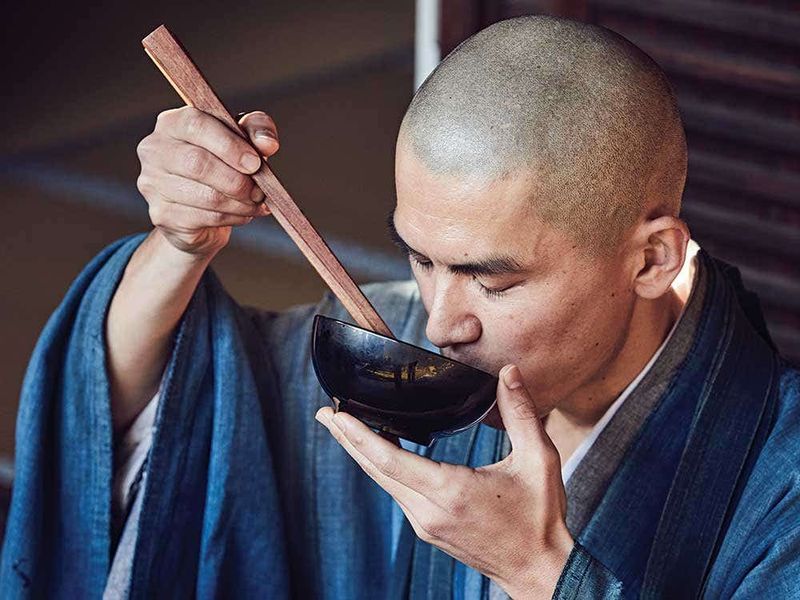
Many traditional cultures pause before eating to acknowledge food's source. Fascinating research by Dr. Lynn Rossy shows gratitude practices can reduce stress hormones that interfere with digestion.
Take three deep breaths before eating to transition into a calmer state. Consider the journey your food took to reach your plate—who grew it, transported it, prepared it. This brief pause naturally slows eating pace and enhances appreciation.



