













Do you enjoy a sweet treat now and then? Good news! A fascinating new study suggests that having the occasional sugary snack might actually be better for your health than cutting out sugar completely.
Scientists have discovered that the type of sweet food you eat matters more than simply avoiding all sugar – with some surprising findings about which treats are worse for your heart.
1. Sweetened Drinks Are The Worst Offender

Fizzy drinks and sweetened beverages pack a dangerous punch to your heart. Research shows they significantly increase the risk of stroke, heart failure, and other cardiovascular problems.
Unlike solid treats, liquid sugar hits your bloodstream rapidly, causing harmful spikes in blood glucose. Many doctors now recommend water or unsweetened tea instead of sugary drinks for daily hydration.
2. Solid Treats Are Less Harmful

Your favourite cake or biscuit might not be as bad as previously thought! Solid sugary treats showed a surprisingly smaller impact on heart health compared to their liquid counterparts.
The fibre, fat, and protein in solid foods slow sugar absorption, reducing blood sugar spikes. This means your occasional chocolate bar or slice of birthday cake likely poses minimal risk when enjoyed in moderation.
3. Occasional Treats May Be Beneficial

Completely banning sugar might backfire! Researchers found that moderate indulgence in sweet treats showed no significant health risks and might actually benefit overall wellbeing.
Strict dietary restrictions often lead to binge eating or psychological stress. The joy of occasionally savouring your favourite dessert could outweigh the minimal health impact, supporting a balanced relationship with food.
4. Liquid Sugar Increases Stroke Risk
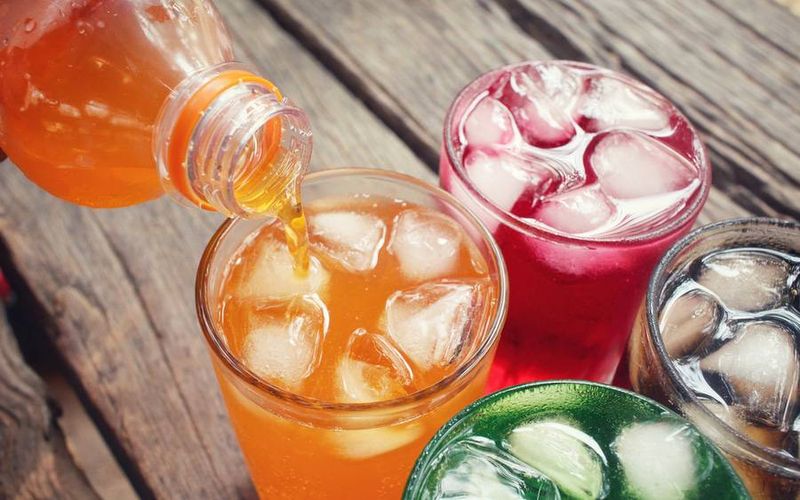
Alarming findings link sugary drinks directly to higher ischemic stroke rates. The rapid sugar absorption from beverages damages blood vessels and increases inflammation throughout the circulatory system.
Cardiology experts note that replacing just one daily sugary drink with water could significantly reduce stroke risk. Even artificially sweetened beverages proved safer than those containing high-fructose corn syrup or added sugars.
5. Heart Failure Risk Rises With Sugary Beverages

Regular consumption of sweetened drinks significantly increases heart failure risk, according to cardiologists who reviewed the study data. The liquid sugar overloads your cardiovascular system and weakens heart muscles over time.
Particularly concerning was how quickly these risks appeared – even younger adults showed early warning signs after months of daily sugary drink consumption. Water, herbal tea, and other unsweetened options remain the safest choices.
6. Atrial Fibrillation Risk Goes Up

Sugar-sweetened beverages create an unexpected threat to your heart's rhythm. The study revealed a strong connection between these drinks and atrial fibrillation (AFib), an irregular heartbeat that can lead to serious complications.
Researchers believe the rapid blood sugar fluctuations disrupt normal electrical signals in the heart. Many cardiologists now specifically ask patients with heart rhythm issues about their sugary drink habits during consultations.
7. Aortic Aneurysm Tied To Sugar Drinks
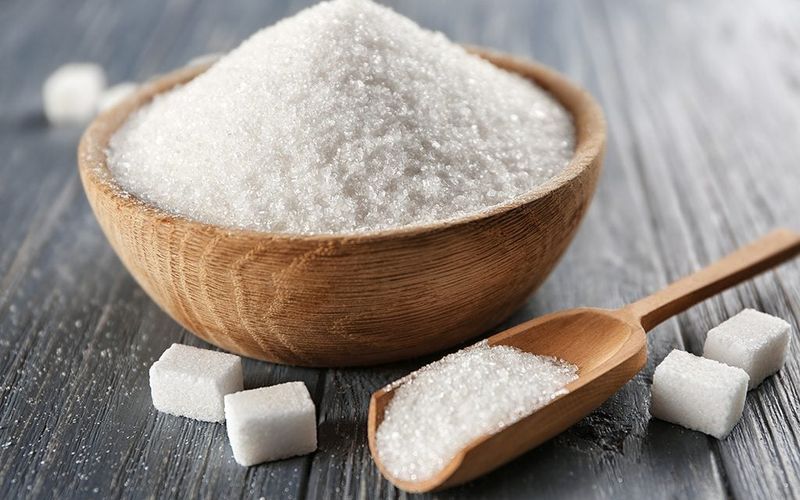
Fizzy drinks might weaken your body's largest blood vessel. The study found a worrying connection between sweetened beverages and abdominal aortic aneurysms – dangerous bulges in the main artery carrying blood from your heart.
Vascular surgeons point to inflammation caused by sugar spikes as a likely culprit. The protective lining of blood vessels becomes compromised after years of exposure to high sugar loads from sweetened drinks.
8. Different Sugars Have Different Effects
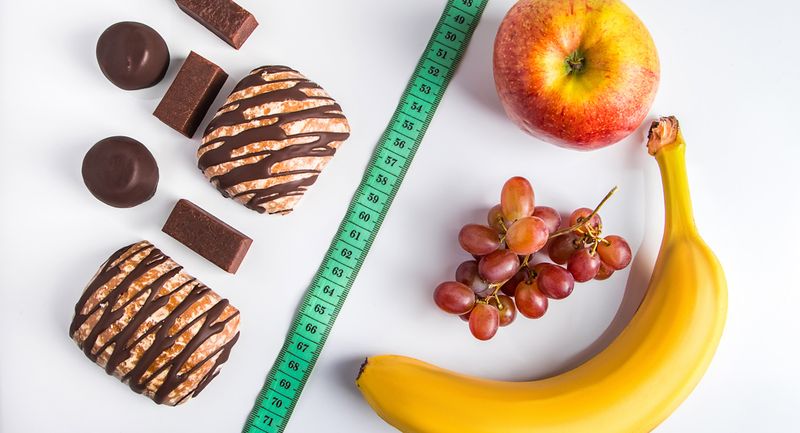
Not all sweet things are created equal! The source and type of sugar proved more important than total amount consumed when measuring heart health impacts.
Processed sugars in manufactured drinks showed the most harmful effects. Natural sugars found in whole fruits, paired with fibre and nutrients, demonstrated minimal negative impact. This suggests enjoying nature's sweet treats like berries or apples remains a heart-healthy choice.
9. Liquid Sugar Leads To Overeating

Your brain doesn't register liquid calories properly. Sugary drinks provide little feeling of fullness, often leading to excess calorie consumption throughout the day.
Nutritional scientists observed study participants consumed significantly more total calories when drinking sweetened beverages with meals. The lack of satiety signals means your body doesn't recognise these calories, potentially contributing to weight gain and associated heart issues.
10. Honey And Natural Toppings Less Concerning

Your choice of sweetener matters significantly. Natural options like honey, maple syrup and fruit preserves showed remarkably less negative impact than processed sugars found in most beverages.
These natural sweeteners contain beneficial compounds that partially offset sugar's effects. Many study participants who used moderate amounts of honey or fruit-based toppings on occasional treats showed no increased cardiovascular risks compared to those avoiding sugar entirely.
11. Context Is Crucial

How you consume sugar dramatically affects its impact on your body. A biscuit enjoyed with tea after dinner appears far less harmful than daily fizzy drinks or sweetened coffee.
Researchers highlighted that cultural eating patterns matter too. Mediterranean and Japanese diets, which include small sweet treats within balanced meal patterns, showed protective effects against heart disease despite moderate sugar intake. The overall dietary pattern proved more important than any single food.
12. Moderation Is Key

Balance wins the day according to this groundbreaking research. Completely avoiding sugar creates restrictive eating patterns that often backfire, while mindful enjoyment of occasional treats shows minimal health impact.
The study's lead researcher emphasised that rigid food rules typically fail long-term. Focusing on reducing sugary drinks while allowing yourself to enjoy the occasional solid treat represents the most sustainable and health-promoting approach to managing sugar in your diet.



