













Have you ever sliced into a steak only to find it tough as old boots? Or served up chicken that's dry as sawdust? We've all been there!
Cooking meat perfectly is a skill that takes practice, but knowing these common pitfalls can save your dinner. Let's explore the mistakes that can ruin your meaty masterpieces and how to avoid them.
1. Cooking Meat Straight From The Fridge
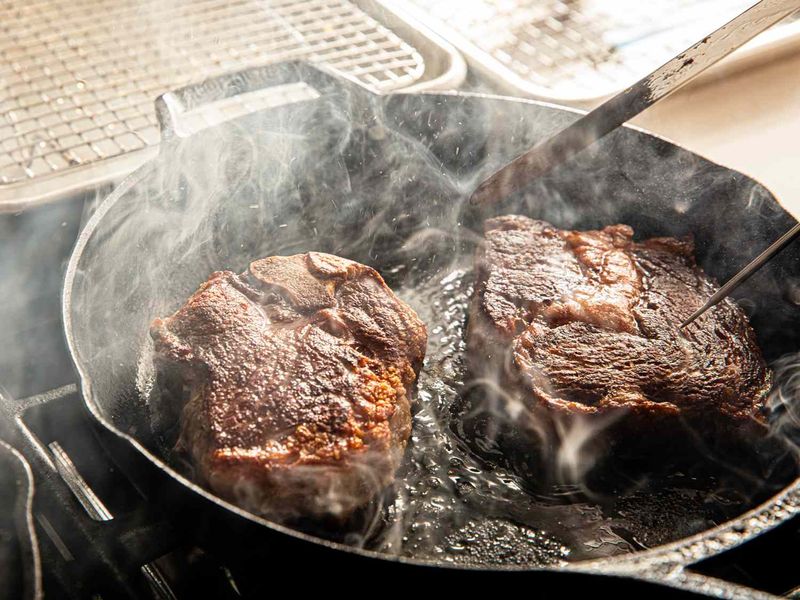
Tossing cold meat onto a scorching pan creates a temperature shock. The outside cooks rapidly while the inside remains icy, resulting in an unevenly cooked disaster.
Simply leave your meat on the counter for 20-30 minutes before cooking. This small step allows the temperature to even out, ensuring your steak or roast cooks uniformly from edge to centre.
2. Not Drying The Meat Surface
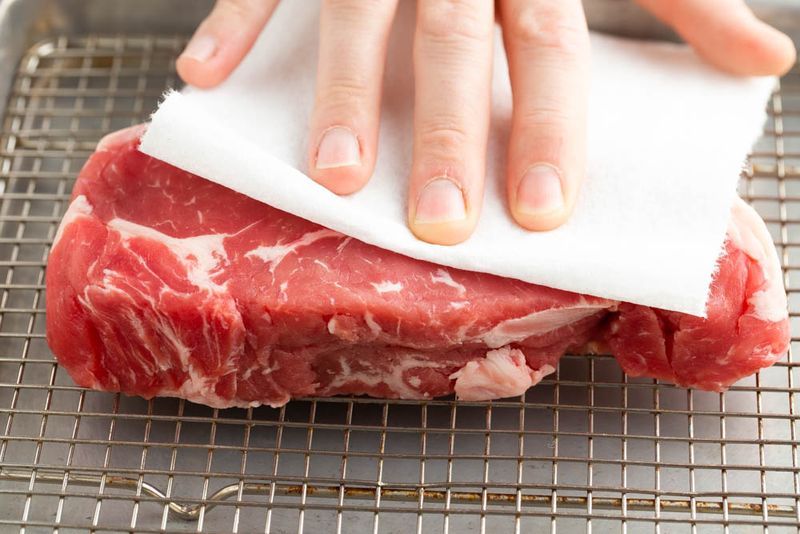
Moisture is the enemy of that gorgeous brown crust we all crave. Wet surfaces steam rather than sear, robbing you of flavour and texture.
Grab some kitchen paper and thoroughly pat your meat dry before it hits the heat. This simple trick removes surface moisture, allowing proper caramelisation that creates that mouthwatering, flavour-packed exterior.
3. Salting Meat Too Early Or Too Late
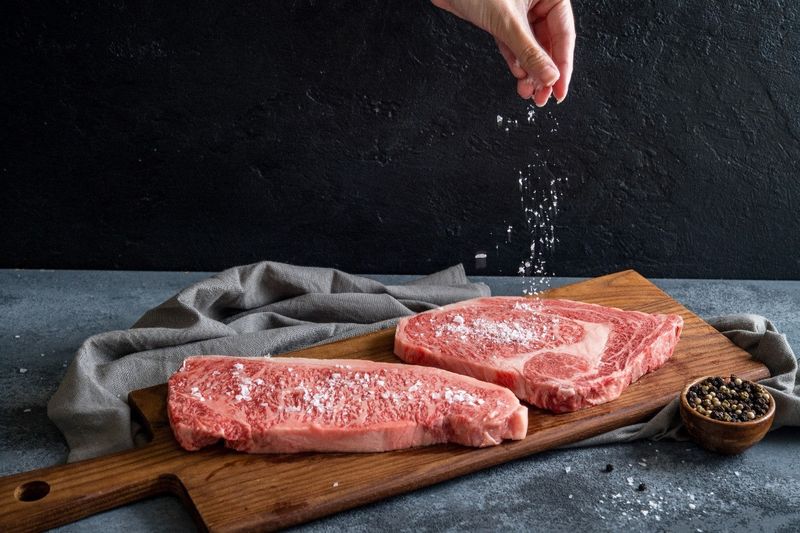
Timing is everything with salt! Apply it too soon and it draws out precious moisture. Wait until the last second and it sits on the surface without enhancing flavour.
The sweet spot? Season about 30 minutes before cooking. This allows the salt to partially dissolve and penetrate the meat, enhancing flavour throughout without drying it out.
4. Overhandling The Meat
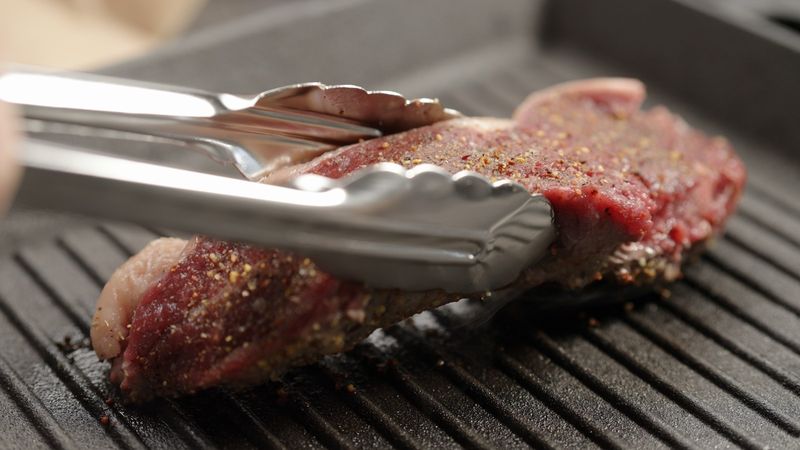
Constantly poking, flipping, and pressing meat is a recipe for disappointment. Each prod forces out flavourful juices that should remain locked inside.
Exercise patience and restraint. Turn your meat just once during cooking and resist the urge to press down with your spatula. Your reward will be juicier, more tender results that retain their natural flavours.
5. Inconsistent Cooking Temperatures
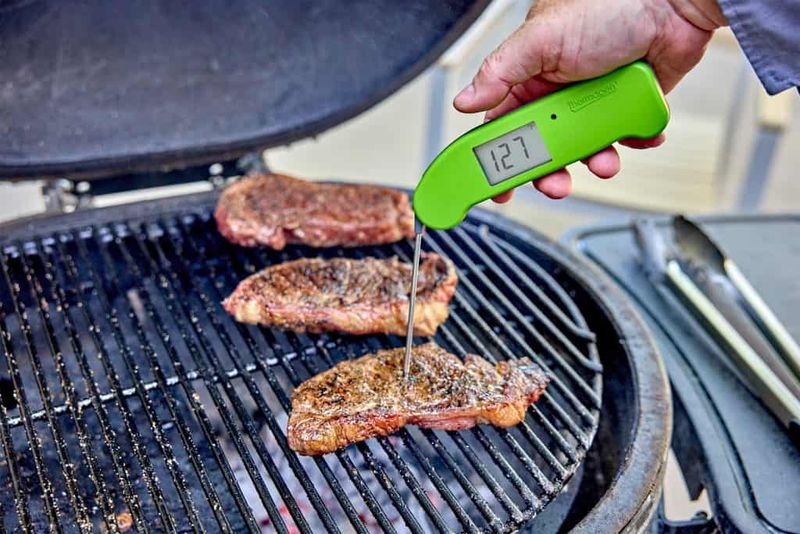
Temperature rollercoasters spell disaster for meat. Too hot and you'll burn the outside while the inside remains raw. Too cool and you'll miss that beautiful caramelisation.
Always preheat your pan or grill thoroughly before adding meat. Maintain steady heat throughout cooking, adjusting as needed to achieve that perfect balance between exterior sear and interior doneness.
6. Not Using A Meat Thermometer
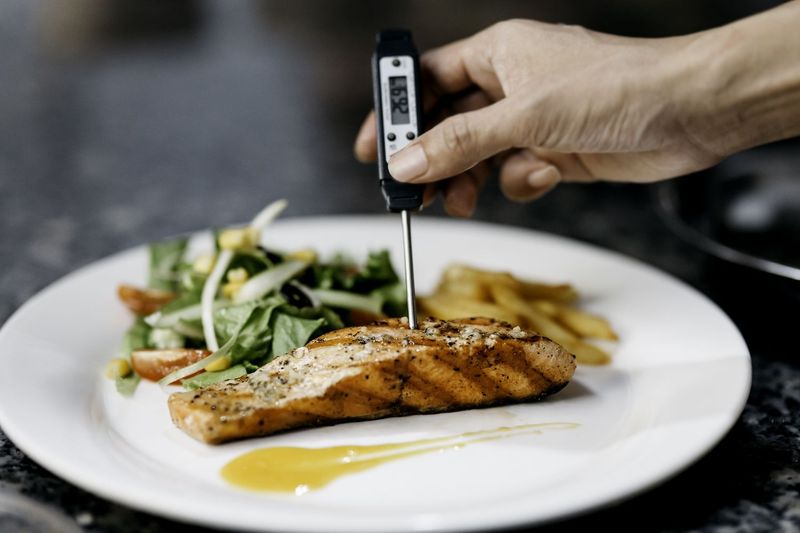
Guesswork is gambling with your dinner! That 'foolproof' finger test or timing method isn't nearly as reliable as you might think.
Invest in a quality instant-read thermometer and use it every time. It takes seconds to check and guarantees your chicken is safe, your pork is juicy, and your beef hits that perfect medium-rare sweet spot.
7. Skipping The Resting Period
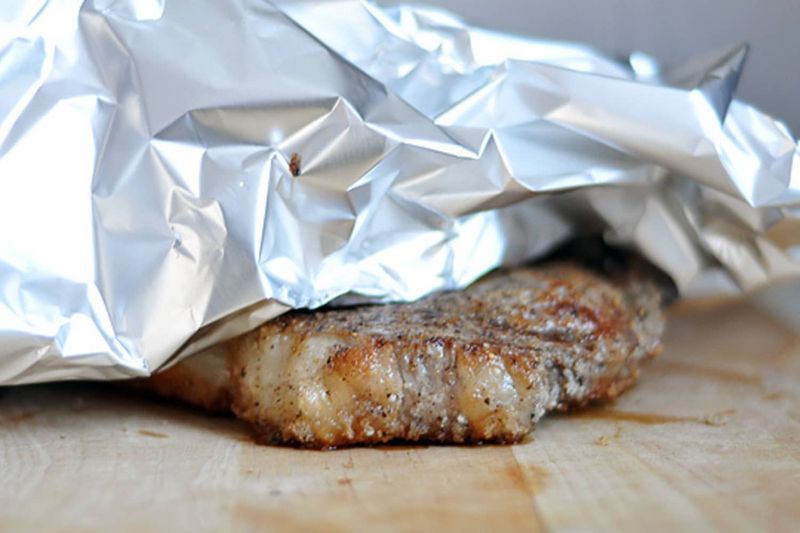
Cutting into meat straight from the heat is tempting but disastrous. The juices haven't had time to redistribute, so they'll flood your plate instead of remaining in the meat.
Patience pays delicious dividends here. Cover your meat loosely with foil and let it rest for 5-10 minutes (longer for larger roasts). This allows juices to reabsorb, resulting in moist, flavourful meat.
8. Incorrect Slicing
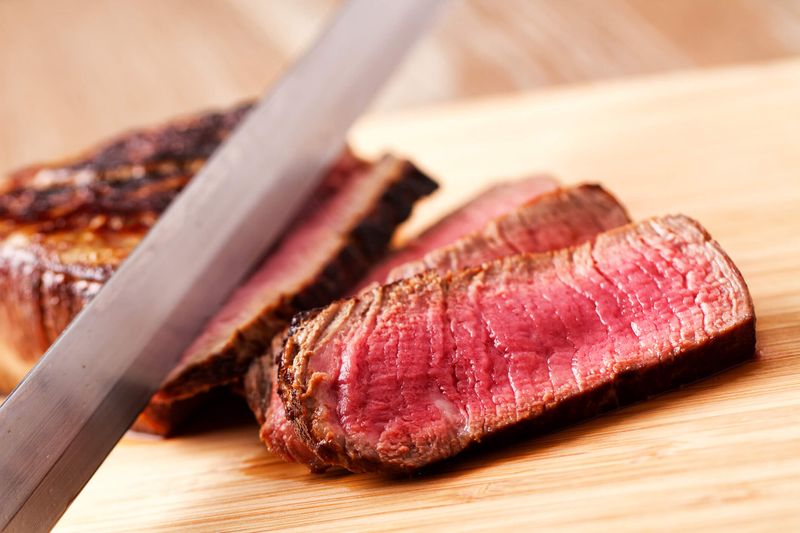
Did you know meat has a grain? Those muscle fibres run in a specific direction, and cutting with them creates chewy, stringy bites.
Look closely at your cooked meat to identify the direction of the fibres. Then slice perpendicular to them – across the grain – to shorten those tough strands. This simple technique can make even budget cuts feel tender and luxurious.
9. Using The Wrong Cooking Method For The Cut
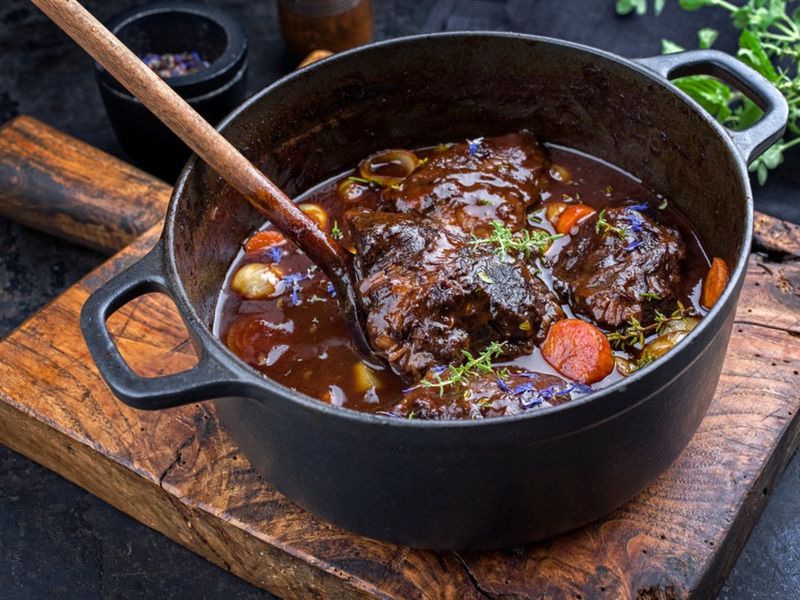
Every cut has its perfect cooking method. Throwing a tough chuck roast on a hot grill will yield something closer to shoe leather than dinner.
Match your method to your meat. Quick-cooking techniques like grilling work brilliantly for naturally tender cuts. Tougher, collagen-rich cuts transform into fork-tender delights when slowly braised or stewed at lower temperatures.
10. Overcooking Lean Meats
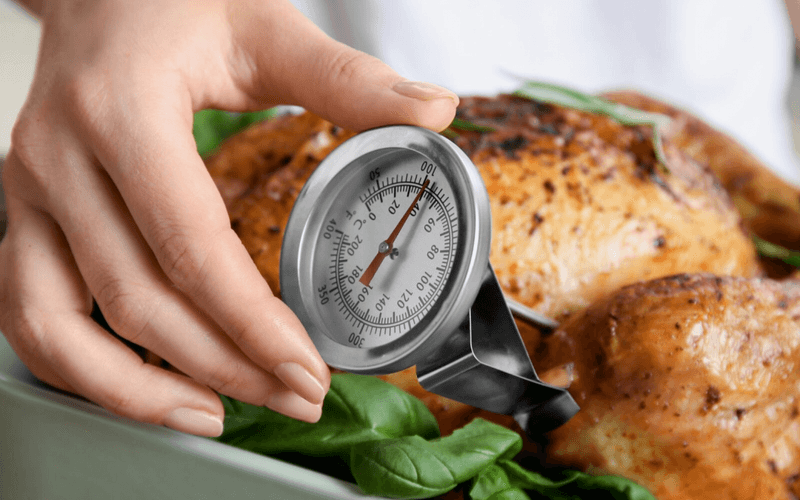
Lean cuts like chicken breast or pork tenderloin have minimal fat to keep them moist. Just a minute too long on the heat can transform them from succulent to sawdust-dry.
Cook these delicate meats to their minimum safe temperature – no higher! Remove them from heat slightly before they're done, as residual cooking will continue. This prevents moisture loss while ensuring food safety.



