Hotel breakfast buffets can be a delightful way to start your day while travelling, but they might hide some unpleasant surprises.
When food sits out for hours or isn't stored properly, harmful bacteria can multiply quickly.
Knowing which items pose the greatest risk can help you make safer choices and avoid spending your holiday feeling poorly.
1. Scrambled Eggs Left In Warming Trays
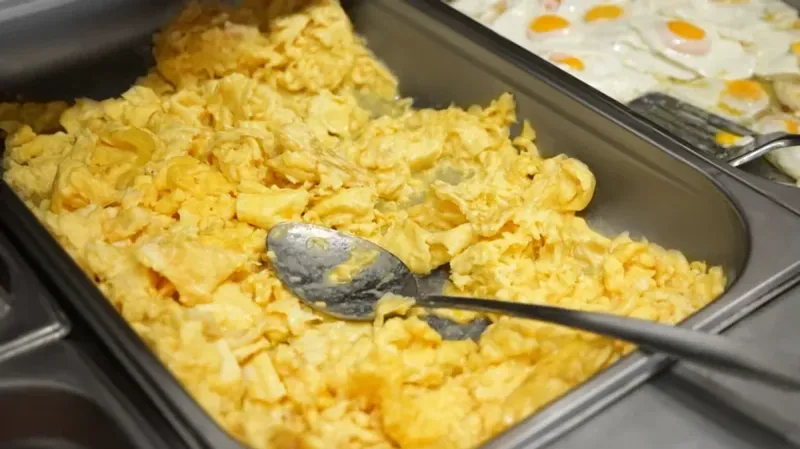
Those fluffy yellow mounds might be harbouring dangerous bacteria. Powdered eggs often replace fresh ones in hotel buffets, and they frequently sit at lukewarm temperatures – the perfect breeding ground for salmonella.
Watch for eggs that look dry or crusty around the edges, as this indicates they've been sitting too long. Your best bet? Head to the omelette station where eggs are cooked fresh to order.
2. Pre-Cut Fruit Platters

Those colourful melon chunks might be hiding a nasty secret. Once cut, fruit surfaces provide an ideal environment for bacteria, especially cantaloupe with its textured rind that can transfer contaminants during slicing.
Fruit sitting in its own juices for hours becomes increasingly risky. Grab a banana or an apple instead – nature's perfectly sealed snacks that you can peel yourself.
3. Lukewarm Quiche And Egg Dishes

That tempting slice of quiche might be trouble on a plate. The combination of eggs, cheese, and cream creates a perfect storm for bacterial growth when not kept piping hot.
Quiches sitting at room temperature for just two hours can become dangerous. The centre should be steaming when served. If it feels cool to the touch, give it a miss and save your holiday from an unpleasant interruption.
4. Room-Temperature Breakfast Meats
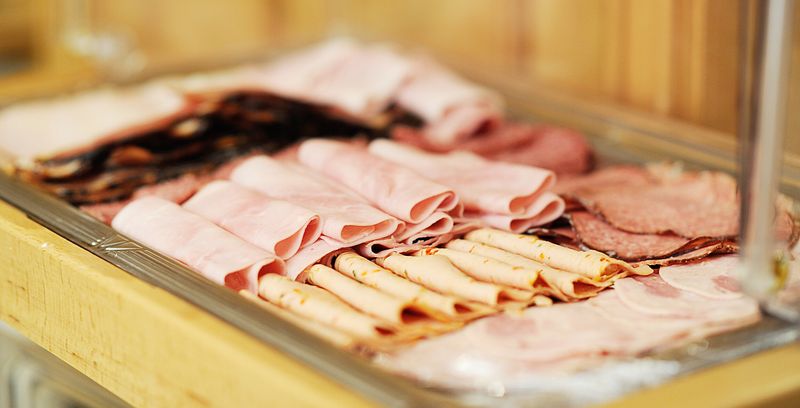
Bacon and sausages may look appetising on that platter, but beware! These protein-rich foods become bacterial playgrounds when they cool below proper serving temperatures (60°C or above).
Look for meats that appear shiny with grease or have dried edges. These visual clues suggest they've been sitting out too long. Choose items from chafing dishes with active flames underneath instead.
5. Self-Service Waffle Stations
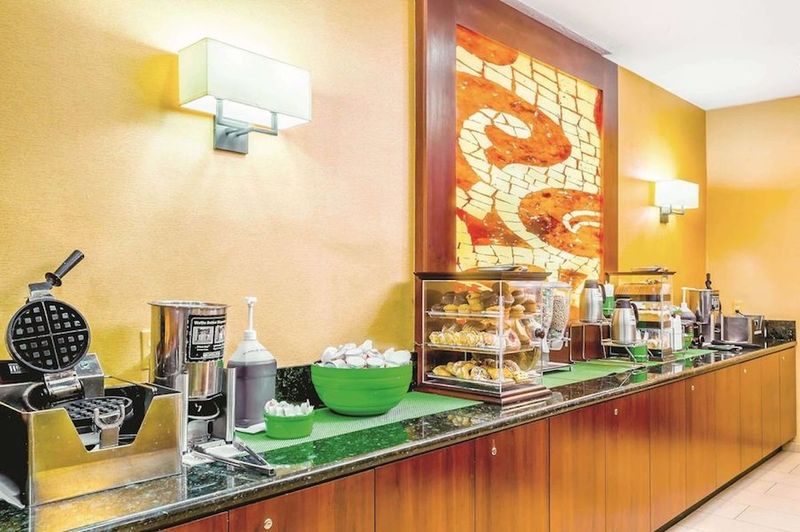
The DIY waffle maker might seem fun, but consider who touched that ladle before you. Waffle batter often sits out for hours, gradually fermenting and collecting germs from dozens of guest hands.
The batter can develop harmful bacteria even before it's cooked. Plus, undercooking is common when guests rush the process. Better to enjoy toast or a freshly baked pastry instead.
6. Communal Condiment Containers
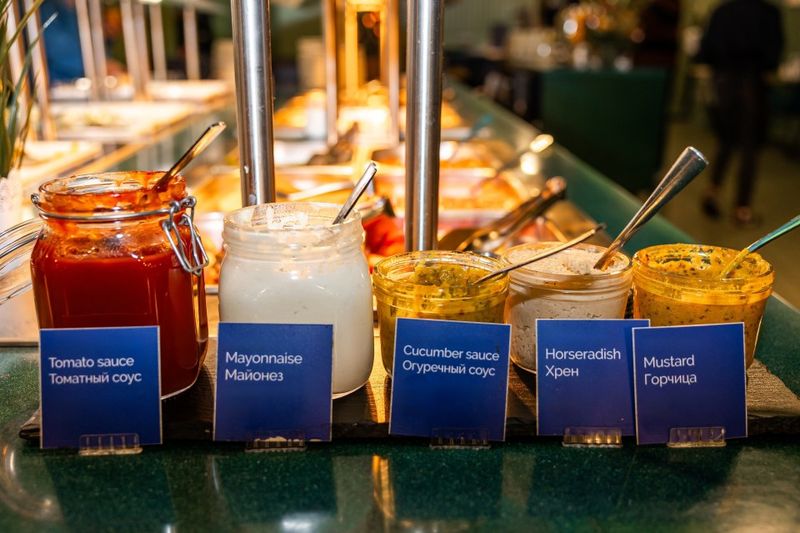
Ever noticed those large, open jars of jam and honey? They're veritable germ museums by mid-morning. Every guest dipping in transfers bacteria from their hands and utensils. Watch for sticky rims and mixed contents – signs of cross-contamination.
The marmalade might contain more than orange bits! Individually packaged portions are your safest bet, even if they seem less environmentally friendly.
7. Gravity-Fed Cereal Dispensers
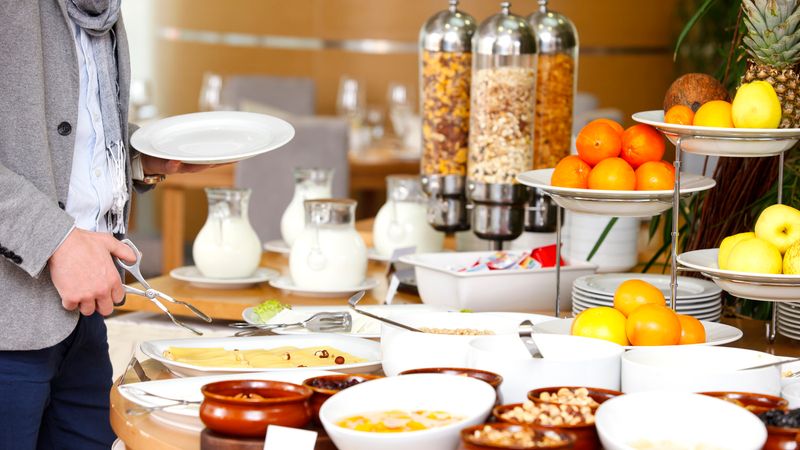
Those plastic towers of cereal might look convenient, but they're rarely emptied or thoroughly cleaned. Cereal can become stale, rancid, or even infested with pantry pests when dispensers are simply topped up rather than emptied.
The handles touched by countless unwashed hands become germ hotspots. Individual cereal boxes might seem wasteful, but they're sealed against contamination and offer fresher contents.
8. Chilled Dairy-Based Desserts
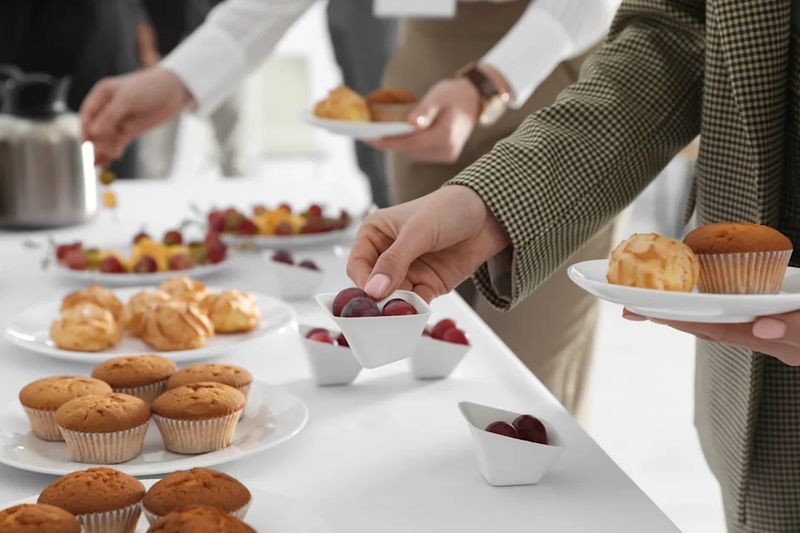
Morning tiramisu might seem decadent, but dairy desserts require strict temperature control. That creamy delight has likely been cycling between the kitchen fridge and the buffet table repeatedly.
Custards and cream-filled pastries become bacterial breeding grounds when temperatures fluctuate. The danger zone (5-60°C) allows rapid multiplication of harmful microorganisms. Stick with yoghurt in sealed containers or fruit-based options instead.
9. Unrefrigerated Yoghurt Containers
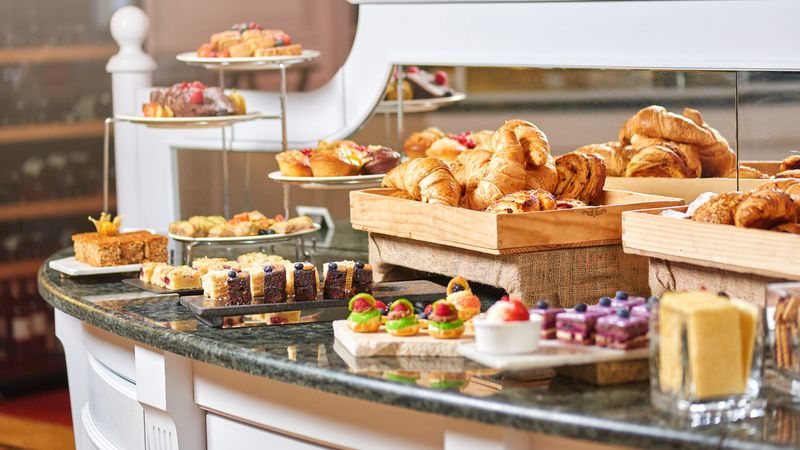
Even sealed yoghurt pots can harbour nasty surprises when improperly stored. Many hotels place these dairy products directly on countertops rather than in ice baths, allowing temperatures to rise into the danger zone.
Check for yoghurts that feel warm to touch or appear separated when opened. Always verify the expiration date too – some establishments might serve products past their prime to reduce waste.