













Pasta is a beloved staple in many kitchens worldwide, but white pasta often gets a bad reputation in health circles. The difference between white and whole wheat pasta comes down to processing - white pasta undergoes more refining, which affects its nutritional profile.
Before you toss that packet of spaghetti, let's explore whether white pasta truly deserves its questionable status.
1. Nutrient Loss Through Refining
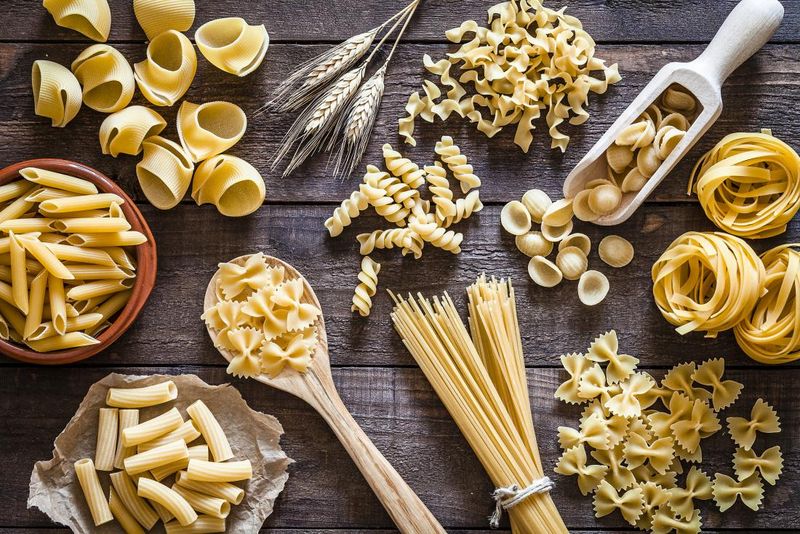
White pasta undergoes an extensive refining process that strips away the bran and germ of the wheat kernel. These parts contain most of the grain's fibre, vitamins, and minerals.
According to nutritionist Dr. Marion Nestle, this processing removes up to 75% of the wheat's nutrients. What remains is primarily carbohydrates with significantly reduced amounts of B vitamins, iron, and dietary fibre.
2. Blood Sugar Rollercoaster
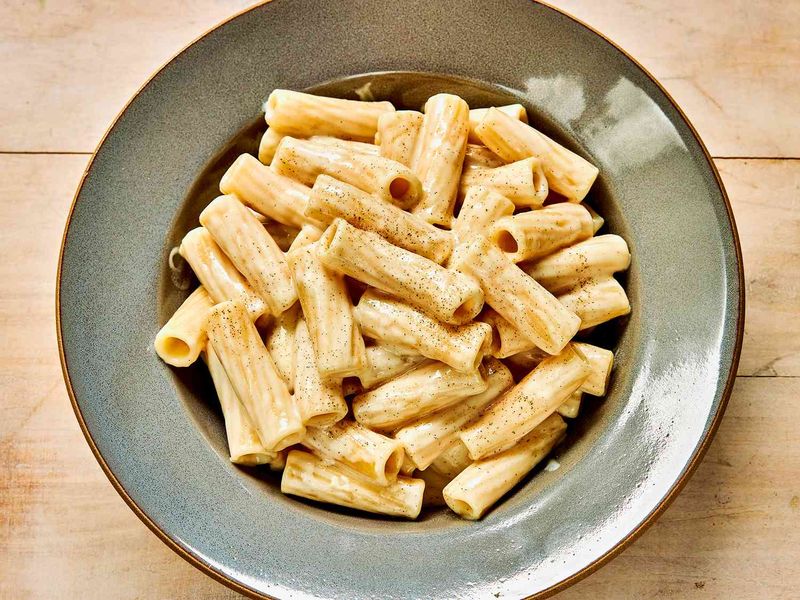
Your body breaks down white pasta quickly because it lacks the fibre that slows digestion. This rapid conversion to glucose can send your blood sugar levels soaring, followed by an energy crash.
Research from the University of Sydney's Glycemic Index Foundation shows white pasta typically scores between 50-55 on the glycemic index – higher than its whole grain counterparts but lower than many people expect.
3. Fibre Deficit Problems
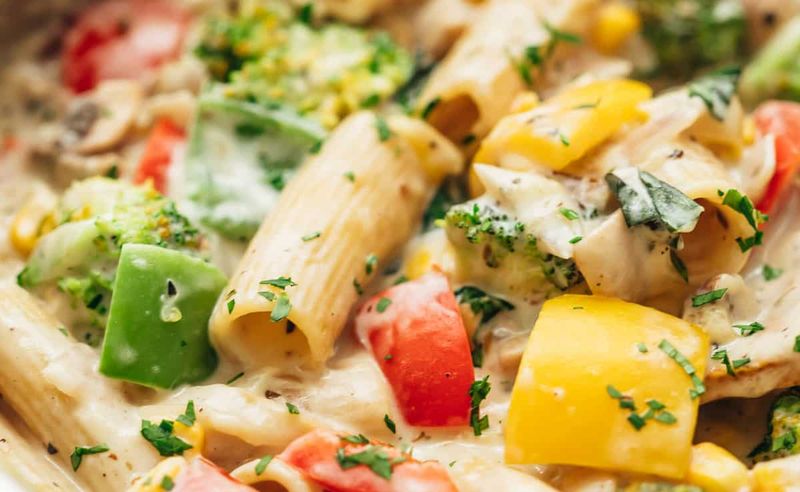
The refining process removes most of the natural fibre found in wheat. A typical serving of white pasta contains only 2-3 grams of fibre compared to 6-7 grams in whole wheat options.
This matters because fibre keeps your digestive system running smoothly. Studies by gastroenterologist Dr. William Chey at Michigan Medicine show adequate fibre intake helps prevent constipation and supports gut health.
4. Satiety Factor Shortfall

Ever noticed how you might feel hungry shortly after a white pasta meal? The lack of fibre and protein means it doesn't keep you satisfied for long.
A fascinating study published in the British Journal of Nutrition found participants who ate refined pasta reported feeling hungry again sooner than those who ate the same amount of whole grain pasta. This quick return of hunger might lead to additional snacking or larger portions.
5. Cardiovascular Considerations
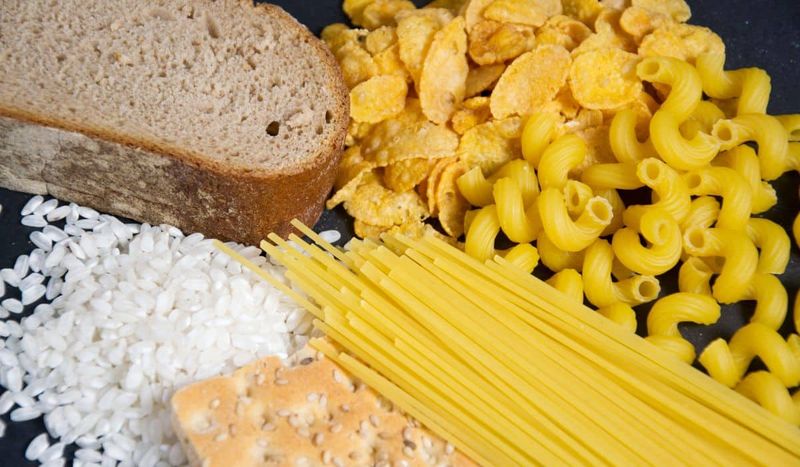
Regular consumption of refined carbohydrates like white pasta has been linked to certain heart health concerns. The rapid glucose absorption can trigger insulin spikes that may contribute to inflammation.
Professor Jim Mann from the University of Otago found in his research that replacing refined grains with whole grains could reduce heart disease risk by up to 22%. The relationship isn't just about the pasta itself but also what it replaces in your diet.
6. Missing Micronutrients
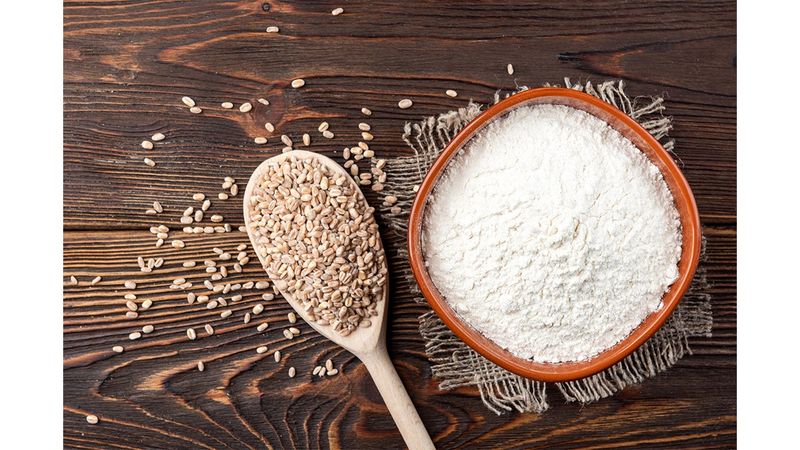
White pasta lacks many of the micronutrients naturally present in wheat. The refining process removes significant amounts of magnesium, zinc, and B vitamins that support energy production and immune function.
Though some manufacturers add back certain nutrients (a process called enrichment), nutritionist Dr. Rosemary Stanton points out that many beneficial plant compounds called phytonutrients aren't replaced. These compounds have antioxidant properties that benefit overall health.
7. Sauce Saviour Effect

White pasta serves as an excellent canvas for nutritious toppings. Pairing it with vegetable-rich sauces, lean proteins, or healthy fats can transform the meal's nutritional profile.
Renowned chef Jamie Oliver advocates using white pasta as a vehicle for nutrient-dense ingredients. A tomato-based sauce provides lycopene, while adding vegetables contributes fibre and vitamins that complement pasta's shortcomings. This balanced approach makes white pasta part of a nutritious meal.
8. Portion Control Wisdom
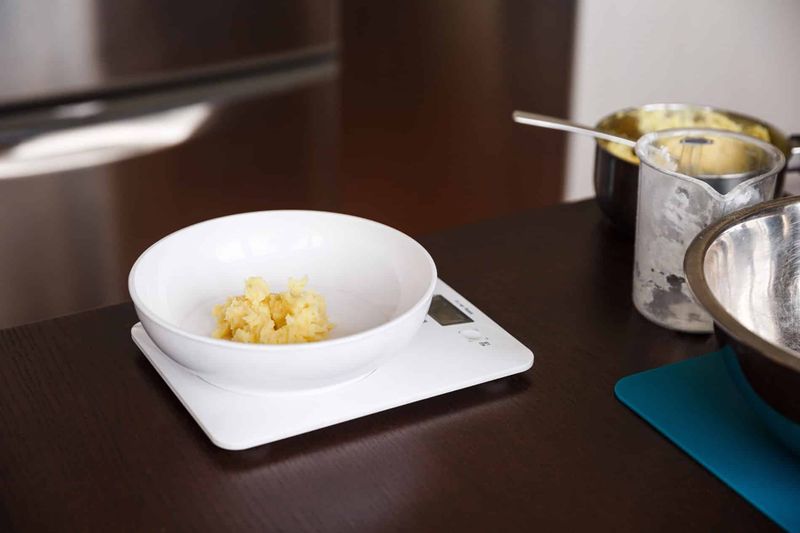
White pasta isn't inherently harmful when consumed in appropriate amounts. The traditional Italian approach treats pasta as a modest first course rather than the main event.
Registered dietitian Nichola Ludlam-Raine recommends limiting white pasta portions to about 80 grams (dry weight) per serving. Surprisingly, studies from the Mediterranean region show pasta consumption isn't linked to obesity when portion sizes remain reasonable and accompaniments are healthy.
9. Fortification Benefits
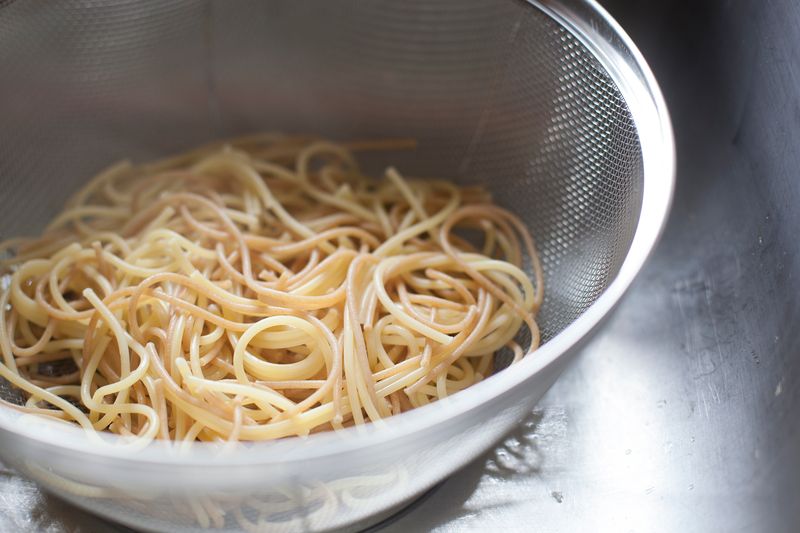
Many commercial white pastas undergo fortification to replace some nutrients lost during processing. In the UK, manufacturers commonly add iron, thiamin (B1), niacin (B3) and sometimes folate.
This practice began in the 1940s to address nutrient deficiencies. Research by Professor Susan Fairweather-Tait at the University of East Anglia shows fortification has significantly reduced iron deficiency in populations where enriched grains are staples. These additions make white pasta more nutritious than its unfortified counterpart.
10. Pasta Alternatives Landscape
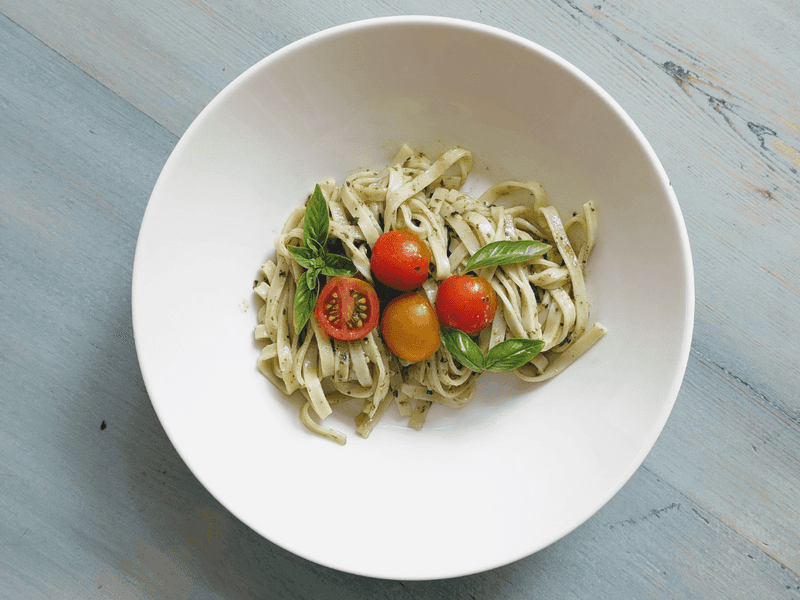
The pasta aisle has transformed with nutritional alternatives that address white pasta's shortcomings. Legume-based options made from chickpeas or lentils offer up to three times more protein and fibre.
Nutritionist Dr. Megan Rossi notes these alternatives have lower glycemic impacts too. Beyond legumes, you'll find pastas made from brown rice, quinoa, and even vegetables like courgette spirals. These options maintain the pasta experience while delivering enhanced nutrition profiles.



