













Ever wondered if those fizzy bubbles in your sparkling water might be doing more harm than good? Many of us have switched from sugary sodas to sparkling water, assuming it's a healthier alternative.
But questions linger about its effects on our teeth, bones, and digestion. Let's examine what scientists have discovered about this popular beverage.
1. It's Just As Hydrating As Still Water
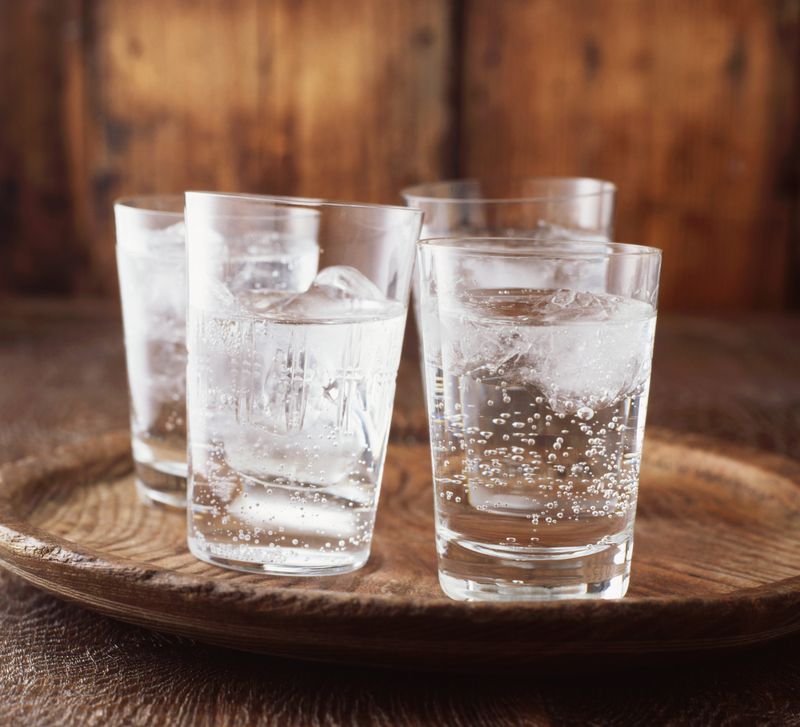
Contrary to popular myths, sparkling water counts toward your daily fluid intake just like regular water. The carbonation doesn't affect how your body absorbs the liquid.
Nutritionists confirm that both types provide identical hydration benefits. So if you prefer bubbles, you're still giving your body the water it needs without added sugars or artificial ingredients.
2. It Doesn't Harm Your Bone Health
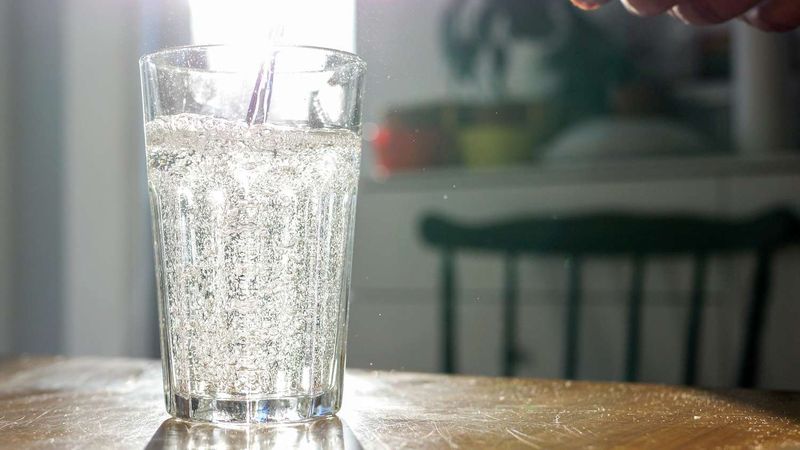
The fizz in your water won't weaken your skeleton! Research published in the American Journal of Clinical Nutrition found no connection between sparkling water and decreased bone mineral density.
Only cola drinks containing phosphoric acid showed negative bone effects. Your sparkling water habit keeps you hydrated without endangering your bones, so sip with confidence.
3. It's Gentler On Teeth Than Sugary Sodas
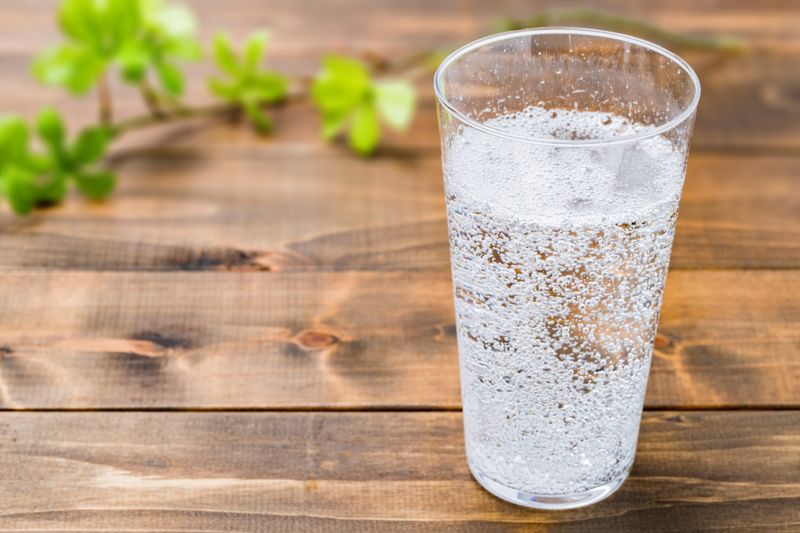
Worried about tooth enamel? While sparkling water is slightly acidic (pH 3-4), it's significantly less damaging than soft drinks (pH 2.5).
Dental researchers at the University of Birmingham found minimal enamel erosion from plain carbonated water. For maximum dental protection, enjoy your fizzy drink with meals rather than sipping throughout the day.
4. May Improve Swallowing For Some People
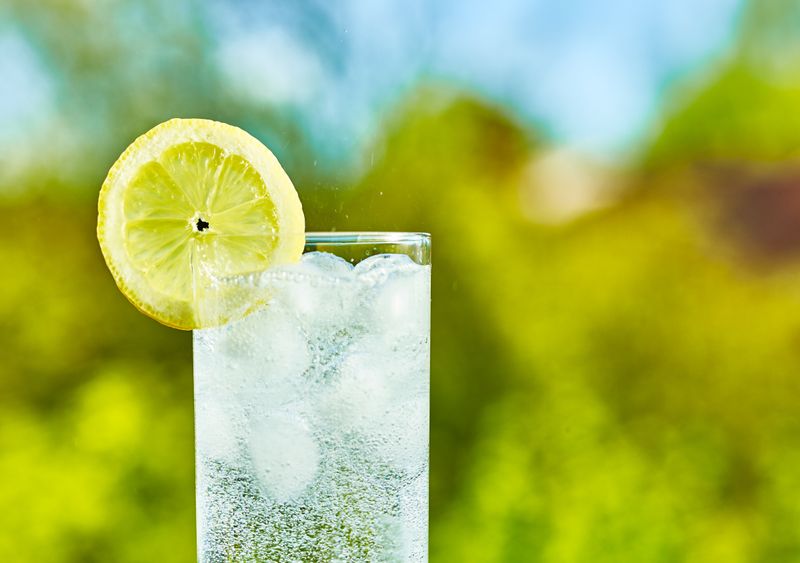
The tingling sensation from carbonation actually serves a medical purpose for certain individuals. Researchers at the University of Chicago discovered that carbonated beverages can stimulate the nerves responsible for swallowing.
This makes sparkling water potentially beneficial for people with dysphagia (swallowing difficulties). The bubbles provide sensory feedback that helps trigger the swallowing reflex more effectively.
5. Can Relieve Constipation And Bloating
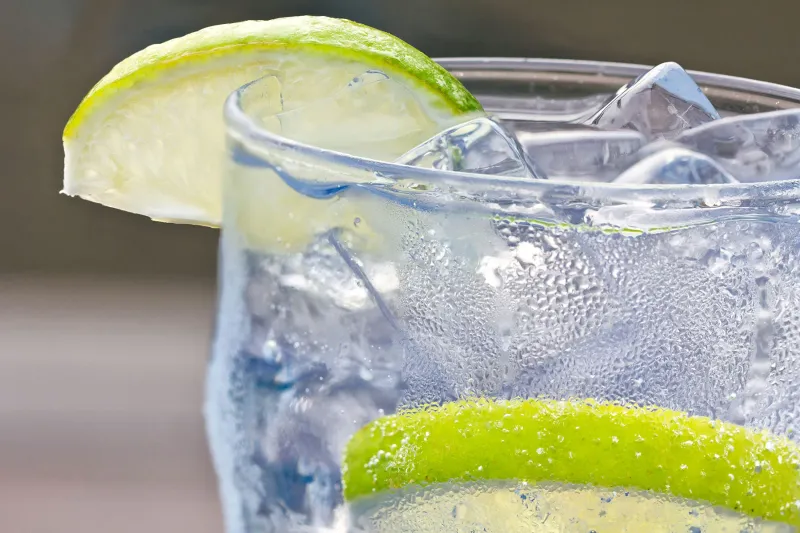
Feeling backed up? A glass of bubbly water might help! Italian researchers found that drinking carbonated water improved constipation symptoms in people with digestive issues.
The study, published in the European Journal of Gastroenterology and Hepatology, showed participants experienced better bowel movements and less stomach discomfort. The carbonation appears to stimulate digestive activity and muscle contractions in the intestines.
6. Zero Sugar, Zero Calories – A Diet-Friendly Choice
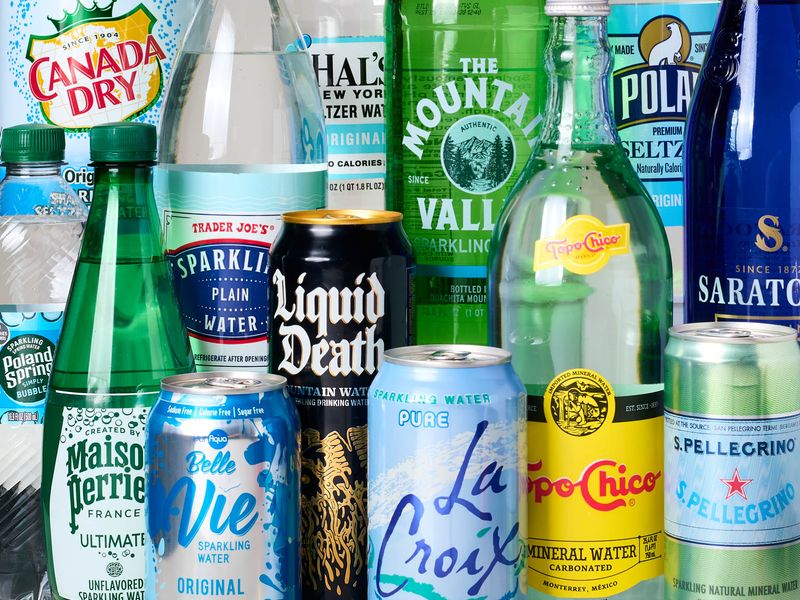
Plain sparkling water offers the satisfying sensation of a fizzy drink without the caloric consequences of sugary beverages. Nutritionist Dr. Sarah Jenkins recommends it for weight management.
The absence of sugar means it won't spike blood glucose levels either. For those watching their waistlines or managing diabetes, sparkling water provides a guilt-free alternative that won't derail health goals.
7. Flavoured Versions Can Be A Red Flag
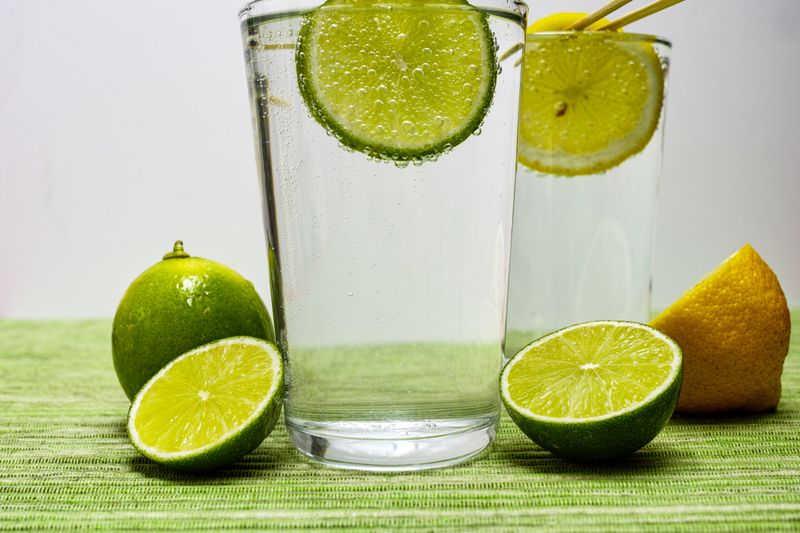
Not all sparkling waters are created equal! While naturally flavoured varieties typically remain a healthy choice, some brands hide unwanted additives behind appealing labels.
Food scientist Dr. Michael Roberts warns consumers to check for artificial sweeteners, sodium content, and citric acid. These additions can potentially harm dental health or contribute to bloating over time.
8. May Cause Temporary Bloating Or Gas
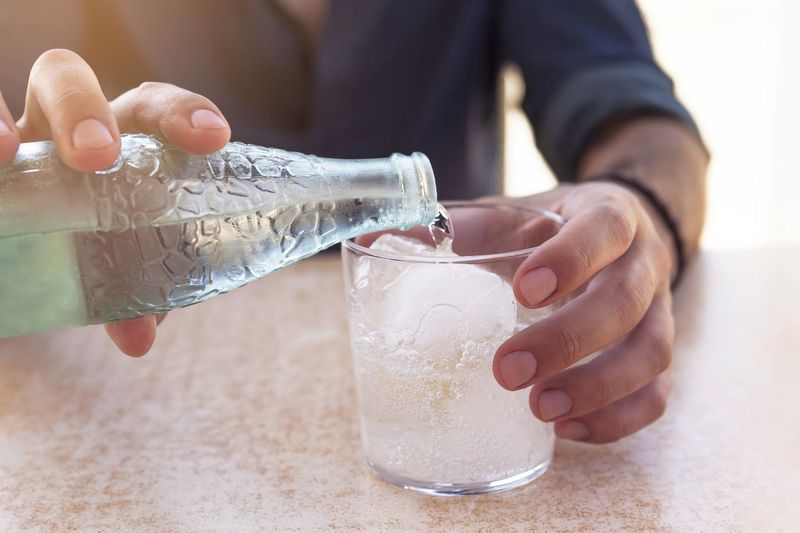
Those delightful bubbles that tickle your tongue? They don't simply disappear after swallowing. Gastroenterologist Dr. Emily Chen explains that carbonation introduces gas into your digestive system.
For most people, this causes only minor, temporary bloating. However, individuals with irritable bowel syndrome or sensitive digestion might experience more pronounced discomfort. Reducing consumption or switching to still water before important events can help avoid this issue.
9. Won't Strip Your Body Of Calcium
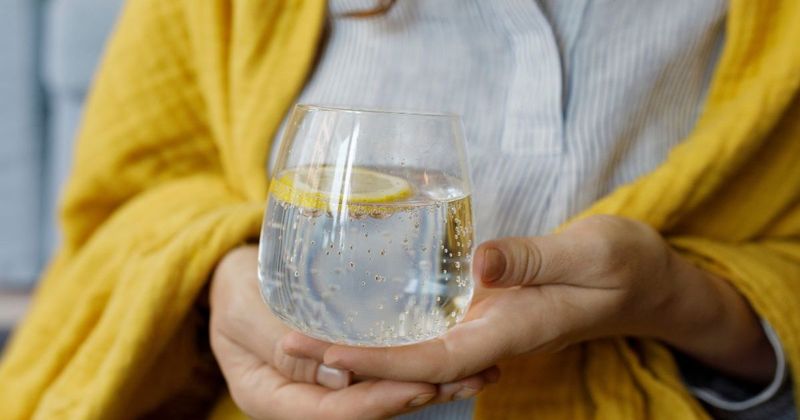
Sleep soundly knowing your sparkling water habit isn't leaching calcium from your bones! This widespread myth has been thoroughly debunked by medical research.
Endocrinologist Dr. Lisa Patel points out that only phosphoric acid-containing beverages (primarily colas) show associations with calcium depletion. The carbonic acid in sparkling water is too weak to impact mineral balance in your body.
10. A Good Soda Replacement
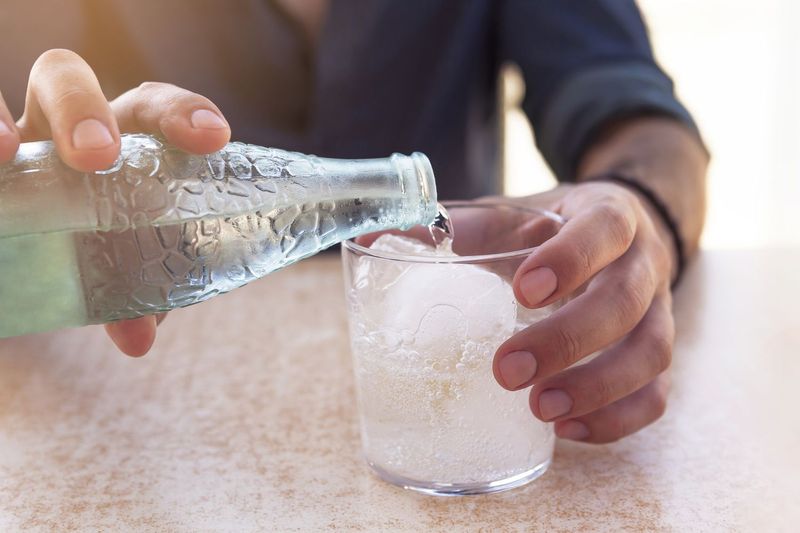
Kicking a soda habit? Sparkling water offers the fizzy satisfaction without the health drawbacks. The carbonation provides that familiar mouth-feel that many former soda drinkers crave.
Addiction specialist Dr. James Wilson recommends it as a stepping stone away from sugary drinks. Your taste buds might initially miss the sweetness, but they'll adapt quickly as you enjoy similar refreshment without artificial colours or caffeine.
11. Can Help Curb Appetite For Some
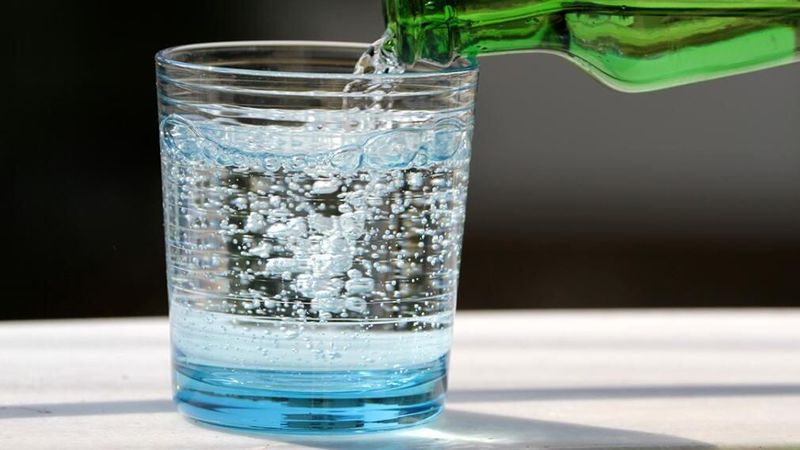
Feeling peckish between meals? The gas in sparkling water temporarily expands in your stomach, creating a sense of fullness that plain water doesn't provide.
Nutritional psychologist Dr. Rachel Green notes this effect varies between individuals. For some, this sensation helps reduce unnecessary snacking or manage portion sizes during meals. A glass before eating might help you avoid that second helping.
12. Best Enjoyed Without Additives
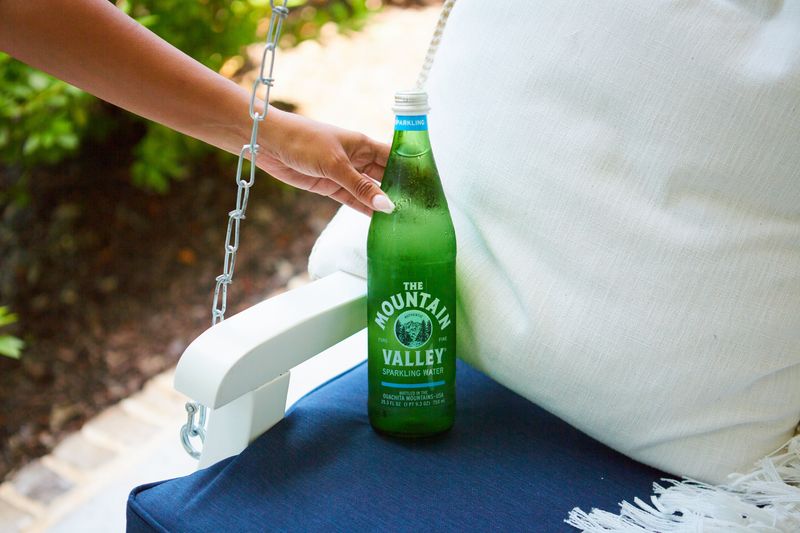
Pure sparkling water—just H2O and CO2—represents the gold standard for health benefits. Environmental toxicologist Dr. Alan Foster recommends avoiding varieties with preservatives or artificial flavourings.
Natural flavour infusions using fresh fruit make healthier alternatives to commercial flavoured versions. Even better, you can create your own sparkling water at home with carbonation machines, controlling exactly what goes into your refreshing drink.



