










Fresh fruit and vegetables often spoil before we get a chance to enjoy them, leading to wasted money and unnecessary trips to the shops. Proper storage techniques can dramatically extend the life of your produce, keeping it crisp, flavourful, and nutritious for much longer. With a few simple tricks, you can reduce food waste and make your grocery budget stretch further.
This article is for general informational and educational purposes only. Storage results may vary depending on produce type, ripeness, and home conditions. Always inspect food before consuming and follow proper hygiene and refrigeration guidelines to prevent spoilage.
1. Bananas - Hang Them
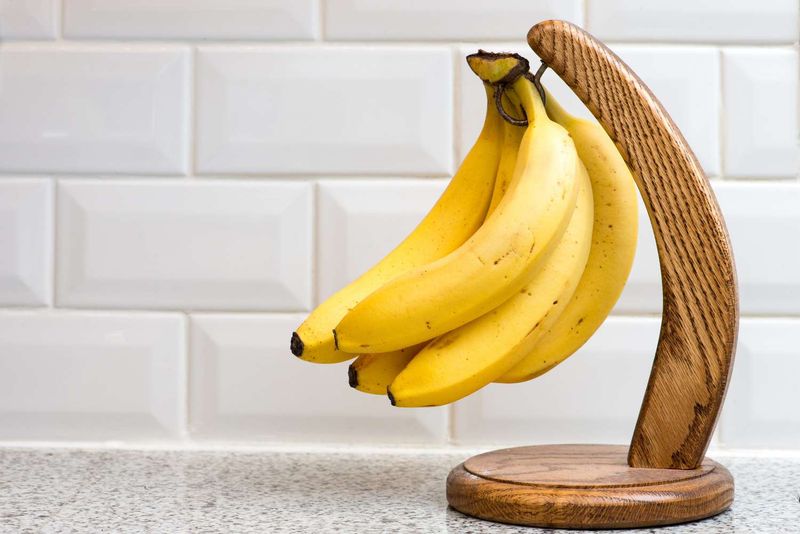
Bananas release ethylene gas as they ripen, which speeds up the ripening process for themselves and nearby fruits. Separating each banana from the bunch slows down this natural process considerably.
Hanging them on a hook prevents bruising from contact with surfaces. If they're ripening too quickly, wrap the stems in cling film to trap the gas at its source and buy yourself extra days.
2. Tomatoes - Store At Room Temperature
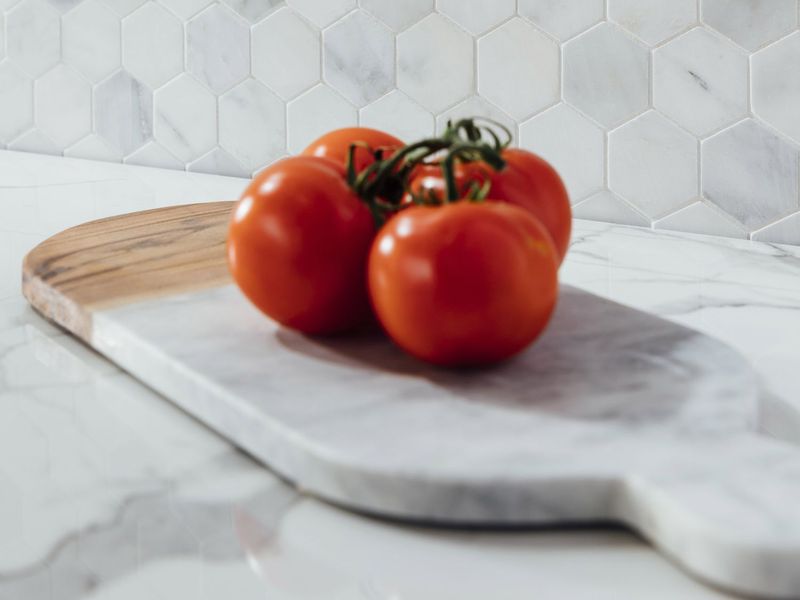
Cold temperatures destroy the delicate flavour compounds and texture that make tomatoes delicious. Keeping them on your worktop preserves their taste and allows them to continue ripening naturally.
Place them stem-side down to prevent moisture loss through the scar. Keep them away from direct sunlight, which can cause uneven ripening and soft spots that lead to spoilage.
3. Apples - Refrigerate In The Crisper Drawer
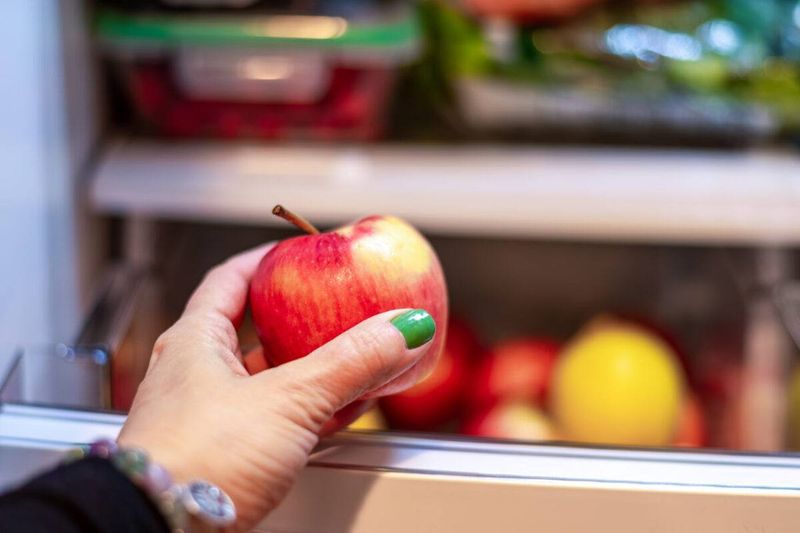
Apples stay crisp and juicy for weeks when kept cold, as low temperatures slow down their natural ageing process. The crisper drawer maintains optimal humidity levels that prevent them from shrivelling.
Store them away from other produce, as their high ethylene output can cause nearby vegetables to spoil faster. One bad apple really does spoil the bunch, so check regularly.
4. Leafy Greens - Wrap In Paper Towels
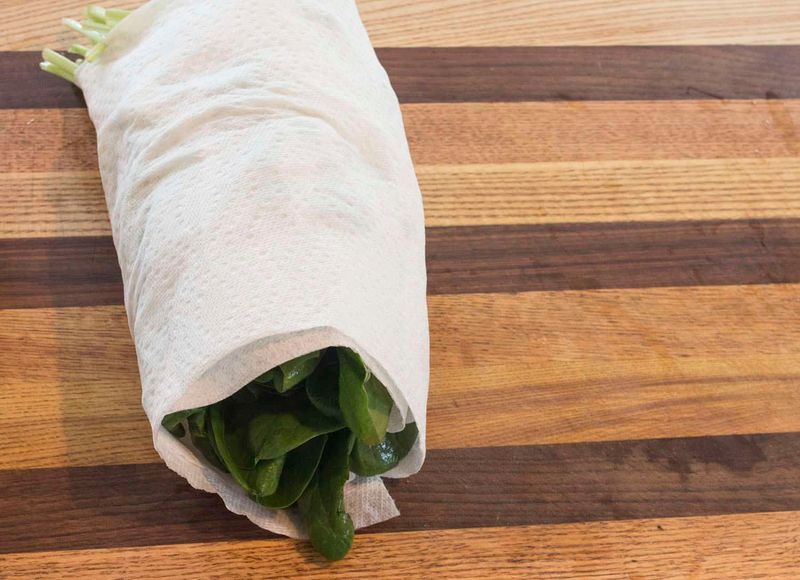
Excess moisture is the enemy of lettuce, spinach, and other delicate greens, causing them to become slimy and unappetising quickly. Paper towels absorb this moisture whilst still maintaining enough humidity to keep leaves crisp.
Place wrapped greens in a loosely sealed container or bag in the fridge. Change the paper towels every few days if they become damp for maximum freshness.
5. Carrots - Keep In Water
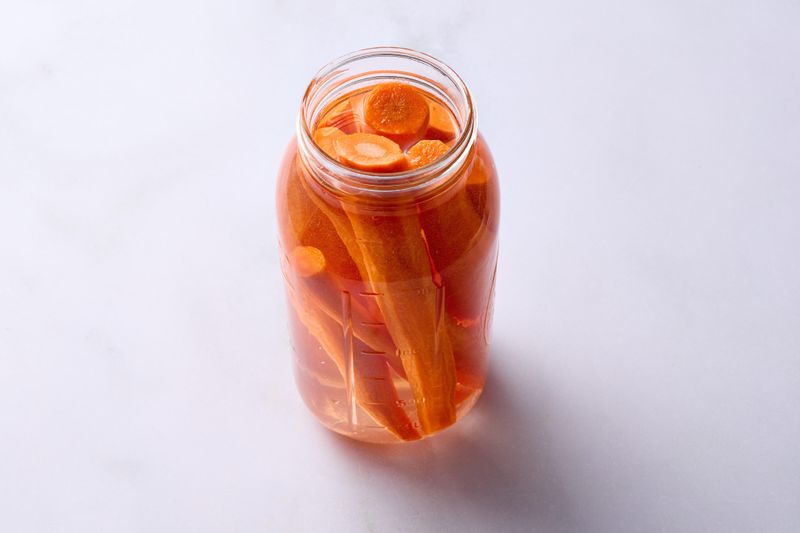
Carrots lose their satisfying crunch when they dry out, becoming limp and unappetising within days of purchase. Submerging them completely in cold water in a sealed container keeps them hydrated and crispy.
Change the water every four to five days to prevent bacterial growth. This method works brilliantly for celery and other root vegetables too, extending their life by weeks rather than days.
6. Berries - Rinse In Vinegar Solution First
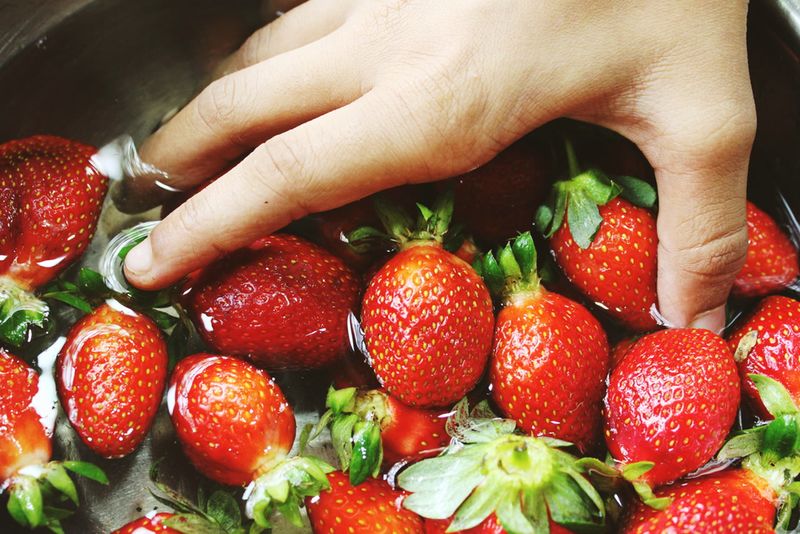
Mould spores on berries multiply rapidly, causing them to spoil frustratingly fast even when refrigerated. A quick bath in a mixture of one part vinegar to three parts water kills these spores without affecting taste.
Rinse thoroughly afterwards and dry completely before storing in a breathable container lined with paper towels. This simple step can double or triple their lifespan in your fridge.
7. Potatoes - Store In A Cool, Dark Place
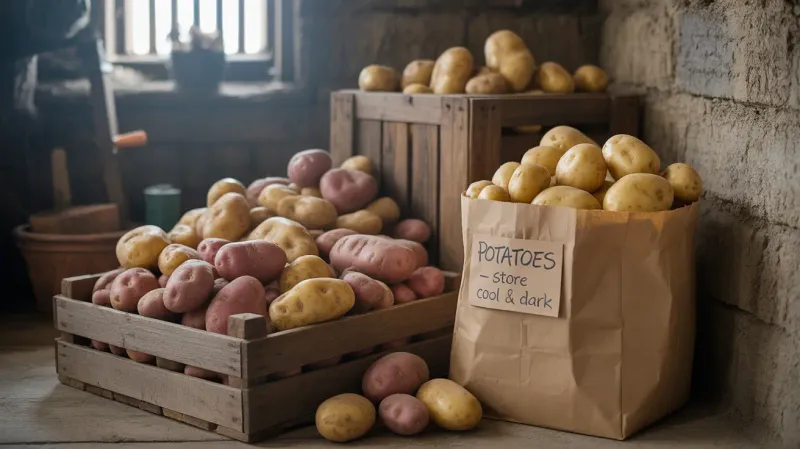
Light exposure causes potatoes to develop green patches containing solanine, a bitter and potentially harmful compound. Darkness prevents this whilst cool temperatures slow sprouting and shrivelling.
Never refrigerate potatoes, as cold converts their starches to sugars, affecting taste and cooking quality. A pantry, cupboard, or cellar between 7-10°C is ideal for keeping them fresh for months.
8. Onions - Hang In A Mesh Bag
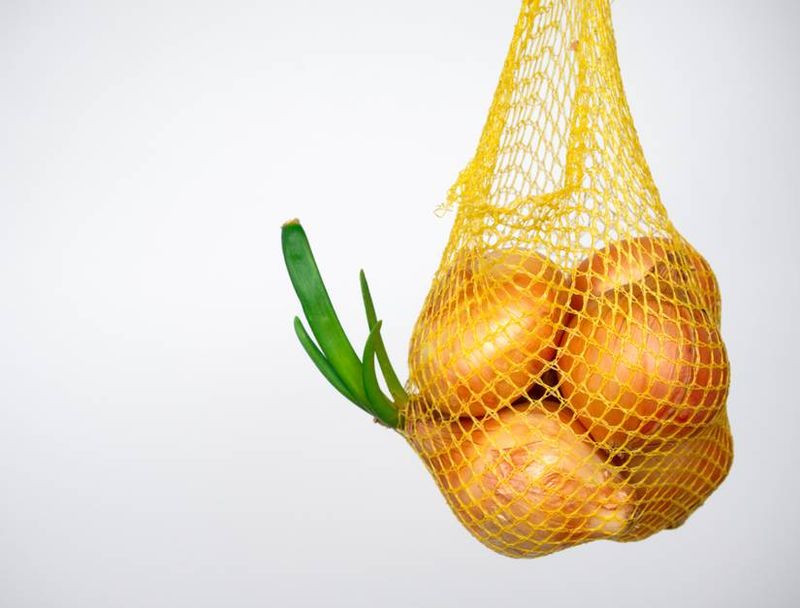
Proper air circulation is essential for preventing onions from rotting or sprouting prematurely. Mesh bags allow air to flow freely around each bulb whilst keeping them organised and accessible.
Hang them in a cool, dry spot away from potatoes, which release moisture and gases that cause onions to spoil faster. Never store onions in plastic bags, which trap moisture and accelerate decay significantly.
9. Cucumbers - Wrap In A Paper Towel
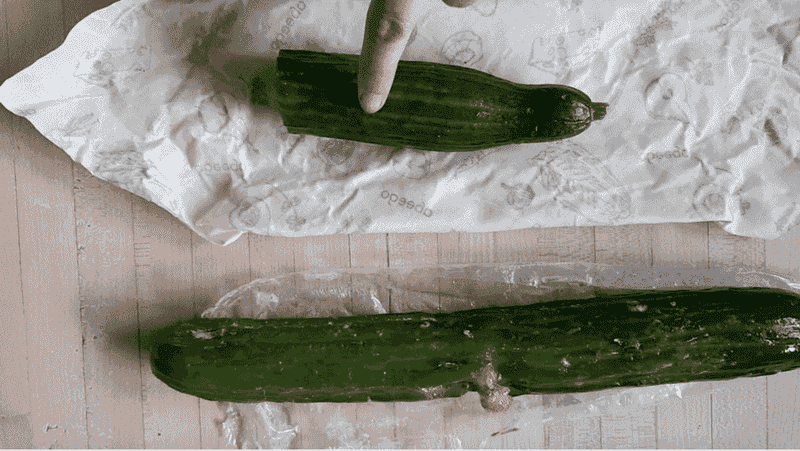
Cucumbers are surprisingly sensitive to cold and can develop soft spots and accelerated decay if stored incorrectly. Wrapping them in paper towels protects their delicate skin from excess moisture whilst providing insulation.
Keep them in the warmest part of your fridge, typically the door or top shelf, rather than the crisper drawer. This prevents the pitting and wateriness that occurs with prolonged cold exposure.
10. Avocados - Store With The Stone
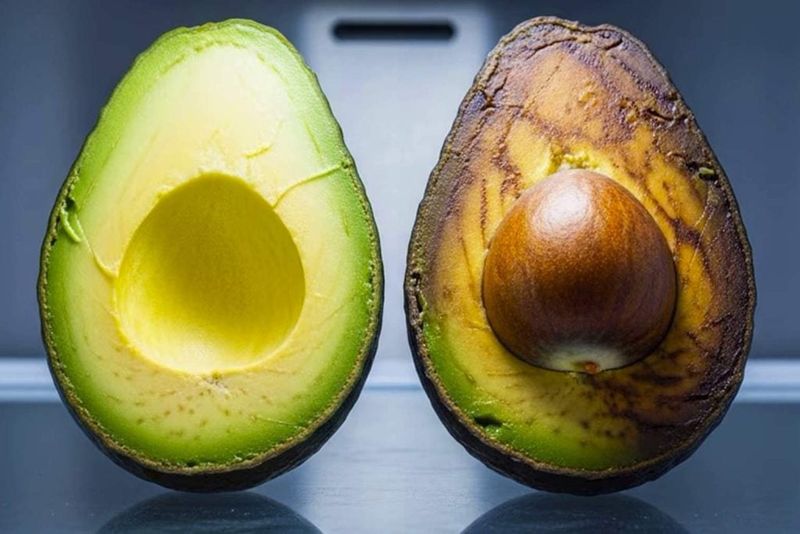
Once cut, avocados oxidise rapidly, turning an unappealing brown colour within hours of exposure to air. Leaving the stone in the unused half significantly slows this process by reducing the exposed surface area.
Brush the flesh with lemon or lime juice and wrap tightly in cling film, pressing directly against the surface. Refrigerate immediately, and your avocado will stay green and fresh for another day or two.
11. Herbs - Treat Like Flowers
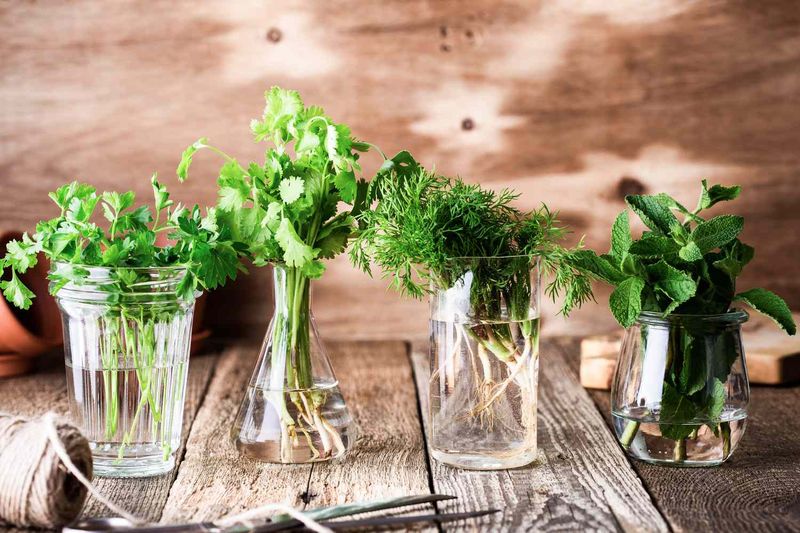
Fresh herbs wilt and lose their aromatic oils quickly when stored improperly, becoming limp and flavourless within a day or two. Treating them like cut flowers keeps them vibrant and fragrant for over a week.
Trim the stems and place them upright in a glass with a few centimetres of water. Cover loosely with a plastic bag and refrigerate, changing the water every few days for best results.
12. Garlic - Store In A Cool, Dry Cupboard
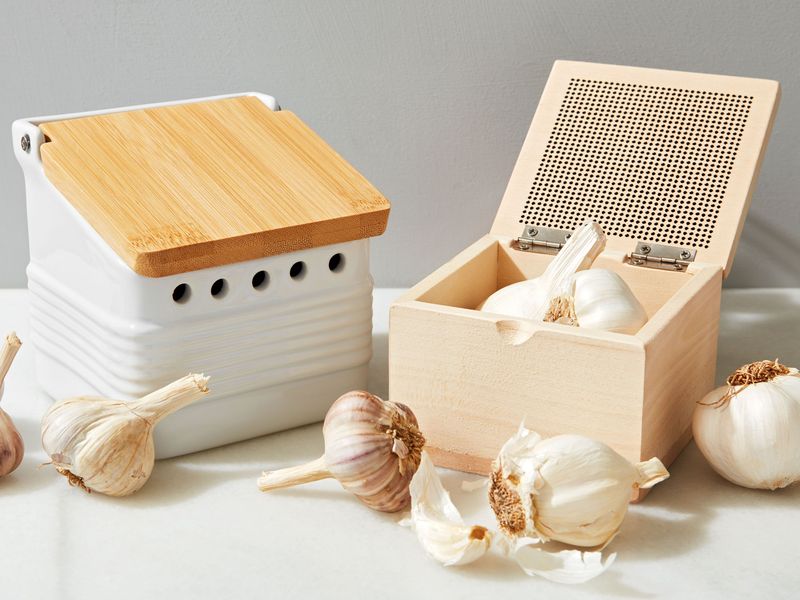
Garlic needs air circulation and low humidity to prevent sprouting and mould growth that can ruin entire bulbs. A breathable container in a dark cupboard provides the perfect environment for long-term storage.
Avoid refrigerating whole bulbs, as moisture encourages mould and ruins their papery skin. Keep them away from heat sources and direct sunlight, and they'll stay fresh and pungent for several months without any special equipment.