



Eating more sustainably doesn’t mean cutting out all animal products or overhauling your entire diet. Simple everyday choices – like buying seasonal produce, reducing waste, or choosing locally sourced ingredients – can make a real difference for the planet.
Sustainable eating is about being thoughtful, not restrictive, and these easy steps can help you lower your environmental impact while still enjoying the foods you love.
This article is for general informational purposes only. Food availability, production methods, and environmental impact may vary by region and brand. Photos are for illustrative purposes only.
1. Choose Locally Grown And Seasonal Produce
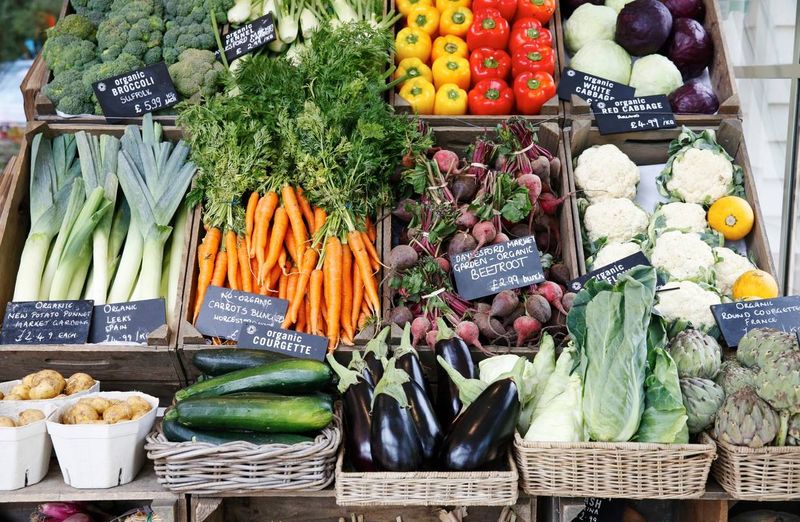
Ever noticed how strawberries in December taste like disappointment? That's because they've travelled halfway round the world to reach your plate, racking up carbon miles and losing flavour along the way.
Buying what's actually in season and grown nearby means your veg hasn't been flown in from another continent. Root vegetables in winter, asparagus in spring, berries in summer – eating with the seasons reconnects you with what's naturally available and supports British farmers.
Plus, seasonal produce is often cheaper and tastes miles better than its jet-lagged cousins.
2. Reduce Food Waste By Planning Meals And Using Leftovers
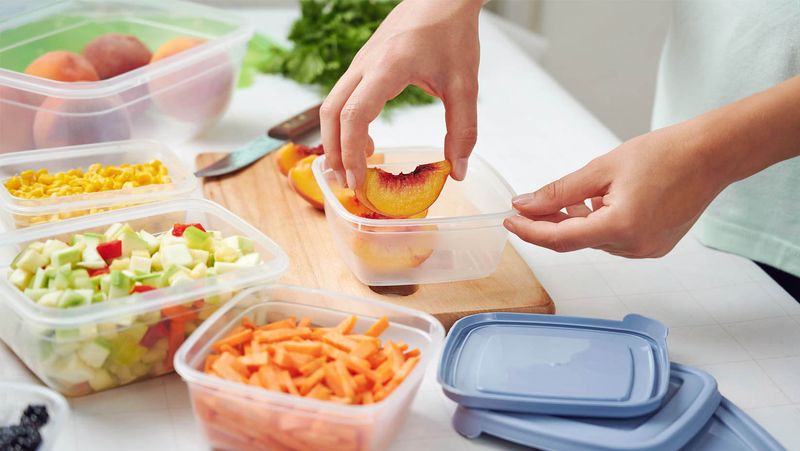
Brits bin around 4.5 million tonnes of edible food every year, which is madness when you think about it. Most of it could've been eaten if we'd just planned ahead a bit.
Writing a quick meal plan before you shop stops you buying stuff that'll go mouldy in the fridge. Getting creative with leftovers – think bubble and squeak from Sunday's roast or a curry made from yesterday's chicken – saves money and cuts waste.
Your wallet and the planet will both thank you for it.
3. Eat Smaller Portions Of Meat And Opt For Higher Welfare Sources

You don't have to become a full-time vegetarian to lighten your environmental footprint. Simply eating less meat – and choosing better quality when you do – makes a real impact.
Look for labels like Red Tractor, RSPCA Assured, or organic when buying beef, pork, or chicken. These standards mean animals were raised more humanely and often more sustainably. Treating meat as a treat rather than the star of every meal also means you can afford to spend a bit more on welfare-friendly options.
4. Buy From Farmers' Markets Or Community Food Schemes
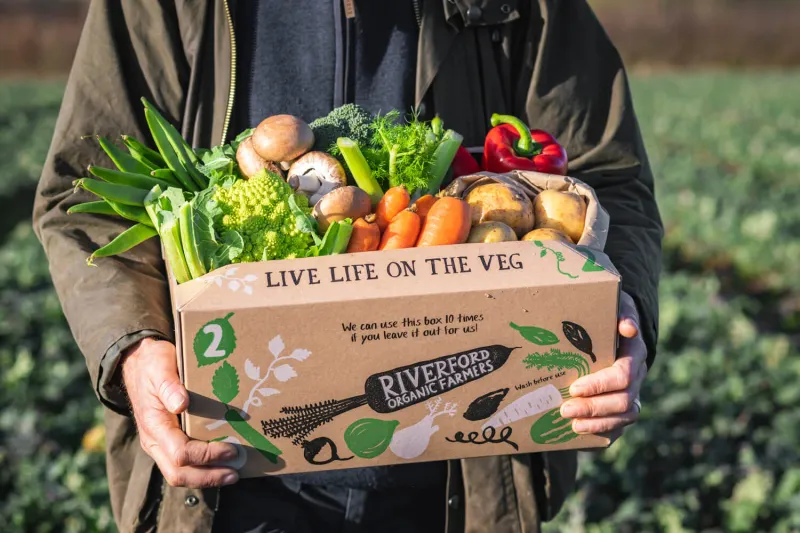
Farmers' markets might feel a bit posh, but they're brilliant for connecting directly with the people who grow your food. You can ask questions, learn where things come from, and skip the supermarket middleman entirely.
Community schemes like veg box deliveries or food co-ops are another solid option. They support local growers, reduce packaging, and often rescue wonky veg that supermarkets reject for looking a bit odd.
Plus, you'll discover ingredients you'd never normally pick up, which keeps cooking interesting.
5. Support Restaurants And Brands With Sustainable Practices

Eating out doesn't mean abandoning your eco-friendly principles. Plenty of restaurants and cafes now shout about their sustainability credentials, from sourcing locally to minimizing waste.
Look for places that mention seasonal menus, nose-to-tail cooking, or partnerships with local suppliers. Even big high street chains are getting better at transparency around where their ingredients come from. Voting with your fork – and your wallet – encourages more businesses to clean up their act.
6. Cut Back On Processed And Over-Packaged Foods
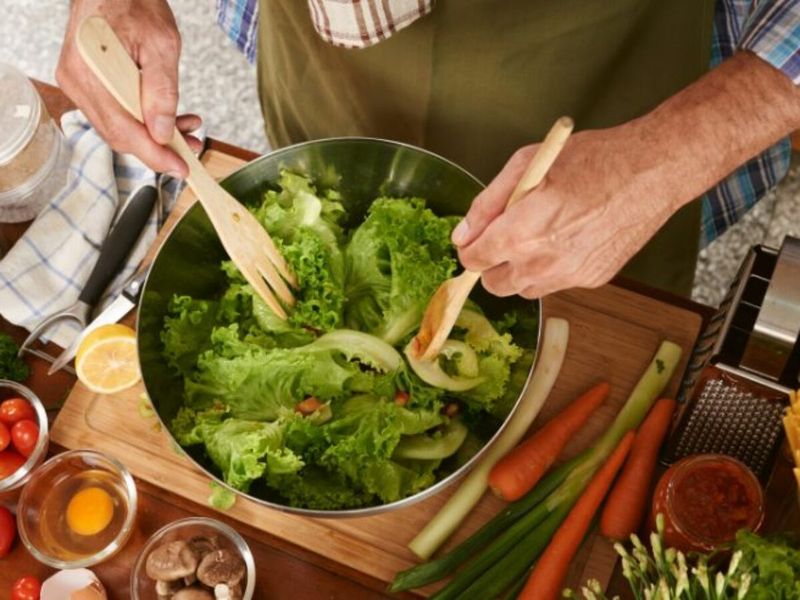
Pre-packaged meals and snacks might be convenient, but they come wrapped in layers of plastic and often travel ridiculous distances before landing in your trolley.
Cooking from scratch with whole ingredients slashes packaging waste and gives you control over what goes into your body. Even swapping ready meals for simple dishes like pasta with fresh tomatoes or a jacket potato with beans makes a difference.
You'll save cash too, since you're not paying for fancy packaging and marketing.
7. Switch To Reusable Shopping Bags, Bottles, And Containers
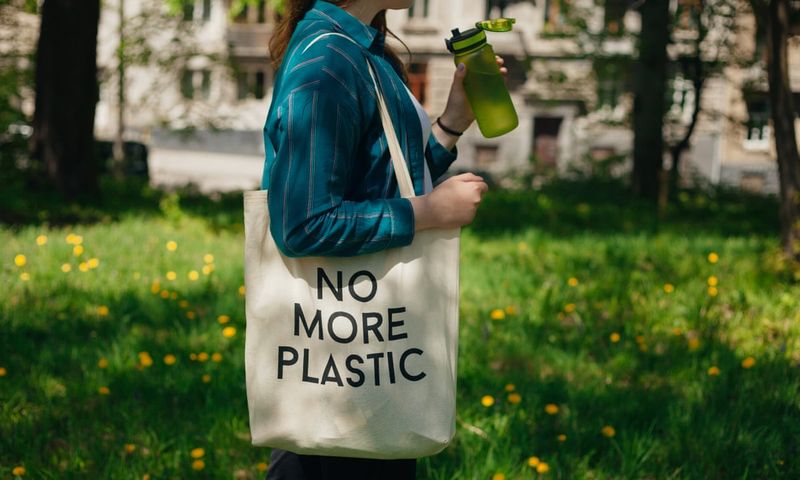
Single-use plastic is everywhere, but ditching it is easier than you'd think. Keeping a few cloth bags in your car or handbag means you're never caught out at the checkout.
Reusable water bottles and coffee cups are no-brainers, and many shops now let you bring your own containers for things like cheese, meat, or bulk goods. It feels a bit odd at first, but once it becomes habit, you'll wonder why you ever bothered with disposable stuff.
8. Grow Your Own Herbs, Fruit, Or Vegetables At Home
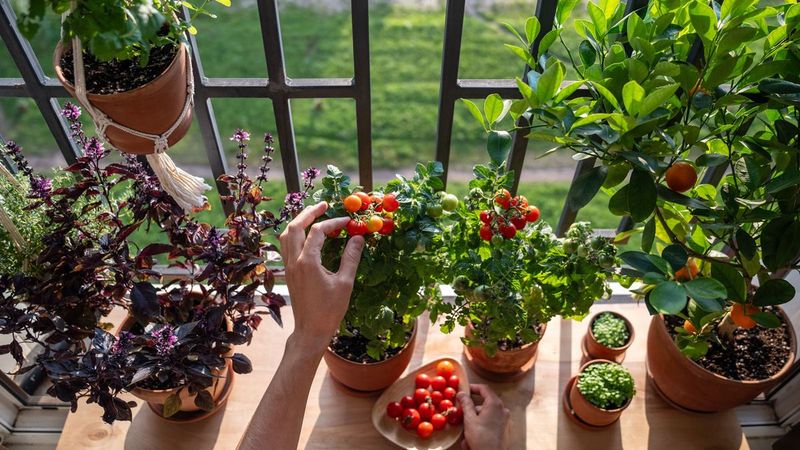
You don't need a massive garden or green fingers to grow a bit of your own food. Even a sunny windowsill can host a pot of basil or mint that'll save you a fortune on supermarket herbs.
Tomatoes, salad leaves, and runner beans all grow happily in containers if you've got a balcony or patio. Growing your own cuts food miles to basically zero, tastes incredible, and gives you a proper sense of achievement.
Plus, kids love watching things sprout and grow.
9. Cook More Plant-Based Meals Each Week Without Cutting Meat Entirely
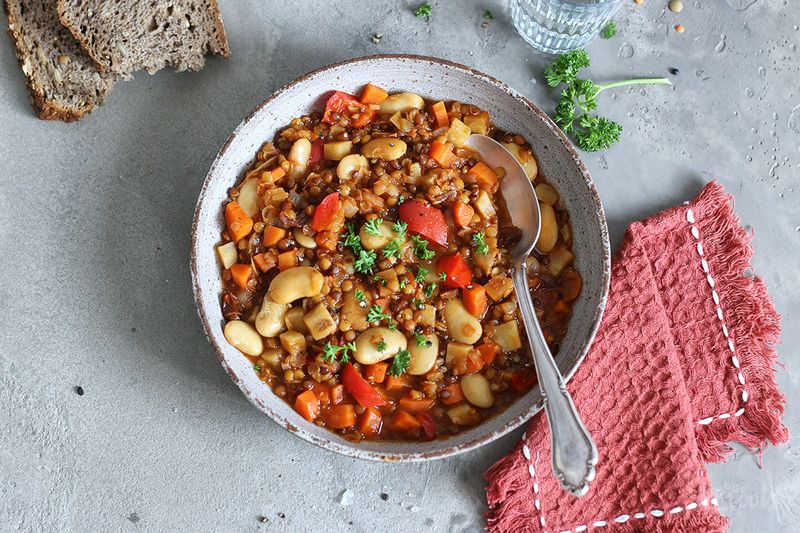
Going meat-free a couple of nights a week doesn't mean you're signing up for a lifetime of bland salads. Plant-based meals can be proper comfort food – think hearty lentil stews, veggie curries, or mushroom risottos.
Pulses, beans, and whole grains are cheap, filling, and have a fraction of the environmental impact of meat. Even swapping mince for lentils in a Bolognese or chilli works brilliantly.
You might surprise yourself with how easy and tasty it is.
10. Compost Food Scraps Instead Of Sending Them To Landfill
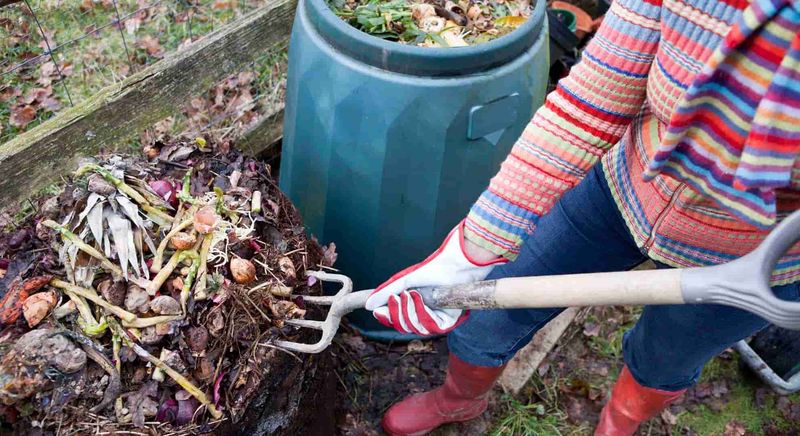
When food waste ends up in landfill, it produces methane – a greenhouse gas far worse than carbon dioxide. Composting those peelings and scraps turns them into nutrient-rich soil instead.
Many councils now offer food waste collections, but setting up a compost bin in your garden is dead easy too. Even if you're in a flat, countertop composters or wormeries are a thing. Your plants will love the free fertilizer, and you'll feel smug knowing you're keeping rubbish out of the bin.