













Pancakes are one of the most beloved foods in the world, but not every country makes them the same way. From crispy crepes in France to spongy injera in Ethiopia, each culture puts its own delicious spin on this simple dish.
The ingredients, cooking methods, and toppings can be wildly different depending on where you are. Get ready to take a tasty trip around the world through the wonderful world of pancakes!
United States: Classic Buttermilk Pancakes
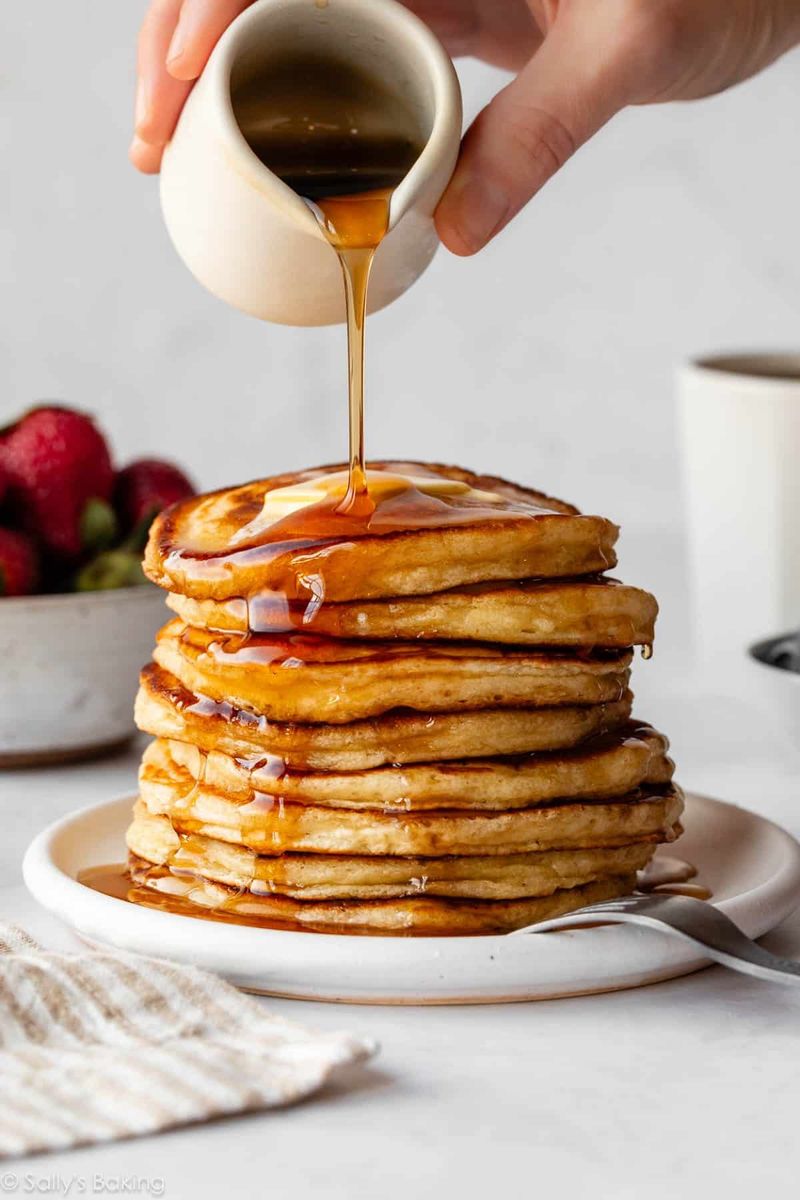
Nothing says Sunday morning in America quite like a towering stack of fluffy buttermilk pancakes. The secret to their cloud-like texture is the reaction between buttermilk and baking soda, which creates tiny air bubbles throughout the batter.
They are cooked on a greased griddle until golden brown on both sides. Maple syrup, fresh berries, and whipped butter are the classic toppings.
American pancakes are thick, soft, and slightly tangy, making every bite feel like a warm hug.
France: Thin and Elegant Crepes
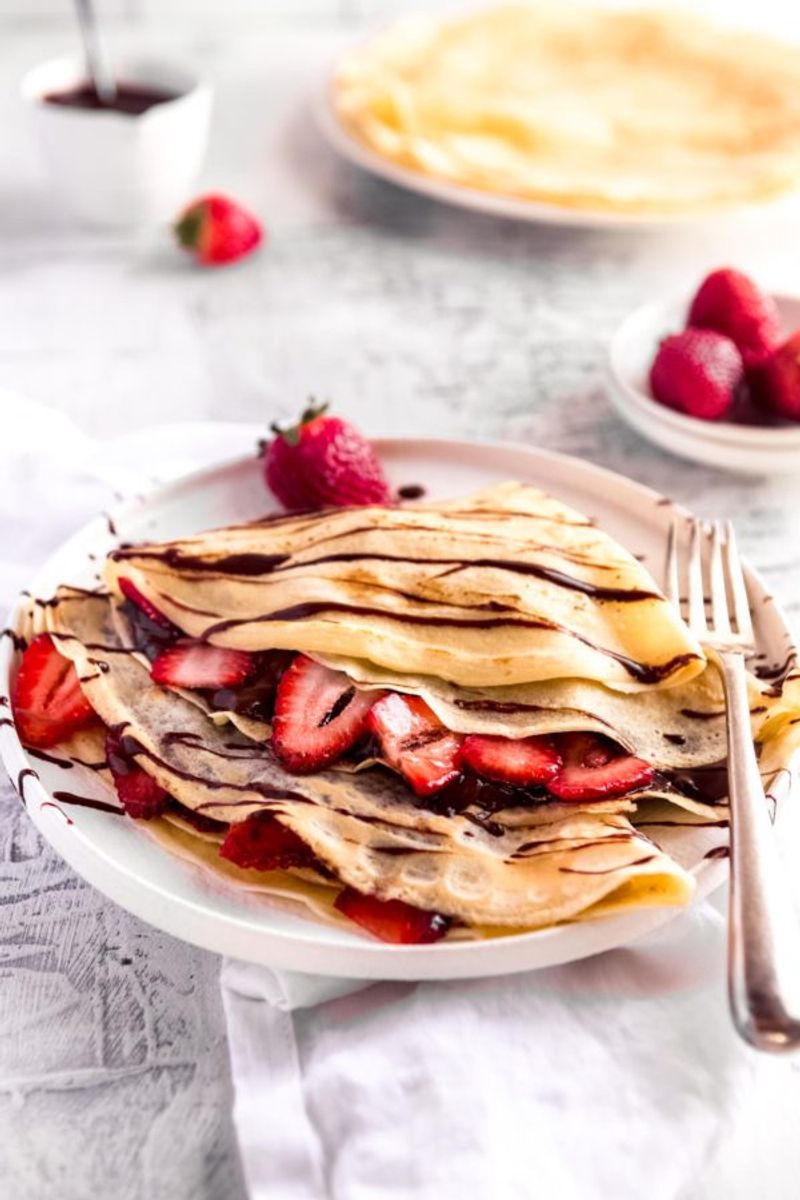
French crepes are so thin you can almost see through them, and that is exactly the point. Made from a simple batter of flour, eggs, milk, and butter, the batter is poured into a hot pan and swirled around to create an ultra-thin layer.
Crepes can be sweet or savory. Sweet ones are filled with Nutella, jam, or whipped cream, while savory versions called galettes are stuffed with ham and cheese.
Street vendors selling crepes are a beloved sight all across France.
Ethiopia: Spongy Injera Flatbread
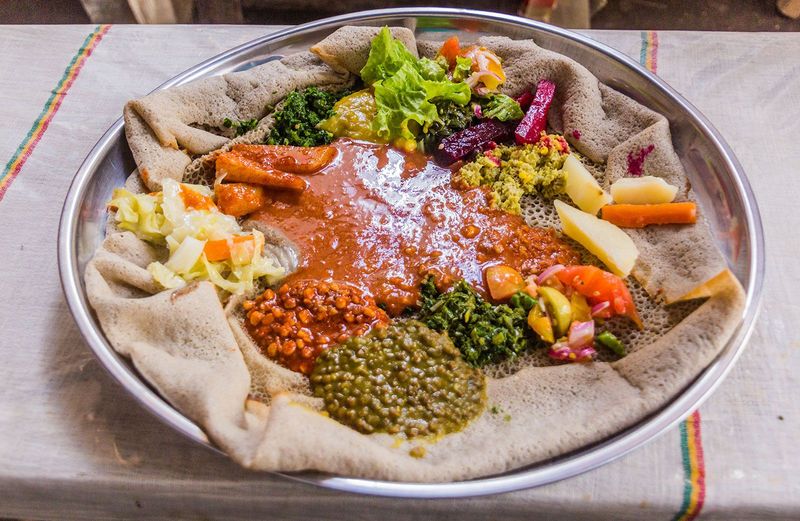
Injera is not your typical pancake, but it absolutely counts as one. Made from fermented teff flour, this Ethiopian staple has a sour, tangy flavor and a spongy, bubbly texture that acts like an edible plate.
Stews, lentils, and vegetables are piled right on top of the injera, and you tear off pieces to scoop up the food. The fermentation process takes a couple of days, giving injera its signature taste.
Sharing a large injera is a symbol of togetherness in Ethiopian culture.
Japan: Fluffy Souffl te Pancakes
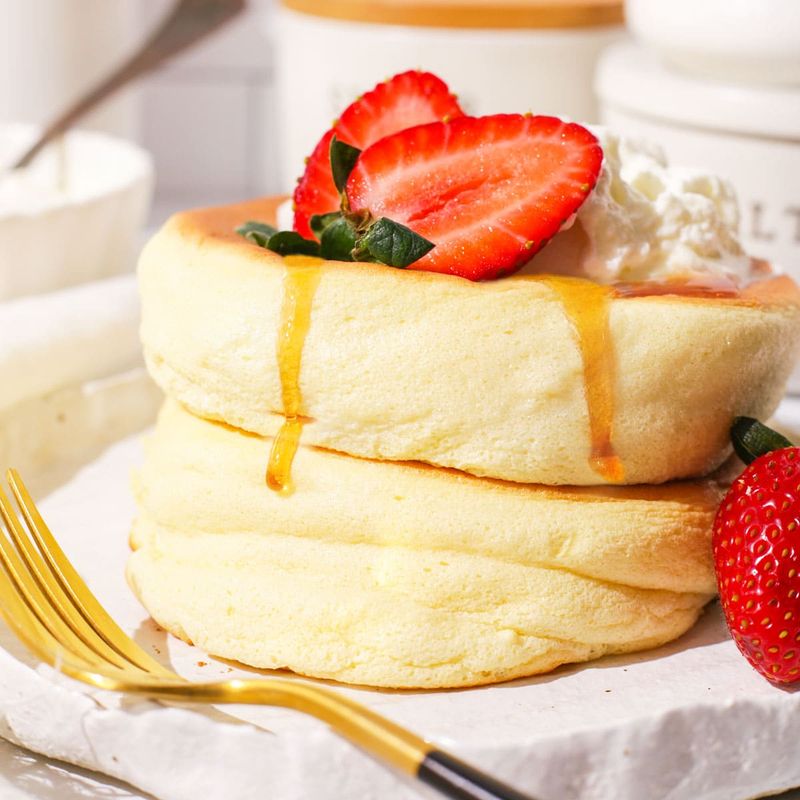
Japanese souffle pancakes are almost too pretty to eat. Standing several inches tall and jiggling like jelly, these pancakes are a social media sensation that originated in Tokyo cafes.
The magic behind their height is whipped egg whites folded carefully into the batter.
They are cooked slowly over low heat with a lid on to help them rise without falling. The result is an incredibly light, melt-in-your-mouth texture.
Topped with fresh fruit and cream, they are as delicious as they are photogenic.
Russia: Buttery Blini with Sour Cream
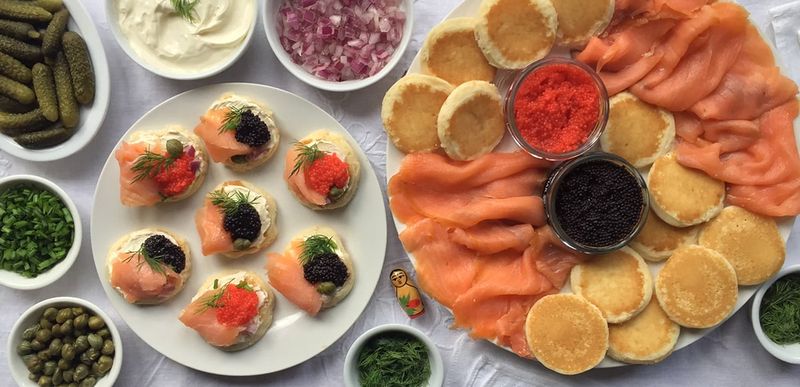
Blini have been part of Russian culture for centuries, originally made to celebrate the end of winter during a festival called Maslenitsa. These small, thin pancakes are made with yeast or baking powder, giving them a slightly chewy texture compared to French crepes.
Blini are traditionally served with sour cream, smoked salmon, or caviar. They can also be enjoyed sweet with honey or jam.
The combination of rich toppings and soft pancakes makes blini one of Russia's most treasured comfort foods.
India: Sweet Malpua Pancakes
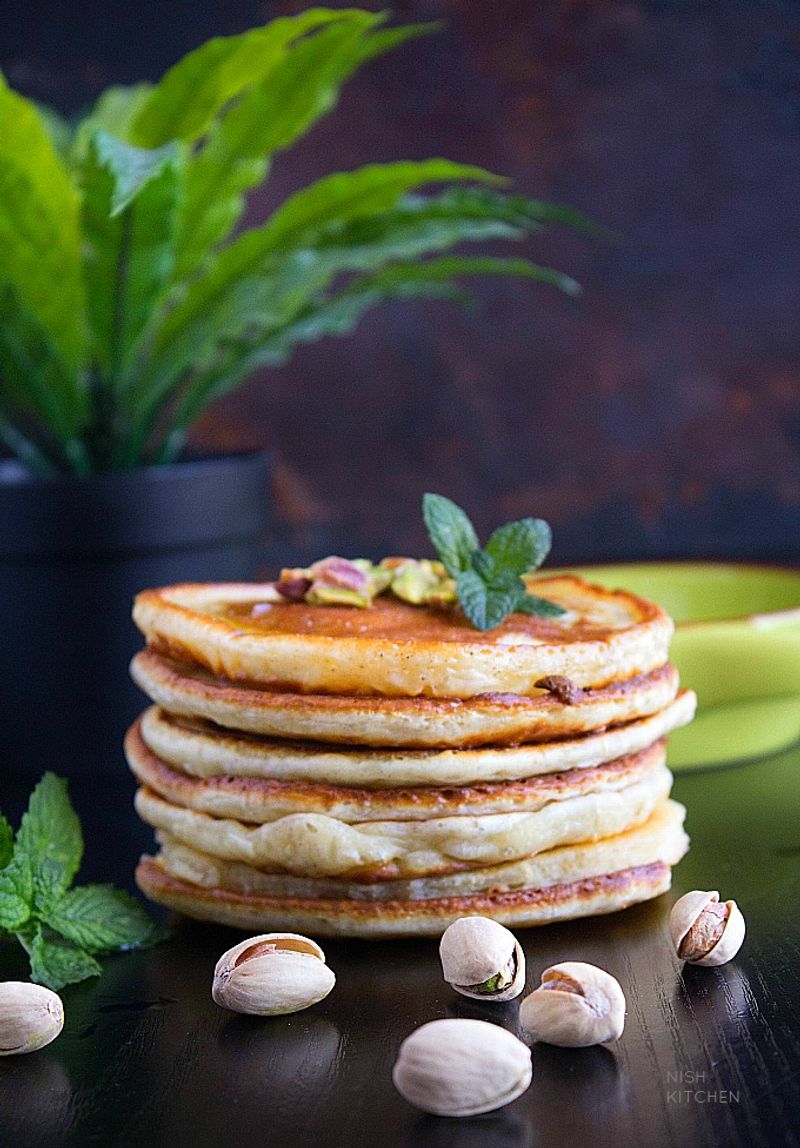
Malpua is the festive pancake of India, often made during celebrations like Holi and Eid. The batter combines flour, mashed banana or khoya, milk, and a pinch of fennel seeds, giving it a uniquely fragrant flavor.
Each pancake is deep-fried in ghee until crispy on the edges, then soaked in warm sugar syrup infused with cardamom and saffron. The result is a sweet, syrupy treat that practically melts on your tongue.
Garnished with pistachios, malpua is as festive-looking as it tastes.
Netherlands: Poffertjes Mini Pancakes
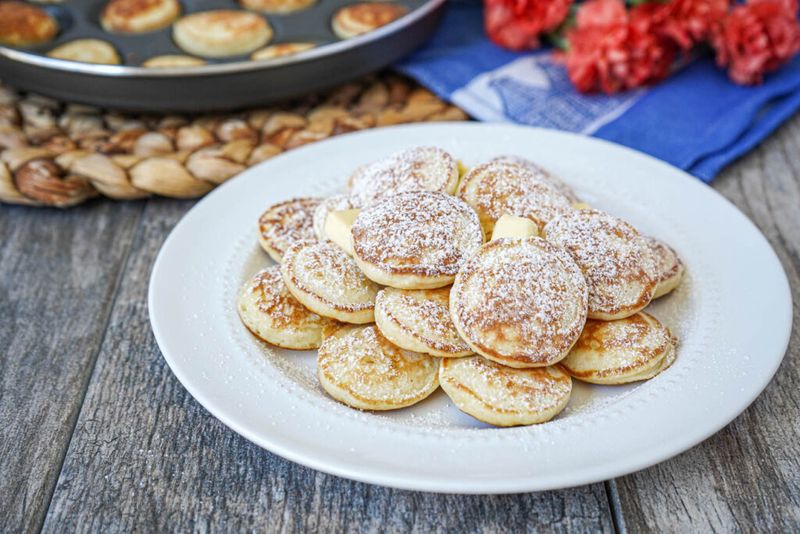
Poffertjes are the adorable mini pancakes of the Netherlands, and they are absolutely irresistible. Made in a special cast-iron pan with small round molds, these bite-sized puffs get their light, airy texture from yeast and buckwheat flour in the batter.
Street vendors at Dutch markets serve them piping hot, dusted generously with powdered sugar and a generous knob of butter melting right on top. They are a staple at festivals and fairs across the Netherlands.
One plate is never quite enough when poffertjes are around.
South Korea: Savory Pajeon Scallion Pancakes
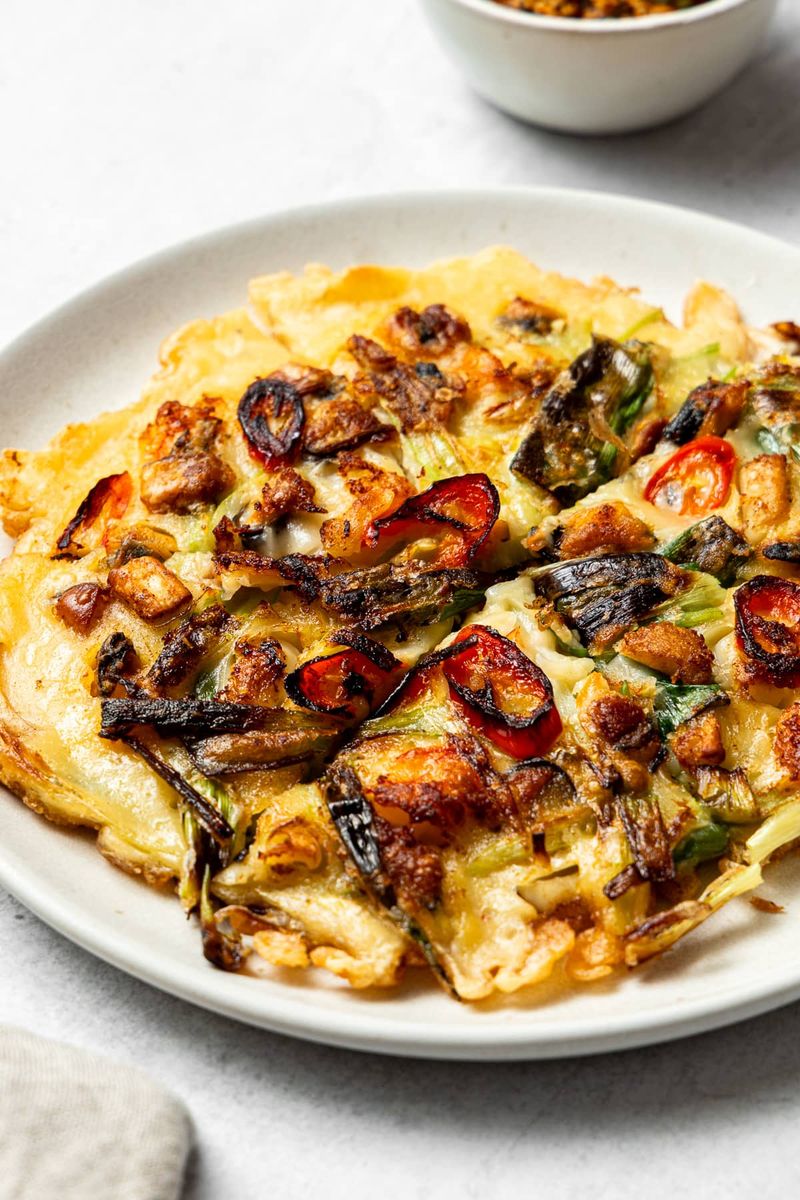
Pajeon is proof that pancakes do not have to be sweet to be spectacular. This Korean savory pancake is packed with green onions and often mixed with seafood like shrimp or squid.
The batter is simple, but the fillings make it extraordinary.
Cooked until the outside is wonderfully crispy and the inside stays chewy, pajeon is best dipped in a tangy soy and sesame sauce. Koreans often make pajeon on rainy days, as the sizzling sound of the batter hitting the pan sounds just like falling rain.
Morocco: Honeycomb Msemen Flatbread
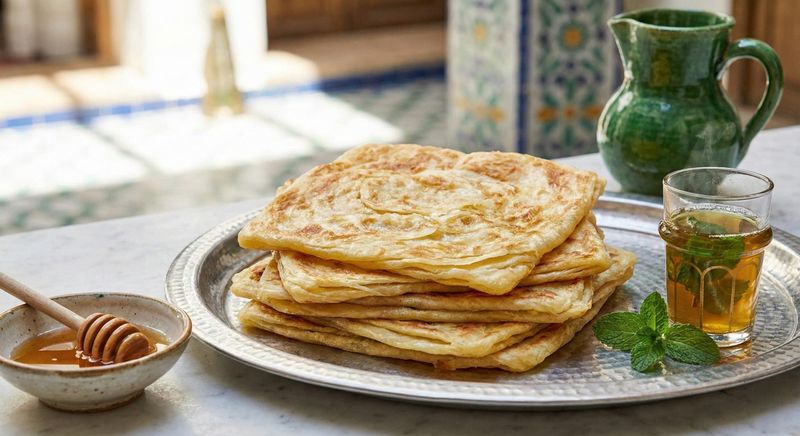
Msemen looks more like a folded flatbread than a traditional pancake, but the cooking process puts it firmly in pancake territory. Made from semolina and flour, the dough is stretched, folded with butter and oil, then pan-fried until golden and flaky.
The layers create a wonderfully chewy texture with crispy edges. Moroccans enjoy msemen for breakfast, drizzled with honey and argan oil alongside a glass of sweet mint tea.
Every fold in the dough traps flavor, making each bite richer than the last.
Sweden: Thin Pannkakor Pancakes
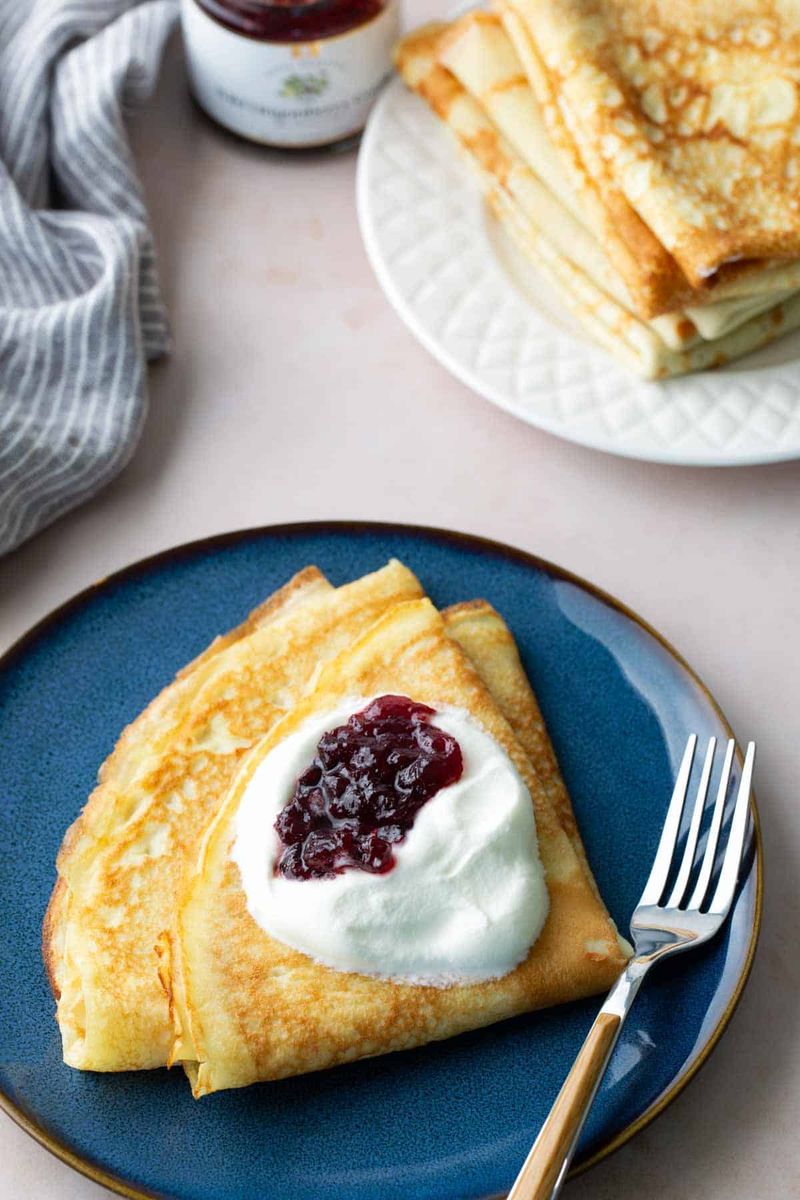
Swedish pannkakor are similar to French crepes but have a slightly richer, eggier flavor. Traditionally eaten on Thursdays alongside pea soup, this quirky pairing has been a Swedish custom since the Middle Ages.
The batter is made with flour, eggs, milk, and a touch of sugar.
Cooked in a buttered pan until lightly golden, pannkakor are rolled or folded and filled with strawberry jam and whipped cream. They are light, delicate, and wonderfully satisfying.
The Thursday tradition continues in schools and restaurants across Sweden to this day.
China: Scallion Cong You Bing Pancakes
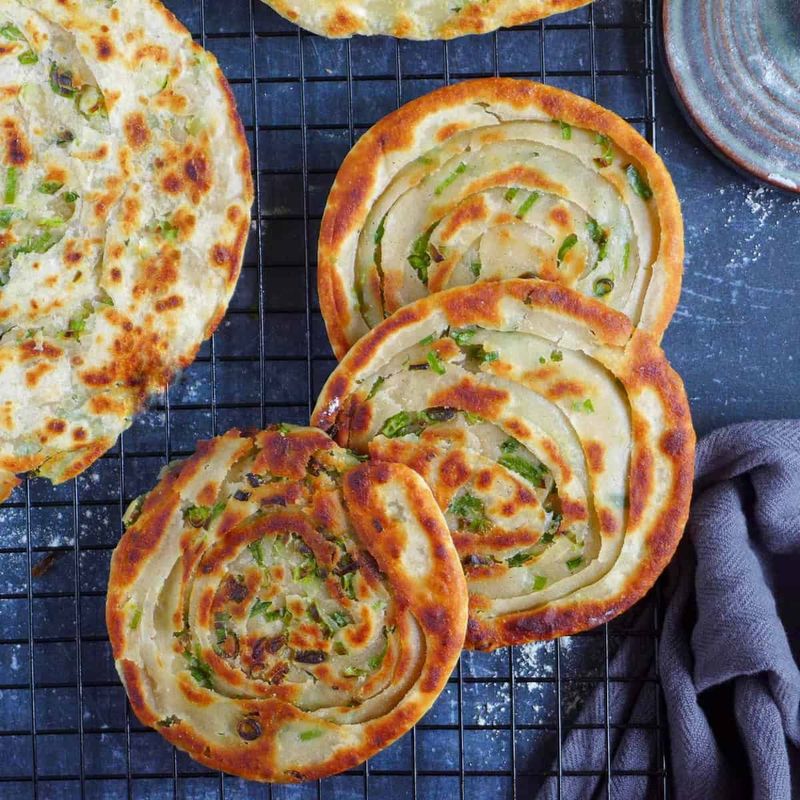
Cong you bing, or scallion pancakes, are a street food staple found all across China. Unlike most pancakes, these are made from dough rather than batter, which gives them their signature flaky, layered texture.
Green onions are rolled right into the dough before cooking.
The pancake is pan-fried in oil until each layer becomes golden and slightly crispy. The result is a chewy, savory, and aromatic treat that pairs perfectly with soy dipping sauce.
Street vendors sell them fresh and hot throughout the morning hours.
Mexico: Thick Gorditas Corn Pancakes
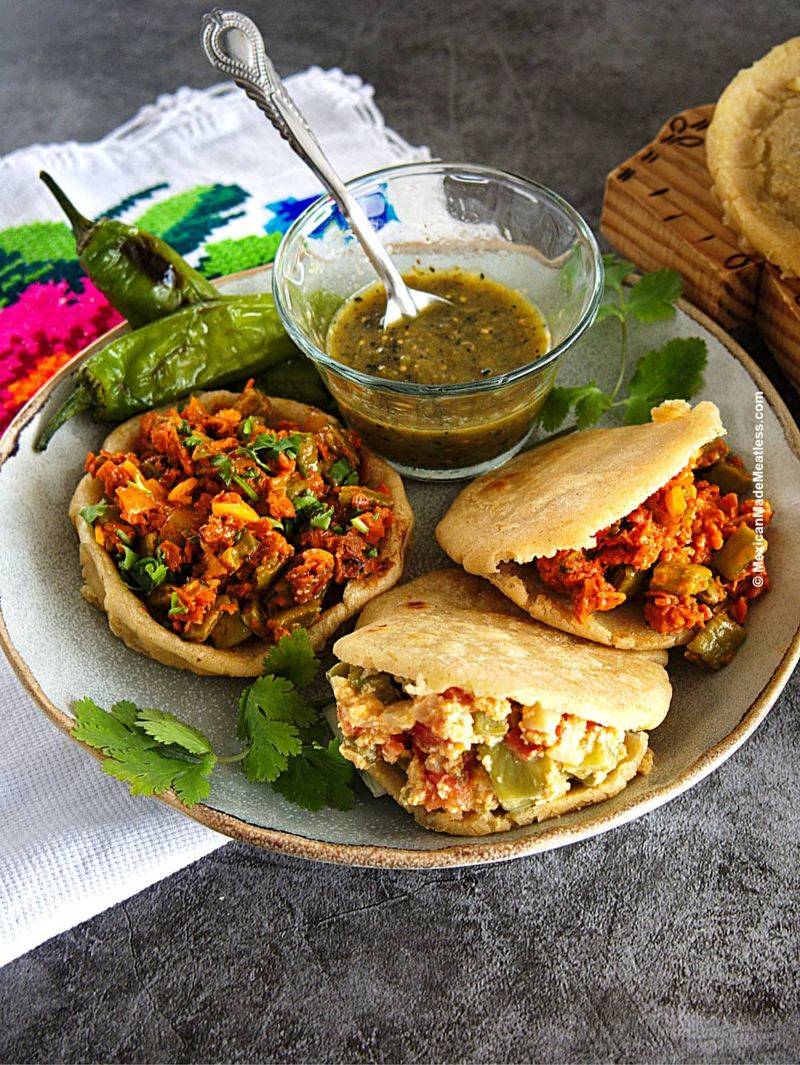
Gorditas literally means little fat ones in Spanish, and these thick corn masa pancakes fully live up to the name. Made from masa harina, water, and salt, gorditas are patted into thick rounds and cooked on a dry comal until puffed and slightly charred.
Once cooked, they are split open like a pocket and stuffed with beans, cheese, salsa, or meat. Every region of Mexico has its own preferred filling.
They are hearty, filling, and packed with the warm, earthy flavor of corn that is impossible to resist.
Vietnam: Crispy Banh Xeo Sizzling Pancakes
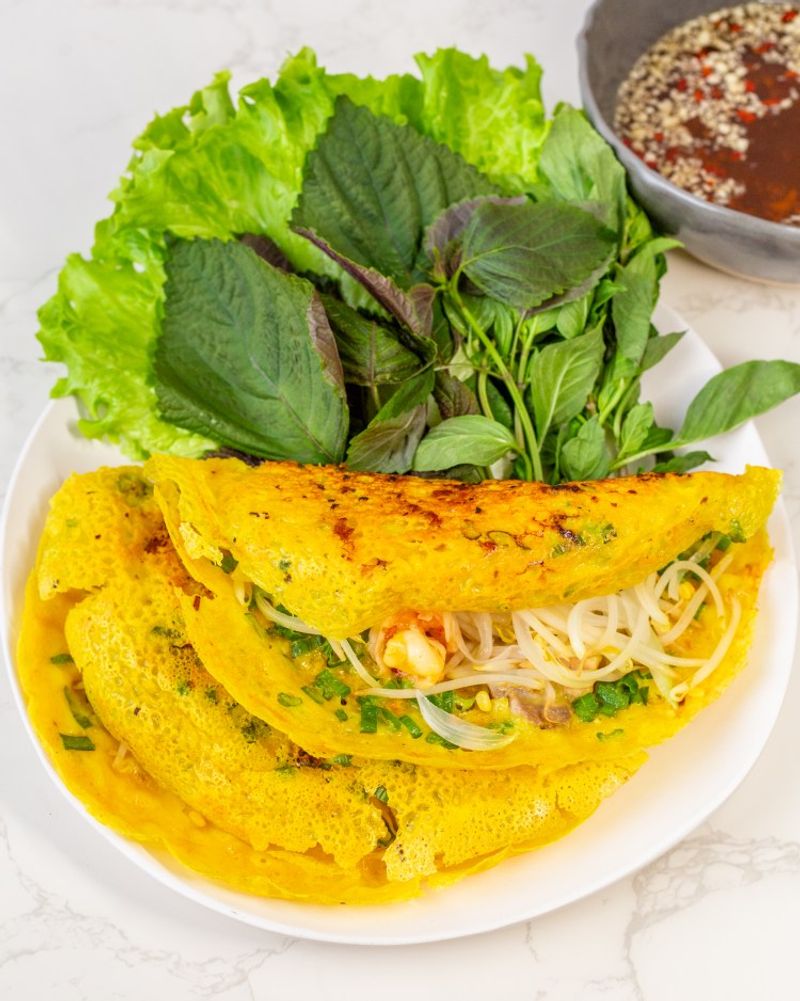
The name banh xeo literally translates to sizzling cake, named after the dramatic hissing sound the batter makes when it hits the hot pan. Made from rice flour, coconut milk, and turmeric, the batter creates a vibrant yellow, paper-thin crepe.
Shrimp, pork slices, and crunchy bean sprouts are folded inside. To eat it, you wrap pieces in lettuce leaves with fresh herbs and dip everything into a tangy fish sauce.
The contrast of crispy, soft, fresh, and savory makes banh xeo an unforgettable experience.
Scotland: Thick Drop Scones Pancakes
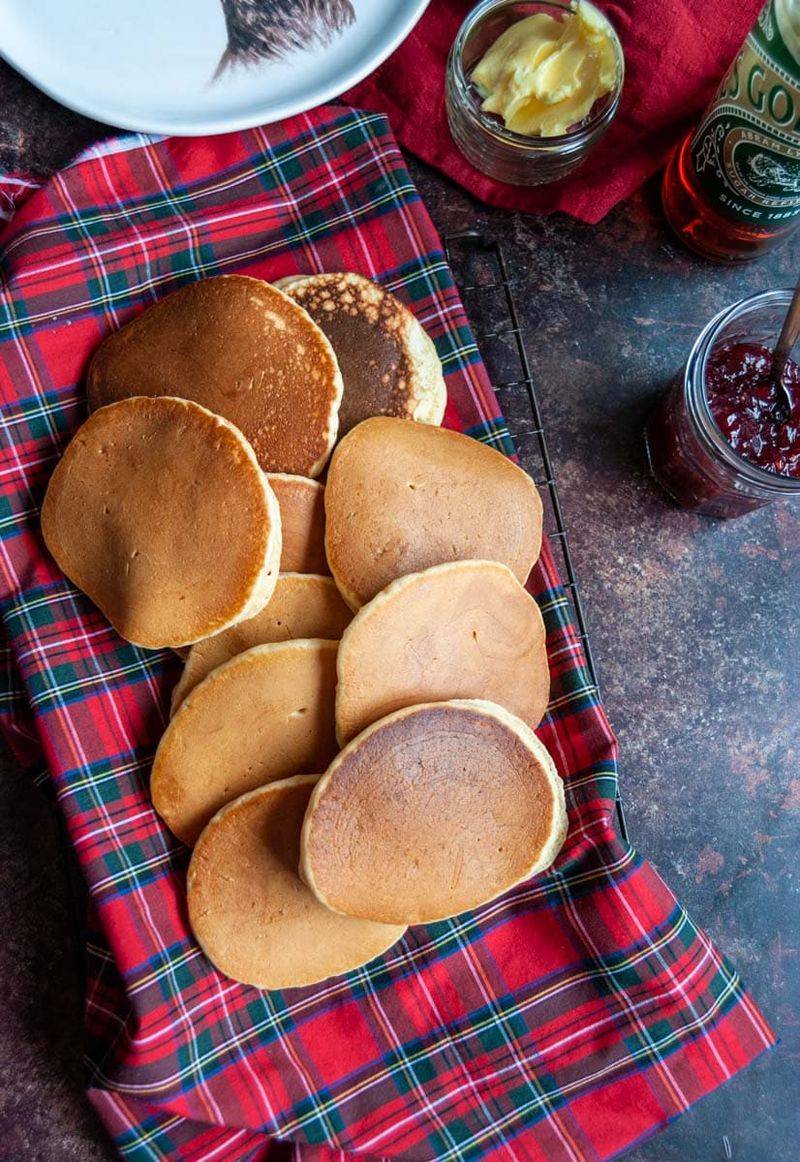
Scottish drop scones, sometimes called Scotch pancakes, are smaller and thicker than American pancakes but share that same warm, satisfying quality. The batter includes flour, eggs, sugar, buttermilk, and baking powder, creating a slightly sweet and dense texture.
They are dropped by spoonfuls onto a hot griddle, which is actually how they got their name. Served warm with butter and jam, they are a staple of Scottish afternoon teas.
Queen Elizabeth II reportedly shared her personal drop scone recipe with President Eisenhower back in 1959.
Australia: Pikelets with Jam and Cream
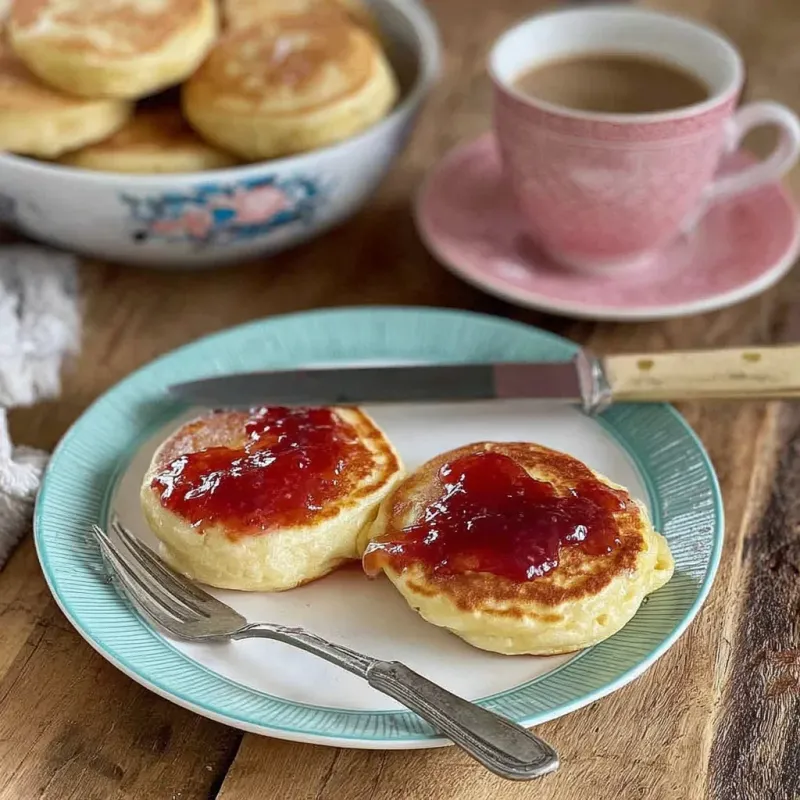
Pikelets are Australia's answer to the small, fluffy pancake, and they have been a teatime favorite Down Under for generations. Slightly smaller than an American pancake, pikelets are made with self-raising flour, eggs, sugar, and milk for a light, tender crumb.
They cook up quickly on a hot pan and are served at room temperature, making them perfect for afternoon tea spreads. A smear of cream and a spoonful of strawberry jam on top is the classic finishing touch.
Simple, cheerful, and endlessly snackable, pikelets are pure Australian comfort.

Comments
No Comments