













We've all been there – standing in the kitchen, staring at a culinary disaster and wondering where it all went wrong.
Cooking mishaps happen to everyone, but some foods are particularly prone to preparation blunders. Understanding common cooking mistakes can transform your meals from disappointing to delicious.
1. Pasta Pitfalls
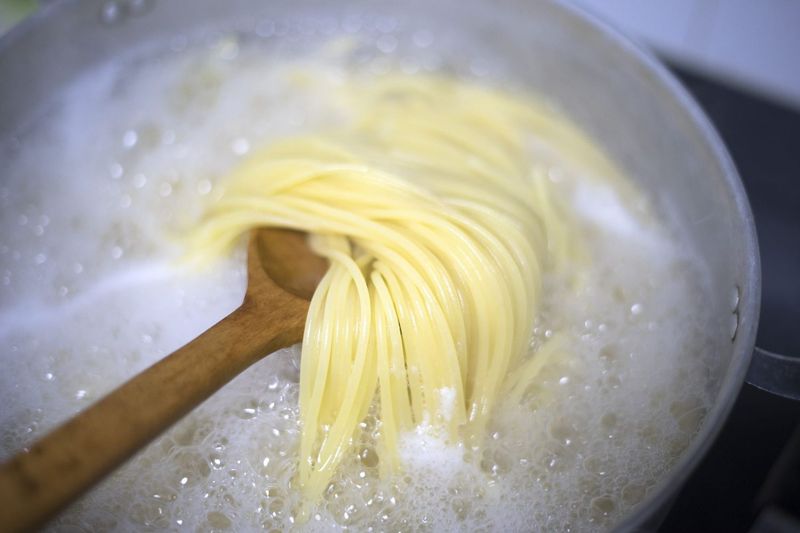
Cooking pasta seems straightforward until you're faced with a gluey, stuck-together mess. Using too little water in a cramped pot guarantees clumpy, starchy noodles.
Never add oil to pasta water – it creates a slick coating that prevents sauce from clinging properly. Stirring occasionally prevents sticking, while saving some starchy cooking water helps bind sauce beautifully to your pasta.
2. Rubbery Scrambled Eggs
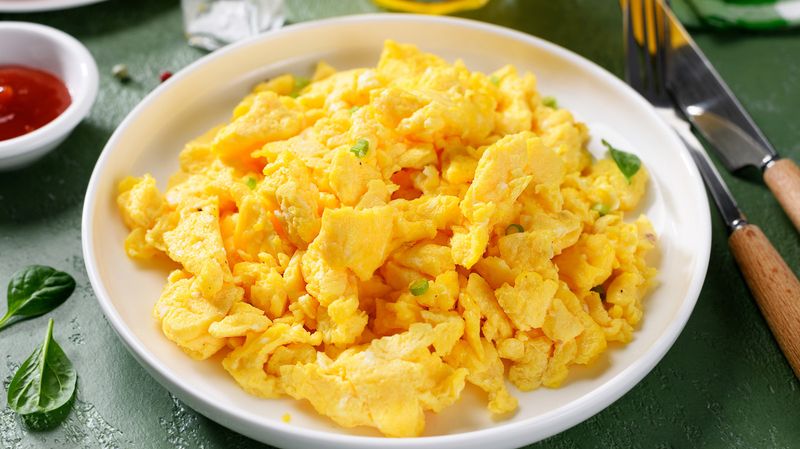
Those perfect, fluffy scrambled eggs from your favourite café seem impossible to recreate at home because you're likely making crucial mistakes. High heat transforms eggs into a rubbery, unappetizing texture.
Cold eggs straight from the fridge cook unevenly. For creamy, delectable results, let eggs reach room temperature first and cook them slowly over medium-low heat with gentle folding rather than aggressive stirring.
3. Sunny-Side Slip-Ups
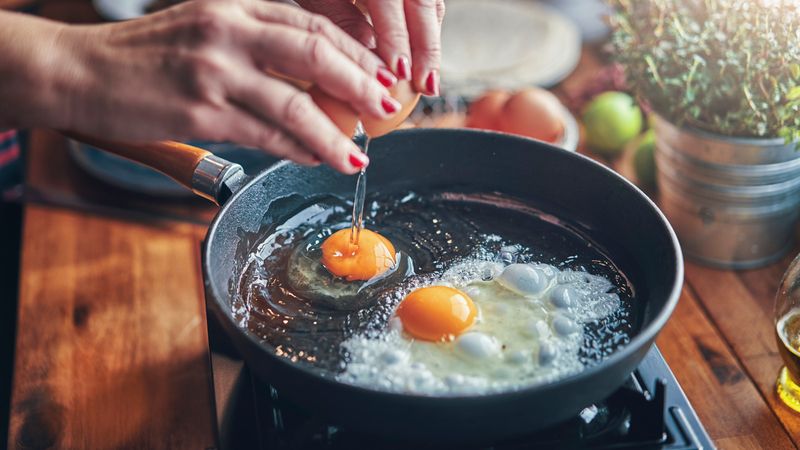
Cracking eggs directly on your bowl's rim might seem efficient, but it increases the risk of shell fragments and bacterial contamination. Always crack eggs on a flat surface instead.
Cold eggs from the refrigerator often stick to pans and cook unevenly. Allow eggs to warm slightly before frying, and ensure your pan is properly heated with an appropriate fat to prevent the frustration of eggs welded to your cookware.
4. Rice Reheating Risks
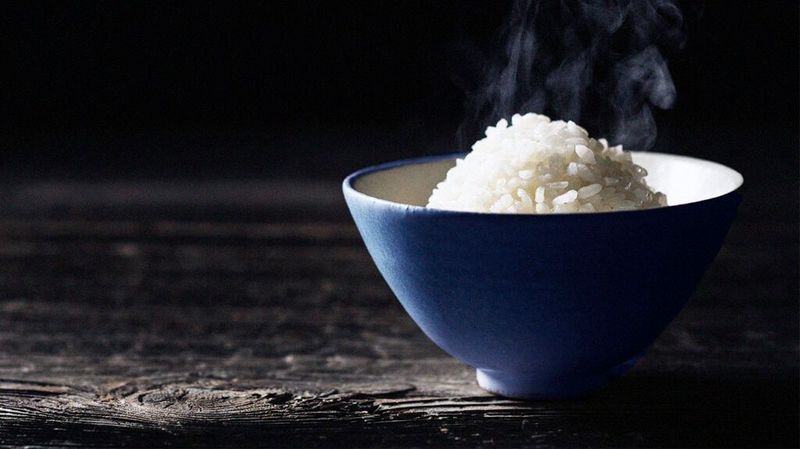
That innocent bowl of leftover rice could be harboring dangerous bacteria. Rice contains Bacillus cereus spores that survive cooking and multiply rapidly at room temperature, producing toxins that cause food poisoning.
Never leave cooked rice sitting out for extended periods. Cool it quickly, refrigerate within an hour, and reheat thoroughly only once to keep your meals safe and delicious rather than potentially dangerous.
5. Potato Perils
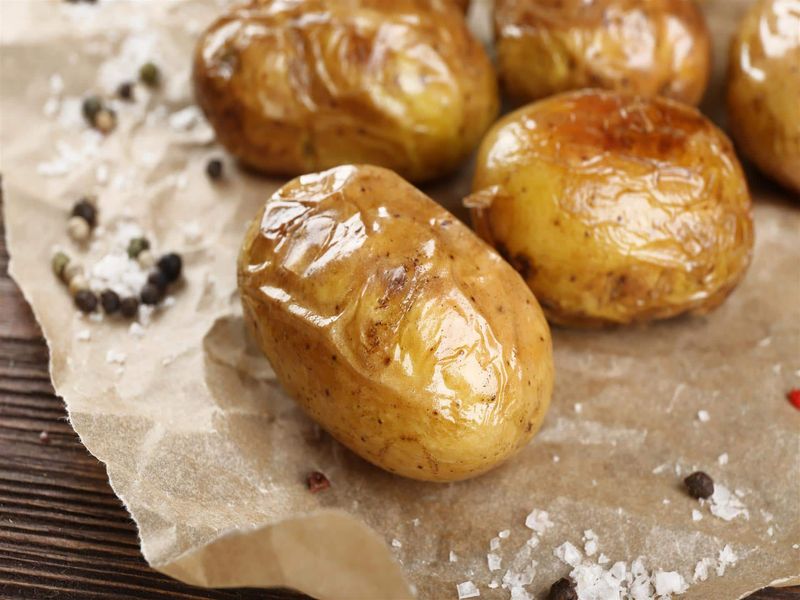
Those leftover spuds might be hiding a serious health risk. Improperly cooled and reheated potatoes can harbor Clostridium botulinum, the bacterium responsible for botulism poisoning.
After cooking, store potatoes in shallow, sealed containers and refrigerate promptly. When reheating, ensure they reach steaming hot temperatures throughout to destroy any toxins that may have developed during storage.
6. Mushroom Mishandling
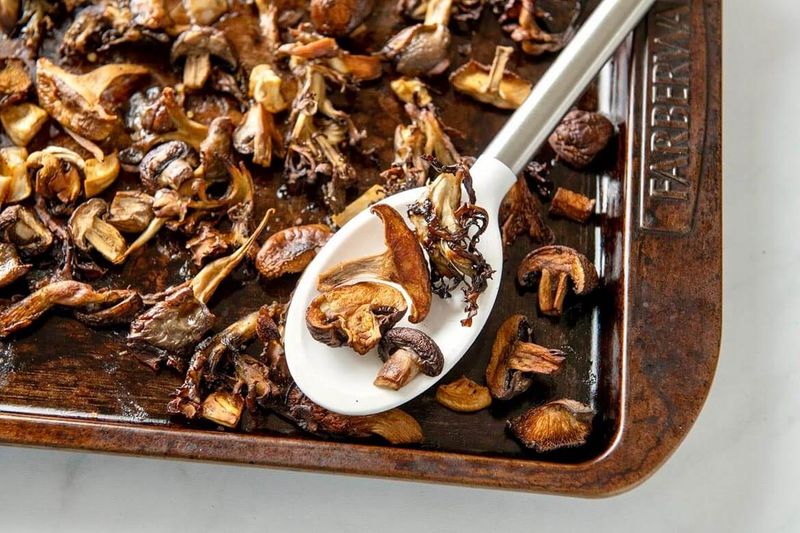
Mushrooms undergo peculiar protein changes when reheated, making them harder to digest and altering their pleasing texture. The first cooking breaks down cell walls and releases moisture.
When reheated, these already-altered proteins change further, creating an unpleasant rubbery consistency. For best results, cook only the amount of mushrooms you plan to eat immediately, or incorporate leftover cooked mushrooms into cold dishes like salads.
7. Greens Gone Wrong
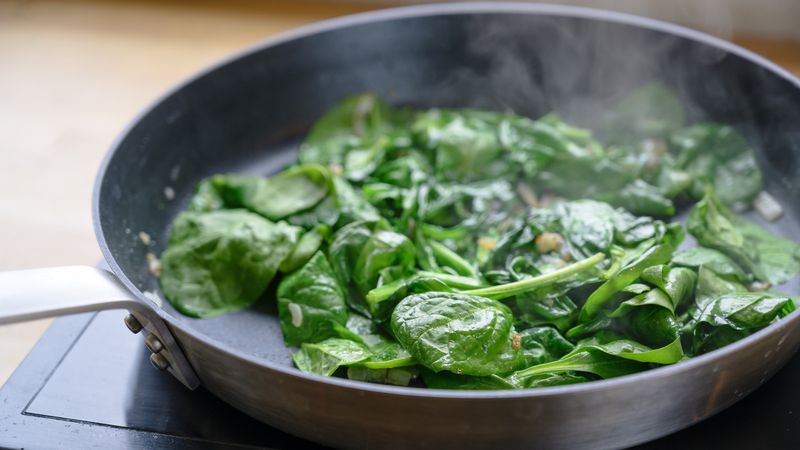
Spinach, kale and other leafy greens contain naturally occurring nitrates that convert to nitrites when reheated. While harmless for most adults, these compounds can be problematic for pregnant women and young children.
The safest approach? Cook only what you'll consume immediately. If you must save leftovers, use them cold in salads or smoothies rather than reheating them to preserve both nutritional value and reduce potential health concerns.
8. Pizza Reheating Regrets
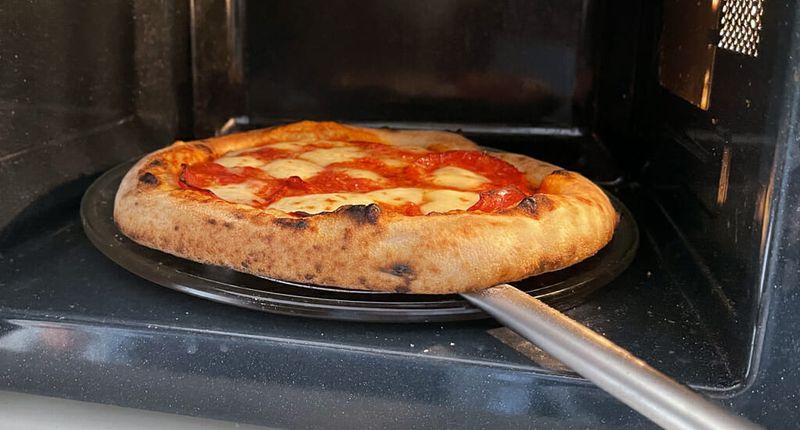
Microwaving leftover pizza transforms crispy crust into a disappointing, soggy disappointment while creating uneven cheese melting. The microwave's moisture-creating heat ruins the texture that made your pizza delicious originally.
For superior results, reheat pizza in a hot oven, air fryer, or even a dry frying pan. These methods restore crispness to the base while gently remelting cheese without creating the dreaded rubbery texture.
9. Deep Frying Dangers
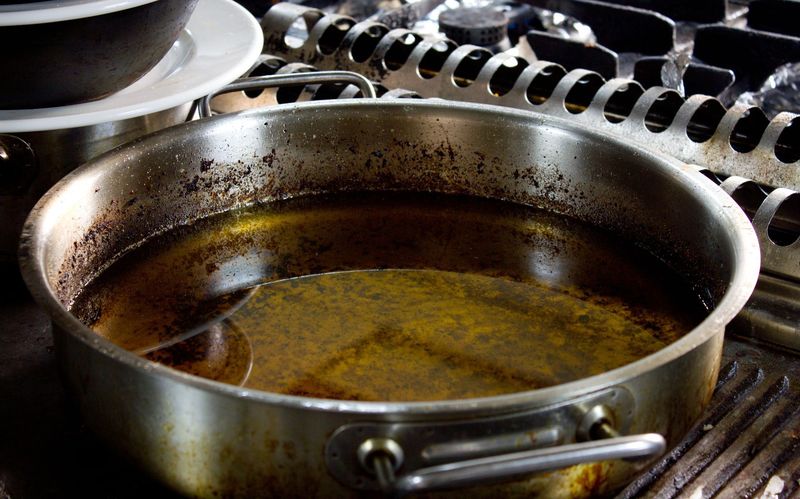
Reusing oil repeatedly for deep frying creates harmful oxidized compounds and trans fats linked to inflammation and heart disease. Each reheating cycle degrades the oil further, increasing these dangerous compounds.
Overheating oil produces acrylamide and other carcinogenic substances. For safer frying, use fresh oil heated to the proper temperature, discard it after 2-3 uses, and avoid allowing it to smoke, which indicates dangerous chemical changes.
10. Meat Mistreatment
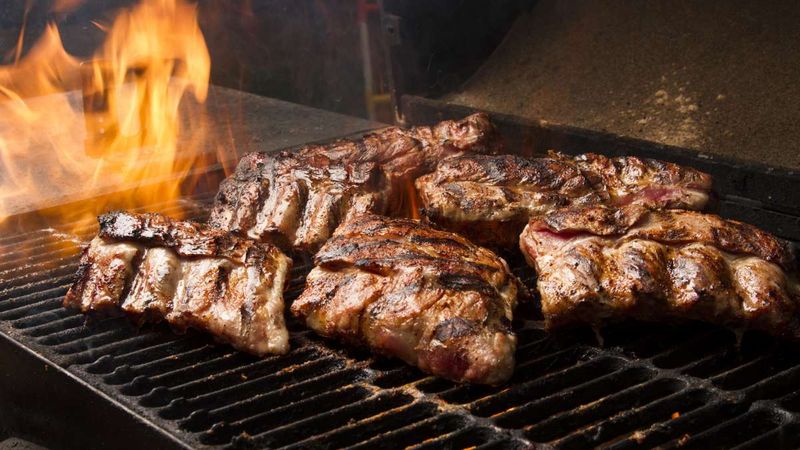
Heavily charring meat creates heterocyclic amines (HCAs) and polycyclic aromatic hydrocarbons (PAHs) – compounds associated with increased cancer risk. These form when proteins and fats react at extremely high temperatures.
Marinating meat before cooking can reduce these harmful compounds by up to 90%. Always rest meat after cooking too – slicing immediately allows precious juices to escape, resulting in drier, less flavourful results.
11. Stir-Fry Stuffing
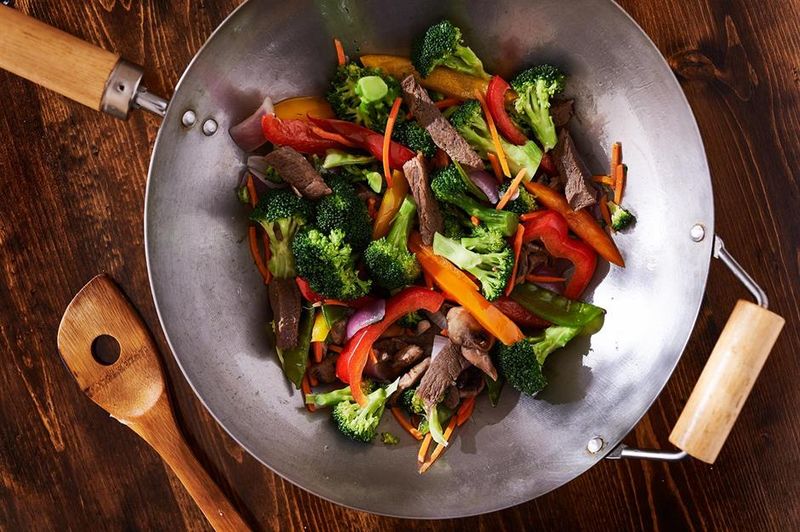
Overcrowding your wok or pan with vegetables is a common stir-fry blunder that ruins the distinctive texture that makes this cooking method special. Too many ingredients lower the pan's temperature dramatically.
Instead of quick searing with the desirable Maillard reaction, you'll end up steaming your vegetables in their own released moisture. Cook in small batches, maintaining high heat for crisp-tender vegetables with beautiful caramelization.
12. Non-Stick Nastiness
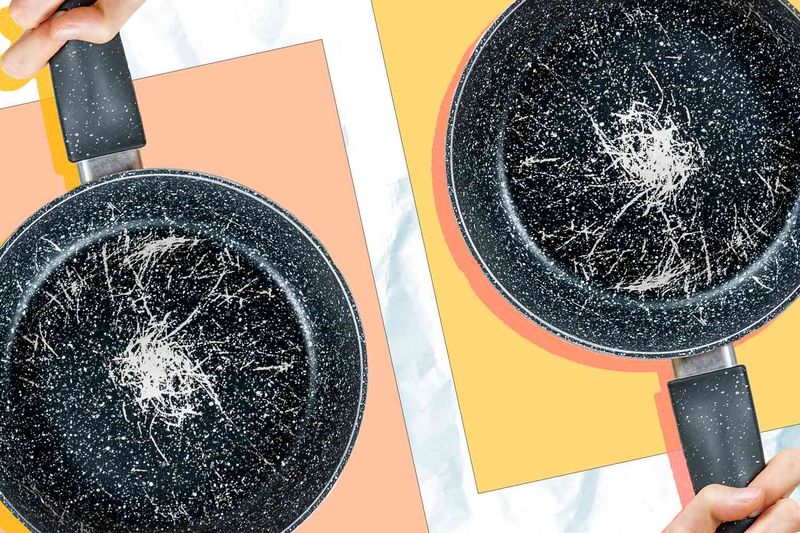
Heating empty non-stick pans or using metal utensils can release toxic perfluoroalkyl substances (PFAS) linked to hormone disruption and other health concerns. These chemicals begin to break down at temperatures above 260°C.
Scratched coatings compound the problem by releasing more chemicals into food. Switch to safer alternatives like ceramic, cast iron, or stainless steel cookware, especially for high-heat cooking methods.
13. Oil Overload
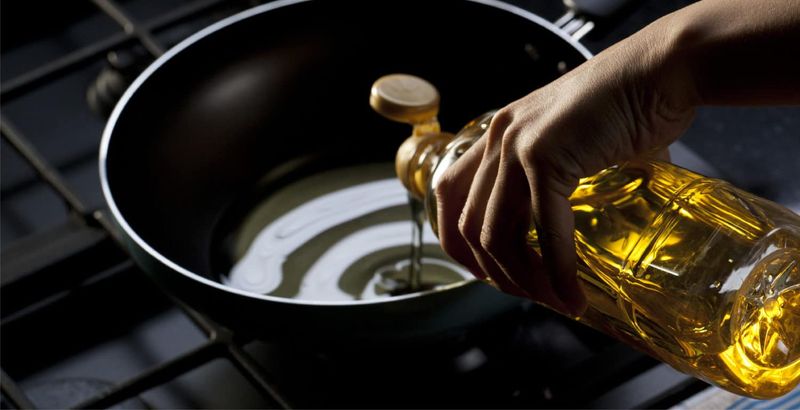
Relying on low-quality vegetable oils provides little nutritional value while potentially introducing excessive omega-6 fatty acids, which can promote inflammation when consumed in large amounts. Many processed oils undergo extensive refinement that strips away beneficial compounds.
Measuring oil carelessly adds unnecessary calories – just one tablespoon contains approximately 120 calories. Choose high-quality oils appropriate for your cooking method, and use them sparingly for both health and flavour benefits.
14. Cast Iron Carelessness
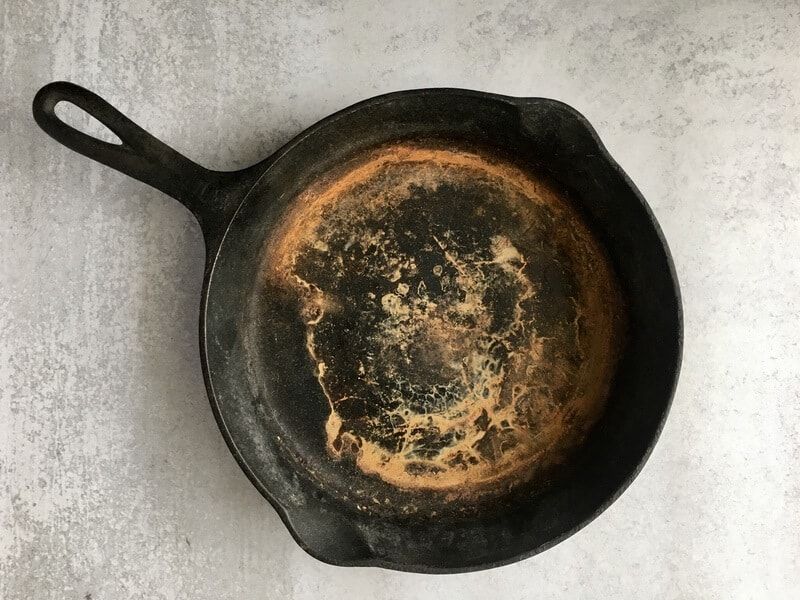
That beautiful cast iron pan becomes a liability when improperly maintained. Skipping proper cleaning and seasoning leads to rust formation and potential bacterial growth in food residue.
Never soak cast iron or clean it with harsh detergents that strip away its protective seasoning. After use, clean with hot water and a stiff brush, dry thoroughly, and apply a thin layer of oil before storage to maintain its naturally non-stick surface.
15. Meal Prep Mistakes
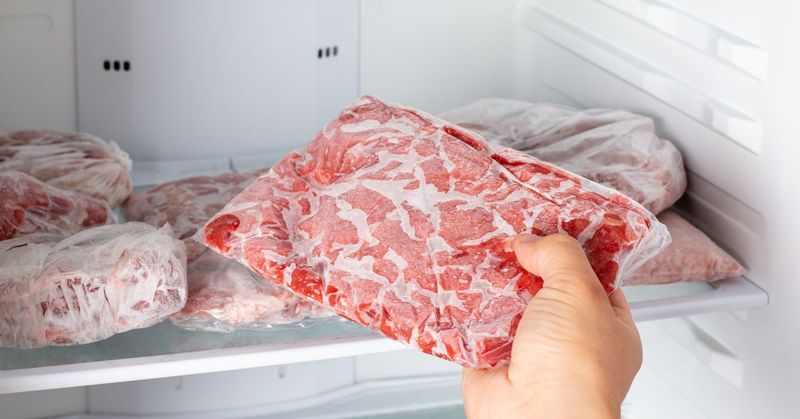
Thawing frozen food at room temperature creates a perfect environment for bacterial multiplication. The outer layers reach the 'danger zone' temperature (4-60°C) long before the center thaws, allowing pathogens to flourish.
Cross-contamination between raw meat and ready-to-eat vegetables introduces harmful bacteria to foods that won't be cooked further. Always thaw in the refrigerator and use separate cutting boards for raw meats and produce.
16. Processed Food Problems
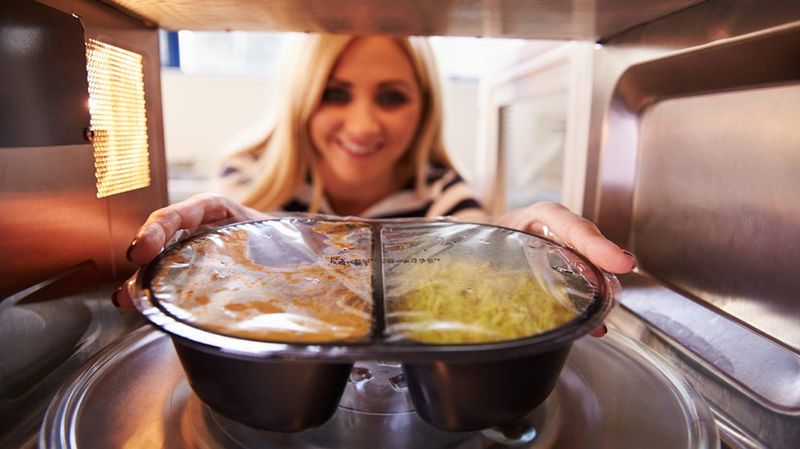
Treating ultra-processed meat alternatives or frozen ready meals as inherently healthy options overlooks their often concerning nutritional profiles. Many contain excessive sodium, preservatives, and artificial ingredients that may negatively impact gut health.
Studies increasingly link highly processed foods to inflammation and digestive issues. Opt instead for minimally processed proteins like legumes, whole grains, and fresh meats prepared at home with recognizable ingredients.
17. Bland Liquid Base
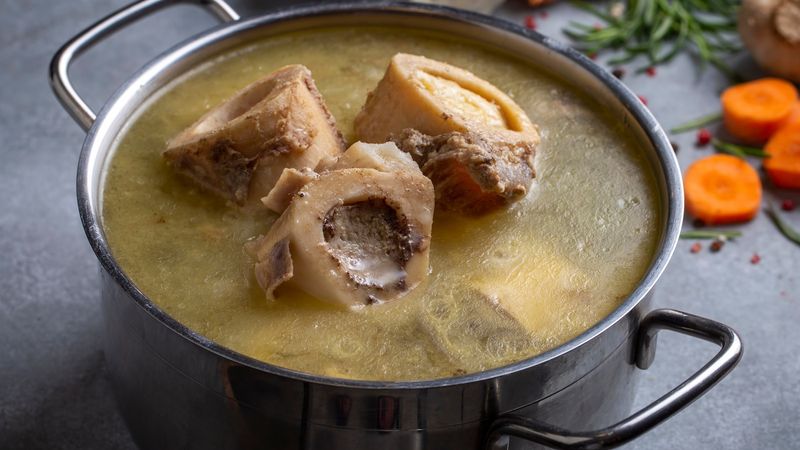
Using plain water for cooking grains or soups misses a golden opportunity to infuse flavour from the very beginning. Water adds moisture but contributes nothing to taste development.
Stock, wine, cider or even tea can transform ordinary dishes into extraordinary ones. These flavourful liquids infuse ingredients during cooking, creating depth that's impossible to add later. This simple swap requires no additional effort but dramatically improves results.
18. Cake Catastrophes
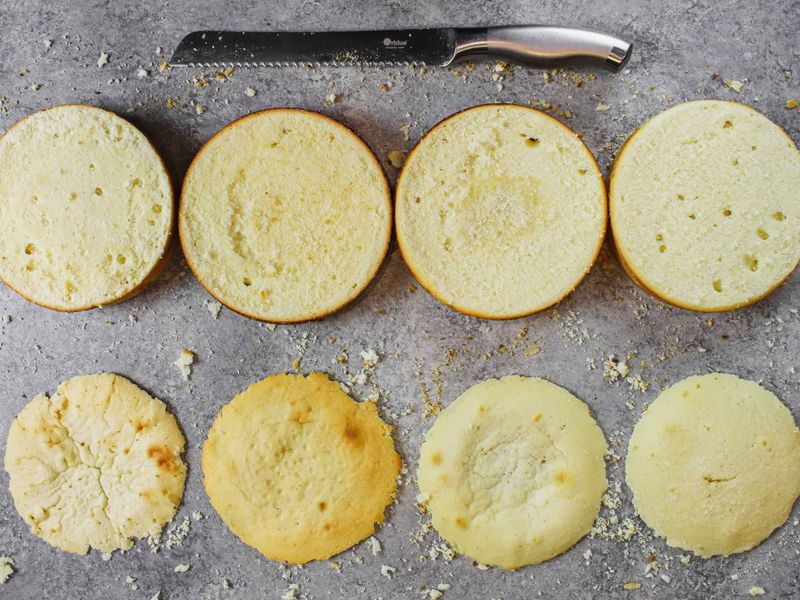
Overmixing cake batter develops gluten, creating dense, tough cakes instead of tender, light ones. Once wet and dry ingredients combine, every additional stir strengthens these protein strands that fight against delicate texture.
Measuring flour incorrectly compounds the problem – scooping compacts it, adding up to 25% more than recipes intend. Always spoon flour into measuring cups and level with a straight edge for consistently successful, tender cakes.
19. Reactive Pan Reactions
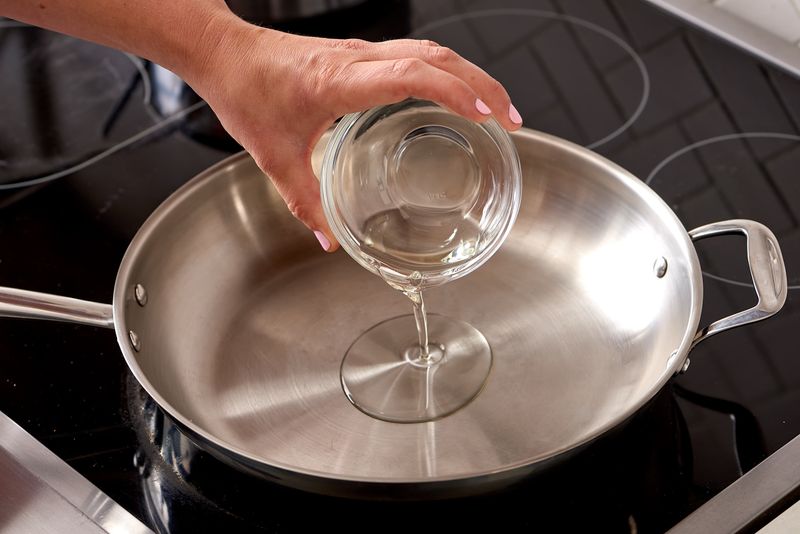
Using aluminium or other reactive pans for acidic or dairy-based sauces creates chemical reactions that alter flavour and potentially leach metals into your food. Tomato sauces, wine reductions, and citrus-based recipes are particularly problematic.
These reactions can impart metallic tastes and discoloration to otherwise perfect dishes. Invest in quality stainless steel, enamelled cast iron, or ceramic cookware for acidic foods to preserve both flavour integrity and safety.
20. Blender Blunders
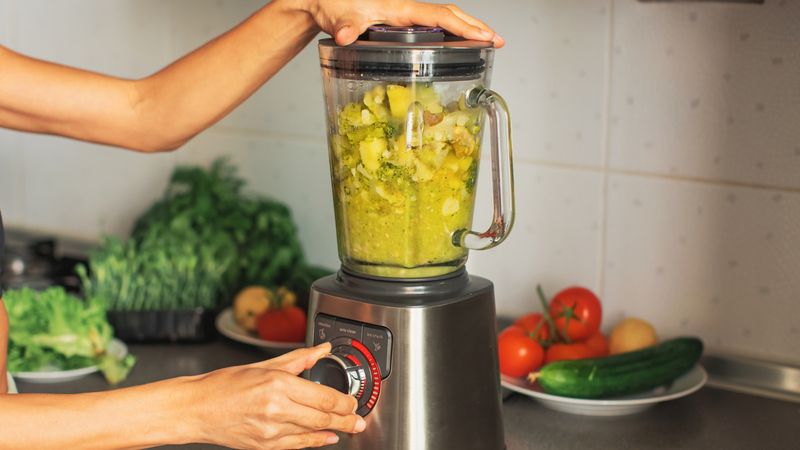
Blending hot soup with a fully sealed lid creates dangerous pressure as steam expands rapidly with nowhere to escape. This pressure buildup can force the lid off explosively, causing painful scalding injuries.
Always remove the centre piece of blender lids when processing hot liquids, cover with a kitchen towel to catch any splatters, and start on the lowest setting. Alternatively, allow soups to cool slightly before blending for safer handling.



