











Just steps from Hyde Park, Dinner by Heston Blumenthal presents British food through a historical lens rather than modern trends. The menu draws on documented recipes from different periods, using research to reinterpret familiar ingredients in a contemporary setting.
Each dish connects past and present, inviting diners to consider how British cooking has evolved over time. The experience focuses on context and craft, offering a thoughtful way to understand how food history continues to shape the restaurant’s identity.
This article is provided for general information only. Menu items, presentation, and availability may change over time.
Individual dining experiences may vary. Photos are for illustrative purposes only.
Historical Periods Reflected On The Menu
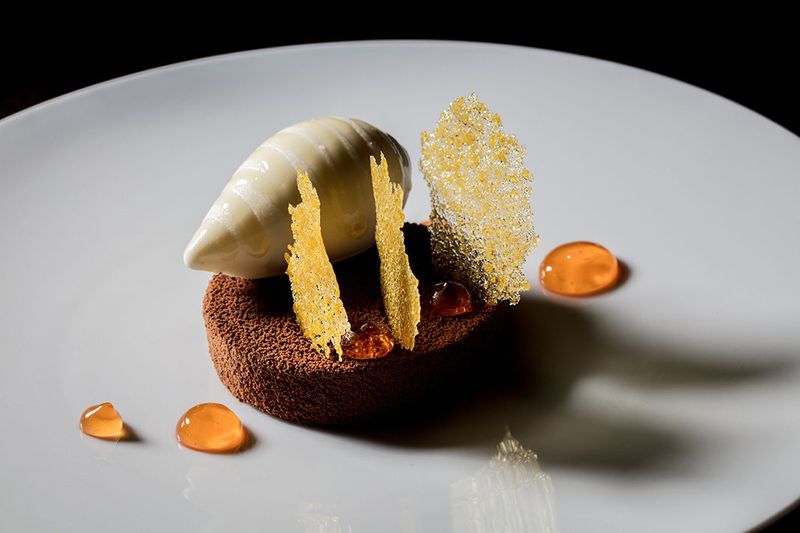
Picture a timeline you can eat, beginning with medieval frumenty and winding toward Georgian curiosities. Classics like Meat Fruit nod to fifteenth century banquets while Tipsy Cake parlours with nineteenth century indulgence.
The effect is not costume drama, more an edited playlist of eras that still taste relevant.
Service frames each period with dates and sources, so you know where a technique started and why it still works. It keeps the narrative tidy while letting you enjoy the view across Hyde Park.
By the end, you are not ticking centuries, you are tasting how Britain learned to cook.
Ingredients Rooted In British Traditions
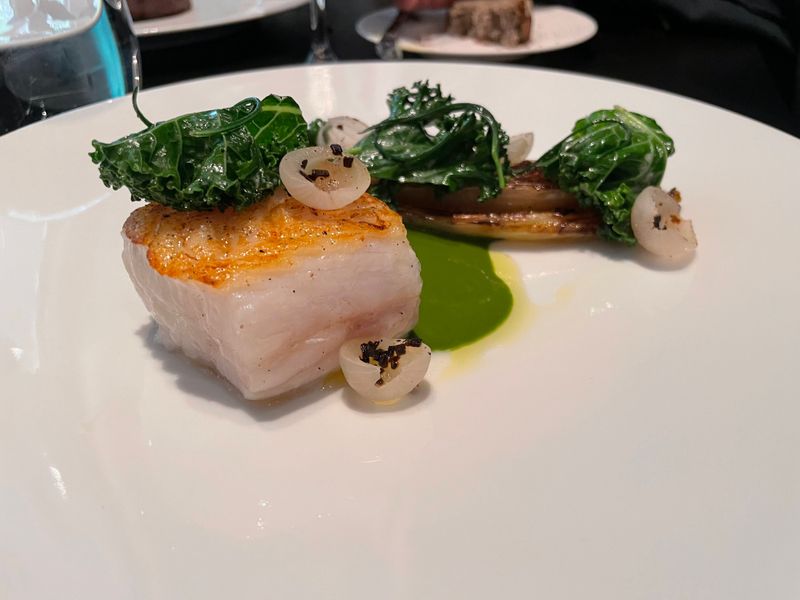
The flavours feel familiar before they land, because the pantry reads like a walk through British markets. Think Hereford beef, North Sea fish, orchard apples, brassicas that actually taste of winter.
Sauces tighten the focus, with mushroom ketchup or a bright green number that sharpens roast seabass.
Nothing shouts, yet everything feels grounded, the kind of produce that likes short travel and clear handling. You notice restraint more than fireworks, a confidence that lets ingredients tell the story.
It tastes like memory, just tidier and far more precise.
Interpretations Of Medieval And Victorian Dishes
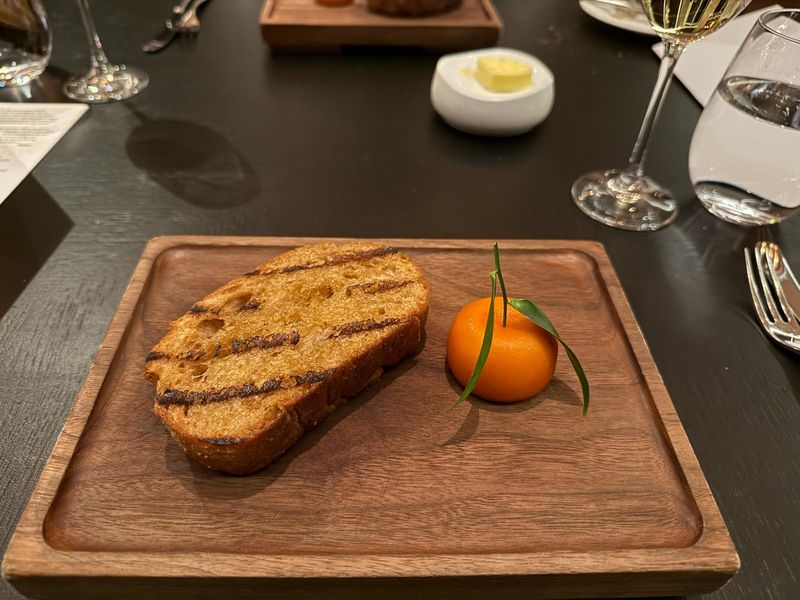
First surprise, a glossy fruit that is not fruit at all. Meat Fruit hides chicken liver parfait inside a perfect mandarin skin, a medieval idea reimagined with cheeky finesse.
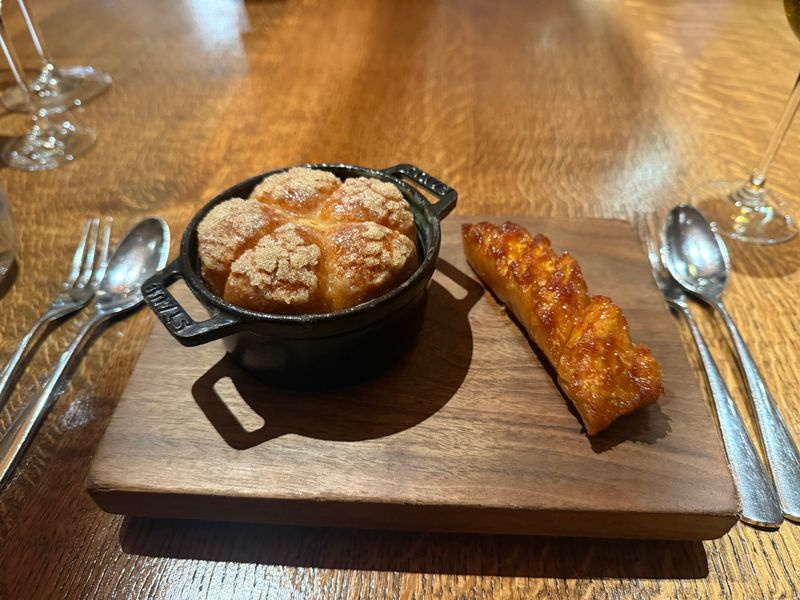
Then a Victorian mood arrives with Tipsy Cake, brioche baked to a wobble and paired with patiently roasted pineapple.
These dishes do not mimic museum pieces. They borrow structure and spirit, then tidy textures, acidity, and temperature for today’s palate.
Comfort stays, heaviness goes, and the historical references turn into pure pleasure.
How Research Informs Modern Presentation
Behind the gloss there is homework, the kind with footnotes and facsimiles of old cookbooks. Recipes are traced to printed sources, then tested and updated for clarity, safety, and modern taste.
You see it in neat plating that still hints at the original shape of a dish.
Presentation is contemporary, yes, but never fussy for its own sake. The research trims away guesswork, leaving proportions that eat cleanly and make sense on a London afternoon.
It is scholarship that you can actually chew.
The Role Of Storytelling In The Dining Experience
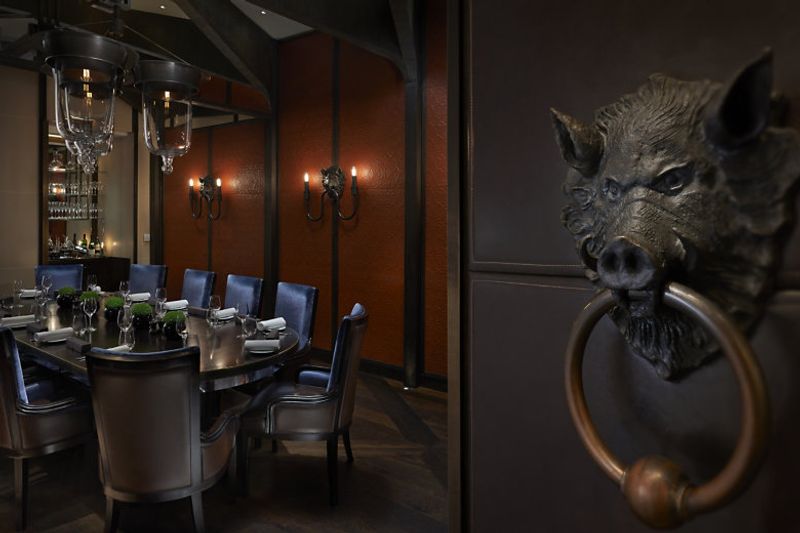
You choose your own narration with those playful cards, from quiet to full history tour. Pick Maverick and the team weaves origin, technique, and evolution while you tuck in.
Go minimal and the plate does the talking, still carrying a whisper of dates and places.
Storytelling is not garnish, it is a guide rope through centuries of British cooking. It turns a fine lunch into a mini museum visit without the hush.
You leave remembering details because the stories fit the flavours.
Why Historical Context Matters To The Restaurant
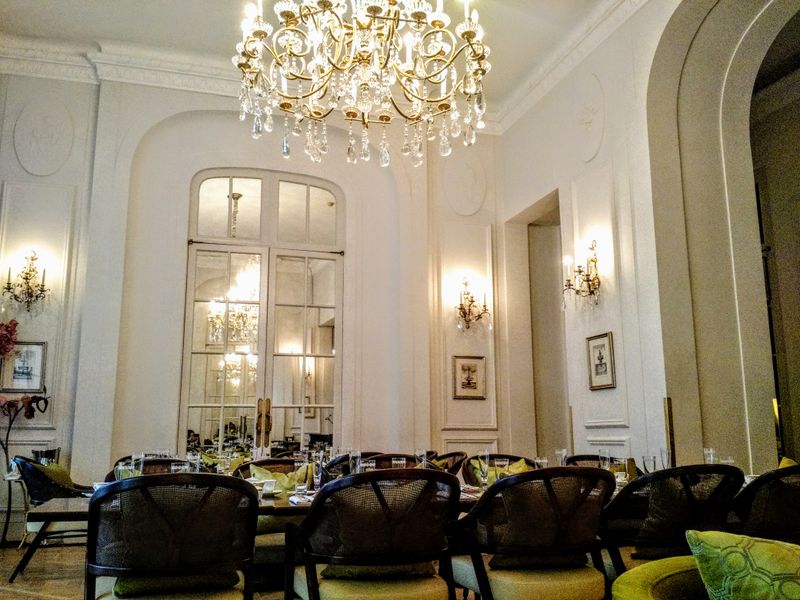
Context is the compass here, pointing every dish toward a reason rather than a trend. By rooting plates in documented British recipes, the kitchen avoids generic luxury and finds character.
It feels specific to Knightsbridge and the park beyond, not a concept that could sit anywhere.
The result is continuity, a conversation between past technique and present appetite. You taste craft, not nostalgia, and learn a little without being lectured.
That is why people return, chasing flavour anchored by history.