











Greek cuisine is famous for more than just its incredible flavours – it's packed with health benefits too! The Mediterranean diet, of which Greek food is a cornerstone, has been linked to lower rates of heart disease, cancer, and other chronic illnesses.
From vibrant salads to protein-rich yoghurt, these traditional Greek foods offer delicious ways to nourish your body.
1. Horiatiki (Greek Salad)
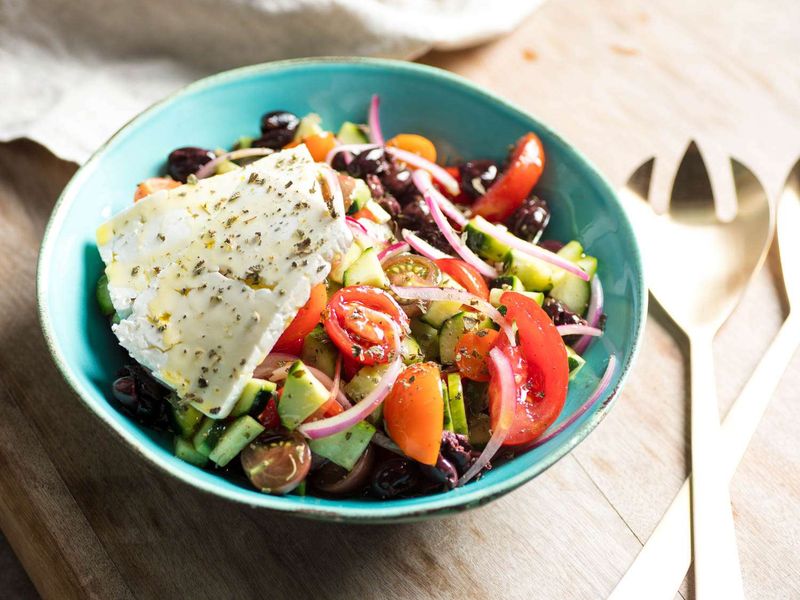
Every bite of authentic Greek salad delivers a medley of fresh vegetables and tangy feta cheese. Juicy tomatoes and crisp cucumbers provide essential vitamins, while olives and olive oil contribute heart-healthy monounsaturated fats.
A study by the University of Athens found that people who regularly consume Mediterranean salads have lower inflammation markers. Perfect as a light lunch or vibrant side dish!
2. Tzatziki
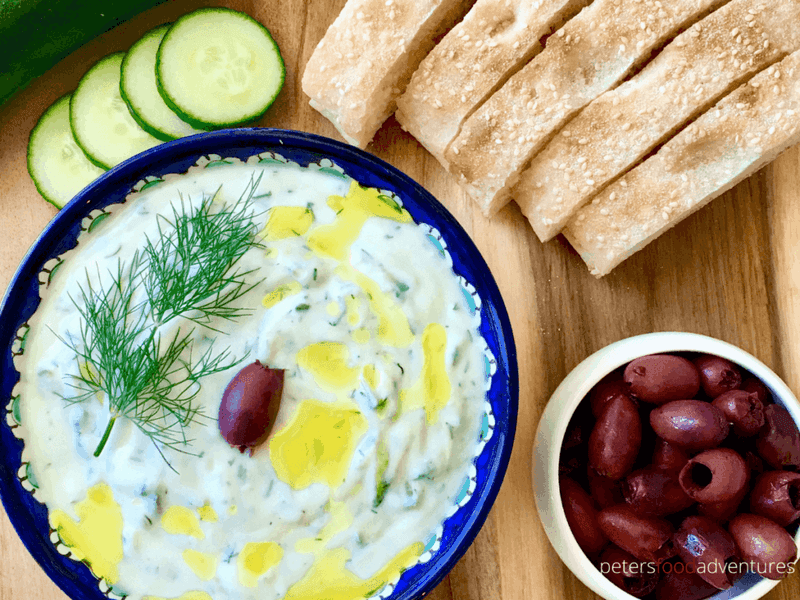
Cool and creamy, tzatziki combines strained yoghurt with cucumber, garlic, and herbs. The probiotics in yoghurt support gut health, while garlic offers immune-boosting properties.
Nutritionist Dr. Maria Papavasileiou highlights tzatziki as an excellent source of calcium and protein with minimal calories. Spread it on whole grain bread or use as a refreshing dip for vegetables instead of higher-calorie alternatives.
3. Lentil Soup (Fakes Soupa)
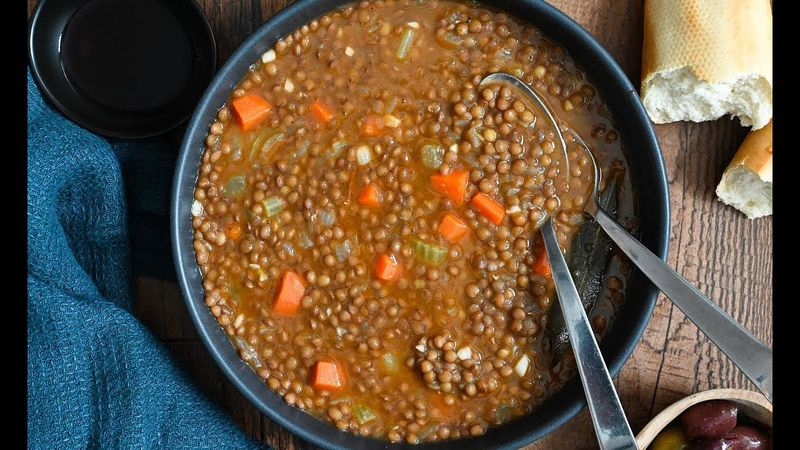
Warming to both body and soul, this humble soup packs a nutritional punch. Brown lentils simmer with tomatoes, onions, and carrots until tender, creating a hearty meal rich in plant protein and iron.
Research from the Mediterranean Diet Foundation shows regular consumption of legume-based soups like fakes correlates with better weight management. The high fibre content keeps you satisfied for hours, making it perfect for chilly evenings.
4. Grilled Fish (Psari Plaki)

Simply prepared yet bursting with flavour, grilled fish embodies coastal Greek cuisine at its finest. Fresh catch is brushed with olive oil, sprinkled with herbs, and finished with lemon juice.
The American Heart Association confirms omega-3 fatty acids in fish like sea bass and bream reduce heart disease risk. Greeks living in coastal areas who consume fish weekly show significantly lower rates of cardiovascular problems compared to inland populations.
5. Dolmades (Stuffed Vine Leaves)

Tender vine leaves wrapped around a savoury filling create these bite-sized treasures. Traditional dolmades contain rice, fresh herbs, and sometimes a small amount of minced meat, all steamed to perfection.
According to Greek nutritional studies, the combination of vine leaves and herbs provides beneficial antioxidants. The moderate portion size naturally controls calorie intake while still delivering satisfying flavour and texture in each carefully wrapped package.
6. Fasolakia (Green Beans In Tomato Sauce)
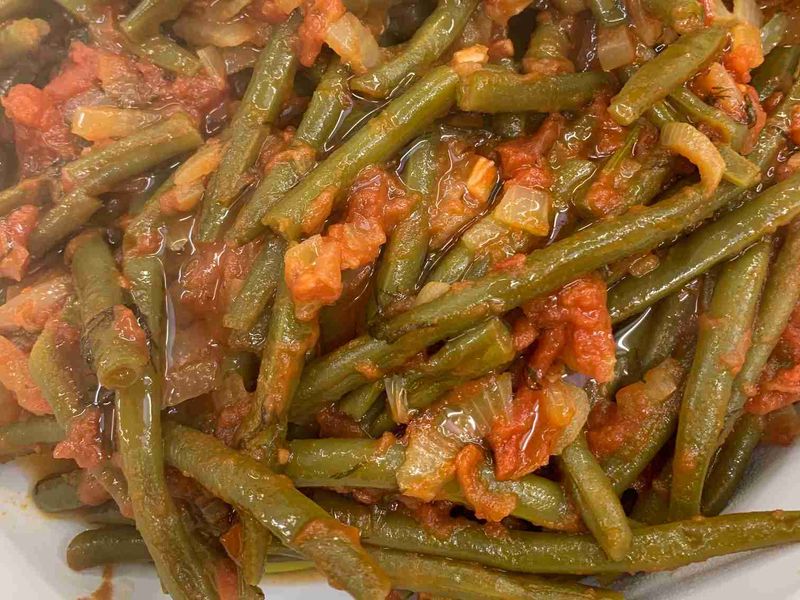
Succulent green beans slowly braised in a fragrant tomato sauce create this comforting vegetable dish. The olive oil used in cooking helps your body absorb fat-soluble vitamins from the vegetables.
Research published in the Mediterranean Journal of Nutrition found that tomato-based vegetable dishes like fasolakia provide significant amounts of lycopene, a powerful antioxidant. This humble dish appears regularly on Greek family tables as both a main course and side dish.
7. Horta Vrasta (Boiled Greens)
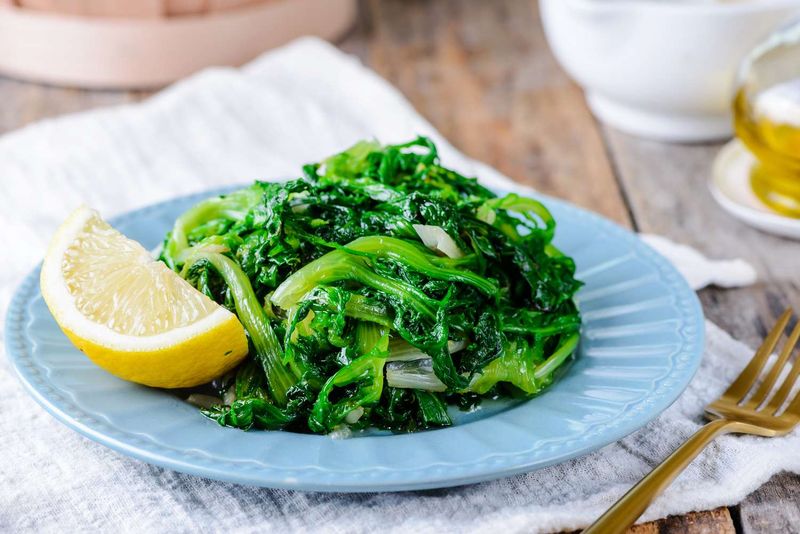
Wild greens gathered from hillsides transform into a nutritional powerhouse on the Greek table. After gentle boiling, these bitter greens receive a simple dressing of olive oil and lemon juice.
Longevity researcher Dr. Antonia Trichopoulou identifies horta consumption as a key factor in the exceptional health of Greek island populations. The calcium, iron, and vitamin K content supports bone health, while bitter compounds stimulate digestion and liver function.
8. Gigantes Plaki (Baked Giant Beans)
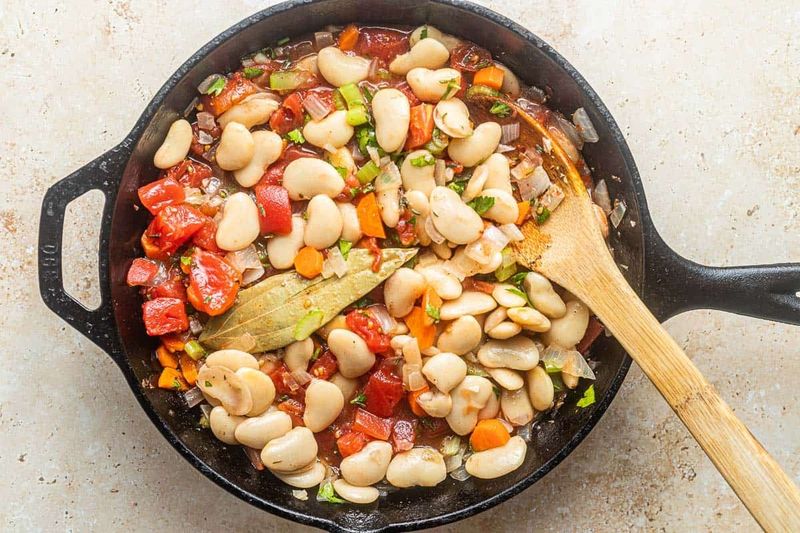
Enormous white beans bask in a rich tomato sauce until they develop an almost buttery texture. Despite their indulgent mouthfeel, gigantes are remarkably low in fat while providing substantial plant protein.
Nutritional analysis from Athens University reveals these beans contain resistant starch that feeds beneficial gut bacteria. Their high fibre content explains why Greeks who regularly consume beans maintain healthier cholesterol levels and more stable blood sugar than those following Western diets.
9. Lahanosalata (Greek Cabbage Salad)

Far from ordinary coleslaw, this vibrant salad celebrates cabbage in its purest form. Finely shredded leaves mingle with carrot, fresh herbs, and a bright dressing of lemon juice and olive oil.
Cabbage contains glucosinolates that support detoxification pathways in the body. Greek nutritionists recommend this crunchy salad as a digestive aid before heavy meals. The vitamin C content exceeds that of many citrus fruits, boosting immune function while providing satisfying crunch.
10. Spanakorizo (Spinach And Rice)
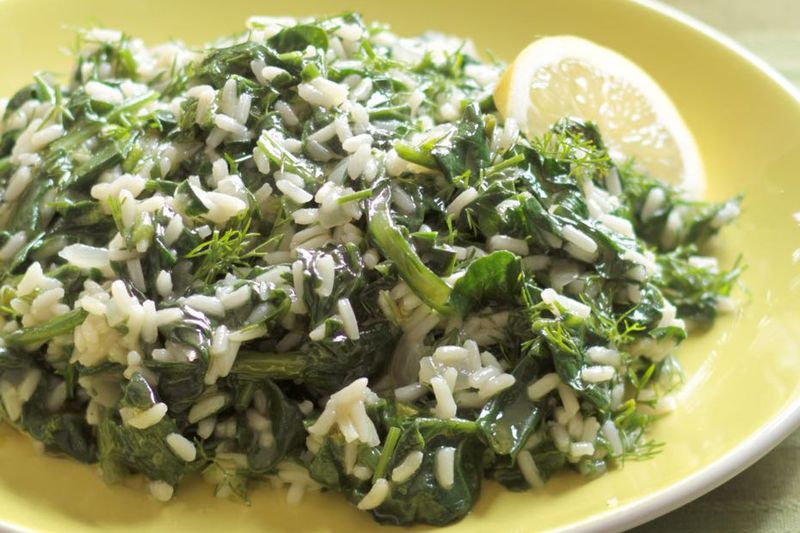
Velvety spinach and tender rice come together in perfect harmony in this one-pot wonder. Fresh dill and lemon juice brighten the flavours, while a drizzle of olive oil adds richness.
The iron from spinach pairs beautifully with vitamin C from lemon, enhancing absorption. Studies by the Mediterranean Diet Foundation show this humble dish provides exceptional nutritional value at minimal cost, explaining its popularity in Greek households for centuries.
11. Barley Rusks (Paximadi)
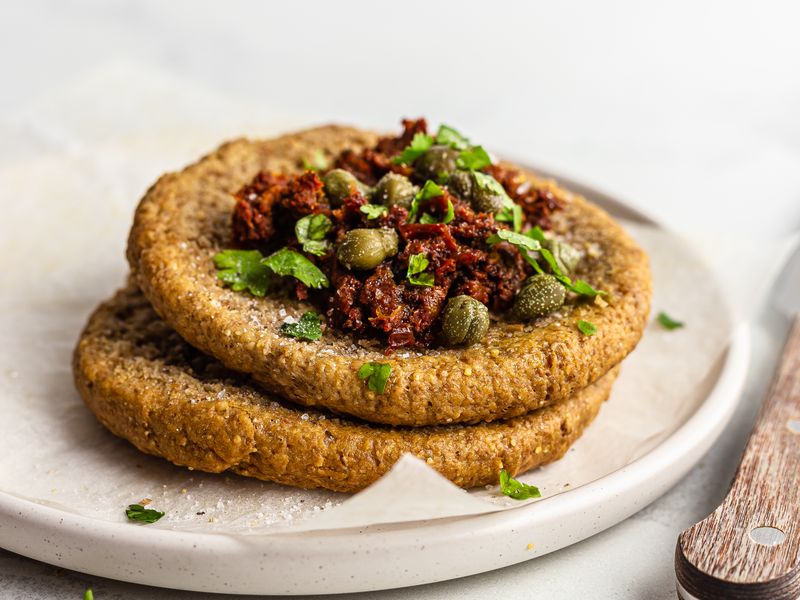
These twice-baked bread rounds have sustained Greek shepherds and farmers for generations. Made from whole barley flour, they're exceptionally dense and nutritious compared to modern breads.
The slow fermentation process increases mineral availability according to food scientist Dr. Nikolaos Pappas. Their incredible shelf life made them essential for Greek sailors and rural communities. Today, they're typically softened with water and topped with fresh tomato, olive oil, and cheese for a quick meal.
12. Greek Yoghurt With Honey And Walnuts
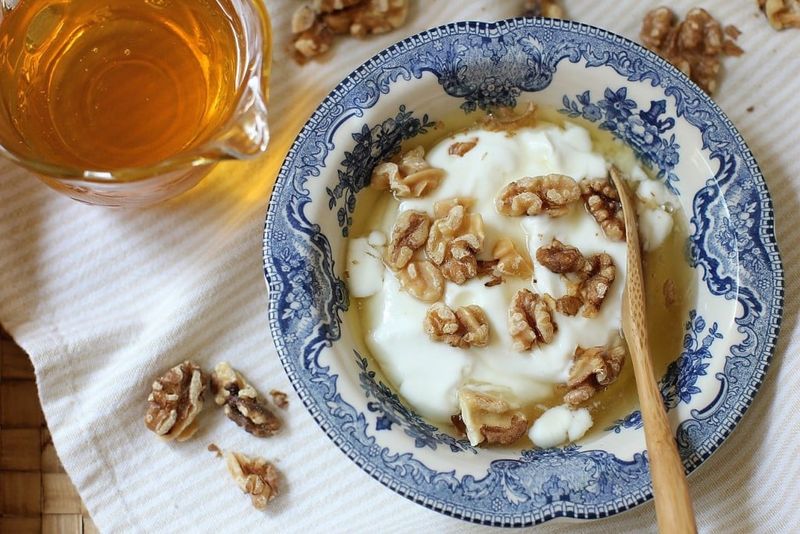
Thick, creamy yoghurt topped with golden honey and crunchy walnuts creates a dessert that's both indulgent and nourishing. The protein content rivals many meat sources, while beneficial bacteria support digestive health.
Research from the University of Athens shows traditional Greek yoghurt contains higher probiotic counts than commercial varieties. The omega-3 fatty acids in walnuts complement honey's natural enzymes. This simple combination has been enjoyed as both breakfast and dessert throughout Greece for centuries.