









• Skip to primary navigation
  • Skip to main content
  • Skip to primary sidebar
The Daily Dish
  • About Me
  • Recipes
  • Wellbeing🧡
  • Contact
  • Subscribe
  • Gluten-Free
  • Navigation Menu: Social Icons

    Connect With Me

    • Facebook
    • Instagram
    • Pinterest
menu icon
go to homepage
  • About Me
  • Recipes
  • Wellbeing🧡
  • Contact
  • Subscribe
  • Gluten-Free
  • Let's Connect

    • Facebook
    • Instagram
    • Pinterest
  • subscribe
    search icon
    Homepage link
    • About Me
    • Recipes
    • Wellbeing🧡
    • Contact
    • Subscribe
    • Gluten-Free
  • Let's Connect

    • Facebook
    • Instagram
    • Pinterest
  • ×
    • 14 Easy Ways To Use Up A Bag Of Potatoes
    • 9 Wisconsin Spots Where The Butter Burger Is The Whole Point
    • 12 Indiana Mexican Restaurants Locals Drive Out Of Their Way For
    • 11 New Hampshire Farm-To-Table Spots Serving The Freshest Local Ingredients
    • 13 Simple Fillings For Homemade Toasties
    • 12 Chesapeake Bay Virginia Restaurants Where The Oysters Come Straight Off The Boat
    • 13 Hole-In-The-Wall New Hampshire Diners Locals Have Loved For Years
    • 10 Easy Sauces That Make Roast Chicken Taste Even Better
    • 13 Missouri Diners Where The Regulars Never Need A Menu
    • The 12 Best Breakfast Spots In And Around Des Moines, Iowa, Ranked By Locals
    • 10 Pittsburgh, Pennsylvania Restaurants Where The Wait Is Always Worth It
    • 10 Kentucky Spots Serving The Hot Brown The Way It Was Meant To Be
    Home » Recommendations

    Gordon Ramsay Shares The 'French' Trick That Makes Potatoes Crispier

    Published:Mar 4, 2026· Modified: Feb 19, 2026 by Liam Foster

    • Share
    • Email

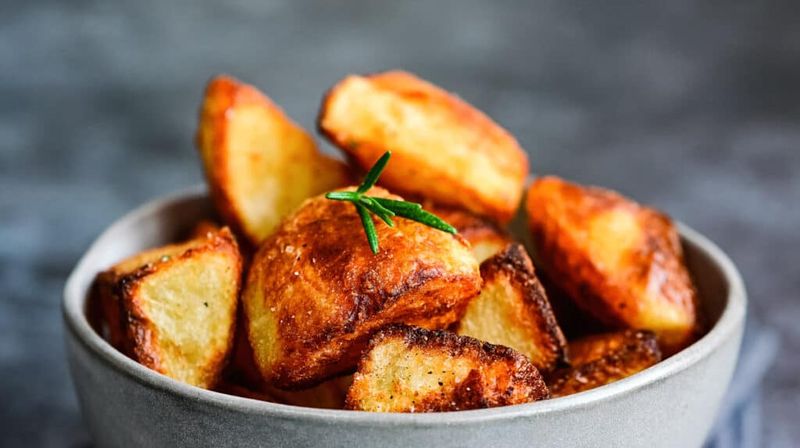
    Brits take their roast potatoes seriously, especially when Sunday lunch is on the line. Yet even the most confident home cooks know how easily spuds can turn soft, greasy, or unevenly cooked after all that waiting around the oven.

    TV chef Gordon Ramsay believes there’s a faster, more reliable way to achieve proper crunch, borrowing a simple French-style technique that delivers golden, crisp results in minutes rather than hours.

    His approach swaps slow roasting for quick sautéing and focuses on using the right cooking fat to lock in texture and flavour without complicated steps.

    All information is provided for general interest only. Cooking results may vary depending on equipment, ingredients, and technique. Photos are for illustrative purposes only.

    Why The 'French' Method Creates Crispier Potatoes
    Why The 'French' Method Creates Crispier Potatoes
    Image Credit: © Supergolden Bakes

    Potatoes naturally contain a lot of water, which turns into steam as they heat up. If that moisture cannot escape quickly, the surface stays soft instead of forming a crisp crust.

    The French-style sautéing method uses high heat in a shallow layer of fat, allowing moisture to evaporate rapidly while the outside browns evenly. This creates a firm, golden exterior while keeping the inside fluffy and tender.

    Because the slices are thinner and spread directly across the pan, heat transfer is faster and more consistent than in a crowded roasting tray.

    How Goose Fat Helps Potatoes Brown Properly
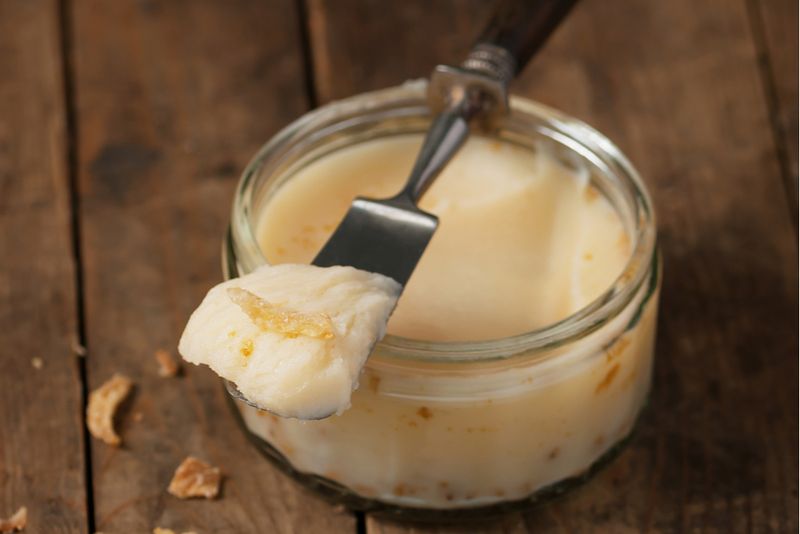
    How Goose Fat Helps Potatoes Brown Properly
    Image Credit: © Henderson Fine Food Co Ltd.

    One of Ramsay’s key tips is choosing a fat that can handle high temperatures without burning. Goose fat has a high smoke point, which means it stays stable when heated and allows potatoes to fry rather than steam.

    Oils and butter can burn quickly at high heat, preventing proper browning and sometimes leaving a bitter taste behind. Goose fat coats the potato surface evenly, helping it develop a crisp shell while keeping the centre moist.

    The result is a rich, savoury flavour and a satisfying crunch without excessive oiliness.

    A Faster Way To Get Golden, Crunchy Results At Home

    Instead of waiting nearly an hour for oven-roasted potatoes, sautéed potatoes can be ready in under ten minutes once parboiled. Thin slices cook quickly and absorb flavour from garlic, herbs, and shallots added near the end of cooking.

    A heavy-based frying pan ensures steady heat and even browning, reducing the risk of sticking or burning. This method also offers more control, allowing cooks to adjust heat and colour in real time.

    It is an efficient option for weeknight meals or last-minute sides when time is tight but texture still matters.
    More Recommendations

    • 14 Easy Ways To Use Up A Bag Of Carrots
    • 12 Foods That Somehow Taste Better Eaten Straight From The Fridge
    • 17 Types Of Salt And When Each One Actually Makes A Difference
    • 17 Rice Varieties And The Dishes Each One Was Made For

    Primary Sidebar

    Keri Bevan

    Welcome, I'm Keri

    I'm the food photographer and recipe developer and writer behind Daily Dish.

    More About Me
    SUBSCRIBE

    Popular Posts

    • 12 Illinois Italian Beef Stands Locals Swear By
    • 13 Texas Steakhouses Where The Ribeye Is Bigger Than The Plate
    • 14 Secret California Dining Spots Most Visitors Never Find
    • 16 Classic Fillings For A Homemade Omelette

    Cozy Soups

    • Fava bean soup in a ceramic bowl.
      Fava Bean Soup
    • Vegan potato soup in a bowl with chives and croutons.
      Creamy Vegan Potato Soup
    • Bok choy soup with garlic and ginger.
      Bok Choy Soup With Garlic & Ginger
    • gluten free and dairy free tomato soup
      Creamy Gluten Free And Dairy Free Tomato Soup
    Company logs of people I have worked with.

    Footer

    ↑ back to top

    Recipes

    • Breakfast
    • Lunch
    • Dinner
    • Sauces and Dips
    • Gluten Free

    Newsletter

    • Sign Up! for emails and updates

    Contact

    • Contact
    • Privacy Policy
    • Daily Dish Web Stories

    As an Amazon Associate I earn from qualifying purchases.

    Copyright © 2024 Daily Dish