Ever wondered which fruits truly deserve a spot in your shopping trolley?
Some are packed with vitamins and fibre while being relatively low in sugar, while others might be giving you more of a sugar hit than you bargained for. Let's sort the fruity superstars from the sweet pretenders!
1. Berries
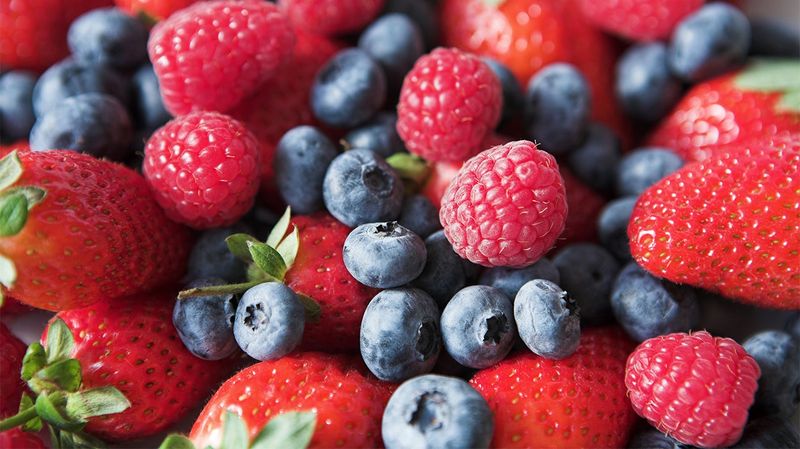
Berries top the list of fruits you should eat weekly. Packed with antioxidants and relatively low in sugar, they're brilliant for brain health and fighting inflammation.
Blueberries, strawberries, and blackberries contain compounds that may improve memory. Their high fibre content helps you feel fuller longer, making them perfect for weight management.
2. Apples
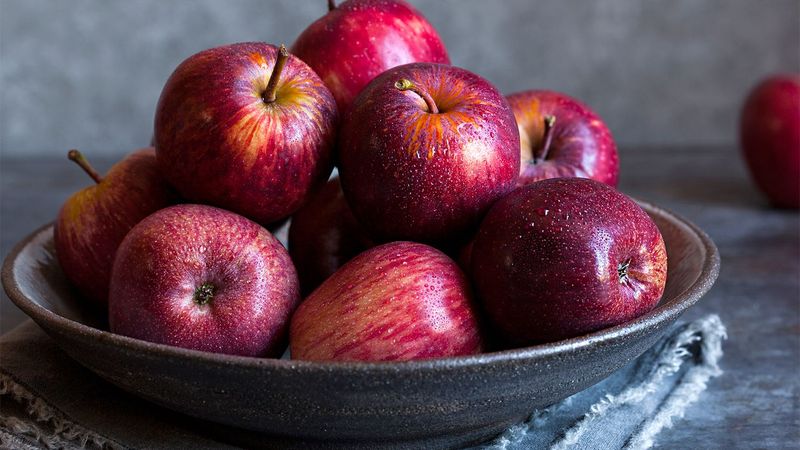
The old saying about keeping doctors away has some truth to it! Apples contain pectin, a soluble fibre that helps lower cholesterol and feeds beneficial gut bacteria.
Their convenience factor is unmatched – no preparation needed, just wash and munch. With a relatively low glycemic index, apples provide a steady energy release rather than a sugar spike.
3. Avocados
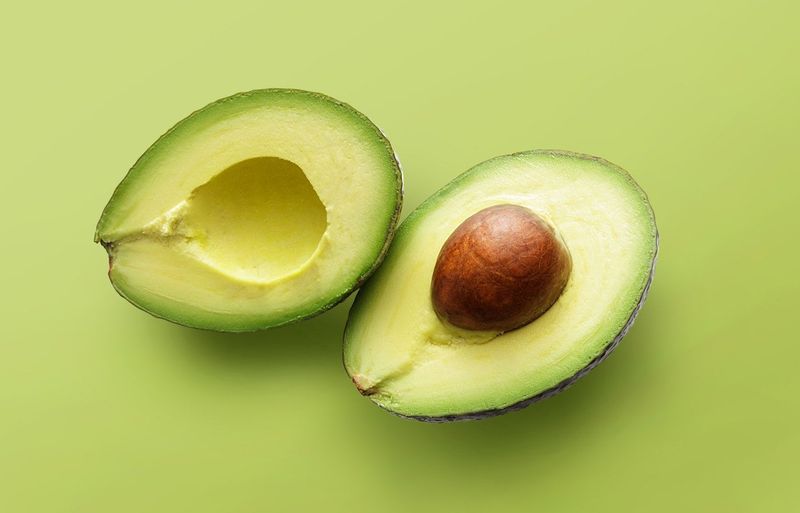
Technically a fruit, avocados offer healthy monounsaturated fats that support heart health. They're incredibly low in sugar while being nutrient-dense.
The creamy texture makes them versatile for everything from toast toppings to smoothies. Avocados contain more potassium than bananas and provide nearly 20 different vitamins and minerals.
4. Oranges
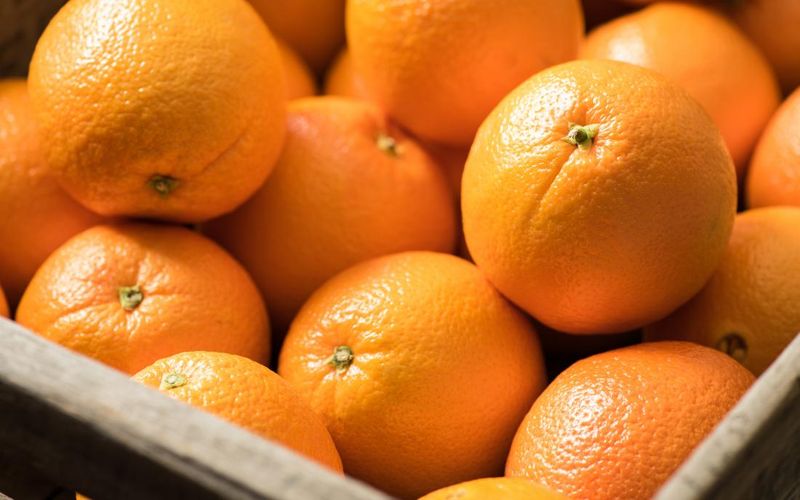
Oranges deliver an impressive vitamin C punch – one medium fruit provides your entire daily requirement. This immune-boosting vitamin helps your body absorb iron from plant foods too.
The whole fruit contains beneficial fibre that you miss in juice form. Oranges also contain hesperidin, a compound that may help reduce inflammation and blood pressure.
5. Kiwi
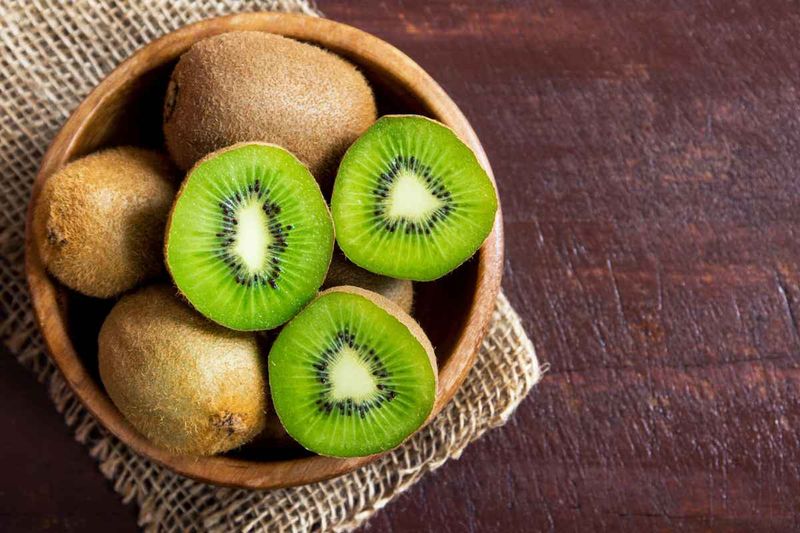
Don't let their small size fool you – kiwis pack more vitamin C than oranges! These fuzzy little fruits also contain an enzyme called actinidin that helps digest protein.
Regular kiwi consumption has been linked to better sleep quality. Their unique combination of vitamins, minerals, and antioxidants supports immune function and skin health.
6. Pears
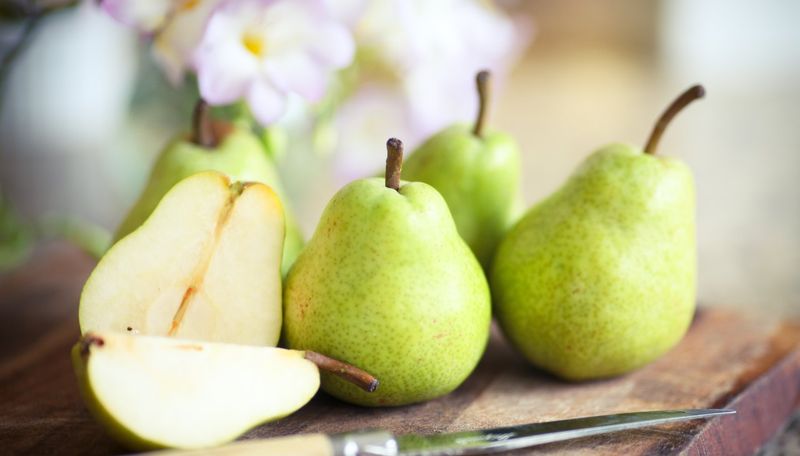
Pears contain a unique type of fibre that acts as a prebiotic, feeding your beneficial gut bacteria. Their gentle nature makes them suitable for sensitive stomachs and young children.
The skin contains most of the antioxidants, so wash well and eat whole. Pears have a lower glycemic index than many fruits, helping to keep blood sugar levels stable.
7. Papaya
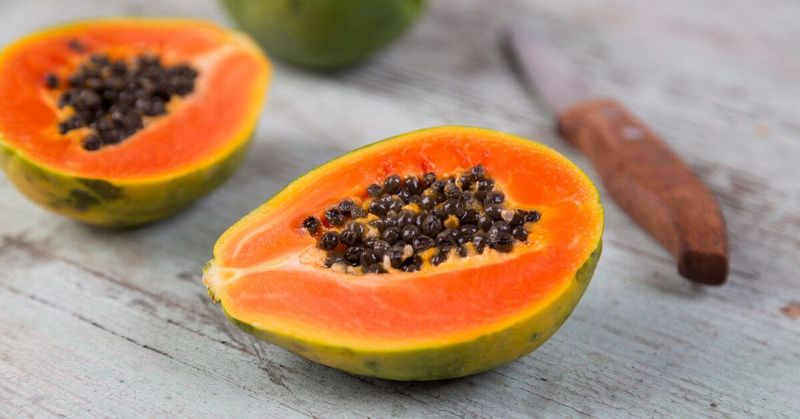
Papaya contains papain, a digestive enzyme that helps break down proteins and soothe indigestion. Its vibrant orange flesh signals high levels of vitamin A for eye health.
This tropical treasure is relatively low in sugar compared to other tropical fruits. The black seeds are edible too and have a peppery taste with antibacterial properties.
8. Lemons

While you might not eat them whole, lemons deserve a weekly spot in your kitchen. Their vitamin C and antioxidants support detoxification processes in your liver.
Starting your day with lemon water can stimulate digestion and hydration. The citric acid in lemons may help prevent kidney stones by increasing urine volume and pH.
9. Pomegranates
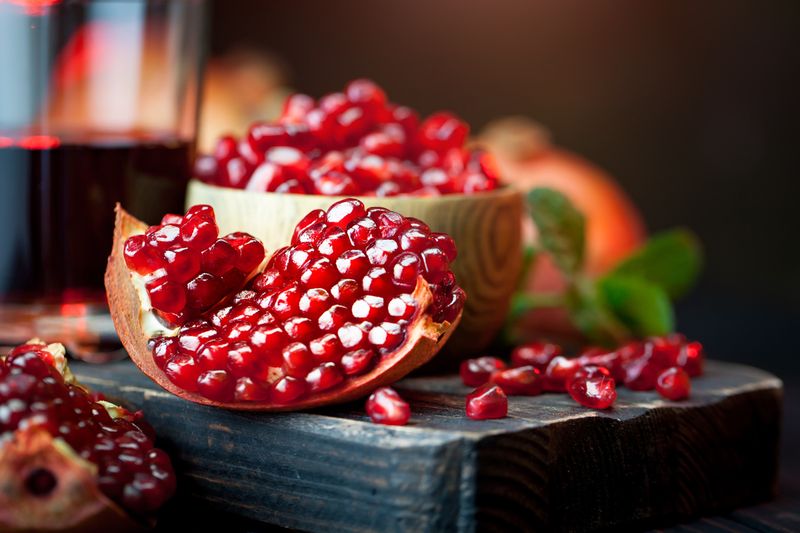
Pomegranate seeds (arils) contain potent antioxidants called punicalagins that may help reduce inflammation. Studies suggest they could help lower blood pressure and fight prostate cancer.
Their unique sweet-tart flavour brightens up salads and breakfast bowls. While a bit labour-intensive to prepare, the nutritional rewards make pomegranates worth the effort.
10. Bananas
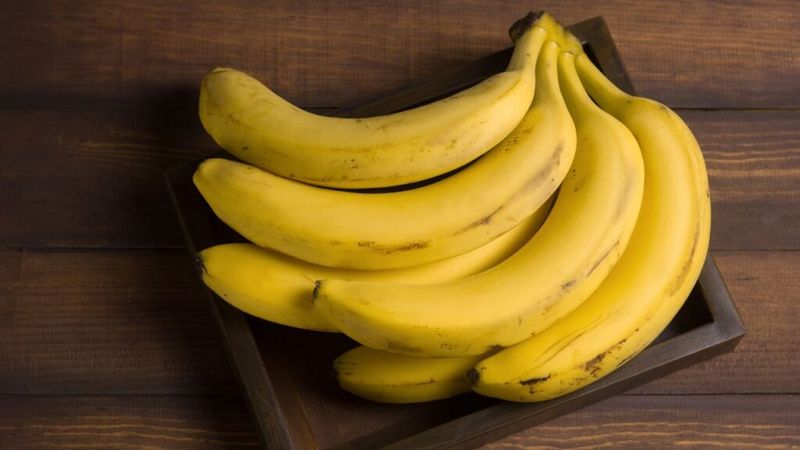
Bananas come in their own biodegradable packaging and offer quick energy with substantial potassium for muscle function. They're particularly brilliant for active people and athletes.
The resistant starch in slightly underripe bananas feeds beneficial gut bacteria. Their natural sweetness makes them perfect for replacing added sugars in baking and smoothies.
11. Dried Dates
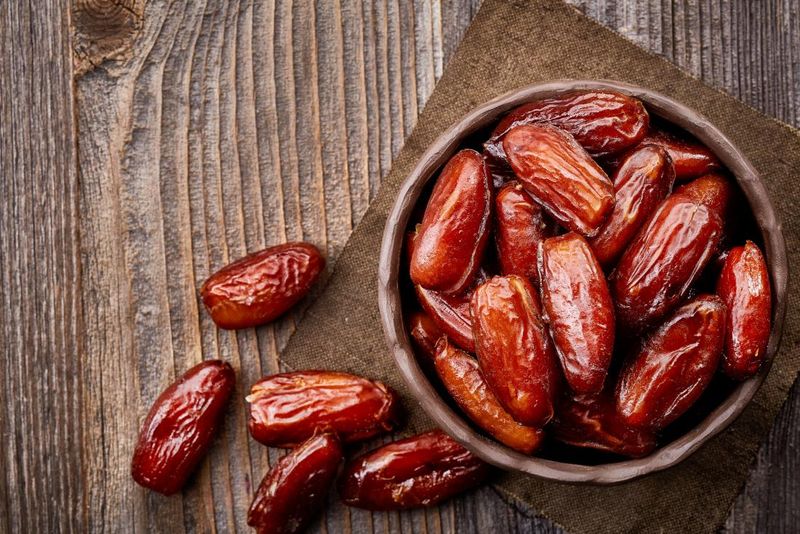
Though packed with minerals like potassium and magnesium, dates are essentially concentrated sugar packages. Just three Medjool dates contain about 50 grams of sugar – that's more than a can of fizzy drink!
The sticky sweetness makes them moreish and easy to overeat. While they're a natural sugar source, your body processes them similarly to refined sugar.
12. Mango
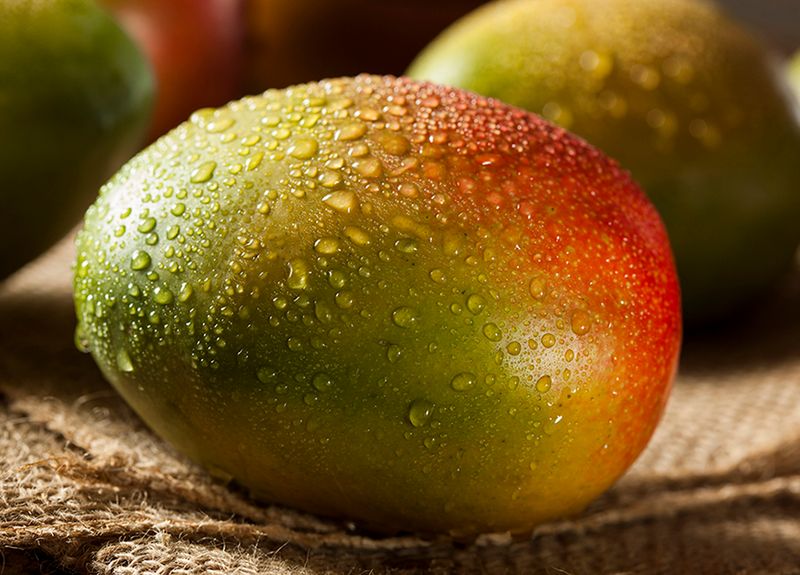
Mangoes taste divine but pack a serious sugar punch – one medium fruit contains around 45g of sugar. That's equivalent to several chocolate biscuits!
While they do provide vitamins A and C, you can get these nutrients from less sugary fruits. Their intense sweetness can trigger sugar cravings and blood sugar spikes in sensitive individuals.
13. Pineapple
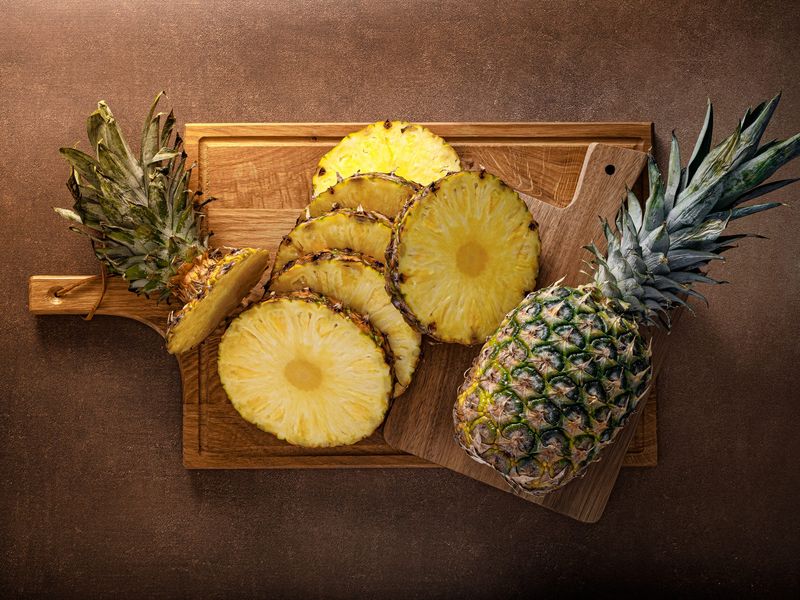
Pineapple contains bromelain, an enzyme that helps digest proteins and reduces inflammation. However, one cup delivers a whopping 16g of sugar – about four teaspoons!
The tropical sweetness can quickly add up if you're not careful with portions. Consider pineapple an occasional treat rather than a dietary staple, especially if you're watching your sugar intake.
14. Grapes
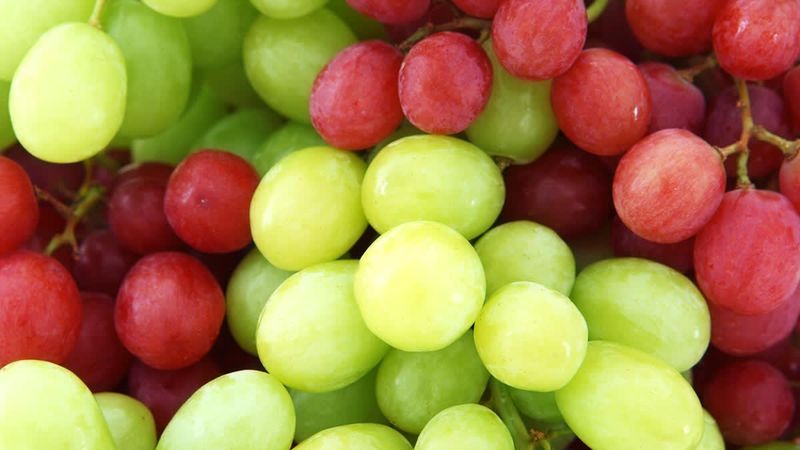
Grapes are essentially little sugar bombs – a small bunch can contain as much sugar as a chocolate bar. Their small size makes it dangerously easy to pop one after another without realising how much you're consuming.
While they do contain some antioxidants, particularly in the skin, other berries offer more nutritional value with less sugar. Freezing them can slow consumption and make them a more mindful treat.
15. Cherries
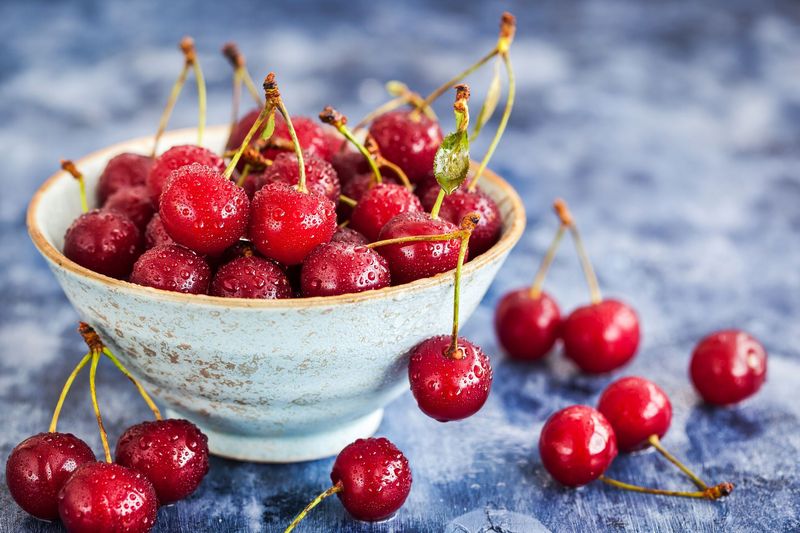
Cherries offer some impressive anti-inflammatory benefits but come with a hefty sugar content. A cup contains about 18g of sugar – nearly as much as a doughnut!
Their small size makes overconsumption easy (we've all done the 'just one more' cherry dance). If you enjoy them, consider them an occasional treat rather than a daily staple.
16. Fruit Juice
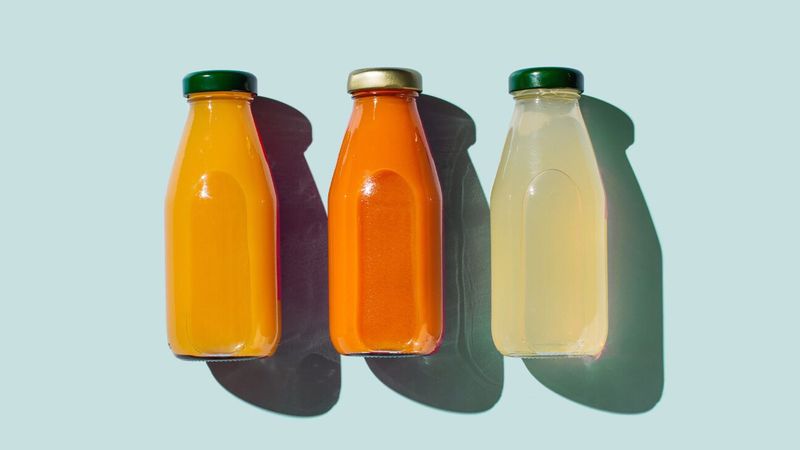
Even 100% fruit juice is essentially concentrated fruit sugar without the beneficial fibre. A single glass of apple juice contains the sugar of 3-4 apples but none of the filling fibre.
The rapid sugar absorption can spike blood glucose levels. Most nutritionists agree you're better off eating whole fruits and drinking water instead.
17. Fruit Smoothies
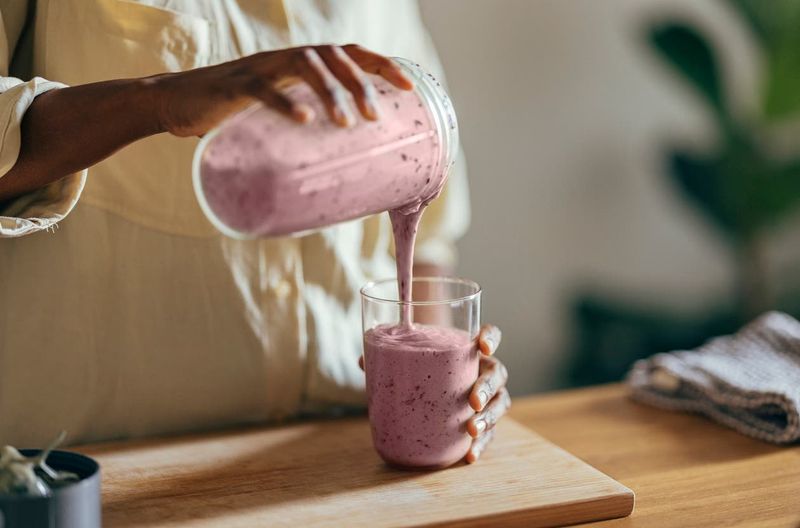
Shop-bought smoothies often contain multiple servings of fruit, resulting in a sugar tsunami. A 'healthy' berry smoothie can contain more sugar than a fizzy drink!
The blending process breaks down fibre, causing faster sugar absorption. If you enjoy smoothies, make them at home with one fruit portion plus vegetables, protein, and healthy fats for balance.
18. Dried Cranberries
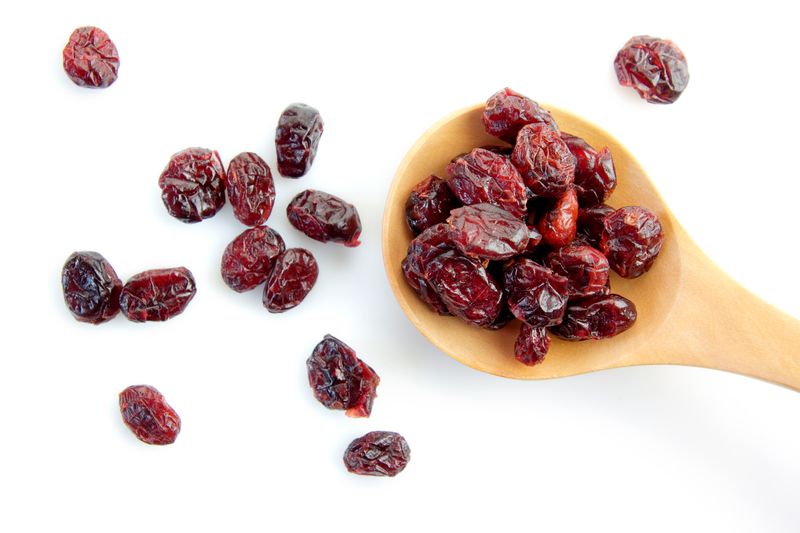
Fresh cranberries are incredibly tart and low in sugar, but the dried versions are usually infused with sugar syrup. They contain about 26g of sugar per ¼ cup – more than many sweets!
The chewy texture makes them moreish and easy to overeat. If you enjoy them, look for unsweetened versions or use them very sparingly as a garnish.
19. Fruit Cocktail

Tinned fruit cocktail typically swims in heavy syrup, adding unnecessary sugar to already sweet fruits. One small tin can contain up to 20g of added sugar – that's 5 teaspoons!
The canning process also destroys some heat-sensitive vitamins. If convenience is key, look for versions packed in water or natural juice instead.
20. Candied Fruits

Glacé cherries, candied peel, and crystallised ginger are essentially fruits preserved in sugar. They can contain up to 70% sugar by weight – more than chocolate!
The preservation process strips away most nutritional benefits. These should be considered confectionery rather than fruit and used sparingly as occasional cake decorations or festive treats.