













When it comes to storing cheese, many of us reach for the cling film without a second thought. But according to food experts, this common habit might be ruining your favourite cheeses.
Proper cheese storage isn't just about keeping it fresh - it's about preserving flavours, textures, and allowing these living foods to mature properly. Here's why you should ditch the plastic wrap for your cheese collection.
1. Plastic Wrap Suffocates Your Cheese
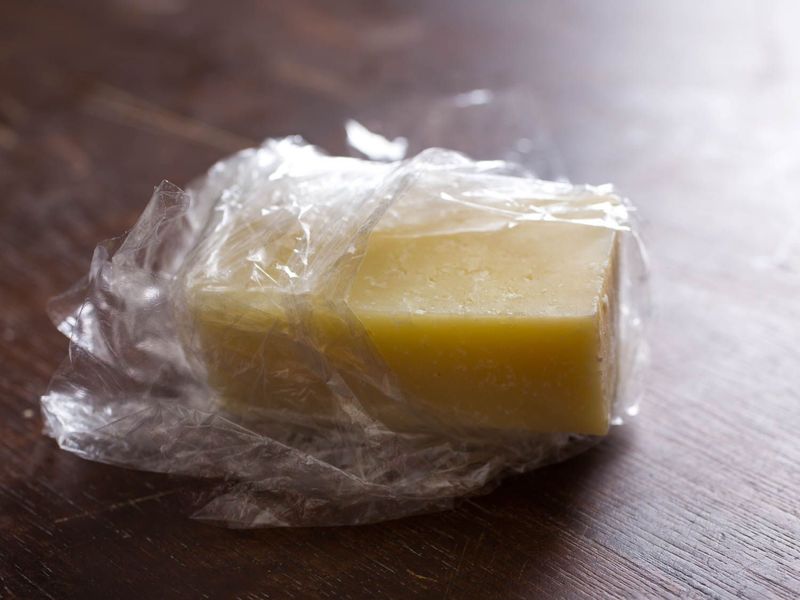
Your cheese needs to breathe! When wrapped in airtight cling film, cheese becomes trapped in its own moisture with nowhere to go. This creates a perfect environment for unwanted bacteria to flourish.
According to cheese expert Dr. Catherine Donnelly from the University of Vermont, cheese releases carbon dioxide and ammonia as it ages. Without proper ventilation, these gases build up, dramatically altering the flavour profile of your precious cheese.
2. Cheese Flavours Get Compromised
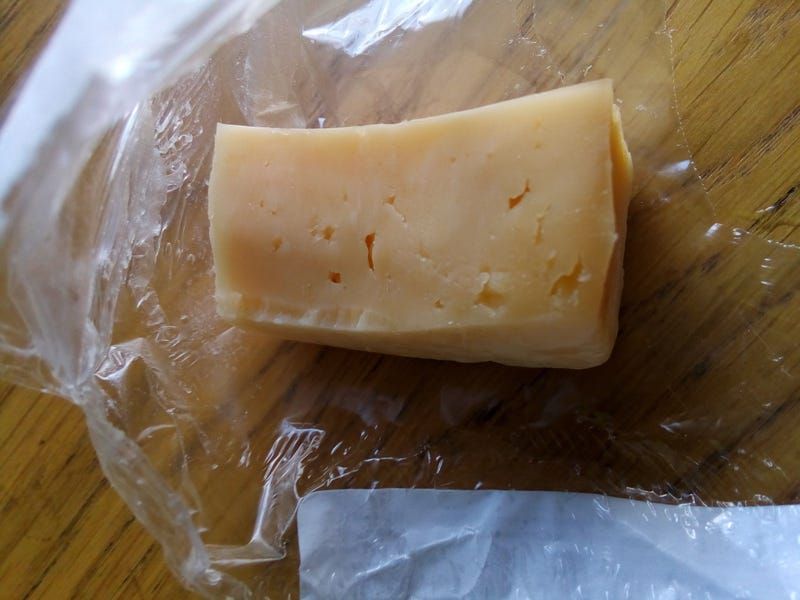
The plastic in cling film can actually transfer its own chemical compounds to your cheese. Ever noticed that odd taste when cheese has been wrapped too long? That's not just your imagination.
Research from the British Cheese Board found that volatile compounds in cheese, which create its distinctive flavour, interact negatively with plastic polymers. The result? Your expensive artisanal cheese ends up tasting like the inside of your refrigerator—or worse, like plastic itself.
3. Hard Cheeses Develop Weird Textures
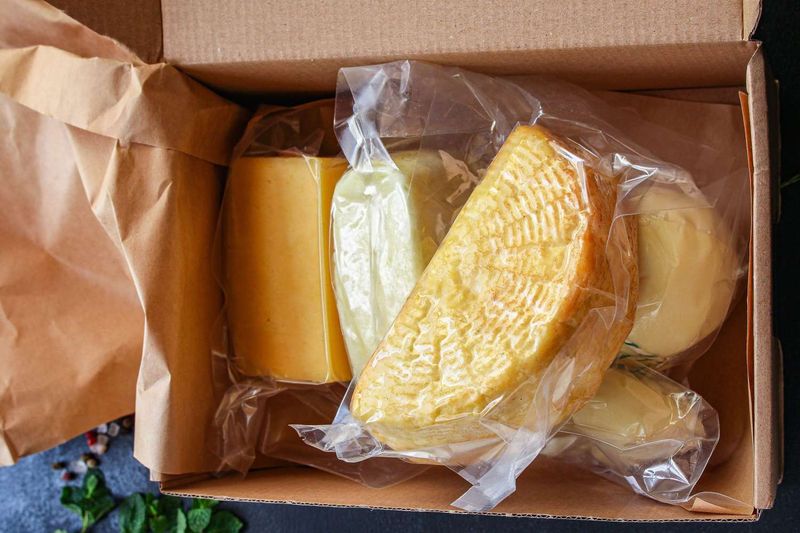
Parmesan, cheddar, and other firm varieties suffer terribly in cling film. The surface becomes slimy and develops an unappetising crust that wastes perfectly good cheese. Professor Paul Kindstedt at the University of Vermont explains that hard cheeses continue to lose moisture even after production.
When this natural process is hindered by plastic wrap, the cheese's crystalline structure changes, affecting both texture and taste. Waxed paper allows the right amount of airflow while preventing excessive drying.
4. Soft Cheeses Develop Ammonia Smells
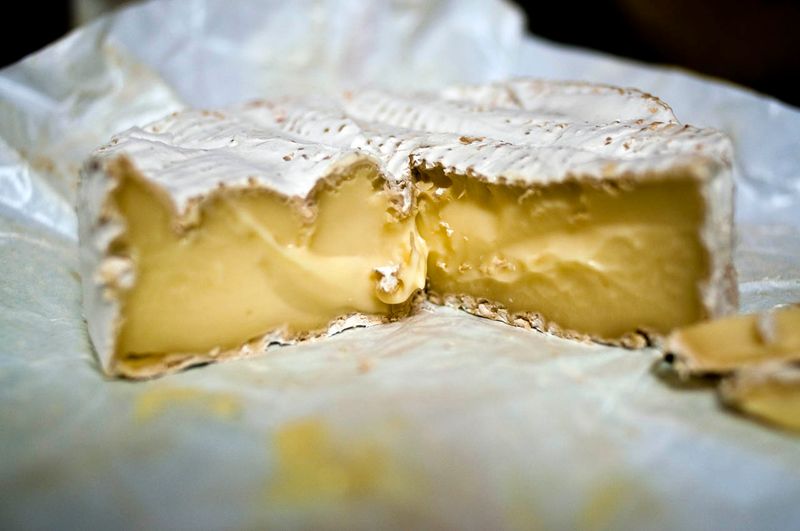
Brie, camembert and other soft cheeses naturally produce ammonia as they ripen. When trapped in plastic, these gases have nowhere to escape. The result? Opening your cheese wrapper becomes an eye-watering experience!
Food scientist Dr. Rachel Smith from Cambridge University notes that these cheeses contain specific molds that require oxygen exchange to mature properly. Without it, the balance of flavours becomes overwhelmingly pungent rather than pleasantly complex.
5. Waxed Paper Creates The Perfect Environment
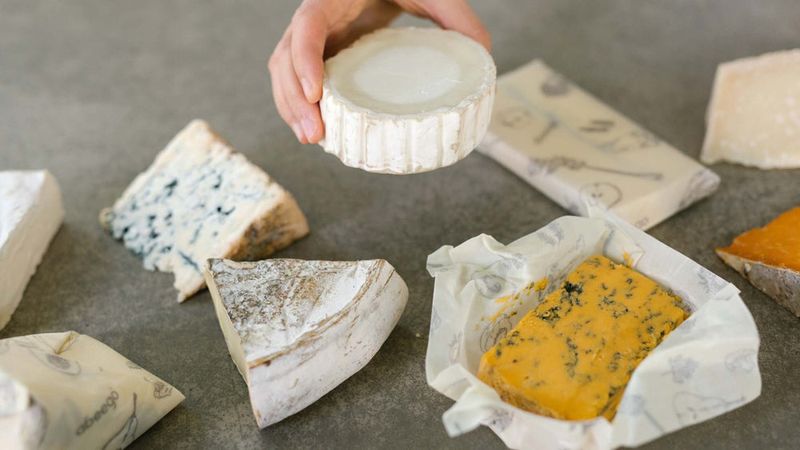
Specialty cheese paper exists for good reason! These wrappers allow cheese to breathe while maintaining just enough humidity to prevent drying out. Renowned cheesemonger Morgan McGlynn explains that waxed paper creates a micro-environment that mimics cheese caves where traditional varieties mature.
The porous nature of the paper allows gases to escape while keeping just enough moisture in. If you don't have cheese paper, baking parchment makes an excellent alternative.
6. Airtight Containers Offer Double Protection
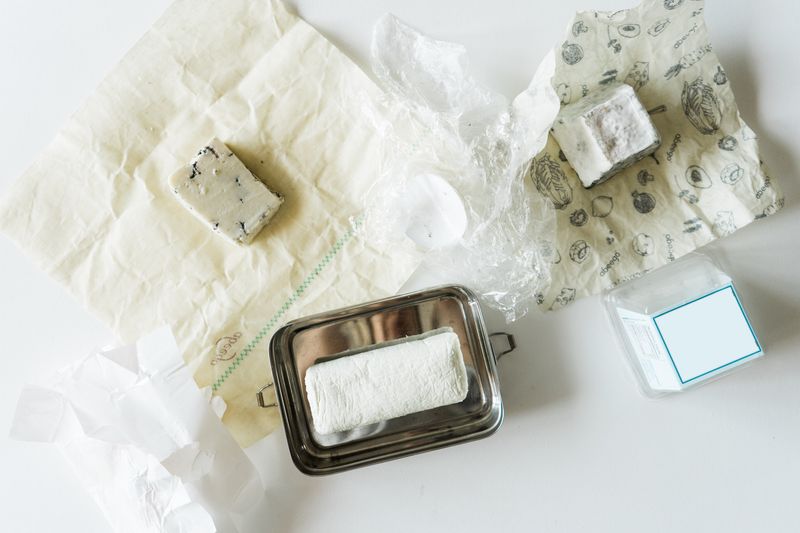
For particularly aromatic cheeses, a two-step approach works wonders. First wrap in breathable material, then place in a container. This method prevents your cheese from absorbing fridge odours while also stopping it from making everything else smell like blue cheese!
The Academy of Cheese recommends using glass or ceramic containers rather than plastic ones, as they don't absorb odours and can be thoroughly cleaned between uses.
7. Moisture Control Keeps Cheese Happy
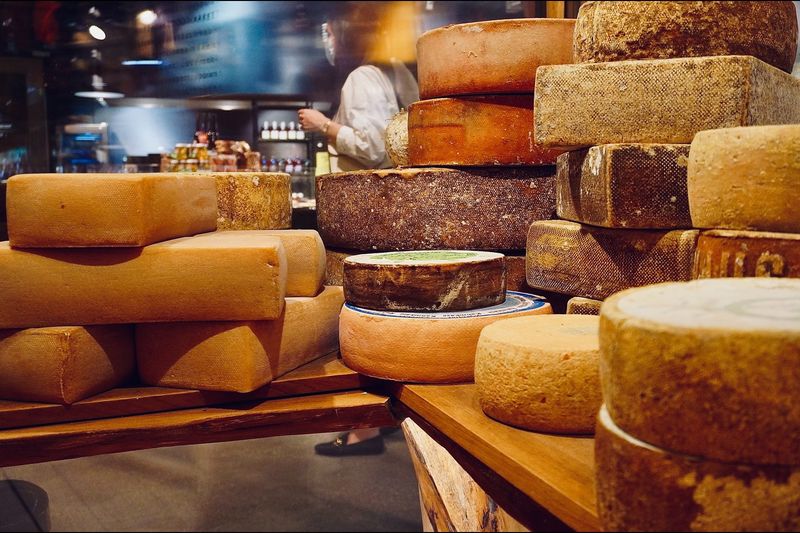
Some cheeses are particularly fussy about their moisture levels. Fresh mozzarella needs to stay wet, while aged gouda requires drier conditions. Artisan cheesemaker Jamie Montgomery suggests using a slightly dampened clean tea towel in your cheese container for varieties that need higher humidity.
The cloth releases moisture slowly, creating ideal conditions for your cheese to thrive. Just remember to change the towel regularly to prevent mold growth on the fabric itself.
8. Temperature Stability Matters Tremendously

The back of your fridge offers the most consistent temperature, making it cheese's preferred location. Fluctuating temperatures cause cheese to sweat and lose its carefully developed flavour compounds.
According to research from the British Cheese Board, the ideal storage temperature for most cheeses is between 3-8°C. The back of the refrigerator typically maintains this range most consistently. Cheese expert Juliet Harbutt recommends using a dedicated cheese drawer if your fridge has one.
9. Door Storage Ruins Delicate Varieties

Every time you open your fridge, the door items experience a temperature roller coaster. This is particularly harmful to delicate blue and soft-ripened cheeses. The constant warming and cooling causes fat separation and texture degradation.
Chef and cheese specialist Alex James warns that door storage can reduce a fine cheese's shelf life by half. The temperature fluctuations also encourage the growth of unwanted bacteria that compete with the cheese's beneficial cultures.
10. Mould Management Made Simple
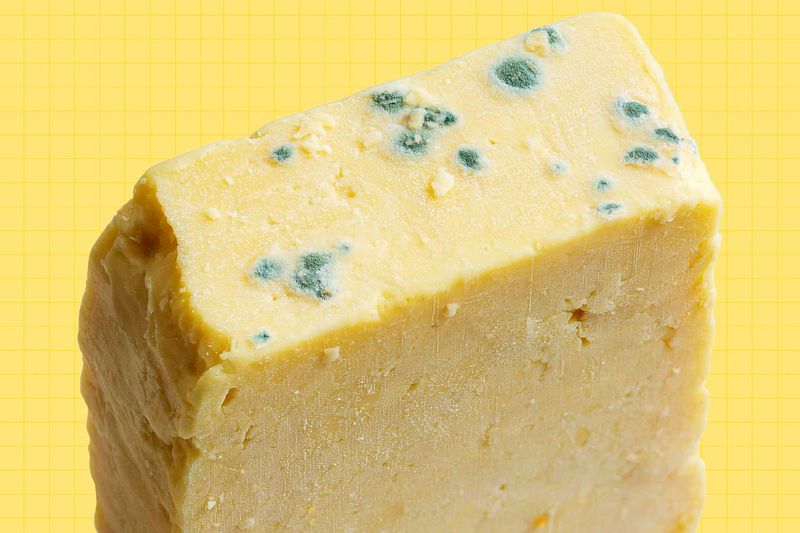
Found some fuzzy spots on your cheddar? Don't panic! Hard and semi-hard cheeses are often salvageable with a simple trim. The Food Standards Agency confirms that mould cannot penetrate deeply into firm cheeses, so cutting away 2.5cm beyond the visible mould renders the rest perfectly safe.
However, this rule doesn't apply to soft cheeses like ricotta or cottage cheese. Microbiologist Dr. Kathleen Glass explains that their high moisture content allows mould to spread invisible toxins throughout.
11. Climate Control Preserves Cheese Character

Cheese is remarkably sensitive to its environment. Traditional cheese caves maintain specific humidity and temperature levels for good reason! Master affineur Hervé Mons notes that proper storage preserves not just flavour but the terroir - that special character reflecting where and how the cheese was made.
A dedicated cheese container with regulated humidity works like a mini cheese cave in your fridge. Some enthusiasts even invest in special cheese refrigerators with adjustable humidity controls.
12. Eco-Friendly Options Protect Planet And Cheese
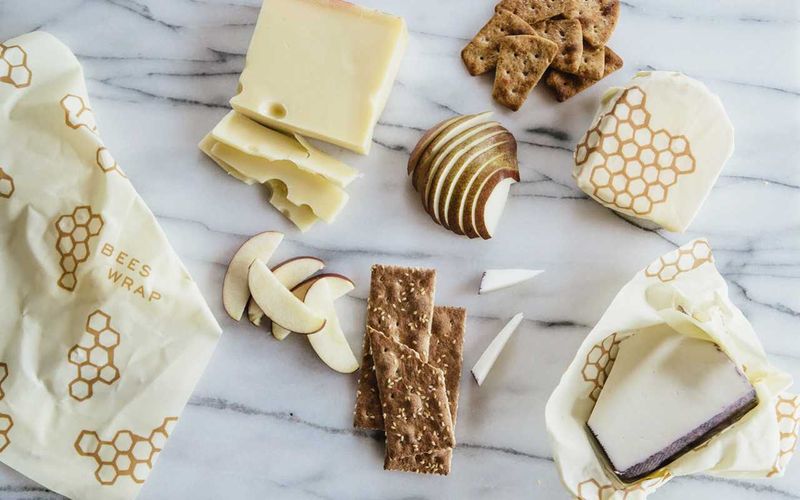
Beeswax wraps offer a brilliant alternative to disposable materials. These reusable cloths coated in beeswax provide the perfect breathable barrier for your cheese. Environmental scientist Dr. Emma Green points out that a single household might use hundreds of cling film sheets annually just for cheese storage.
Beeswax wraps can last up to a year with proper care, significantly reducing plastic waste. The natural antibacterial properties of beeswax also help keep your cheese fresher for longer.



