













Food isn't just about taste. Sometimes it's about heritage, tradition, and even legal protection. Around the world, certain iconic foods are so important to their regions that they're safeguarded by law.
These protected recipes ensure that when you buy something with a specific name, you're getting the authentic version made according to strict traditional methods in its place of origin.
1. Parmigiano Reggiano
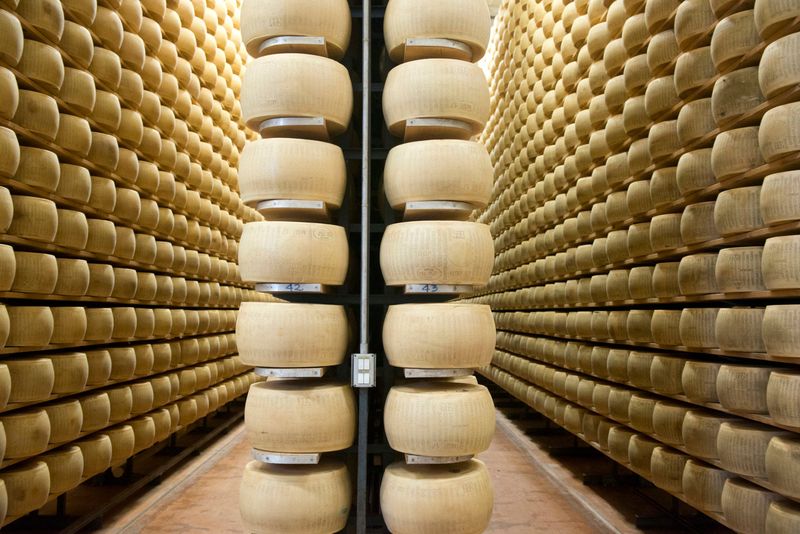
The genuine article must come from specific Italian provinces - Parma, Reggio Emilia, Modena, Bologna, or Mantua. Crafted from unpasteurised cow's milk, this cheese ages for at least 12 months.
Producers follow a recipe unchanged for over 800 years. Each wheel receives a fire-branded mark of authenticity, ensuring you're experiencing the real 'King of Cheeses' with its distinctive crystalline texture and nutty flavour.
2. Champagne
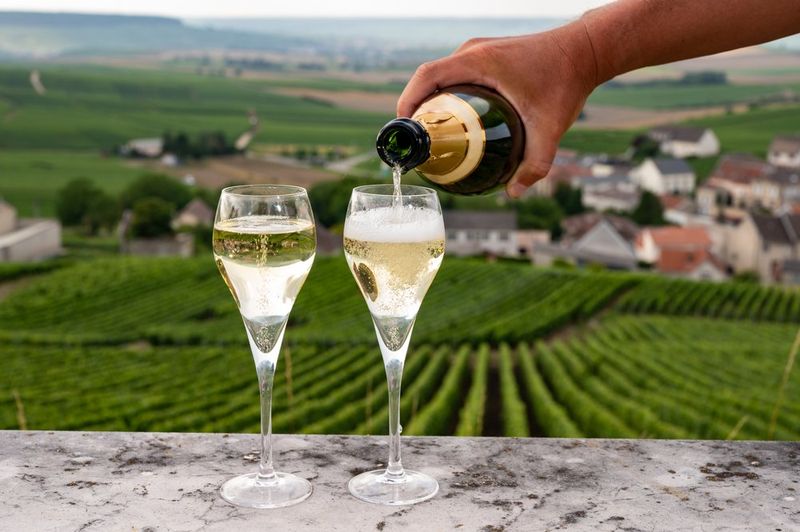
Only bubbles from France's Champagne region can legally bear this prestigious name. The climate, chalky soil, and strict production methods create something truly special.
French monk Dom Pérignon didn't actually invent Champagne - contrary to popular belief! The legally protected method includes secondary fermentation in the bottle and specific grape varieties like Chardonnay and Pinot Noir. The rules even dictate precise harvesting techniques.
3. Roquefort
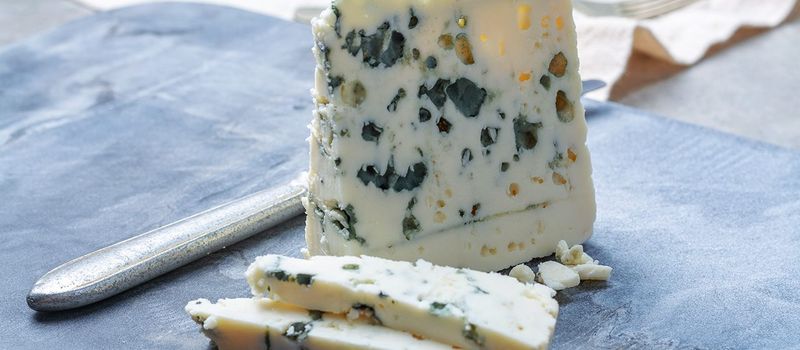
Napoleon allegedly fell in love with this pungent treasure, which legend claims was discovered when a shepherd abandoned his lunch in a cave to chase after a beautiful girl.
True Roquefort must be aged in the natural limestone caves of Mont Combalou in southern France. These caves maintain perfect humidity and temperature for developing those characteristic blue veins. The sheep providing milk must graze on local pastures of the Causses plateau.
4. Prosciutto Di Parma
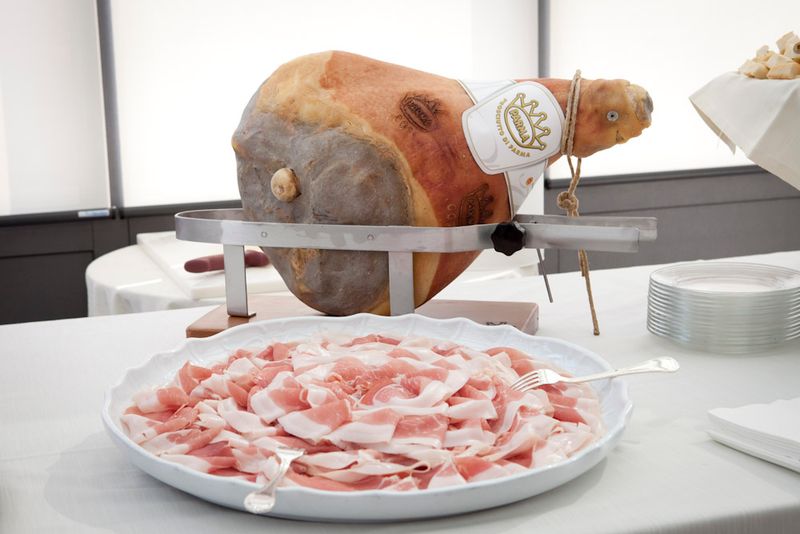
This silky, rose-hued ham comes exclusively from specially raised pigs in north-central Italy. Interestingly, these pampered pigs enjoy a diet including whey from Parmigiano Reggiano production!
The curing process lasts at least 12 months and uses only sea salt—no chemical preservatives. The distinctive five-pointed crown stamp guarantees authenticity. Air quality in the curing rooms matters tremendously, with producers opening windows only when conditions are perfect.
5. Gorgonzola
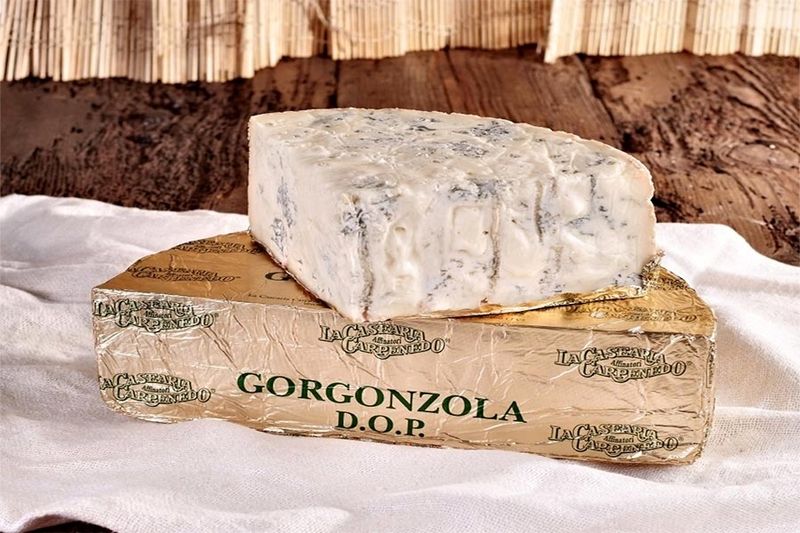
Rumour has it this cheese was created by accident when a distracted cheesemaker left curds overnight. Now it's strictly regulated—genuine Gorgonzola comes only from Lombardy and Piedmont regions.
The cheese develops its characteristic blue-green marbling through natural aging with specific mold spores. Sweet (dolce) varieties age 2-3 months, while piccante versions mature longer for a spicier bite. Each authentic wheel bears a special foil marking.
6. Cava
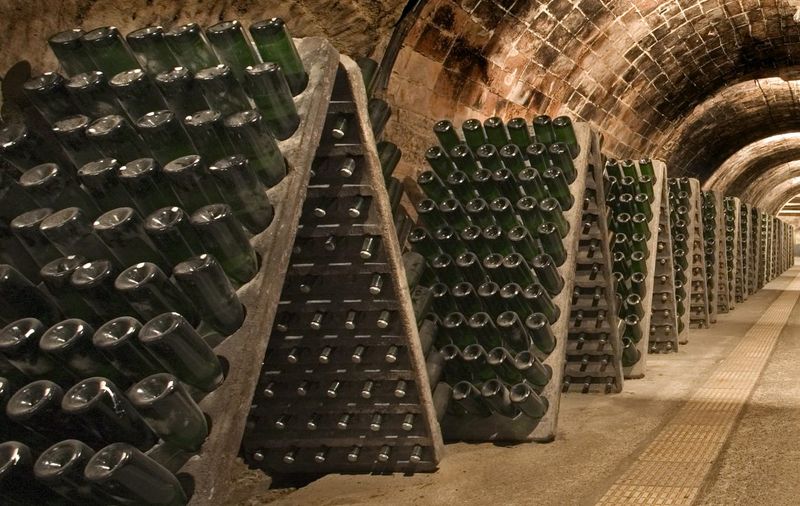
Spain's answer to Champagne follows equally strict rules but with distinctive Spanish grape varieties like Macabeo, Parellada, and Xarel·lo. The name 'Cava' actually means 'cave' or 'cellar' in Catalan.
While 95% comes from Catalonia, seven other Spanish regions can legally produce it. The traditional method requires bottle fermentation and specific aging periods. Look for the four-pointed star symbol on authentic bottles—your guarantee of Spanish sparkling excellence.
7. Feta
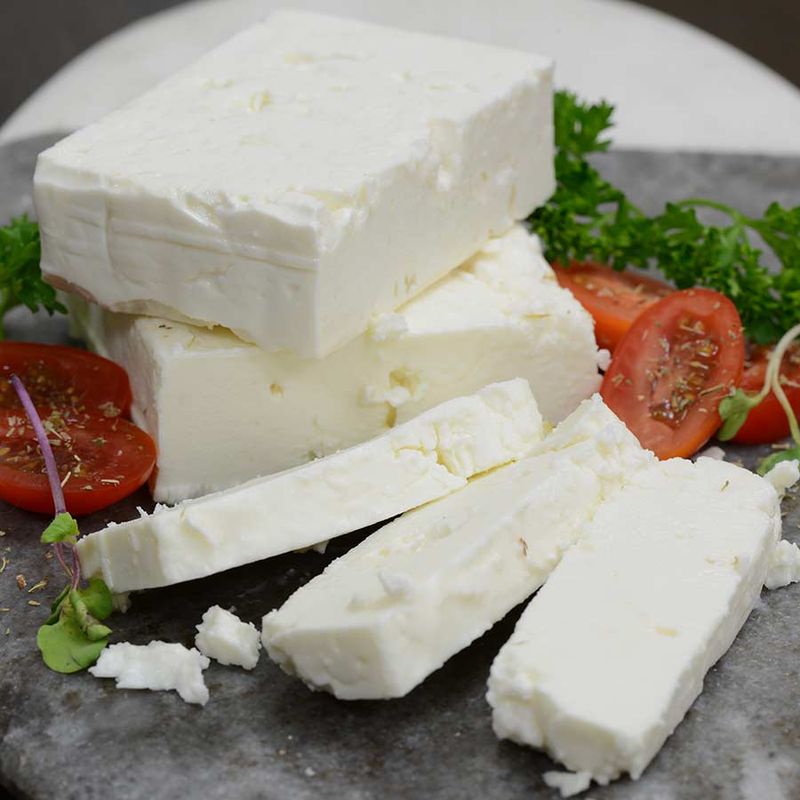
After a lengthy legal battle, Greece won exclusive rights to the name 'Feta' in 2002. Similar cheeses made elsewhere must use alternative names like 'white cheese' or 'salad cheese'.
Authentic Feta contains at least 70% sheep's milk (the remainder from goats). It's produced in specific Greek regions including Macedonia, Thrace, and mainland Greece. The brining process gives it that distinctive tangy character and crumbly texture that no imitation can truly match.
8. Cognac
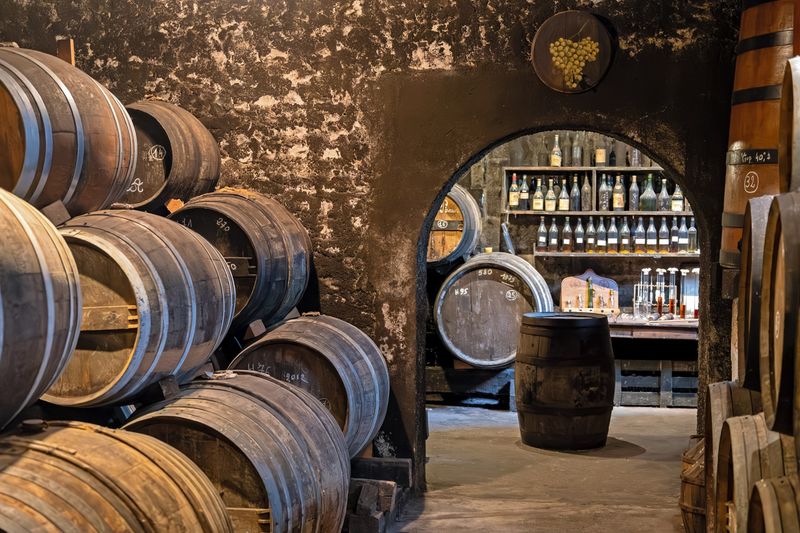
Named after a medieval French town, genuine Cognac must be twice-distilled in copper pot stills by October 31 following harvest. The Charente and Charente-Maritime regions provide the perfect terroir for its production.
Age designations are strictly regulated: VS means at least two years in oak, VSOP four years, and XO a minimum of ten years. The 'angel's share'—about 3% lost annually to evaporation—creates a magical environment in aging cellars where walls turn black from a unique fungus.
9. Turkish Hamsi
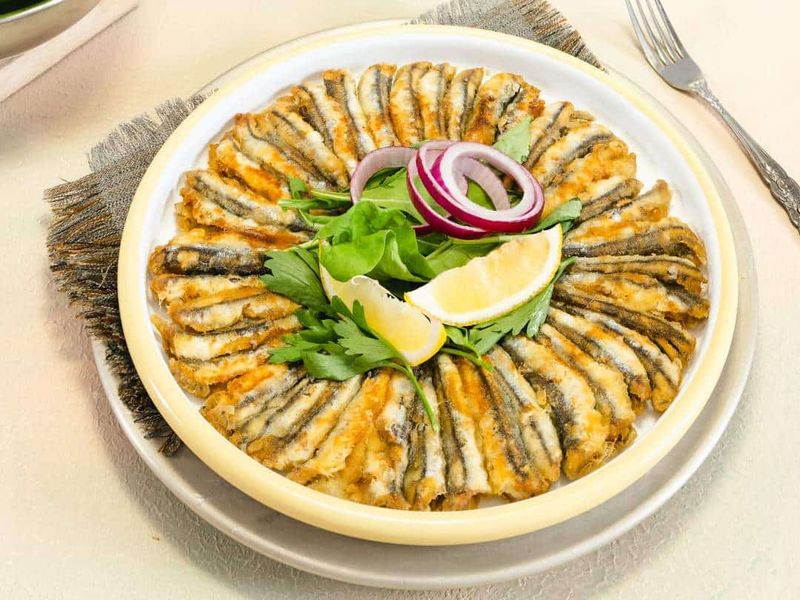
These small, silvery fish transform Turkish Black Sea cuisine into something extraordinary. Protected designation ensures only anchovies caught using traditional methods in Turkey's Black Sea waters can bear this name.
Winter is prime Hamsi season, when the fish are at their fattiest and most flavourful. Local fishermen follow centuries-old harvesting techniques. The anchovies feature in dozens of regional specialties, from simple fried preparations to elaborate rice dishes and even desserts!
10. Jamón Ibérico
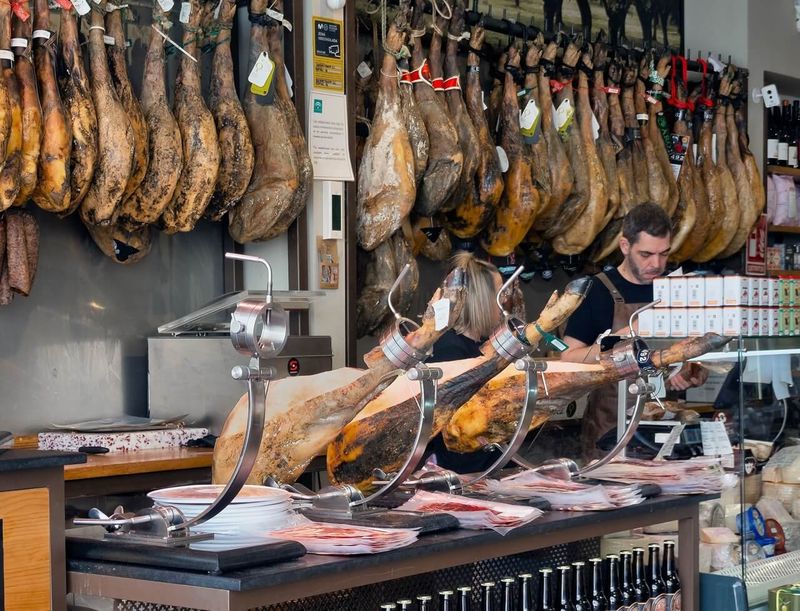
The black Iberian pig—recognisable by its black hooves—roams oak forests feasting on acorns during montanera season. This diet creates the ham's signature marbled fat and nutty flavour.
The most prized version, Jamón Ibérico de Bellota, comes from pigs fed exclusively on acorns. Curing takes years, with some legs aging 36+ months. Each ham receives a coloured band indicating its quality level, with black bands marking the supreme grade.
11. Jamón Serrano
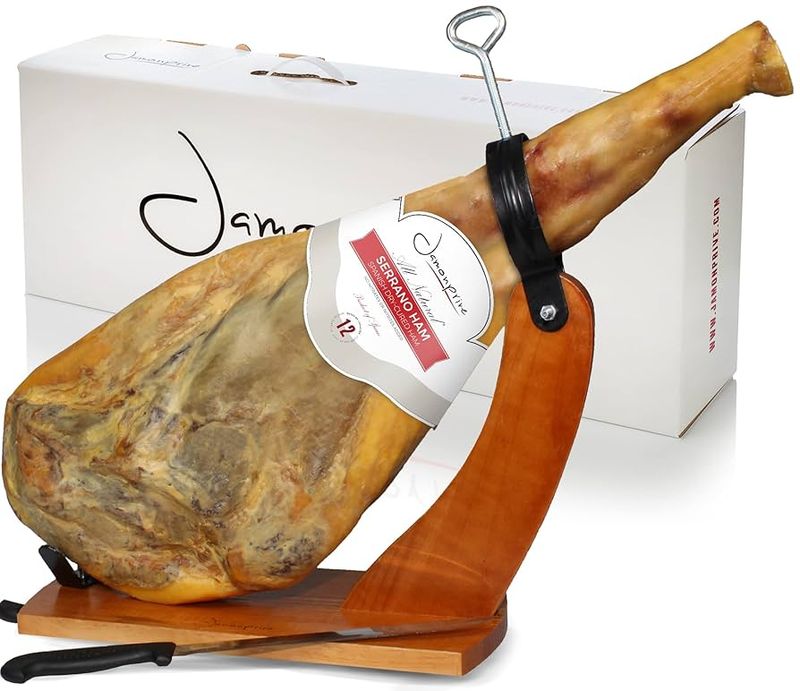
While sometimes overshadowed by its premium cousin Ibérico, Serrano has its own protected status and devoted following. 'Serrano' means 'from the mountains', reflecting the traditional high-altitude curing process.
White-hooved pigs provide the meat, which is salt-cured then air-dried for 7-16 months. The resulting ham develops a distinctive deep red colour and concentrated flavour. Only hams meeting strict quality standards receive the official 'Consorcio del Jamón Serrano Español' seal.
12. Cornish Pasty
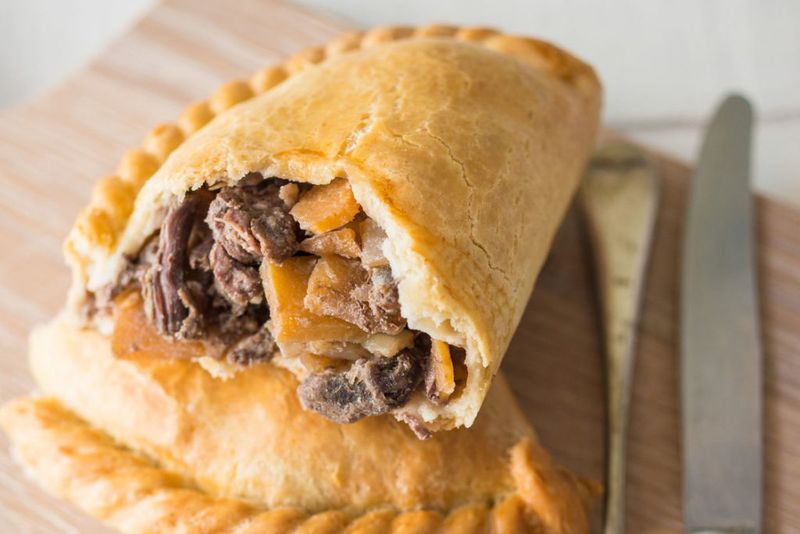
These D-shaped pastries once sustained tin miners who couldn't surface for lunch. The crimped edge served as a handle, sometimes discarded due to miners' arsenic-contaminated hands—though this is debated by historians.
Legal protection demands specific ingredients: chunks (not minced) of beef, potato, swede and onion in roughly equal proportions. The pastry must be savory, golden-yellow, and prepared in Cornwall—though it can be baked elsewhere. The crimping must be on the side, never on top!
13. Cornish Clotted Cream
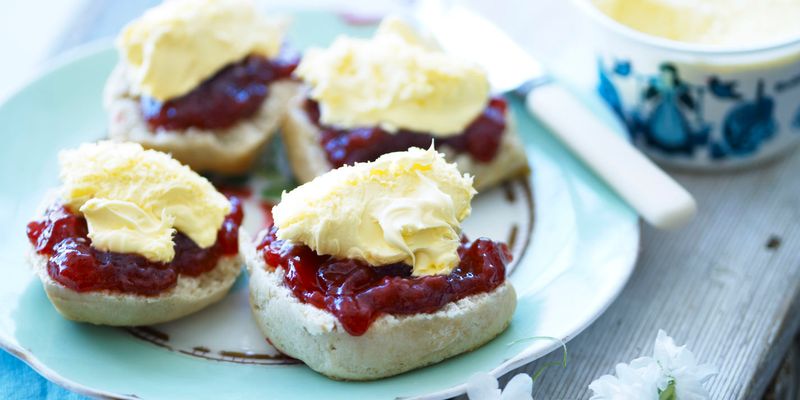
The crowning glory of cream teas has been produced in Cornwall since the 1600s. The distinctive yellow colour and crusty top come from a unique slow-heating process.
Genuine Cornish clotted cream must contain at least 55% butterfat and be made from milk produced in Cornwall. The traditional method involves gently heating unpasteurised cream until it forms a thick crust. A contentious debate rages about whether it should go on scones before or after jam!



