













Ever wondered if that gold-flaked dessert or truffle-infused pasta is actually worth the eye-watering price tag? Many high-end restaurant offerings might be emptying your wallet without delivering exceptional taste experiences.
Food critics and culinary experts have identified several luxury dishes that simply don't justify their cost, regardless of their Instagram appeal or status symbol reputation.
1. Truffle Oil Pasta
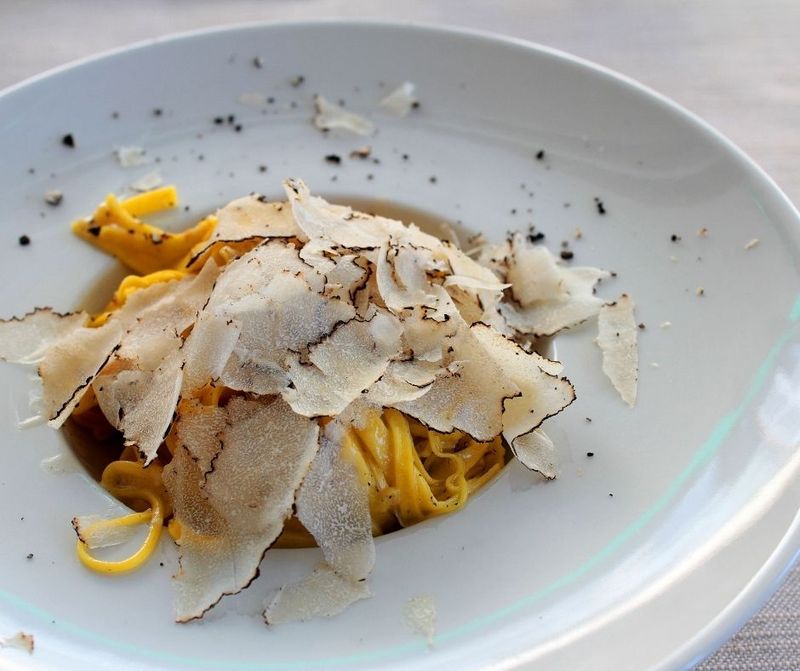
Most restaurants aren't using real truffles in your £30 pasta dish. The secret? Synthetic chemicals that mimic truffle aroma but lack authentic depth. Chef Gordon Ramsay has repeatedly called truffle oil "the most pungent, ridiculous ingredient" in modern kitchens.
You're essentially paying premium prices for ordinary pasta dressed with artificial flavouring. For genuine truffle experience, seek restaurants that shave fresh truffles tableside – or save your money entirely.
2. Gold Leaf Steak
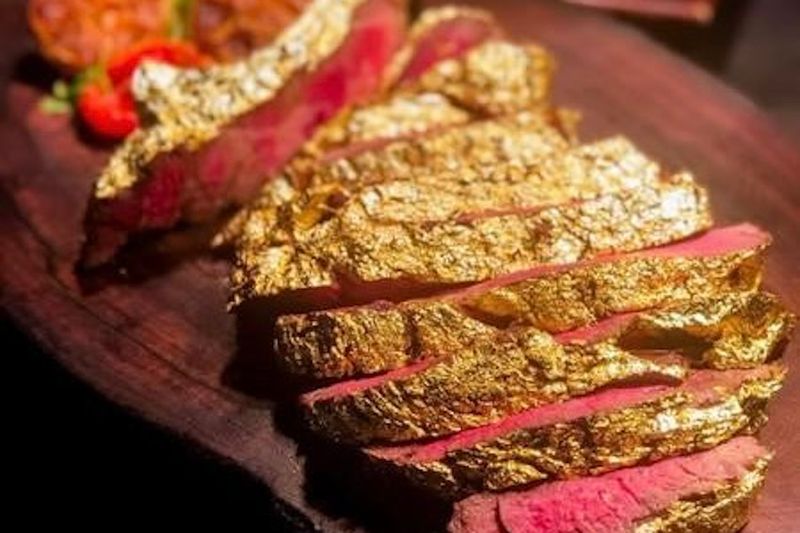
Paying hundreds of pounds for edible gold that tastes like absolutely nothing? Food scientist Dr. Stuart Farrimond explains that gold is biologically inert – it passes through your system without interaction, offering zero nutritional value or flavour enhancement.
Celebrity chef Jamie Oliver considers it "the emperor's new clothes of gastronomy" – pure showmanship. Your money would be better invested in a properly aged, quality cut prepared with skill rather than flashy, tasteless decoration.
3. Lobster Mac And Cheese
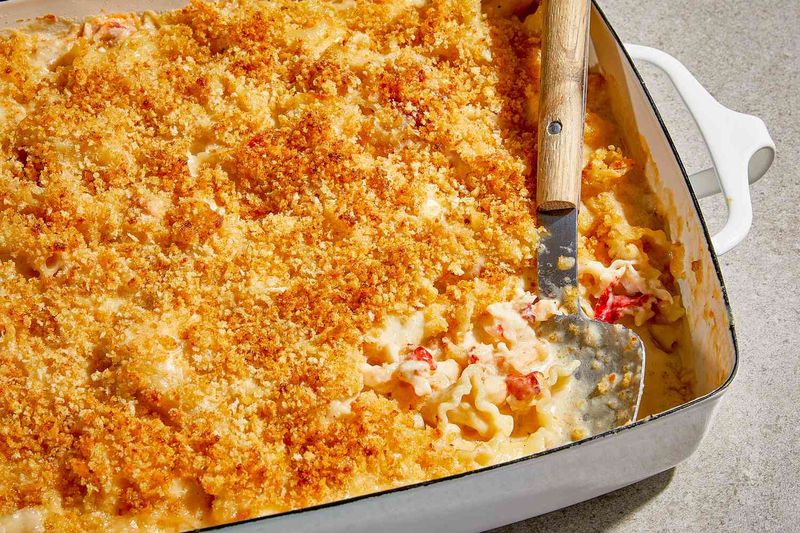
The marriage of humble pasta with luxury seafood often results in disappointment, not delight. Culinary expert James Peterson points out that the delicate flavour of lobster gets completely overwhelmed by rich cheese sauce and breadcrumbs.
Many establishments use minimal amounts of lobster meat, primarily claw pieces, while charging triple the price of regular mac and cheese. For authentic lobster experience, order it simply prepared with butter and lemon to truly appreciate its sweet, subtle taste.
4. Foie Gras
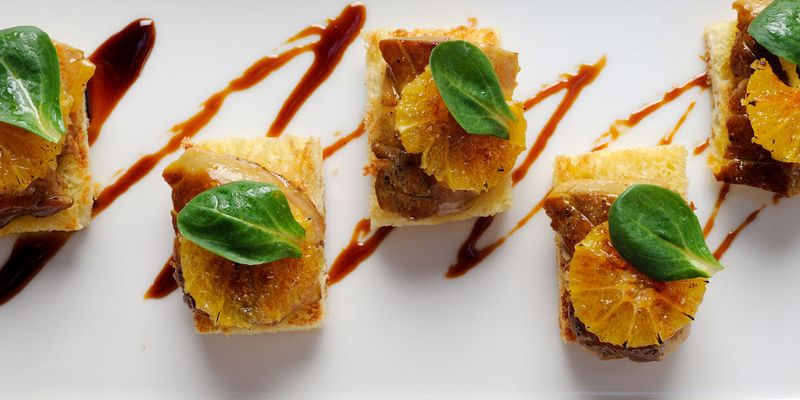
Beyond ethical concerns, this French delicacy rarely justifies its £40+ price tag for a tiny portion. Nutritionist Dr. Marion Nestle highlights its extraordinarily high fat content – up to 85% – making it essentially flavoured fat rather than a protein-rich dish.
Restaurant consultant Elizabeth Blau notes that preparation inconsistencies plague many establishments. When improperly handled, foie gras becomes grainy and bitter rather than silky smooth. The markup can exceed 300% over wholesale cost.
5. Caviar
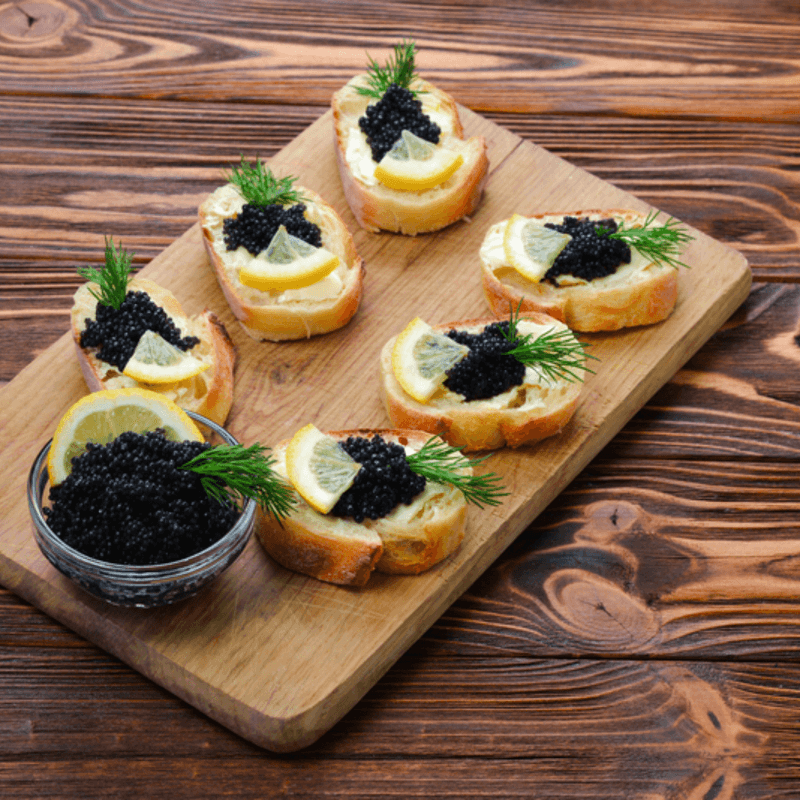
Those tiny fish eggs commanding astronomical prices? Marine biologist Dr. Sylvia Earle questions whether diners actually enjoy caviar or simply enjoy the status it conveys. Blind taste tests frequently reveal that many cannot distinguish between premium and mid-range varieties.
Restaurant markup on caviar regularly exceeds 300%. Chef Anthony Bourdain famously admitted that caviar is "something you enjoy because you're supposed to," not because it delivers exceptional flavour worth hundreds of pounds per serving.
6. Wagyu Beef
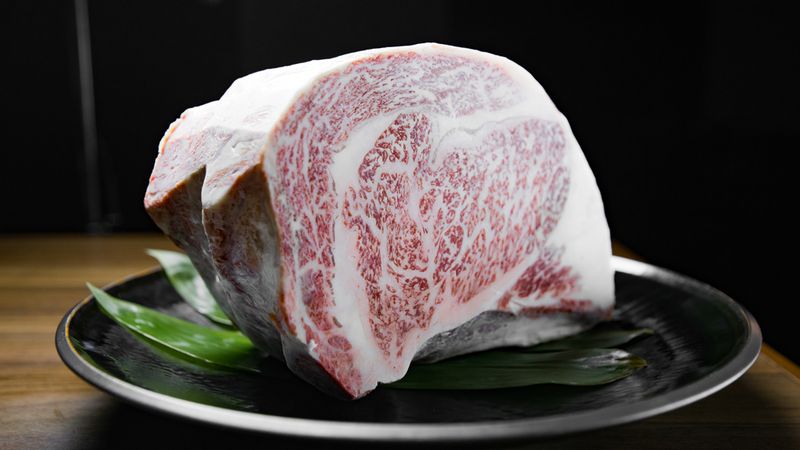
The Japanese cattle breed commanding £200+ per steak often represents the ultimate dining splurge. What restaurants won't tell you? Food authenticity expert Larry Olmsted reveals that much "Wagyu" in Western restaurants isn't genuine Japanese A5 grade but lesser crossbreeds.
The extreme marbling that makes true Wagyu special can actually be too rich for many palates. Culinary scientist Harold McGee suggests that properly aged local beef can deliver comparable satisfaction at one-quarter the price.
7. Raw Oysters
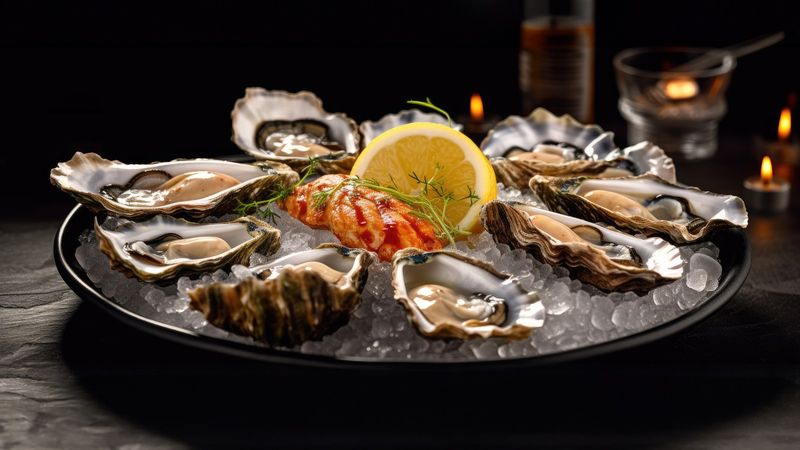
Those slippery molluscs can cost upwards of £5 each at trendy establishments. Marine biologist Dr. Helen Scales notes that oysters are primarily water and provide minimal sustenance despite their premium pricing.
Restaurant insider Anthony Bourdain once revealed that Monday oysters are often weekend leftovers. The markup can exceed 400% over wholesale prices. For better value, visit coastal restaurants during happy hour or oyster festivals where prices drop dramatically without sacrificing quality.
8. Lobster Tail
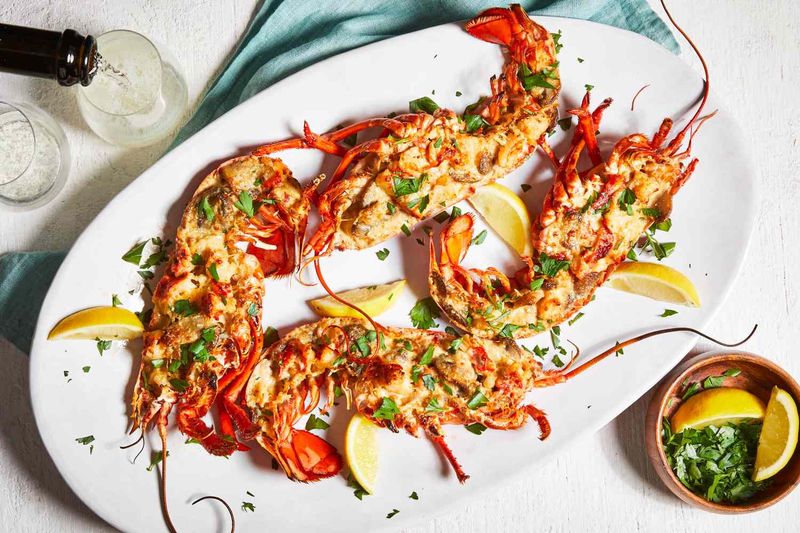
Those petite lobster tails commanding £50+ often represent the poorest value in seafood dining. Seafood sustainability expert Barton Seaver explains that frozen tails lose significant flavour and texture compared to fresh whole lobsters.
Restaurant economics reveal the markup often exceeds 350%. The tail contains just 30% of a lobster's meat! Chef Eric Ripert recommends whole lobsters instead, as the claw meat offers sweeter flavour, and you'll receive substantially more seafood for your money.
9. Crab Cakes
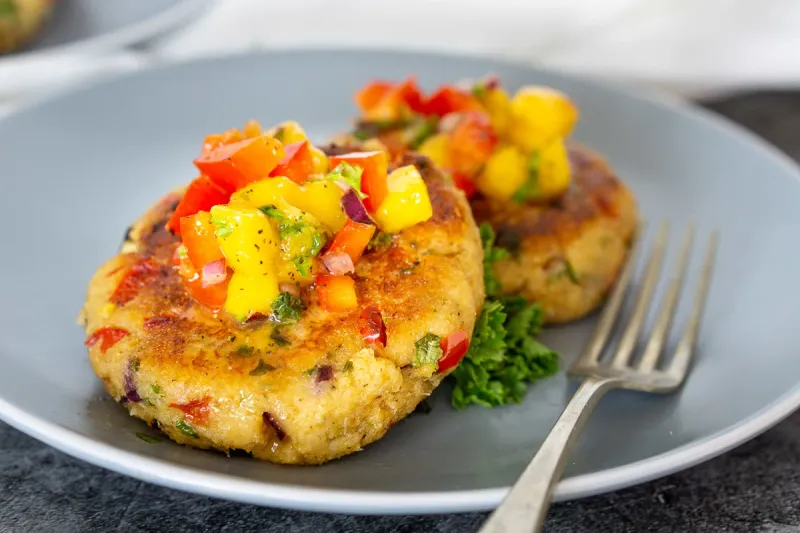
That £25 crab cake appetizer? Food scientist Harold McGee explains that premium jumbo lump crabmeat constitutes as little as 25% of many restaurant versions. The rest? Breadcrumbs, mayonnaise, egg and seasonings – essentially expensive filler.
Seafood expert Rick Moonen warns that some establishments use cheaper crab species or even artificial crab. For authentic crab experience, order simple preparations like steamed crabs or clear crab soup where quality cannot be masked by heavy binders.
10. Saffron Risotto
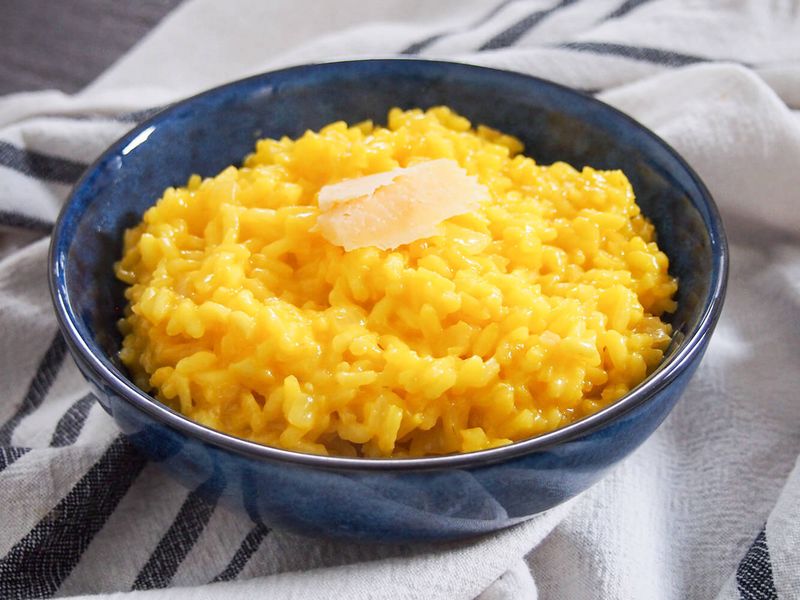
The world's most expensive spice transforms ordinary rice into a £35 golden dish. Culinary historian Massimo Montanari reveals that many restaurants use minimal saffron – often just a few strands – while relying on turmeric or food coloring for the signature yellow hue.
Food scientist Harold McGee notes that saffron's subtle flavour gets lost among stronger ingredients. Chef Lidia Bastianich suggests that mushroom or seafood risottos often deliver more satisfying flavour experiences at significantly lower prices.



