










Many of us love a juicy steak with crispy potatoes, but our favourite meals might be quietly affecting our hearts.
Recent research suggests that eating too much meat daily could lead to serious cardiovascular problems.
The protein content and specific amino acids found in animal products might be triggering harmful changes in our arteries that build up over time.
1. Protein Overload Hardens Arteries
Your body needs protein, but too much might be dangerous. Researchers discovered diets containing over 22% of daily calories from protein—particularly meat—can trigger atherosclerosis, where arteries become stiff and narrow.
This hardening happens gradually as plaque builds up along blood vessel walls, restricting blood flow to vital organs. The University of Pittsburgh study suggests we should reconsider our protein portions before heart problems develop.
2. Leucine: The Hidden Troublemaker
That amino acid lurking in your steak might be causing trouble. Leucine, abundant in meat and eggs, activates specific immune cells that contribute to arterial plaque formation.
When these cells become overactive, they trigger inflammation and cholesterol accumulation in blood vessels. While leucine helps build muscle, consuming excessive amounts through meat-heavy diets might inadvertently be setting the stage for cardiovascular complications years down the road.
3. Your Dinner's Dangerous Threshold
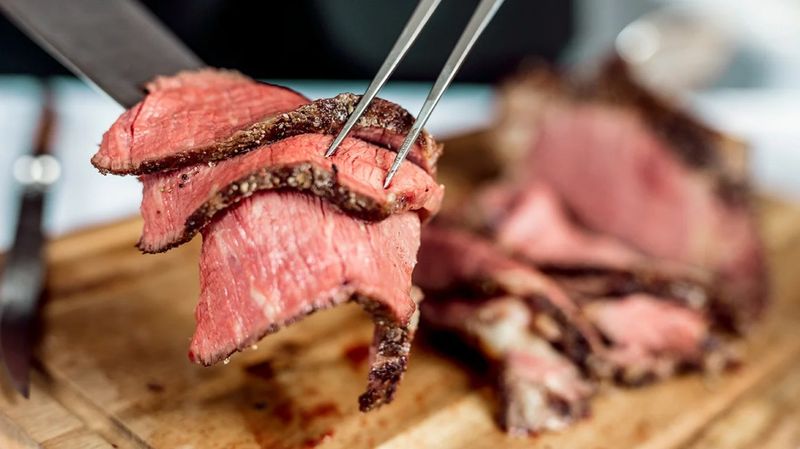
That delicious ribeye might push you over the edge—nutritionally speaking. According to University of Pittsburgh researchers, meals containing more than 22% protein can activate harmful cardiovascular responses almost immediately.
A typical 8-ounce steak provides about 56 grams of protein, potentially exceeding this threshold in a single sitting. The body's inflammatory response doesn't wait for decades of poor eating—it begins with today's meal choices.
4. Eggs Aren't Innocent Bystanders
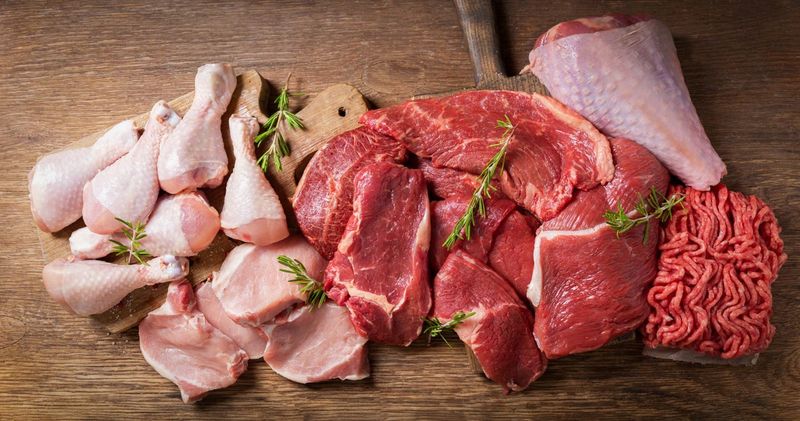
Morning fry-ups might need a rethink. Even eggs, often considered a healthier protein source, contain amino acid profiles that could contribute to cardiovascular risk when consumed excessively.
Their animal-based protein composition shares similarities with meat proteins that trigger inflammatory responses. While eggs offer valuable nutrients, incorporating them into a diet already heavy in animal proteins might compound heart health concerns over time.
5. Medical Community Remains Divided
Not all health experts are convinced we should bin our steaks just yet. Dr. Stephen Tang and other medical professionals point out that while the research is compelling, sample sizes remain relatively small.
They suggest these findings support a gradual shift toward more plant-based eating rather than dramatic dietary overhauls. The medical consensus appears to be evolving toward moderation—keeping some meat while increasing plant proteins for better heart outcomes.
6. Science Continues Evolving
The meat-heart connection remains under investigation. A 2020 study linked high-protein diets to increased heart disease risk, raising alarm among meat lovers everywhere.
However, a larger 2023 trial couldn't replicate these findings conclusively. This scientific tug-of-war highlights how nutrition research continues developing. For now, the evidence leans toward caution with animal proteins while researchers work to establish clearer guidelines.
7. Heart Association Favours Plants
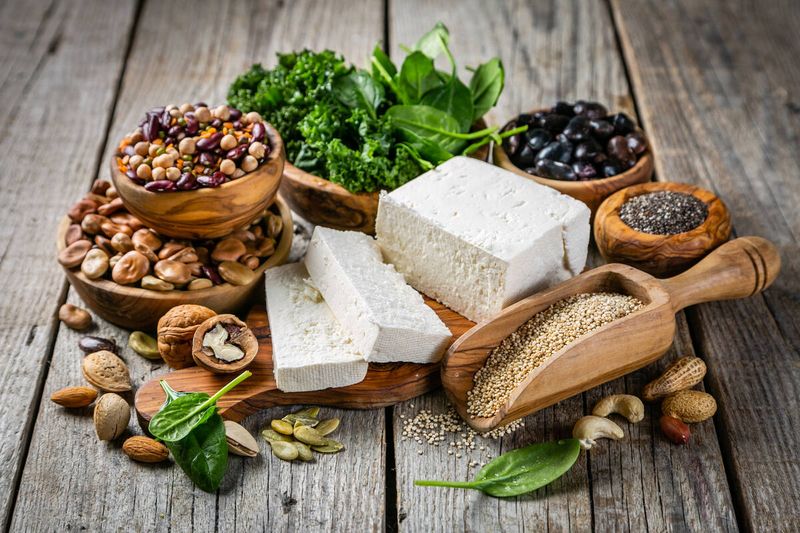
America's heart health authority has taken a stance. The American Heart Association recommends emphasizing plant-based proteins like beans, lentils, and seeds in your diet while limiting red and processed meats.
They also suggest incorporating fatty fish for heart-healthy omega-3s. Their guidelines reflect growing evidence that protein source matters as much as quantity. Following their advice might mean trading some mince for mushrooms or beans several times weekly.
8. Quality Trumps Quantity
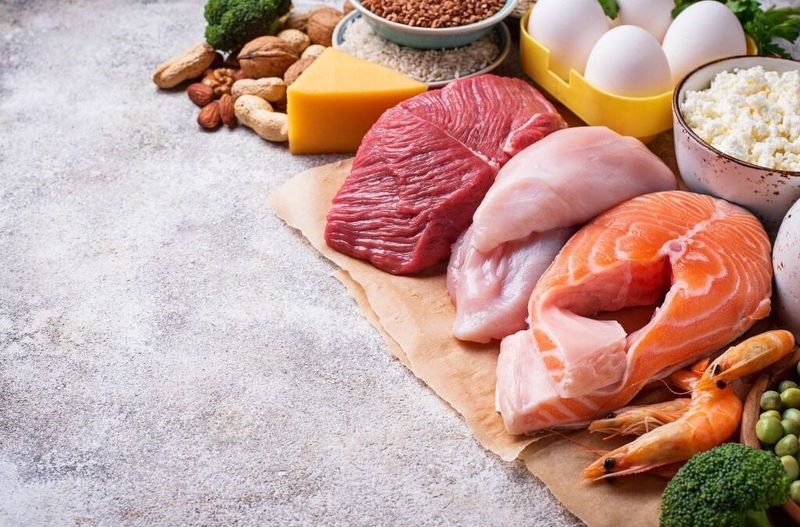
The protein puzzle isn't about eating less—it's about choosing better. Nutrition experts emphasize that protein quality significantly impacts cardiovascular outcomes more than simply reducing intake.
Swapping red meat for fish, legumes, or nuts provides protein without the problematic compounds. This shift maintains muscle-building benefits while reducing heart risk. Small substitutions made consistently create meaningful health improvements without sacrificing satisfaction or nutrition.
9. Women Benefit From Plant Power
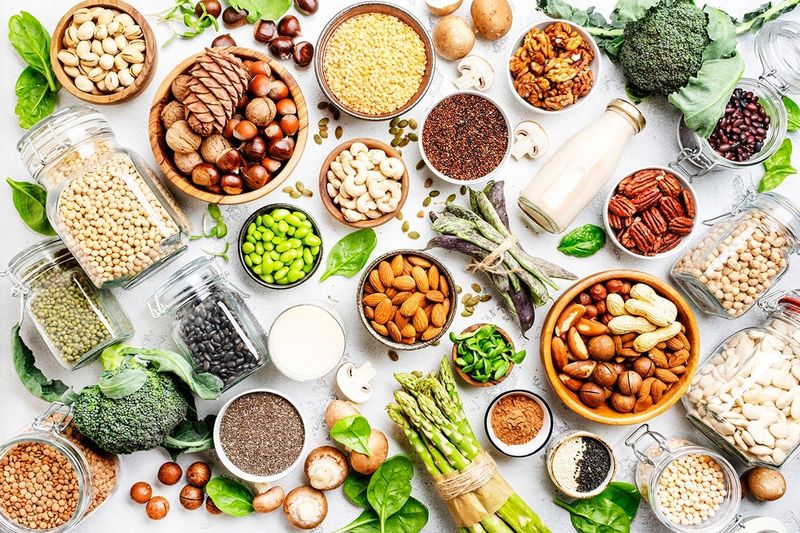
Ladies who love lentils might age more gracefully. A fascinating long-term study revealed women who primarily consumed plant proteins were 46% more likely to maintain good health into their later years.
Conversely, those favouring animal proteins showed accelerated aging markers. The protective effects appeared strongest when plant proteins replaced processed meats. This gender-specific finding suggests women might particularly benefit from reconsidering their protein sources.
10. Meat Raises Dangerous Numbers
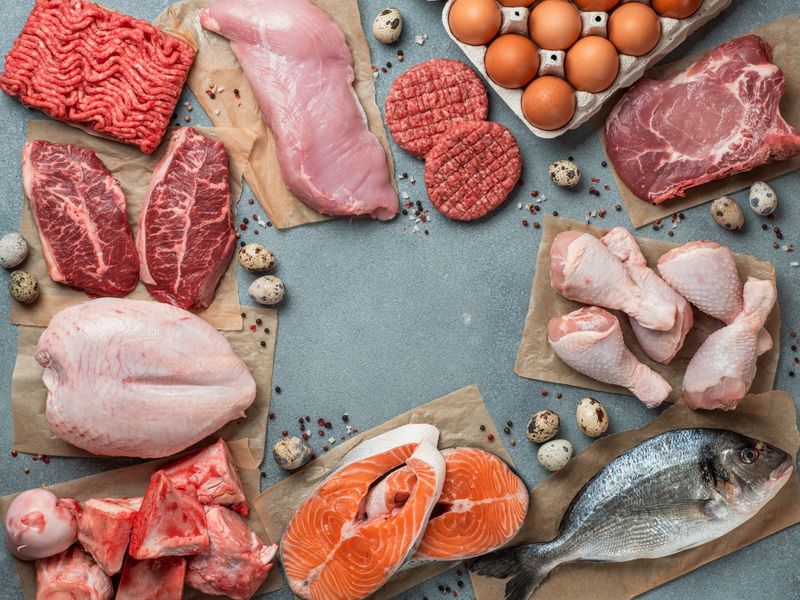
Your blood work might reveal your dinner choices. Harvard researchers found that animal-based protein consumption correlates with elevated cholesterol levels and increased mortality risk compared to plant-based alternatives.
The saturated fat content in meat contributes to LDL cholesterol production. Additionally, certain compounds formed during meat digestion may damage blood vessels. These combined effects create a double threat to heart health that builds silently with each meat-centered meal.
11. Finding Your Protein Sweet Spot
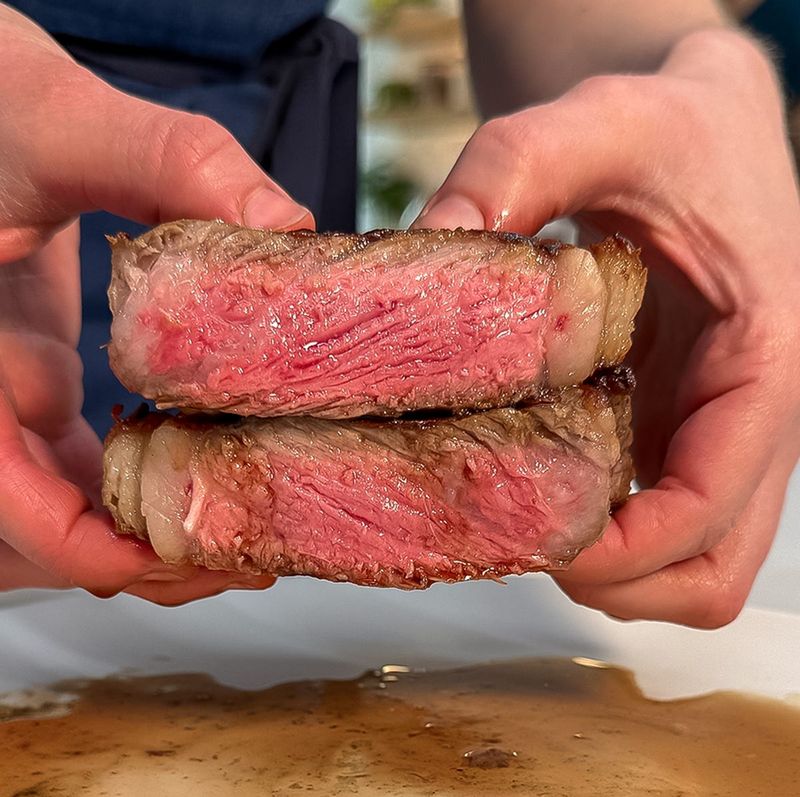
Current nutritional guidelines offer considerable flexibility. Experts recommend protein should constitute between 10-35% of daily calories, but most adults need just 0.8g per kg of body weight to function properly.
For a 70kg person, that's about 56g daily—equivalent to a chicken breast and a cup of lentils. Most Britons consume significantly more, especially meat-eaters. Finding your personal balance means considering activity level, age, and health conditions alongside heart risk factors.
12. Tomorrow's Heart-Healthy Plate
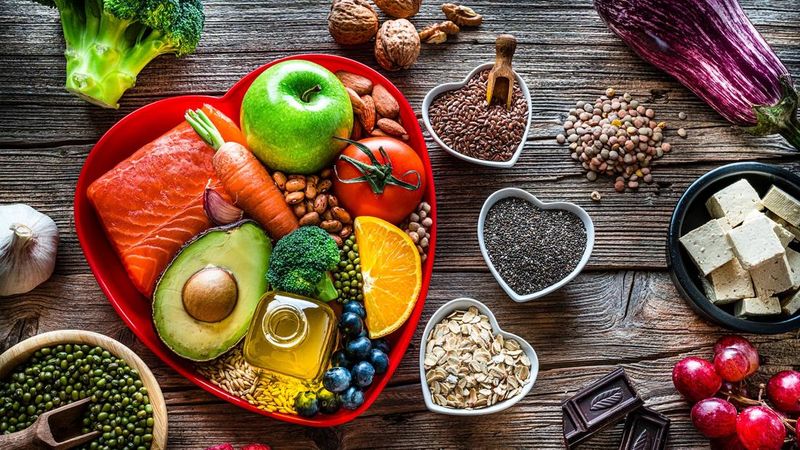
Cardiologists increasingly advocate for a plant-forward approach. This doesn't mean eliminating meat entirely, but rather rebalancing your plate to feature more seeds, nuts, and legumes alongside smaller meat portions.
This shift addresses both protein quality and quantity concerns. Leading heart specialists suggest starting with meat-free days or reducing portion sizes gradually. The future of heart-protective eating appears to be more colourful, varied, and plant-centric than our traditional meat-and-potatoes standard.