













Coffee is more than just a morning pick-me-up – it's a window into cultural traditions around the world. From elaborate ceremonies to unique brewing methods, each country puts its own spin on this beloved beverage.
Let's explore how people across the globe transform simple coffee beans into expressions of their heritage and daily rituals.
1. Ethiopia - The Coffee Ceremony
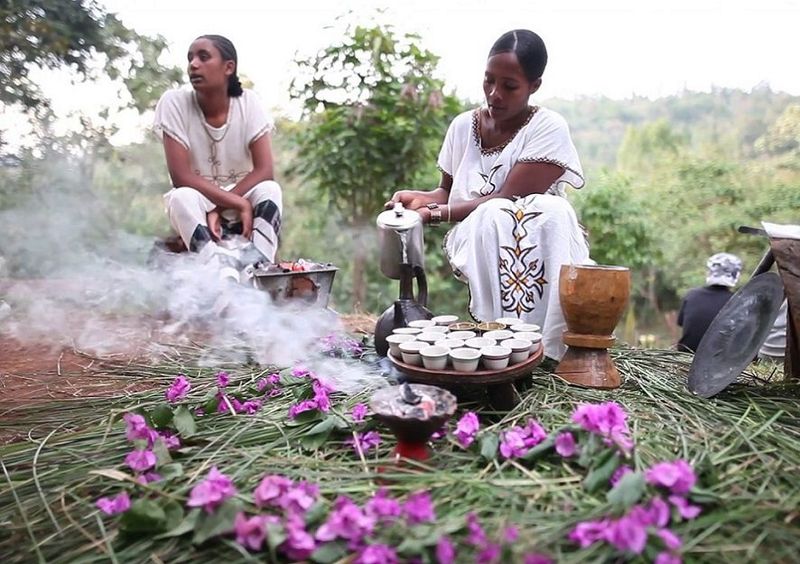
Green beans crackle over open flames as families gather for the bunna ceremony. This ritual, lasting up to three hours, transforms coffee preparation into a social celebration.
Women traditionally perform each step with practiced grace, serving three rounds symbolizing blessing, peace, and transformation. More than just coffee, it's Ethiopia's expression of community and respect.
2. Turkey - Turkish Coffee
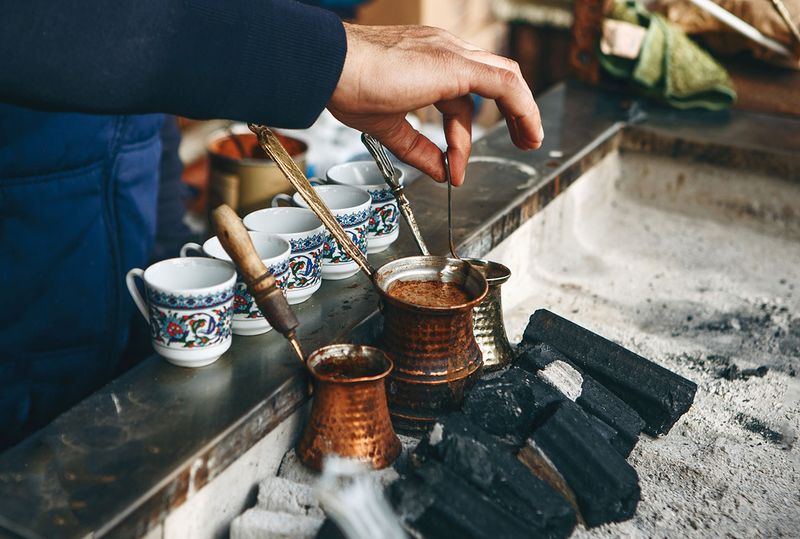
Tiny cups hold a universe of flavour in Turkish coffee culture. The unfiltered brew, simmered slowly in a copper cezve until it forms a rich foam called 'kaimaki', delivers an intense experience.
After enjoying the velvety liquid, many flip their cups upside down. Once cooled, the remaining grounds create patterns believed to reveal one's fortune - a tradition dating back centuries.
3. Italy - Espresso Culture
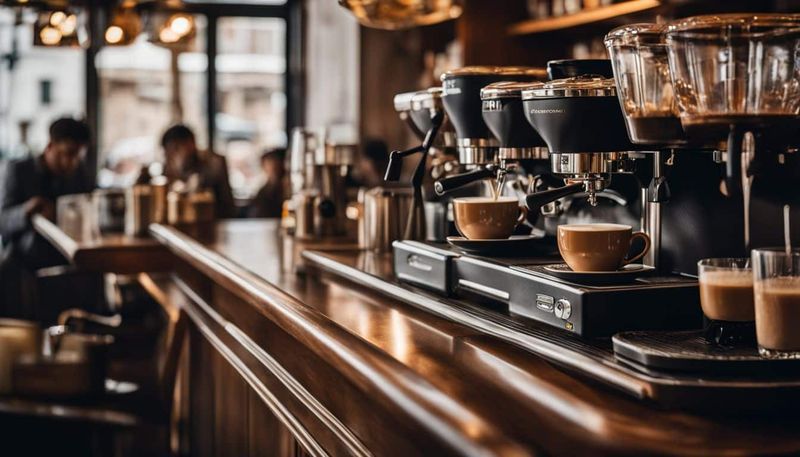
Morning in Milan means cappuccino, but after 11 am, Italians switch exclusively to espresso. This unwritten rule reflects their belief that milk disrupts digestion later in the day.
Espresso bars buzz with energy as patrons stand shoulder-to-shoulder, downing their 'shots' in mere minutes. No lingering allowed - this quick ritual punctuates the Italian workday like musical notes in an opera.
4. Vietnam - Egg Coffee
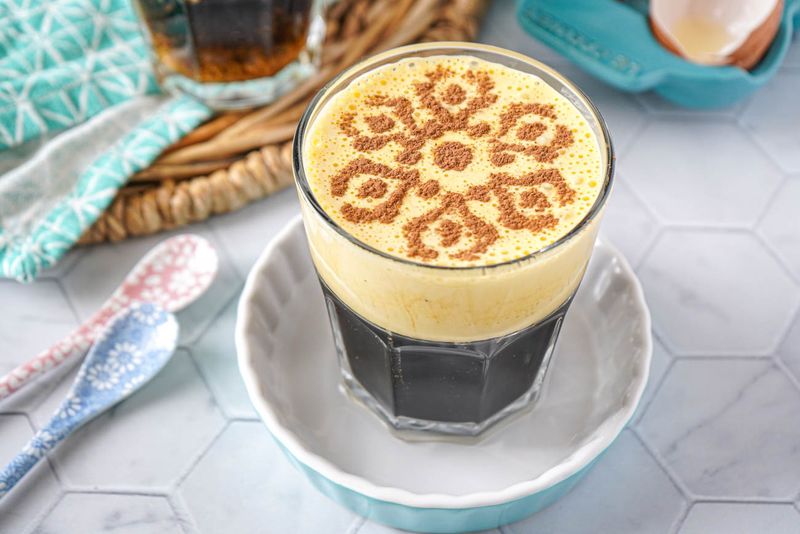
Born from wartime necessity, Vietnam's cà phê trứng tells a story of culinary innovation. When milk became scarce in 1946, a resourceful bartender whipped egg yolks with sugar as a creamy alternative.
The result? A dessert-like delicacy that floats atop robust Robusta coffee like golden clouds. Served in a bath of hot water to maintain temperature, this treat bridges the gap between beverage and indulgent pudding.
5. Sweden - Fika
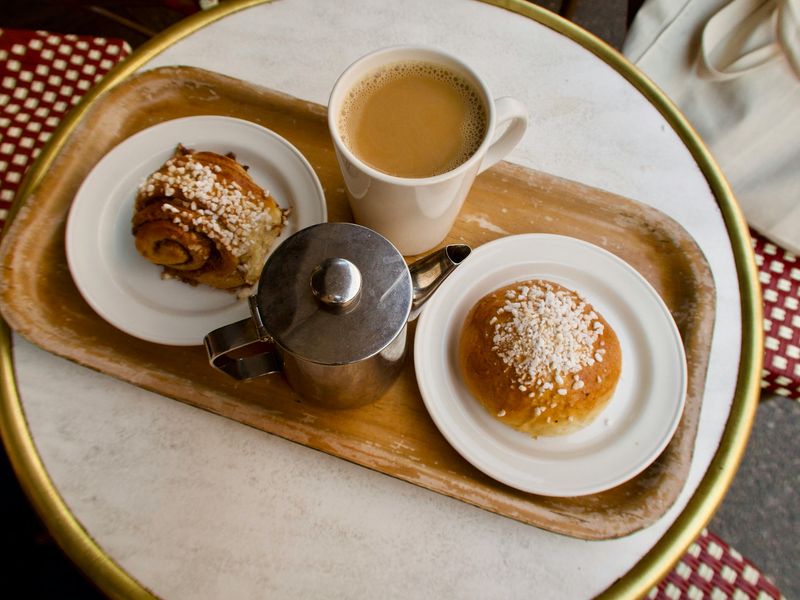
Swedes don't just drink coffee - they fika. This cherished tradition transcends mere caffeine consumption, becoming a mandatory social pause in the workday.
Colleagues gather around steaming mugs and sweet cinnamon buns, deliberately slowing down to connect. Unlike rushed coffee breaks elsewhere, fika is sacrosanct time for conversation and presence, woven into the fabric of Swedish wellbeing.
6. Finland - Coffee With Cheese
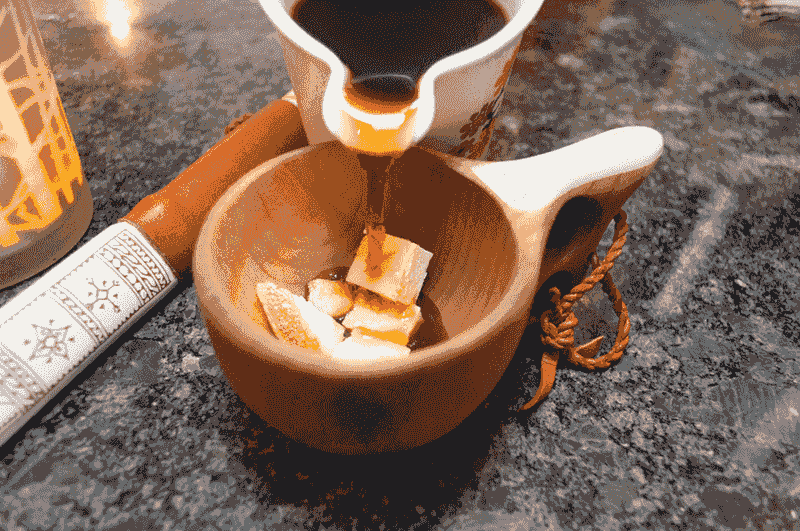
Imagine dunking cheese into your morning brew! Finns do exactly this with their traditional leipäjuusto - a squeaky, mild cheese made from rich reindeer or cow's milk.
Cut into chunks and placed directly in the cup, the cheese absorbs the coffee's warmth and flavour without melting. Often paired with cloudberry jam, this unusual combination offers a symphony of sweet, bitter, and savoury notes in each mouthful.
7. Japan - Precision Brewing
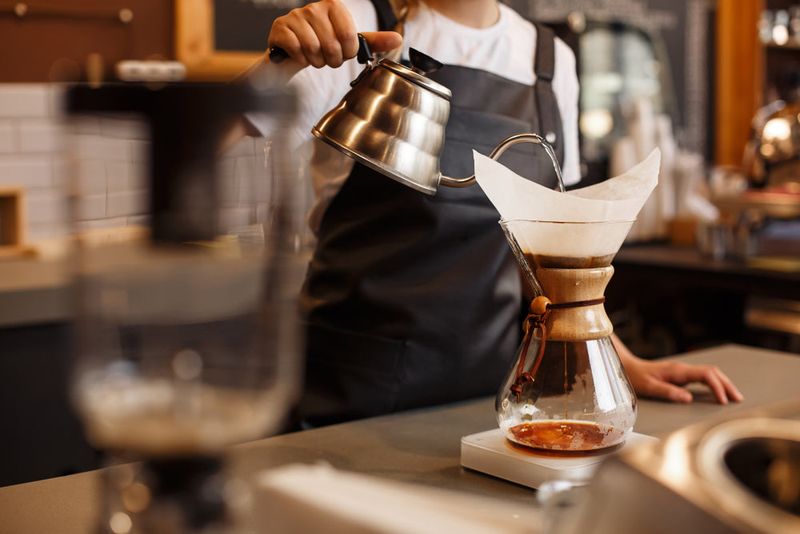
Watch a Japanese barista prepare pour-over coffee and you'll witness something approaching meditation. Every variable - water temperature, grind size, pouring speed - is meticulously controlled with scientific precision.
Coffee shops often feature minimalist design, creating tranquil spaces that honour the brewing ritual. This approach reflects Japan's cultural philosophy of perfecting even the simplest tasks, elevating coffee from beverage to art form.
8. Brazil - Cafézinho
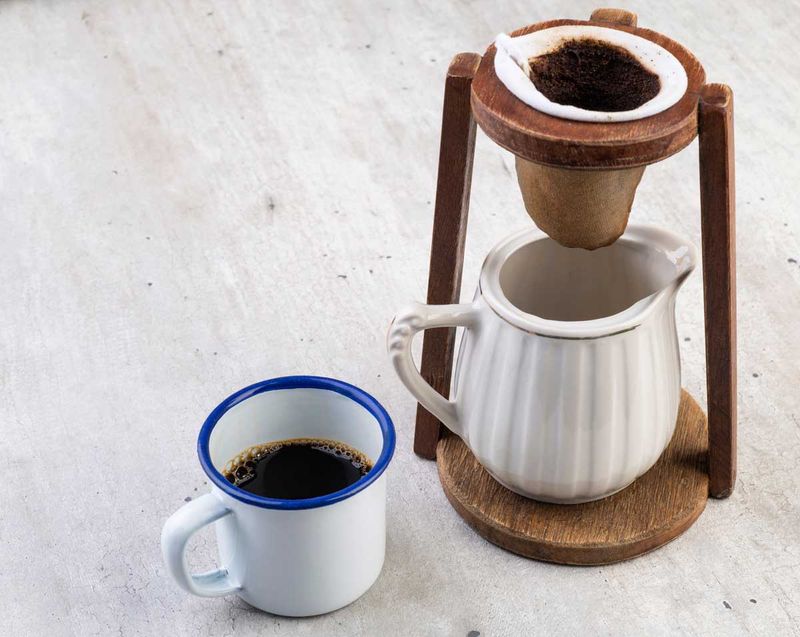
"Would you like a cafézinho?" This question welcomes visitors to Brazilian homes and businesses alike. The diminutive name - literally "little coffee" - belies its cultural significance.
Brewed directly with sugar in a cloth filter, this sweet, potent shot arrives unbidden as a gesture of hospitality. Refusing it is almost unthinkable, as accepting cafézinho means accepting friendship in South America's coffee powerhouse.
9. Colombia - Tinto
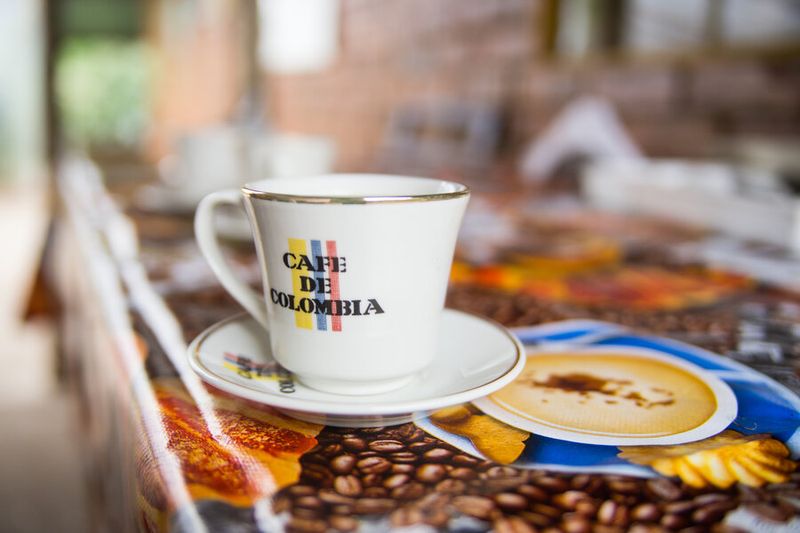
Street vendors weave through Colombian traffic with thermoses of tinto balanced precariously on shoulder straps. This ubiquitous black coffee - its name meaning "inky water" - fuels the nation from dawn till dusk.
Served in tiny plastic cups for mere pennies, tinto brings democratized caffeine to all social classes. Despite Colombia's reputation for premium beans, locals prefer this humble brew - strong, sweet, and an essential thread in the country's social fabric.
10. Mexico - Café De Olla
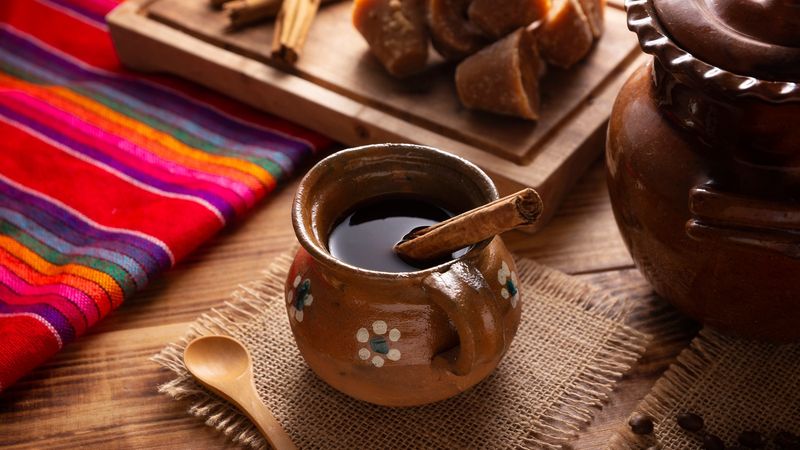
Clay pots impart earthy magic to Mexico's café de olla. Cinnamon sticks and piloncillo cones (unrefined cane sugar) melt into freshly ground coffee, creating a spiced elixir that warms mountain mornings.
Traditionally prepared over open fires in rural kitchens, this method dates back to the Mexican Revolution when soldiers needed energy-boosting brews. The distinctive clay vessels don't just cook the coffee - they transform it, lending minerals and depth impossible to replicate in metal pots.
11. Greece - Greek Coffee
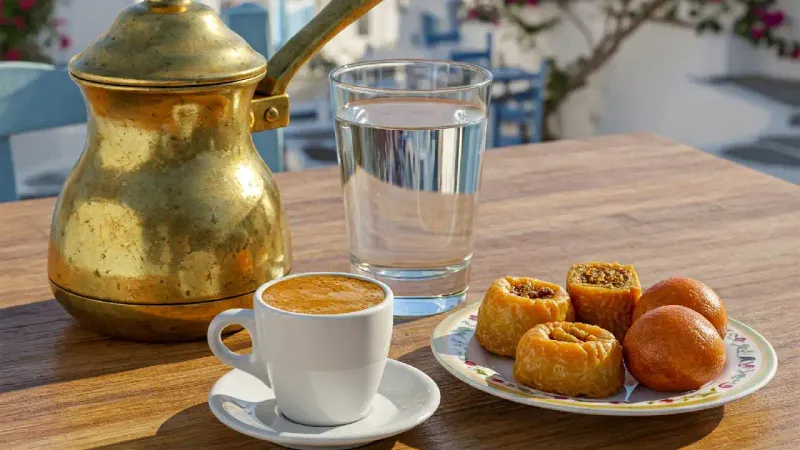
Time slows down when Greeks gather for coffee. Their unfiltered brew, once called Turkish coffee but renamed after political tensions in the 1970s, demands patience both in preparation and consumption.
Sipped leisurely from demitasse cups, the thick liquid leaves a muddy sediment that older generations still use for fortune-telling. "Don't disturb the grounds," they'll warn, as the patterns hold secrets for those who know how to read them.
12. Austria - Wiener Melange
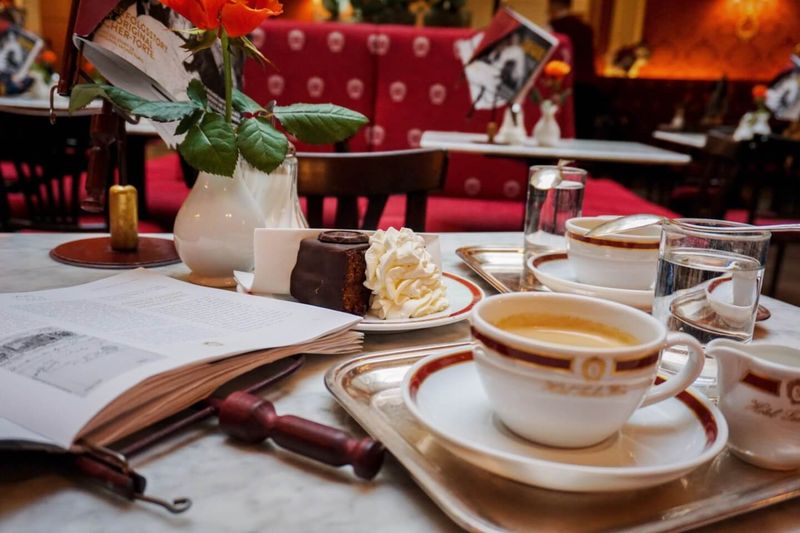
Marble tabletops and velvet chairs set the stage for Austria's coffee theatre. The Wiener Melange - espresso topped with steamed milk and silky foam - stars in Vienna's historic coffeehouses, institutions once frequented by Freud, Klimt, and Mozart.
Waiters in formal attire serve each cup on silver trays with a glass of water. These elegant establishments function as "public living rooms" where patrons linger for hours, reading newspapers provided on wooden holders - a tradition protected by UNESCO.
13. Russia - Coffee With Confectionery
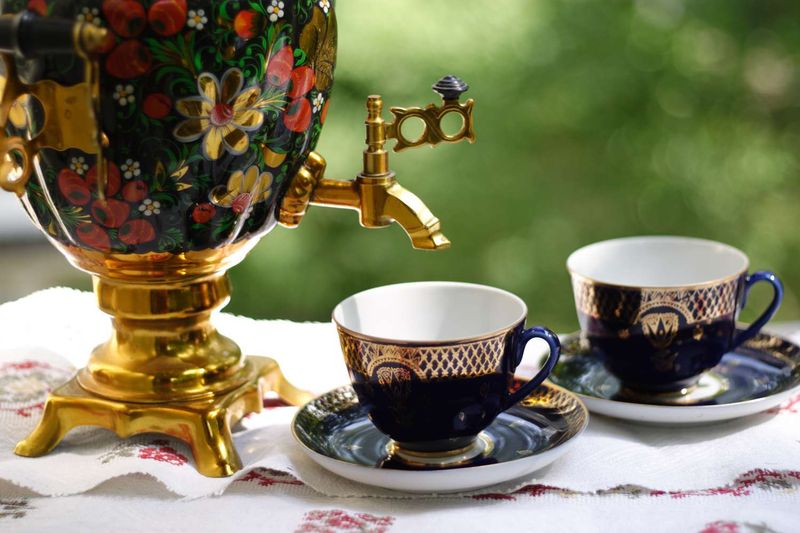
Russians transform coffee drinking into a sweet affair. Their zavarka method produces intensely concentrated coffee that stands up boldly against elaborate pastries and candies.
Winter afternoons find friends gathering around samovars, diluting this coffee concentrate with hot water to personal preference. Sugar cubes aren't stirred in but held between teeth as coffee is sipped through them - a centuries-old technique that gradually sweetens each mouthful.
14. South Korea - Café Culture
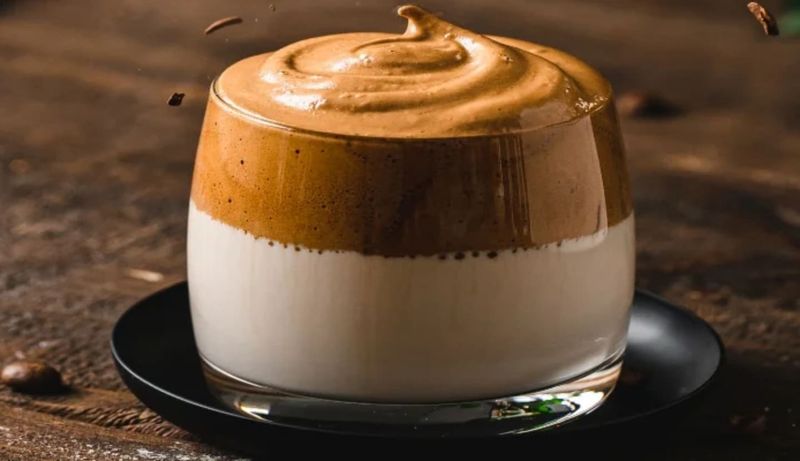
Seoul boasts more cafés per capita than nearly anywhere else on earth. Beyond mere coffee shops, these spaces serve as fashion showcases and social media destinations, with interiors designed specifically for Instagram perfection.
Dalgona coffee - whipped to cloudlike consistency - became a global sensation during pandemic lockdowns, but represents just one innovation from Korea's creative coffee scene. From cafés themed after cartoon characters to drinks topped with artwork, coffee here is as much visual spectacle as beverage.
15. United States - Specialty Coffee
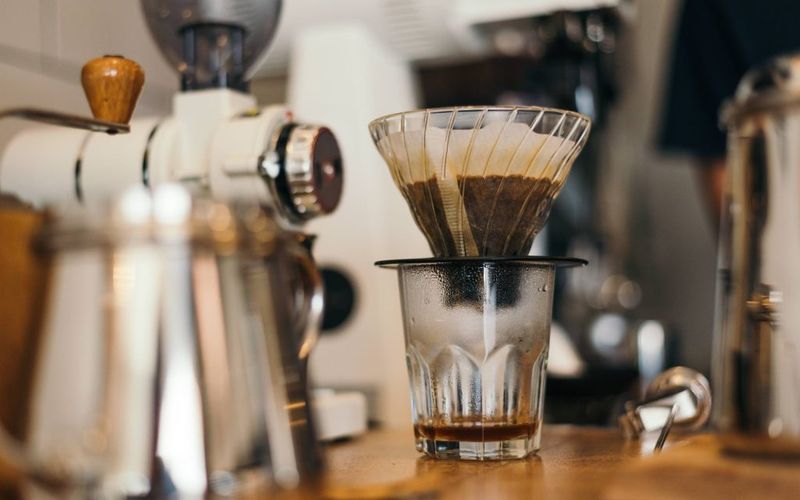
America's coffee revolution began in Seattle but has evolved far beyond basic espresso drinks. Third-wave coffee shops now approach beans like wine, highlighting single-origin stories and precise tasting notes.
Baristas compete in latte art championships while customers debate brewing methods with religious fervor. This relatively young culture lacks the centuries of tradition found elsewhere but compensates with innovation - from nitrogen-infused cold brews to seasonal flavor combinations that change with American holiday calendars.
16. Canada - Tim Hortons

Hockey players and politicians alike queue for their "double-double" at Tim Hortons - two creams, two sugars in a cup that's become a Canadian identity symbol. Founded by a national hockey star in 1964, "Timmies" transcends mere coffee chain status.
During winter's harshest months, Canadians clutch these cups like hand warmers. The chain's roll-up-the-rim contest transforms spring drinking into a national lottery, with cars and cash hidden under ordinary cup rims - creating collective excitement across the world's second-largest country.
17. United Arab Emirates - Arabic Coffee
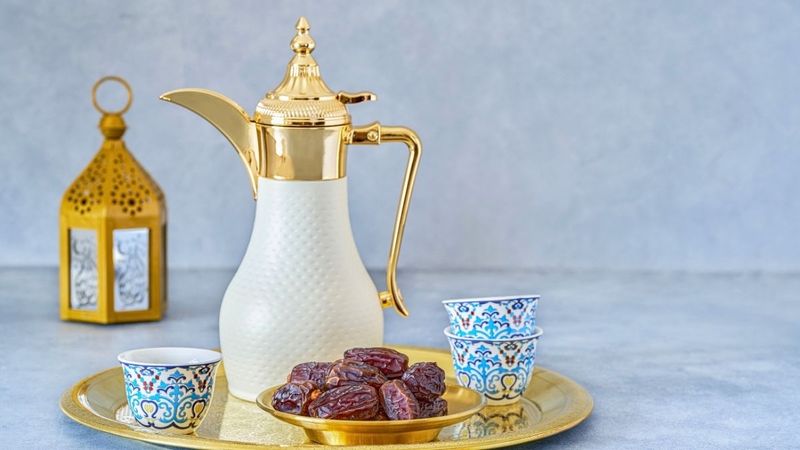
Gold-trimmed cups no larger than thimbles cradle the UAE's traditional qahwa. Lightly roasted beans blended with cardamom create a pale, aromatic brew that's never served alone - hospitality demands accompanying dates or sweets.
The youngest person traditionally serves, pouring just enough for three sips. Guests signal they've finished by gently shaking their cups; otherwise, refills appear instantly. This ceremonial offering transcends refreshment, symbolizing the desert value of generosity toward all who enter one's tent or majlis.



