













British cuisine has a rich heritage of hearty, comforting meals that have warmed generations through cold, rainy evenings.
These traditional dinners once formed the backbone of family mealtimes across the United Kingdom, bringing loved ones together around the table.
Sadly, as busy lifestyles take over and international flavours become more accessible, many classic British dishes are gradually vanishing from home kitchens and restaurant menus alike.
1. Toad In The Hole
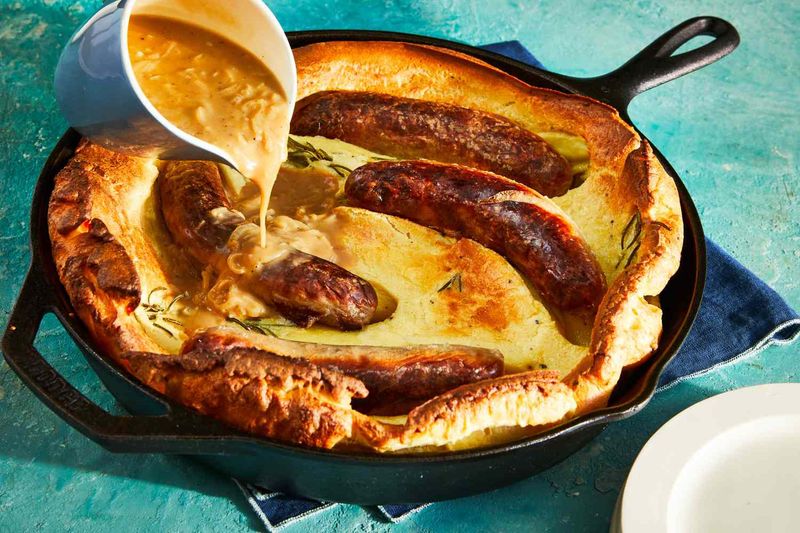
Sausages nestled in crispy Yorkshire pudding batter create this oddly-named British classic. The dish dates back to the 1700s, when meat was scarce and families needed creative ways to stretch their meals.
Modern families increasingly bypass this comfort food for quicker alternatives. The 30-minute preparation time seems excessive in our fast-paced world, despite the delicious reward of those perfectly risen, golden-brown batter walls.
2. Beef Wellington
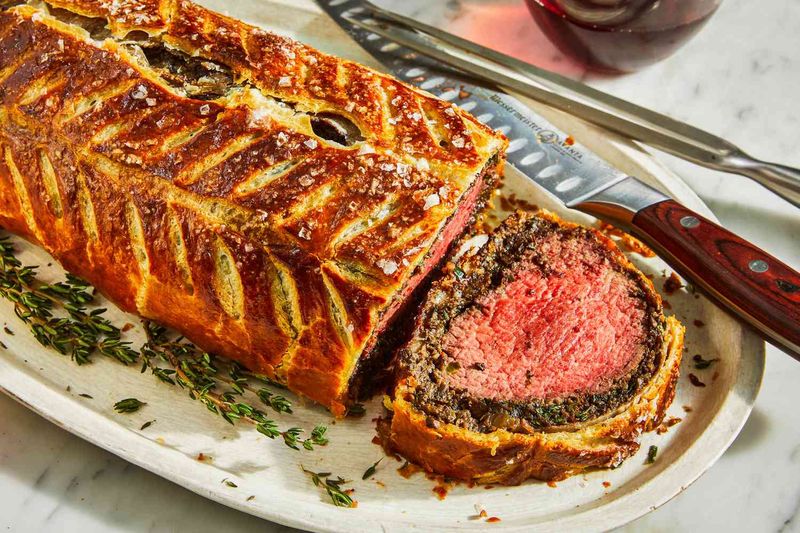
Luxurious tenderloin wrapped in mushroom duxelles, ham, and buttery pastry creates this showstopping centrepiece. Named after the Duke of Wellington, this labour-intensive marvel requires precision timing and considerable skill.
Few home cooks attempt this technical challenge nowadays. Between the expense of quality beef and the four-hour preparation process, this magnificent dish has retreated to high-end restaurants and special occasions, rather than regular Sunday dinners.
3. Bubble And Squeak
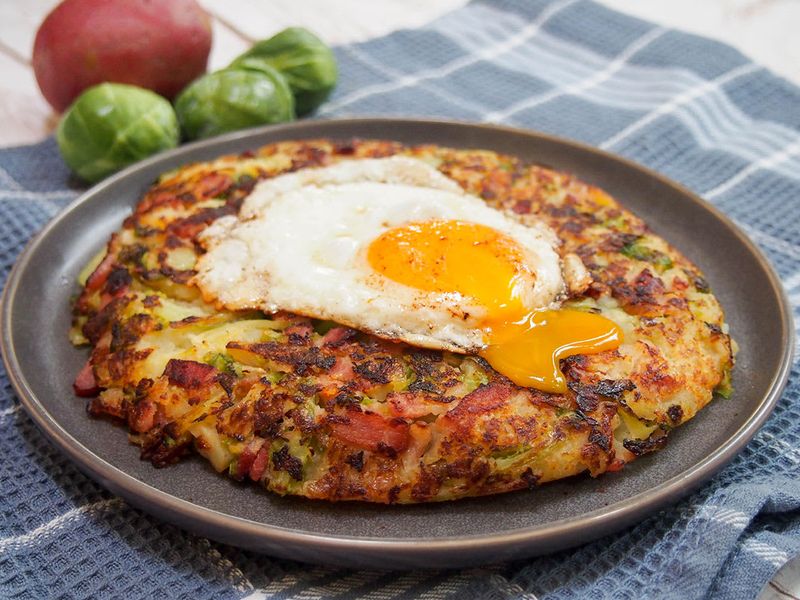
Yesterday's leftover vegetables find new life in this economical fry-up. The curious name comes from the bubbling and squeaking sounds as cabbage and potatoes sizzle in the pan.
Once a Monday tradition after Sunday roasts, this thrifty creation is fading fast. Today's households increasingly discard leftovers rather than transforming them, and pre-packaged meals have replaced the art of resourceful cooking that defined post-war British kitchens.
4. Lancashire Hotpot
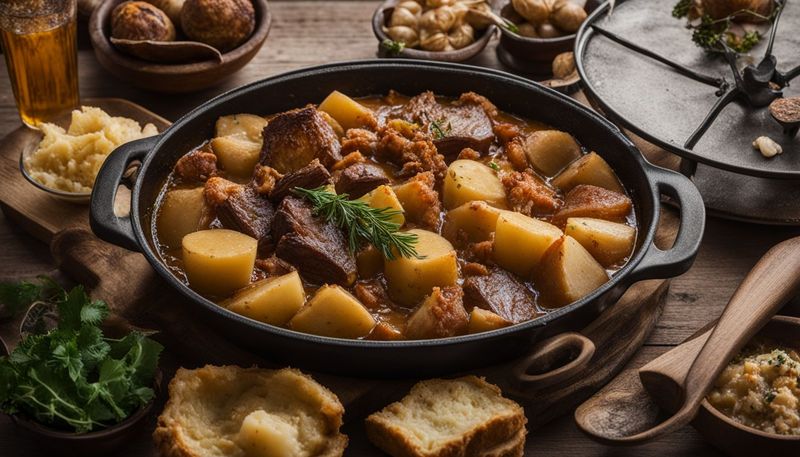
Born in the textile mills of Northern England, this lamb and potato casserole sustained hardworking families through industrial revolution winters. Workers would leave it simmering all day, returning to a perfectly cooked one-pot wonder.
The three-hour cooking time feels impossibly slow for modern households. Despite its rich heritage and soul-warming qualities, this regional treasure struggles to compete with 15-minute meal kits and international takeaways that promise instant gratification.
5. Cullen Skink
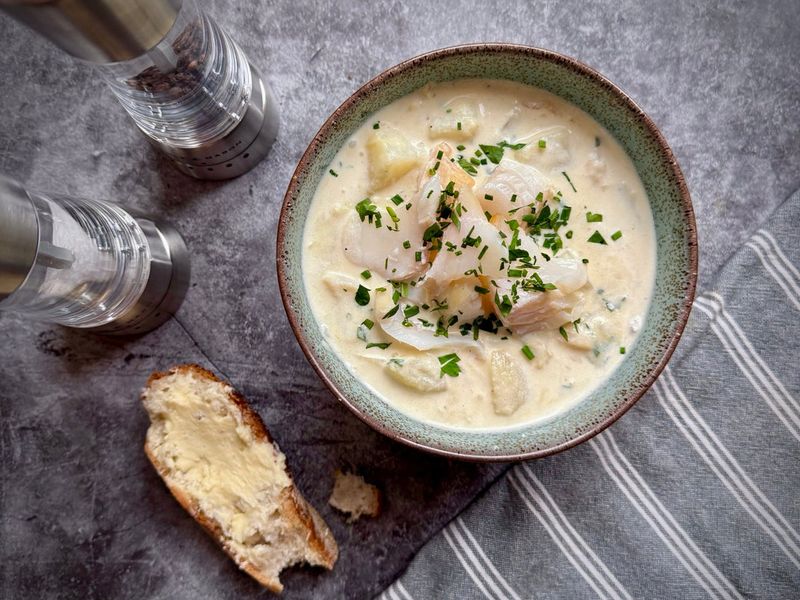
Cullen Skink, a creamy smoked haddock soup, finds its roots in Scotland's coastal regions. This dish embodies the essence of Scottish seafood tradition, offering a warm embrace with every serving. Its rich, velvety texture is a testament to age-old culinary practices.
Despite its delectable taste, Cullen Skink is gradually vanishing from everyday menus. The labor-intensive preparation and distinct flavors may be the culprits. However, it remains a beloved treasure among those who cherish Scotland's culinary heritage.
6. Ploughman's Lunch
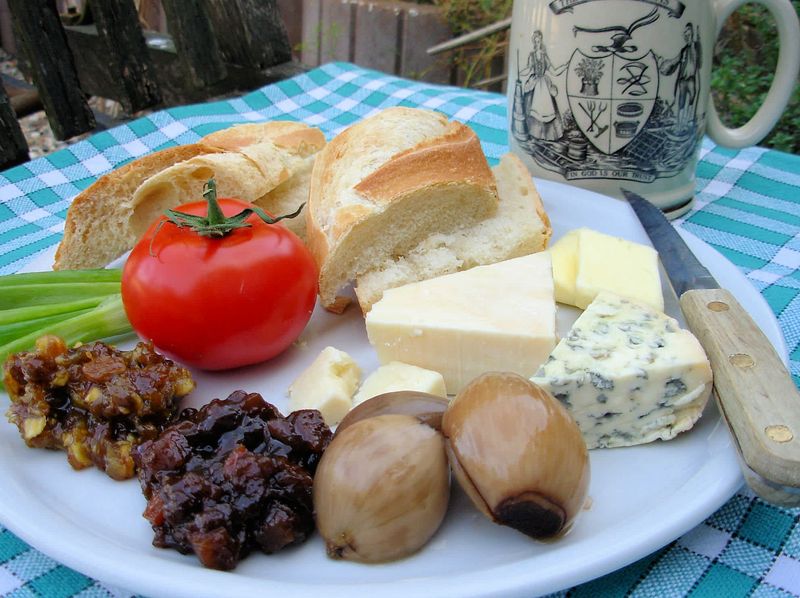
Farm workers once refuelled midday with this simple spread of crusty bread, tangy cheese, and pickled onions. Contrary to its rustic image, the term 'Ploughman's Lunch' was actually coined in the 1950s as a marketing campaign to boost cheese sales!
Pub menus increasingly replace this humble offering with trendy small plates and international options. The basic combination struggles against Instagram-worthy alternatives, despite perfectly showcasing Britain's artisanal cheeses and preserves.
7. Steak And Kidney Pie
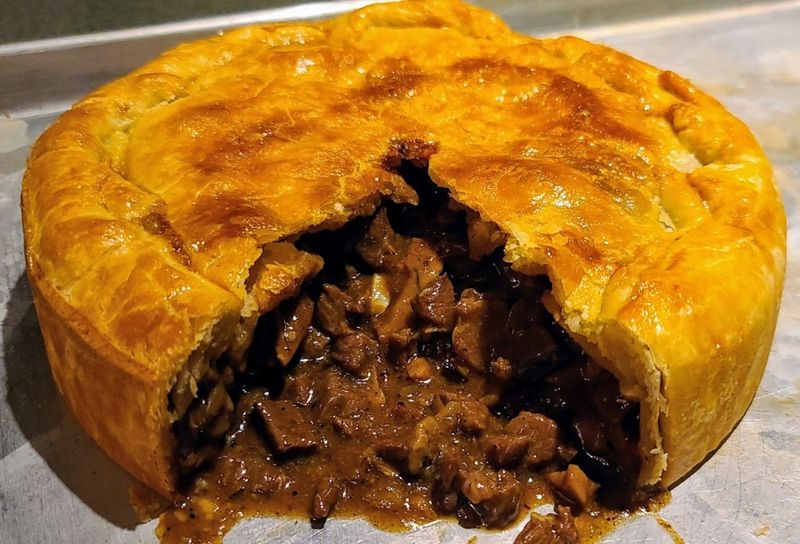
Encased in golden shortcrust pastry lies a rich filling that captured British hearts for centuries. The distinctive iron-rich flavour of kidney provides depth to this comforting pie that sustained dock workers and bankers alike.
Kidney's distinctive taste has fallen from favour with younger generations. Health concerns about offal consumption have also contributed to its decline, with chicken and mushroom variants taking precedence on pub menus nationwide, lacking the original's distinctive character.
8. Chicken à La King
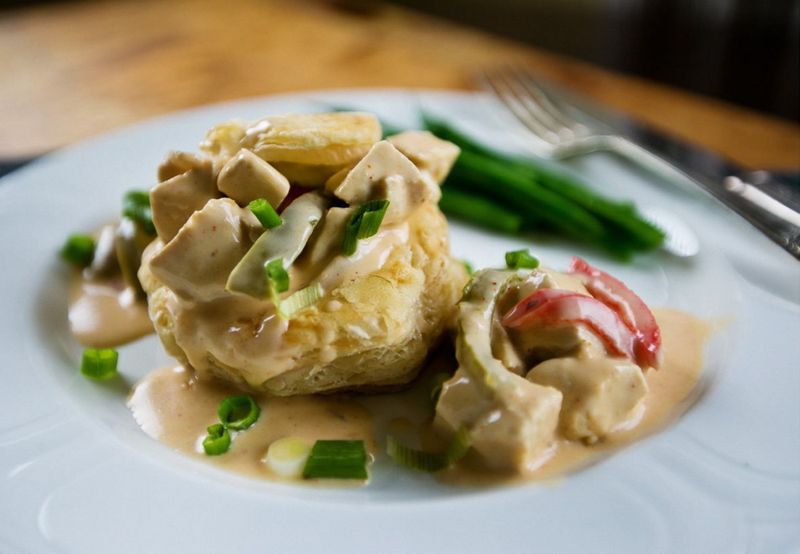
Elegant dinner parties of the 1970s weren't complete without this creamy concoction served in vol-au-vent cases. Despite its French-sounding name, this fusion dish became thoroughly embedded in British entertaining.
The rich combination of diced chicken, mushrooms and cream sauce has fallen victim to changing tastes. Modern dinner party hosts now avoid such heavy fare, preferring lighter, more internationally inspired options that don't harken back to the era of prawn cocktail and Black Forest gateau.



